Sutajaya: Planting Trees, Preserving Biodiversity and Heritage in West Java

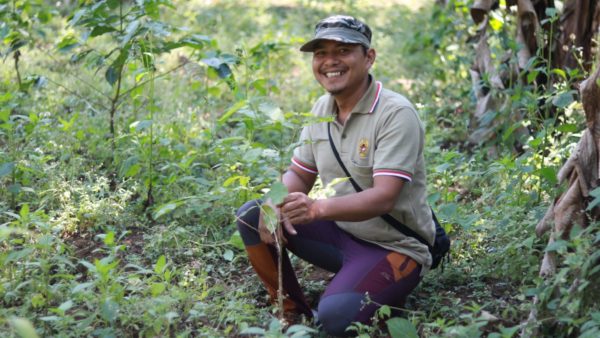
One of our main tree-planting locations in West Java is the Citarum River basin, home to over 1,000 tree species and 3,000 flowering plants. These plants are central to ecosystem health and form the basis for many livelihoods in the region. However, in the wake of rapid development, many of these tree species are now threatened by deforestation. In response, a local forest farmer named Sutajaya is determined to reverse the damage.
Six years ago, Sutajaya was granted free leasehold by the government to manage 2 hectares of land in the foothills of Sangar Mountain near Mekarjaya Village, the village in Bandung Regency that he calls home. “We are allowed to plant crops and manage the land,” says Sutajaya. “But the mandate is that we must plant hardwood trees that we never cut down.”
Traditional roots, bearing new fruits
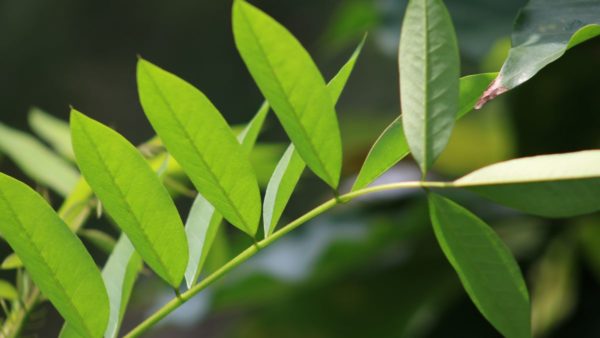
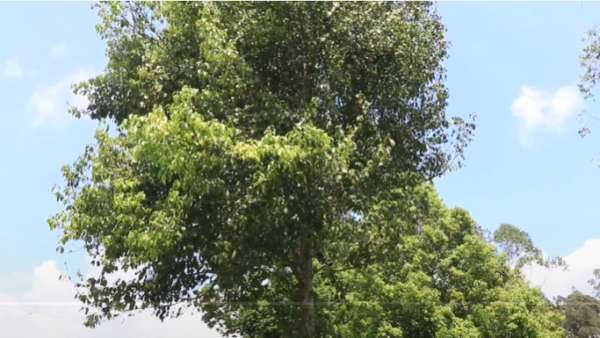
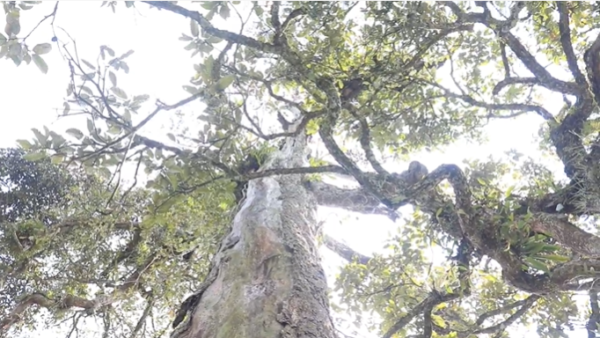
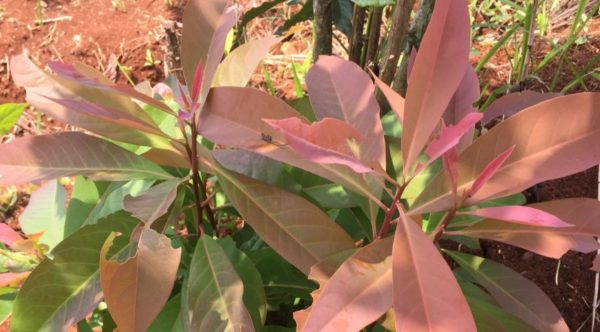
At first, Sutajaya planted coffee trees. However, he quickly noticed that many of the trees he remembered from his childhood were becoming more scarce. He started planting native Indonesian species like rasamala, saninten, damar, kisireum, and tarum areuy. And this process reconnected him to his roots.
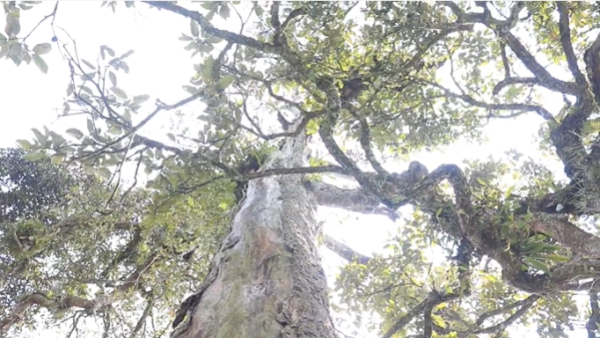
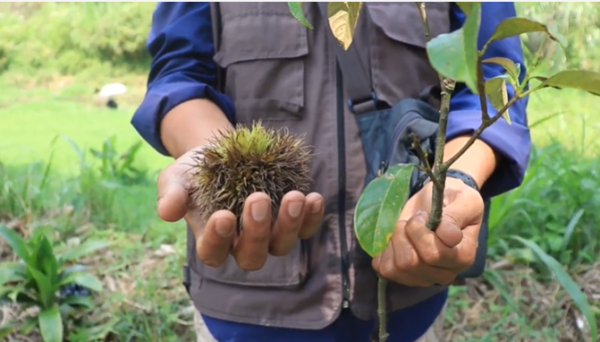
“This land used to be the home of the powerful Tarumanegara kingdom,” explains Sutajaya, remembering a story passed down from his ancestors. “Their name came from the tarum areuy tree, which used to grow all around – the tree. also gave its name to the river that flows through the region, the Citarum.”. The kingdom was known throughout Southeast Asia for their production of distinctive blue fabrics, made using dye from tarum areuy trees.
Today, the blue cloth is long forgotten, and the trees are disappearing too. “I don’t want my children to grow up without seeing the native trees so deeply rooted in our culture. So I will do all I can to stop them from disappearing,” said Sutajaya.

Planting the seeds of knowledge
Unlike most forest farmers in Mekarjaya Village, who manage the land primarily to plant crops and then reap the results, Sutajaya’s main goal in planting native trees is to create an educational forest, or arboretum. “My intention is to safeguard native trees, particularly those of West Java, and prevent further loss in the future,” he explains. “With the arboretum, I want to preserve biodiversity and educate people about the abundance of native trees that form part of our shared culture,” he added.
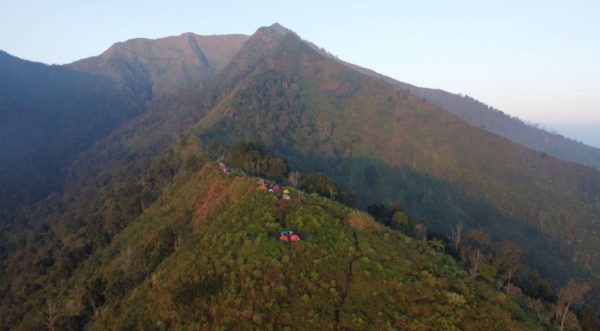
He plants these trees in the foothills of Sangar Mountain, a popular hiking track among young hikers, especially at weekends. He hopes these groups will stop by his arboretum to learn more about native tree species.
Support from Trees4Trees and TREEO
Sutajaya is well on his way towards his goal. In 2021, he took a big step forward by joining a tree-planting project with Trees4Trees in collaboration with TREEO. “That was a great opportunity for me to add to my tree collection,” he remembers, “and I really thank Trees4Trees for helping me realize my dream.”
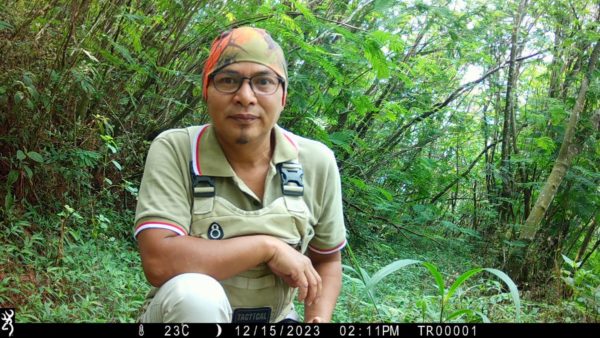
Together with Trees4Trees, he planted 1,600 sawo, damar, rasamala, and avocado trees, most of which have survived and are growing well to this day. From the sawo and avocado trees, he can harvest fruits to sell. From the damar trees, he collects sap, which also has economic value. The tarum areuy he planted provides leaves for organic fertilizer and fodder for his cattle. But the real value of these trees is something that can’t be bought or sold: a connection to heritage, and a glimpse of a greener future in the Citarum River basin.
In spite of everything he has achieved, Sutajaya is not satisfied. “There are still many native trees out there that I haven’t inventoried yet,” he says. “I hope I can find them soon.”
Trees4Trees is working closely with local forest farmers like Sutajaya to restore biodiversity and preserve natural heritage in West Java and beyond. To learn more about our tree-planting activities and get involved, please visit the Trees4Trees website.
Writer: V. Arnila Wulandani. Photo: Kemas Duga Muis