Skip to content

Planting Trees Supporting Cidaun Tourism

Restoring Ecosystems, Strengthening Community-Based Tourism Through Tree Planting.

Tree-planting in Cidaun supports local communities by restoring an environment highly vulnerable to erosion, landslides, floods, and drought caused by steep terrain and land conversion in inland areas, as well as coastal erosion along the shoreline. These efforts also strengthen community-based tourism destinations.
Project Progress
0%

Trees planted

50,418

Families helped

116

Total areas reforested

73 hectraes

CO2 captured

12,475 tonnes CO2e

Project started

2023

Planting methods

Agroforestry & Conservation

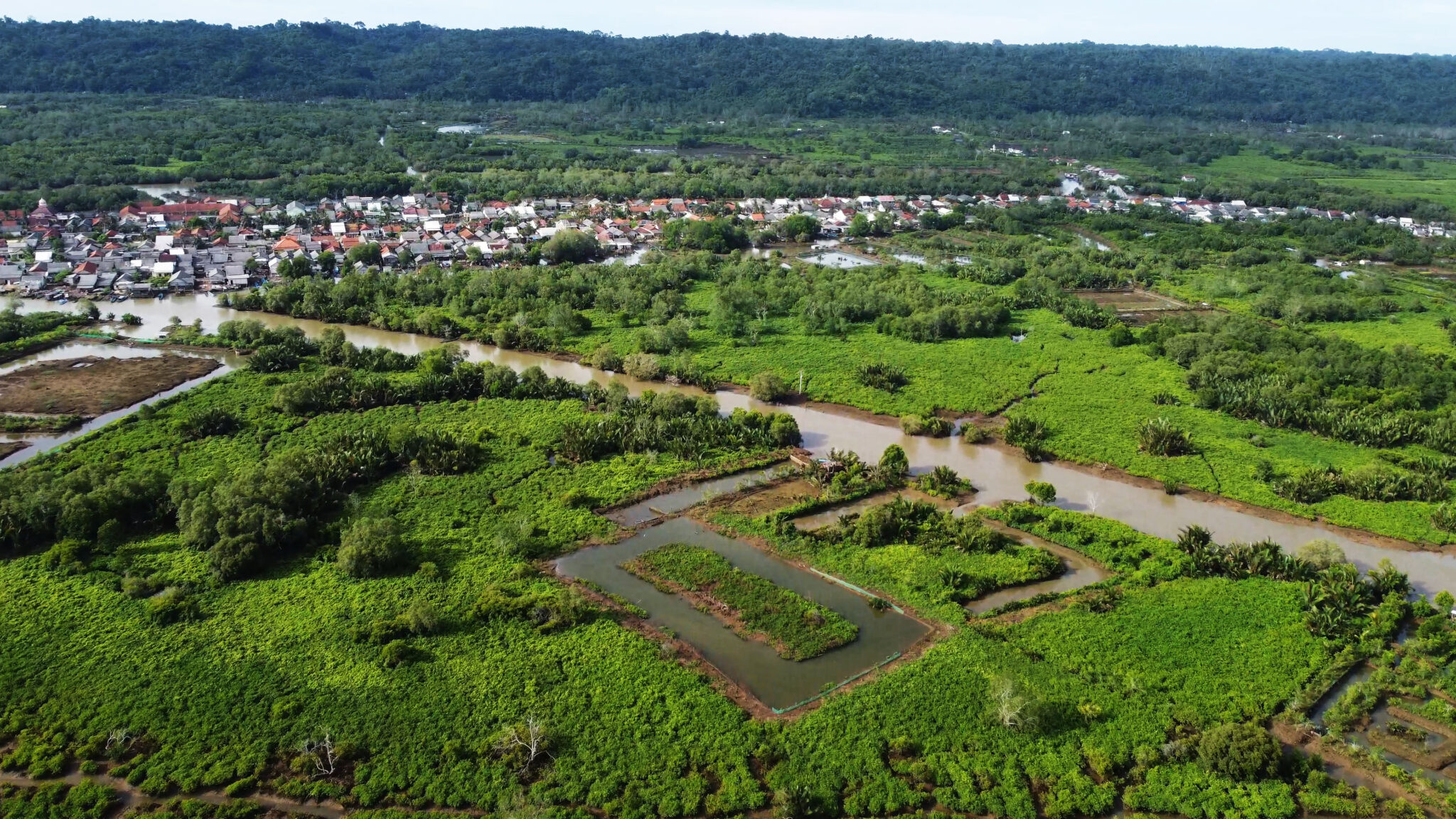
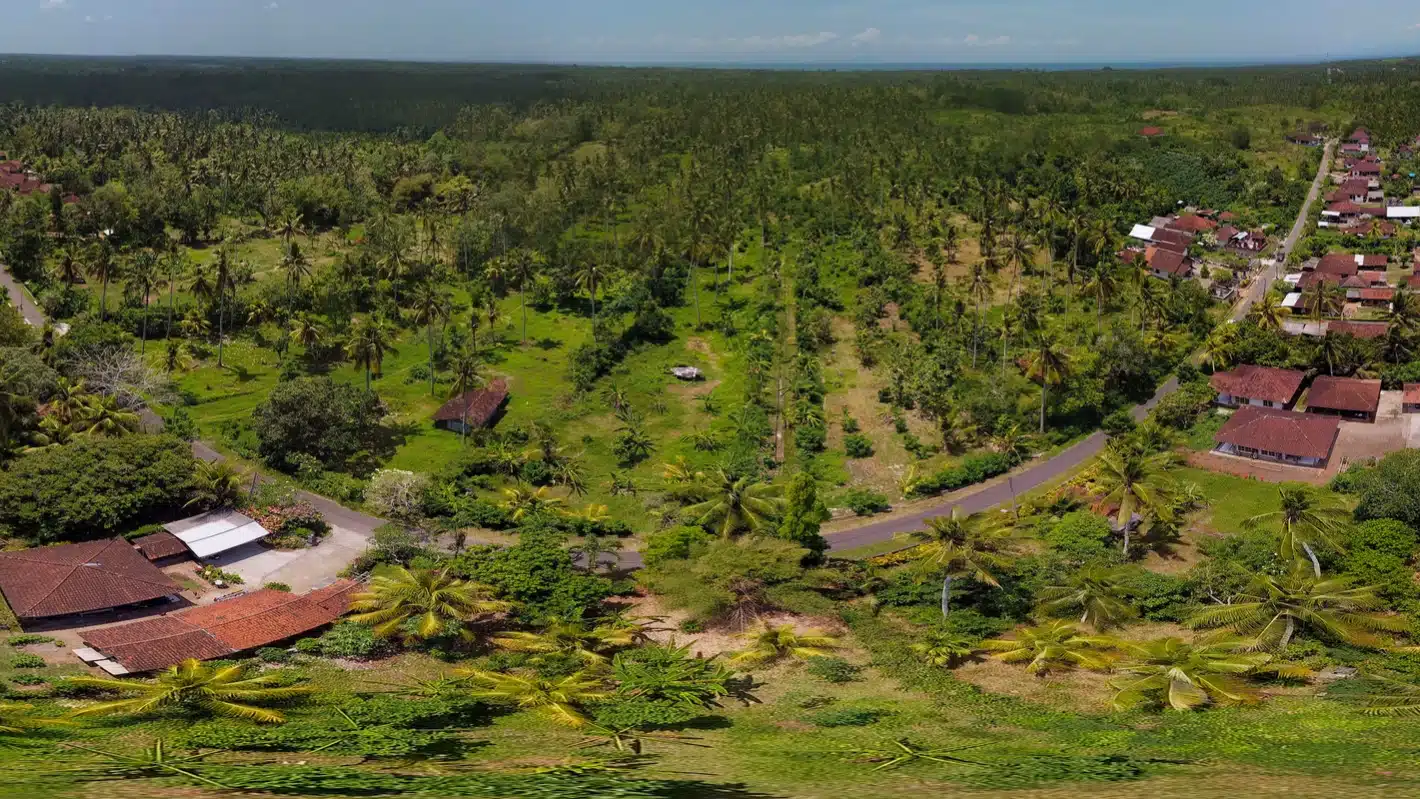
Located in southern Cianjur Regency in West Java, Cidaun borders the Indian Ocean, with coastline that directly faces the open ocean. This makes the coastline highly vulnerable to coastal erosion that threatens local communities. At the same time, the coastal area is a key source of local community income, serving as tourist destinations, supporting local livelihoods through restaurants, beach activities, and fish auctions. 

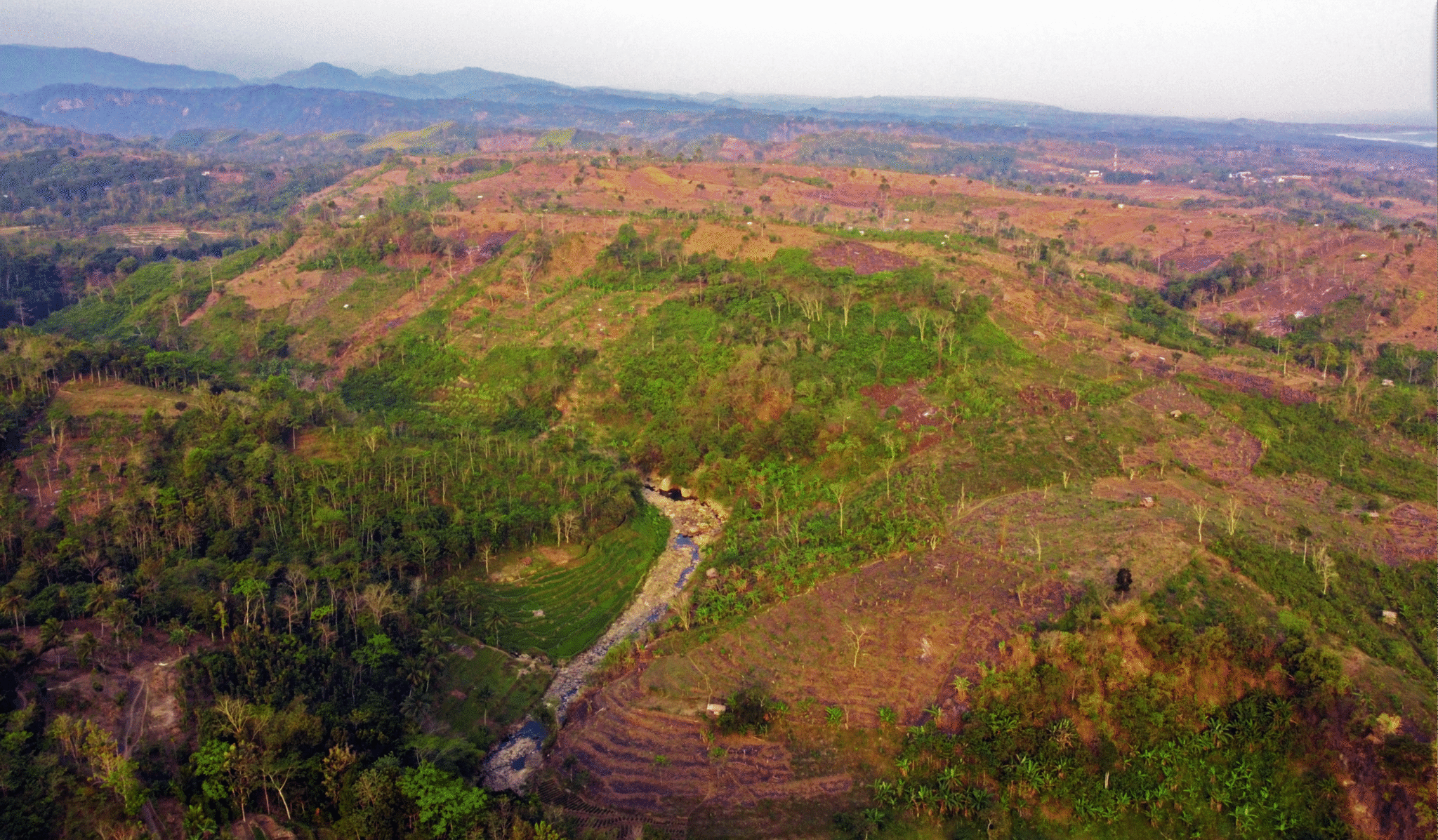
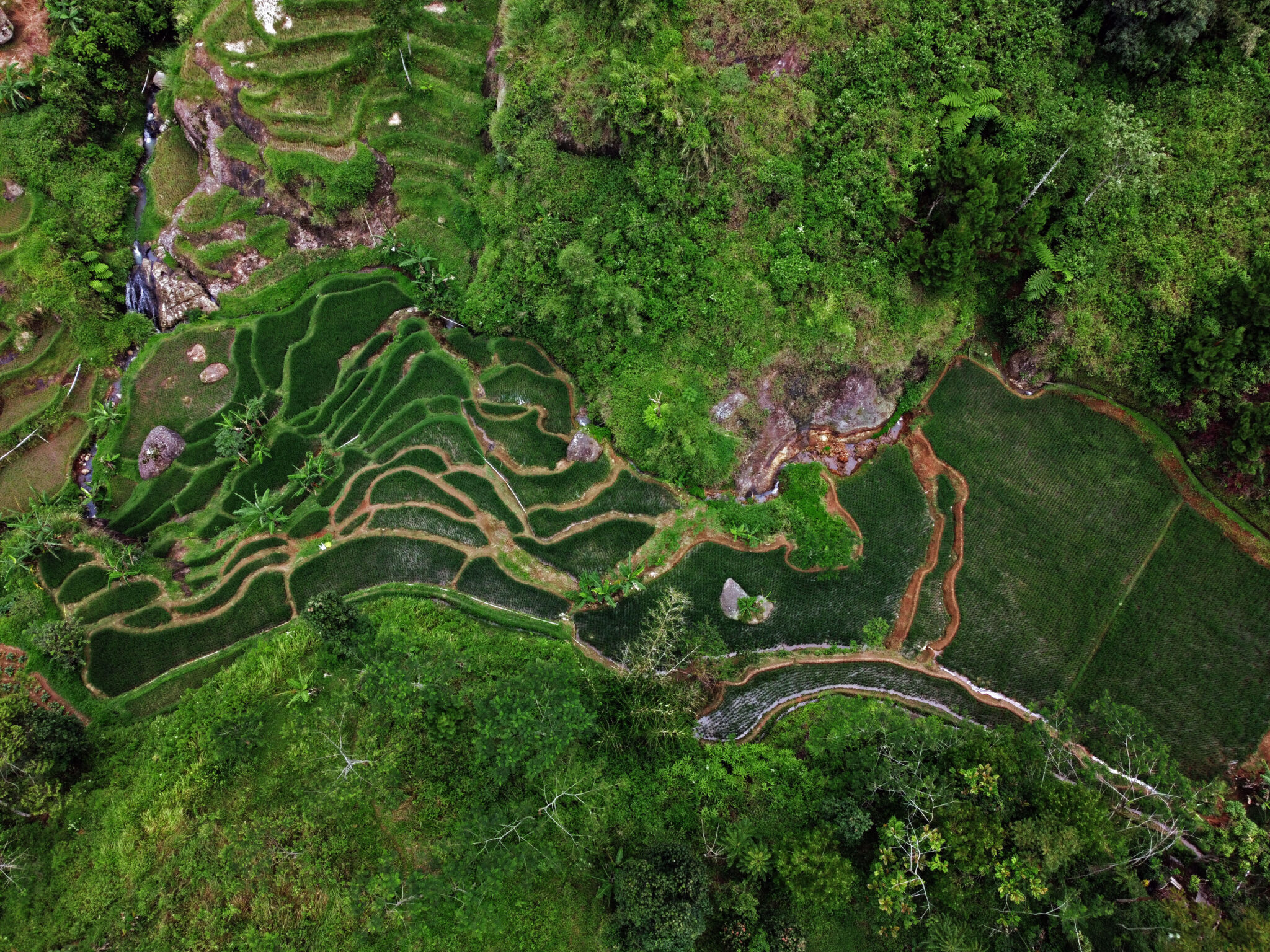
The terrestrial area of Cidaun is characterized by mountainous and hilly landscapes dominated by steep slopes and deep valleys. Its short, fast-flowing rivers create sharp seasonal water volume fluctuations – making the area prone to floods during the rainy season and drought during dry season. 

The extreme steep slopes, combined with agricultural and land conversion, also make the area highly vulnerable to geological hazards, primarily erosion and landslides.  Approximately 90% of the Cidaun area is prone to floods, landslides, droughts, and whirlwinds, especially during the rainy season.  

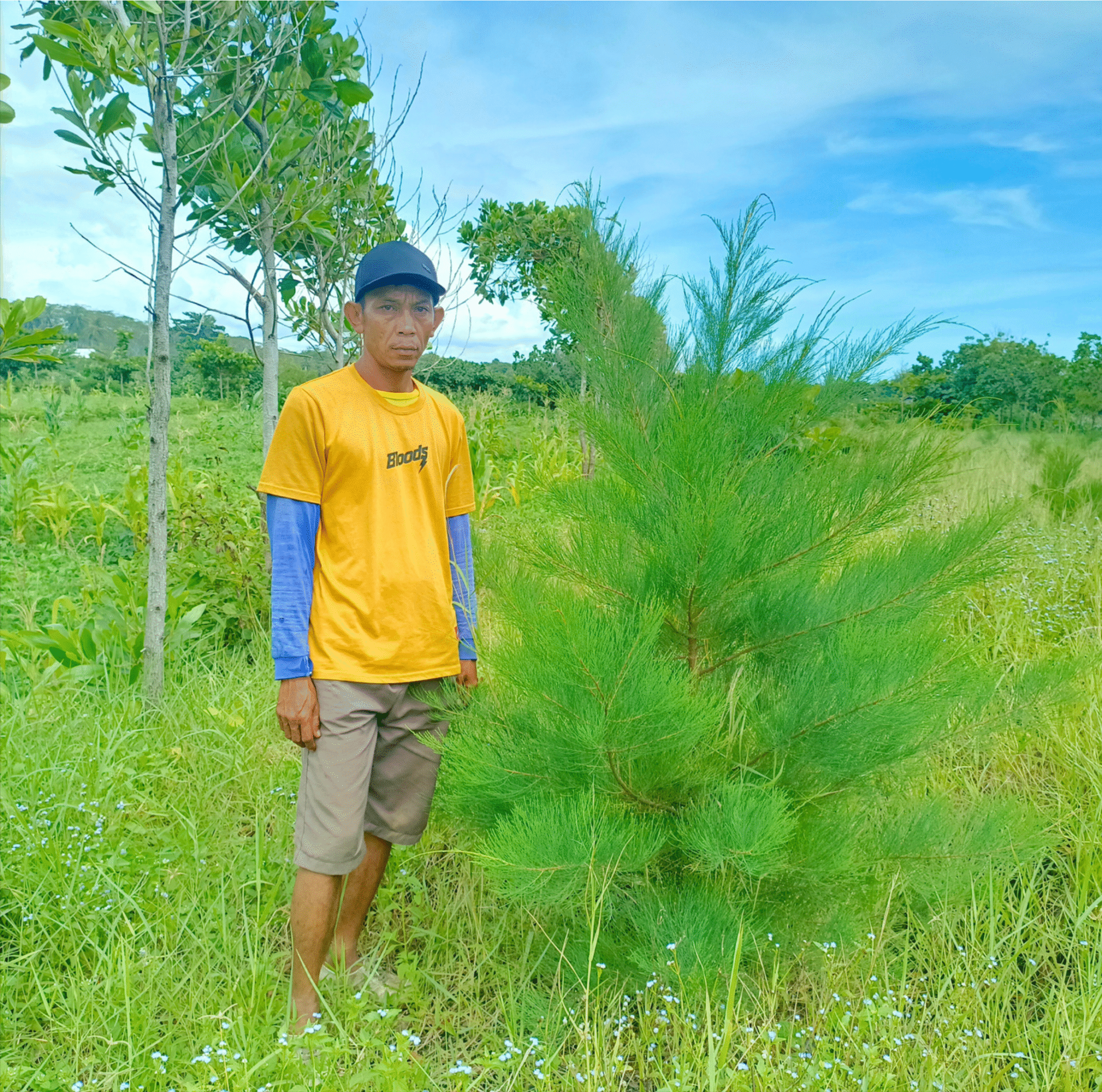
Tree-planting efforts in both coastal and inland areas aim to expand tree cover, reduce both coastal and land erosion, strengthen land and water conservation, sequester carbon, and support community-based tourism by enhancing the value and expansion of coastal pine trees along the shoreline of Cidamar and Jayanti Beach. 
Location :

Cidamar and Karangwangi Village, Cidaun District, Cianjur Regency, West Java.

Total area degraded :

Cause of degradation :

Forest conversion into agricultural and residential areas, combined with steep geographic contours and high rainfall, soil quality and ability decreasing to retain rainwater and manage run-off.

Potential area for planting :

846 hectares

Planting density :

550,000

Steep Contour 

The extreme steep slope makes the area highly vulnerable to geological hazards, primarily erosion, landslides, flood, and drought 

Coastal Erosion 

The large and powerful waves of the southern ocean continuously erode the coastline. 

Land Conversion  

Land conversion, primarily due to industrial and business pressure, exacerbates environmental degradation. 

Coastal Communities

The tree-planting initiative benefits coastal communities by planting coastal pine trees that enhance tourism value while protecting residents from tidal waves and coastal erosion. 

Inland Local Communities

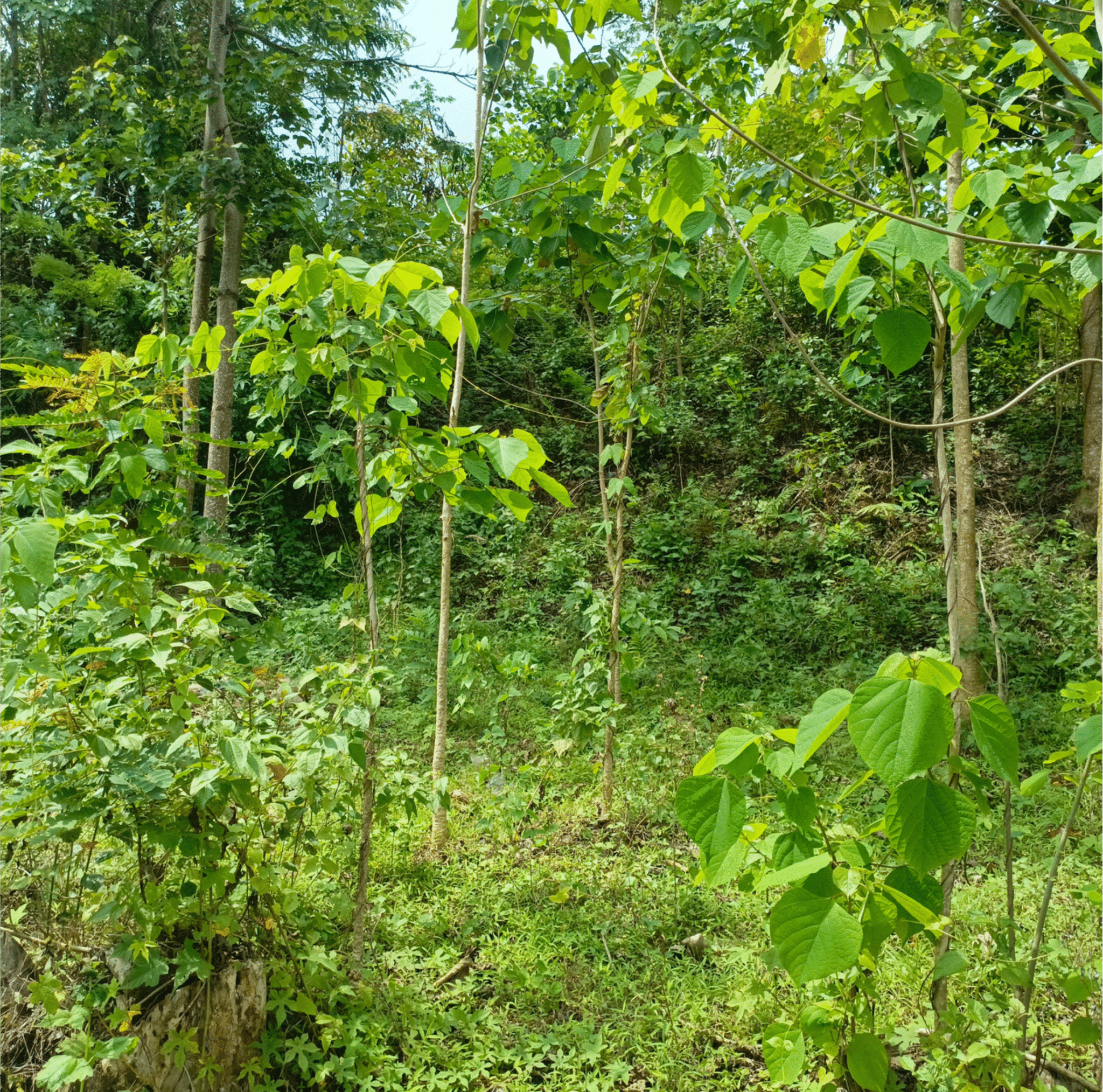
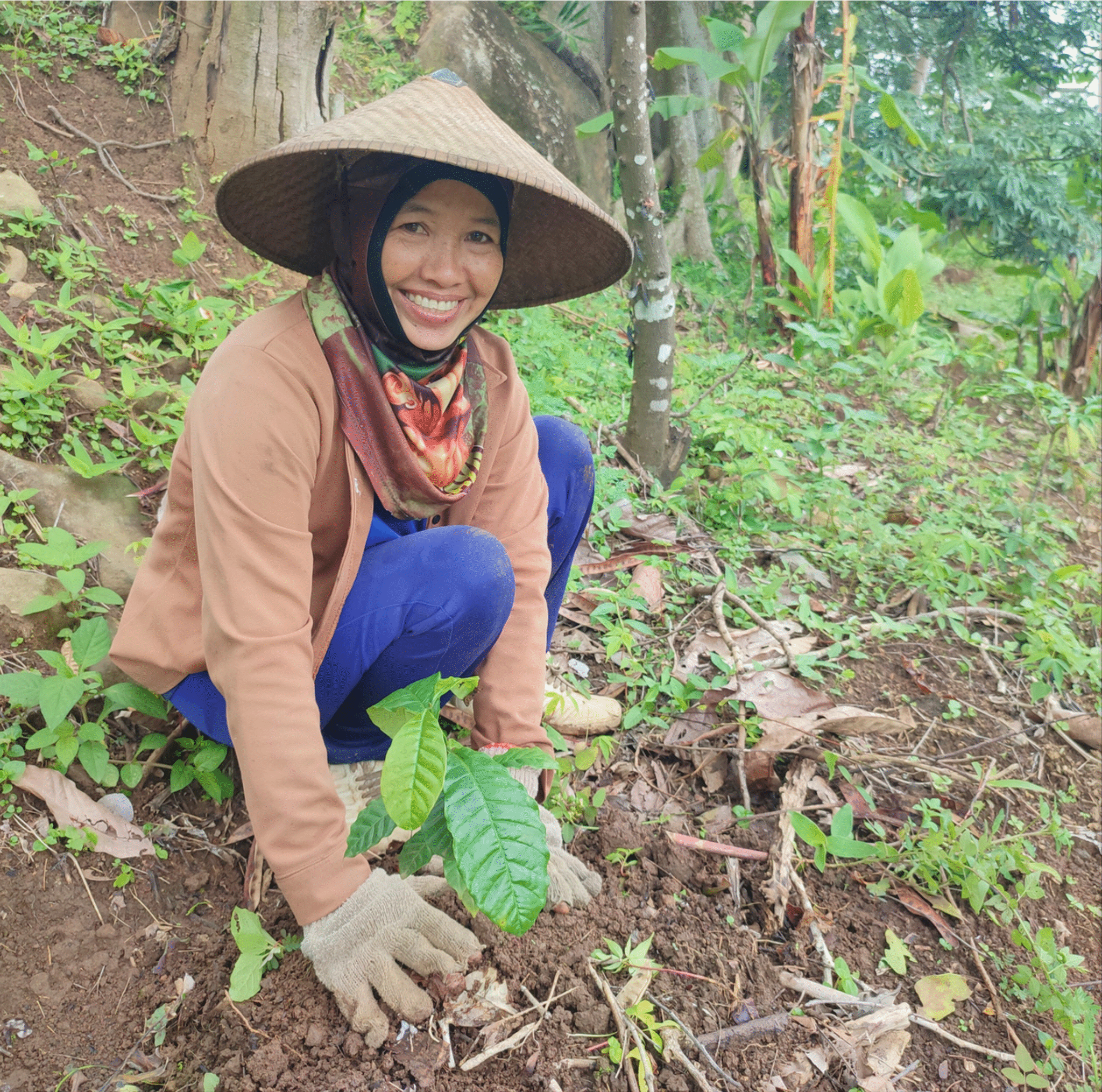
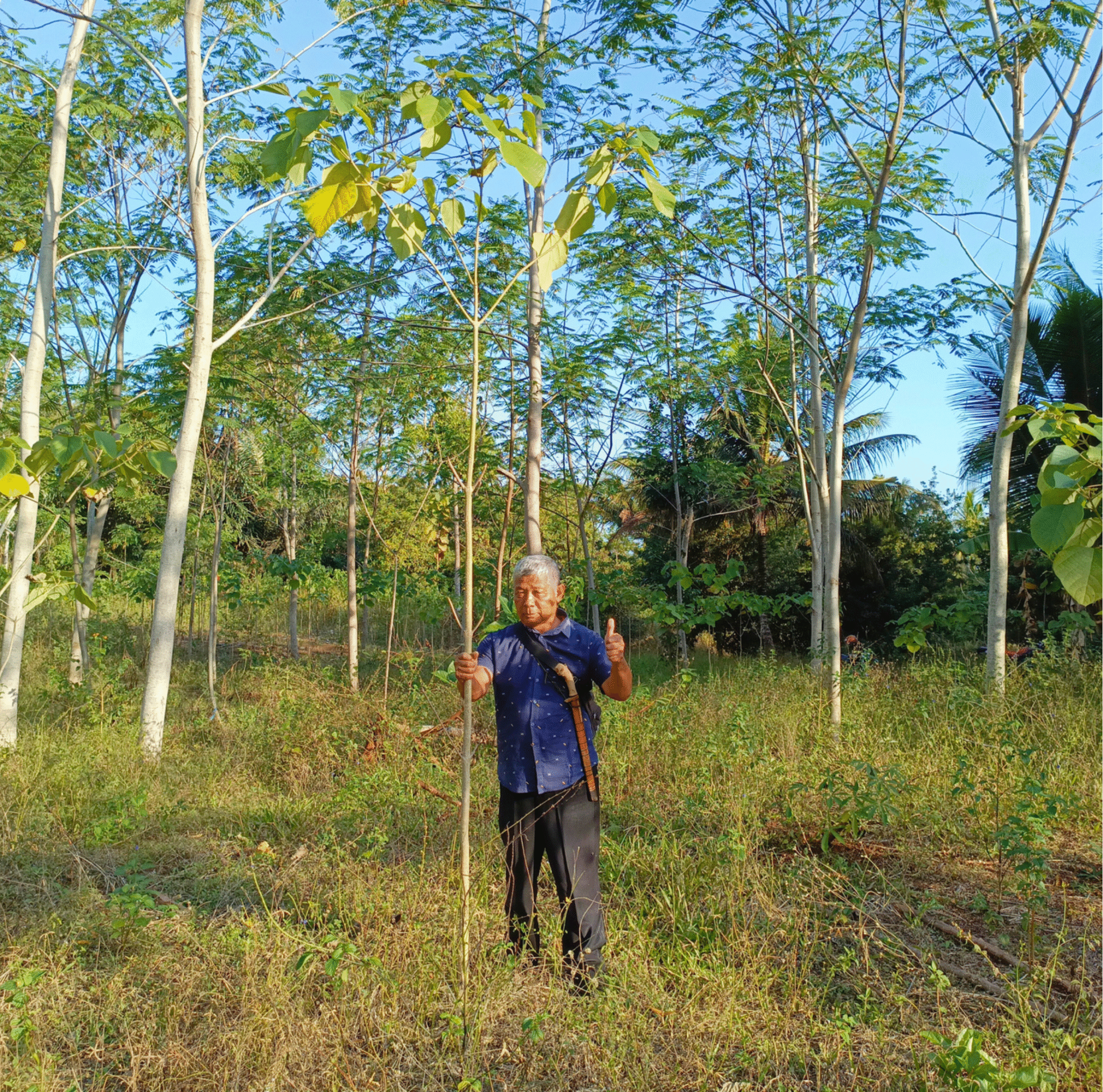
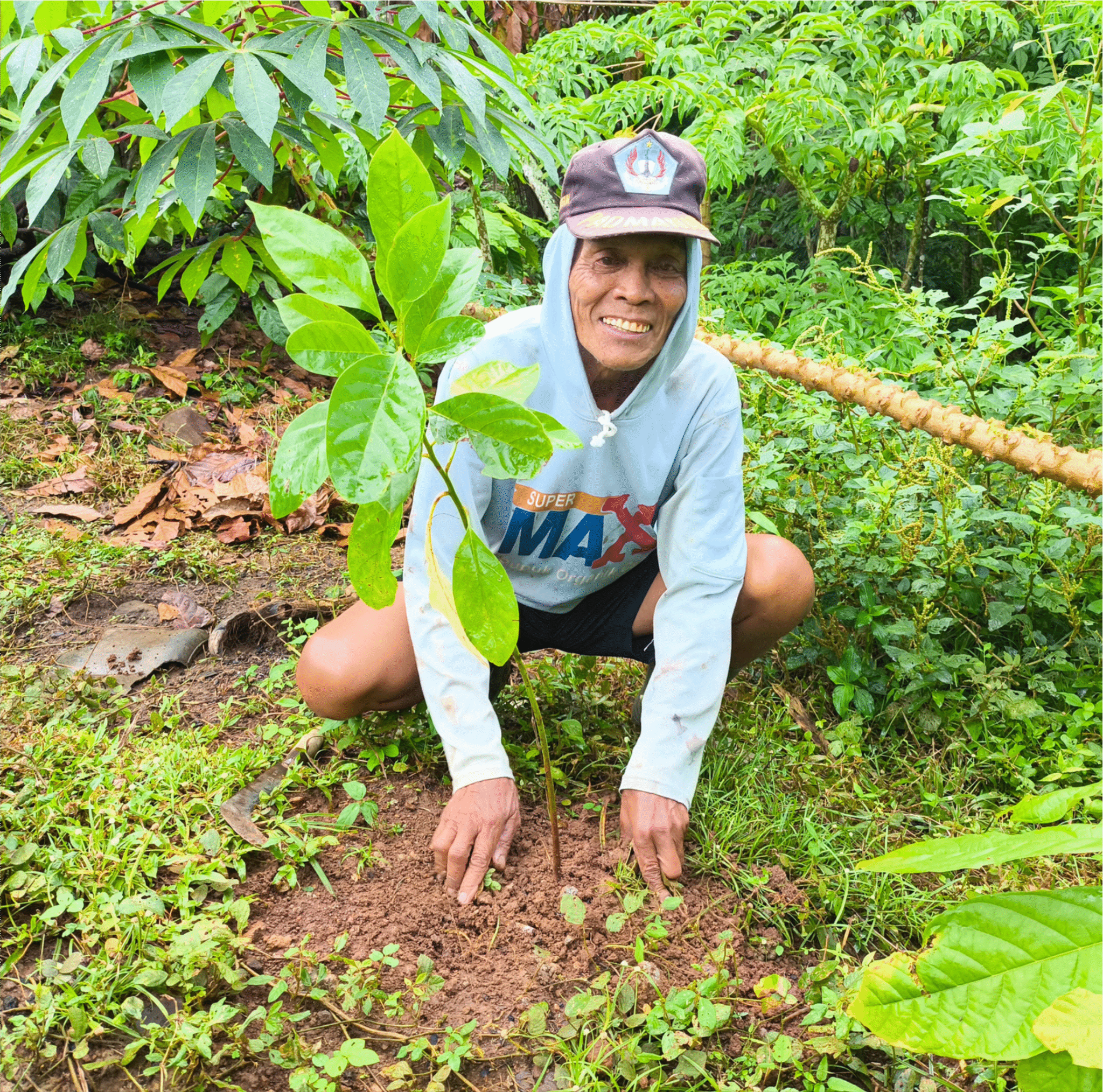
Tree-planting in inland areas supports local farmers who participate as planting partners and later benefit from harvesting non-timber forest products to improve their livelihoods. Additionally, restored terrestrial environments reduce the risk of landslides, drought, and flooding, providing broader benefits for surrounding communities.

As part of West Java’s rich biodiversity, the Cidaun region holds strong potential for the presence of endemic flora, particularly those associated with southern tropical forests. One notable group commonly found in the coastal and secondary forest areas of South Cianjur is the Dipterocarpaceae family – tree species characterized by large canopies and valuable non-timber products such as resin and camphor. The region is also home to various forest orchids and medicinal plants that are typical of Java’s hilly ecosystems. 

Cidaun is likewise an important habitat for endemic fauna. Javan Gibbon (Hylobates moloch), for example, faces serious threats due to habitat loss and hunting. Meanwhile, species such as Long-tailed Macaque (Macaca fascicularis) and Barking Deer (Muntiacus muntjak) are classified as “Least Concern,” yet remain vulnerable to ongoing habitat degradation.  

The Javan leopard (Panthera pardus melas) is classified as “Endangered.” A recent review by the IUCN SSC Cat Specialist Group confirms it as a distinct subspecies. The thriving ecosystem in Cidaun will protect this valuable biodiversity, especially those that are threatened and endemic. 

Jayanti Beach 

Jayanti Beach, one of our tree-planting sites where we plant casuarina or coastal pine trees, is a hidden gem that attracts many visitors. The beach is known for its black sand and its pristine, untouched natural beauty. 

Gunung Padang Megalithic Complex 

The site is known as a megalithic complex located in Cianjur, West Java, widely considered to be the largest in Southeast Asia. The site is a terraced, step-mound structure (Punden Berundak) built atop an ancient volcanic hill. 

The site features five distinct terraces constructed from thousands of massive andesite stone columns, connected by 370 steps. Archaeologists generally agree it served as a sacred or ritualistic place of worship for prehistoric communities, likely dating back to around 2,000 BCE. Gunung Padang was officially declared a national cultural heritage site in 2014. 

This tree-planting initiative, carried out in both coastal and inland areas, aims to expand tree cover, strengthen land and water conservation, and address key geological hazards such as erosion, landslides, flooding, and drought, as well as support local livelihood by enhancing non-forest harvest from multipurpose trees planted. 

Additionally, the project supports community-based tourism by enhancing the value of local attractions through the expansion of coastal pine trees along the shoreline of major tourist destinations, supporting local community livelihoods. 

Why Support This Project

  • Help local communities to prevent natural disasters, mainly landslides and floods caused by steep geological contours and land conversion due to development pressures 
  • Support coastal local community-based tourism 
  • Help local communities in water conservation efforts to prevent drought. 

Related Stories by Projects

Planting_Jaya Obayashi_2025_Trees4Trees (1)

From electricity consumption and infrastructure development to manufacturing and distribution,

Tantri Arda_T4T (2)

Unpredictable seasons, rising heatwaves, heavier rainfall, extreme floods, cyclones, and

cilacap mangrove batik_trees4trees_1004

Surrounded by over 8,000 hectares of coastal trees and wetlands,

T4T Annual Report 2024 (5)

In 2024, we celebrate 17 years of impact. Marking the

Mekarjaya Village’s

Nestled in the foothills of the Malabar Mountains in Bandung

Doc 2024 Kp Adat Cikondang_Trees4Trees 03

Indonesia, the world’s largest archipelago, is rich in cultural heritage

Subscribe Now

Get the latest updates on our tree-planting journey – sent directly to your inbox. 

By completing this form, you agree to receive our emails. You can unsubscribe at any time. 

Subscribe Now

Get the latest updates on our tree-planting journey – sent directly to your inbox. 

By completing this form, you agree to receive our emails. You can unsubscribe at any time.