Skip to content

Building Climate-Resilience Community in Central Java

Strengthening Central Java’s Local Community Resilience to Climate Change

Most of the residents in Pati and Kebumen Regency in Central Java rely on agriculture, making them highly vulnerable to climate change impacts like droughts, floods, and landslides. Through agroforestry, Trees4Trees helps enhance the environment, improve soil and water availability, and provide farmers with alternative income sources, strengthening both the environment and community resilience.
Project Progress
0%

Trees planted

461,437

Families helped

2,443

Total areas reforested

410 hectares

CO2 captured

17,206.63 tons CO₂e

Project started

2017 – now

Planting methods

Agroforestry

Over 80% of residents in at least tens of villages in Pati and Kebumen Regency, Central Java, where the tree-planting program takes place, depend on agriculture for their livelihood. This heavy reliance on land makes them highly vulnerable to climate change, as even slight weather shifts can disrupt harvests and household income. 

Data from the Kebumen Regency Disaster Management Agency (2013–2017) shows that these areas are prone to floods, landslides, and drought – the most critical threat for farmers. Most farmlands are rainfed and located on hilly terrain, increasing the risks of crop failure, soil erosion, and water scarcity, especially as prolonged dry seasons and less predictable rainfall.  

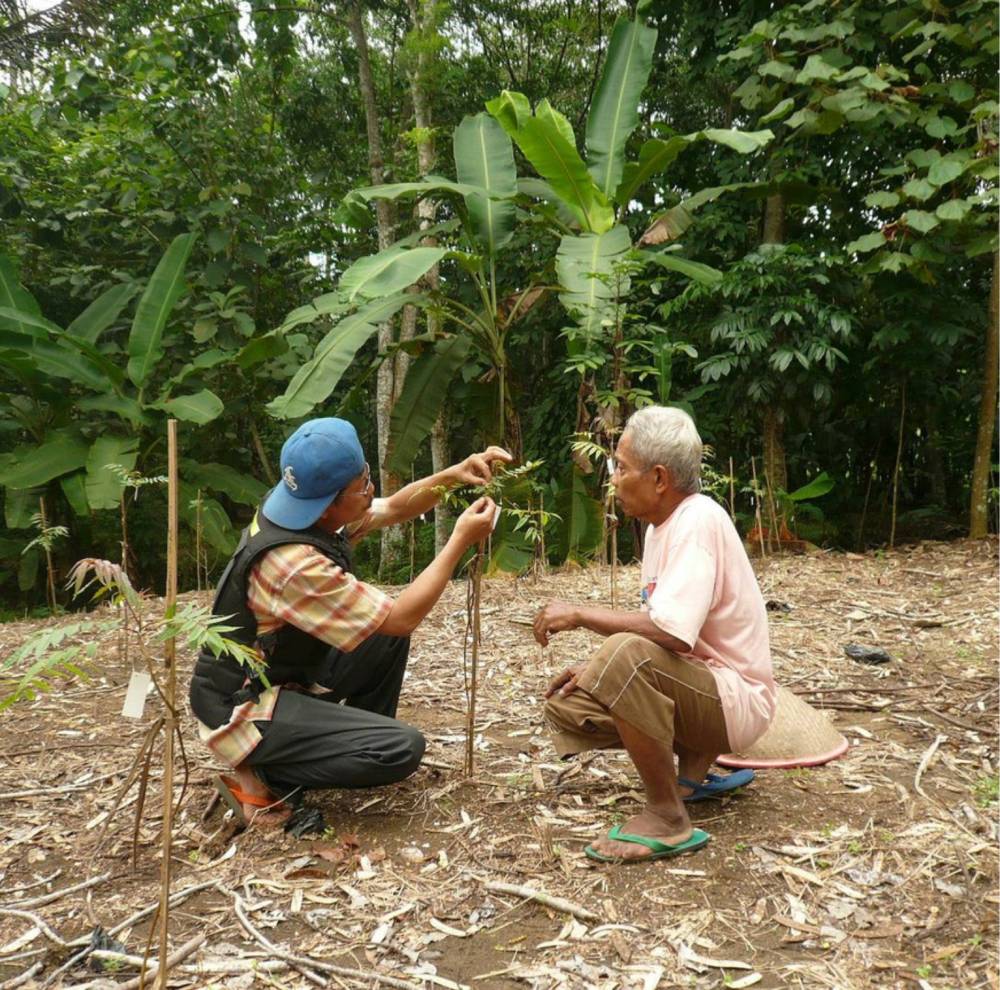
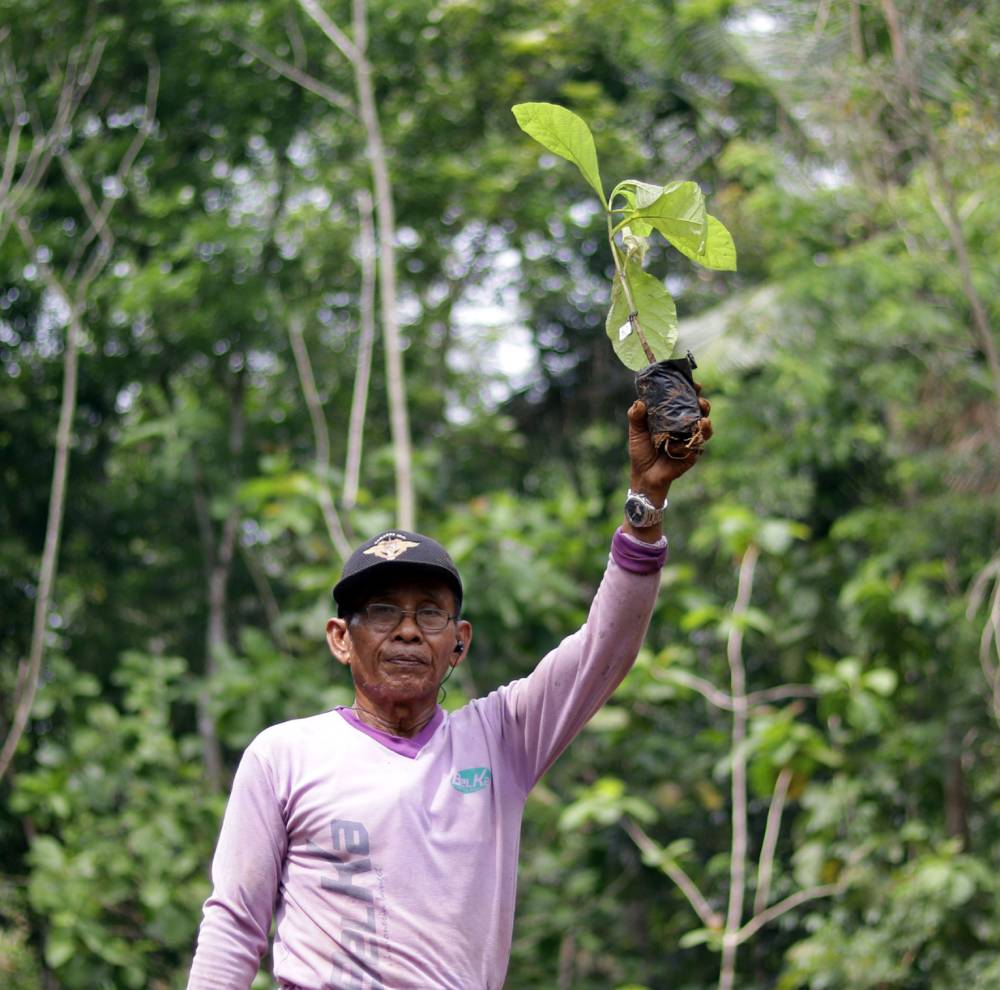
Through an agroforestry approach, the tree-planting program goes beyond reforestation. It strengthens climate resilience. Trees help enrich soil, prevent erosion, and sustain water, while integrating timber, fruit, and medicinal plants (such as turmeric, ginger, and galangal) offer farmers additional income beyond seasonal crops like cassava and chili. 

Ultimately, this initiative goes beyond restoring tree cover – it strengthens community resilience, empowering farmers to adapt and thrive amid the growing challenges of climate change. 

Location :

Durensawit, Slungkep, Purwokerto, Tanjungsari, Karangsari, Medani, Ngetuk, Gajihan, and Sidomulyo Village in Pati Regency, Central Java Giritirto, Glontor, Kalibening, Logandu, Seboro, Selogiri, Sadangkulon, Kalirejo, Mangunweni, Tlogosari, Wonoharjo, Karanggayam, Tunjungseto, Binangun, and Giritirto Village in Kebumen Regency, Central Java

Total area degraded :

Cause of degradation :

The area has a high potential for natural disasters, including floods, landslides, and droughts; abandoned land

Potential area for planting :

Planting density :

Drought  

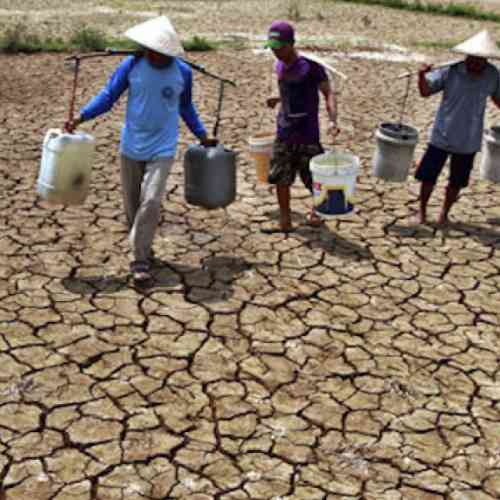
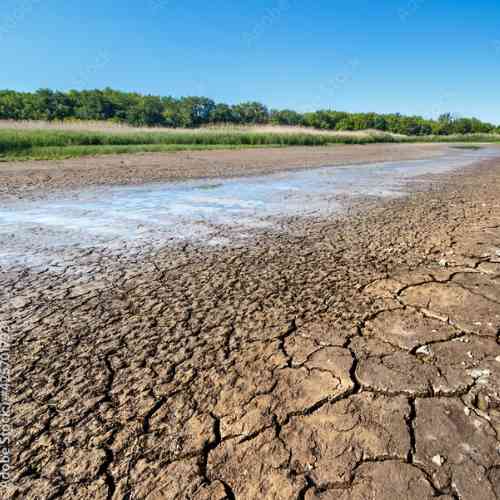
Much of Kebumen is highly prone to drought due to its hilly and mountainous terrain. The area’s geology – once part of an ancient seabed – features varied rock formations that limit groundwater storage. Water is unable to seep deeply into the soil, leaving few groundwater reserves. This situation is worsened by increasingly erratic rainy seasons. 

In Pati, upland deforestation and limestone mining contribute to drought, while lowland areas suffer from severe flooding caused by the same imbalance.

Water Scarcity 

Extended dry seasons and low rainfall have dried up local water sources, creating widespread water scarcity across several areas in Kebumen.

Abandoned Land 

In Kebumen, many farmers are elderly, and few young people are interested in continuing agricultural work. This lack of regeneration has led to abandoned farmlands, leaving once-productive lands barren and unutilized. 


Empower Local Farmers

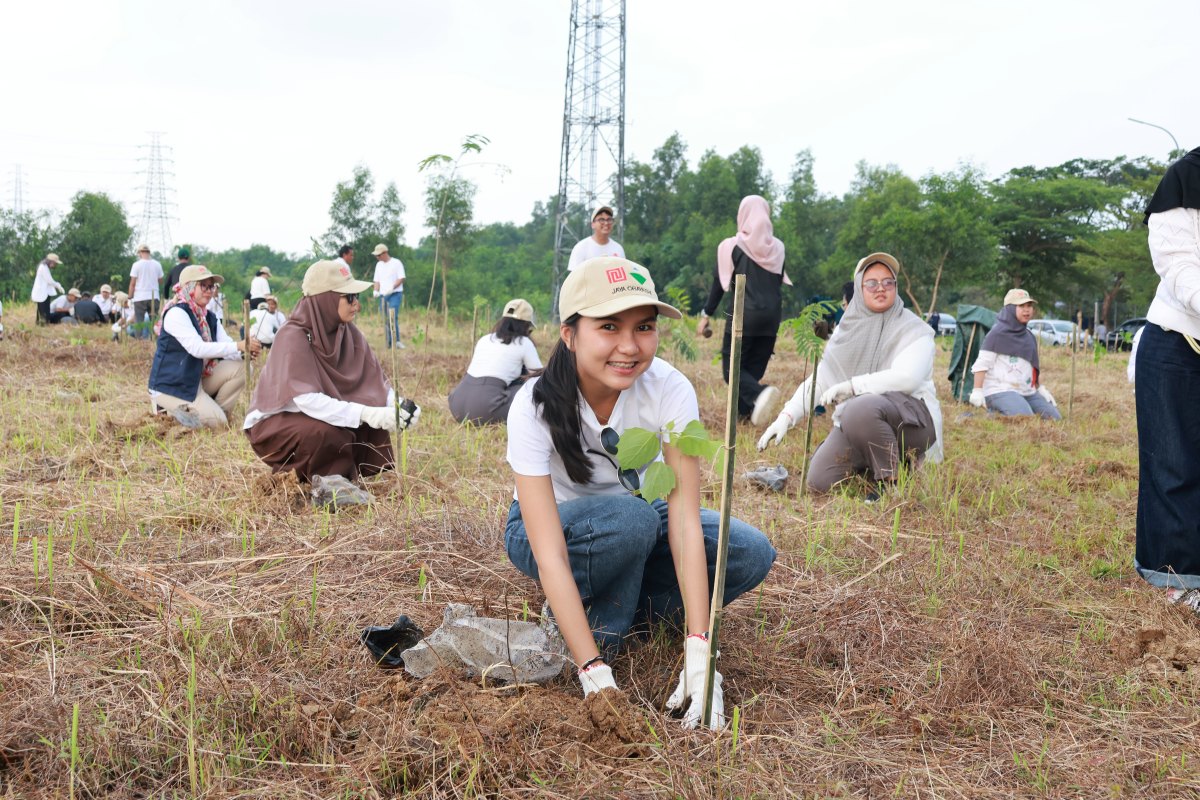
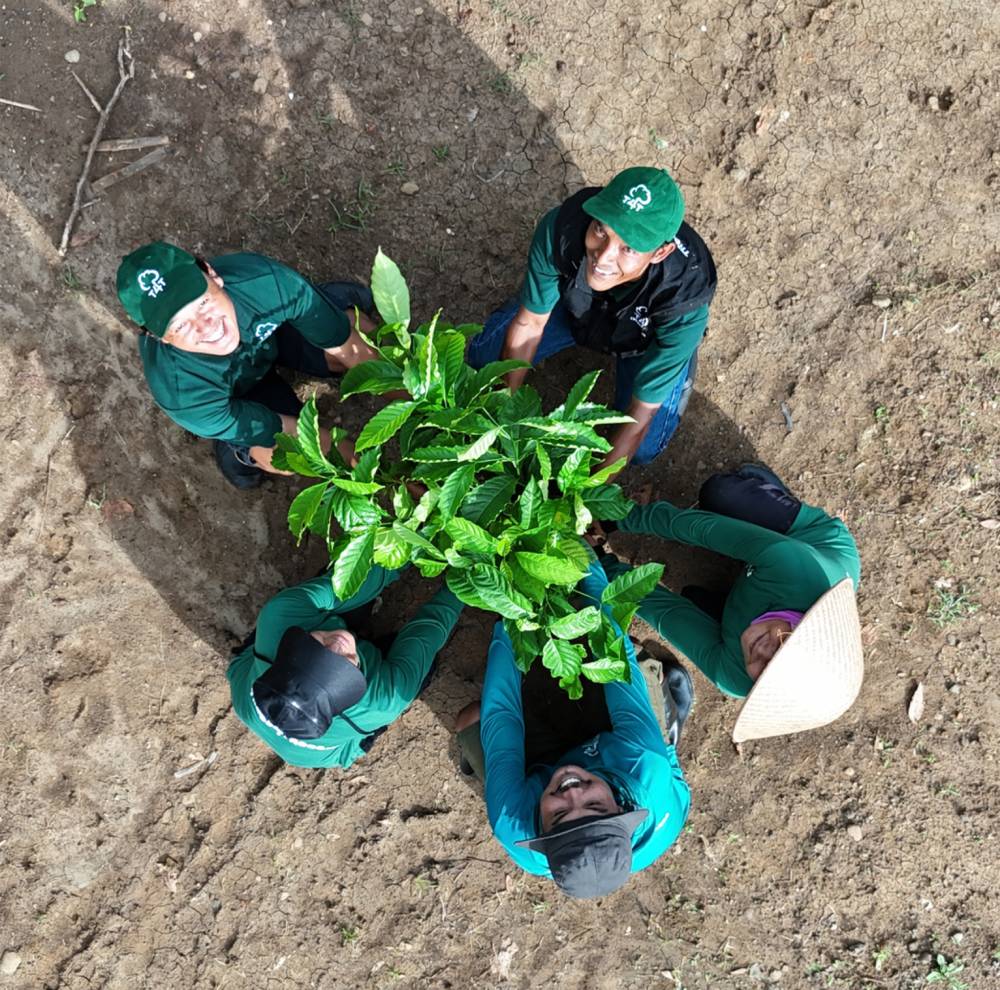
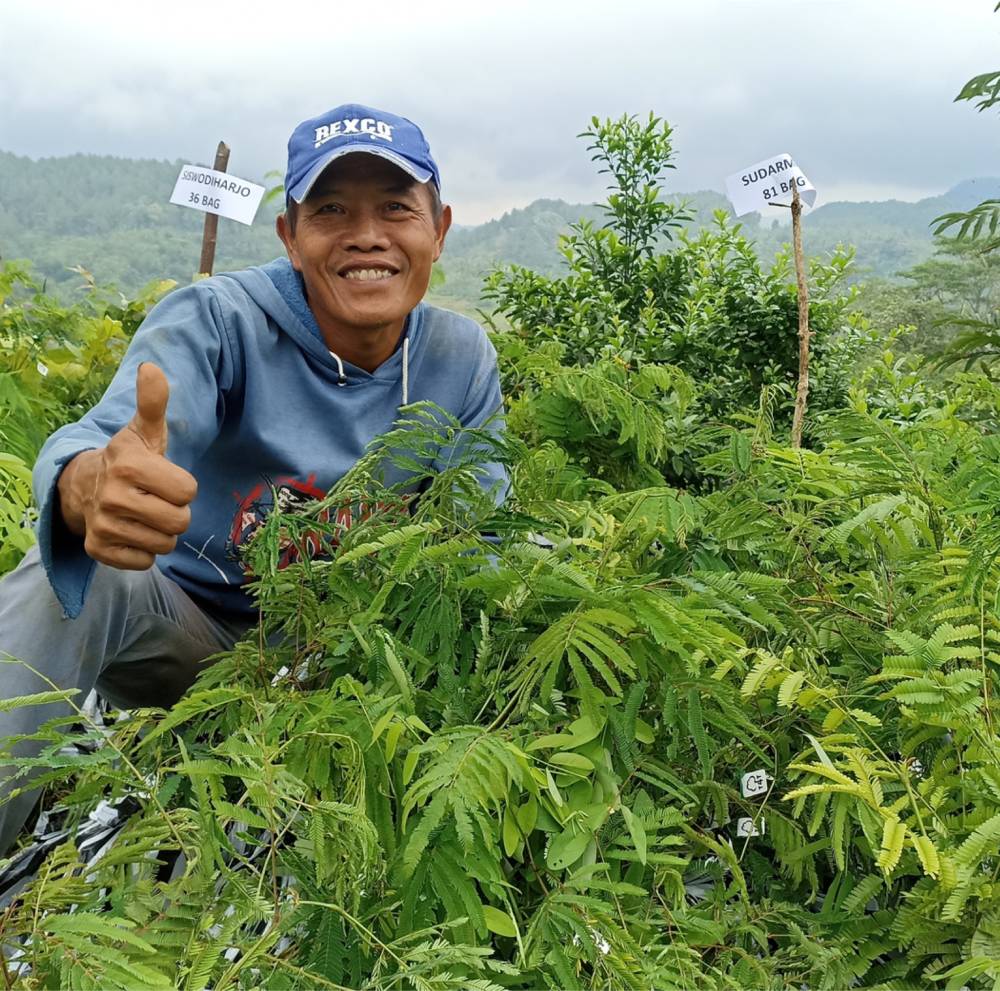
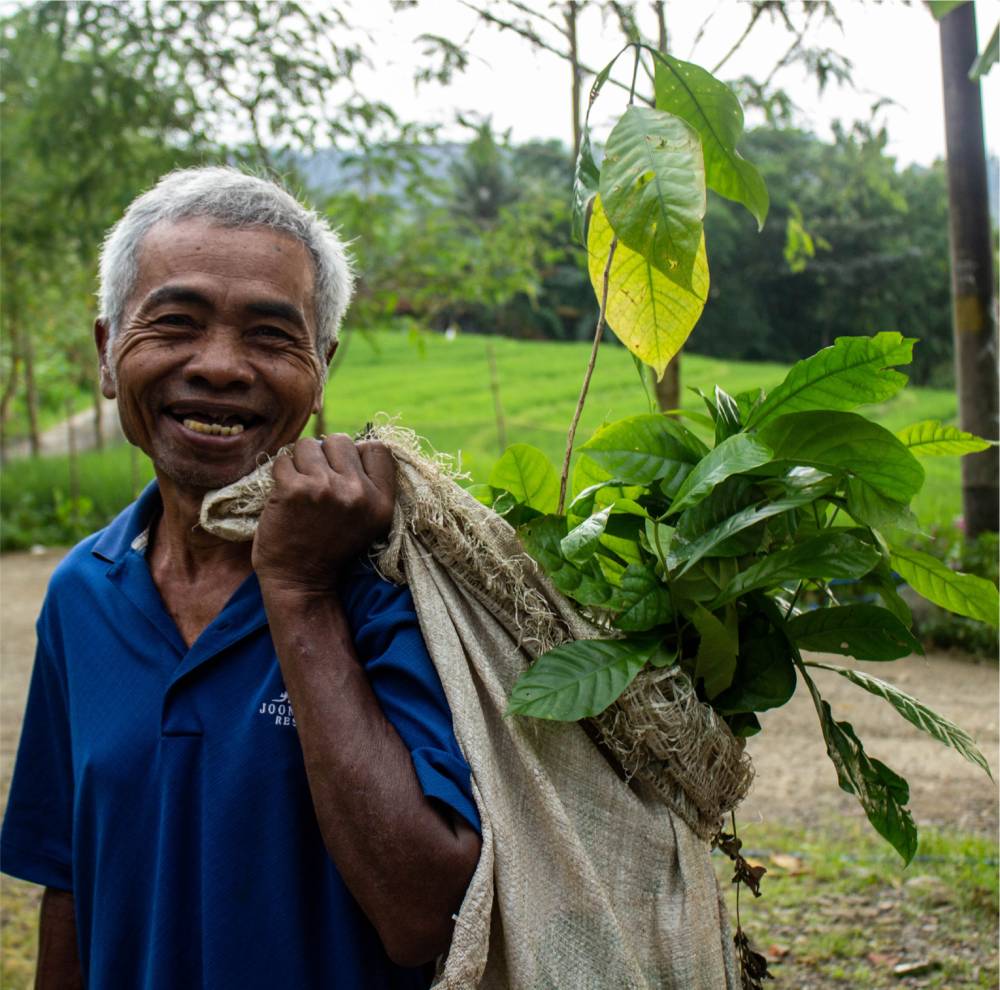
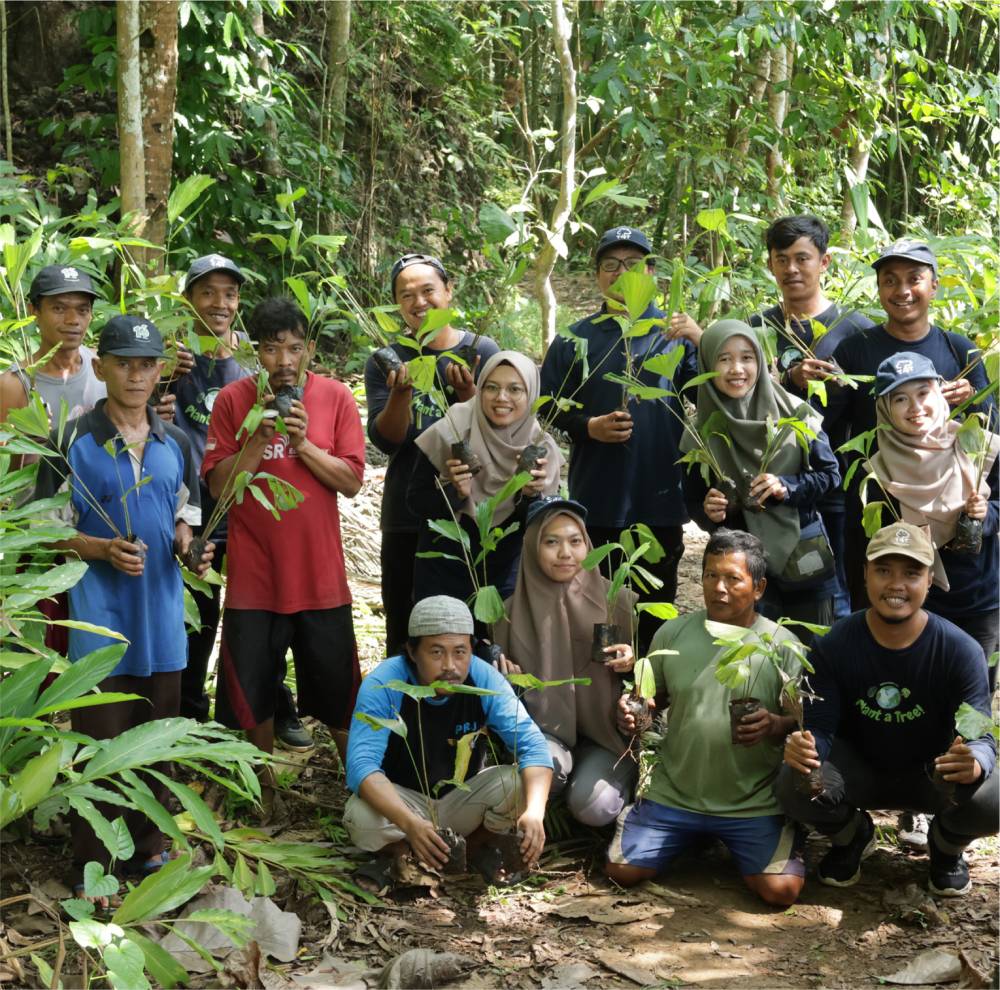
The tree-planting program engages over 2,400 local farmers, empowering them to adapt to enhance their harvests through agroforestry. 

Create Jobs

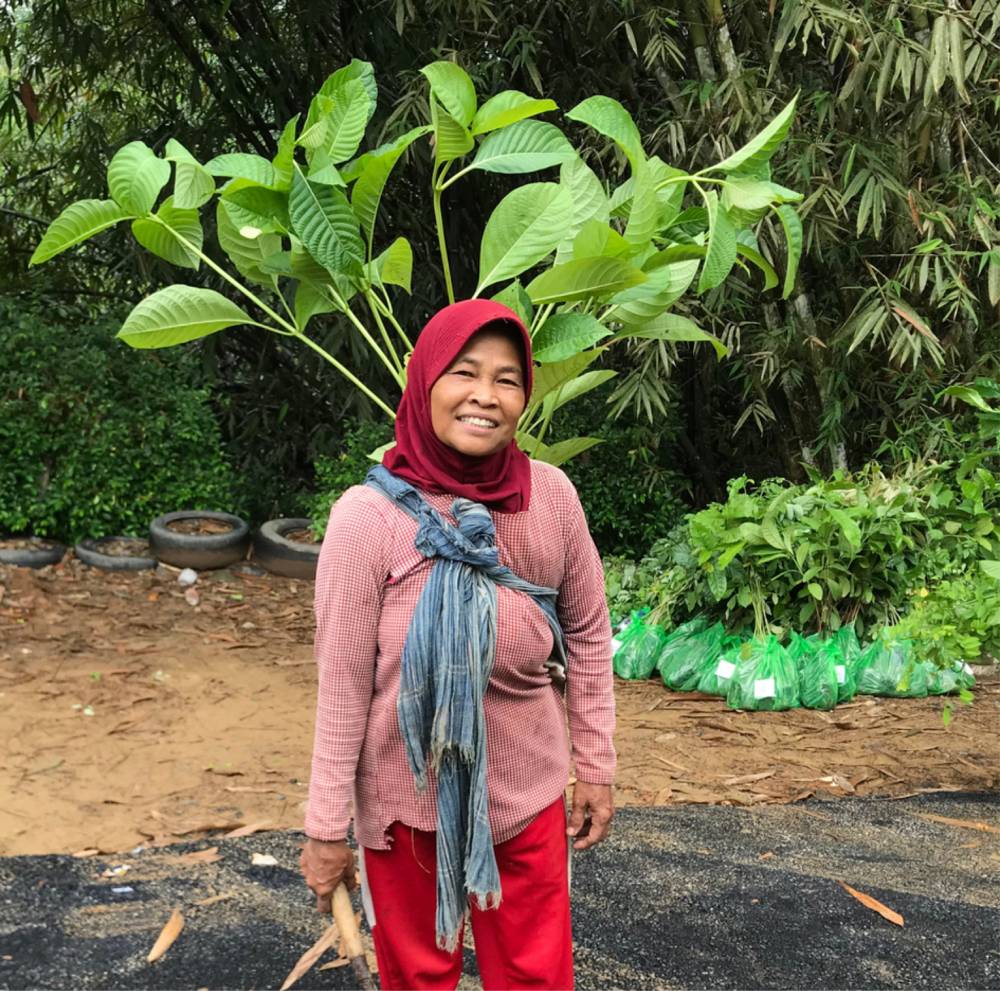
This tree-planting initiative employs 90 local communities annually as field team members and over 20 local communities annually as seasonal nursery workers. 

The Kebumen Geopark features eight biological sites, from terrestrial and mangrove forests to sea turtle conservation areas and local species cultivation. These habitats support diverse wildlife, including endangered Javan hawk-eagle, Javan slow loris, and Javan leopard. The forests are also home to numerous reptiles, including cobras, pythons, and tiger snakes. 

The area is equally abundant in native flora, such as Indian sandalwood, yellow cheesewood, pangi (kluwak), bayur, and sugar palm – some restored through Trees4Trees’ planting programs.

 

Kebumen Biodiversity  

The Kebumen Geopark features eight biological sites, from terrestrial and mangrove forests to sea turtle conservation areas and local species cultivation. These habitats support diverse wildlife, including endangered Javan hawk-eagle, Javan slow loris, and Javan leopard. The forests are also home to numerous reptiles, including cobras, pythons, and tiger snakes. 

The area is equally abundant in native flora, such as Indian sandalwood, yellow cheesewood, pangi (kluwak), bayur, and sugar palm – some restored through Trees4Trees’ planting programs. 

Pati Biodiversity 

The Kendeng Mountains karst region in Pati sustains a stable ecosystem adapted to limestone terrain, with flora such as spikemoss (Selaginella plana), ferns, teak, mahogany, and banyan trees. The area’s fauna ranges from bats (Miniopterus sp.) and cave invertebrates to birds, reptiles, and amphibians adapted to the dry karst terrain. 


Kebumen Geopark  

All of our planting areas in northern Kebumen Regency, Central Java, lie within the Kebumen Geopark – a landscape that preserves traces of the ancient sea. Millions of years ago, tectonic movements lifted the ocean floor, revealing coral and plankton fossils that now form its striking karst hills.  

Recognized by UNESCO in 2024 for its exceptional natural and cultural heritage, the geopark spans over 100,000 hectares of land and sea, serving as a biodiversity haven for various flora and fauna. 
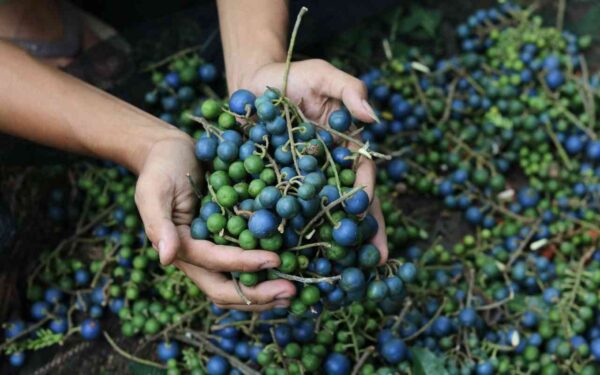
Rudraksha Tree World Producer 

Kebumen is one of the world’s main producers of rudraksha (genitri) beads, with several of Trees4Trees’ planting sites contributing to their growth. Indonesia supplies up to 75% of the global demand, making it a vital hub for this sacred seed. Valued for their distinctive spiral patterns (mukhi), rudraksha beads are cherished for both their spiritual significance and healing properties, often crafted into necklaces, bracelets, and prayer beads. 
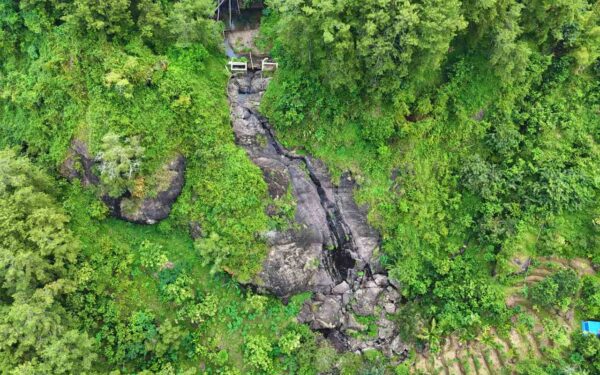
Karst Pati in Kendeng Mountain 

Much of our tree-planting area in Pati Regency lies around the Kendeng Mountain Karst – a vital limestone ecosystem in northern Central Java stretching from Grobogan to Tuban. 

This landscape plays a crucial ecological role: naturally regulates groundwater systems, stores water reserves, and sustains thousands of livelihoods through agriculture. 

However, limestone mining and unsustainable farming have severely degraded the area that threatened local communities. 
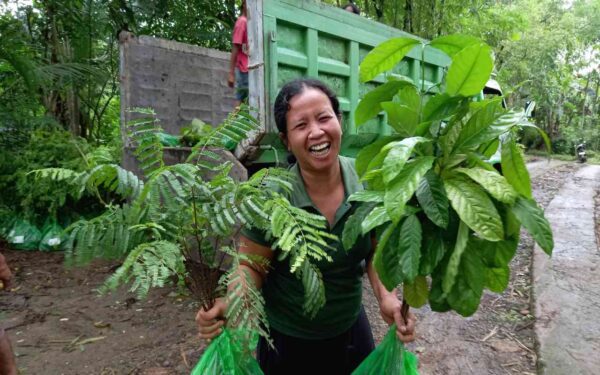
Improving the environment by increasing tree cover in private lands in rural areas, enhancing carbon sequestration capacity, and supporting vulnerable communities through agroforestry that strengthens resilience to climate change impacts, including shifting weather patterns that affect harvests. 

Why Support This Project

  • Contribute directly to climate action by expanding tree cover in rural areas, which enhances carbon sequestration capacity and helps restore the environment. 
  • Strengthen local communities’ resilience to the impacts of climate change, protecting their livelihoods in the agricultural sector that are increasingly threatened by shifting weather patterns. 

Related Stories by Projects

Planting_Jaya Obayashi_2025_Trees4Trees (1)

From electricity consumption and infrastructure development to manufacturing and distribution,

Tantri Arda_T4T (2)

Unpredictable seasons, rising heatwaves, heavier rainfall, extreme floods, cyclones, and

cilacap mangrove batik_trees4trees_1004

Surrounded by over 8,000 hectares of coastal trees and wetlands,

T4T Annual Report 2024 (5)

In 2024, we celebrate 17 years of impact. Marking the

Mekarjaya Village’s

Nestled in the foothills of the Malabar Mountains in Bandung

Doc 2024 Kp Adat Cikondang_Trees4Trees 03

Indonesia, the world’s largest archipelago, is rich in cultural heritage

Subscribe Now

Get the latest updates on our tree-planting journey – sent directly to your inbox. 

By completing this form, you agree to receive our emails. You can unsubscribe at any time. 

Subscribe Now

Get the latest updates on our tree-planting journey – sent directly to your inbox. 

By completing this form, you agree to receive our emails. You can unsubscribe at any time.