Skip to content

Balancing Industrial Impact Through Urban Forestry

Building Urban Forests to Green GIIC and KIIC Industrial Areas in West Java

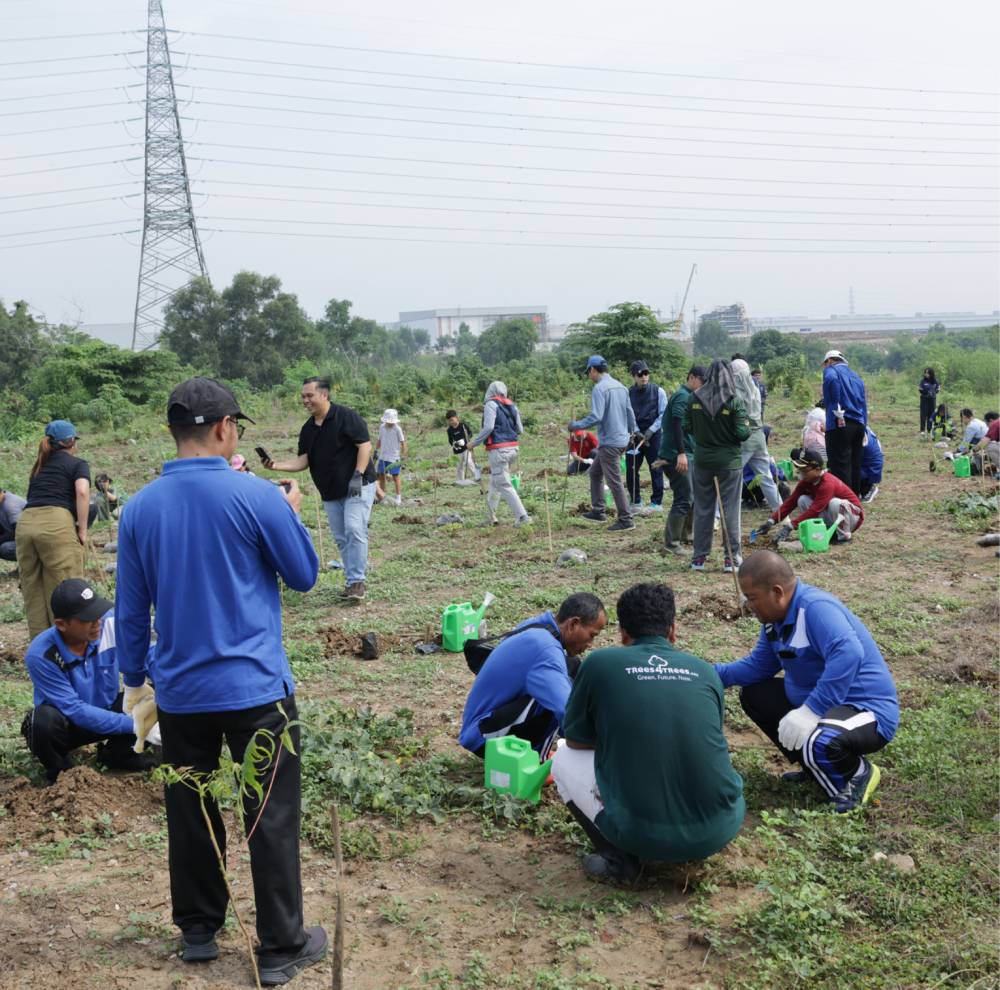
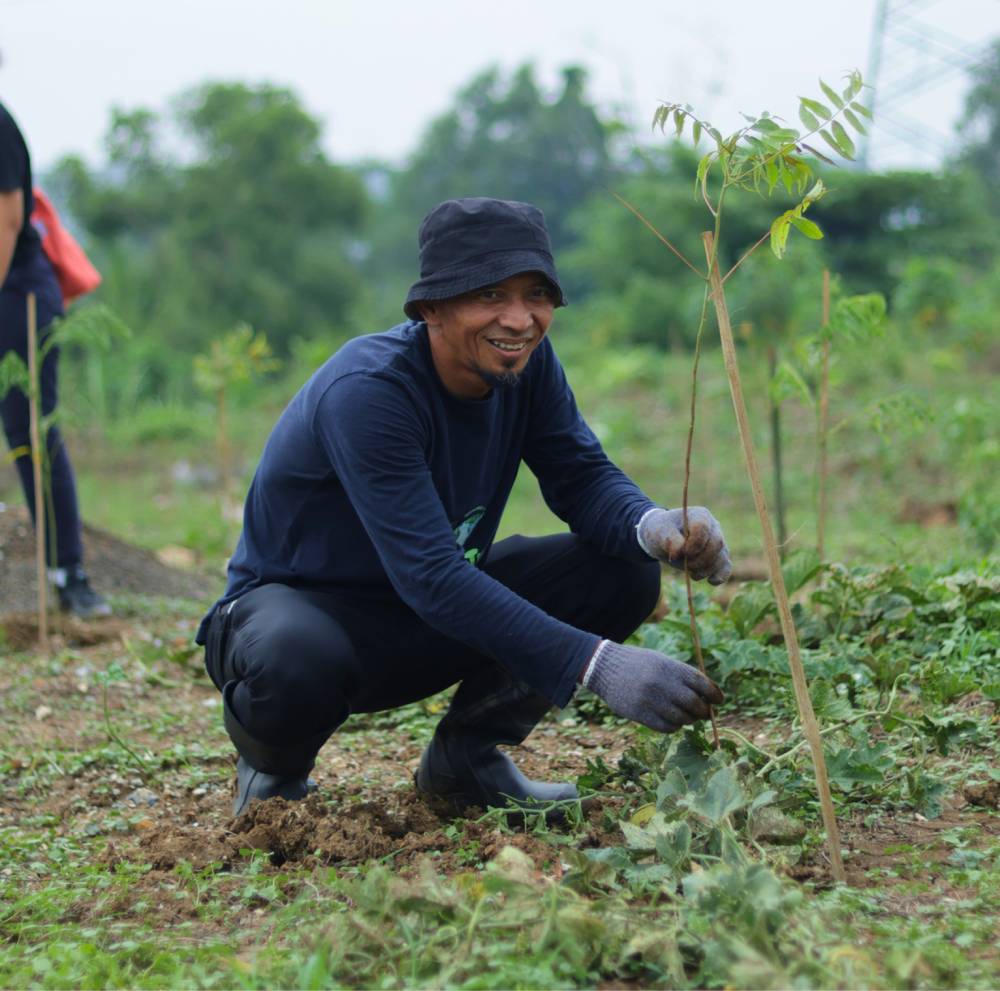
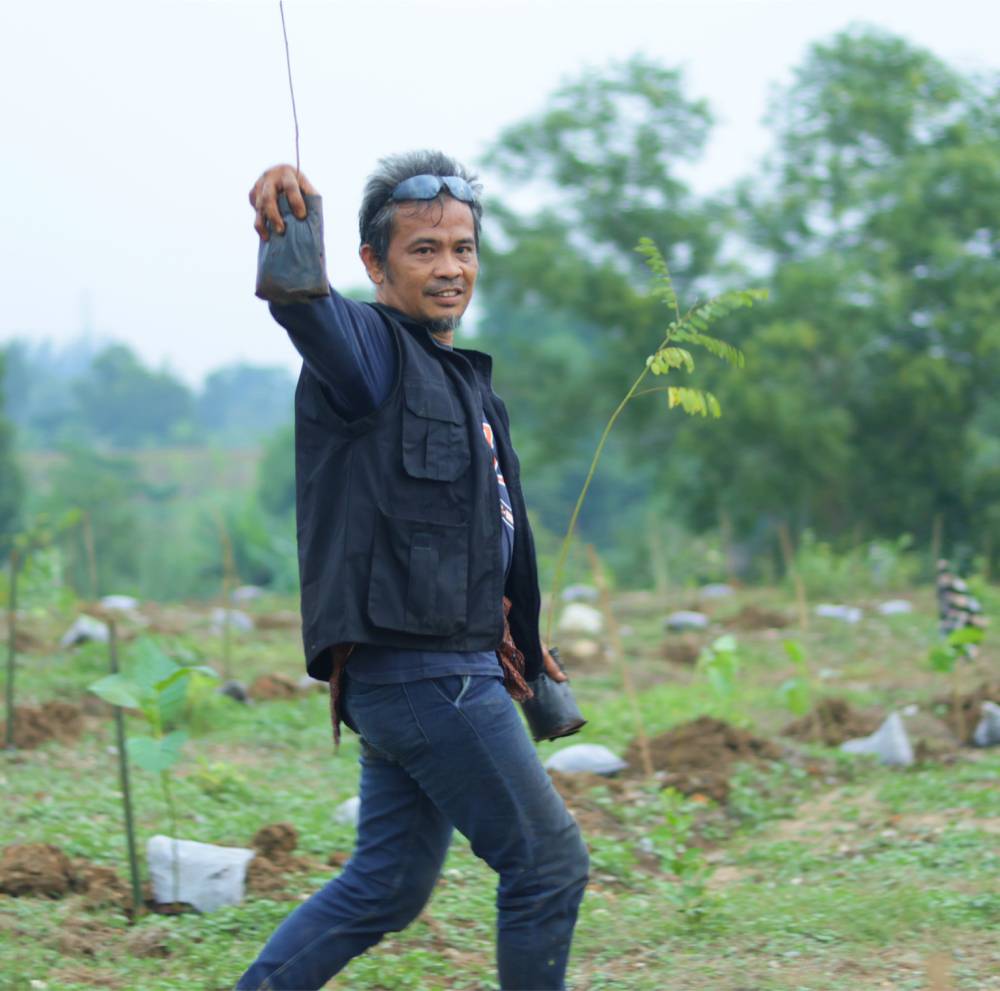
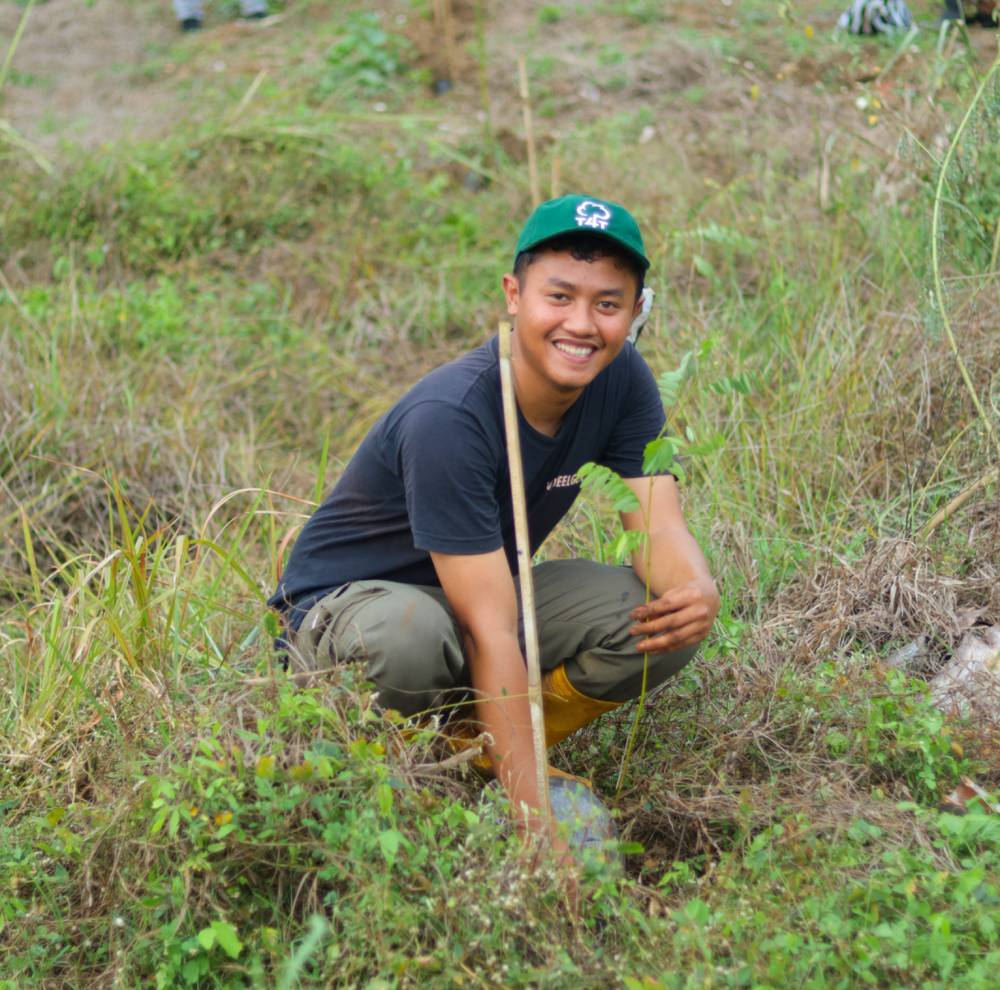
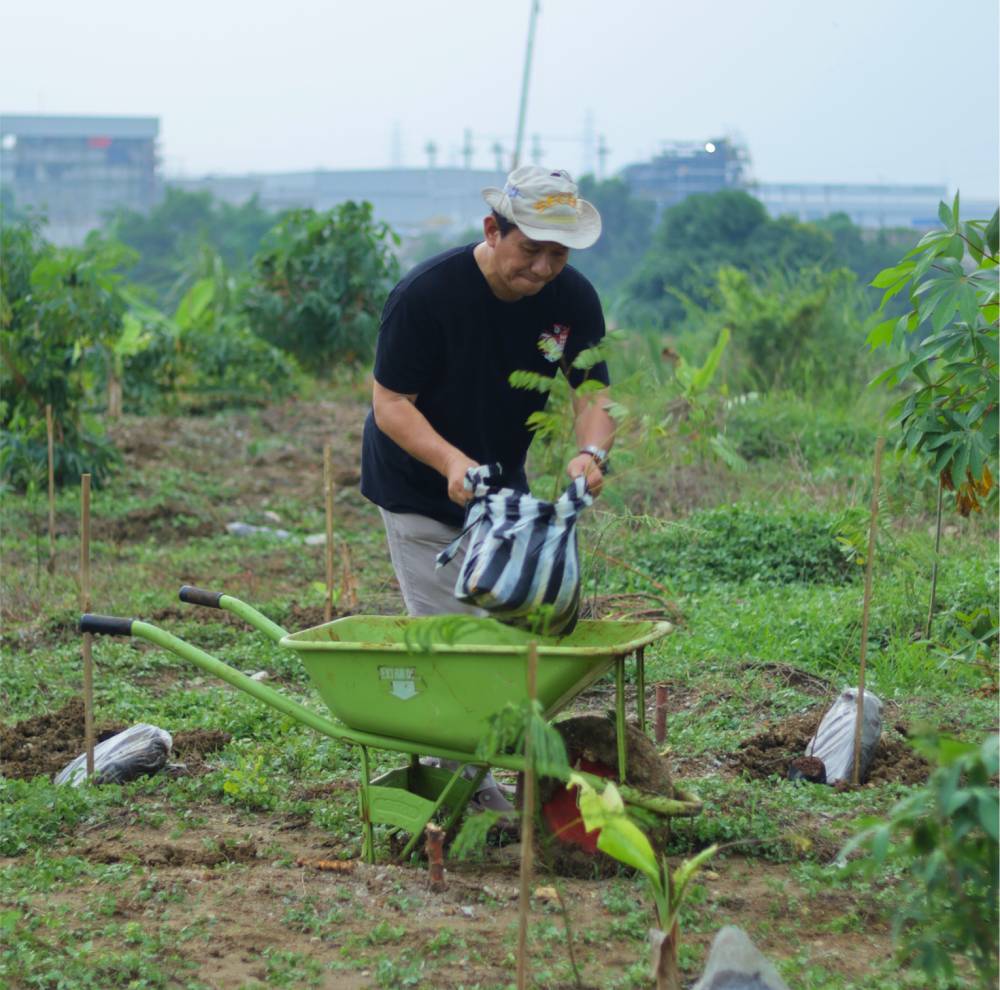
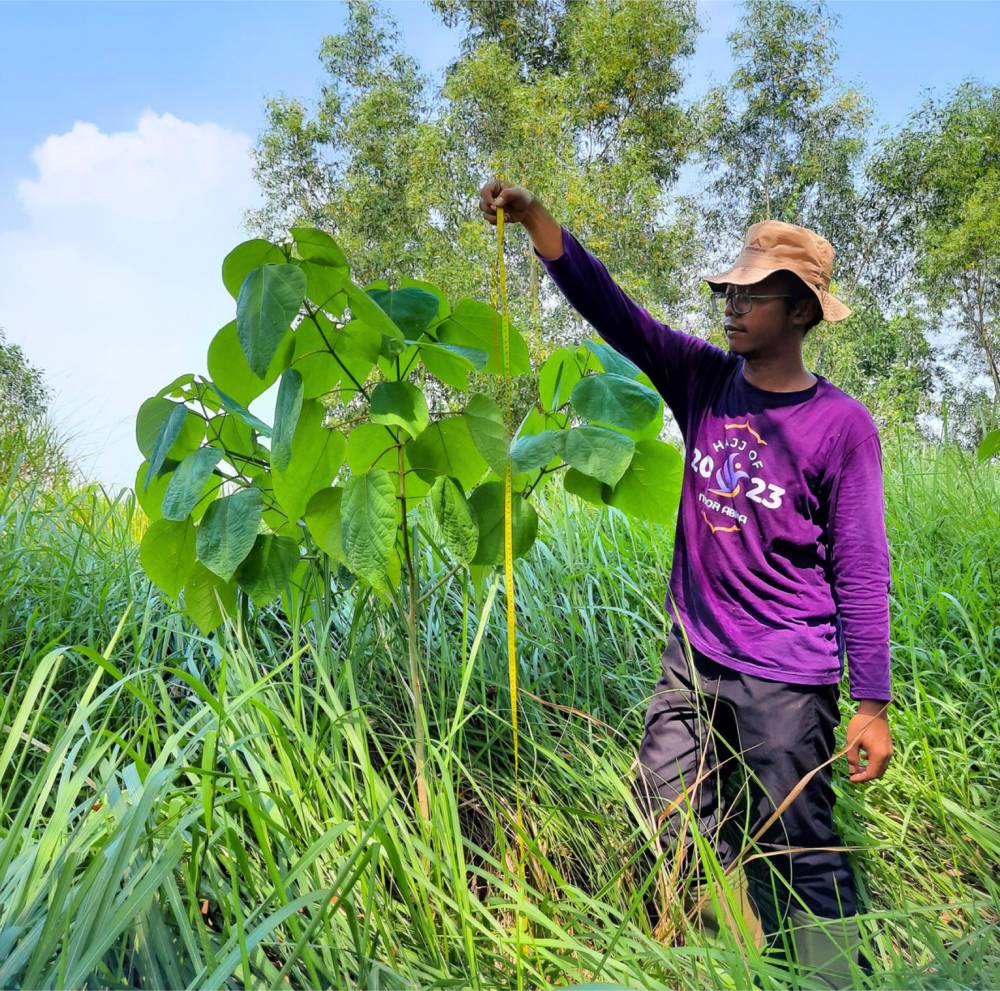
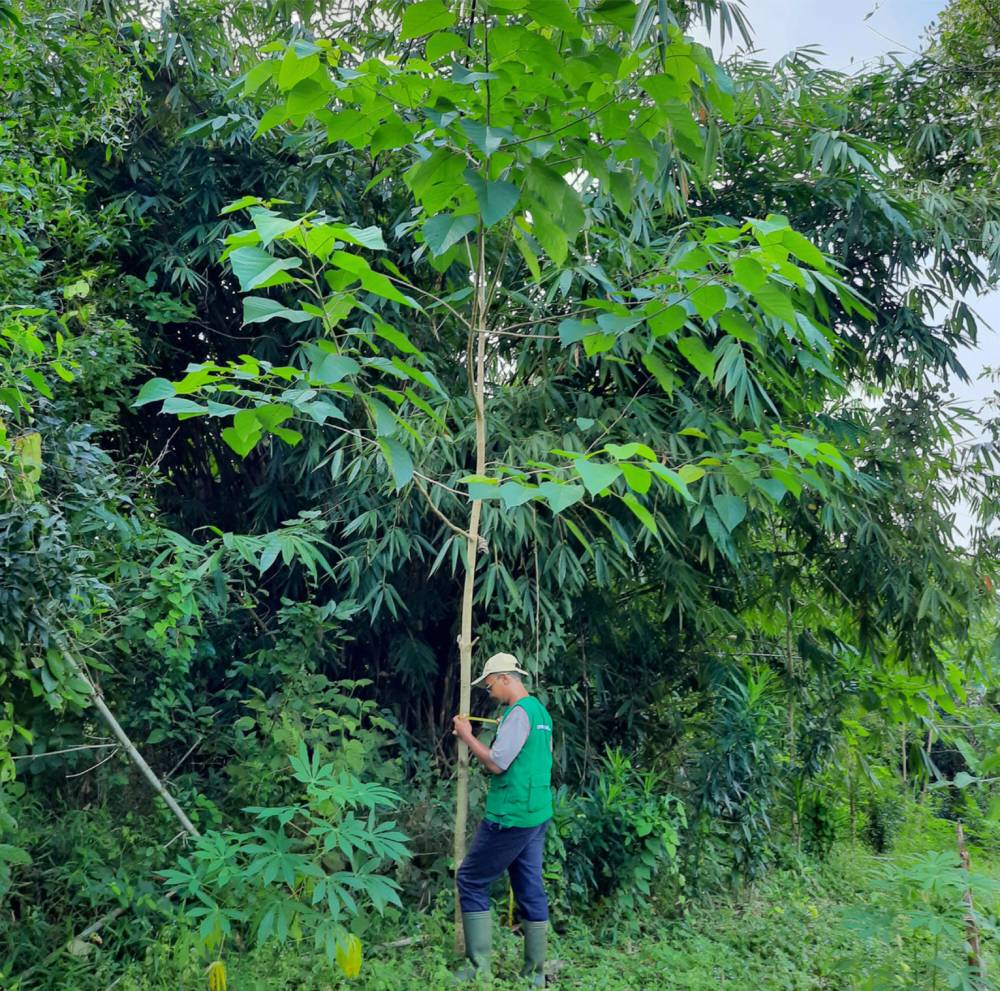
The tree-planting initiative in Cikarang – Bekasi and Karawang, West Java aims to create an urban forest that helps balance the environment and support nearby communities affected by industrial activity.
Project Progress
0%

Trees planted

62,584

Families helped

171

Total areas reforested

52.7 hectares

CO2 captured

5,406.77 tons of CO2eq

Project started

2022 – now

Planting methods

Conservation & Agroforestry

The Greenland International Industrial Center (GIIC) and the Karawang International Industrial Center (KIIC) in West Java are two of Indonesia’s major industrial hubs. Located near the Cipamingkis River – a sub-watershed of the Cibeet River, which forms part of the Citarum River downstream – these areas face complex environmental challenges driven by rapid development and industrial activity. These pressures have affected ecosystem health, including water, soil, and air quality, leading to issues such as pollution, erosion, flooding, barren land, and rising temperatures. Such environmental degradation also impacts the well-being of local communities living nearby. 

The tree-planting initiative aims to establish urban forests to help balance the environmental impact of industrial growth. By expanding tree cover, the program supports carbon sequestration, temperature regulation, and soil and water conservation, bringing long-term benefits to both the environment and surrounding communities.  

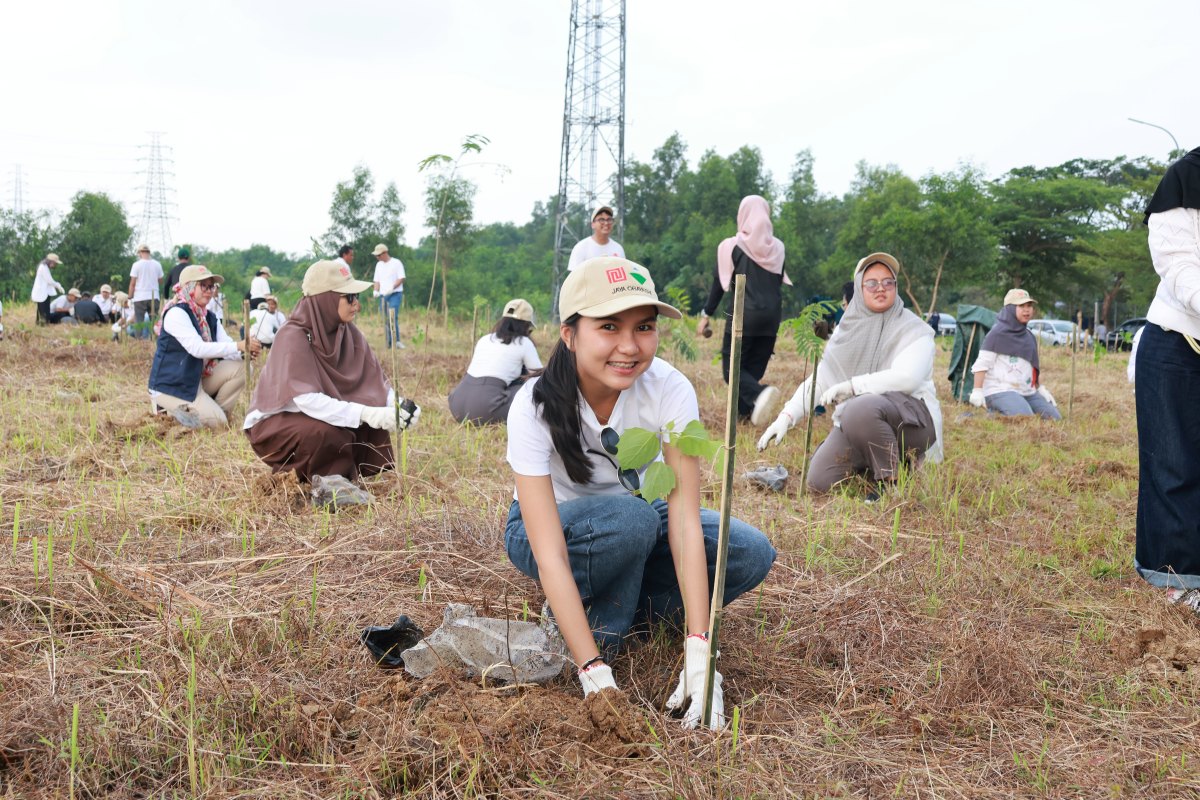
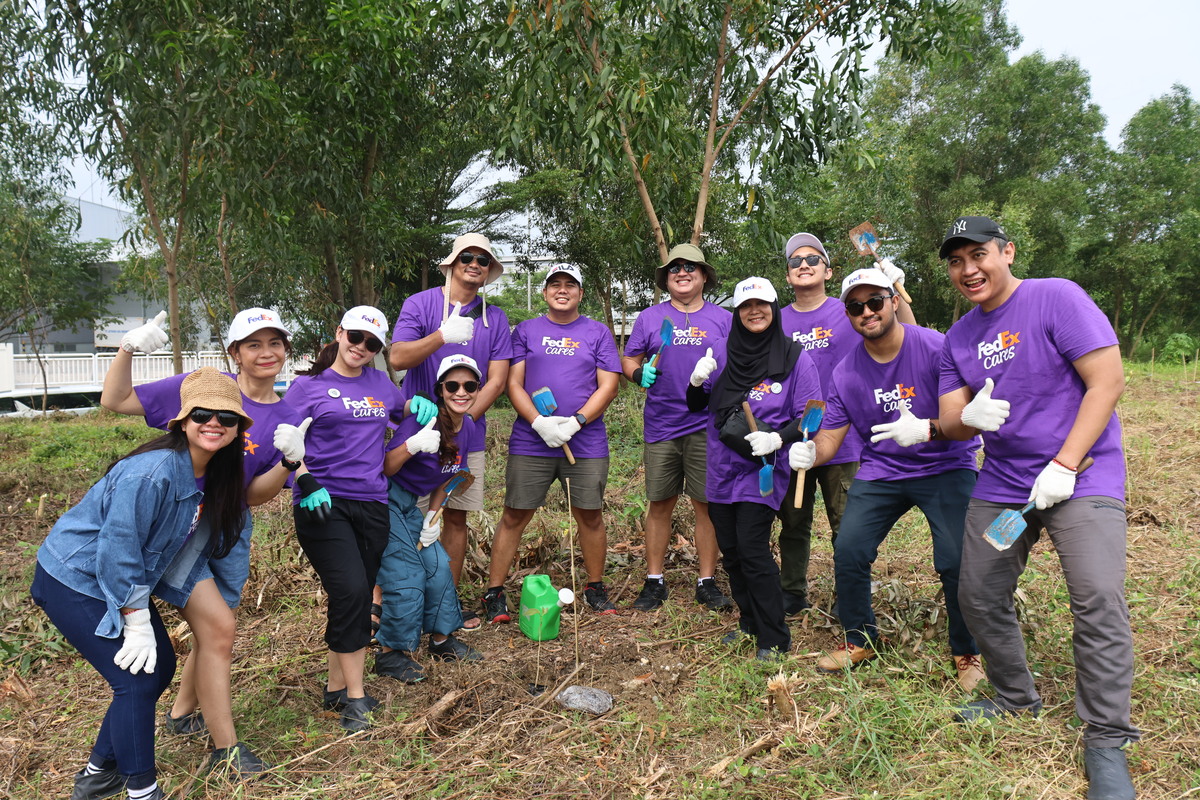
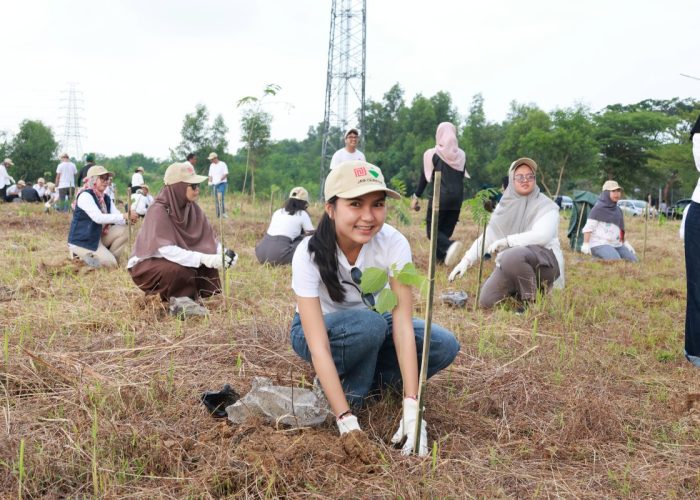
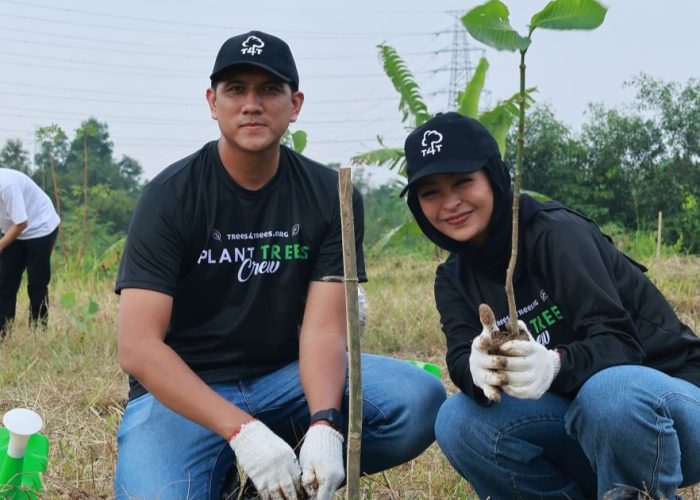
The tree-planting also involved more than 200 office staff and students around the estate to join together as volunteers to plant trees in the industrial area. 

Location :

Greenland International Industrial Center (GIIC) and Karawang International Industrial Center (KIIC), West Java

Total area degraded :

Cause of degradation :

Development pressure to industrial areas.

Potential area for planting :

Planting density :

Urban Development Pressure 


Environmental challenges in the area stem from rapid urban development, including land-use change, infrastructure expansion, and encroachment – all of which threaten the survival and sustainability of urban trees. As cities continue to grow, land is increasingly converted for residential, commercial, and industrial purposes, putting further pressure on remaining green spaces. 

Empower Local Farmer

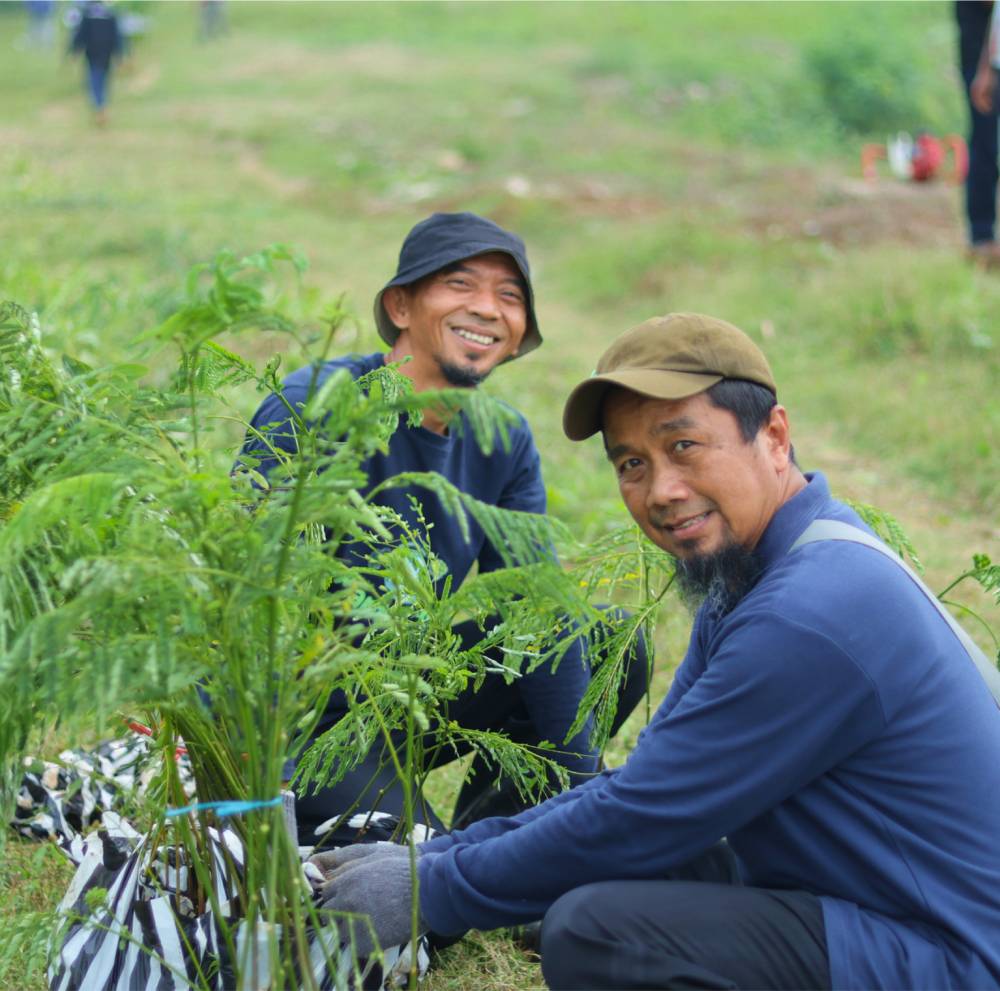
The tree-planting program involves 171 local farmers, empowering them to improve their harvests through agroforestry practices. 

Create Jobs 

This tree-planting initiative creates jobs, employing local residents as field team members and seasonal workers regarding the tree-planting execution. 

Enhanced Environmental Benefits for Surrounding Communities 

The initiative provides tangible benefits to local communities by improving environmental quality – offering cleaner air, water, and soil. More than 40,000 residents and 10,000 workers within the industrial zone benefit from expanded green spaces, which help improve air quality and support better respiratory health. 

According to the Bekasi Regency Research and Development Agency (Balitbangda), Bekasi Regency is home to 1,642 species of flora and 176 species of fauna, including native species. However, many of these are now threatened with extinction due to increasing environmental pressures driven by rapid development. Among them are the Javan Langur (Trachypithecus auratus), Rafflesia Flower (Rafflesia patma), and the Black-crowned Night Heron (Nycticorax nycticorax). 

The surrounding area of Karawang International Industrial Center is also home to at least 24 plant species, according to research conducted by IPB University, with the Fabaceae family being the most dominant.  

The area also shelters 44 bird species, consisting of waterbird and terrestrial bird species. The three most dominant species are the Black-crowned Night Heron (Nycticorax nycticorax), Little Egret (Egretta garzetta), and Scaly-breasted Munia (Lonchura punctulata). 

Additionally, three protected bird species and two species classified as vulnerable according to the IUCN were found. Karawang International Industrial Center area also serves as a breeding ground for various bird species.  
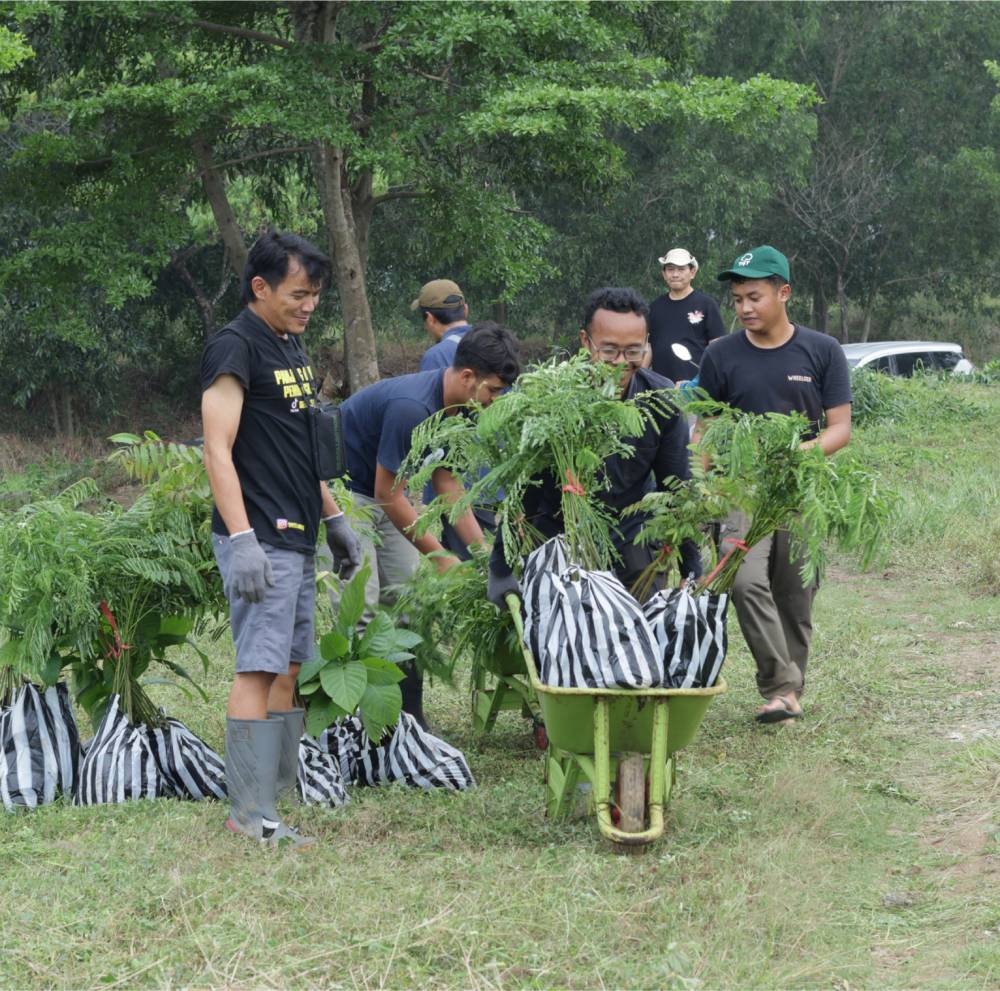
Cipamingkis River, Part of the Citarum Downstream Watershed 

The tree-planting site within GIIC is located near the Cipamingkis River, which forms part of the Cibeet Sub-watershed. This is a tributary in the downstream section of the Citarum Watershed. Planting trees in this area contributes to the broader effort to restore the Citarum downstream ecosystem. 

Javan Pond Heron, A New Symbol of Bekasi Regency 

In mid-2025, the Bekasi Regency Government introduced a new official logo featuring the Javan Pond Heron (Ardeola speciosa). This native bird represents the region’s ecosystem while symbolizing harmony, perseverance, and environmental sustainability, values embedded in the identity of Bekasi Regency. 

The Javan Pond Heron, locally known as Burung Blekok, is incorporated symbolically into the number “5” of the logo, reflecting its cultural and ecological significance to the region. 

The urban forest tree-planting initiative is expected to increase tree cover around the two industrial areas, helping absorb CO₂, reduce air pollution, lower temperatures, and lessen noise pollution through dense tree canopies. The added tree cover will also help improve soil and water quality, supporting a more balanced and resilient environment amid industrial pressures. 

Why Support This Project

  • Take climate action
    Trees help reduce air pollution from industrial and transportation related greenhouse gas emissions while lowering local temperatures – an essential step in fighting climate change. 
  • Create a healthier urban environment
    Expanding green spaces improves air quality, supports biodiversity, and makes cities more livable for everyone. 
  • Improve community well-being
    By enhancing soil and water quality, urban forests support healthier surroundings and contribute to a better quality of life for local communities. 

Related Stories by Projects

Planting_Jaya Obayashi_2025_Trees4Trees (1)

From electricity consumption and infrastructure development to manufacturing and distribution,

Tantri Arda_T4T (2)

Unpredictable seasons, rising heatwaves, heavier rainfall, extreme floods, cyclones, and

cilacap mangrove batik_trees4trees_1004

Surrounded by over 8,000 hectares of coastal trees and wetlands,

T4T Annual Report 2024 (5)

In 2024, we celebrate 17 years of impact. Marking the

Mekarjaya Village’s

Nestled in the foothills of the Malabar Mountains in Bandung

Doc 2024 Kp Adat Cikondang_Trees4Trees 03

Indonesia, the world’s largest archipelago, is rich in cultural heritage

Subscribe Now

Get the latest updates on our tree-planting journey – sent directly to your inbox. 

By completing this form, you agree to receive our emails. You can unsubscribe at any time. 

Subscribe Now

Get the latest updates on our tree-planting journey – sent directly to your inbox. 

By completing this form, you agree to receive our emails. You can unsubscribe at any time.