Preserving “Subak” the Balinese Irrigation
Planting Trees, Preserving Traditional Subak Irrigation System in Melaya, Bali.
Trees planted
Families helped
Total areas reforested
CO2 captured
Project started
Planting methods
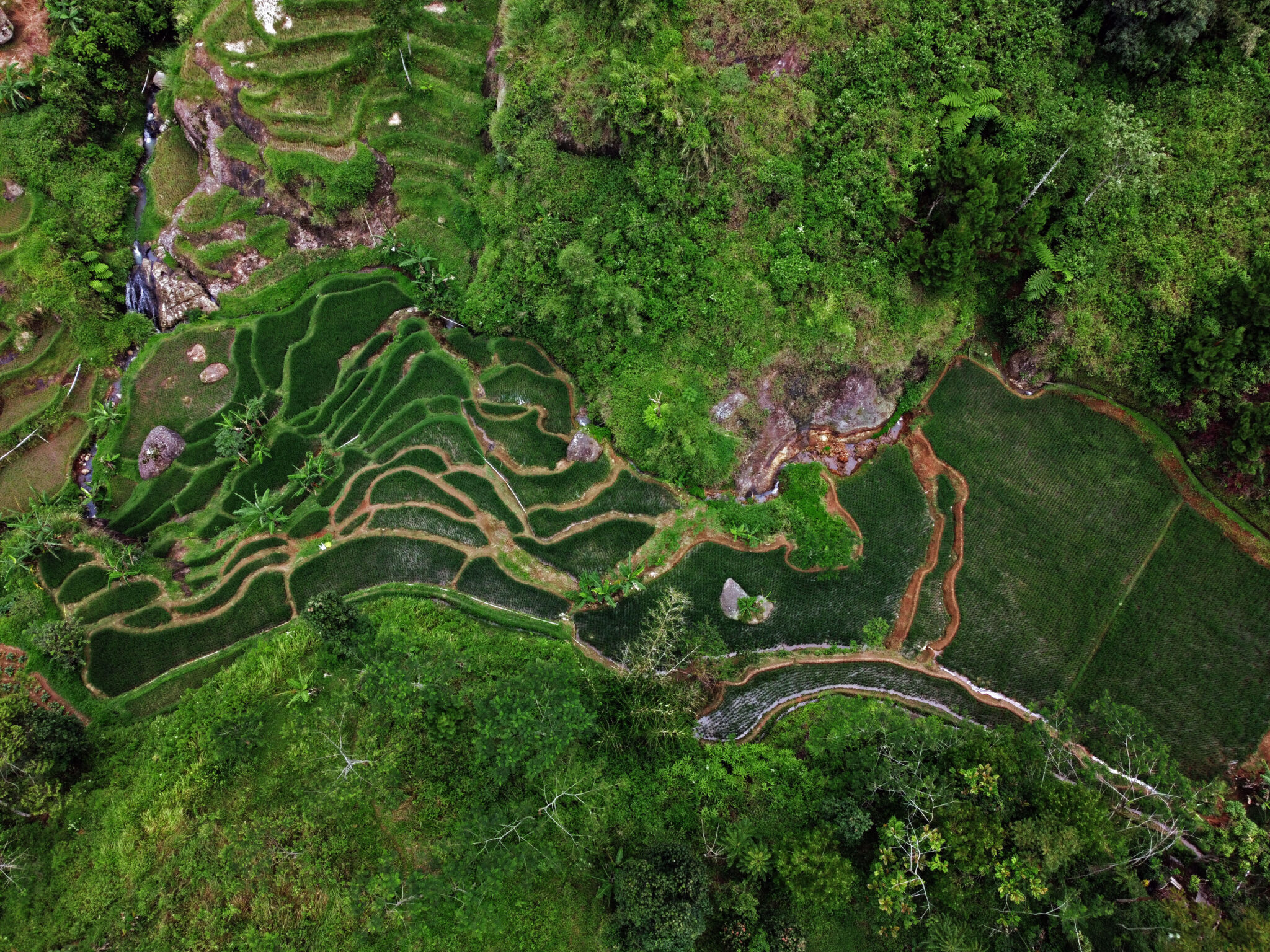
Melaya District in Jembrana Regency, like much of Bali, depends on agriculture rooted in the Subak system – a traditional, community-based irrigation network recognized by UNESCO in 2012 for its sustainable and rotational water-sharing practices. The district is home to 19 Subak sites spanning multiple villages, supported by 40 rivers, including the 25 km-long Sangiang Gede River, the main water source for local irrigation.
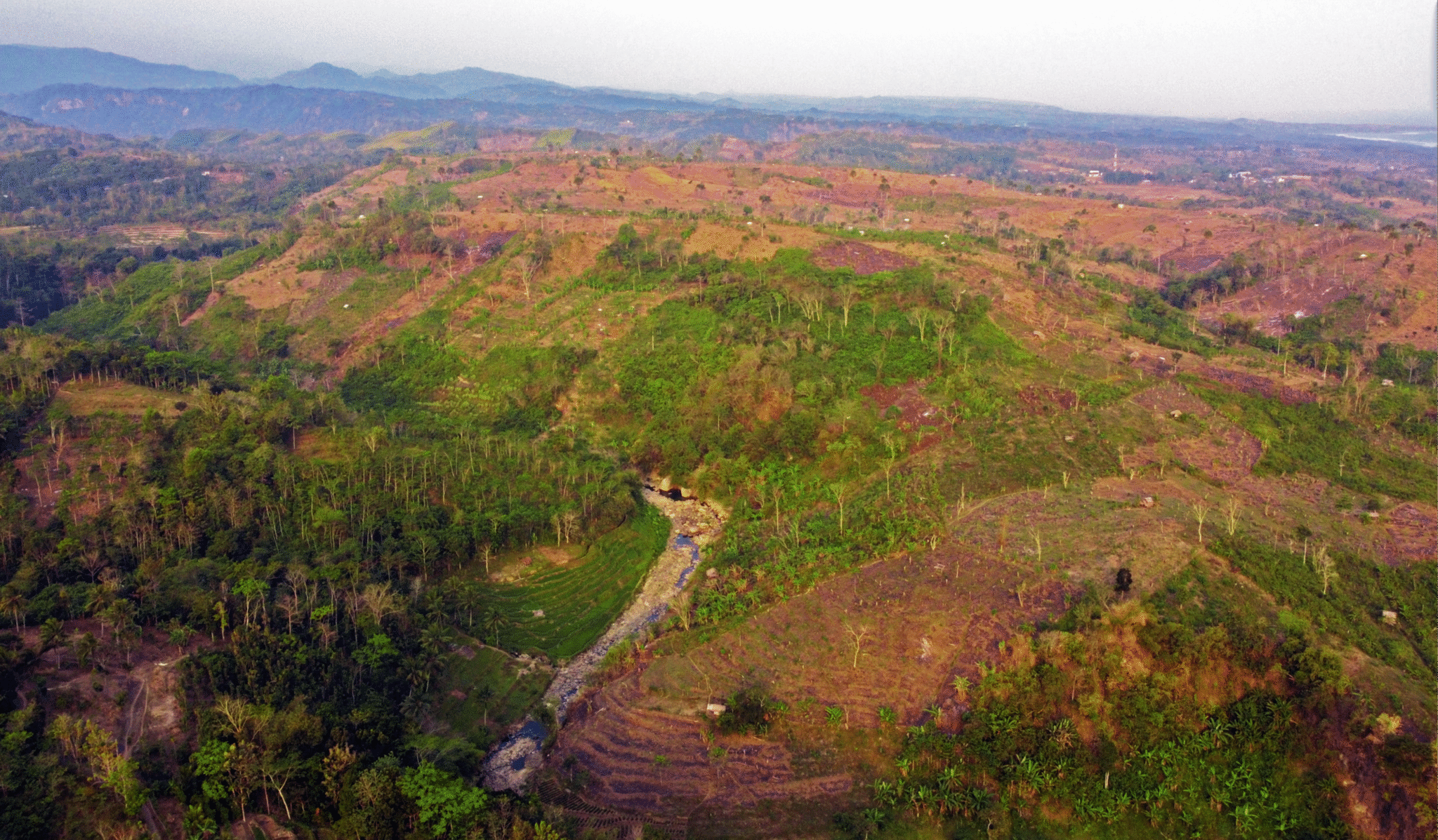
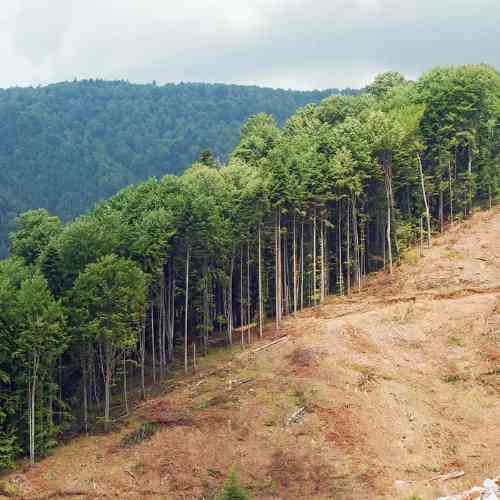
However, the Sangiang Gede watershed has faced growing environmental degradation due to rapid population growth and land conversion for housing and agriculture. This has led to deforestation, erosion, flooding, and declining water availability, threatening both ecosystems and traditional farming.
Spatial analysis by Trees4Trees shows that over 29% of land in Melaya District – especially around the Sangiang Gede River – has been degraded, highlighting the urgent need for conservation and sustainable land management.
Location :
Total area degraded :
Cause of degradation :
Potential area for planting :
Planting density :
Land Conversion and Environmental Threats
Rapid population growth and widespread land conversion in Bali – for both residential development and agricultural expansion – have intensified environmental pressures. Excessive land use has led to deforestation, soil erosion, and increased river sedimentation, resulting in flooding and water shortages. These issues threaten local ecosystems and traditional farming practices, while also degrading water and soil quality.
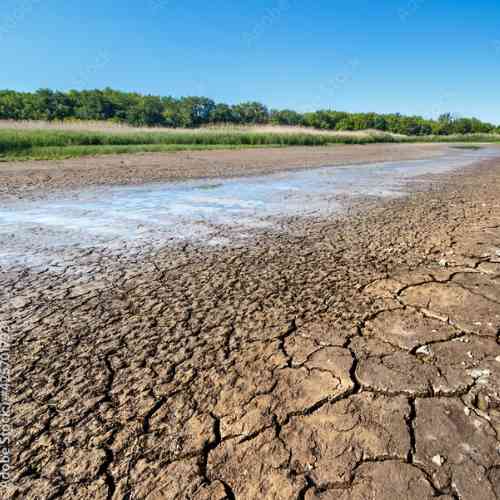
Contrasting Drought and Flood
As environmental pressures intensify, contrasting challenges have emerged across the region. Some areas frequently experience flooding, especially after heavy rainfall, while other areas struggle with severe drought and water shortages during the dry season.
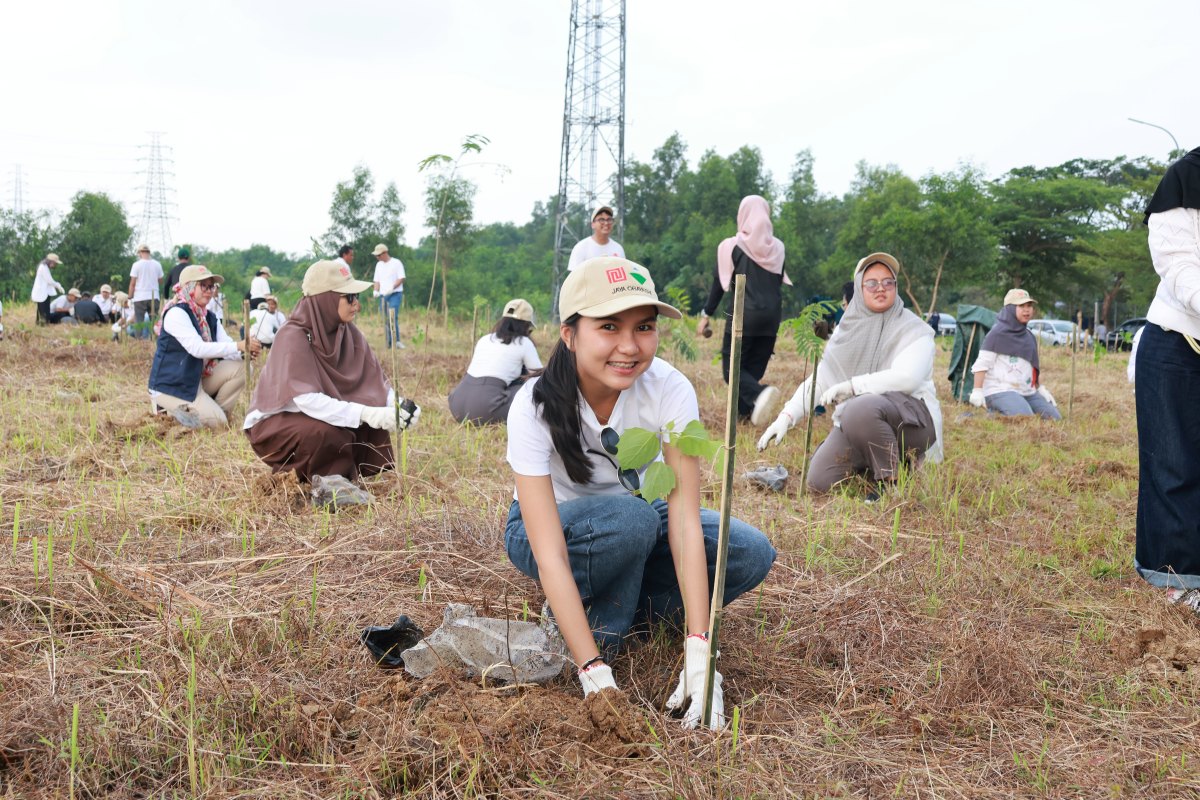
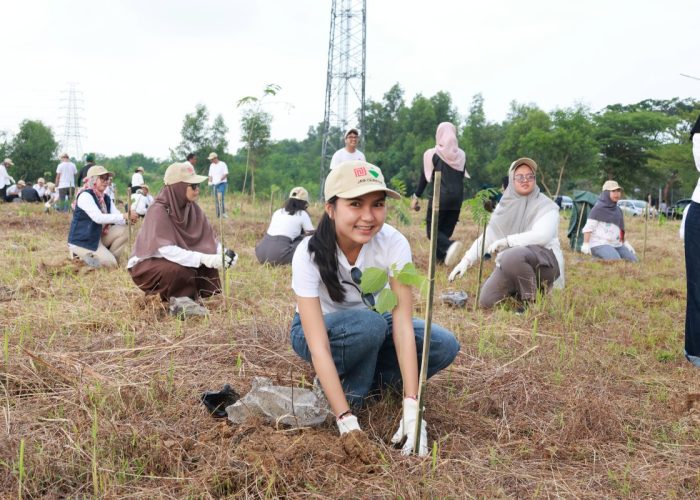
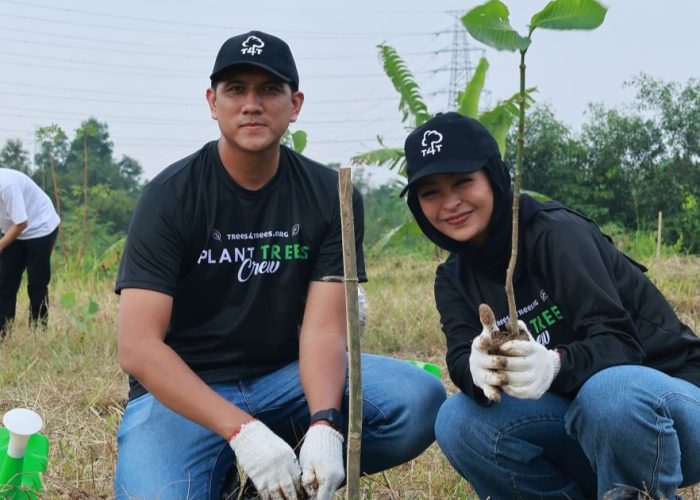
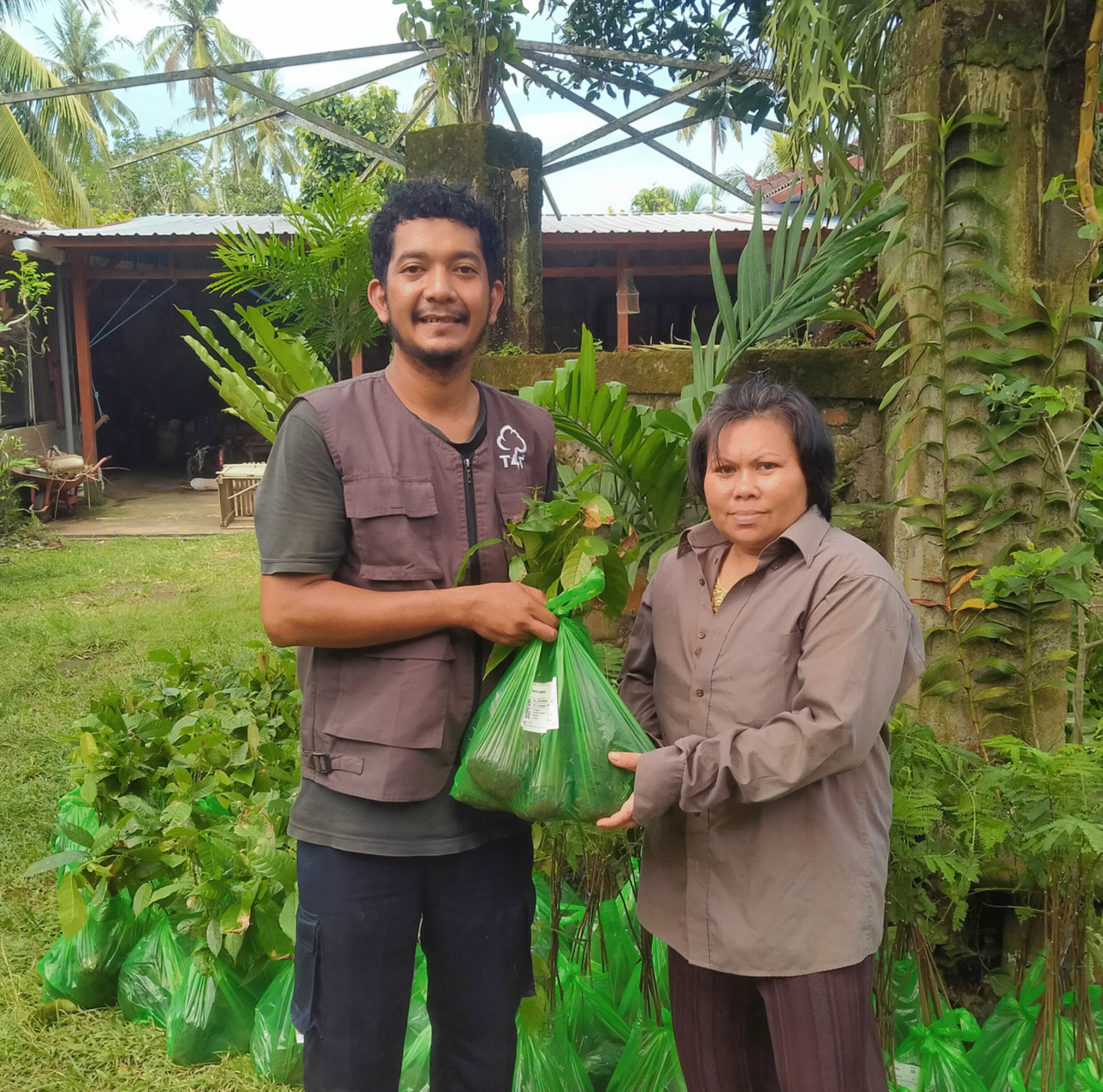
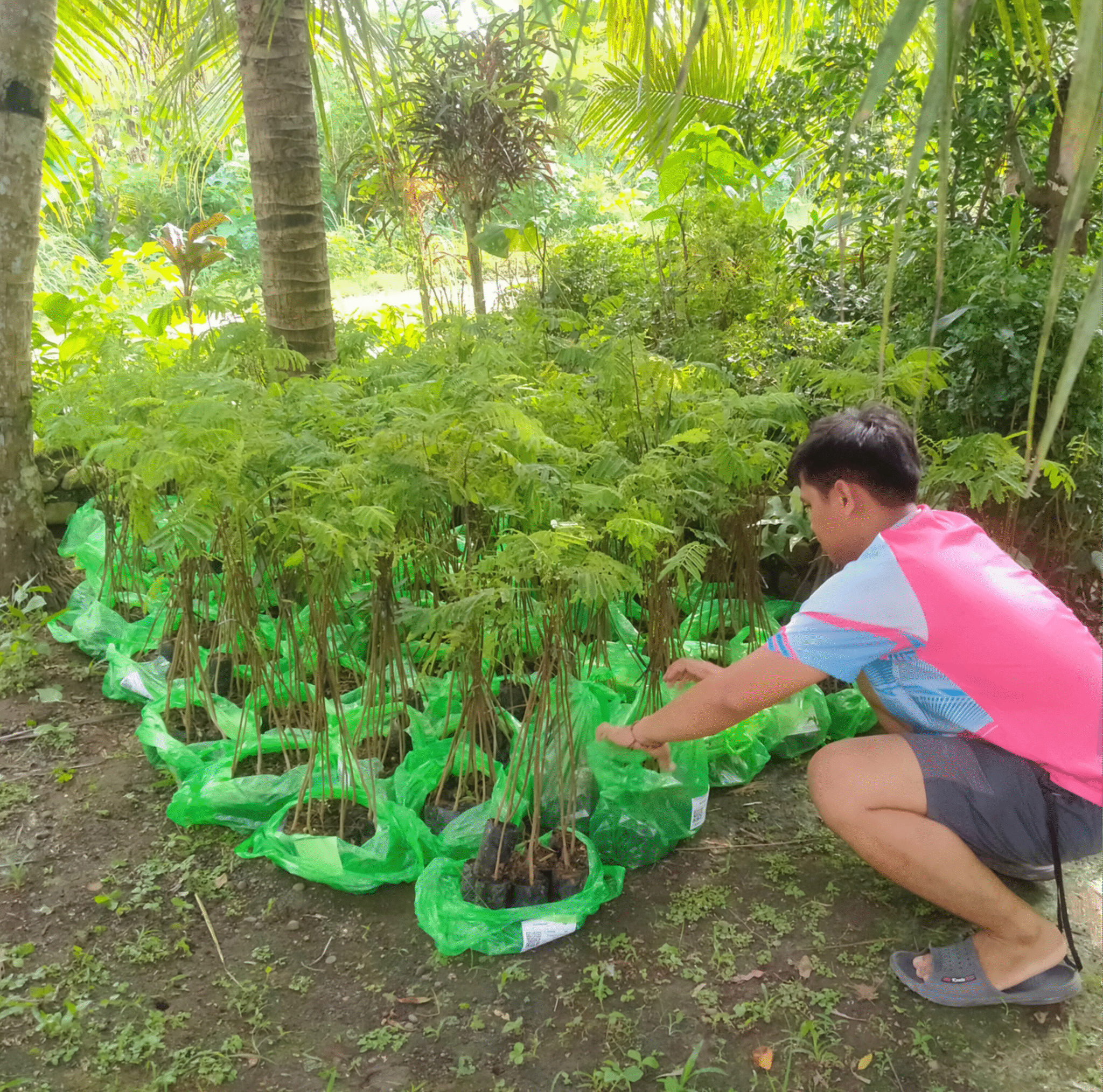
The tree-planting program involves nearly 30 local farmers, empowering them to improve their harvests through agroforestry practices. It also supports cacao production, as several villages within the planting area are home to cacao-growing communities.
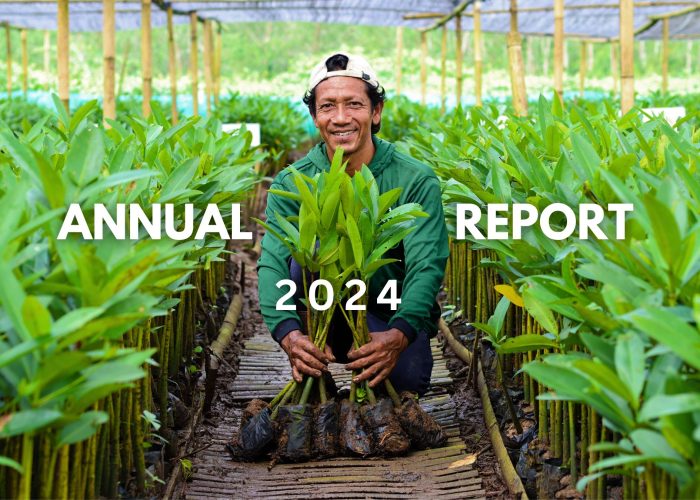
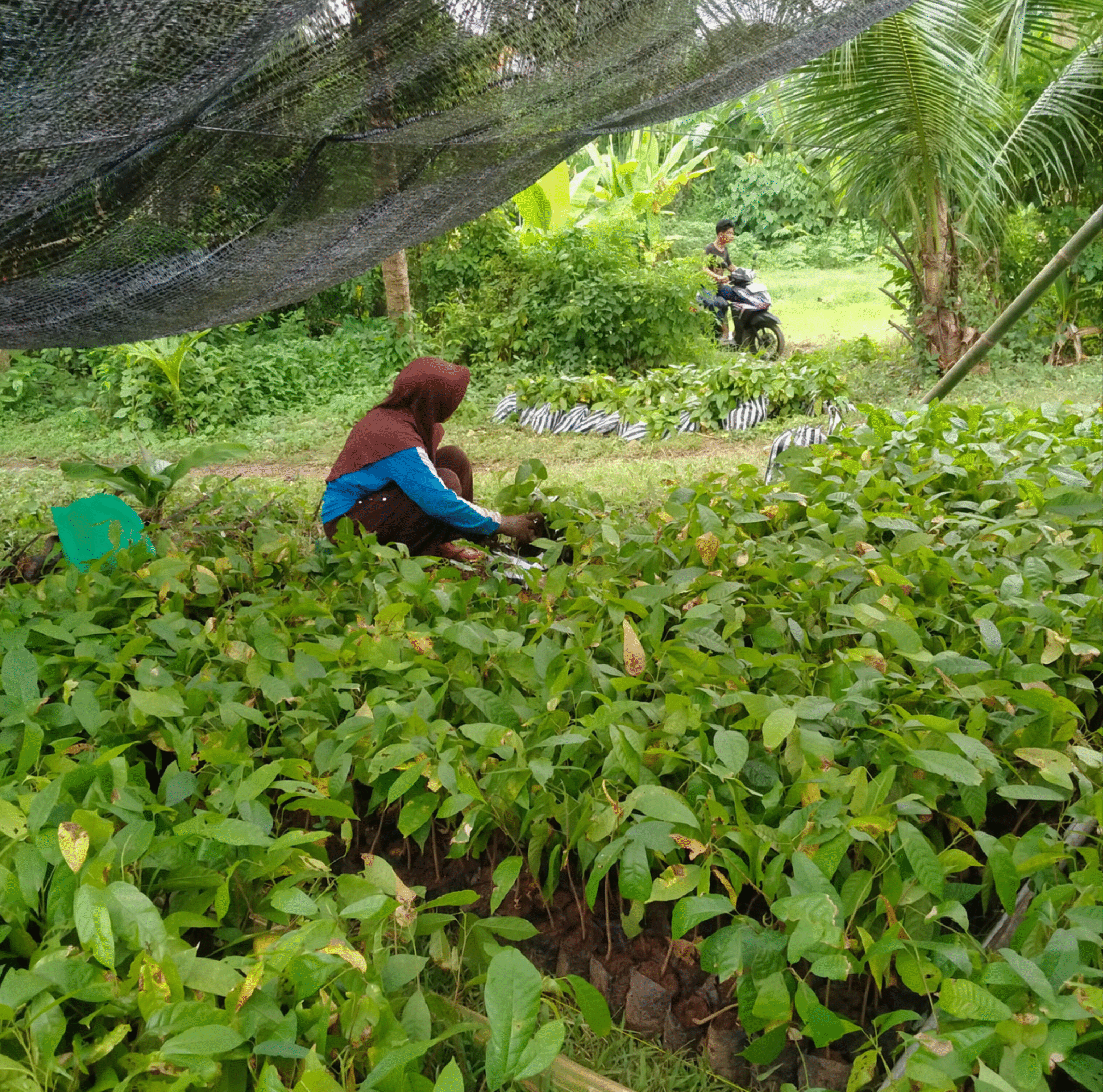
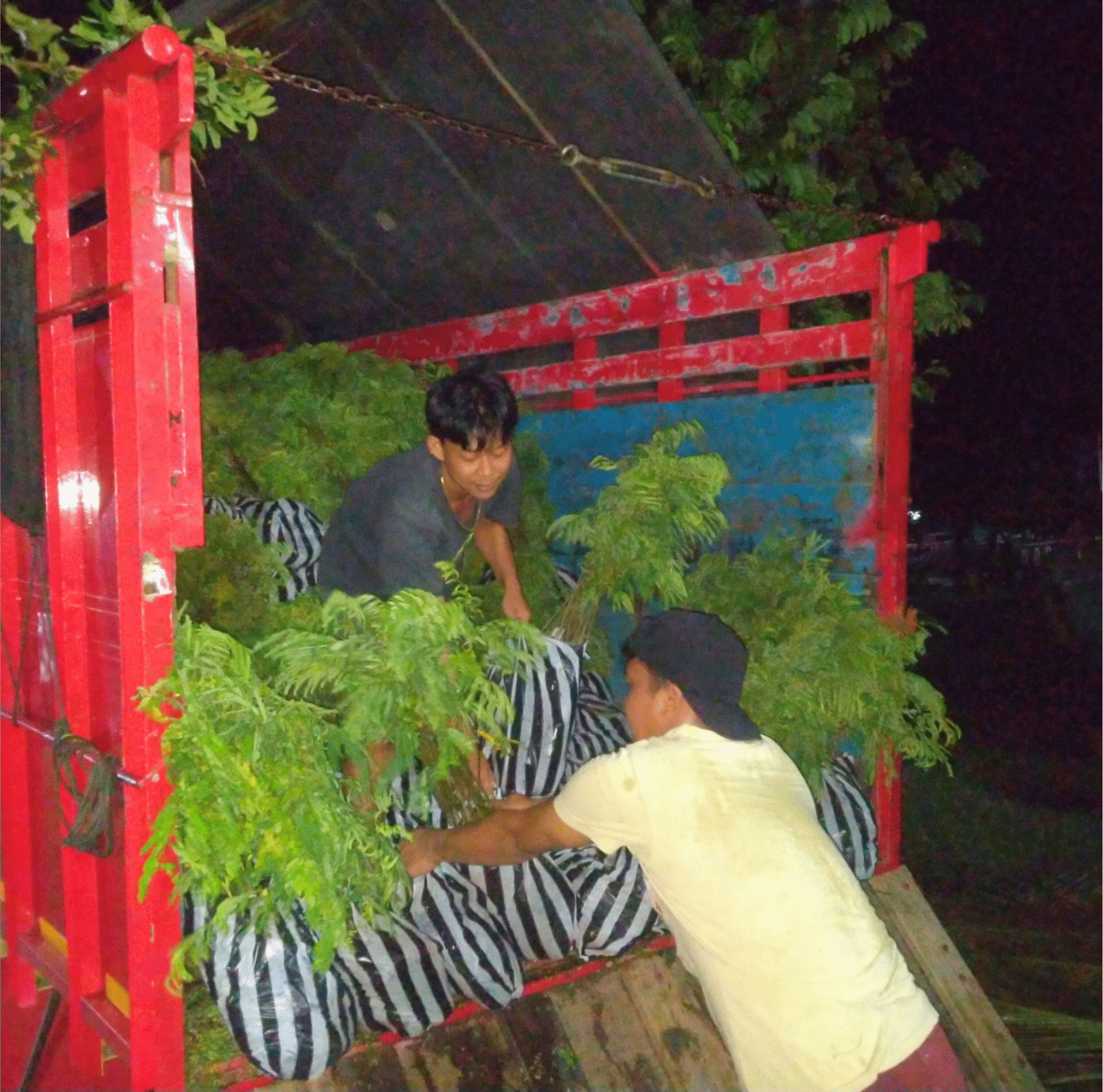
This tree-planting initiative partners with local nurseries to provide seedlings, offering new job opportunities for the local community through seedlings production.
The initiative benefits the local community in a whole from enhanced environmental resilience, reduced flooding, and improved water availability.
Melaya Subdistrict lies within protected forests, marine national parks, and the West Bali National Park – an area rich in biodiversity. The region is home to various native wildlife species, including deer (Cervus timorensis), barking deer (Muntiacus muntjak), marbled cat (Felis marmorata), mouse-deer (Tragulus javanicus), pangolin (Manis javanica), long-tailed macaque (Macaca fascicularis), black macaque (Presbytis cristata), monitor lizard, and the savanna nightjar, as well as the Balinese endemic Bali starling (Leucopsar rothschildi).
The area also supports a rich diversity of native tree species or is cultivated by local communities, contributing to sustainable agroforestry systems and healthy landscapes. Common species include the candlenut tree (Aleurites moluccanus), wild almond (Sterculia foetida), and ceylon oak (Schleichera oleosa), as well as native trees such as the bayur tree (Pterospermum diversifolium), kepel tree (Steleochocarpus burahol), and keruing tree (Dipterocarpus hasseltii).
West Bali National Park
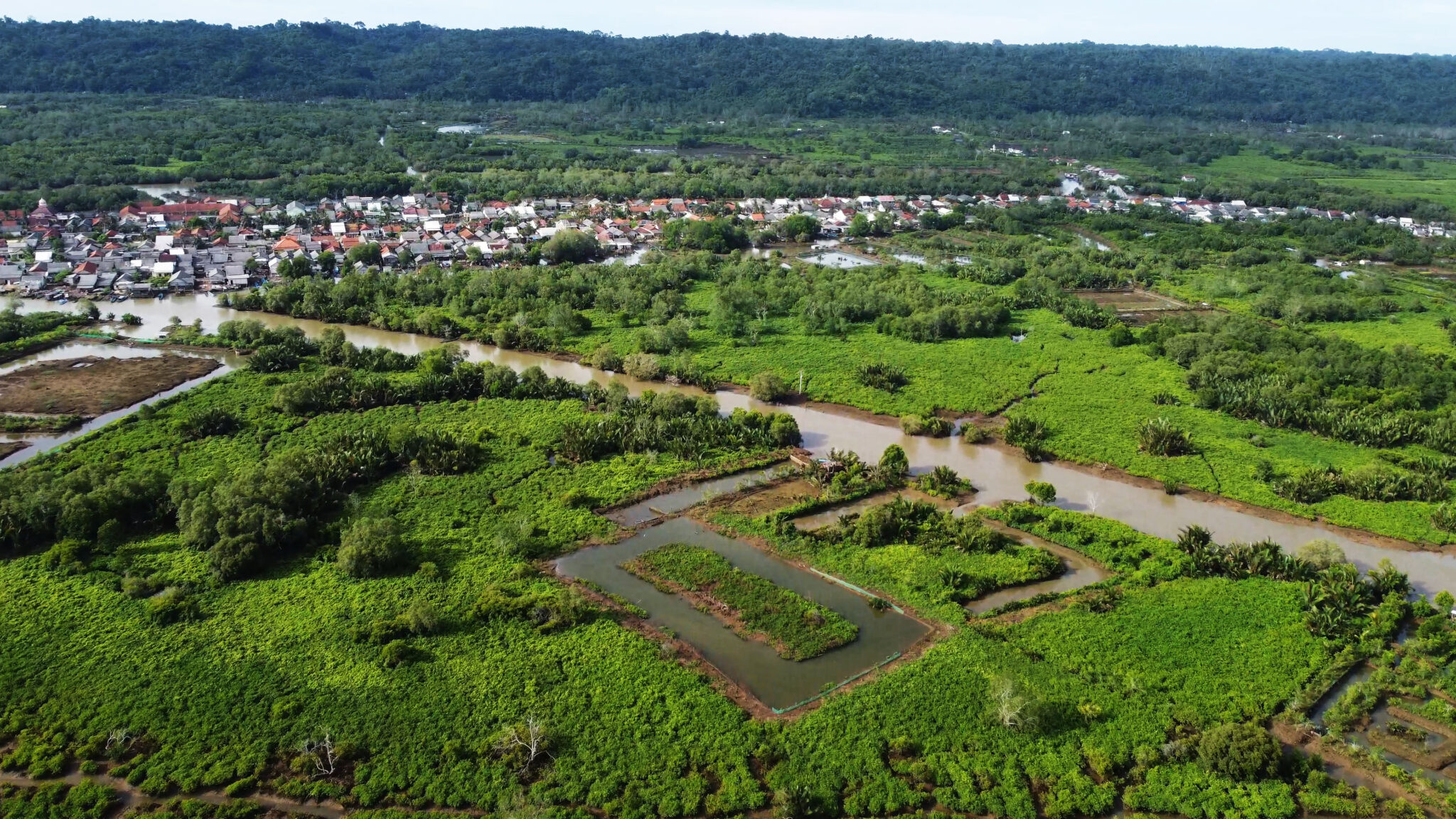
Located on the island’s northwestern tip, West Bali National Park is the most important conservation area in Bali, covering approximately 190 square kilometers of land and sea. The park directly borders the northern part of Melaya District, encompassing diverse ecosystems, including dry savannas, monsoon forests, and extensive mangrove stands.
The park plays a vital role in protecting the critically endangered Bali Starling (Leucopsar rothschildi), a species found only in Bali. It is also home to more than 160 bird species, as well as Javan rusa deer and banteng. Offshore, Menjangan Island features world-renowned coral reefs that attract divers and snorkelers from around the globe.
Cocoa World Producer
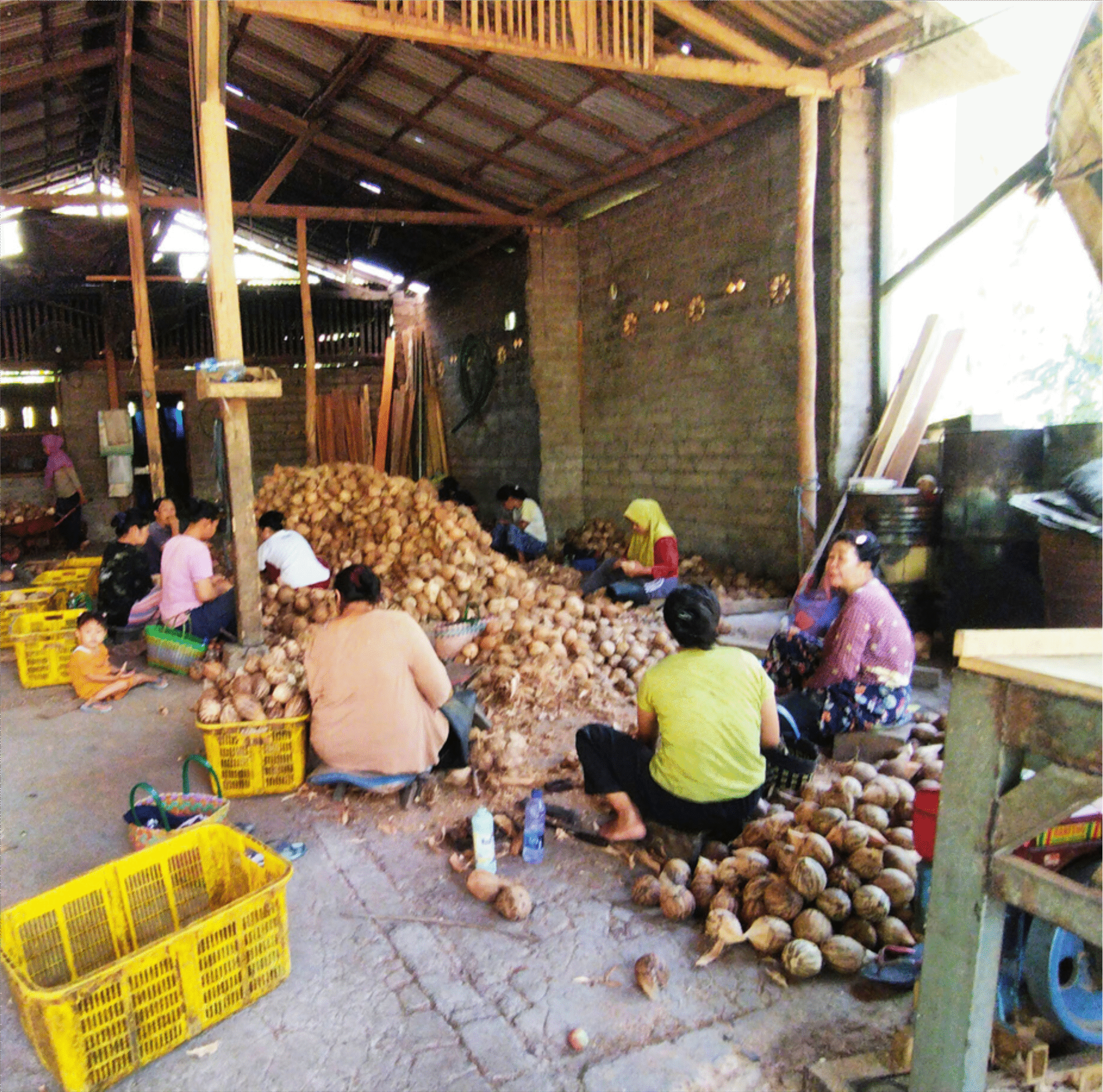
Cocoa beans from Jembrana, including those produced in Ekasari Village, one of our tree-planting areas, are internationally recognized for their high quality, rich aroma, and distinctive flavor, which make them successfully entered premium international markets.
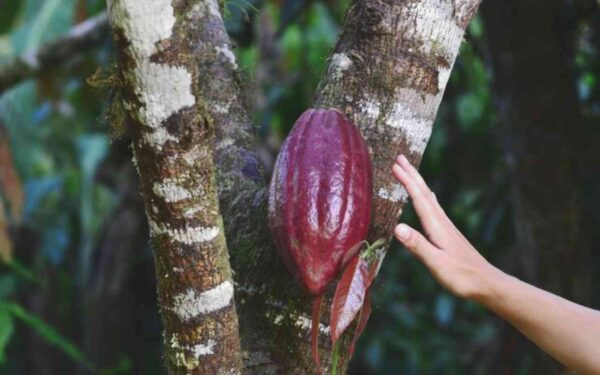
Ekasari Village is widely regarded as one of the largest and best cocoa-producing villages in Bali. Additionally, another village, which is also part of our planting areas, Candikusuma Village, also plays a vital role in Melaya’s cocoa production alongside Ekasari, contributing significantly to the district’s overall cocoa production volume.
Largest Protected Forest in Bali
Among Bali’s regencies, Jembrana has the largest forest area, with 49% – approximately 41,307-hectare of its land, covered in forest, according to Ministry of Environment and Forestry (MOEF) in 2021. Most of these are protected forests, serving as habitats for diverse wildlife and sustaining water resources in the region.

The tree-planting initiative aims to restore ecological balance, prevent environmental degradation – related disasters, and ensure the long-term preservation of vital water resources and subak as a cultural heritage system. It is also designed to support sustainable livelihoods dependent on agriculture, particularly by strengthening local cacao production.
Why Support This Project
- Support the centuries-old Subak system, a traditional, community-based irrigation practice that reflects Bali’s rich cultural heritage of sustainability and shared water management.
- Protect and enhance biodiversity, as the area borders the West Bali National Park and protected forests that serve as sanctuaries for valuable flora and fauna species.
- Help local communities mitigate the impacts of environmental degradation, including water scarcity, drought, flooding, and erosion.
Related Stories by Projects
Balancing Industrial Growth with Urban Forest Planting
Growing Green: Microsoft’s Continued Urban Forestry Initiative
From electricity consumption and infrastructure development to manufacturing and distribution,
Unpredictable seasons, rising heatwaves, heavier rainfall, extreme floods, cyclones, and
Surrounded by over 8,000 hectares of coastal trees and wetlands,
Nestled in the foothills of the Malabar Mountains in Bandung
Indonesia, the world’s largest archipelago, is rich in cultural heritage