Restoring Southern Java’s Blue Carbon
Restoring Kampung Laut Mangrove Forest Rebuilding Blue Carbon
Trees planted
Families helped
Total areas reforested
CO2 captured
Project started
Planting methods
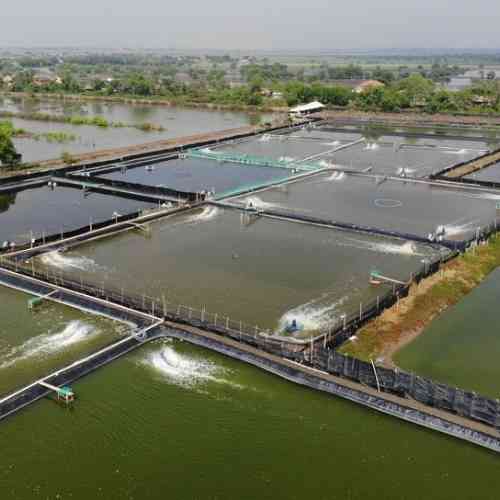
Located near the Segara Anakan Lagoon in Kampung Laut District, Cilacap Regency, Central Java, Ujung Alang Village was once covered by thriving mangrove forests. Spanning over 8,000 hectares, the mangrove forest is the largest in Central Java Province. However, in 1994, large-scale clearing turned much of the area into shrimp and milkfish ponds operated by investors.
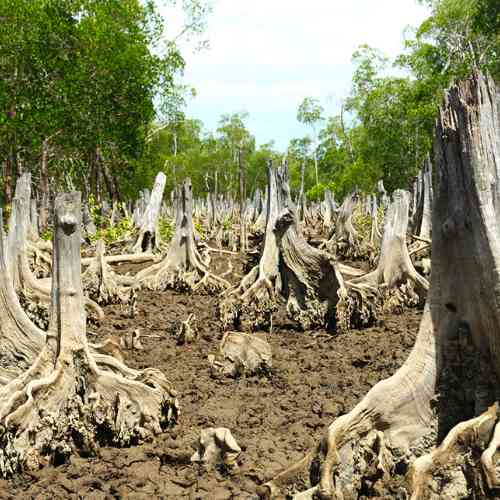
By 1998, many of these ponds were abandoned, leaving thousands of hectares of degraded land. The loss of mangroves not only disrupted local ecosystems that reducing fish stocks and threatening the livelihoods of fishing communities but also diminished the region’s ability to store blue carbon, one of the planet’s most powerful natural climate regulators.
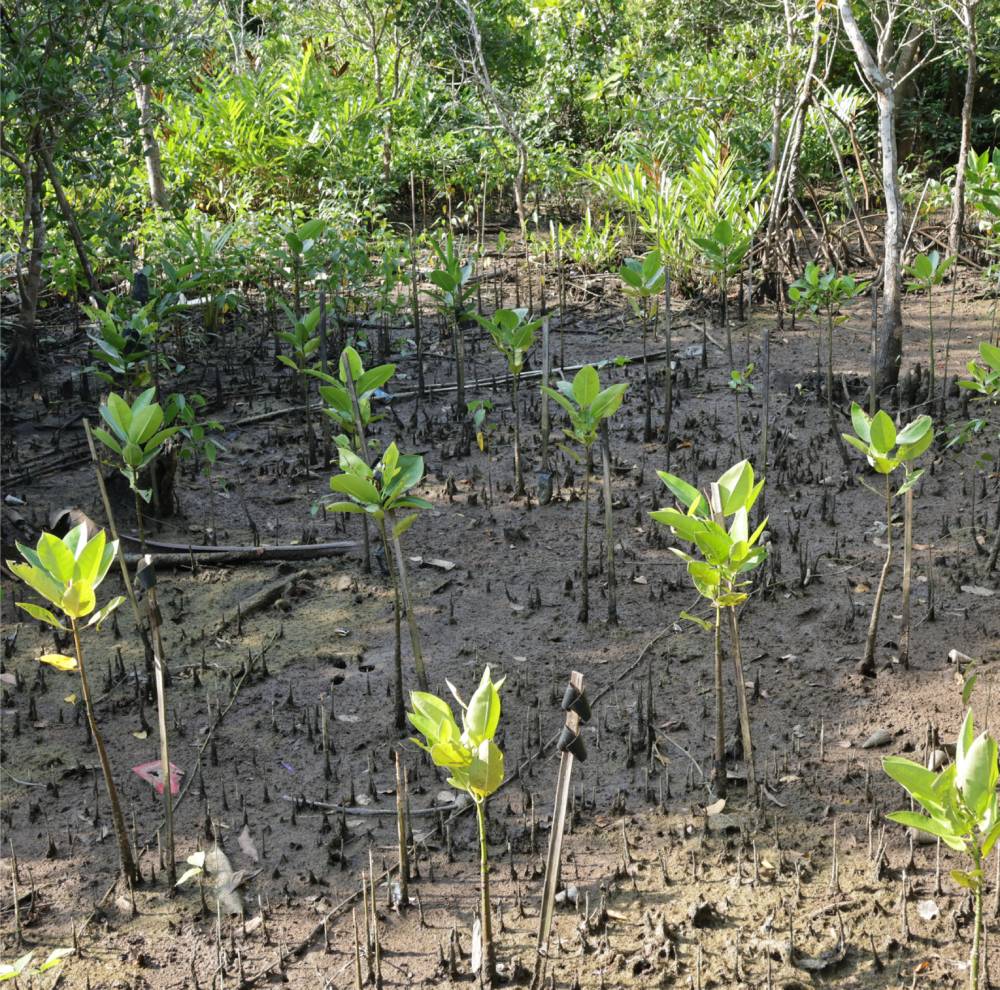
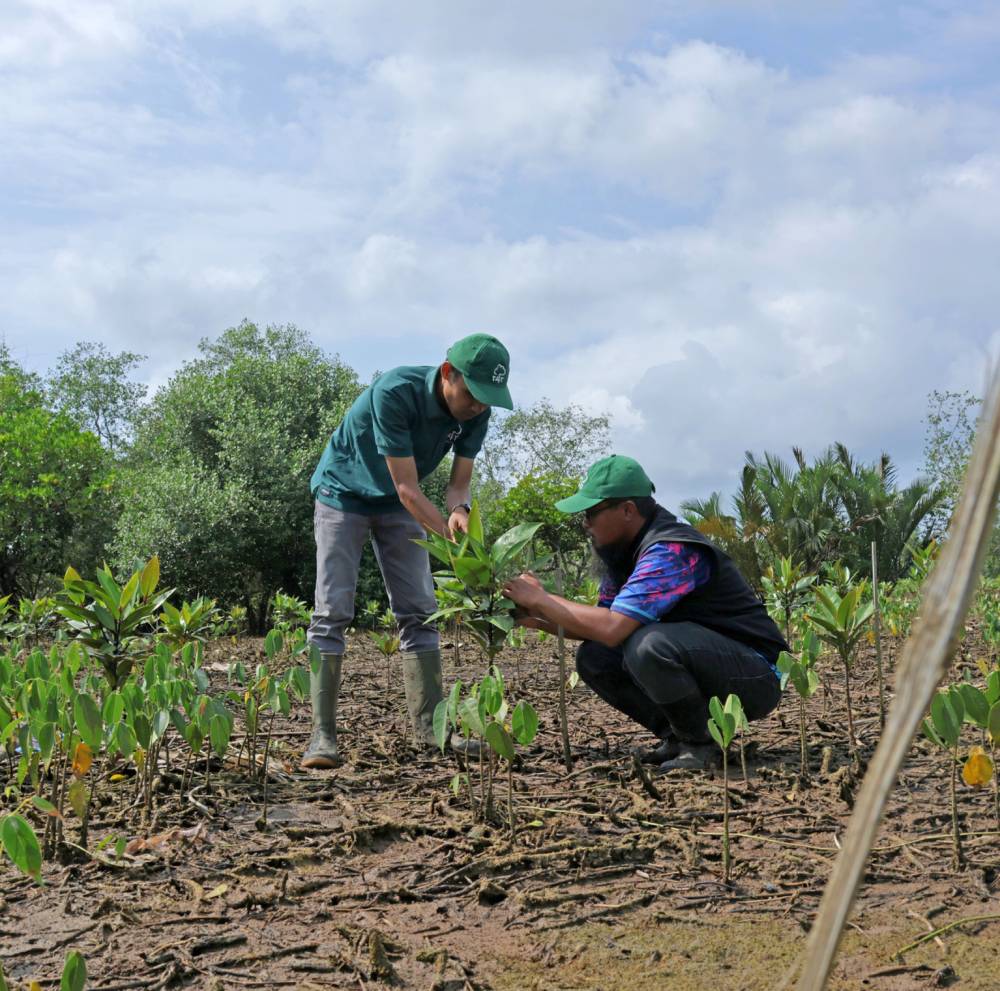
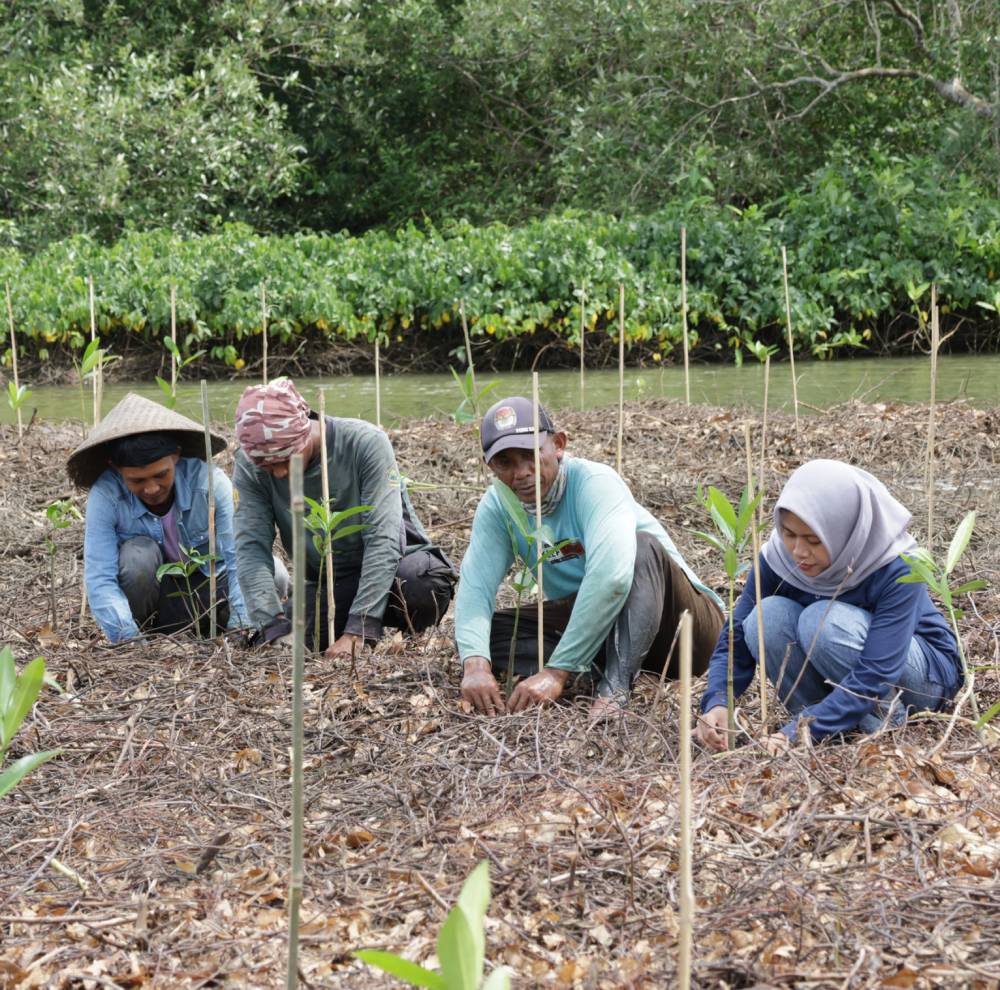
To restore this vital ecosystem, Trees4Trees began collaborating with local communities and supporters in 2024 to replant mangroves, strengthen coastal protection, and revive their vital role as an effective blue carbon sink that captures and stores carbon from the atmosphere and ocean, helping to mitigate global warming.
Location :
Total area degraded :
Cause of degradation :
Potential area for planting :
Planting density :
Unsustainable aquaculture practices
Unsustainable shrimp aquaculture has led to widespread mangrove loss, leaving forest cover severely degraded and reducing the area’s long-term ability to sequester carbon.
Severe seabed siltation
Sedimentation from upstream erosion in the Citanduy watershed – driven by excessive deforestation – carries soil downstream into the lagoon, degrading remaining mangrove habitats and creating a vicious cycle that weakens the area’s blue carbon potential.
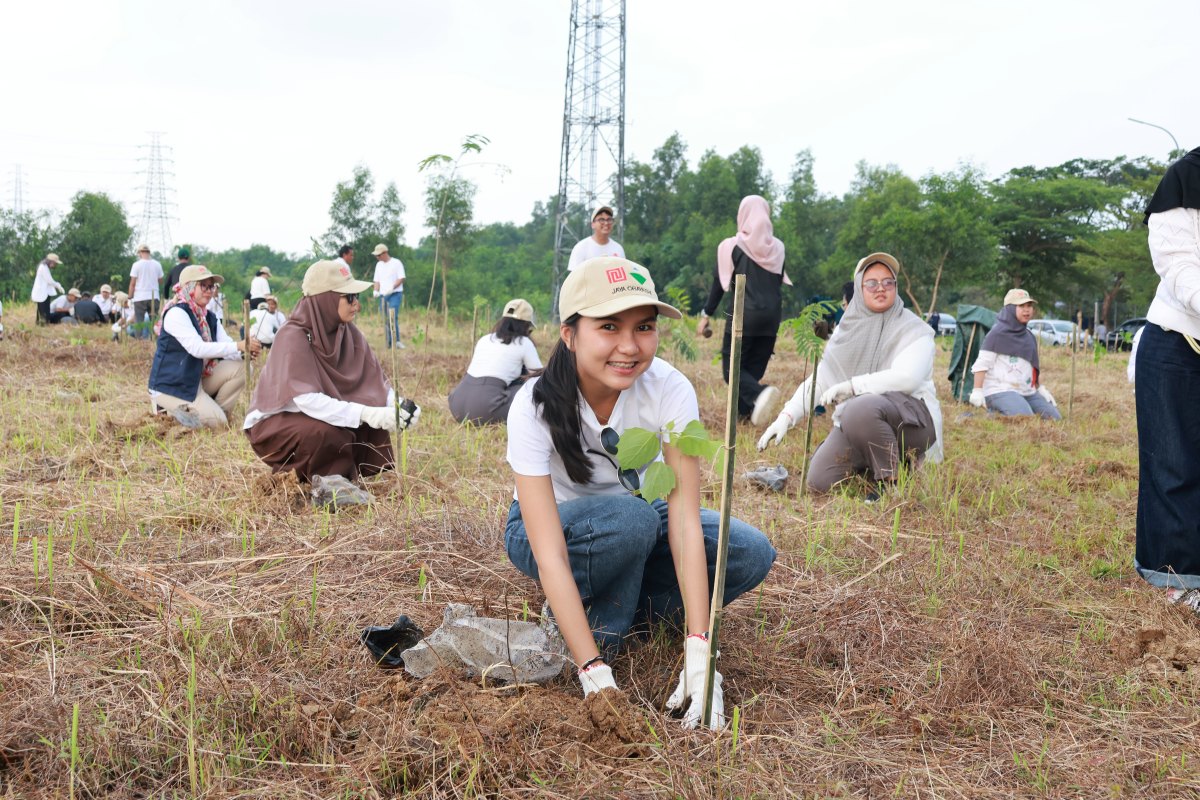
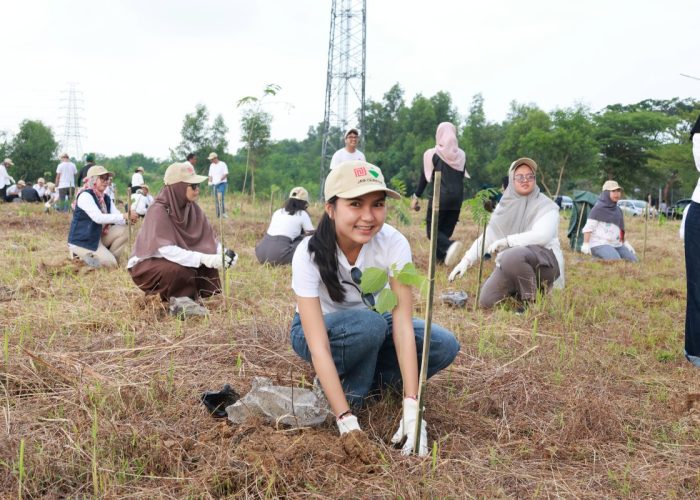
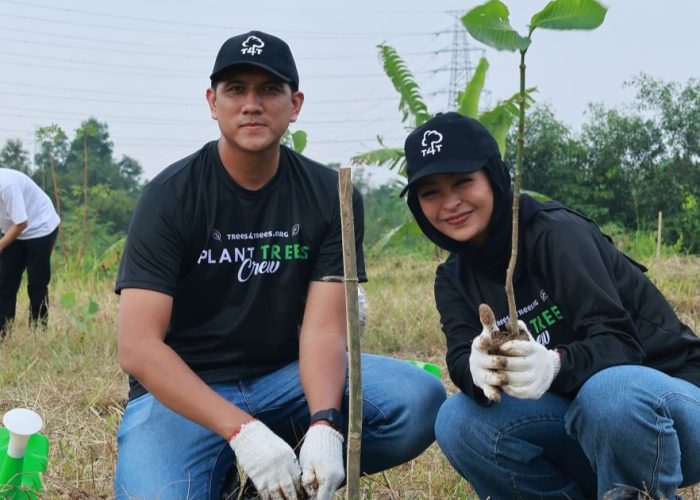
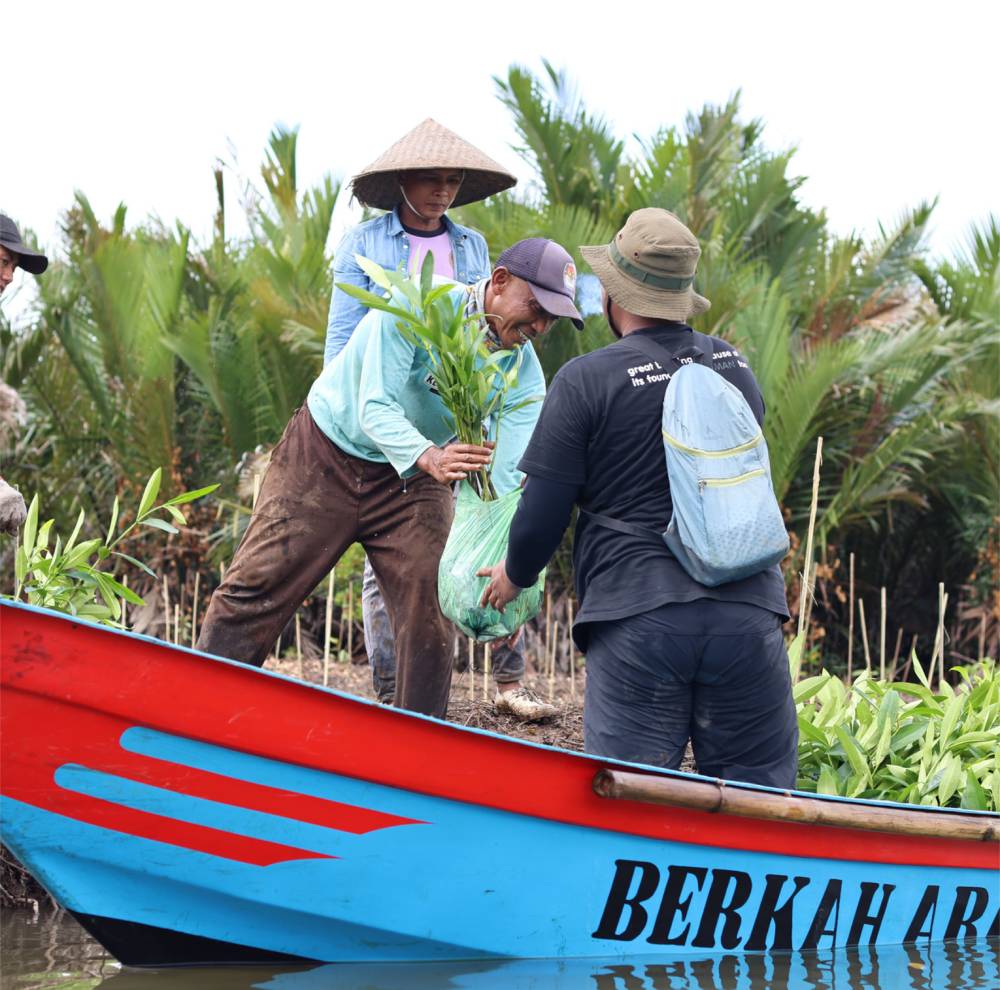
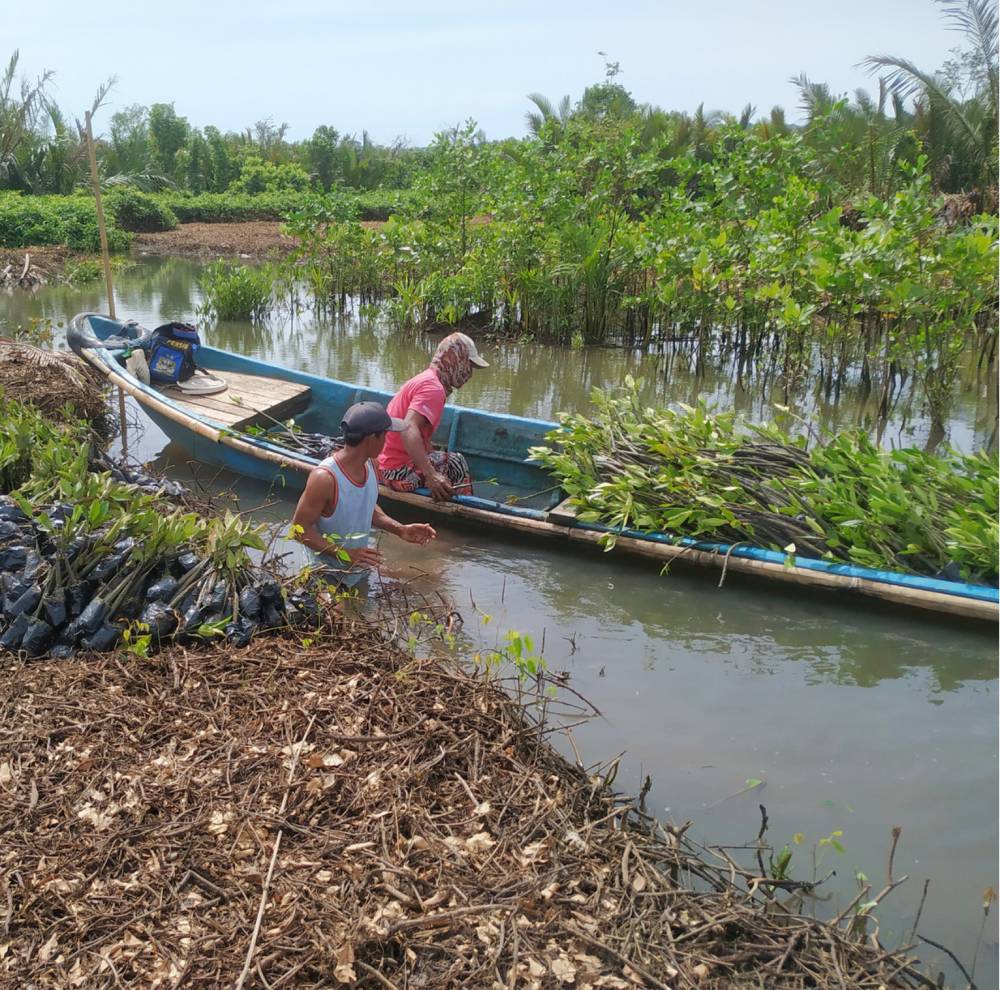
The tree-planting engage local fishermen to plant mangroves, providing them a long-term solution to sustain their livelihood from fisheries by bringing back the healthy mangrove ecosystem
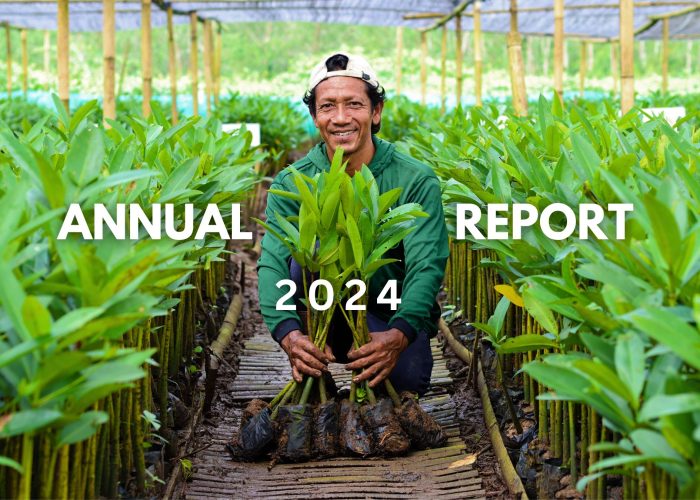
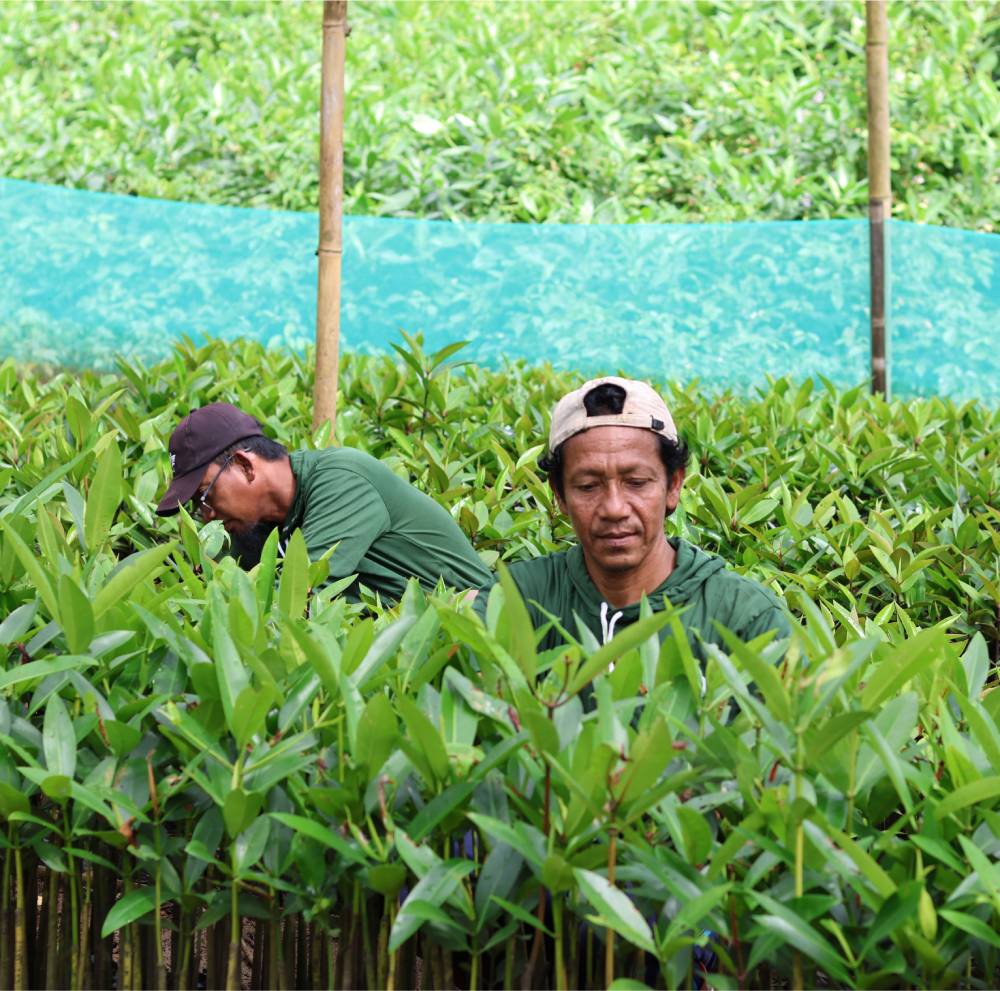
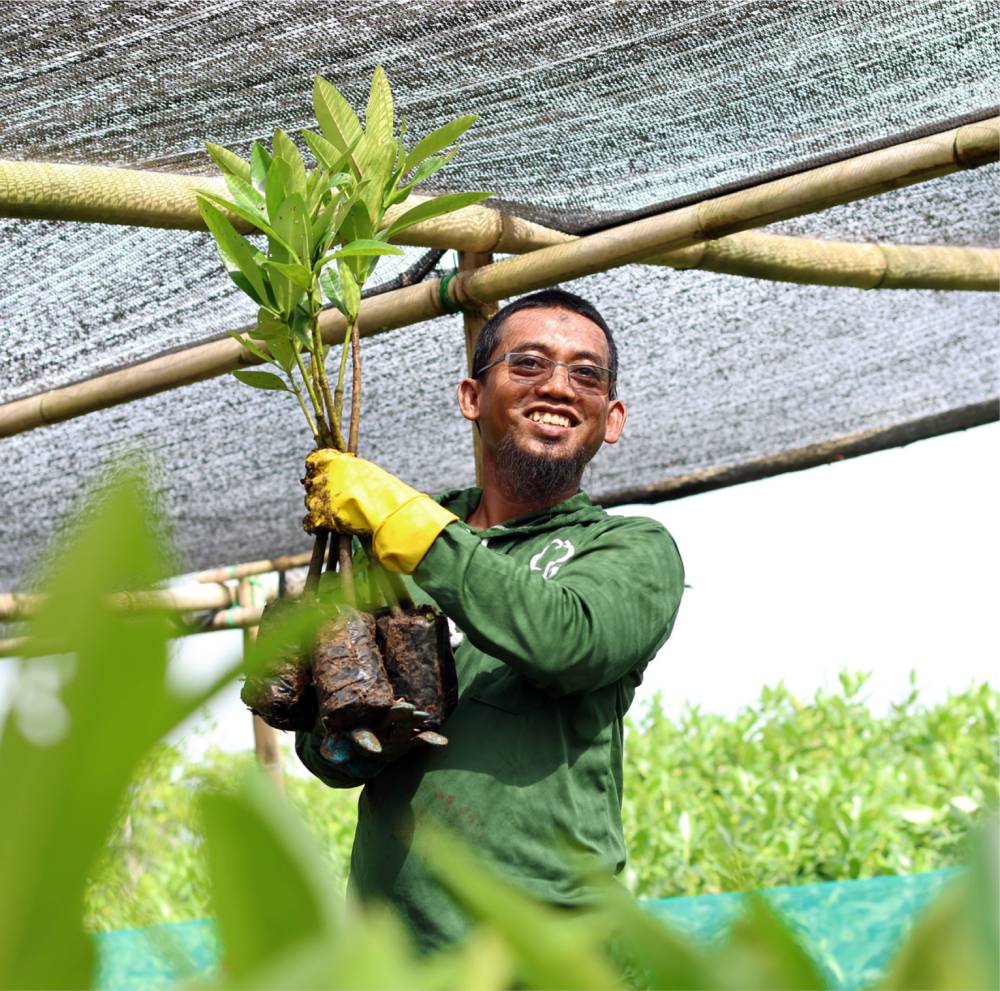
We established an in-house mangrove nursery and partnered with local communities to provide mangrove seedlings, creating new job opportunities through nursery operations.
Segara Anakan, where Kampung Laut is located, hosts a rich biodiversity made up of three interconnected ecosystems: land, estuary, and marine. They together sustain a balanced environment.
The land area is home to mammal species, such as long-tailed macaques and wild boars, along with various bird species, including the grey heron, great-billed heron, little egret, Javan pond heron, milky stork, lesser adjutant, purple heron, cinnamon bittern, woolly-necked stork, striated heron, and white-breasted waterhen, as well as several reptile species like monitor lizards.
The mangrove forest itself supports more than 50 species, dominated by Rhizophora, Avicennia, Bruguiera, Aegiceras, and Nypa, serving as one of the region’s most effective natural blue carbon sinks.
Arboretum Mangrove Forest “Kolak Sekancil”
Since 2016, the Ujung Alang Village community, together with a state-owned company, has developed a mangrove arboretum for conservation, education, and ecotourism. Over one million mangroves have been planted, sequestering an estimated 20,685 tons of CO₂ annually. The area is home to diverse wildlife, including 64 bird, 8 mammals, and 3 reptile species – several of which hold high conservation status.
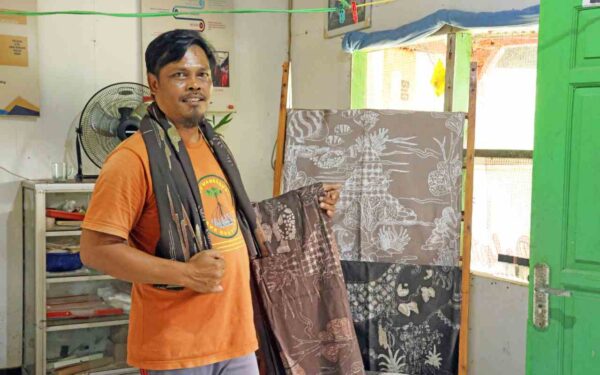
Kampung Laut Mangrove Batik
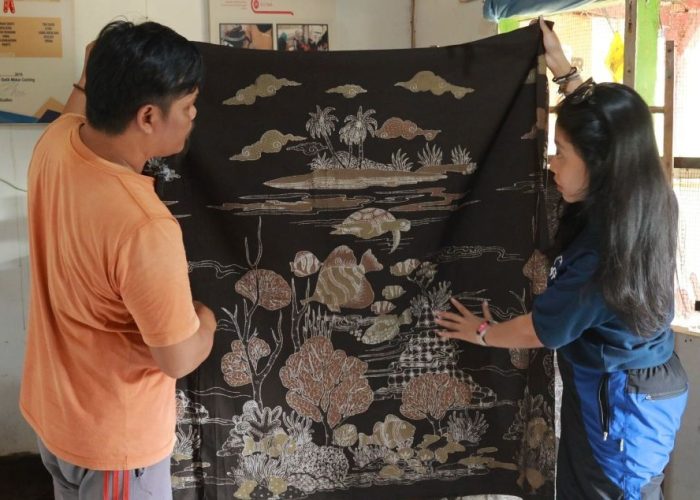
Introduced in 2015 by the Mekar Canting Batik Group, a community of local artisans, primarily women, this traditional hand-drawn and stamped batik uses natural dyes made from Rhizophora mangrove fruit, creating distinctive earthy tones that reflect the region’s rich coastal ecosystem.
Kampung Laut Mangrove Snacks
Women of the Bina Patra Lestari group turn jeruju (Acanthus ilicifolius) leaves and putut (Bruguiera gymnorrhiza) fruits – which are readily available in their surroundings – into tasty snacks, promoting sustainable mangrove use while earning additional income.
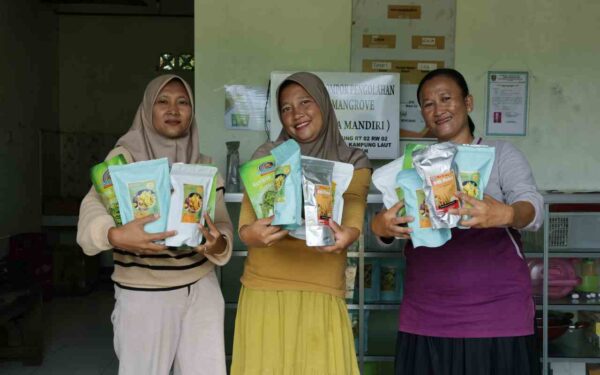

This project primarily aims to restore degraded mangrove forest cover and revive its vital role as an effective blue carbon sink, while also supporting sustainable local livelihoods through a silvofishery model – integrating mangrove rehabilitation with sustainable aquaculture. This approach not only enhances carbon sequestration but also strengthens community resilience, proving that healthy mangrove ecosystems can protect both people and the planet.
Why Support This Project
- Helps revitalize vital ecosystems that play a crucial role in carbon sequestration, contributing to climate change mitigation.
- Supports biodiversity recovery by reintroducing native mangrove species that provide habitats for crustaceans, birds, and fish, including rare and endangered species
- Strengthens local livelihoods as the ecosystem recovers, it boosts fish and crustacean populations, providing better yields for fishermen. Through the silvofishery model, communities gain sustainable income opportunities, while mangrove fruits and bark support small local enterprises such as traditional batik and snack production.
Related Stories by Projects
Balancing Industrial Growth with Urban Forest Planting
Growing Green: Microsoft’s Continued Urban Forestry Initiative
From electricity consumption and infrastructure development to manufacturing and distribution,
Unpredictable seasons, rising heatwaves, heavier rainfall, extreme floods, cyclones, and
Surrounded by over 8,000 hectares of coastal trees and wetlands,
Nestled in the foothills of the Malabar Mountains in Bandung
Indonesia, the world’s largest archipelago, is rich in cultural heritage