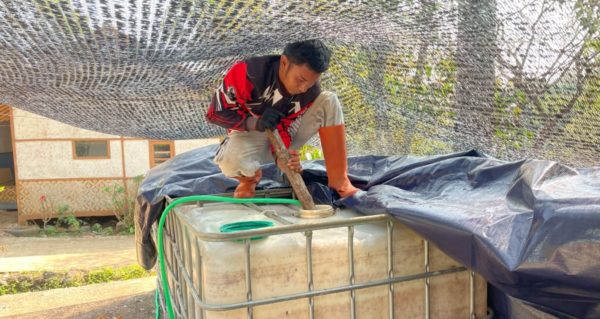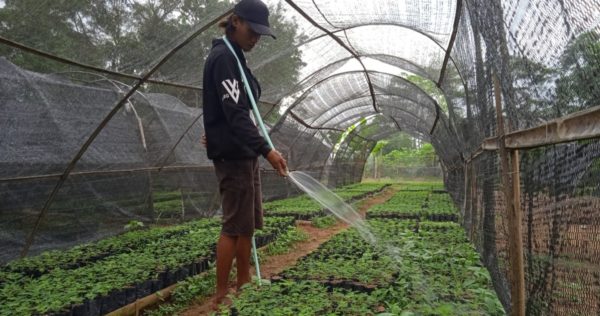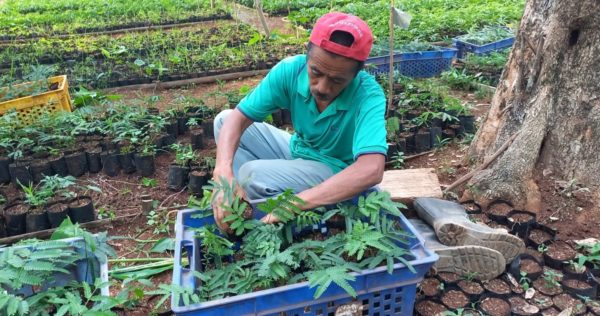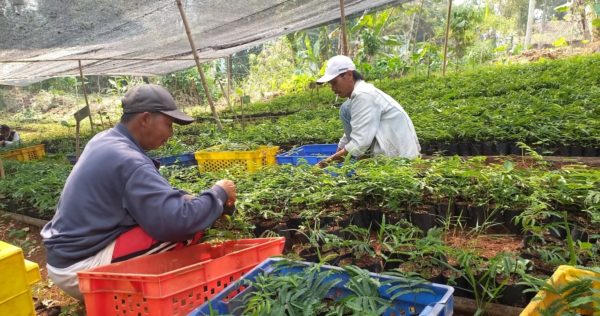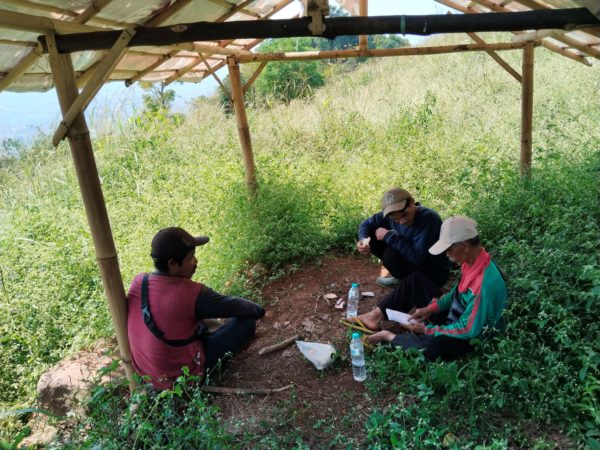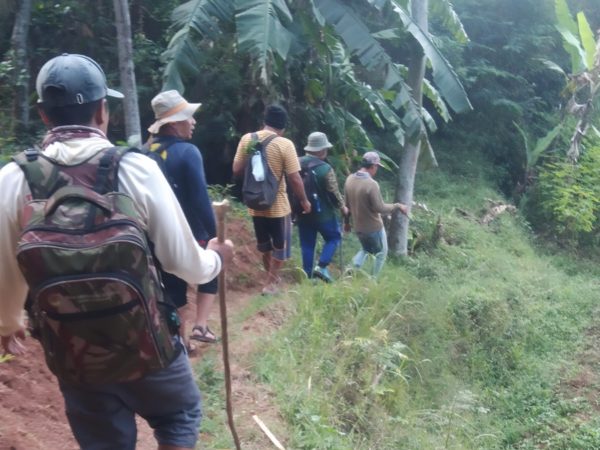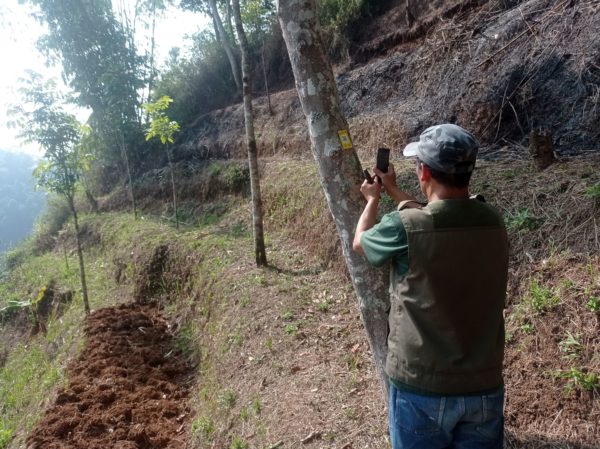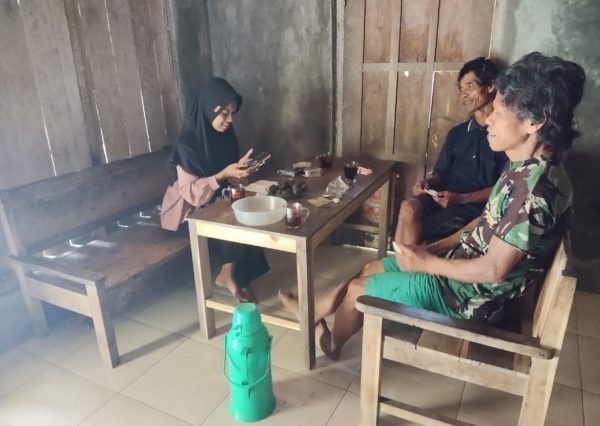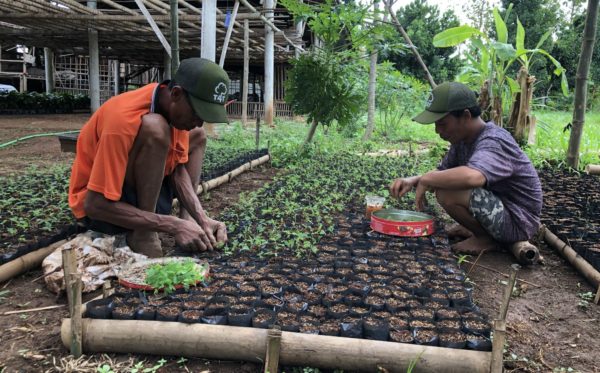
Green Journey; The year 2023 is coming to an end, and a new year is on the horizon! Despite facing challenges such as a prolonged dry season and the impact of the El Nino phenomenon, Trees4Trees remains steadfast in its mission to green the environment. It includes supporting areas affected by drought and water scarcity through tree planting.
The Trees4Trees planting season is currently in progress and is scheduled to continue until early 2024, leading to the planting of more trees. This initiative is expected to generate larger impacts on the environment, social aspects, and the economy.
Therefore, we express our gratitude to the individuals, companies, and organizations that have supported our green mission throughout the year. Your remarkable support as sponsors and donors has enabled us to achieve new milestones in 2023, and we are eager to share them with you.
TREES4TREES 2023 REFORESTATION JOURNEY
Looking ahead to 2024, we are steadfast in our commitment to expanding tree planting efforts. This involves over 20,000 farmers in 231 villages across various regions in Indonesia. You, your organization, or company can actively contribute by becoming sponsors and donating trees to support this cause. For more details, please reach out to us at info@trees4trees.treesforplant.com.
As the new year approaches, it provides a timely opportunity to adopt green resolutions and resetting habits that promote a sustainable lifestyle. Through these changes, we collectively contribute to the well-being of our planet and secure a better future. Additionally, consider gifting trees as a meaningful and eco-friendly New Year’s present.
In Trees4Trees‘ tree-planting operation, our focus includes empowering and encouraging local communities – our partners as tree growers – to implement environmentally friendly farming methods. By doing so, we anticipate that the farming activities will not harm the surrounding environment, while also potentially benefiting local communities through the products of the trees, such as fruits, leaves, or bark.
To achieve this goal, we conduct a series of farmer training sessions at each working site as part of our tree-planting initiatives. This year, various topics about organic farming methods have already been covered. These topics include how to make organic pesticide and herbicide, formulating liquid and granular organic fertilizers, and microbe’s decomposer.
Additionally, there are also topics related to the cultivation techniques, such as applying organic cultivation pattern, increasing timbers and multipurpose tree species productivity, grafting and plant propagation through cutting techniques, and best practices to cultivate fruit trees in organic ways.
Let’s delve into the recent establishment of Trees4Trees‘ farming training program!
Our field team is at the forefront ofengaging local communities totree-planting programs. Trees4Trees helda Training of Trainers to enhance the understanding of organic farming methods among our field team before delivering the knowledge to the tree growers participating in the program.Our field team will continue to disseminatethis knowledge to tree growers in each planting areathrough mentoring and hands–on practice.
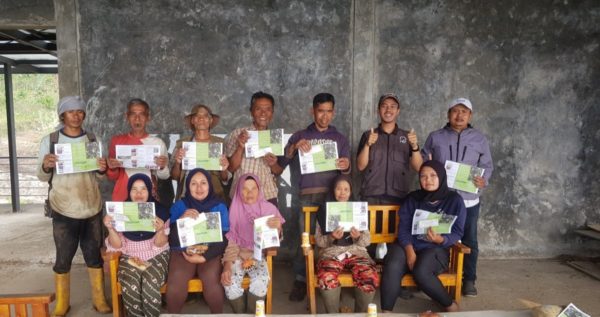
Trees4Trees provides its tree grower partners with brochures (above) and videos (below)as information and tutorial sources they can access for free.These information tools containtutorials and steps in how to implementeachorganic farming method.
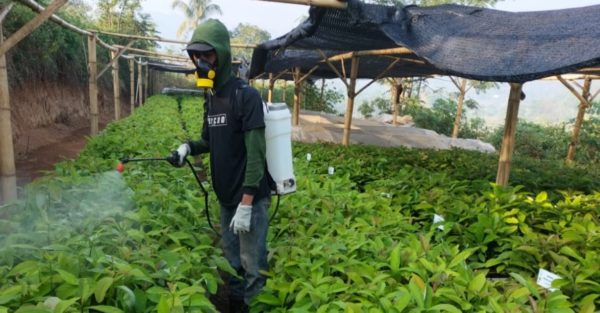
Organic biopesticide is useful to prevent and control pests and disease attack to the trees planted without leaving harmful residuals. Our field team showcasestutorials of organic biopesticide making in a hands-on practice to the local communities. The organic biopesticide is formulatedfrom some tree leaves like suren, sirsak, and sirih leaves. They are mixed with turmeric, galangal, tobacco, molasses, and decomposer microbes.
In the process of making organic biopesticides, three kinds of leaves; sirsak, suren, and sirih leaves need to be poundedbefore they are mixed with other ingredients. Local farmers are pounding them with a traditional pestle and mortar made from wood.
Fulfilling the high demand for knowledge about organic fertilizers in local communities, our field team conducts farming training on how to make organic liquid fertilizers. (Above) We utilizehousehold waste like expired eggs and milk, rice washing water that are mixed withsome other ingredients includingsheep’s manure, volcanic ash, and spirulina. To apply this type of fertilizer, simply by spraying around the trunk of trees planted. (Below) The organic fertilizer training attracted many local people to directly witness the tutorials demonstration.
One of the farming training topics we cover is grafting techniques, a cultivation method that involves attaching one plant bud to another. This method aims to combinefavorablecharacteristics from both plants toachieve a better variety of trees.
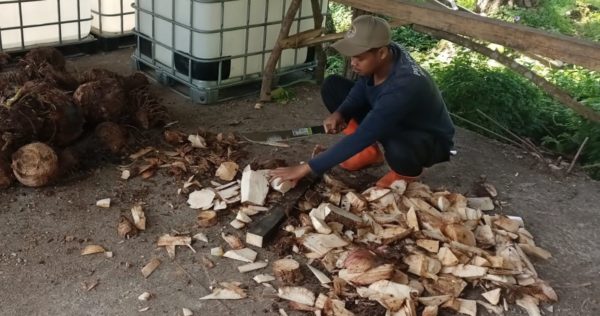
Decomposer microbesand soil fertilizersplay a crucial role in the organic farming system due to their numerousfunctionsin plantsgrowth. They helpcompost plants and livestock waste to become nutrient for plants, reduce chemical waste in the soil,enhance soilfertility, and help to prevent pathogenicbacteria. Additionally, they significantly improve the chemical and biological function of soils. Considering these factors, we conduct training on decomposer microbe productionusingrotten rice, banana weevil, bamboo roots, molasse, and yeast that are fermented.
In one of our farmer training sessions, we presented a tutorial on making herbicide from organic ingredients, including coconut water, sugar, and yeast, followed by a fermentation process.Organic herbicide is useful forcontrolling and preventing weed growth that can disrupt the growth of trees.
Multipurpose tree species refer to the type of trees that are grown to provide numerous benefits both for the environment and the economy. These may include environmental enhancement, such as providing shade, conserving water, and improving soil quality.
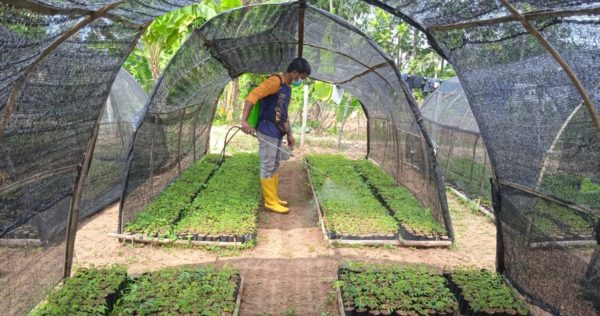
In addition to the environmental benefits, multipurpose trees also yield non-timber commodities, including fruits, leaves, nuts, sap, or bark. These commodities have a significant economic value and are competitive in the market, supporting local community livelihoods. Recognizing these advantages, Trees4Trees cultivates multipurpose tree seedlings like coffee, avocado, durian, petai, clove, and cotton in its nurseries.
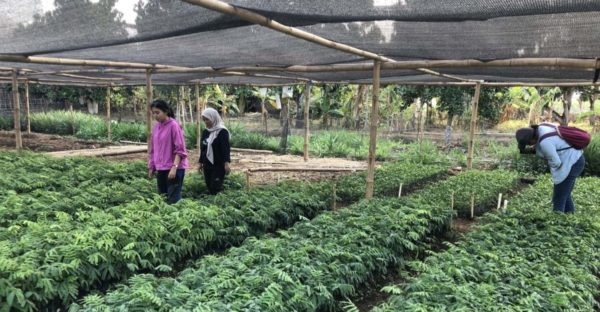
Let’s observe the dedicated efforts of our nursery team as they cultivate and nurture our multipurpose tree seedlings in our four established nurseries!
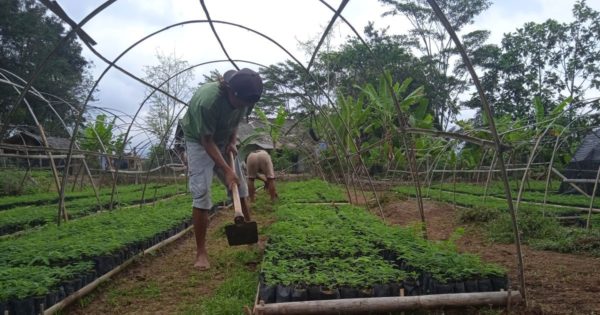
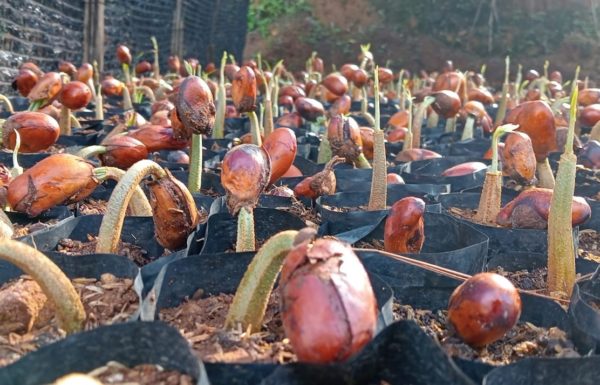
At the Kebumen nursery, a new tree-seedling has been introduced. This year, the nurseryhas startedon the cultivation of thecotton tree, also known in Indonesia as therandu tree or kapuk tree. The decision to grow cotton trees is a response to the strong interest of the localcommunity in Kebumen, driven by the economic value of the tree. Cotton trees produce fibers which are contained in theirfruits, and thesefibers are essentialraw materials for textile yarn.(Above) New shoots of randu tree-seedling have begun to grow. (Below) A nursery worker is removing weeds from the randu tree seedlings to ensure the maximum growth.
Jackfruit,or nangkais one of the favorite fruits in Indonesia, including the Java islands. Considering that the trees are widely cultivated by local people for their delicious fruits, the Kebumen nursery grows jackfruit tree-seedlings. Thesetreesproduce sweet, yellowfruits that can beconsumed directlyor usedas an additional ingredient for traditional snacks and drinks, thanks to theirdistinctive aroma. The young fruits also can be usedto prepare traditionalJavanese dish called gudeg.
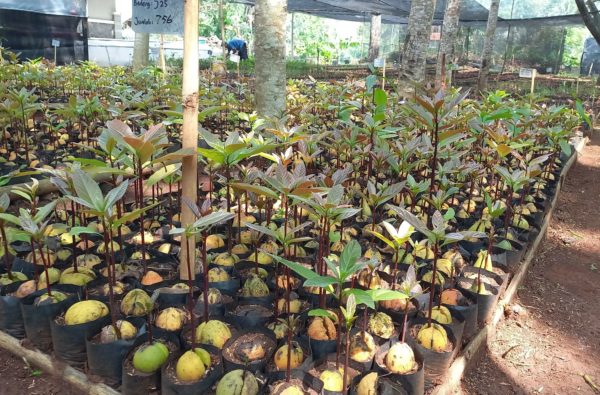
Avocado is one of the multipurpose trees that has a high economic value. Many people incorporateavocado fruit to their healthy diets, contributing to the fruits’ popularity and high demand. All our nurseries cultivate avocado tree-seedlings due to the strong interest of local people in planting avocados. (Above) Avocado tree-seedlings are thriving in the Pati Nursery.(Below) Avocado tree-seedlings are reaching new heights marking significant tree growth in the Cirasea Nursery.
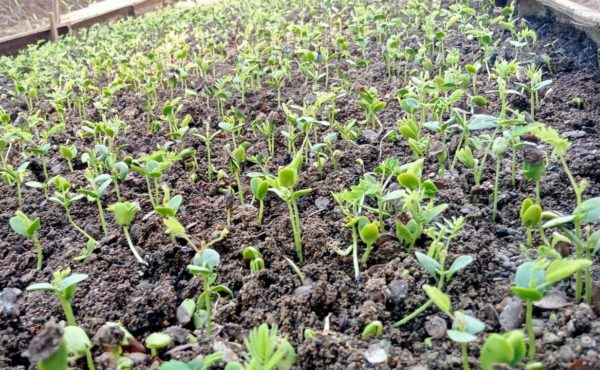
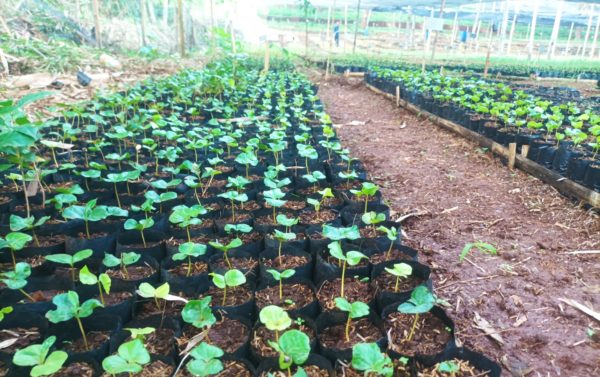
Coffee is one of promising commodities across Indonesia, and duringourplanting seasons, this species always takes the spotlight. Many tree growers have a strong interest in cultivating coffee trees due to their economic value.(Above) New shoots of coffee tree seedlings have embarked to grow in our Ciminyak nursery. (Below) The two–month–old coffee tree-seedlings are growing greener, displayingtheir distinctive rounded-shape leaves.
The clove tree, known ascengkeh is an evergreen tree native to the North Maluku Islands of Indonesia. Its aromatic flower buds are highly valuable due to their competitive prices in the market. This species is one of the trees we cultivate to provide income opportunities for our tree growers. (Above) Clove tree seedlings are growing taller in our Ciminyak nursery.
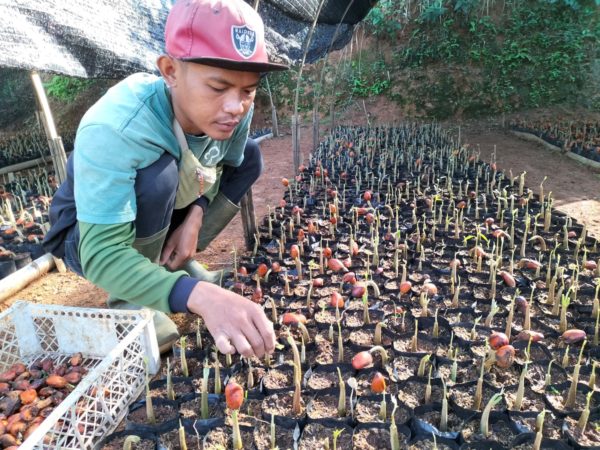
Petai is popular in Indonesia due to most of Indonesian enjoy eating the beans fresh. The petai tree, also knownas stinky bean tree, is native to Southeast Asia and produces long green beans about the size ofalmond. These beans have a high demand in the market. We cultivate petai in our nurseries to provideopportunities for our tree growers partner to gain economic benefits by planting the tree. (Above) Petai seedlings in Soreang nursery in 2 weeks old. (Below) Petai seedings in 2 months old.
A carbon footprint represents the total amount of greenhouse gases emissions produced by an individual, organization, event, or product. These emissions are a primary driver of global warming, exacerbating climate change. To address this pressing issue, carbon offsetting provides a way for companies, organizations, and individuals to offset their emissions by funding initiatives that either reduce emissions or store carbon in other locations, such as reforestation projects.
Trees4Trees has been actively implementing carbon measures through its tree-planting program. In alignment with this initiative, we recently conducted a Training of Trainers (ToT) program, with a focus on enhancing the understanding of carbon sinks and their economic value among field teams in Bandung area. This program engaged participants from various sites, totaling 90 participants.
This training initiative, held from September 27th to October 3rd, is a fundamental component of our groundwork for the forthcoming Trees4Trees carbon economics value project. The project is dedicated to supporting Indonesian government’s efforts to reduce greenhouse gases emissions in the forest and other land uses (FOLU) sector, serving as carbon sink to mitigate the impacts of climate change.
Take a closer look at the activities related to the training of trainers about carbon economics value in these images below!
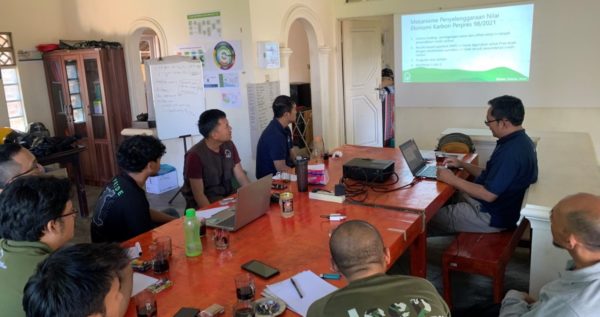
The training features extensive knowledge-sharing sessions covering topics related to carbon sinks and the economic value of carbon in Indonesia, particularly in the connection in reducing greenhouse gas emissions and fostering a green economy as part of efforts to combat climate change.
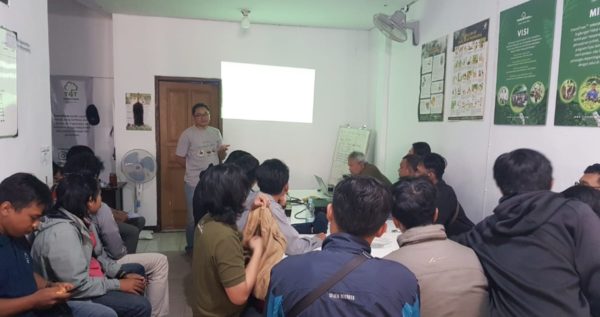
The training also offered insights into the opportunities and advantages of harnessing the economic value of carbon – benefitingboth the organization and local communities, projects implementationmechanisms, and government regulations related tocarbon value initiatives.Beyond its environmental impact of reducing greenhouse gas emissions, Trees4Trees’ upcoming carbon projects also providean economic boost to local communities by growing trees.
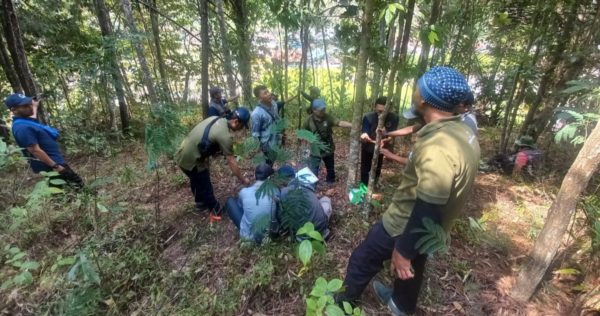
The training entailed conducting comprehensive forest surveys to identify and analyze vegetation types. The information gained from the forest identification served as the foundation for the process and methodology used to estimate carbon absorption. The calculation of carbon stored in the forest relies on five carbon pools, including biomass above the soil (such as stems, branches, and leaves), below the soil (roots), forest litter (fallen leaves or branches), dead trees and woods, and soil organic materials.
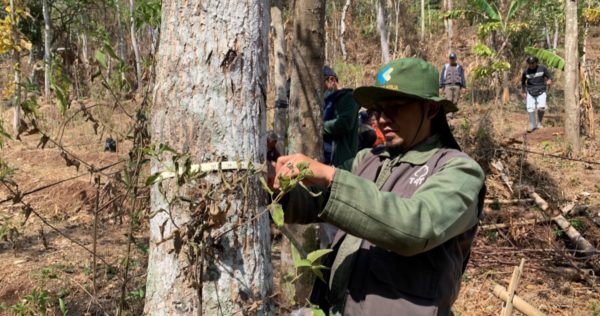
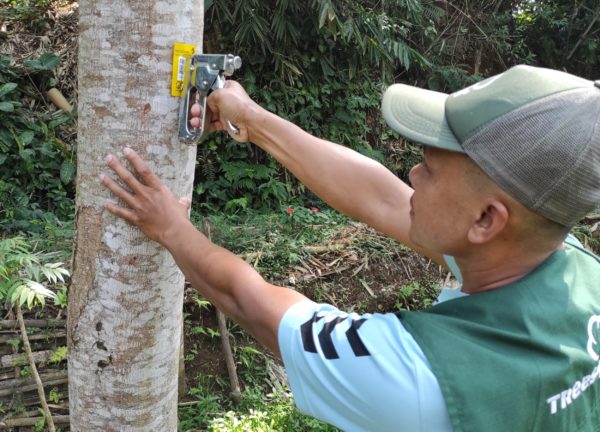
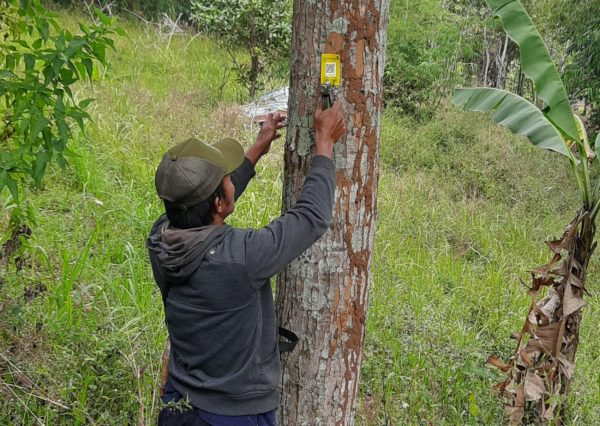
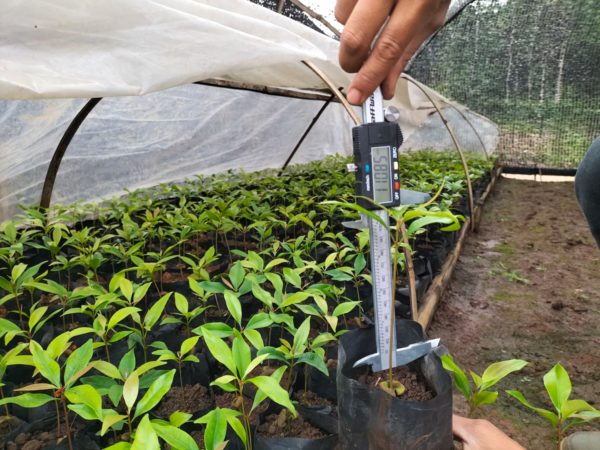
Measuring the diameter of a tree’s stems is used to estimate the amount of carbon that a single tree can absorb. It is estimated that a tree’s stem contains a significant carbon biomass.
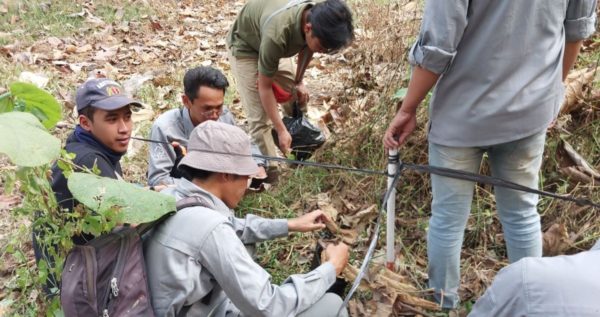
Our team set up a measuring plot sample. This sample plot served as a representative model for other plots. Through this sample plot, we can efficiently estimate the total carbon content of an area. The plot is designed to define the area for measurement and estimate the potential carbon absorption capacity.
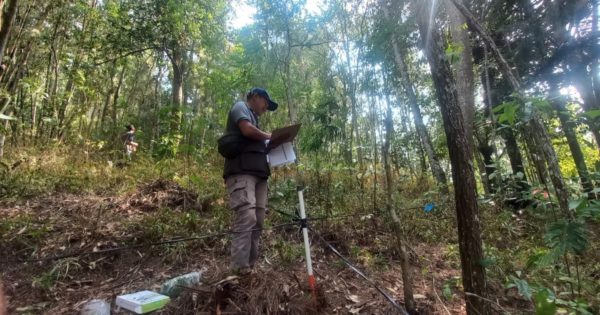
Data obtained during the process of measurement in the forest survey and identification must be documented. The datawill be utilizedto develop themethodology for calculating carbon absorption capacity in a sampling plot. (Above) Our team documented the tree species within the sampling plot. (Below) Our team weighed and documented the forest litter found in the surrounding sampling plot.
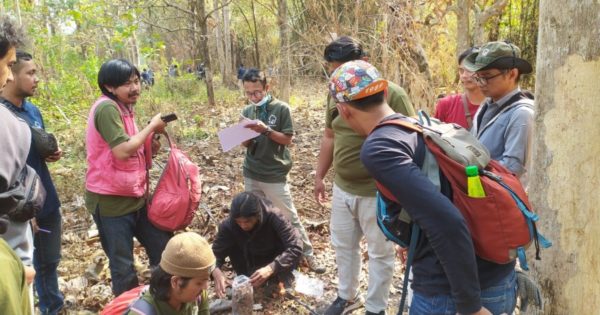
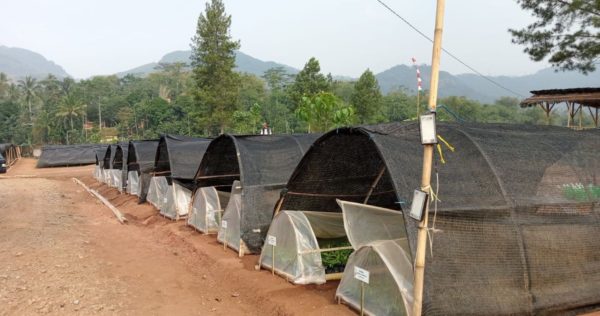
In the operations of Trees4Trees’ nurseries, we place a high priority on strong coordination and cultivate a culture of hard work and perseverance within our team to nurture tree seedlings and achieve successful growth and thriving saplings.
In addition to seedling cultivation, our nursery teams are also responsible for the development of essential facilities within the nursery.
Explore further through images we captured below to learn about our dedicated team’s daily efforts to enhance the nursery and provide essential supporting facilities.
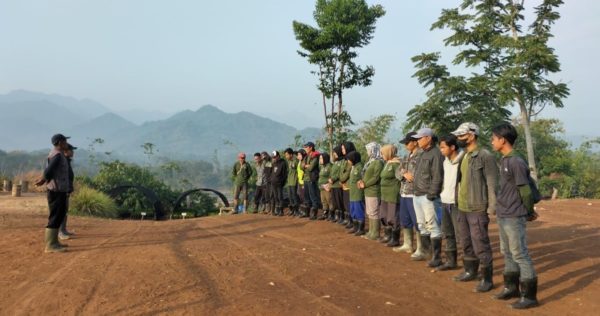
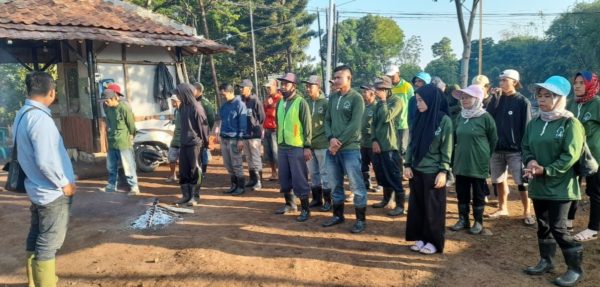
Every morning, our nursery team holds a daily briefing to coordinate tasks within the nursery. (above) The Ciminyak nursery team and (below) theSoreang nursery team conduct their morning briefings before starting work.
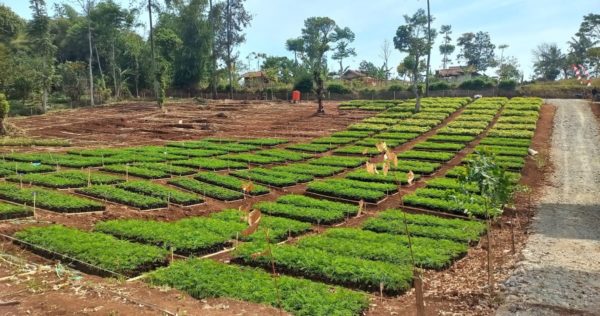
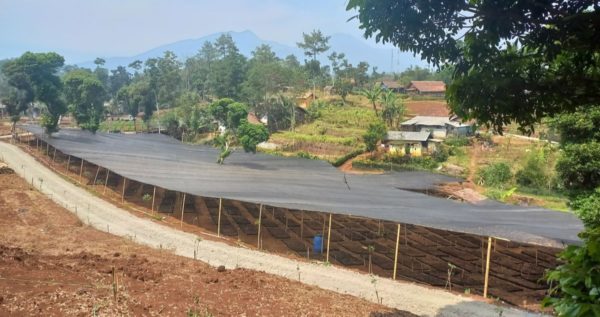
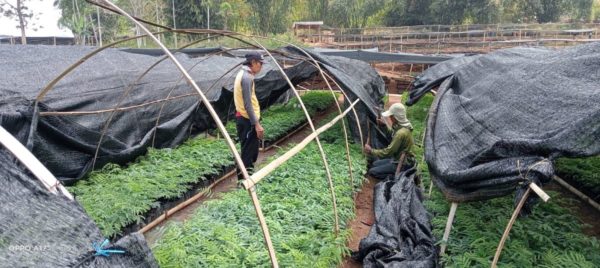
(Above) As tree seedlings flourish and thrive,we can see green seedbeds in the open–air areasof Cirasea nursery. (Below)Large shading net roofs are installed to provideshade toBur-flower treeseedbeds, promoting optimal growth and preventing excessive sunlight, especially in this dry season.
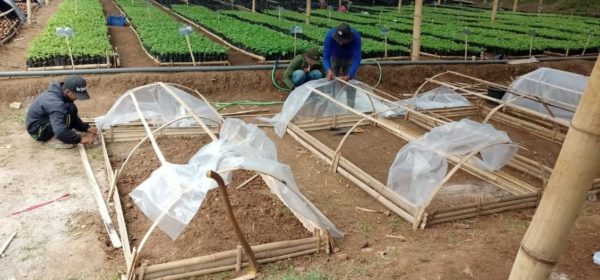
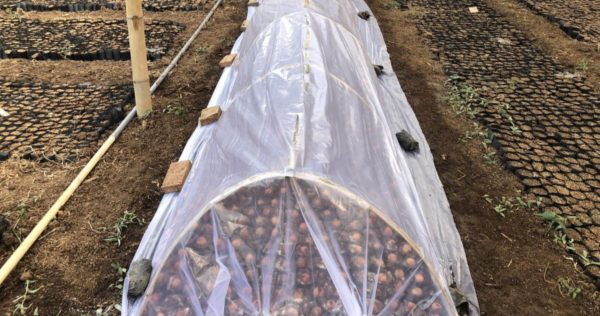
SoreangNursery team (above) is installing plastic plant covers to the sowing seedbeds. The plant covers the purposeof keeping the humidity andprotecting the little seedlings from rainwater runoff, wind, excessive sunlight, and pests’ attack. Pati Nursery team (below) is protecting avocado seedlings with plastic plant covers.
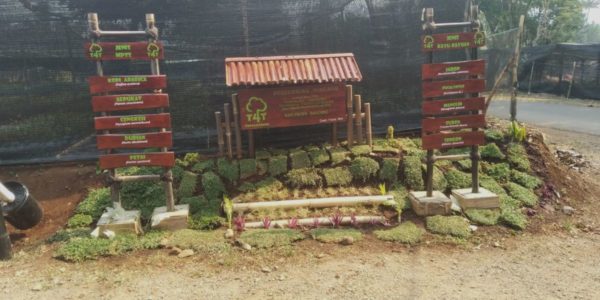
It has been months since we began the Soreang Nursery operation. The Soreang Nursery team has already installed a name plate, marking the location of Soreang Nursery as the newest addition to Trees4Trees’ nurseries in Bandung regency.
Recently, our team welcomed Samantha Davolos, a scientist from one of our partners, Plant for the Planet (PFTP), who visited our nursery in Pati to gain insights into the plants we have grown on behalf of PFTP. In addition to the nursery visit in Pati nursery, the PFTP’s scientist also toured our Kebumen nursery. Trees4Trees and PFTP have been collaboratingon tree-planting for the past six years since 2017.
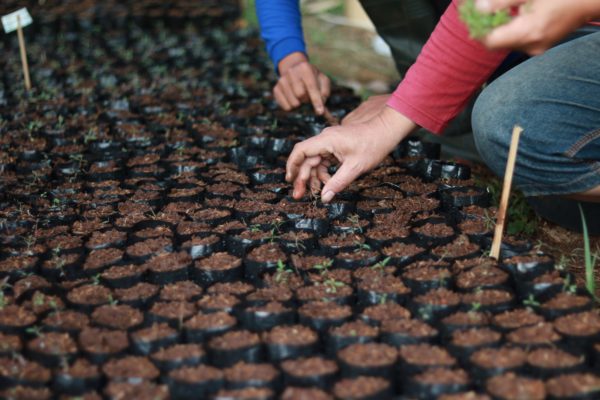
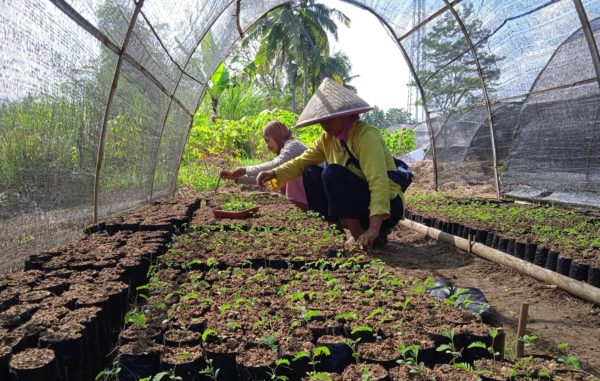
Ensuring the optimal growth of seedlings requires the essential task of clearing excessive weeds from the planting areas. In the Kebumen nursery, our team diligently worked to remove weeds around the seedbeds where our seedlings are thriving.
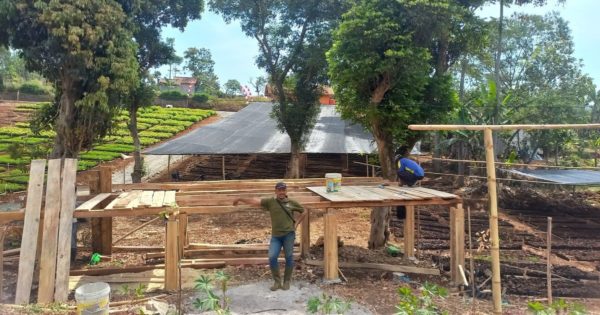
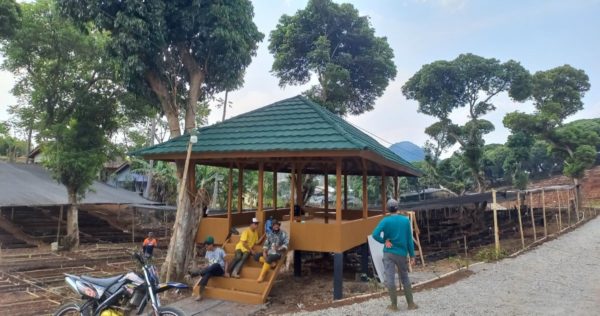
The Cirasea team has recently constructed a new ‘saung,’ a traditional resting shelter made from bamboo, wood, and straw, as an additional support facility within the nursery area. This new ‘saung‘ will provide a resting place as well as an open-air discussion area. (Below) The new ‘saung‘ is fully finished and is being used by our nursery workers for taking a rest.
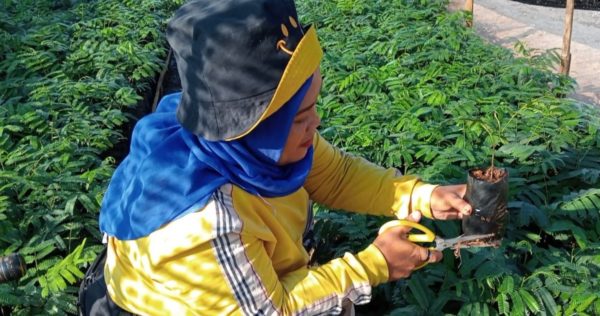
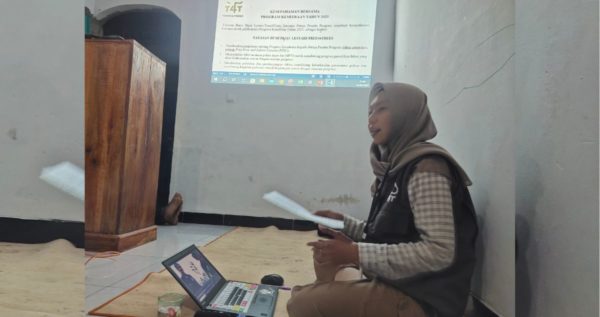
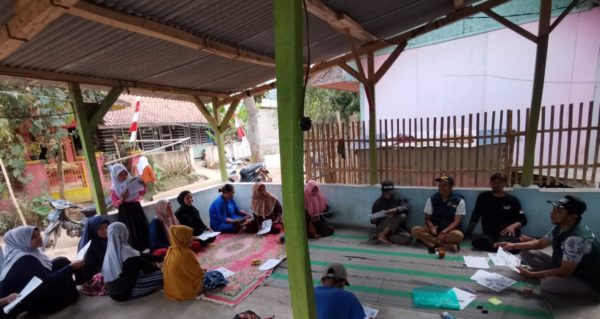
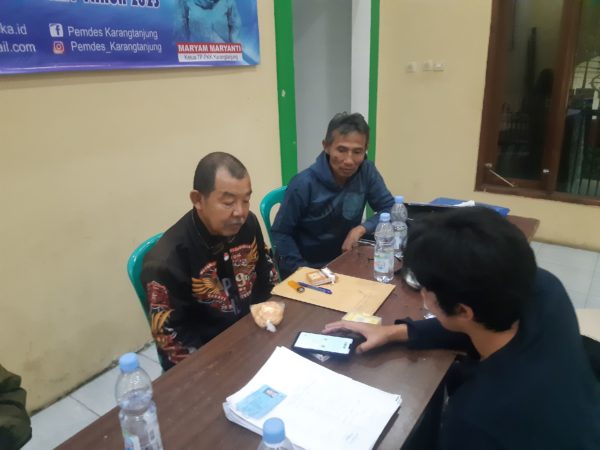
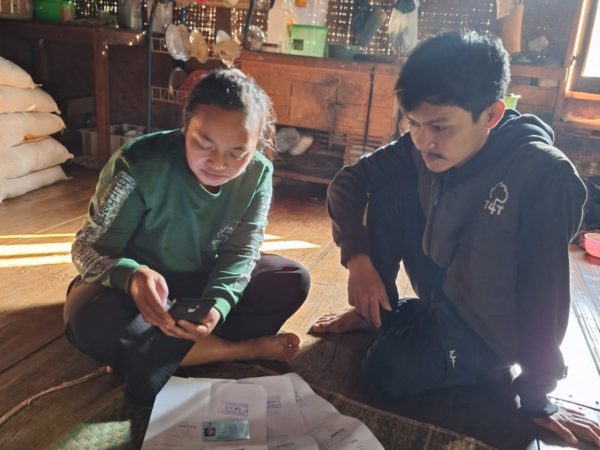
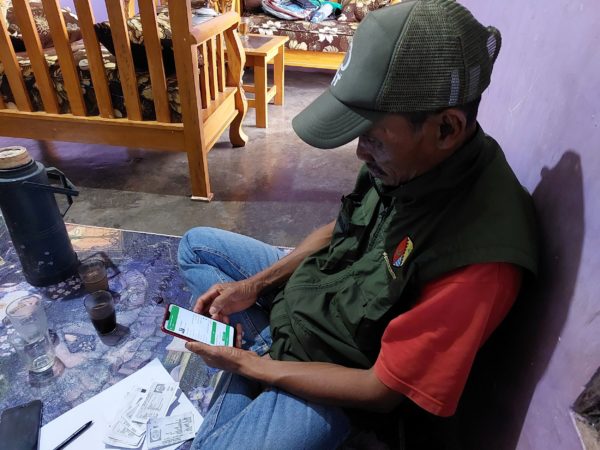
As part of Trees4Trees’ tree-planting process, our team in the field conducts community engagement sessions aimed at providing farmers with knowledge and information about tree-planting conditions and organic farming principles.
At this stage, our team also enters into partnership agreements with local farmers to establish them as tree grower partners in the upcoming reforestation program and ensuring the collection of data on farmers’ identities and land ownership details for the planting locations.
Explore more about our tree-planting consultation and community engagement activities!
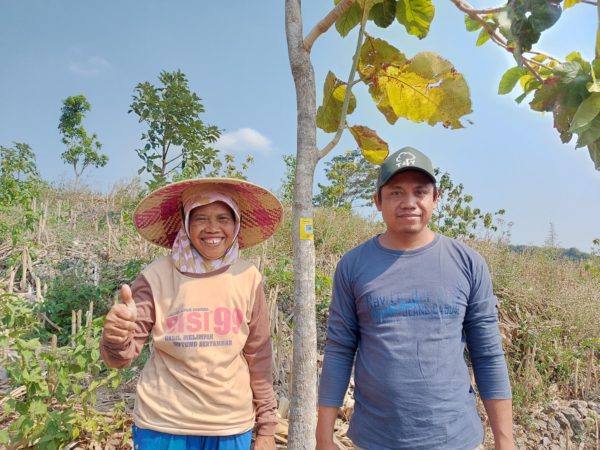
This year, we’re partnering with more women farmers in various tree-planting areas. Our team in the Cisangkuy site (below) has already finished the socialization stage in Mekarsari Village and the Pati site (above) recently completed the tree-planting socialization session in Jrahi Village. In Pati, around 40% of tree grower partners are women, while in Cisangkuy, it’s about 30%. We encourage women farmers to participate in our tree planting program as part of our commitment to promoting women’s empowerment in our tree-planting operations.
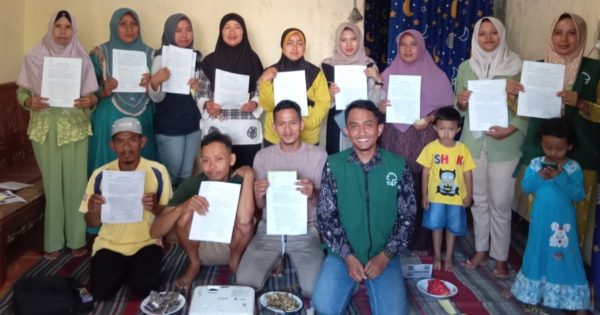
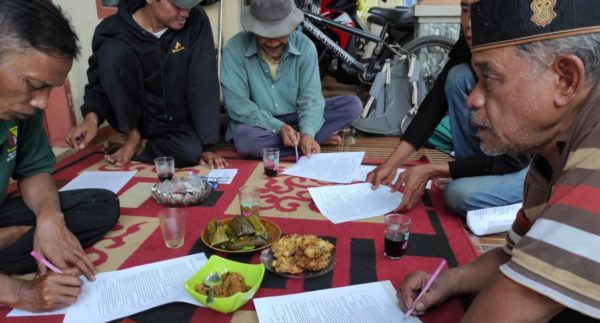
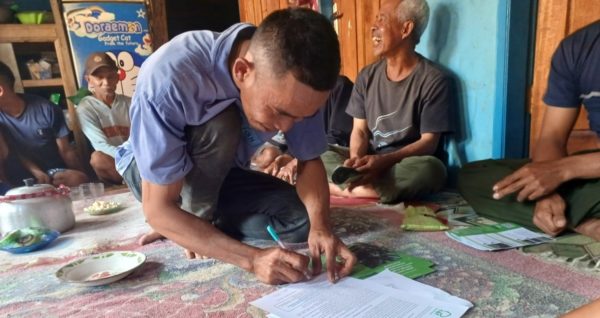
The tree-planting partnership entails an agreement between local farmers and Trees4Trees. Before signing the agreement paper, our teams in Kebumen (above) and Ciminyak 3 (below) sites provide a detailed explanation of the tree-planting conditions. The partnership is formed based on the local farmers’ willingness to join the program, with informed consent.
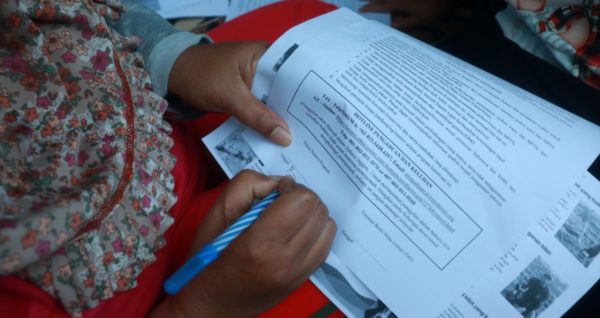
After comprehending and accepting the planting conditions and program partnership, local farmers in the Mandalahaji Village of Cirasea 3 planting site (above) and Sindangkerta Village within the Ciminyak 2 site (below) proceed to sign the agreement form. The agreement encompasses commitments to practicing sustainable farming, abstaining from the use of environmentally harmful chemicals, refraining from land clearing, not employing underage workers, and safeguarding the conservation areas surrounding the planting sites throughout the collaboration.
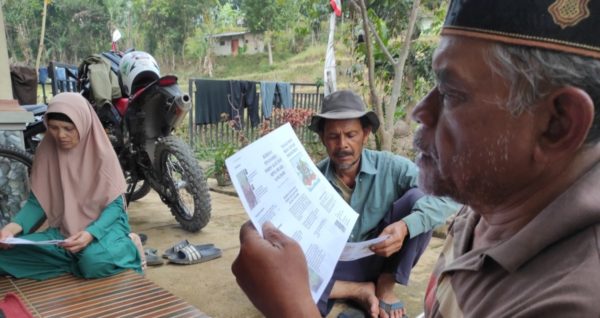
In Nagreg Village, which is part of the Citarik site, a tree grower partner is in the process of signing the planting agreement. Alongside distributing copies of the agreement letter and organic farming brochures as instructional materials, Trees4Trees also provide each farmer with a hotline number they can use to report issues and ask for help throughout the partnership.
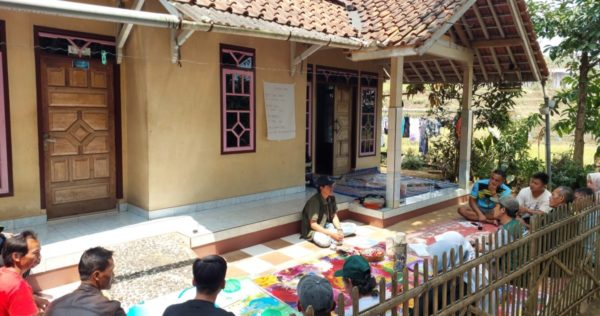
Our teams at the Cirasea 1 site (above) and Ciminyak 1 site (below) are actively sharing valuable insights and information with local farmers in Mekarwangi village and Tanjungwangi, respectively. This includes details about planting conditions, scheduling, and the principles of organic farming. The information covers aspects like estimating planting hole sizes, distributing tree seedlings, and setting up planting schedules.
A participant from Cinangela Village, part of the Cirasea 3 site, is acquiring knowledge on the organic cultivation of timber and versatile trees like fruit trees. This valuable knowledgeis being obtained from a brochure shared by the Trees4Trees team. The session also covers organic cultivation knowledge-sharingfor a diverse range of trees, including timber and fruit trees.
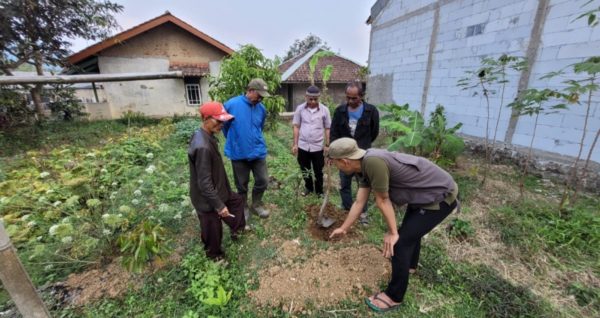
The knowledge-sharing session with farmers includes a demonstration of how to create planting holes. The Ciwidey team is providing a practical example of the proper size and depth for planting holes to farmers in the villages of Sukawening.
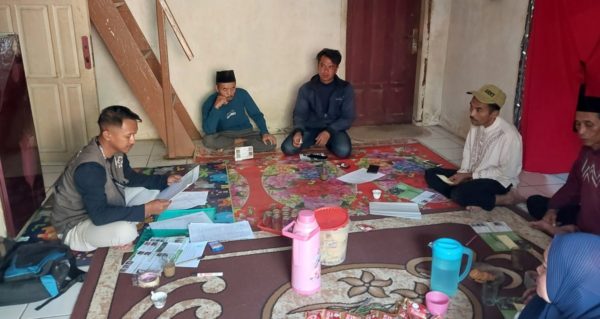
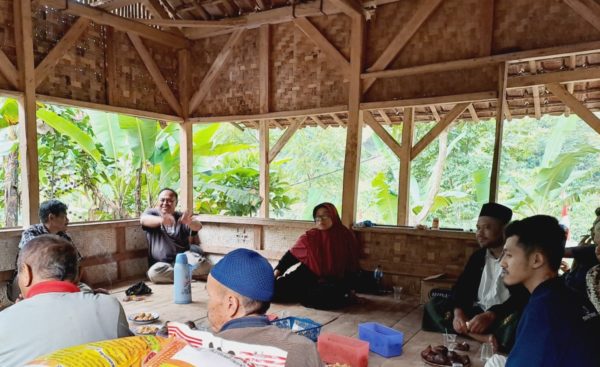
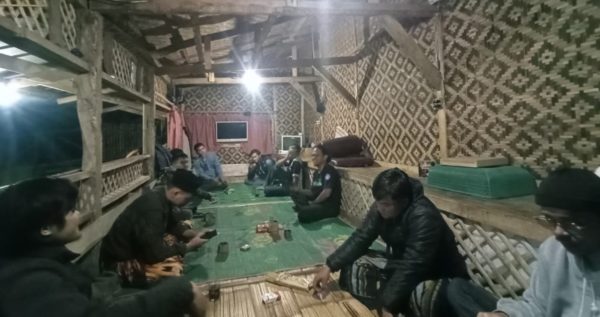
Our team from Cirasea 2 (above) is in discussions with farmers from Baleendah and Citarik team (below) is in discussion with farmers from Babakan Peteuy villages,regarding planting conditions. These discussions take place in a traditional Sundanese meeting house with an open-air design constructed from bamboo and wood. Sundanese traditional architecture is widely recognized in Indonesia for its eco-friendly design.
Lorem ipsum dolor sit amet, consectetur adipiscing elit, sed do eiusmod tempor incididunt ut labore et dolore magna aliqua. Ut enim ad minim veniam, quis nostrud exercitation ullamco laboris nisi ut aliquip ex ea commodo consequat. Duis aute irure dolor in reprehenderit in voluptate velit esse cillum dolore eu fugiat nulla pariatur. Excepteur sint occaecat cupidatat non proident, sunt in culpa qui officia deserunt mollit anim id est laborum.