Nursery Highlights: Nurturing Seedlings for High-Quality Results

Pemupukan bibit sengon_persemaian pati_20230801_Trees4Trees

In the pursuit of cultivating high-quality seedlings, the Trees4Trees nursery team employs various routines and techniques throughout the seedling growth process. Through diligent care and proper maintenance, these tree seedlings will thrive and mature into young trees, ready to make a positive impact on the environment. 

Join us in witnessing our dedicated efforts to nurture and care for these tree seedlings in our nurseries 

Nurturing Seedlings for High-Quality Results; Pemupukan bibit sengon_persemaian pati_20230801_Trees4Trees

Reaching the optimal growth of every seedling, our team applied organic fertilizer. Pati nursery team (above) sprayed liquid organic fertilizers to Albizia trees. Kebumen nursery team (below) spray plant growth substances to stimulate the growth of Calliandra seedlings.  

Management of pests and diseases affecting the seedlings

Management of pests and diseases affecting the seedlings

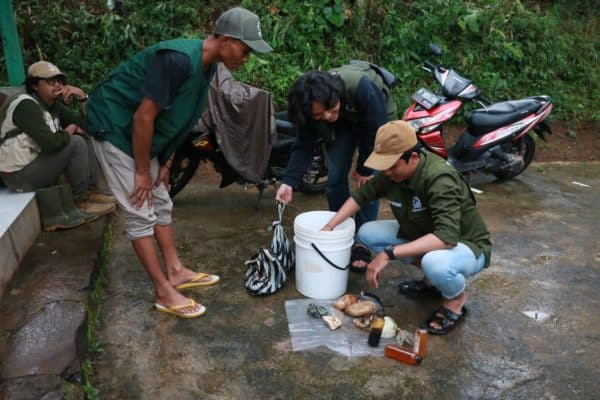
For the management of pests and diseases affecting the seedlings, the Ciminyak nursery team utilizes organic pesticides. Mindi and tobacco leaves, both organic materials, are employed effectively in the production of these organic pesticides to combat pests. 

Management of pests and diseases affecting the seedlings

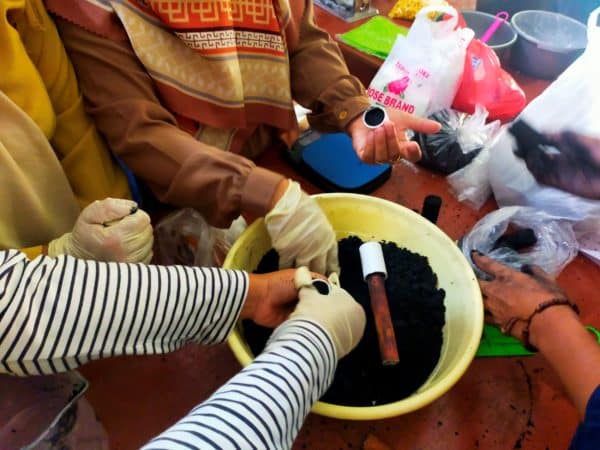
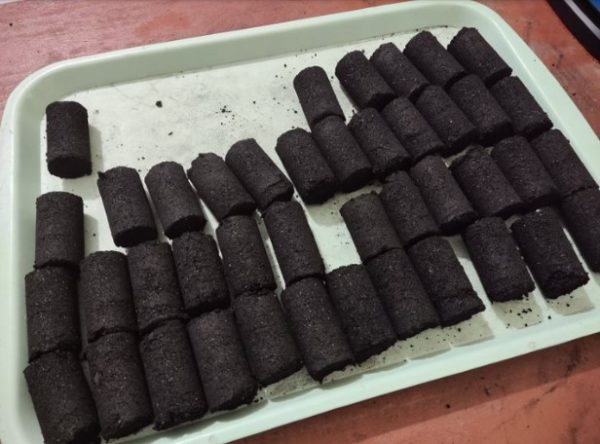
At the Soreang nursery, our team chopped up banana tree stems (above) and mixed them with spirulina, and organic fertilizers to create organic material (below). This organic material serves the dual purpose of controlling pests and fertilizing the soil.

Pembuatan MP 1_Persemaian Soreang_Trees4Trees

Nurturing Seedlings for High-Quality Results

Regularly watering seedlings is essential for the seedlings’ growth. Our team in Kebumen nursery waters the seedlings every afternoon. The optimal times for watering plants are in the early morning and late afternoon. 

Management of pests and diseases affecting the seedlings

Cirasea nursery team is moving the stinky bean seedlingsEvery tree seedling in the polybags needs to be moved to prevent the roots from not penetrating the ground. Additionally, moving the seedlings is necessary to distinguish between the surviving and non-surviving ones. 

Management of pests and diseases affecting the seedlings


Pruning Akar dan Daur Pada Tanaman Petai_Persemaian Ciminyak_240823_Trees4Trees

Our Ciminyak nursery team is pruning the roots of stinky bean. The pruning is necessary to apply to growing seedlings aims to encourage root branching. 

Management of pests and diseases affecting the seedlings

The Soreang nursery team is installing the paranet (above), while the Ciminyak nursery team (below) has already finished installing the shading net. These are used to protect seedlings from excessive sunlight, rainfall, and wind.

Nurturing Seedlings for High-Quality Results


Activity Highlights: Ensuring the Data Accuracy through Data Collection

Scanning planting location barcode through GEKO App_Trees4Trees

Our field team is currently in the process of data collection, a crucial stage within Trees4Trees tree-planting operation. This phase is dedicated to gathering accurate data, photographs, and essential information about our farmer partners as the tree growers and the designated planting locations. 

During this stage, our proprietary GEKO app is employed as a digital tool, allowing us to precisely document the farmers and planting locations. This technology is integral to our commitment to transparency and delivering accurate reports to our donors and sponsors. 

Witness our data collection efforts across various operational regions through the images provided below! 

In the Trees4Trees Cirasea 3 site, our team is attaching barcodes in Pangauban Village, Bandung Regency

To identify the tree-planting sites, our field team affixes barcodes in each farmer’s field. In the Trees4Trees Cirasea 3 site (above), our team is attaching barcodes in Pangauban Village, Bandung Regency. Similarly, in the Trees4Trees Citarik site (below), our team is applying barcodes in Dampit Village, Bandung Regency. 

Scanning planting location barcode through GEKO App_Trees4Trees

The barcode has been successfully affixed to a tree in the field of one of our farmer partners in Beketel Village, Pati, Central Java_Trees4Trees

The barcode has been successfully affixed to a tree in the field of one of our farmer partners in Beketel Village, Pati, Central Java. This barcode serves to identify the specific tree-planting location on the farmer’s land. 

 team members at the Ciminyak 2 site is currently scanning the barcode in Mekarsari village, West Bandung_Trees4Trees

After attaching the barcode, our team will scan it using the GEKO app on a smartphone. This process collects accurate location coordinates for the designated planting site. One of our team members at the Ciminyak 2 site is currently scanning the barcode in Mekarsari village, West Bandung Regency. 

Trees4trees team at the Cisangkuy site engaged in discussions with the farmer_Trees4Trees

After affixing the barcode to a farmer’s planting location in Malasari village, Bandung Regency, our team at the Cisangkuy site engaged in discussions with the farmer who owns the field. This process involves finalizing the land’s data. 

Trees4Trees team at the Cirasea 2 site is currently enroute to collect data on planting locations_Trees4Trees

Reaching the planting locations and gathering precise data isn’t an easy task. At times, the tracks are challenging, featuring rocky and steep terrain. Our team often has to traverse these paths for hours. Together with farmers and local residents, our team at the Cirasea 2 site is currently enroute to collect data on planting locations. 

Trees4Trees team at the Ciminyak 3 site is capturing a barcode that has been affixed to one of the planting locations_trees4trees

Our team at the Ciminyak 3 site is capturing a barcode that has been affixed to one of the planting locations. Some of these planting sites feature steep inclines and are susceptible to erosion. This emphasizes the importance of planting more trees in these areas to mitigate the risk of landslides and erosion. 

The team in Kebumen is verifying farmers' data_trees4trees

In addition to gathering planting location data, our field team is also tasked with collecting data from the farmers. The team in Kebumen (above) and at the Ciminyak 1 site (below) is verifying farmers’ data by conducting in-person meetings and interviews related to their identity and land data designated for planting areas. 

The team in Kebumen is verifying farmers' data_trees4trees

Trees4Trees team in Ciwidey inputs the data from Sukamulya village into the GEKO app

After gathering the farmers’ data, including identity documents and self-photographs of the farmers, our team in Ciwidey inputs the data from Sukamulya village into the GEKO app. 

Our team in Cirasea 1 is inputting farmers’ data into the GEKO app. Through technology, we record the data of farmers, planting locations, and all living trees. This information will be integrated with our website to display them on a digital map accessible to our supporters. This serves as a gesture of appreciation for their commitment to tree planting with us.  


Nursery Highlights: Witness the Flourishing Journey of Seedlings

In the preparation for the 2023 planting season, all Trees4Trees’ nurseries in Central and West Java are bustling with activity as we nurture various kinds of tree seedlings, ranging from timber to fruit trees. Our dedicated nursery teams are working diligently to produce high-quality seedlings, reflecting our unwavering commitment to provide high-quality seedlings. 

One of our key priorities is to cultivate the tree seedlings using organic farming techniques. It aims to ensure that they are environmentally friendly. By adopting sustainable practices, we aim to contribute to a greener and healthier ecosystem. 

Observe the journey of nurturing these seedlings until they flourish into young trees. Take a glimpse into Trees4Trees’ nurseries through the captivating images below! 

The Petai (Stinky Beans) seedlings, one of native Indonesia trees, are now beginning to grow into young trees at our newest nursery, Soreang Nursery. Our team cultivates these seedlings using the direct sowing or polybags method. It is a method where the fruit seeds are placed directly into polybags filled with planting media. Our team applies this particular method typically to trees with larger seeds. Other than petai, our team in West Java has also cultivates avocado, durian, coffee, and clove with this method. Meanwhile, in Trees4Trees Central Java, our team applies the method to avocado, durian, jack fruit, and petai. 

Similarly, the Durian, another native tree of Indonesia, is undergoing cultivation using the direct sowing or polybag method. Excitingly, at our Ciminyak nursery, the durian seedlings have already exhibited impressive growth, with their stems reaching new heights!  

As the durian seedlings progress in their growth journey, the seeds, known as durian ‘seedlings’ heads’ naturally detach from the stems and require removal. Recently, the dedicated nursery team at Ciminyak nursery was diligently engaged in cleaning the durian seedlings, carefully removing the detached ‘heads’ from the growing stems. 

In addition to the direct sowing method, we also employ the indirect sowing or tray sowing method to cultivate seedlings. This involves germinating seeds in sowing trays or tubs, which is especially suitable for trees with small seeds. Typically, they need around five to 22 days (about 3 weeks) before our team transfers them to polybags. At Trees4Trees Kebumen nursery, our dedicated team is currently germinating kaliandra seeds, and we are delighted to witness their successful emergence and growth. In addition to kaliandra, our team applies this method to indigofera and sengon trees. 

Our nursery team at Soreang Nursery is in the process of weaning the baby eucalyptus trees from the sowing tray. Similar to kaliandra, our team cultivates these seedlings using the indirect sowing or tray sowing method. Once the seedlings have grown into baby trees, they require careful weaning and transfer to individual polybags. In the West Java area, our team has applied this method to manglid, gmelina, eucalyptus, sengon, and suren. 

Upon completing the weaning process, the nursery team will proceed to transfer the seedlings from the sowing trays to individual polybags. It is the next phase of growth. After one month, our nursery team will carefully select the seedlings. The selection is based on their height and then grouped together in the same blocks. 

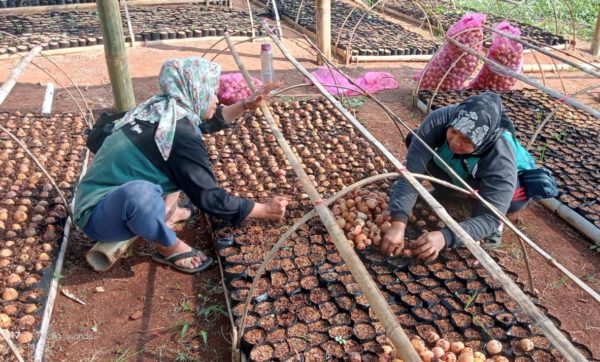
The Trees4Trees Kebumen nursery team (above) and the Pati nursery team (below) are actively engaged in transferring the kaliandra seedlings from the sowing trays to individual polybags. 

The avocado seedlings (above) and coffee seedlings (below) at Cirasea nursery are flourishing, steadily reaching new heights. Avocado and coffee trees stand among the most sought-after choices for our tree growers. 

Witness the Flourishing Journey of Seedlings

Sengon remains the most highly sought-after timber tree among our tree growers. In Trees4Trees Pati nursery, the young sengon trees are beginning to thrive, displaying vibrant green growth. 

Witness the Flourishing Journey of Seedlings

Activity Highlights: Engaging Local Communities to Promote Tree Planting Initiative

Field Facilitator Induction Gunungsari (02)_trees4trees tree planting program_reforestation_Pati

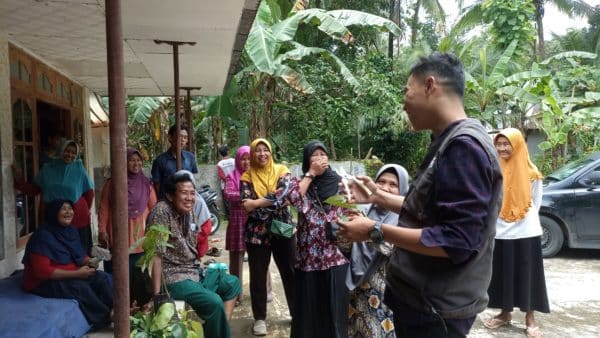
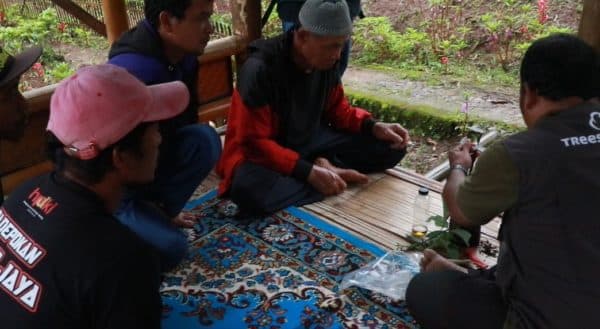
In line with our commitment to empowering the local community, we have hired members of the community as Field Facilitators. Their crucial role involves connecting the tree planting program with local farmers, who become tree grower partners, as well as engaging with other local communities. 

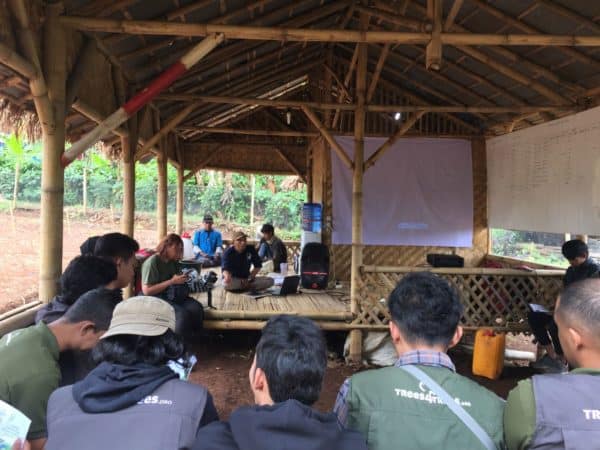
Currently, we have successfully completed the induction sessions for Field Facilitators in all working units throughout Central and West Java. During these sessions, our team provided environmental knowledge and equipped the facilitators with the necessary skills to engage with local communities and promote the tree-planting program. 

Let us look at our induction activities in various working areas through the images below! 
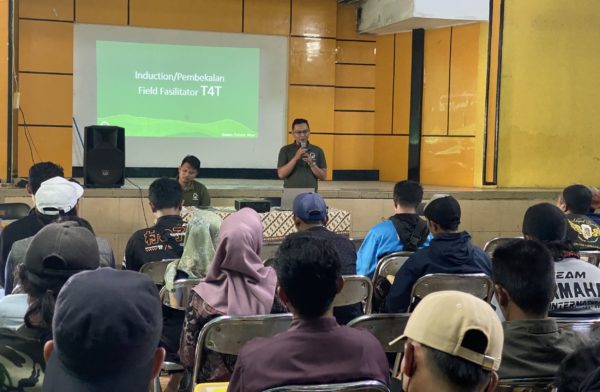
Field facilitators Induction 2023_trees4trees tree planting program_reforestation_Cirasea 1 Bandung_Citarum
Trees4Trees Cirasea 1 unit, West Java

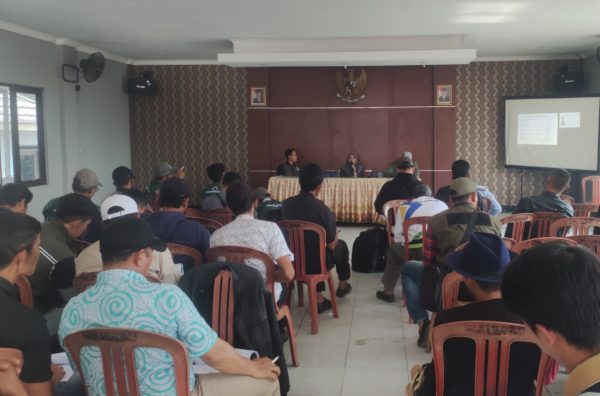
Starting the field facilitators’ induction session in Cihanyir village, Trees4Trees team of Cirasea 1 unit presented the overview of tree-planting program and achievements as well as organization vision and mission to participants from nine villages in Bandung regency, West Java. 
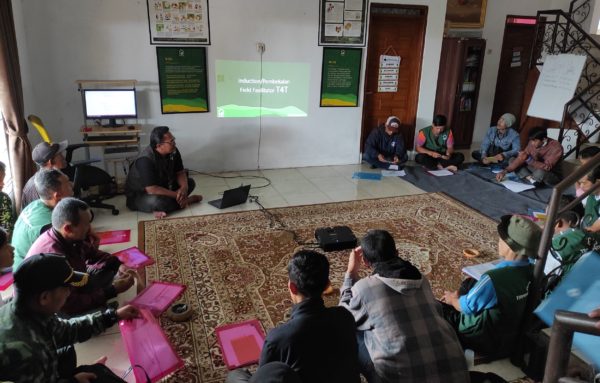
Field facilitators Induction 2023_trees4trees tree planting program_reforestation_Cirasea 3 Bandung_Citarum
Trees4Trees Cirasea 3 Unit, West Java

During the Cirasea 3 unit’s field facilitators’ induction session in Mandalahaji villages, Bandung regency, Trees4Trees emphasized fairness, equality, and commitment against child labor and coercion in the tree-planting program operation. The session was attended by 60 facilitators from 15 villages. 
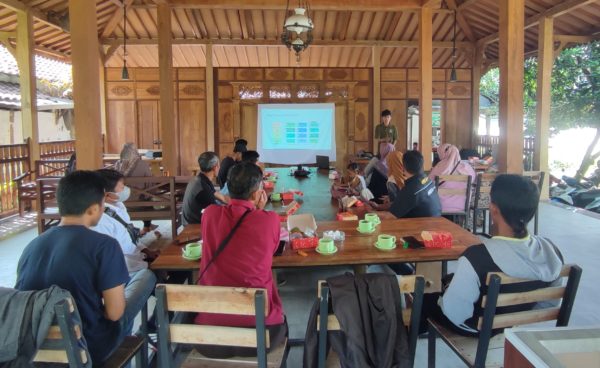
Field Facilitator Induction Gunungsari (02)_trees4trees tree planting program_reforestation_Pati
Trees4Trees Pati Unit, Central Java

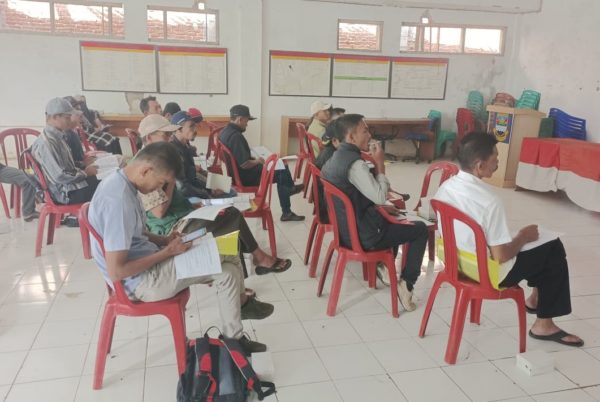
The Trees4Trees team in the Pati site shared knowledge about tree planting programs during the field facilitators’ induction session held in Kedungsari Village, Pati Regency. The Pati unit successfully completed the field facilitators’ induction sessions in all 14 villages within the area. 
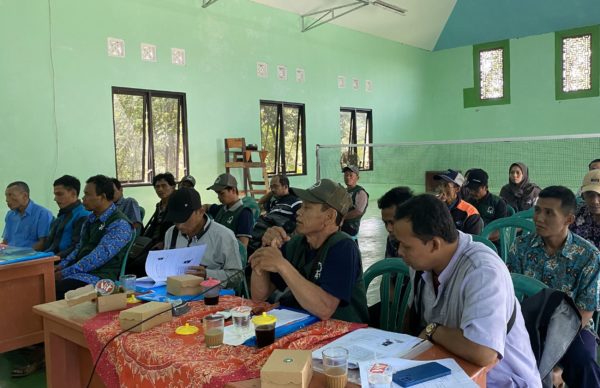
Field Facilitator Induction TA Barat_Balaidesa Sukomulyo_20230703 (3)_trees4trees_tree planting_kebumen_reforestation
Trees4Trees Kebumen Unit, Central Java

(Above) During the field facilitator session in Sukomulyo village, Kebumen regency, participants discussed field facilitators’ tasks and responsibilities in Q and A session. (Below) Similarly, in Ciwidey, West Java, the induction session covered the same topics. The Kebumen unit completed sessions for 37 villages, while Ciwidey covered 24 villages.  
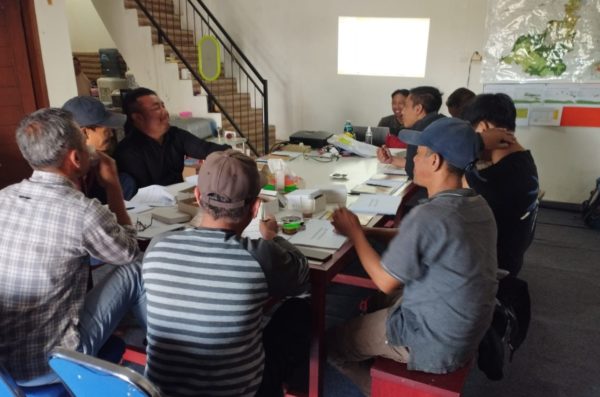
 

Field facilitators Induction 2023_trees4trees tree planting program_reforestation_Ciwidey Bandung_Citarum
Trees4Trees Ciwidey Unit, West Java


Field facilitators Induction 2023_trees4trees tree planting program_reforestation_Cisangkuy Bandung_Citarum
Trees4Trees Cisangkuy Unit, West Java

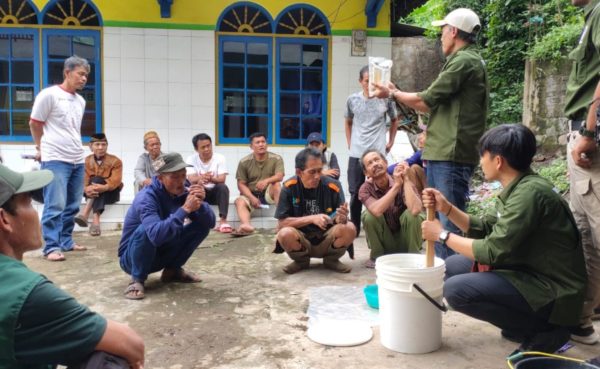
(Above) The Cisangkuy unit of Trees4Trees was discussing incentives during the field facilitators’ induction in Cipongkor village. (Below) In Ciminyak 2, the team was discussing a similar topic. Essentially, the field facilitators’ incentives are based on productivity and work results. Cisangkuy has completed the induction sessions covering three districts: Banjaran, Cangkuang, and Cimaung, while Ciminyak 2 covers Sindangkerta and Cipongkor district. 
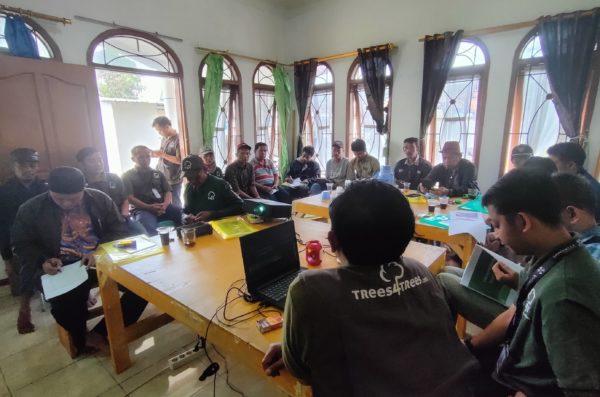
Field facilitators Induction 2023_trees4trees tree planting program_reforestation_Ciminyak 2 Bandung_Citarum
Trees4Trees Ciminyak 2 Unit, West Java


Field facilitators Induction 2023_trees4trees tree planting program_reforestation_Ciminyak 3 Bandung_Citarum.jpg
Trees4Trees Ciminyak 3 Unit, West Java

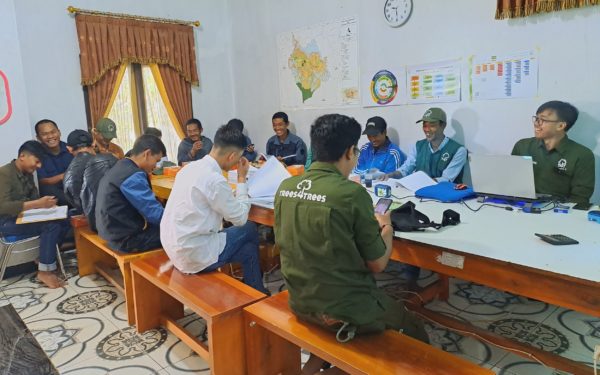
Field facilitators play a crucial role in establishing connections with local communities, helping prepare farmer training, distributing tree seedlings to farmers, collecting farmer data, monitoring tree planting preparations, and reporting and documenting activities. During the induction session, field facilitators from the Ciminyak 3 unit (above) and Ciminyak 1 unit (below) were focused on learning their respective responsibilities. 
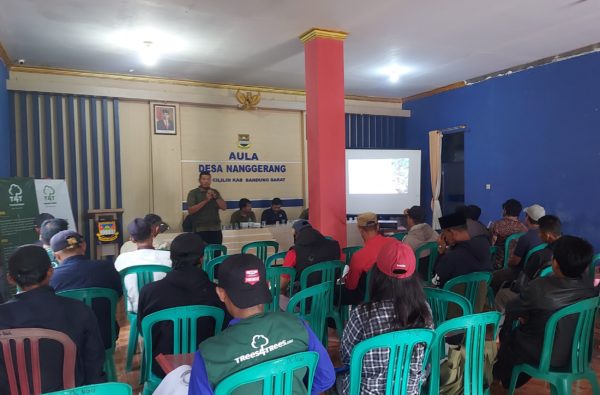
Field facilitators Induction 2023_trees4trees tree planting program_reforestation_Ciminyak 1 Bandung_Citarum
Trees4Trees Ciminyak 1 Unit, West Java


Field facilitators Induction 2023_trees4trees tree planting program_reforestation_Cirasea 2 Bandung_Citarum
Trees4Trees Cirasea 2 Unit, West Java

Field facilitators are responsible for collecting lands and farmers data. In the induction sessions of both Cirasea 2 unit (above) and Citarik unit (below), they discussed the criteria that local farmers must meet to become partners in the tree planting initiatives. 
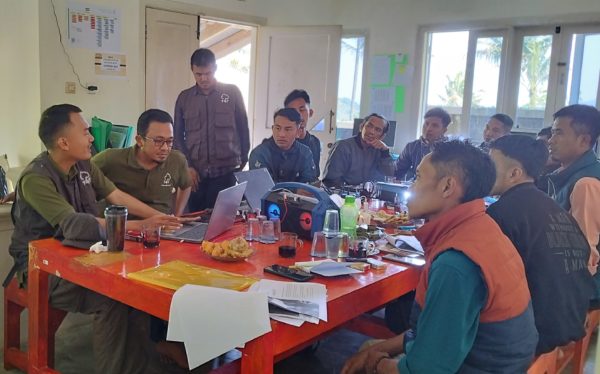
Field facilitators Induction 2023_trees4trees tree planting program_reforestation_Citarik Bandung_Citarum
Trees4Trees Citarik Unit, West Java

Nursery Highlights: Seedlings Preparation at West Java Nurseries

(Activity highlights) In preparation for the upcoming planting season, our nurseries in West Java are dedicatedly preparing high-quality seedlings for the ongoing Citarum watershed restoration project. At present, Trees4Trees operates three nurseries in the West Java region: Ciminyak Nursery, Cirasea Nursery, and Soreang Nursery. Notably, both Cirasea and Soreang Nursery are newly established facilities. We are eager to showcase some captivating photos that showcase the vibrant activities taking place within our nurseries. 
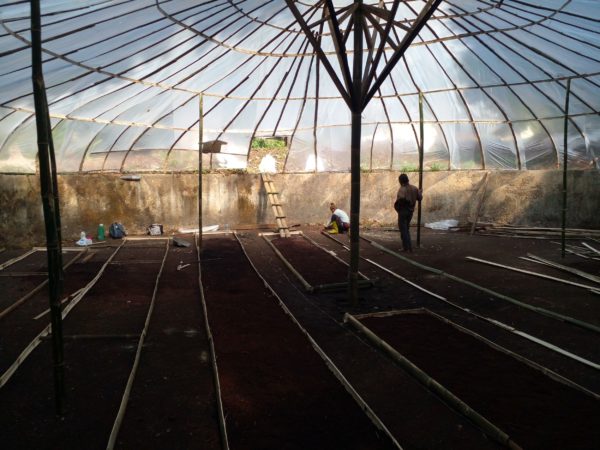
In our newest nursery, Soreang Nursery, we have constructed a spacious greenhouse with a diameter of 12 meters and a height of 4 meters within the nursery area. This greenhouse plays a crucial role in safeguarding the tree seedlings and facilitating their optimal growth. It helps maintain a consistent temperature, shields the seedlings from rainwater runoff, and protects them against potentially damaging winds. 

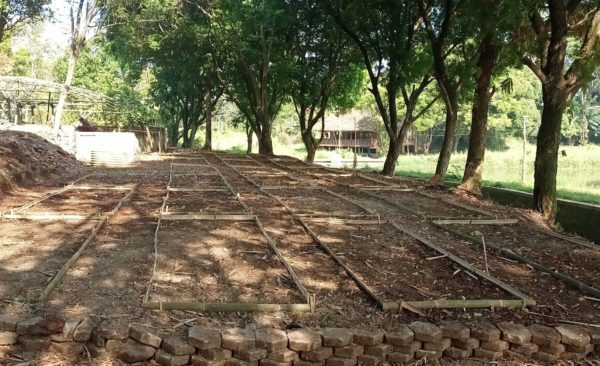
Soreang nursery team sets up seed beds, one of the crucial elements in the nursery to put and categorize tree seedlings.  

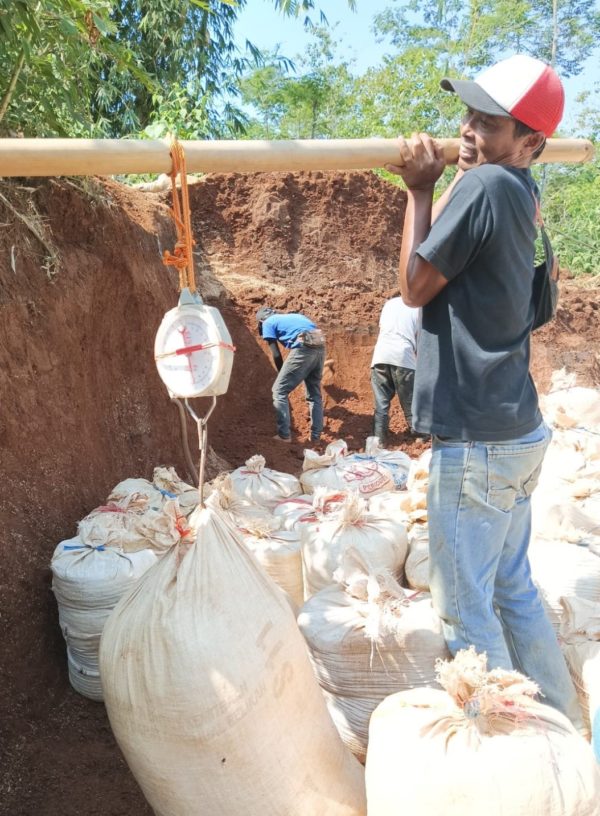
The workers at Ciminyak Nursery are weighing sacks of planting media. Once weighed, the media will be transferred to the seed beds area and filled into polybags. 

A nursery worker in Soreang  is filling polybags with planting media, carefully ensuring that each polybag is filled with an equal volume of the planting material. 

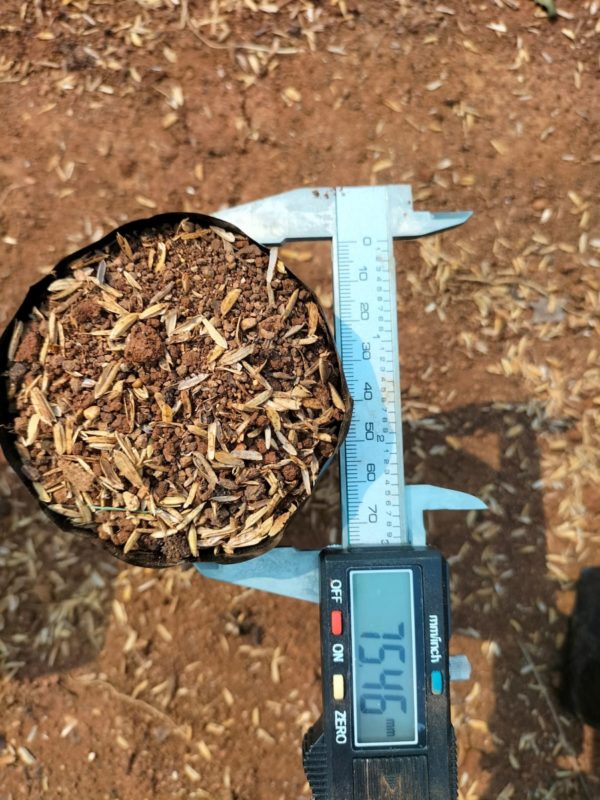
The team at Ciminyak Nursery measures the height and diameter of each polybag filled with planting media, which consists of a mixture of soil, organic fertilizer, and rice husk in a ratio of 6:1:1. This meticulous process ensures that the seedlings are prepared to grow uniformly in terms of height and size. 

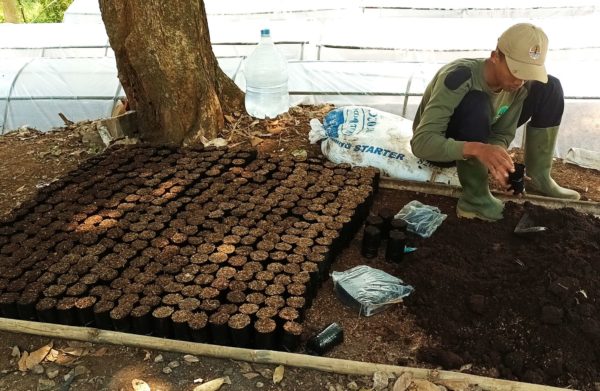
All polybags are successfully filled with planting media. Afterwards, they are arranged in the seed beds in Cirasea Nursery. They are ready for the sowing and germination process.  

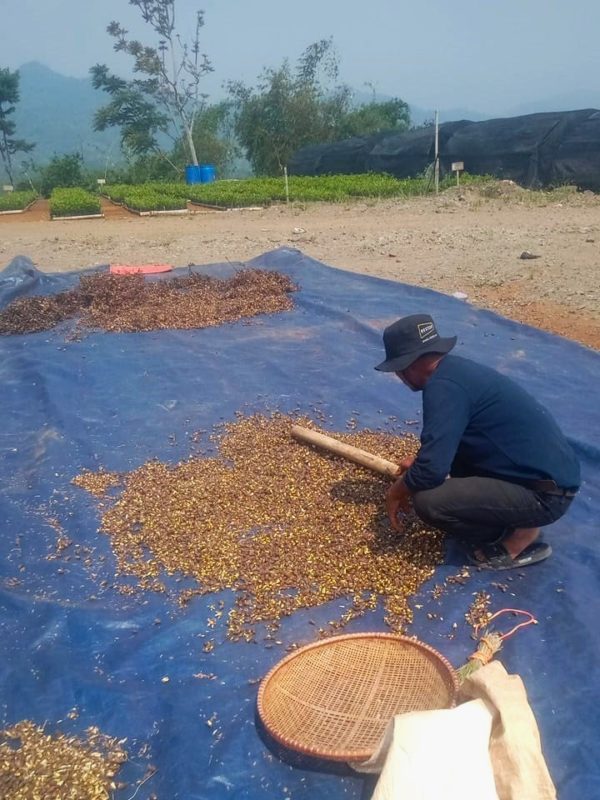
A nursery worker in Ciminyak nursery is cleaning and sun-drying Suren tree seedlings to eliminate excess moisture before proceeding with the sowing process. 

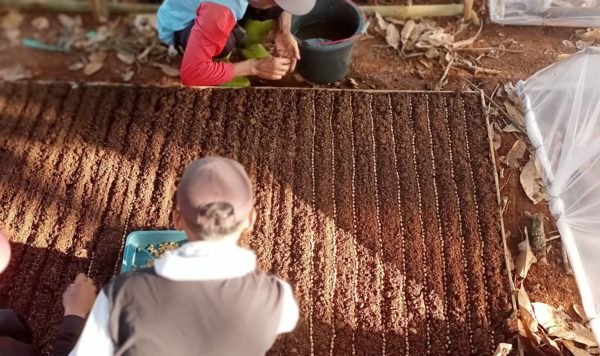
Soreang Nursery workers are sowing seedlings of the Arabica Coffee Yellow Catura variety in the seed beds.

Petai (stinky beans) seedlings are being sown in each polybag at Cirasea Nursery. Petai seed pods are a popular culinary ingredient in Indonesia and can also be enjoyed fresh. As a result, petai trees are high demand among our tree grower partners. 

In our nurseries, we actively involve women in our operations. They rediligently sowing avocado seedlings in Ciminyak Nursery. 

(Above) A team of nursery workers at Cirasea Nursery is cleaning the avocado seeds before cultivation. (Below) Following this step, the avocado seedlings progress to the next stage, where they are cultivated using the direct sowing method in the polybags. 


Nurturing the Next Generation: Trees4Trees School Visits

Nurturing the Next Generation: Trees4Trees School Visits
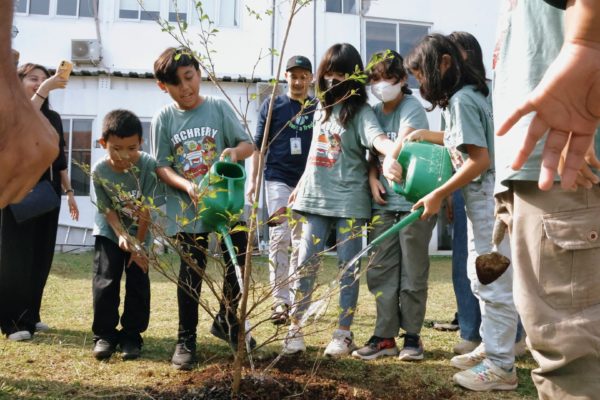
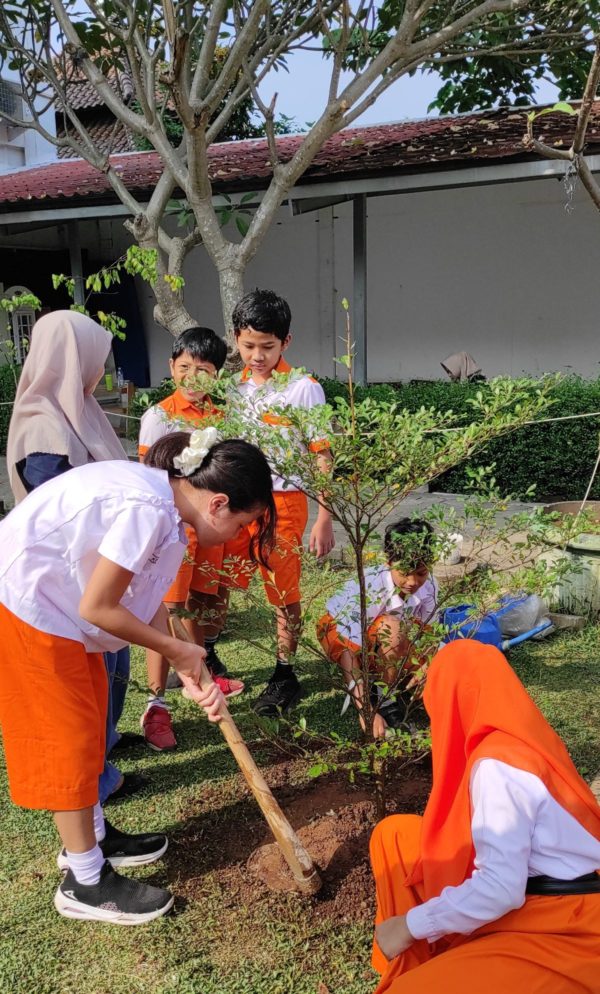
(Above) Fourth graders at Bukit Aksara Elementary School water the Ketapang tree they planted in the school yard.

As the global human population continues to grow, the natural world is under increasing pressure. Efforts are needed now to protect and preserve our planet’s ecosystems for future generations. And this begins with education. 

Through a series of school visits in June, Trees4Trees engaged with kids in Java, building their understanding of environmental issues and getting them excited about conservation. The activities were timed to coincide with Trees4Trees’ 15th anniversary, on June 11.  

“Comprehensive environmental education plays a vital role in preparing kids to address the challenges posed by climate change in the future,” explains Novita, Trees4Trees Planning Assistant. “Schools serve as excellent starting points for such education,” she added. 

Making Learning Fun 

During a visit to Bukit Aksara Elementary School in Semarang, the Trees4Trees team used an animated video on global warming and tree planting to capture the children’s attention.  

“I loved the video,” said Rino, a fourth-grade student at the school. “I learned a lot about global warming and what I can do to prevent it.”  

“I’ve seen other animated movies at school too, where the Earth had no trees left, and people had to buy oxygen to breathe. I don’t want that future, so I am excited with this session,” added Rino.  

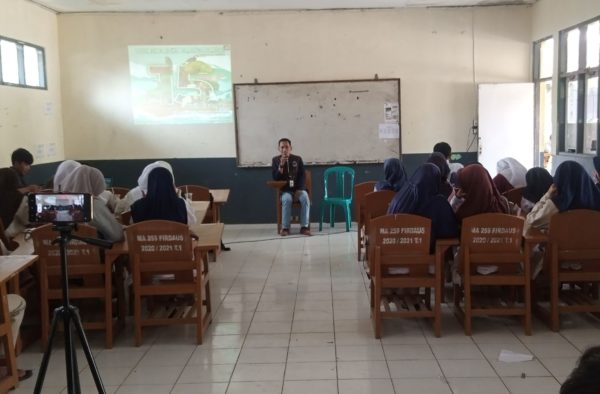
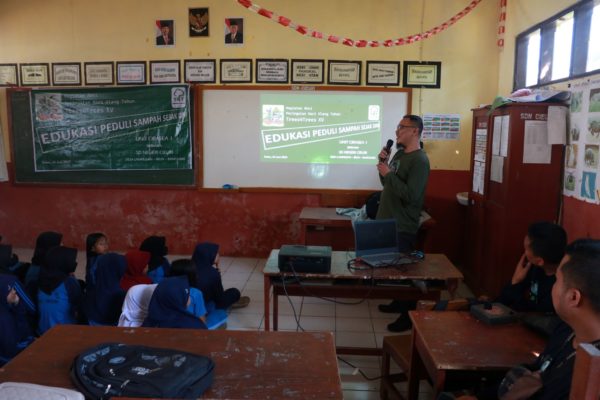
In West Java, Trees4Trees visited Cieuri 1 Elementary School Ibun, Hidayatussa’adah Al Husni School Cipongkor, and Firdaus School Pengalengan in Bandung. In each location, activities focused on waste management, the importance of tree planting, and basic knowledge of conservation. 

Nurturing the Next Generation: Trees4Trees School Visits
(Above) Visiting a group of high school students at Firdaus Islamic Boarding School in Pengalengan, West Java.
Nurturing the Next Generation: Trees4Trees School Visits
(Above) Members of the Trees4Trees team discuss waste management with fourth grader students at Cieuri 1 Elementary School in West Java.

Learning by Doing: Hands-on Environmental Action  

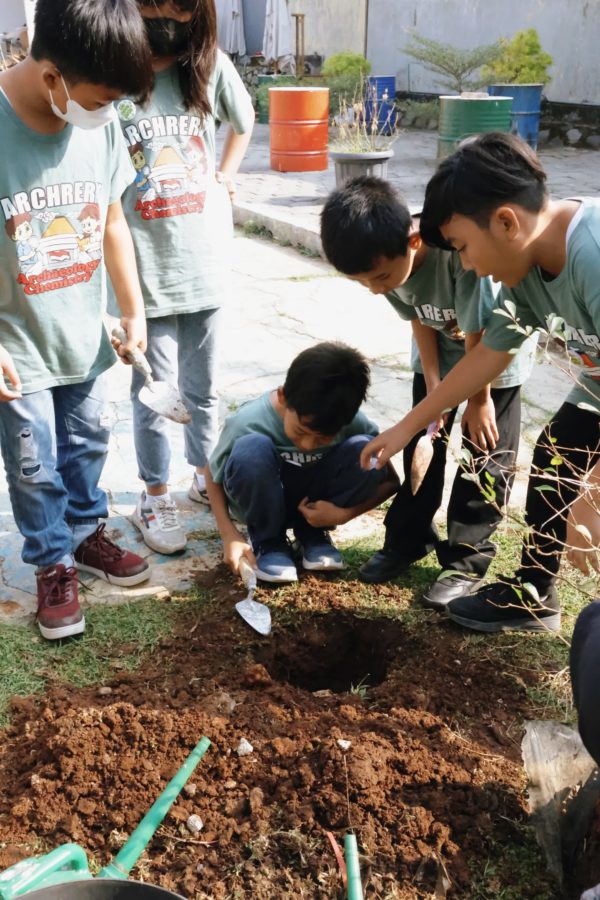
To provide students with hands-on experience, educational sessions included practical activities. At Bukit Aksara, students planted Ketapang trees in their schoolyard, and learned how to care for them properly. 

Nurturing the Next Generation: Trees4Trees School Visits
(Above) Students dig holes and prepare organic fertilizers before they plant trees at Bukit Aksara school. Photo: Yulianisa Dessenita/Trees4Trees
Nurturing the Next Generation
Nurturing the Next Generation: Trees4Trees School Visits

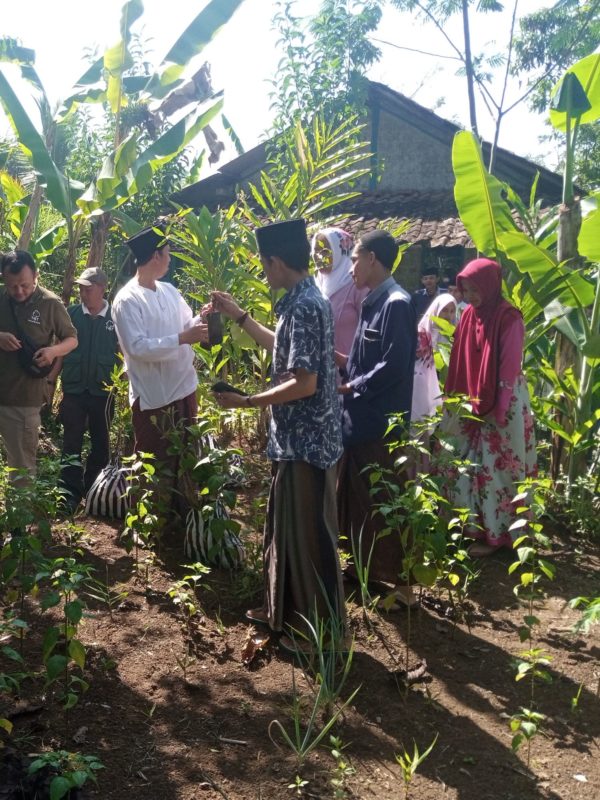
Students at Hidayatussa’adah Al Husni  School also rolled up their sleeves and got planting. “During the session, we taught students to plant trees around the school,” remembers Irfan, the Unit Manager of the Ciminyak 2 site. “Together with them, we also planted 80 trees to green the school’s surroundings.”  

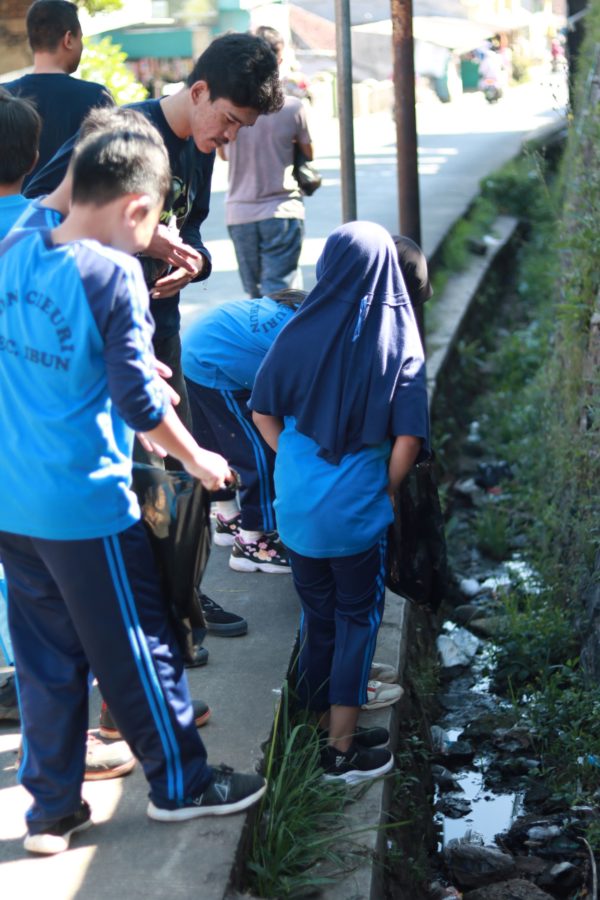
At Cieuri 1 Elementary School, students went on a litter-picking walk to better understand the impact of their actions. The activity helped them develop more responsible habits. 

Trees4Trees School Visits
(Above) Senior high school students at Hidayatussa’adah Al Husni Islamic Boarding School

Through all these efforts, Trees4Trees aims to empower children to become stewards of the Earth and help create a sustainable future for all. 

Want to get involved? Trees4Trees is available to visit your school to share conservation skills and knowledge. For more information, please get in touch. 

The Importance of Environmental Education  

School Visits by Trees4Trees team
Cieuri 1 Elementary School, students went on a litter-picking walk to better understand the impact of their actions. Photo: Kemas Duga Muis/Trees4Trees

According to the State of the World’s Forests (SOFO) 2022, our planet has lost approximately 10% (420 million hectares) of forest cover in the last 30 years.  

As highlighted by UNICEF, children are particularly vulnerable to the adverse impacts of environmental problems, which impact their health, education, and overall well-being.  

Children are the future stewards of our planet. To ensure the long-term survival of the natural world, we must equip the next generation with the environmental knowledge they need to care for our planet. 

Writer: V. Arnila Wulandani. Editor: Christopher Alexander