Travels in Java: Journey to Curug Kedondong Waterfall in Kebumen

Travels in Java: Journey to Curug Kedondong Waterfall in Kebumen

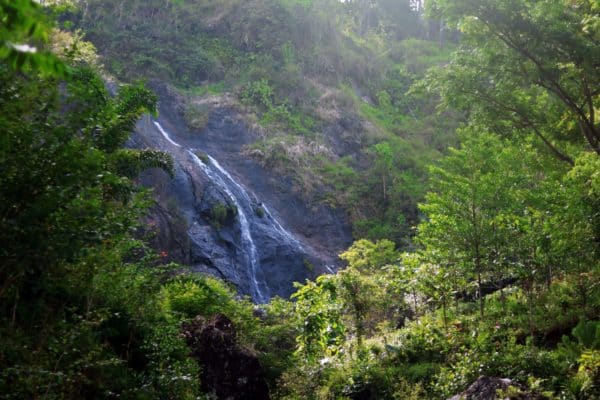
From beaches lining the southern shores of Java to the verdant hills inland, Kebumen is home to extraordinary natural beauty. For travelers, the landscape offers many treasures to be explored. During Trees4Trees’ recent planting excursions, we encountered one of the region’s hidden gems, tucked away in the forest. 

People in the nearby village of Gunungsari call it Curug Kedondong (kedondong is a type of fruit tree that grows locally, and this name is also given to the nearest sub-village). Surrounded by natural woodland, this breathtaking waterfall in Kebumen regency is a great example of why our mission to re-green Java is so important; a process of rehabilitating degraded areas, but also preserving the natural wonders we already have. 

How to Get There 

The waterfall is located around 15 miles (24 kilometers) southwest of downtown Kebumen. Traveling by car or motorbike, the road winds through idyllic pine forests and farmland along the way.   

At the end of the road, the entrance gate is less than 1500 feet (450 meters) from the nearest houses. Entrance costs just IDR 5,000 (US$ 0.33) per person.  

What Makes it Worth the Trip 

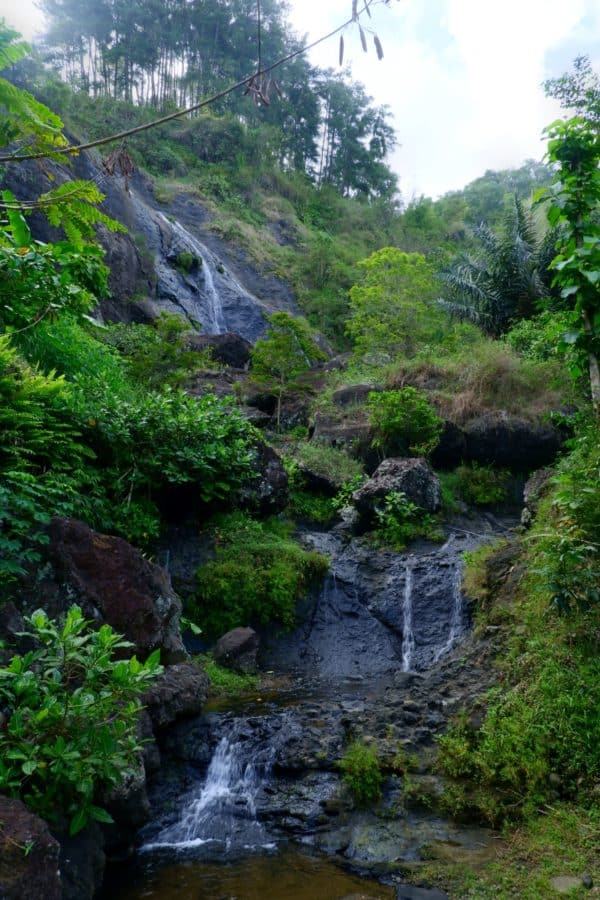
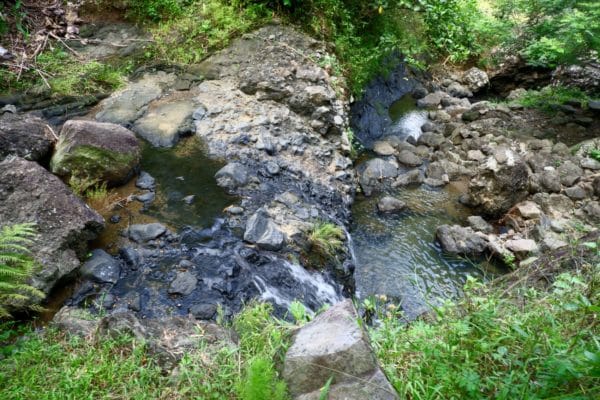
The waterfall itself stands around 82 feet (25m) tall. The water cascades into an ancient canyon of andesite rocks, framed by verdant jungle ferns. At the base of the falls there is a natural freshwater pool – the perfect spot for a refreshing dip after the long trek.  

And speaking of trekking, those with an adventurous streak can hike to the top of the falls. From up here, you can sit and enjoy panoramic views of the hills surrounding Gunungsari Village.  
Curug Kedondong, Kebumen_3
(above) Kedondong Waterfall cascades over giant andesite rocks

Making a Splash: The Growing Popularity of Kedondong Waterfall  

For many years, this spot had been a well-kept secret, known only to the people of Gunungsari. But in 2018, a group of local youngsters decided it was time to put this place on the map – so they began promoting the falls as a unique tourist destination. 

In 2019, and with support from the village government, they officially unveiled the falls and began welcoming visitors from far and wide. Since then, the site has been made more accessible to the public, with new facilities like gazebos, bridges, toilets, a parking area, and food stalls.  

Jasmun is one of several young people in Gunungsari to have been actively involved in – and subsequently benefitted from – development of the falls. He lives nearby with his wife, and together they have converted their home into a food shop for tourists.   

“Previously, it was like our own private waterfall because the location was just behind our house,” says Jasmun. “Now, we’re grateful that many visitors come to this place, because we can make income from this shop.”  
Travels in Java: Journey to Curug Kedondong Waterfall in Kebumen
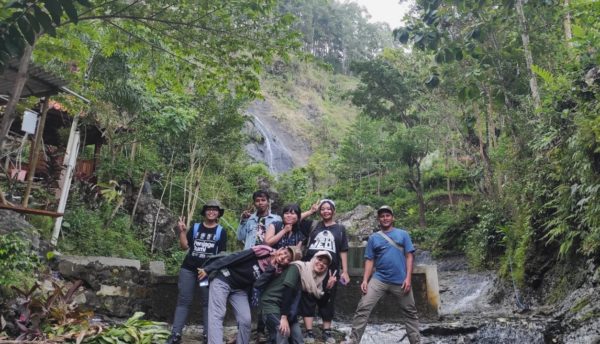
(Above) “Our own private waterfall.” Young people in Gunungsari offer tours for visitors and help keep the falls clean. Photo: Trees4Trees/V. Arnila Wulandani. (Below) Stairs to pine forest. Photo: Trees4Trees/Yulianisa Dessenita.
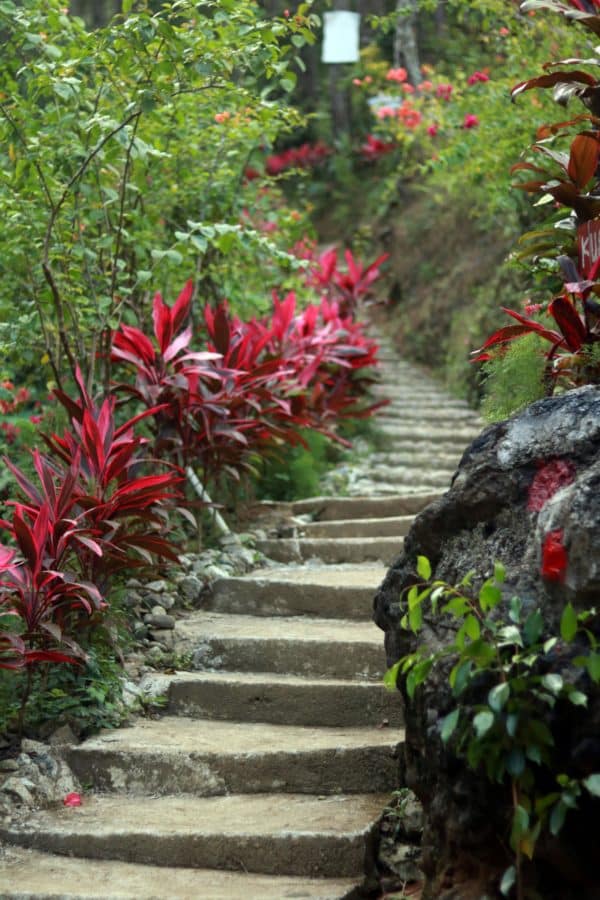
Stairs to pine forest in Curug Kedondong
Travels in Java: Journey to Curug Kedondong Waterfall in Kebumen

Putting Down Roots: Reforestation the Key to Future of the Falls 

“This waterfall originated from a source spring above,” explains Jasmun, who is part of a group that is working together to preserve the surrounding forests and keep the river system healthy. Recent years have given them cause for concern. 

“In the dry season, the rivers never fully dried up,” he says. “But lately, the water coming from the spring is dwindling. It’s a major worry for us.,” The natural spring feeds the waterfall, but also represents the main source of clean water for villagers in the area.   
Source water of Curug Kedondong in Kebumen
Crystal-clear spring water in the river above the falls. Photo: Trees4Trees/V. Arnila Wulandani

In an effort to protect the spring and preserve the waterfall, local people have planted trees in the area. This offers a range of ecosystem benefits: trees help intercept rainfall, thereby reducing soil erosion; they also support infiltration, which means rainfall reaches the water table; they store water in their roots and branches, which keeps wellsprings flowing; and they also help to improve the quality and cleanliness of drinking water.  

Trees4Trees has been supporting these efforts with a combination of resources and expertise. “In 2021, we helped the people plant 500 trees for spring conservation purposes,” explains Lailatul Khasanah, Field Coordinator of the Trees4Trees unit in Kebumen. “We planted sugar palm (aren), pangi (picung), and Tahitian chestnut (Gayam) trees, because they have a great ability to store water.”  

In the most recent planting season, Lailatul and her team  planted 500 more trees in the area – both on nearby farmland and in public areas around the waterfall. By working together with local people and giving nature a helping hand, Trees4Trees hopes to preserve the wonders of the waterfall for generations to come. 

“By planting trees, says Lailatul, “we hope the beauty of Kedondong waterfall will last forever.”  

Writer: V. Arnila Wulandani. Editor: Christopher Alexander

Replanting Mangroves, Rebuilding Futures in Central Java

Trees4Trees has been working with local communities to replant mangroves in Central Java
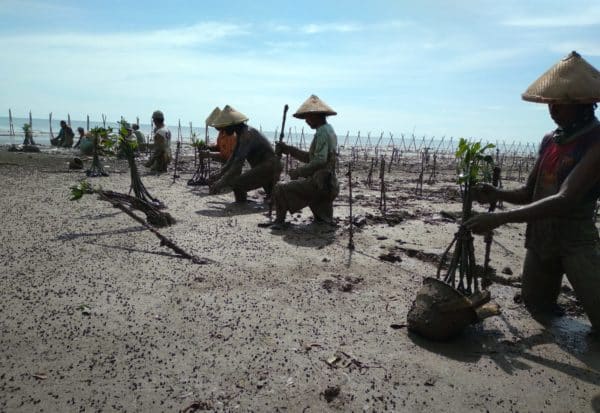
Trees4Trees has been working with local communities to replant mangroves in Central Java. Photo: Doc. Trees4Trees

On New Year’s Eve, Pati Regency in Central Java was inundated by heavy rains. This caused flooding that destroyed more than 600 hectares of agricultural land and damaged thousands of homes. But there was one silver lining to the black clouds that surrounded Pati in December – residents noticed that the areas least affected by the floods were also places with the highest coverage of mangrove forests.  

From the wreckage came the green shoots of a solution. Now, with support from local government and outside help from investors like EcoMatcher, Trees4Trees is working with communities in Pati to restore mangrove forests and rebuild for the future.  

Read also: Mangrove Planting Program with EcoMatcher Inspires Villagers to Plant More Mangrove Trees

A Rising Tide: Building Awareness of Mangroves 

“In recent years, local people’s awareness of mangroves has increased,” says Fauzan Timurlang, who is the Trees4Trees Unit Manager in Pati. He believes the benefits provided by mangroves have become clearer since the recent floods, with many people ready to take action. “They have seen that mangroves can act as barriers that break the waves and reduce the damaging impact,” he explains.  

Andi Lestari is a mangrove activist in Pati, working alongside Trees4Trees. He too has noticed an increase in community awareness. “Many people have seen for themselves the great benefits of mangroves,” he explains. “They have seen that areas with mangrove cover suffer less damage compared to areas that did not have any,” he added. 

Read also: The Incredible Benefits of Mangroves Ecosystem  

Root and Branch: Combining Community Action with Government Support 

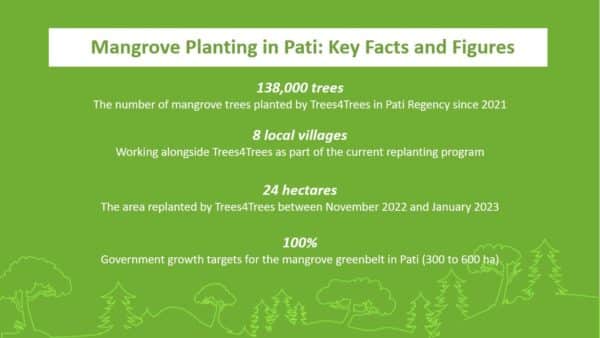
Pati Regency stretches 37 miles (60 km) along the coastline of Central Java. Officials here have decided to double mangrove coverage from 300 to 600 hectares, effectively creating a natural barrier that can prevent coastal erosion and protect local homes and livelihoods from flooding. 

“We want to create a green belt from Pencangaan to Puncel,” explains Edy Martanto, Head of the Maritime Affairs and Fisheries Service (DKP) for Pati, in a recent interview with Muria News. “The green belt will function like a beach embankment – if there are waves, the mangroves will form a barrier – when the mangroves are strong, the ponds are also safe.”  

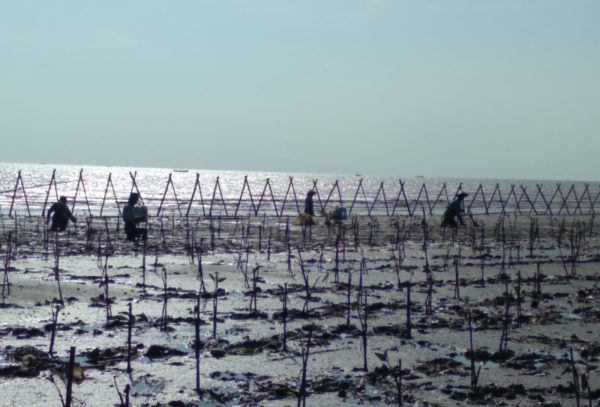
(Above) In areas like Kalikalong village in Pati Regency, Trees4Trees has been working to double mangrove cover

Planning into Planting: Trees4Trees Takes Action in Pati 

To help bring this green belt to fruition, Trees4Trees began planting mangroves along the Pati coastline from November 2022 to January 2023, as part of the recent planting season. By employing members of the community from eight local villages, Trees4Trees has already planted a total of 108,000 mangrove trees in an area covering 24 hectares.  

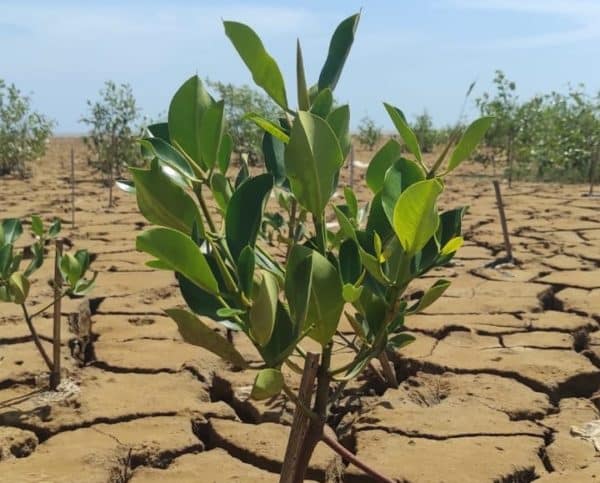
These seedlings (consisting of Red Mangrove or Rhizophora mucronata and White Mangrove or Avicennia marina), are endemic to the area, so will help replenish wild populations. They are currently being monitored to ensure they stay healthy and continue to grow. Back in 2021, and with support from EcoMatcher, Trees4Trees also planted around 30,000 mangrove seedlings across 3.8 hectares surrounding Dukuhseti village.

Read also: Mangrove Types in Indonesia and Their Benefits


Trees4Trees has planted more than 138,000 mangrove trees in Pati since 2021.

“The thicker the mangrove cover, the safer our fishponds will be – that’s why we’re so keen to be a part of the Trees4Trees mangrove planting program.”  Musthofa, Tani Makmur farmers’ group 


Local Communities on the Frontline of Mangrove Restoration 

To ensure mangrove restoration takes root in Pati, Trees4Trees has also involved local village officers and members of the forestry service. Six groups of local fishpond farmers have also been employed as mangrove planters.  

“Farmers in our group have become aware of the benefits provided by healthy mangrove ecosystems,” explains Musthofa, leader of the Tani Makmur farmer group. “The thicker the mangrove cover, the safer our fishponds will be; that’s why we’re so keen to be a part of the Trees4Trees mangrove planting program,” he added. 

(Above) Parmi is one of many fishpond farmers joining in the Trees4Trees planting program in Dukuhseti village

Another of the fishpond farmers who joined the mangrove planting program is Parmi. Like many people here, he makes a living by farming fish and shrimp. With support from Trees4Trees, he is looking forward to a safer and more prosperous future. 

“Thick mangrove cover helps to protect our fishponds from strong waves, resulting in a higher abundance of fish,” explains Parmi. “I hope the mangroves we plant now will grow into a full forest like before, so they can continue to provide benefits for us and future generations.”  

Trees4Trees™ is a non-profit foundation focused on renewing the environment and empowering local communities through reforestation and education. For more information about the work we do, and to make a donation in planting mangroves, please go to devtrees4trees.portopaper.com. 

Writer: V.Arnila Wulandani. Editor: Christopher Alexander.

10 Eco-Friendly Activity Ideas to Enjoy with Loved Ones

10 Eco-Friendly Activity Ideas to Enjoy with Loved Ones
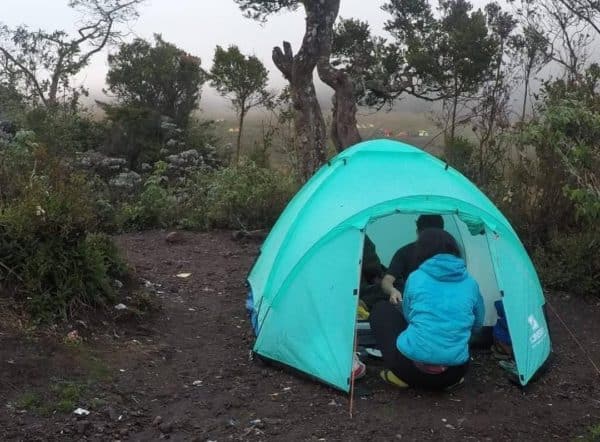
Outdoor camping. Photo: V. Arnila Wulandani

Eco-friendly activities are becoming increasingly popular as people become more aware of environmental preservation and protecting the earth from damage. There are many activities we can do to make a positive impact on our environment. For example, experiencing various outdoor activities, preparing food in a more sustainable way, to involving in to environmental action.  

These activities can be fun and enjoyable to do with family, friends, or partners on weekends or holidays. They don’t have to be difficult or expensive to implement. It also guarantees a good time for everyone while also helping the earth. 

Go Biking  

Adventuring outdoors can be a great eco-friendly activity to do. It allows us to appreciate the natural beauty around us and can be also a great bonding experience with our favorite person. 

Biking is one of outdoor activities which is a great way to reduce carbon emissions, spend quality time with loved ones, and enjoy nature. Unlike driving or flying, biking does not require fossil fuel and leaves no trace of carbon emission. Biking also offers a chance to get some fresh air and exercise. To ensure a safe and enjoyable experience, remember to wear a helmet, bring a water bottle, and activate GPS to make sure you don’t get lost. 

Biking offers a chance to get some fresh air and exercise while also enjoy nature and have a quality time with favorite person. Photo: Pexel/Solare Flares

Hiking  

Hiking can be a perfect activity to do with loved ones to connect with nature while also getting some exercise together. Before going on a hike, don’t forget to warm up, put away your gadgets, pack some snacks and drink water for the trip. Wear hiking boots and quick-dry outfits and be prepared to hit the trails for an environmentally friendly adventure. You may also consider bringing a trekking pole to help you navigate difficult terrain. 

10 Eco-Friendly Activity Ideas to Enjoy with Loved Ones
Hiking in a mountain. Photo: V.Arnila Wulandani

Camping  

Leave your routine behind for a while and enjoy a green camping trip. It provides a wonderful experience to enjoy sitting around a campfire and have a meaningful conversation with loved ones by your side. Remember to minimize waste and leave no trace of trash. Don’t miss out on stargazing on clear nights. Playing guitar or games can also be perfect entertainment to enjoy together. 

Public Transportation Road Trip  

A road trip makes an amazing adventure, and we can try a different road trip experience by using public transportation. By taking a road trip using public transportation, we can explore new routes without increasing carbon emissions of our personal vehicle. This road trip will not only save your pocket but also the planet, while providing a fun and new experience with our loved ones. 

Preparing Healthy Food with Low Waste Packaging

While outdoors activities provide opportunities to have an adventure and enjoy nature, we also can do activities in the way we prepare and enjoy food in an eco-friendlier way. 

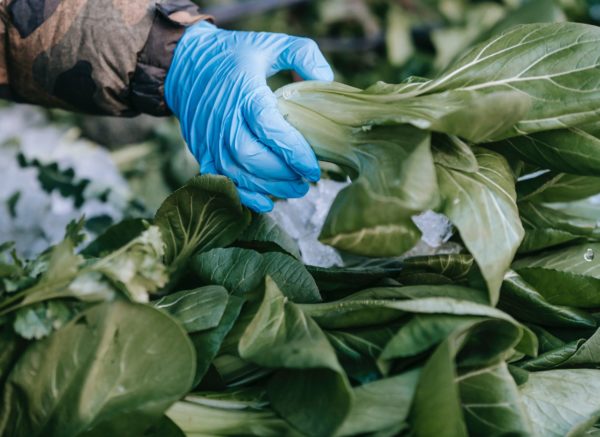
Cooking can be a fun activity to do together. You can prepare ingredients by choosing to shop directly from local farmers and buy some organic seasonal produce, like vegetables, fruits, and herbs. Set a garden indoors or in the yard of your home to grow vegetables, fruits, and herbs by yourself is also a great option. These ways ensure the food we consume has a much smaller carbon footprint and lower waste packaging. 

10 Eco-Friendly Activity Ideas to Enjoy with Loved Ones
Vegetables from a local farmer. Photo: Pexels/Uriel Mont.

Zero-waste Picnic  

Enjoying food in an eco-friendlier way also can be done by having a picnic in a park, while enjoying the natural surrounding at the same time. It is not only saving money on restaurant bills but can also be an enjoyable activity to spend with family, friends, or a partner. Make sure the picnic leaves no waste and use reusable plates, glass, and cutlery. Store the food and drinks in reusable containers and save leftover food.  

Upcycling and DIY Project  

Thinking about what you can do with old and unused items in your home? One of the best eco-friendly ways to do it is upcycling. You can recycle broken, unused, or old items at home by upcycling them into something new and unique. It’s fun to do DIY project at home with your family to turn old T-shirts into tote bags, or plastic bottles into planters, or bottles into LED-light holders.  

Establishing a Garage Sale  

You may have many old and unused items in your home that are still in good condition. Instead of disposing of them away, you can collaborate with your family or a partner to gather and prepare those items for a garage sale. As the trend of secondhand items continues to grow as a solution to minimize waste, this activity is worth trying. It can be a way to educate people about the importance of reducing waste and preserving the environment. 

Environmental Volunteering  

Being involved in environmental actions is another great eco-friendly activity to do with family, best friend, or a partner. There are plenty of opportunities to get involved as volunteers in activities that benefit the environment.  Beach clean-up events, tree-planting events, or mangrove planting can be good activities to try. You can even volunteer with Trees4Trees during planting season as a tree planter to help the reforestation efforts.  

Gifting Trees 

Gifting gifts can be a wonderful way to express our love and affection to the people we love most. There are many eco-friendly gift options to choose from. One unique and memorable gift idea is to gift a planted tree. This shows our love not only for our loved ones but also for the planet. By gifting a tree, we also do a reliable environmental action that contributes to help improve the environment. You can gift a tree to your loved ones by planting trees with Trees4Trees.  

10 Eco-Friendly Activity Ideas to Enjoy with Loved Ones
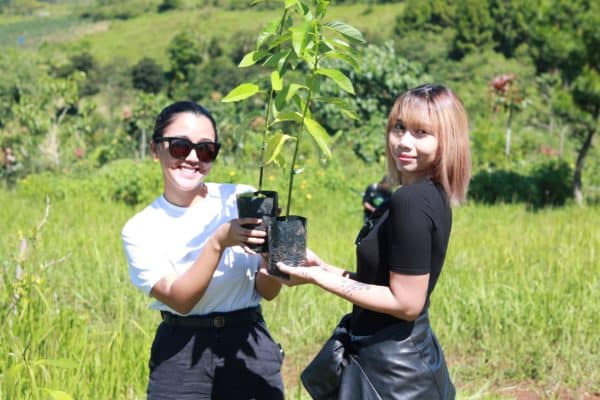
Gift trees with Trees4Trees can be an action to show love for your loved one and also for the planet. Photo: Trees4Trees/Kemas Duga Muis.

Gift Trees : Gift Trees to Your Loved Ones 

Writer: V. Arnila Wulandani

Rasito, Optimizing His Field with Coffee Trees

Rasito were proud of the sengon trees he grows. They reach more than 10-meters in height now.

In 2019, Rasito (53) joined the tree planting program initiated by Trees4Trees and Tree Ltd. At that time, he proposed various types of tree seedlings such as sengon, indigofera, and coffee to be planted in his field. He cannot help but feel grateful for the free seedlings he received. His decision to register and join the tree planting program three years ago was actually because of his strong will to optimize the yield of the field he owned. 

Fortunately, Rasito has a more fertile field compared to the fields in other villages. His field is located not far from his home in Kalirejo Village, Kebumen Regency.    

“I can say my field is fertile and easy to plant with any kind of crops and timbers. I think it is because the location is near the spring and river. So, when the dry season comes, it does not ever experience a drought,” Rasito said.  

Manage Pests is the Biggest Challenge

While strolling around his field, he seemed to trim the yellow leaves occasionally. According to Rasito, the biggest challenge to manage plants in his field is because of pests. “These yellow pests are very troublesome. They make leaves turn yellow, wilt, then die. Many sengon trees from Trees4Trees that I planted here were attacked by this kind of pest and could not survive. Auspiciously, there are still around 20 sengon trees that survive and grow well,” Rasito continued. He was pointing us to the sengon trees which now have reached 10 meters in height.  

Rasito, Optimizing His Field with Coffee Trees
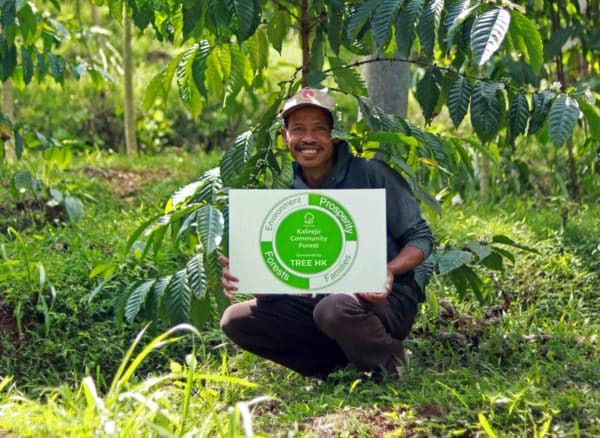
Rasito thanks Trees4Trees and Tree HK for providing him various kinds of tree seedling, including coffee.

Since returning to his village twenty years ago, Rasito has chosen to focus on agriculture. He used to work in the coffee plantation in Lampung, Sumatera. However, he decided to return to his village because his heart felt heavy to leave his 7-years old son at that time. 

From the coffee plantation he used to work at previously, he has learnt a lot about agriculture and how to grow coffee. From his parents, he inherited traditional agriculture knowledge. He used them to manage his field area of more than 1.000 square meters until now.  

Unsatisfied with The Result of His Field

Before joining the tree planting program, most of his field was planted with cassava and taro. There were also turmeric and Kaempferia galanga or aromatic ginger. He also planted stinky beans, papaya, and kelor trees. All the yields to be sold as his income to support his family’s daily needs. He also raised goats as his saving.  

Regrettably, the price of cassava as his main yield is less competitive in the market. “One kilogram of cassava that has been cleaned costs around 1.700 rupiahs. If I don’t clean the skin, the price is only 1.500 rupiahs per kilogram. Taro’s price is much better. It is more stable, around 2.000 rupiahs per kilogram,” Rasito revealed. When the price drops or does not sell well in the market, then Rasito must give up the cassava he grew to be used as his cattle’s feed.  

For that reason, when he heard that there was a tree planting program and free seedlings distribution, he was enthusiastic. “At that time, I heard that coffee seedlings would be distributed to farmers. I was interested. I always want to apply the knowledge I have learned from the coffee plantation where once I worked in my own field,” told Rasito. 

Rasito, Optimizing His Field with Coffee Trees
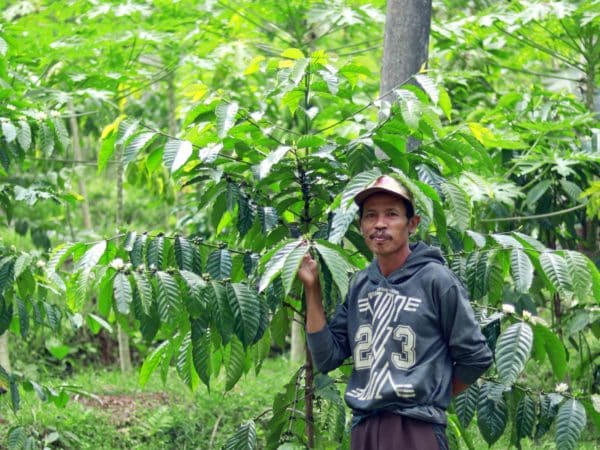
Rasito with Robusta coffee trees that he has grown since 2019.

Growing Coffee Trees, Increasing His Field’s Productivity

He was thrilled to know that of the 180 Robusta coffee seedlings he received in 2019, he managed to grow well 150 coffee trees. Over the last three years, he has already harvested twice. “In one harvesting time, there may be about 5 kilograms. But it has not been sold yet. I am still testing my coffee trees, grinding the beans, and consuming them by myself. I have compared the taste with the Robusta coffee sold in the market and even with coffee sold in a cafe. I am sure that this coffee can compete with them,” he said confidently.  

Compared with cassava, Rasito believes coffee is more prospective. He also said it is not difficult to grow coffee trees. According to his survey, ground Robusta coffee’s price in the market can reach 30.000 rupiahs per kilogram. That interested him. Therefore, Rasito intends to replace cassava and taro with coffee in the future. “These cassavas are temporary. When I can grow more coffee trees, I will replace all of cassava and taro with coffee in order to make my field more productive as well as my income,” he was hoping.  

In addition to coffee, Rasito also grows pepper which is planted as vines on other trees. He is quite satisfied with the result of pepper. He can sell them for 80,000 rupiahs per kilogram.  

Rasito expects he we will be allowed to join the next tree planting program with Trees4Trees. He hopes he can receive durian and avocado seedlings. “I have tried planting durian and it is growing well in my field. If there will be another program, I intend to apply durian seedlings as well as avocado,” said Rasito. 

Writer: V. Arnila Wulandani. Photo: Yulianisa Dessenita

Mangroves Types in Indonesia and Their Benefits

Rhizophora in the coast of Dukuhseti village, Pati regency
Mangroves in Indonesia and Their Benefits
Rhizophora in the coast of Dukuhseti village, Pati regency. Photo: Trees4Trees

Mangroves have enormous benefits for the environment and the economy. From preventing coastal erosion, storing a large amount of carbon and fighting climate change, providing a home and nursery ground for a wide range of animals, to providing multi-benefit for human life.   

Indonesia is home to one of the largest mangrove populations in the world with around 3.2 million hectares of mangrove covers. In this archipelago country, there are five mangrove types (genera) and around 202 species that are commonly found in coastal areas. Each type of mangrove has its own characteristic, and the most important thing is, they have amazing benefits. 

Let’s find out what types of mangroves can be found around Indonesia’s coastal areas and what are their benefits!

Rhizophora Mangrove

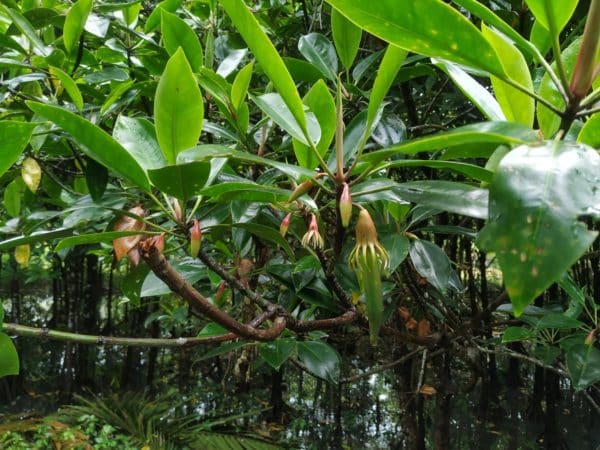
In Indonesia, Rhizophora is also known as bakau and it has three species; Rhizopora apiculata, Rhizophora mucronata, and Rhizophora stylosa.  Rhizophora has taproots that plunge into the forest floor. This type of root is growing above the surface of the soil. These roots stick out from the tree trunks and extended outwards.  

Rhizopora mucronata’s leaf, bark, and propagule waste can produce a natural brown dye to color fabrics and is one of the natural dyes for batik (Indonesian traditional fabrics). The young leaf is also beneficial as a mouth antiseptic. Ecologically, Rhizophora is effective to protect coastal areas from erosion. It is commonly planted along the shore and the edge of the fishponds to protect it from big waves.  

Avicennia Mangroves 

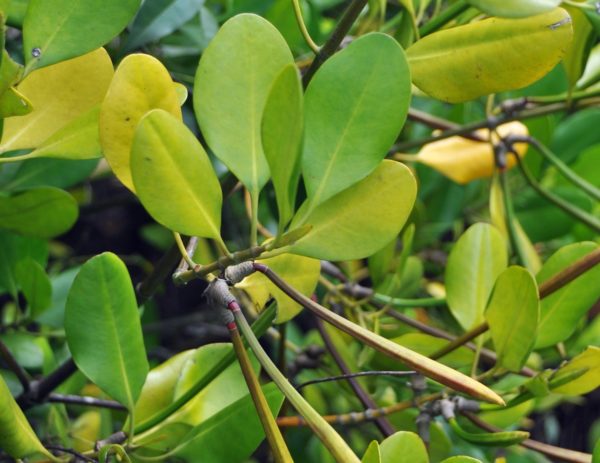
Avicennia is popular in Indonesia with its local name, api-api. Avicennia has pencil-shaped roots. They are embedded in the forest floor, protruding from the surface of the water, and scattered in very large numbers around the tree trunk. These roots serve as breath roots.  

Mangroves in Indonesia and Their Benefits
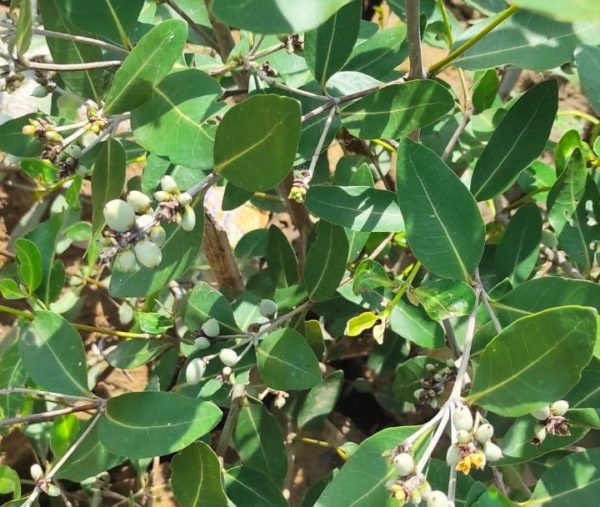
Avicennia which begun to bear fruits in Trees4Trees Mangrove planting area. Photo: Trees4Trees

It has five species; Avicennia alba, Avicennia eucalyptifolia, Avicennia lanata, Avicennia marina, and Avicennia officinalis. Even though, Avicennia marina is the most species found in Indonesia.  

Almost all parts of Avicennia are beneficial, from its roots, barks, tree trunks, stems, leaves, and flowers to its seeds. The fruits contain a high level of protein and various vitamins, like B and C, and can be processed into various foods which can increase the coastal community’s income by selling them. The leaves are used as fodder as well as a traditional medicine to treat skin burns and other skin diseases due to their anti-bacterial content. The strong tree trunks are often utilized as boat frames.  

Besides its ability to prevent coastal erosion and store carbon, based on research, Avicennia has a special ability to reduce metal toxic materials in mangrove forests through a dilution process.  

Read also: The Incredible Benefits of Mangroves Ecosystem 

Bruguiera Mangrove 

Bruguiera has the most species compared to other mangrove types. It has six mangrove species; Bruguiera cylindryca, Bruguiera exaristata, Bruguiera gymnorrhiza, Bruguiera haenessii,  Bruguiera parviflora, and Bruguiera sexangula. Generally, it has pointed-shaped leaves with strong stems and thick roots which look like bent knees as its characteristic.  

Mangroves in Indonesia and Their Benefits
Bruguiera gymnorrhiza. Photo: Trees4Trees/Armin Mubarok

Like other mangrove, Bruguiera has numerous benefits. Besides preventing coastal erosion and storing carbon, most parts of Bruguiera trees are beneficial. Bruguiera gymnorrhiza young leaves can be processed into food. The barks are often used as a traditional medicine to treat diarrhea, fever, and skin burns, and are believed to prevent malaria. Bruguiera sexangular has a high economic value. Its fruit can be processed into herbal drinks too. 

Ceriops Mangrove 

Mangroves in Indonesia and Their Benefits
Ceriops. Photo: Wikipedia.

Ceriops mangrove is also known as tengar tree in Indonesia. It has pencil-shaped roots, elongated fruits, and bubbling stems as its characteristics. The appearance of Ceriops is like Rhizophora but smaller. It is usually found in dry parts of Rhizophora mangrove forests. The tree bark produces tannin which is beneficial as a natural dye to produce a yellow color. Ceriops has two species that exist in Indonesia; Ceriops decandra and Ceriops tagal 

Read also: Putting Down the Roots: Trees4Trees Planting Season 2022

Sonneratia Mangroves

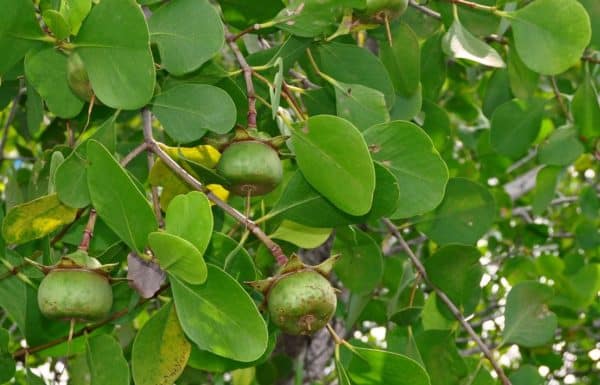
Sonneratia has a pencil-shaped root system, and its appearance looks like Avicennia, but they have a different shape of flower, fruit, and leaf. There are three species of Sonneratia in Indonesia; Sonneratia alba, Sonneratia caseolaris, and Sonneratia ovata. Sonneratia caseolaris’s fruit contains a high level of Vitamin C. It also contains Vitamin B1, B2, and antioxydant. Sonneratia tree trunks are often used as a raw material for firewood and charcoal.  

Sonneratia alba
Sonneratia alba. Photo: Wikipedia

Mangroves accommodate incredible benefits and impacts for nature and human beings. Unfortunately, mangroves have experienced loss and degradation worldwide. As part of the contribution to restore mangrove covers, Trees4Trees started planting 36.000 mangroves in 2021 on the coast of Dukuhseti Village in Pati regency, Central Java. It aimed to prevent coastal erosion and protect fishponds owned by local farmers.  

This planting season, Trees4Trees expands the mangrove planting to five villages in Pati regency and in Cilacap regency, Central Java. The main aim of planting mangroves is to prevent coastal erosion and restore the original mangrove forests. By broadening the mangrove planting area, it is expected to contribute to the mangrove ecosystem restoration in Indonesia.  

10 Sustainable New Year Resolutions

10 sustainable new year resolutions
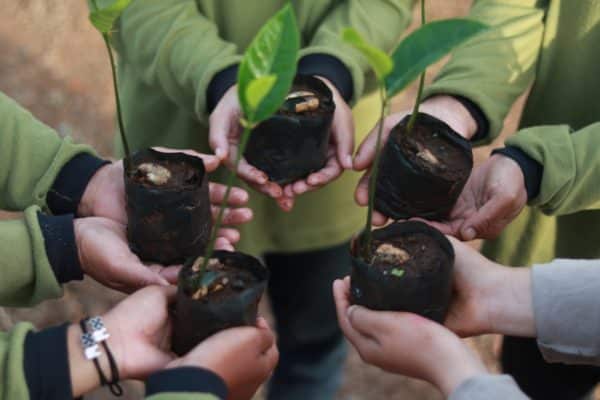
Tree seedlings grown by Trees4Trees nursery. Photo: Trees4Trees/Yulianisa Dessenita

10 Sustainable New Year Resolutions; Many of us use the moment of New Year to make a resolution. We reflect on what we have accomplished in the past year, and we plan on what we would like to change in the future. A New Year moment is a good chance to set a goal which evolve ourselves for a better life.  

This moment is also a good opportunity to reset our habits that support a sustainable life. If you are someone who puts a more sustainable lifestyle as one of your New Year’s resolutions, there are lots of things you can do. From making a small daily routine to a bigger green movement. Here are ten recommendations for a more sustainable lifestyle you can put in your resolution lists.  

1. Refill and reduce single-plastic use  

Using a single plastic is wasteful and hurts the planet in many ways.  Thankfully, there are many alternatives to replace single-use plastic items. We can start to change the habit of using single-used plastic by refilling and using reusable containers for shampoo, conditioner, multi-purpose cleaner, and more.

2. Buy slow fashion or second—hand clothing and exchange clothes  

The fashion industry emits a huge greenhouse gas. To reduce emissions, we can change our habits by choosing the clothes we wear. We can choose second-hand clothes or join a clothing swap community to exchange clothes with somebody else’s clothes instead of buying new clothes. If we want to buy new clothes, make sure they are slow fashion (high-quality clothes, made from degradable fabric like cotton and silk, also can be worn for a long time).  

3. Reduce food waste 

Food waste is a widespread issue globally. According to FAO, 1.3 billion tonnes of food is wasted per year and strongly contributes to climate change. But we can do many things to reduce food waste and its impact on the environment. We can start by planning our meals. Making a shopping list and buying only the ingredients we need per week is better than buying a lot of ingredients at the same time. We can also freeze food or leftovers to reduce waste.  

4. Start composting  

Composting is a great solution to reduce the carbon footprint impact of household waste. It is easier than it looks. We can start composting our food scraps and other biodegradable items around our house. Composting will create organic fertilizers that can enrich plants around us or in our garden. 

We can set up a composter in the outdoor space like in the backyard or even in our kitchen. We can choose a fully sealed composter that will not release any bad smells from the waste.  

10 Sustainable new year resolutions
Composting. Photo: Freepik

5. Turn off lights and other electronics when not in use 

Turning off lights and unplugging smartphone chargers, microwaves, game consoles, and other unused electricity takes only a few seconds. It will not only save energy but also save money to pay our electricity bills.  

6. Bring reusable bags and produce sacks for shopping 

Plastic bags are commonly used in grocery stores. But these past few years, most supermarkets have introduced plastic bags free as part of preventing plastic waste movement. Always bring our own reusable shopping bags and produce sacks when going to grocery stores. There are many variations of reusable bags nowadays. From foldable bags to shopping bags made from recycled material like burlap, and more. Whatever they are, these reusable bags are helping to reduce plastic pollution.  

7. Less driving a car, more walking and cycling 

Another great way to be more sustainable is to drive car less to lower carbon emissions. Swapping from driving a car to walking or cycling even just one day a week makes a significant impact on personal carbon emissions.  Fossil fuel transportation is one of the causes of greenhouse gases. Choosing to walk or ride a bicycle instead of driving a car or motorcycle has significant advantages for the environment.  

10 Sustainable New Year Resolutions
Walking in the forest. Photo: Trees4Trees/Kemas Duga Muis

8. Bring water bottle wherever you go  

It is important to eliminate plastic bottles so the plastic water bottles which end up in landfills will be reduced. By switching from buying mineral water in single-use plastic bottles to using a reusable water bottle, we can save a lot of money and contribute to reduce plastic waste globally.  

9. Use eco-friendly products  

There are lots of eco-friendly products offered nowadays. From kitchenware, bath products, cutleries, shopping bags, and more. Usually, they are made from organic materials that are safe for environments like bamboo and coconut fiber, loofah, or recycled materials.  Using eco-friendly products that do not harm the environment is a great option to live more sustainably.  

10. Plant a tree  

Trees have an incredible benefit for the environment. They provide oxygen and clean water, prevent disasters like flooding, and landslides, and as a habitat for wildlife.  By planting trees, we are contributing to preserve the environment and combat global warming.  

You can gift a tree as a gift to your loved ones at this New Year moment. The tree you gift to your loved ones will contribute to improve the environment and help the local community where it is planted.   

Gift Trees: Give Trees as a Gift to Your Loved Ones 

Writer: V. Arnila Wulandani.