Give Trees as a Gift to Your Loved Ones

Give Trees as a Gift
Give Trees
Give Trees as a Gift

Are you searching for a special and memorable gift for your loved ones? A truly memorable gift is often unexpected and unique, with a special meaning that makes it perfect.   

Gifting trees is an ideal way to express sincere appreciation for your special ones   

As we approach the end of the year, there are numerous occasions to surprise your friends, family, lover, or colleagues with the gift of trees. 

You can present trees with someone’s name as a Christmas gift, New Year gift, Mother’s Day gift, or for any other special occasion. Additionally, you can include a personalized message along with your gift of planted trees. 

WHAT WILL YOUR LOVED ONES RECEIVE WITH A GIFT OF TREES?  

The gift of trees consists of trees planted in degraded areas in Indonesia. As such, the person you choose to gift the trees will receive: 

  • An e-certificate of trees planted, registered with his or her name. 
  • An e-card containing your custom message to the person you are gifting. 
  • A WIN number that grants the recipient access to visit the trees, learn about their location, and discover details about the local farmers who planted them, all online through our website trees4trees.org. 

HOW TO GIFT TREES? 

To give the gift of trees to your loved ones, simply visit our donation page and plant trees with us. Write your custom message to the person you are gifting. We will send the gift along with your message to your loved ones on behalf of your name. Click below to visit our donation page  

GIVE TREES FOR A GIFT!

Please note in the comment box that your donation is intended to gift trees to another person, following this format: “This donation is intended to gift trees to [Recipient’s Name] for [Occasion – e.g., Mother’s Day/Christmas Gift].”  Include the following details: 

  • Sender name: 
  • Sender email: 
  • Recipient name: 
  • Recipient email (must be mentioned): 
  • Message for e-card: 

We require your email address and the gift recipient’s email address to send you a digital certificate and WIN number to track the planted trees’ location. 

If you encounter difficulties while donating trees through our donation page, alternatively you can also make a direct donation to our PayPal account or our Bank account. Follow these steps! 

Donate Tree with PayPal  

  1. Log in to your PayPal account 
  2. Go to ‘Send and Request’
  3. Click ‘Send’ – ‘Send Payment to’
  4. Enter Trees4Trees PayPal account: info@trees4tree.org
  5. Click: Send to info@trees4trees.treesforplant.com
  6. Fill in the donation amount. Start from 1 US$ and above
  7. Leave us a note in the column of ‘What’s this payment for’ that your donation is intended to gift trees to another person. Follow this format: This donation is intended to gift trees to …. for …… (occasion. For example: Mothers Day/Christmas Gift).
  8. Click ‘Continue’ then ‘Send Payment Now’  

Donate Tree Direct to Bank Account

You can transfer your donation to the following bank account: YAYASAN BUMI HIJAU LESTARI. Account Number 1360001234514. Bank Mandiri – Branch Sisingamangaraja Semarang 

Once your donation has been made through PayPal or Direct Transfer to Bank Account, please send us your donation confirmation and proof of payment to our official email, info@trees4trees.treesforplant.com.  Send us also your personal data. Follow this format:

I have just made a tree donation payment with …. (amount of money)  This donation is intended to gift trees to …. for …… (occasion. For example: Mothers Day/Christmas Gift). Here the detail information:  

  • Sender name: 
  • Sender e-mail: 
  • Recipient name: 
  • Recipient e-mail (must be mentioned):    
  • Message for e-card: 

Send your confirmation along with information with the email subject: Trees4Gifts Payment Confirmation_Bank Transfer (Your Name). 

WHAT IMPACTS MADE BY GIFTING TREES? 

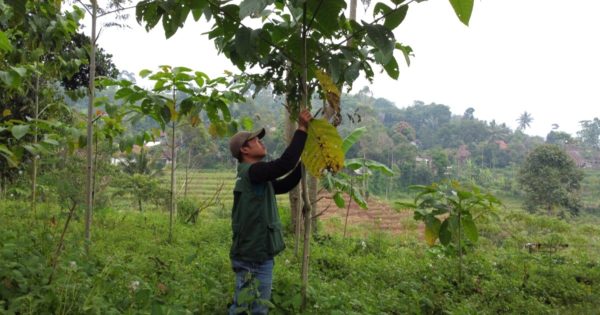
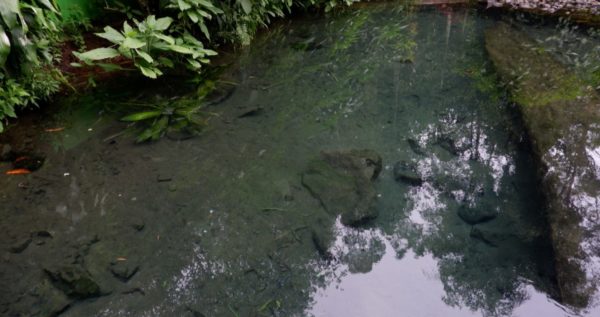
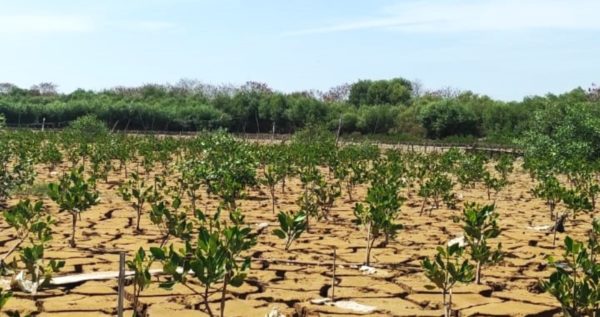
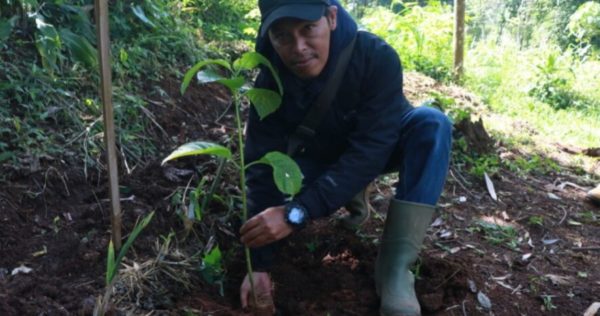
The gifted trees will be planted in critical areas both in farmers’ fields and public facilities like riverbanks and around the water spring for environmental improvement.  

By gifting trees, you will not only giving a memorable gift to you loved ones, but also helping to: 

  • Improve the environment and reduce erosion, drought, and maintain the clean water availability
  • Combat global warming and climate change by trees planted that will absorb greenhouse gases
  • Empower farmers families to plant trees on their land where they grow more economic value trees.

YOU CAN VISIT YOUR TREES

Gifting trees with Trees4Trees is unique because every tree you gift will have a special number called WIN Number. It will allow your loved ones to see their trees and the impacts online. 

The gift recipient can visit trees that you give through the online map by scanning a QR code or by entering a WIN (World Identification Number) code on our website. Visit trees4trees.org! 

Weathering the Storm: Natural Solutions to El Niño

drought during el nino_trees4trees
Weathering the Storm
Photo: Freepik

This year we had the hottest July, August, and September ever recorded. Weather patterns around the world are in a state of flux, pushing temperatures up and stretching our planet’s life support systems to the limit. In tropical regions, like Indonesia, the impacts of climate change are clear to see. 

To make matters worse, extreme weather has been forecasted for Indonesia in the first quarter of 2024, due to the ongoing El Niño weather system. A combination of floods, cyclones, landslides, and disruption to food production could all be just around the corner.  

But what exactly is El Niño? What are its effects? And how can reforestation help to lessen its impact on people and planet? In this article, we’ll look for the answers. 

What is El Niño? 

El Niño, which means ‘little boy’ in Spanish, is a natural climate pattern. This name describes the seasonal warming of surface waters in the eastern tropical Pacific Ocean. El Niño is the warm phase of a larger weather cycle – the cool phase is called La Niña, which means ‘little girl’.  

El Niño / La Niña events don’t happen every year. They normally come around every two to seven years and typically last between nine and 12 months. Sometimes, they can even last for years at a time.  

So if El Niño and La Niña, are natural climate events, then what’s the problem? Unfortunately, recent studies have found that climate change is supercharging these weather systems, making them more frequent and more fierce. And the effects of this change can be deadly. 

Natural Solutions to  El Niño
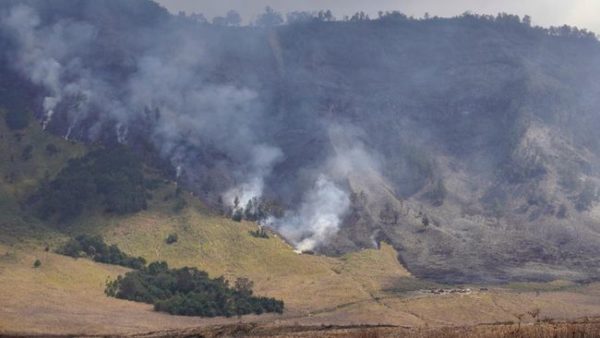
(Above) Wildfires at Mount Bromo in East Java, where an extended dry season left the savannah as dry as kindling. Photo: CNN Indonesia

What are the Impacts of El Niño? 

We may not realize it, but El Niño and La Niña play a major part in all our lives. These tempestuous twins affect everything from weather and wildlife to, food production, wildfires, and economics. Their impacts can take many different forms – and the differences between them can be extreme:  

  1. Temperatures. This September was the hottest on record, with temperatures 0.5 degrees (Celsius) higher than last year. 
  2. Drought. Delayed rainfall leads to parched landscapes and dry rivers.  
  3. Food shortages. Severe drought means poor harvests, food shortages, and rising prices. 
  4. Wildfires. This year alone, there have been over 3,000 fires in Indonesia. 
  5. Ecosystem damage. From forests to coral reefs, animals and their habitats are feeling the heat. 
drying out river in boyolali_el nino_trees4trees_v arnila wulandani
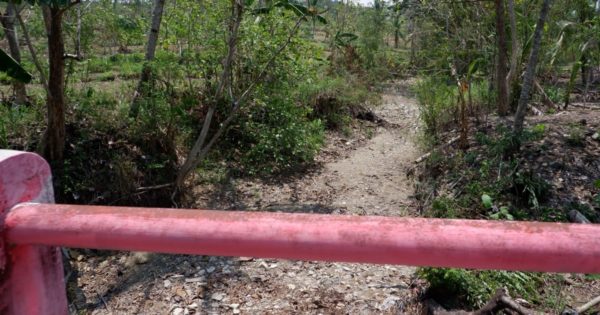
(Above) A dried-up riverbed in Boyolali, Central Java (Photo: Trees4Trees / V. Arnila Wulandani)

How can we Minimize the Impacts of El Niño? 

El Niño may be a natural event that’s beyond our control, but there are steps we can take to lessen its impact:  

  1. Prevent fires. Around 99% of wildfires are caused by human activities like campfires, cigarette butts, or burning waste. Stopping these activities can help stop wildfires. 
  2. Eat local. Support your local greengrocer, or – even better – grow your own fruit and vegetables. 
  3. Raise awareness. Educate others and encourage them to be more eco-friendly.  
  4. Cut the carbon. Minimize your carbon footprint by taking public transport, walking, cycling, or saving energy at home. 
  5. Plant trees. Trees clean the atmosphere and can help prevent disasters, like erosion, floods, drought, and water shortages. More on this below: 

The Benefits of Planting Trees 

In Indonesia, Trees4Trees’ planting areas have experienced an extended dry season because of El Niño. One of many is Kenteng Village in Kebumen, Central Java. During the dry season, villagers here have to walk about two kilometers to reach the nearest water source.

Working in partnership with local people and international partners, Trees4Trees is helping to raise awareness and kick-start positive changes in Kenteng. Since 2022, weve planted more than 6,000 trees in the village, and there’s more to come too.  

water spring in kenteng village kebumen_el nino_trees4trees_yulianisa dessenita
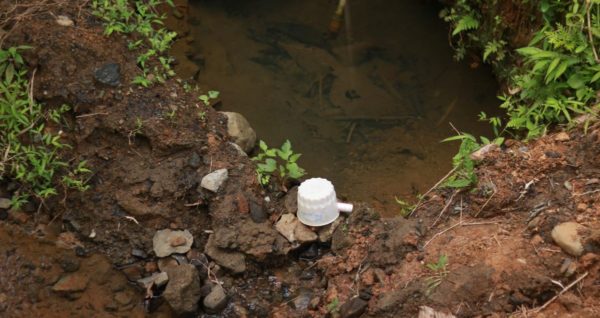
(Above) The only spring in Kenteng Village, and (below) soil dried out by the extended dry season (Photos: Trees4Trees / Yulianisa Dessenita)
Weathering the Storm
Natural Solutions to El Niño

These trees have already had an impact, by helping retain moisture in the soil and providing shade for people and plants during the dry season, and then preventing erosion and flash floods when the rains finally arrived in November. Their fruits, like durian and avocado, provide a reliable source of income for local people, even during the worst of the seasonal weather. 

This year, through Giving Tuesday, we’re encouraging people to donate trees to support the ongoing planting operations in Kenteng, to protect the land from the worst of El Niño and promote agroforestry. And you can join us in this mission. By donating trees, we can combat climate change and create a more livable environment for the community. To learn more, click here or get in touch. 

Writer: V. Arnila Wulandani. Editor: Christopher Alexander

Itang: A Young Farmer on a Mission to Pass Down Springs through Planting Trees

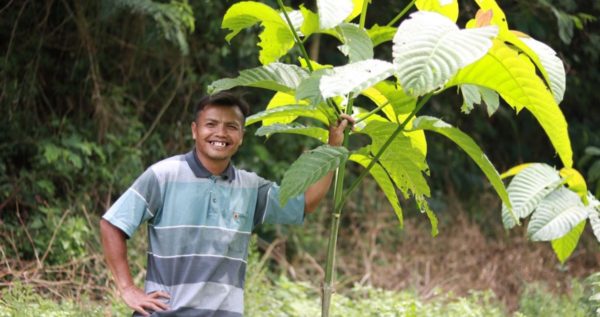
At 37 years old, Itang Zaenal stands out as a young farmer collaborating with Trees4Trees as a tree grower in Mandalahaji Village, Bandung Regency. In contrast to his peers who often seek employment outside the village, Itang has made a choice to remain within his community. He skillfully tends to his plot of land and has effectively generated income from its produce for several years. 

Become a farmer since his young age

Itang owns a parcel of land situated approximately 1 kilometer from the Cirasea sub-watershed, a tributary of the Citarum river. On this land, he cultivates both timber and various crops, aiming to secure both short-term and long-term income sources. The yields he generates from his land enable him to provide for his family, including his two children. 

However, Itang’s journey as a farmer commenced at a remarkably young age. At just seventeen years old, he decided to follow his passion and become a farmer.

“In those times, very few young individuals showed interest in farming. This was due to the mistaken belief that farming couldn’t lead to substantial earnings. I stood among the minority of young villagers who opted to remain in our community and pursue farming. Most of them preferred urban employment,” he revealed. 

Itang also acknowledged that prior to his decision to settle in Mandalahaji village, he had briefly worked in the city of Bandung. “City life didn’t resonate with me, I suppose. The rigid work hours left me with minimal opportunity to engage in activities I enjoyed,” Itang expressed. 

Benefiting from Trees4Trees’ Citarum rehabilitation tree planting program 

In 2022, Itang was presented with the opportunity in the tree-planting program initiated by Trees4Trees, sponsored by AstraZeneca and One Tree Planted. “The idea thrilled me, as I received tree seedlings completely free of charge and I get to keep all the results for myself. It was a significant help for me,” Itang expressed 

Focusing on planting bur-flower (Jabon) trees and coffee, Itang intends to gain long-term benefits. “Jabon is very well-suited to the soil conditions in my field, so it grows exceptionally well in this area. Jabon also regenerates new shoots automatically after being cut down, ensuring constant flourishing. Coffee, on the other hand, is a promising commodity. With more coffee trees, I can earn a better income,” Itang explained.

Applying organic farming  

Since his beginning, Itang has employed organic farming techniques in nurturing his trees. He has personally crafted fertilizer from the manure of his livestock. “Thank goodness, when I employ organic fertilizers made from the blend of manure and soil, the growth of the trees accelerates significantly,” he exclaimed while gesturing towards the flourishing trees around him.

Itang also expressed his gratitude for the organic fertilizers and pesticides provided by Trees4Trees. He noted that with these organic materials, he managed to foster Jabon trees that grew to around 2 meters in height in just eight months. “The outcome fills me with great excitement,” he confessed. He further added that these organic resources complemented the organic approach he had been practicing for years. 

Planting trees, passes down the Citarum springs to the next generation  

Itang’s land is situated approximately 15 kilometers from the source of the Citarum River. This location marks the origins of seven springs, which converge to form the Citarum River and its tributaries. 

“From these springs, the water flows into the Cirasea River – one of the Citarum’s tributaries that runs near my land. This river holds vital importance for the villagers, serving as a primary irrigation source and sustaining the trees I’ve planted. Thus, preserving both the river and its banks is essential,” Itang emphasized. 

He underscores that planting trees along the riverbanks plays a crucial role in curbing erosion and the siltation stemming from river sedimentation. 

“With the exceptional spring waters of the Citarum River, my endeavor in tree planting aims to pass on the legacy of healthy water sources to my children and the generations to come. I strive to pass down ‘mata air’ (water springs), not ‘air mata’ (tears). If we neglect our duty to care for it, all that remains to pass down would be tears – nothing of our natural heritage would be left,” Itang passionately conveyed. 

Writer: V. Arnila Wulandani. Photo: Kemas Duga Muis

The Heat is On: Finding Solutions to Rising Global Temperatures

The Heat is On Finding Solutions to Rising Global Temperatures_trees4trees
The Heat is On Finding Solutions to Rising Global Temperatures
Photo: Freepik

All around the world, temperatures are soaring, and extreme weather events are becoming more common. This October in Indonesia, where our tree planting efforts are based, cities like Semarang and Jakarta have been sweltering in the highest temperatures seen in the last 30 years. 

This hot weather is partly due to El Niño, a seasonal warming that happens naturally in parts of the Pacific and impacts weather systems around the world. But the driving force of the extreme heat is climate change caused by human activity. 

So what are the impacts of these changes on the planet and its life support systems? Is anything being done to reverse the damage? And how can each of us play our part in cooling the climate?  

In this article, we’ll provide answers to these burning questions. 

The Heat is On Finding Solutions to Rising Global Temperatures_trees4trees
The Heat is On. Photo: Trees4Trees/V. Arnila Wulandani

Breaking all the wrong records in global temperatures 

A recent study in the Nature Reviews Earth and Environment Journal revealed that, from January to September 2023, we experienced the warmest global temperatures in recorded history, surpassing the previous record set in 2016.  

As if that wasn’t bad enough, last month was the hottest September on record;, an unprecedented anomaly in history, when ocean temperatures went through the roof. September was a scorcher, but October and November are already hot on its heels. 

As global warming intensifies, natural climate events, like El Niño are becoming more frequent and more intense. Scientists agree that the biggest driver is human-induced climate change, mostly from emissions of greenhouse gases.  

We set this change in motion, so it’s up to us to stop the global temperature rising. But what can be done? 

The Heat is On Finding Solutions to Rising Global Temperatures
Steps in the right direction: there’s plenty we can do to counter climate change. Photo: Telegraph

Be part of the solution, not part of the problem 

When facing a problem as big as Earth temperature, it’s easy to feel overwhelmed. Maybe even powerless. But there’s plenty each of us can do to turn down the heat. Even the smallest changes, when multiplied enough times, can add up to a massive difference. 

Every time you get in the car, every time you shop online, or even turn on a light switch, your choices have a cost in terms of energy and fuel. This is also known as your carbon footprint – the amount of carbon emitted into the atmosphere as a result of your actions and decisions. 

Here are five steps you can take to reduce your carbon footprint and help combat climate change: 

  1. Buy local and shift to a plant-based diet. 
  2. Use public transport, cycle, and walk 
  3. Cut down your electricity consumption at home 
  4. Embrace a slow fashion approach 
  5. Join nature restoration activities in your area 

From the food we eat to the clothes we wear and the ways we get around, there’s so many ways to reduce energy consumption and lower our environmental impact. Don’t give in to apathy! Take charge of your own environment and be the change you seek. 

Read also: A Breath of Fresh Air: Tackling Jakarta Pollution

The Heat is On Finding Solutions to Rising Global Temperatures
The Heat is On, Finding Solutions to Rising Global Temperatures. Photo: Trees4Trees/Kemas Duga Muis

Climate action: Planting seeds of positive change 

Want to impact the environment on a bigger scale? The best thing we can do is plant trees. And lots of them. Trees can suck harmful greenhouse gases out of the atmosphere, while also storing carbon and producing healthy oxygen.  

But that’s not all – trees have been proven to help prevent floods, erosion, and drought. They provide habitats for animals, shade for new growth, and beauty in the background of our lives on this green planet. 

The Heat is On Finding Solutions to Rising Global Temperatures
Photo: Trees4Trees/Kemas Duga Muis

Read more: Trees That Absorb the Most Carbon Dioxide

In the tropics, where the sun shines all year round, trees feel right at home. And this green belt around the belly of our planet could be the key to combating climate change. Scientists certainly seem to think so. Recent research has found the following benefits to planting trees in the tropics compared to other areas: 

  1. Tropical trees grow faster and absorb more carbon emissions . 
  2. They also sequester up to four times more carbon  
  3. Rainforests are biodiversity hotspots, sheltering endangered species 
  4. Tropical plants and trees can provide us with food and medicine 
  5.  The tropics are home to the world’s largest mangrove forests, which absorb a huge amount of carbon 

For so many reasons, planting trees in the tropics is a good idea. Located right on the equator, Indonesia is home to the worlds third-largest rainforest. And Trees4Trees is helping to spread the life-giving benefits of trees elsewhere in the archipelago. 

We’re taking climate action, planting trees to mitigate the catastrophic effects of climate change and helping lower global temperatures.  

Want to do your part? Join us on our replanting journey, and help Indonesia stay green. Learn more at trees4trees.org. 

Writer: V. Arnila Wulandani. Editor: Christopher Alexander

A Breath of Fresh Air: Tackling Air Pollution in Jakarta

Planting Trees to Combat Jakarta Pollution
Planting Trees to Combat Jakarta Air Pollution
Photo: jakarta.go.id

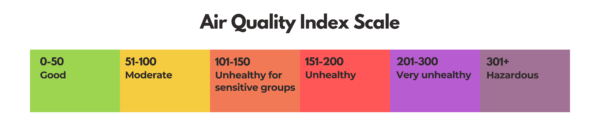
In recent months, Jakarta, has been choking in air pollution. Since May, Indonesia’s capital has regularly been ranked in the global top 10 of polluted cities – on Monday morning (9/25), it was ranked second worst in the world after registering an Air Quality Index (AQI) score of 153.  

But Jakarta isn’t the only Indonesian city grappling with air pollution. Palembang, Indralaya, Depok, Tangerang, and Medan have all gone into the red on the AQI recently, with readings above 160. For city dwellers, this has potentially life-threatening consequences – air pollution causes diseases like bronchitis, chronic obstructive pulmonary disease, asthma, pneumonia, and cancer. 

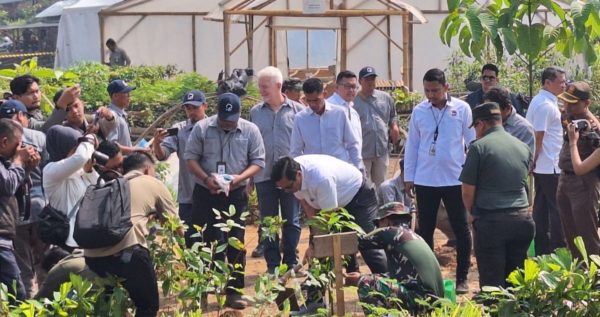
Faced by a health crisis and an environmental disaster, Indonesia is working to find solutions. During a recent visit to Trees4Trees’ Ciminyak nursery, government minister Luhut Binsar Pandjaitan made his commitment clear. “We need collective efforts to fight air pollution,” said the minister. “Planting trees is one of the effective solutions to sequester carbon emissions, combat air pollution, and mitigate global warming,” he added.  

Planting trees to combat jakarta pollution
(above) Minister Luhut Binsar Pandjaitan inspected trees at Ciminyak Nursery during the visit to the Citarum River Revitalization Project.
Planting Trees to Combat Jakarta Air Pollution
(Above) The air pollution index helps visualize and communicate the dangers of air pollution to the public

Read also: Regreening Concrete Jungle Through Urban Forest

Causes of air pollution 

There are three major causes of air pollution in Jakarta, all of which can be connected to human activities: transportation, industrial areas and plantations, and power plants burning fossil fuels.

Planting Trees to Combat Jakarta Pollution
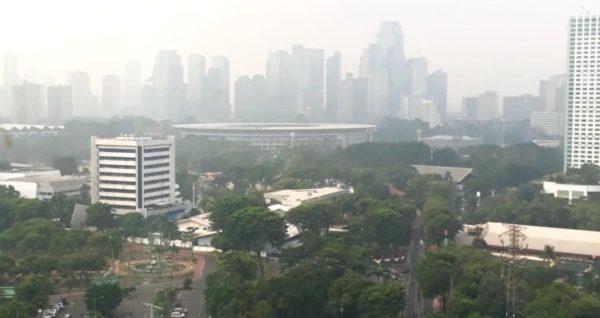
(Above) Jakarta air pollution in the morning. Photo: Trees4Trees/V. Arnila Wulandani

Impacts on human health  

According to the monitoring app IQAir, Jakarta currently has a Particulate Matter (PM) 2.5 pollutant concentration 13.5 times higher than the WHO’s guideline value.  

PM 2.5 refers to particles found in the air, including dust, soot, dirt, smoke, and liquid droplets that measure 2.5 microns or less in diameter. This high concentration of air pollution impacts health in a number of ways. 

Planting Trees to Combat Jakarta Pollution
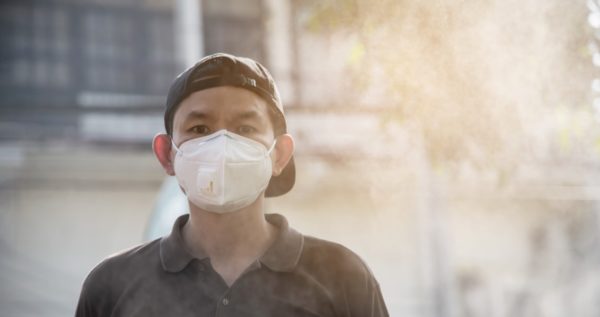
(Above) City dwellers take protective measures. Source: Freepik/jcomp

Staying safe in the smog: Our top five tips  

If you live in a big city, or even if you’re just visiting, it’s important to protect yourself from air pollution. Here’s our top five tips for reducing the harmful impacts of air pollution on human health: 

  1. Wear a mask. An N95 mask can reduce – but not completely eradicate – the pollutants inhaled into the body when traveling in heavily congested areas with poor air quality. 
  2. Use an air purifier. Installing an air purifier in your home can help filter out harmful particles from the air. 
  3. Regularly check air pollution forecasts. This can help you plan your outdoor activities more wisely.
  4. Avoid outdoor exercise during pollution spikes. Poor air quality can make exercise unsafe. When smog levels rise, it’s best to keep the workout indoors.
  5. Close windows and doors. When the AQI goes above 150, keep your doors and windows closed.  
Planting trees to combat jakarta air pollution
(Above) Trees reduce pollution and improve air quality

Air pollution solutions: Getting to the root of the problem 

All the above measures can do is help us live with the symptoms. To figure out how to reduce air pollution, we must think bigger. Human activities are the cause of air pollution, but they can also be the remedy. Here are five ways to clean our atmosphere, for the good of the planet: 

  1. Leave the car at home: Use public transport, or – even better – try cycling or walking to work;
  2. Reduce idling: If you do commute by car, turn off your engine in those city traffic jams;
  3. Vehicle maintenance: Regularly maintain your vehicle, keep tires properly inflated, and ensure your car complies with emissions standards; 
  4. Responsible waste disposal: Compost leaves and yard waste; avoid burning garbage; and 
  5. Clean energy: Think about using gas instead of a wood stove. 

There is another way to combat air pollution; a strategy that can mitigate dangers to human health, while also contributing to a cleaner, greener environment. And that solution is simple: Planting trees.  

Read also: Trees That Absorb The Most Carbon Dioxide 

Trees suck harmful greenhouse gases from the atmosphere and sequester carbon in their roots and branches. They also produce life-giving oxygen, which helps clean our atmosphere and make the air safe to breathe. Recent studies have even discovered that cities with urban forests are noticeably cooler than those without1. 

 Trees4Trees is taking action to cool and clean our cities, for the benefit of people and planet. And you can join us in these effortsdonating trees is good for the environment, good for human health, and good news for local farmers! It’s a win-win situation.  

Writer: V. Arnila Wulandani. Editor: Christopher Alexander

Kalirejo Art and Cultural Festival: Giving Thanks to Nature

Parade Festival Budaya Kalirejo_Trees4Trees
Kalirejo Art and Cultural Festival Parade. Photo: Trees4Trees/Yulianisa Dessenita

The fertile, volcanic soils of Central Java provide food and livelihoods for the many people who live off the land. In return, these communities give their thanks to nature with offerings and elaborate celebrations. One of these festivals was held recently in a Trees4Trees operation area – Kalirejo Village in Kebumen.  

From August 9–11, the Kalirejo Art and Cultural Festival combined cultural traditions with religious ceremonies, in a show that proudly affirmed the community’s identity. The celebrations included performances of traditional dance, a cultural parade, games, and a shared feast.  

Trees4Trees join the celebrations at Kalirejo Art and Cultural Festival
(Above) Trees4Trees join the celebrations at Kalirejo Art and Cultural Festival

Connection to land and ancestors 

The event showcased a series of performances, including the cepetan and ebeg. Passed down through the generations, these traditional dances have a mystic quality, and connect the dancers to the spirits of their ancestors. 

The festival also featured a performance of the wayang kulit (a traditional Javanese shadow puppet show) as part of the ruwat bumi – a traditional ceremony that aims to secure the peace, security, and prosperity of the village.  

Cepetan dance performed at Kalirejo Art and Cultural Festival_Trees4Trees
(Above) Cepetan dancers wear devil masks to scare evil spirits away from the village. (Below) The ebeg dance features horse-like effigies made from woven bamboo. It symbolizes the bravery of soldiers going to war.

Ebeg dance performed at Kalirejo Art and Cultural Festival_Trees4Trees

Keeping tradition alive  

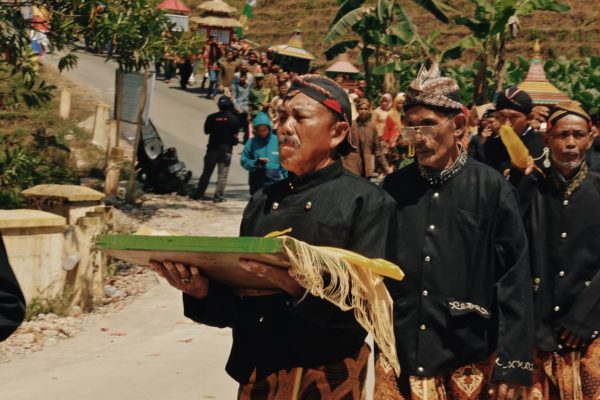
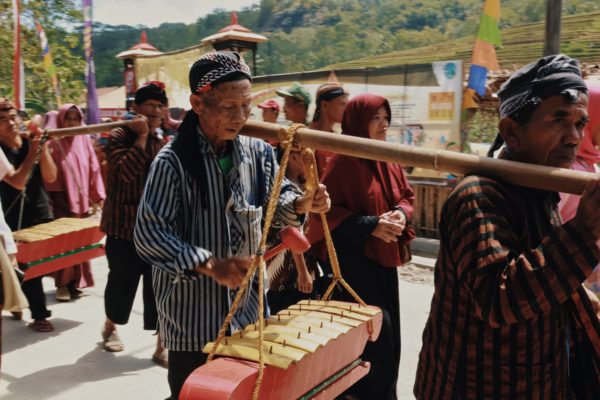
The celebrations came to a climax with a colorful parade, in which the whole community came together to watch or take part. Villagers proudly carried their produce from the fields, which included corn, rice, fruits, vegetables, and tubers. Accompanying the parade were dancers and musicians, who helped create a carnival atmosphere. 

 Villagers carry their produce during the parade
(Above) Villagers carry their produce during the parade.  (Below) A convoy of musicians and dancers help create a carnival atmosphere.

 (Below) A convoy of musicians and dancers help create a carnival atmosphere

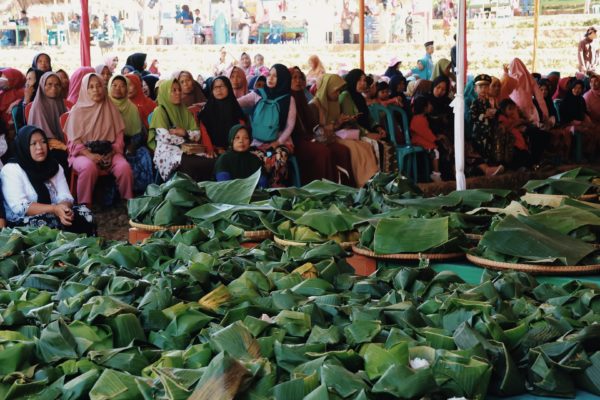
Next came the kenduri giling pitu feast, which involves villagers placing rice and vegetables wrapped in banana leaves onto woven trays. After offering prayers and giving thanks for the bountiful harvest, the food is distributed to all in attendance at the festival.  

According to Ella, a local Trees4Trees Field Coordinator who was born and raised in Kebumen, “the prayers and the distribution of food symbolize the villagers’ gratitude to both God and nature.” 

The kenduri giling pitu feast at Kalirejo Art and Cultural Festival

The traditions of art, music, dance, and traditional ceremonies highlighted by the Kalirejo Art and Cultural Festival dates back centuries. However, some of the village elders are concerned that, unless the younger generation keep them alive, these pastimes may soon fade away. 

“The festival is a way to preserve our ancestral culture, ensuring it stands the passage of time,” says Maratun Chasanah, a Trees4Trees Field Coordinator and a local youth from Kebumen. “This way, the young generation can gain a deeper understanding of their own traditions and arts,” she added. 

A cup of Java: Growing the local economy 

Cultural preservation was not the only aim of the festival. The community also set up a bazaar where villagers could sell their products, which included traditional foods made from crops like cassava and corn, handmade crafts from woven bamboo, fresh fruit and vegetables, and the village’s new up-and-coming commodity: Coffee.  

Together with Tree Ltd, Trees4Trees has been helping local communities in Kalirejo plant coffee trees since 2019. And these activities are already delivering positive results. 

“We harvested approximately one ton of coffee from the trees provided by Trees4Trees and Tree Ltd,” says Sarman, the Head of Kalirejo Village. “This valuable commodity has significantly supported our community, and we eagerly anticipate the continuation of this collaboration,” he added.  

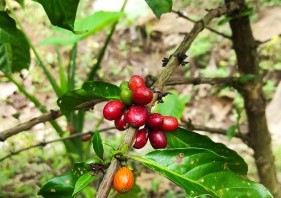
Ripe coffee cherries add color to the fields in Kalirejo
(Above) Ripe coffee cherries add color to the fields in Kalirejo

Read also:

Rasito, Optimizing His Land with Coffee Trees

The Story of Wasis, How a Tree Grower is Making a Difference in Water Conservation 

Planting the seeds of new traditions 

During the festival, Trees4Trees distributed seedlings and organic fertilizer, to support reforestation and promote the adoption of organic farming in Kalirejo. A total of 1,000 trees were distributed to festival attendees,. including suren, duku, gayam, clove, and coffee. 

“Suren leaves can be used as biopesticides, coffee offers a stable income from its berries, and Gayam trees assist in soil and water conservation,” explains Rizky Pradhitya, Trees4Trees’ Unit Manager in Kebumen. 

“We believe that by providing these seedlings we can showcase the trees’ potential to the community – our aim is to help them improve their environment and promote organic agriculture, while also boosting productivity, so everybody wins.”  

Two of the 1,000 seedlings distributed to Kalirejo by Trees4Trees and Trees Ltd

Writer: V. Arnila Wulandani. Editor: Christopher Alexander