Women Strengthening Economic and Environmental Preservation in Pati

Women Strengthening Economic

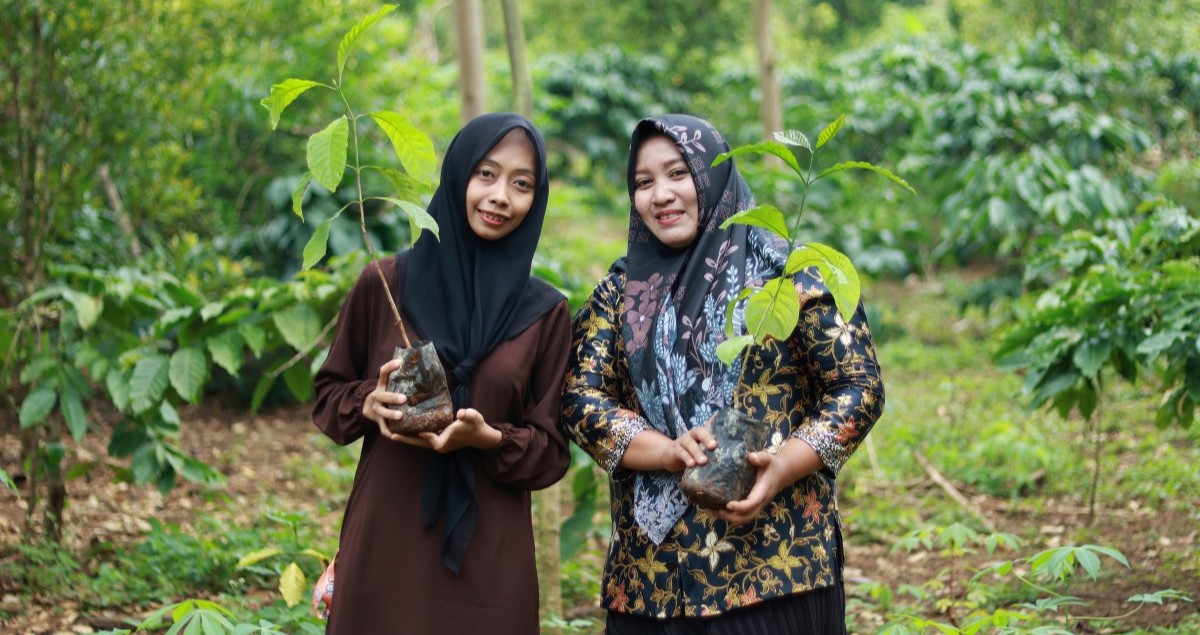
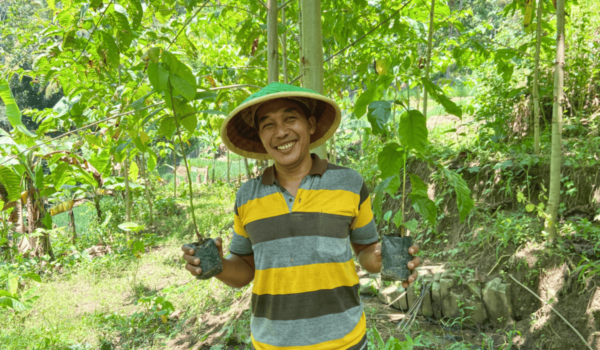
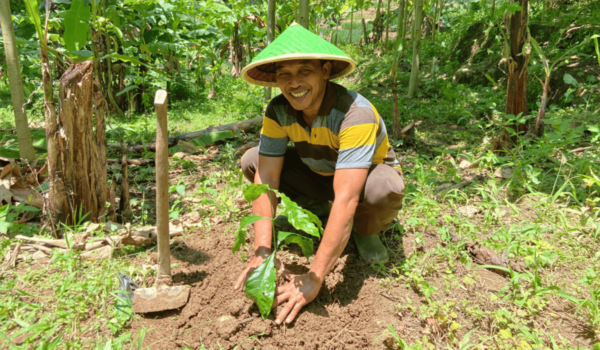
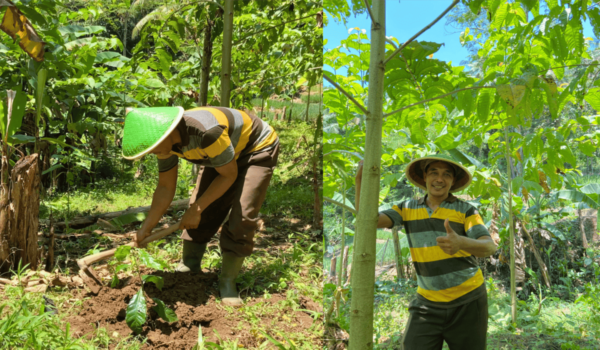
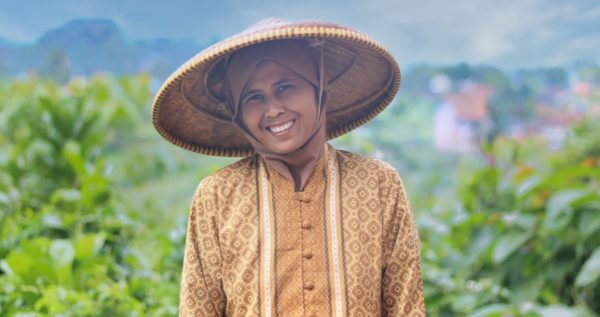
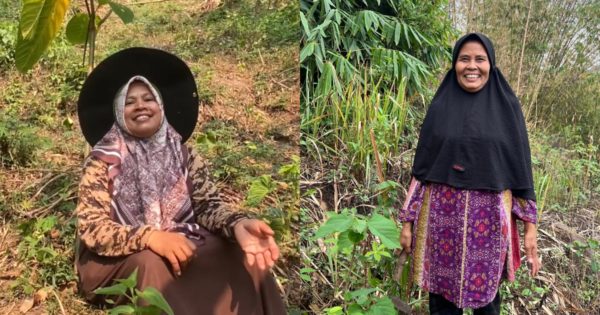
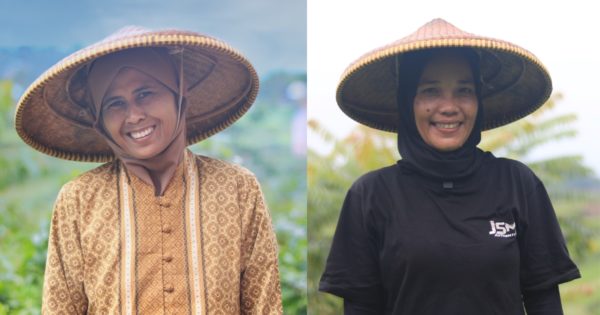
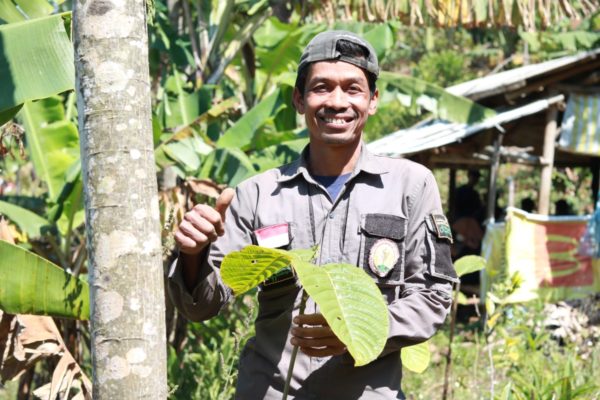
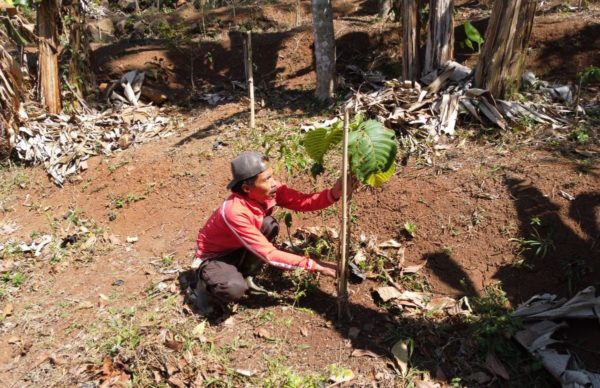
Women Strengthening EconomicMedani Village in Pati Regency, Central Java, is home to communities whose livelihoods depend heavily on the land. Coffee, cloves, rice, and cassava are among their main commodities and key sources of income. With agriculture playing a central role in daily life, women’s participation in farming is remarkably high. Many are involved in every stage of cultivation.

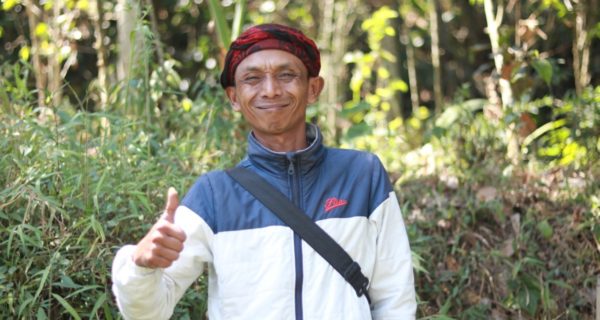
“Most housewives usually help our husbands manage the farmland, so we can contribute to improving our family’s income,” said Susanti, one of Medani Village’s women farmers and a Trees4Trees farmer partner.

Together with their husbands, these women work hard to build decent livelihoods through farming while keeping alive the agricultural traditions passed down through generations in their community.

Women’s Participation in Farming

Umi, another woman farmer in Medani Village who is also a Trees4Trees farmer partner and community facilitator, began farming in childhood. Her father was the one who first taught her how to cultivate the land.

“I once moved to another city to work while studying. But when I realized the income I earned there was barely enough, I decided to return home after getting married and focus on farming with my husband,” she shared. Today, Umi and her husband are able to provide a life for their family through coffee cultivation. She is also supported by a community of fellow women farmers.

“In Medani Village, it’s not only the men who farm, the women do too. Many of our husbands also work as stonemasons or laborers to keep the household income stable, so as women, we naturally step up to take care of the farming ourselves,” she added.

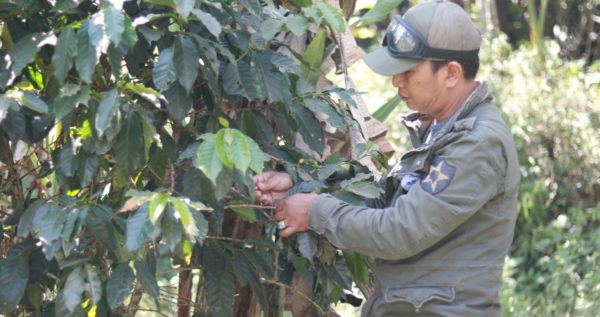
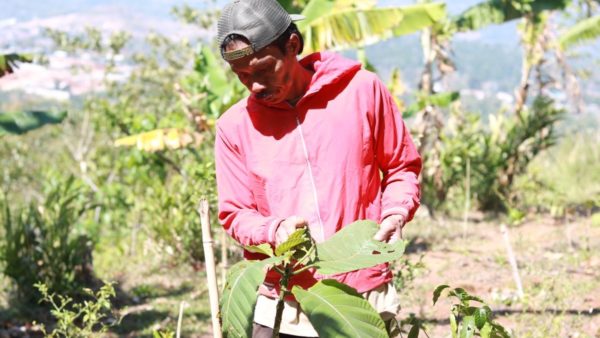
Susanti shares a similar story. Coming from a farming family, she focused on agriculture after marriage. “Usually, I handle the watering, fertilizing or harvesting, while my husband takes on the heavier work,” she said. When her husband has other work, she manages the land entirely on her own.

Women’s strong role in farming is also reflected in the Trees4Trees program. “In the area I manage, 70% of Trees4Trees farmer partners are women, so women’s participation in farming in this area is truly high,” Umi revealed.

Strengthening Local Income and Restoring Environment

Women’s participation not only supports family finances but also strengthens Medani Village’s local economy. As the area is well-known for producing coffee and cloves, their presence helps sustain and enhance this production.

“Our main commodity is robusta coffee with extraordinary bean quality. We only pick the red ones to keep the quality and competitive price,” said Umi. Cloves are another important source of income. “The price of cloves is also competitive, that’s why, besides coffee, I also rely on cloves,” Susanti said.

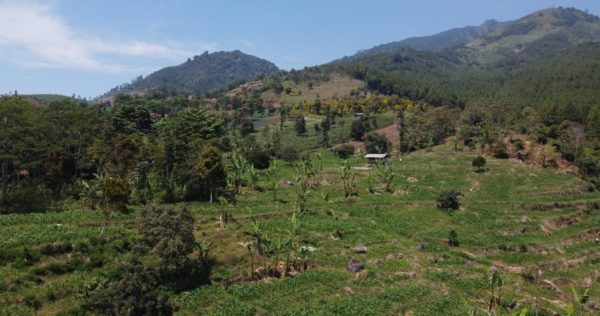
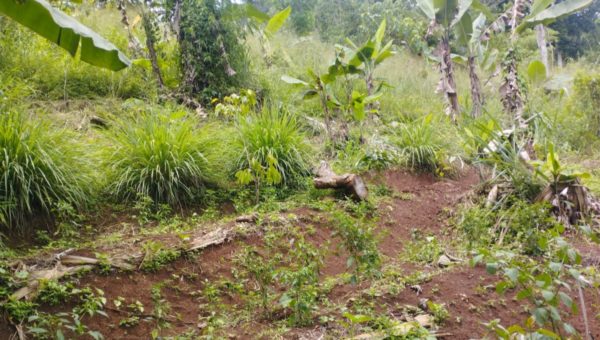
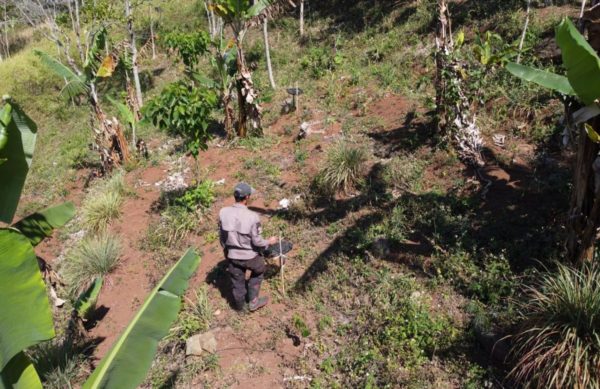
Despite these promising results, farming practices in Medani Village face serious challenges. The village lies across rocky hills and steep slopes, making the land increasingly fragile and prone to erosion and landslides. “The worst landslides usually happen during heavy rainfall. Sometimes the roads are completely blocked, making it difficult for us to reach our farmland,” Umi explained.

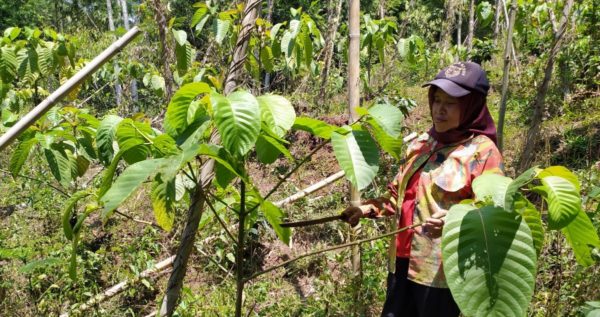
For Umi and other women, planting trees is a key solution, making the women farmers’ role has become increasingly important in environmental restoration. “This is why we plant trees alongside our crops. We need more trees on the slopes, especially where tree cover is limited, to help reduce the risk of landslides,” she added.

Tree Planting Support

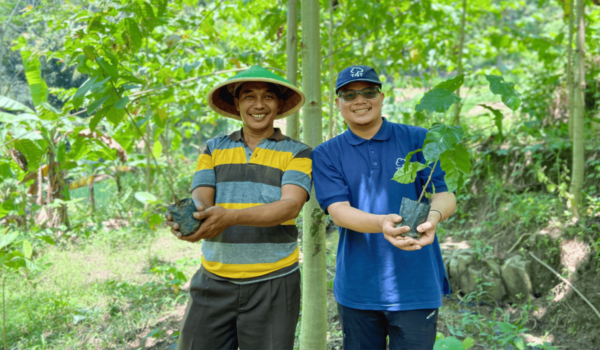
To support local communities in Pati Regency, including Medani Village, Piyama, a clothing brand, together with Trees4Trees, has planted over 30,000 trees. Besides supporting local livelihoods and empowering women, this initiative also aims to restore the environment by increasing tree cover to reduce severe erosion and destructive landslides.

“One of the reasons, this is caused by agricultural land management practices by local communities that do not adequately apply conservation techniques, like applying terracing,” Khoirum Minan, Trees4Trees Project Manager said. He added, this makes tree planting especially urgent in these sloped areas.

“Trees we received really support and helped our family’s economy as well as for our surrounding environment. Thank you for the free seedlings provided, especially for farmers in Medani Village,” Ummi said.

Beyond Pati Regency, Piyama and Trees4Trees have also carried out tree-planting initiatives in Boyolali and Kebumen – Central Java, focusing on combating drought and water scarcity. In total over 80,000 trees have been planted by involving more than 880 local farmers which not only restores the environment but also but also supports communities and empowers women in farming.

Writer: V. Arnila Wulandani. Photos: Y. Dessenita

Rooted in Resilience: Women Farmers in Bali

Rooted in Resilience

Rooted in Resilience: Women Farmers in Bali

Located within two of critical Bali’s watersheds, Sangianggede and Tukad Melaya, Tuwed Village in Melaya District, Jembrana Regency is strong for its agricultural tradition closely tied to local culture. Many residents rely on farming for their livelihoods, cultivating trees and crops, such as paddy, coconut, cacao, and various vegetables.  

However, like many parts of Bali, this area is increasingly facing pressure from rapid human-driven development, transforming much land into residential and commercial areas, creating challenges for farming communities. Amid these changes, some villagers remain committed to preserving their agricultural traditions. Among them are Nurhayati and Sahliah, two women farmers who continue to cultivate the land while contributing to their families and communities. 

Breaking Village Tradition: Women as Farmers 

In Tuwed Village, farming is seen as men’s work as it requires much physical labor. Most women in the village are housewives, while some earn income by collecting coconut leaves. Only a few women choose to work directly in agriculture.  

Sahliah and Nurhayati are among the women who have broken this tradition by dedicating themselves to farming.  

“It’s rare to find women in Tuwed who farm as their main routine. Usually, women only help during harvest time,” said Nurhayati, one of the village’s woman farmers.  

Now in her forties, Nurhayati has been familiar with farming since her early marriage. “My husband is a farmer, so I have worked alongside him in the field since we got married,” she explained.   

Planting Trees
Nurhayati with tree seedlings she has already received from Trees4Trees and Faithfull tree planting program.

Together with her husband, Nurhayati manages a rice field and several plots of land where they grow corn, bananas, and vegetables. “After years of farming, I have seen how it can support my family’s needs,” she said. In 2024, they joined the Trees4Trees program receiving albizia, avocado, and cacao trees. “I hope these trees will become our savings for the future,” added Nurhayati.  

Another woman farmer, Sahliah, described farming as her side job, while her husband works as a full-time farmer managing rice fields and land planted with coconut trees and crops. Even so, Sahliah actively ensures their crops and coconut trees grow well and thrive. 

Like Nurhayati, Sahliah also received albizia, avocado, and cacao seedlings from a tree-planting program initiated by Faithfull in partnership with Trees4Trees in 2024.  “These trees are investments for the future. When I get older and am not strong enough to work, I can harvest the fruits along with crops we planted to support our needs,” she said. 

Woman planting trees
Sahliah, in front of her working place where she and other women pack young coconut leaves.

Independent and Self-sufficient Women 

Behind their persistence in farming lies a larger goal: becoming financially independence women who can contribute to their family.  

In addition to farming, Sahliah started a small business five years ago related to trees she grows: collecting young coconut leaves. The demand for young coconut leaves in Bali remains high because they are widely used in traditional ceremonies and rituals. The leaves are crafted into penjor, tall decorative bamboo poles adorned with young coconut leaves (janur), and banten, traditional Balinese Hindu offerings. 

“This business employs around 15 women who work with me to collect young coconut leaves, pack them, and send them to crafters in Denpasar,” Sahliah said. She emphasized that maintaining healthy coconut trees she has grown and continuing farming are essential to sustaining her business, as the quality of the leaves depends on the health of the trees and the ecosystem.  

“Through this business, I want more women in this village to work and earn their own income, instead of depending on their husband entirely to support their family needs,” she added. Sahliah believes that productive women can strengthen household financial stability. 

Nurhayati also pursues her own source of income. Besides farming with her husband, she runs a small snack stall in front of her house. The income she earns from selling harvests helps her add capital to her stall and create additional opportunities to support her family. “It is always satisfying to earn my own income without depending on my husband,” she said.  

Rooted in Resilience: Women Farmers in Bali
A woman from Tuwed Village packs young coconut leaves before delivering them to a crafter to be used for ceremonial and ritual decorations.

Farming for the Future 

For both Nurhayati and Sahliah, their commitment to farming and planting trees goes far beyond generating income. Their village has experienced environmental challenges, including drought during the dry season and flooding during the rainy season. For them, planting trees is also a way to help restore their village’s surrounding environment. 

“I love seeing the area around my land becoming greener. It feels cooler and makes me feel safer with more trees around,” Sahliah said. 

Through the tree-planting program initiated by Faithfull in collaboration with Trees4Trees this season, the trees planted are expected to bring long-term benefits, not only restoring the environment but also strengthening the livelihoods of local communities, especially empowering women like Sahliah and Nurhayati. 

Writer: V. Arnila Wulandani. Photos: Y. Dessenita
Mekarjaya Village’s Farmers: Planting Forest, Sustaining Life

Mekarjaya Village’s

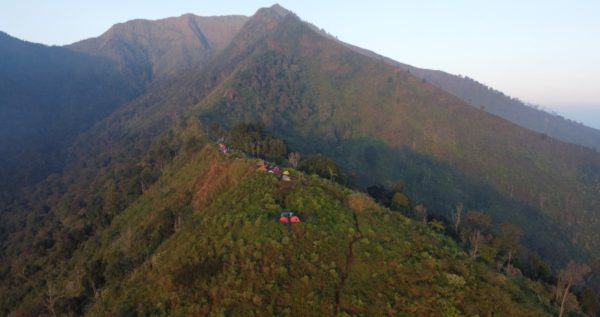
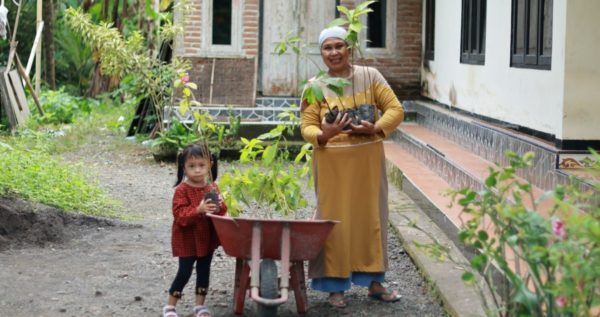
Nestled in the foothills of the Malabar Mountains in Bandung Regency – West Java, Mekarjaya Village lies surrounded by state forests and the towering 1,690-meter Sangar Mountain, which has drawn more visitors each year. This popularity has opened new opportunities of income for local communities through community-managed tourism. 

Yet, the beauty of the forest that visitors admire today exists thanks to the tireless dedication of local forest farmers who have spent years planting and nurturing trees to keep their land alive. Without their efforts, Mekarjaya’s forest could have suffered the same fate as many other parts of the Malabar range – degraded by land conversion and extensive logging. 

Sangar Mountain is located in the Mekarjaya Village in Bandung Regency, West Java.

Starting Greening Action Through Self-Reliance 

Asep, one of the village’s farmers, remembered how his journey began when he moved to Mekarjaya in 2018 and quickly joined the community’s reforestation mission. “I already had extensive experience in cultivating and planting trees since 2010,” he recalled. “Together with several local communities, we collected gmelina seeds from the streets to produce our own seedlings. Later, we grew thousands of trees and planted barren land around us.” 

With his experience, Asep became a strong supporter of Mekarjaya forest greening efforts. “Back then, we relied only on ourselves. We planted sandalwood, gmelina, eucalyptus – whatever we could – to protect the land we live, because much of the neighborhood forests were already gone,” he said. 

Mekarjaya Village’s
Asep, a forest farmer from Mekarjaya Village, began his green journey by cultivating seedlings on his own and taking the initiative to replant barren land.

Managing Forest Through Social Forestry 

Alex, another forest farmer and leader of Mekarjaya Village’s social forestry group, shared how the community has taken collective responsibility to preserve the forest. Today, more than 100 villagers work together to manage around 140 hectares of state forest in their village.  

“We began looking after the forest in 2008, when the government first opened the opportunity for communities to manage it. But it was only in 2017 that we officially gained the right through the social forestry scheme,” Alex explained.  

Through this scheme, they hold a 35-year permit to manage the state forest – restoring and maintaining the land while being allowed to grow crops and fruit trees, but without cutting down forest trees. “Our responsibility is clear: restore and protect the forest by planting trees and keeping it healthy and lush,” Alex said. 

Since 2017, the villagers have held annual tree-planting activities as part of their commitment to forest preservation. “At first, we used our own seedlings,” Alex continued. “But over time, many nature lovers and hikers began donating trees. Their support has allowed us to continue planting new trees year after year.” 

Mekarjaya Village’s
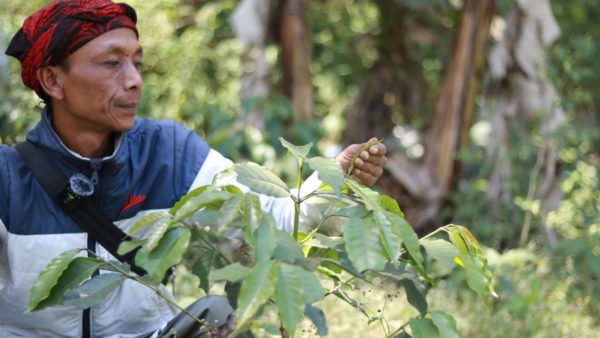
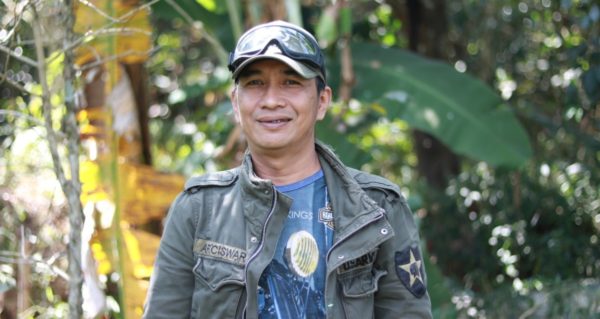
(Above) Alex, a social forestry community leader and forest farmer from Mekarjaya Village. (Below) Asep tending to his coffee trees.

Non-timber Harvesting and Preserving Native Tree Species 

The Mekarjaya forest is rich in native West Javan tree species. “We have puspa, rasamala, saninten, ki semut, and many other tree species,” Alex said. To protect ecological health, the farmers prioritize hardwood and native trees, while for economic benefits, they grow multipurpose and fruit species.  

“We mainly plant coffee to gain economic benefit, as it has high demand and this land is perfect for it,” Alex explained. “We also grow jackfruit, bitter bean, and avocado to harvest non-timber products.” Similarly, Asep focuses on cultivating non-timber trees such as coffee, sapodilla, and bananas. “I also grow damar pine trees – once they mature, they provide shade, while I can harvest their sap,” he added. 

Another farmer, Sutajaya, has chosen a different path. He focuses on creating an arboretum of native trees to support tourism and education. “As Sangar Mountain attracts more hikers, I established an arboretum where visitors can learn about biodiversity while climbing to the mountain,” he explained. 

Mekarjaya Village’s
Sutajaya is preparing to take care of the trees he planted in the arboretum he established, deep in the forest.
Trees4Trees Support: Planting Trees Empowering Communities 

In 2021, when Trees4Trees and TREEO launched a tree-planting initiative, farmers in Mekarjaya eagerly joined the program. Around 30,000 trees were distributed, accelerating reforestation and creating a healthier and more resilient forest. 

“This program truly helps us, as the trees allow us to restore our forest more quickly and enhance economic benefit for local forest farmers,” Alex said. While for Sutajaya, the program goes beyond economic benefits. “As the trees grow bigger and stronger each day, they provide oxygen and restore balance to the ecosystem. Native species are thriving, creating habitats for wildlife while improving air and water quality. For me, that’s the most important benefit,” he reflected. 

A view of the state forest in Mekarjaya Village from afar, where local farmers have planted trees.

Together, the dedication of local forest farmers and the support from initiatives like Trees4Trees and TREEO are breathing new life into Mekarjaya’s forests. What was once threatened by degradation is now transforming into a thriving ecosystem that not only safeguards biodiversity but also sustains the people who depend on it. “Those trees make our forest more abundant. They hold immense ecological and economic value that sustain our environment and strengthen the lives of our community,” Alex said.

Writer: V. Arnila Wulandani. Photo: Kemas Duga Muis

Samino: Bringing Life Back to His Village Land

In this day and age, where everything moves fast and hyperconnected, people are drawn to validation. Many seek more recognition, more follows, more engagement, or simply acknowledgment in various aspects of life. So, it’s not surprising that a lot of people think value comes from recognition. But that’s not always true, is it?

Realistically, everyone wants to be known in one way or another. It’s easy to be drawn to those who do the bare minimum in front of a camera while overlooking those making a real impact away from the spotlight.

Meanwhile, in Kedungwringin Village, Kebumen, Central Java, far from the noise, rush of the city, even cameras, Samino had been working the land for over 20 years as a farmer. Each morning, he walks the same path to his fields, the earth beneath his feet familiar, the routine unchanged. “For me, farming is a calling and commitment to Mother Nature,” he said with his humble smile.

Becoming a Tree Grower and Facing Challenges of Farming

That day, the sky was clear, unlike usual when rain often poured down. With steady steps, Samino walked 300 meters to his field, just as he did every day. Behind him, the Trees4Trees team followed while observing his farm, taking notes, and preparing to document his story.

Samino, 45, is a father of three children who are still in school. In addition to farming, he also runs a carpentry business at home, making door frames to supplement his income. Although he only completed elementary school, his passion for farming and learning new things has never faded.

His strong spirit and dedication earned him with title of Best Farmer in Kebumen in 2023—an impressive achievement considering he had only joined as a partner farmer earlier that year. It was a clear sign that his care for the land and the trees wasn’t just for show. Still, farming in his village comes with its fair share of challenges.

Samino has planted 230 tree seedlings with Trees4Trees — and he’s not stopping there. He’s ready to plant even more in the future.

The dry season often brings drought, and pest attacks can wipe out an entire harvest. But giving up isn’t in his nature. Alongside his fellow members in the Kapokan Kedungwringin farmer group, he keeps pushing forward, taking part in efforts like making organic fertilizer to enrich the soil and lessen their reliance on chemical solutions.

Samino proudly stands beside the Jabon tree he planted in 2023 with Trees4Trees. His biggest goal is to help restore the barren and neglected land in his village.

“Being a farmer is enjoyable; there’s a unique satisfaction in using the harvest we grow ourselves,” Samino shared with a warm, contented grin. 

Planting Trees: Reviving the Dry Land in His Village 

Samino has a big vision for his village. He doesn’t want to see empty land go to waste or the village turn barren. Because of this deep concern, he volunteered to become a field facilitator for Trees4Trees—helping spread the word about the program to other farmers and acting as a bridge between them and the field coordinator. As a tree grower, he’s received 230 seedlings, most of them jabon (Anthocepalus cadamba). That choice was intentional—he believes jabon will make his land more productive in the long run. 

Through the program, Samino also joined a training on making livestock feed to be used as a feed bank. It’s proven to be very useful, especially since he raises livestock himself. For him, farming is more than work—it’s something that speaks to his soul. He once tried his luck in Jakarta as a furniture worker, but city life, with all its noise and pollution, never felt like home. 

“I spent some time working in Jakarta, but my heart has always belonged to the village—with its clean air and the abundance of nature,” he said. 

When he returned home, he was shocked to see so much barren land. “What really struck me when I came back was how dry and empty the land had become. That’s when I felt the urge to do something about it,” he added. 

Planting with Purpose, Living with Heart 

When the Trees4Trees team came to visit, Samino proudly showed them the trees he had planted. He hopes that one day, these trees will not only improve his livelihood but also bring lasting benefits to his children and grandchildren. He often reminds others of the importance of caring for the trees properly to get the best results. 

Aziz Arifandi, the Field Coordinator for Kedungwringin Village, described him as a cooperative and passionate tree grower. “At first, he was shy and quiet, but once you get to know him, he’s actually really easy to talk to,” Aziz said. “He’s a peaceful, calm person—someone other farmers feel comfortable around when having discussions.” 

Samino with Aziz (right), Trees4Trees’ field coordinator. He was delighted by the team’s visit to monitor the trees that day.

According to Aziz, drought and pests remain the biggest challenges for farmers in the village. He hopes the tree growers will become more enthusiastic and communicative in facing these issues so the village can grow greener. Among them all, Samino stands out—he’s always the most excited whenever the Trees4Trees team visits. 

But there’s more to Samino than just his dedication to planting trees, when he’s tired from working in the fields, Samino has a simple way of unwinding—fishing and playing his guitar. The soft strum of the strings brings him a sense of peace. Through his dedication to farming and reforesting the land, Samino proves that when you work with heart and determination, it’s possible to create meaningful change for the environment and for the next generation. 

Writer: Teresia K. Miranti. Interview and compiled source: Aziz Arifandi. Photos: Henning Ilmi W 


Supporting Women Farmers Through Reforestation in the Citarum Watershed

Supporting Women Farmers

Most people living upstream of the Citarum watershed, which spans West Bandung Regency in West Java, make their living from farming. For Sundanese – the main ethnic group in West Java – this is more than just a source of income. It is a tradition passed down through generations. Many of the farming community here are women, most of whom have been working the land from an early age. 

Over 5,000 woman farmers have participated in tree-planting activities since Trees4Trees first began its Citarum watershed reforestation efforts in 2021 (around a quarter of the total turnout). With funding support from AstraZeneca and One Tree Planted, these women have been able to preserve family traditions and improve their economic independence; their participation also highlights the key role women must play in restoring the environment and strengthening communities.  

Read also: The Story of Euis Maryati: Widowed and Planting Trees to Support Her Family

Family, Farming and Tradition: Continuing the Legacy in West Java  

“I’ve never left my village and have worked the soil with my family since I was a teenager,” explains Aisha (60), from Ancolmekar Village. She is one of many local women who have dedicated their lives to farming.  

Aisha joined Trees4Trees as a grower in 2021 and quickly demonstrated her exceptional skills. In 2022, she was recognized as one of the best farmers in the area. “My farming skills have improved over time,” she explains, “because farming has been my habit for decades, sharpening my ability to nurture every plant I grow.” 

Iis Hasanah (47), from Cijambu Village, spent 11 years working abroad as a household servant in Saudi Arabia before returning home to settle down and continue her family legacy of farming.  “After elementary school, my mother often brought me to the field,” she remembers, “which showed me how to sow seeds and grow trees and crops.” She now splits her time between farming and caring for her son, passing her skills on to the next generation. 

Iis Hasanah and Aisyah
Iis Hasanah (left) and Aisah (right) have determined to work the land and continue their family legacy.

Nurturing Families by Caring for Nature 

For some women, farming offers a connection to their roots. For others, it is a way to provide for their families. Maryati (43) from Kutawaringin Village began farming in her 20s to supplement her family’s income and put her two children through school.   

“In addition to shade trees, I chose to plant fruit and coffee trees due to their competitive prices,” says Maryati. “This way, I can help my husband earn additional income and save more money to secure our family’s economy.”  

Supporting Women Farmers
Maryati prunes the leaves of a burflower-tree, part of her daily commitment to care for trees she has planted.

Kokom, from Mekarjaya Village, has been farming for 10 years. On her plot measuring 700 sqm, she grows cassava and peanuts, along with fruit trees. “I sell fruits like avocado, along with coffee and cloves, to cover my children’s needs,” she says. “Crops like cassava, peanuts, and vegetables are for family consumption, which helps us save money on food.”  

Read also: Reviving Clean Water Access in Lebak Muncang Tourism Village: Elis’ Tree Planting Initiative

Women’s Empowerment: The Key to Environmental Preservation  

The active participation of women in Trees4Trees’ Citarum watershed restoration efforts demonstrate their determination to be productive. Andini Mulyani, a woman farmer from Mekarjaya Village, believes women are equally capable of contributing to their communities as men. “It’s not about competing with men,” she says, “but having equal opportunities and roles. Farming isn’t only for men, women can do it too.” 

Supporting Women Farmers
Kokom (left) and Andini Mulyani (right) believe women farmers are equally capable in contributing to both the community and environment.

Through the Citarum watershed reforestation initiative, women are given equal opportunities in tree-planting, including access to seedlings, training and capacity building, and various other benefits. These resources empower them, not only to contribute to their community and families, but to positively impact the surrounding environment. “We receive free seedlings, the yield is ours, and the training sessions help women farmers like us improve our knowledge,” says Iis. 

Despite living near the watershed, many areas in the Citarum watershed face drought and water scarcity. Aisha believes tree-planting activities enable women to collectively address these environmental challenges.  

“Drought, landslides, and water shortages are common issues here,” she says. “The planting initiative from Trees4Trees gives us the chance to preserve water, prevent disasters, and develop our livelihoods while improving the surrounding environment.” 

By empowering women farmers as tree-growing partners, Trees4Trees’ Citarum watershed reforestation program is restoring degraded lands and building community resilience to the impacts of climate change. Crucially, these positive impacts are rooted in local tradition and the principles of gender equality within sustainable social forestry practices. 

Writer: V. Arnila Wulandani. Editor: Chris Alexander. Photos: Zaki Luqman, Giri Satriyo, Adia Mufidz, Kemas Duga Muis for Trees4Trees 

Eco-Friendly Farming: Cicalengka Farmers Move Beyond Timber Logging

Eco-Friendly Farming

For farmers in Nagrog Village, Cicalengka District, West Java, farming is not just a job that fulfills their daily lives, but a cultural heritage passed down through generations. Most of them inherit family land, which they manage by growing crops and trees. They harvest and sell their yield, providing them with a decent livelihood.  

Traditionally, crops like chili, banana, citronella grass, clove buds, and some vegetables formed their primary harvests. They also cultivated trees like burflower (jabon), gmelina, and albizia (sengon), earning income by logging and selling the timbers. However, in recent years, many of them have recognized the need to adopt more environmentally friendly practices to secure their livelihood for the future. 

Trees
Crops like citronella grass, bananas, and vegetables are typical crops planted in farmers’ lands.

From Harvesting Timber to a New Eco-Friendly Farming Model 

“Logging trees for timber is an outdated way to earn income,” said Faisal, one of Nagrog Village’s farmers. “For us, cutting down the trees and selling the timber is a thing of the past. We’re transitioning to a farming model focused on growing trees without cutting them down. Tree cover is essential for preventing erosion and controlling rainwater runoff in our village,” he explained.  

In recent years, the farmers in Nagrog Village have united to create a greener future. As an initial step, they have shifted their focus to cultivating more trees and crops, prioritizing the sustainable harvest of fruits and leaves over cutting timber.

Eco-Friendly Farming
Faizal took a rest after working on his land in Nagrog Village

Maximizing Cloves and Citronella Grass 

Clove trees and citronella grass are the main crops they cultivate lately. “Clove buds fetch a good price in the market. It’s 80,000 rupiah per kilogram,” shared Agus, another farmer. “Citronella grass grows exceptionally in our village land, with consistent demand and good prices as it’s used for essential oils,” he added. Agus also noted Arabica coffee’s potential, priced between 15,000 and 18,000 rupiah per kilogram, although market fluctuations are a challenge. “So, we need to diversify crops and fruit trees to stabilize our income,” he emphasized.  

On the other hand, Yaya, another farmer, faces different challenges when growing cloves due to his open land exposed with direct sunlight. “The dry season has always been tough, especially last year. Many of my young clove trees didn’t survive the heat. My crops also struggled,” he said. “I’ve used shading nets, but I think more shade trees are needed to reduce the heat and improve their survival rate,” he said. 

Agus is taking care of burflower trees he planted, ensuring they grow healthy.

Tree Growers

Greener Future with Tree Planting Support 

In 2022, new hope arrived for the green initiatives taken by farmers in Nagrog Village. EcoMatcher, in collaboration with Trees4Trees introduced a tree planting program that engaged local farmers as tree grower partners. Among the participants were Faizal, Agus, and Yaya, who benefited from the program.  

“I received over 400 tree seedlings of clove and burflowers trees. This really helped me since I can’t afford them on my own,” said Yaya. He considered cloves to enhance the existing trees he planted, and burflowers to provide shade for his sun-scorched land.  

Eco-Friendly Farming
Yaya is working on his land, where he implemented agroforestry by combining crops and trees.

Faisal highlighted how the program supports farmers in multiple ways, not only providing free seedlings but also advanced farming knowledge. It includes teaching farmers with agroforestry technique to optimize results both income and environmental health.  

“We planted burflower trees to provide shade for our crops. Citronella grasses were planted on sloped lands to prevent erosion, and clove trees were added to our existing stock, offering valuable buds in six years while benefiting the environment. We’re truly grateful for this program,” Faisal said. 

Cultivating Hope for the Future  

With increased tree cover supporting their green initiatives, farmers are now exploring further innovations. “Clove trees offer benefits beyond the buds; their leaves can be used for essential oil production. We’re also looking into enhancing income from citronella grasses by producing essential oils ourselves, because the demand is high, and the market is competitive,” said Faisal. 

However, a lack of production machinery and knowledge remains a challenge for them. Despite this, they remain hopeful about realizing their dream. “With more trees planted, we believe doors open to further improvements in our sustainable farming practices,” added Faisal. 

In line with Faisal, Agus expressed his commitment to working with fellow farmers in his village to implement environmentally friendly farming practices. “I’m no longer interested in logging trees for timber. By preserving trees, we protect the environment and safeguard our village’s water sources for our community’s lasting survival. I think that is the most important thing,” he said. 

Writer: V. Arnila Wulandani. Photo: Kemas Duga Muis