Minister Luhut Binsar Pandjaitan Inspects Trees4Trees’ Citarum Revitalization Project

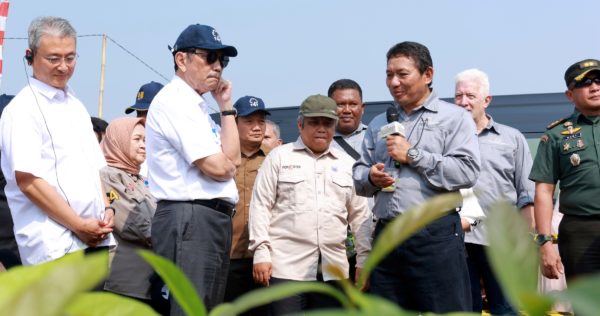
Minister Luhut visited Trees4trees


Minister Luhut visited Trees4trees in Ciminyak Nursery

The Indonesian government is determined to revitalize the Citarum River. Since 2018, they have been working to address environmental challenges and achieve this goal through Citarum Harum, a program which is helping breathe new life into one of Indonesia’s most important waterways. 

In 2021, AstraZeneca teamed up with Trees4Trees and One Tree Planted to support this program and deliver the government’s targets. On August 29, 2023, we welcomed a delegation of honored guests to inspect the progress of our own Citarum River Revitalization Project, which contributes to Citarum Harum. This group included representatives from government ministries, program directors, and the country president of AstraZeneca.   

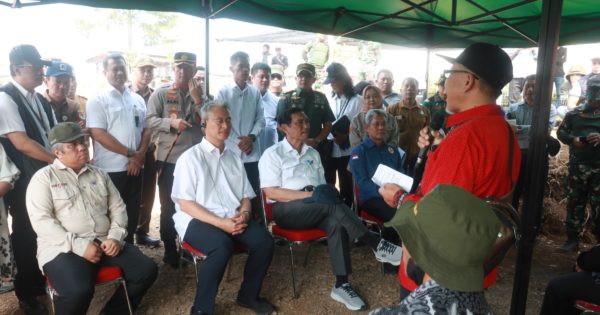
Leading the delegation was Luhut Binsar Pandjaitan, Indonesia’s Coordinating Minister for Maritime and Investment. Together with his team, he inspected Trees4Trees’ Ciminyak Nursery, held discussions with local stakeholders, and checked on seedlings that will help reach a target of 20 million trees planted by the end of 2027. 
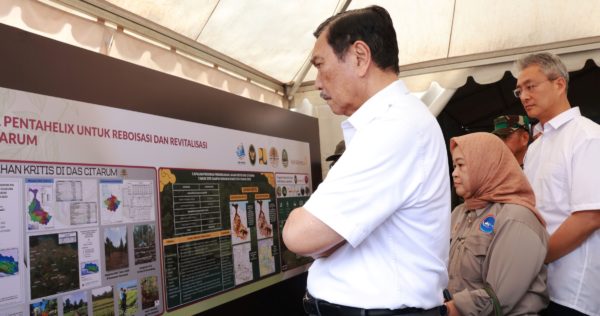
Minister Luhut visited Trees4trees in Ciminyak Nursery
(Above) Luhut Binsar Pandjaitan, Indonesia’s Coordinating Minister for Maritime and Investment

Accelerating Citarum watershed revitalization 

The Citarum watershed is home to around 160,000 hectares of degraded land, two thirds of which is found outside of forest areas. If left untended, degraded lands can become a source of environmental problems like erosion, floods, and droughts. An environmental and humanitarian crisis is already beginning to unfold. Action is needed now to reverse these worrying trends. 

To prevent disaster, these areas should be the focus of revitalization efforts – a point emphasized by Saparis Soeharjanto from the Ministry of Environment, Forestry, and Climate Change (MoEF) during the official visit. As the Director of Watershed Planning, Evaluation, and Control, he committed his support to driving this development forwards.  
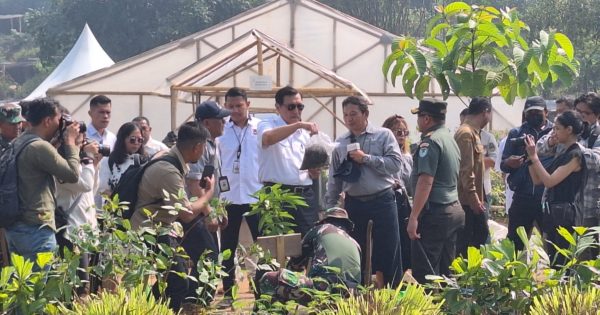
Minister Luhut visited Trees4trees in Ciminyak Nursery
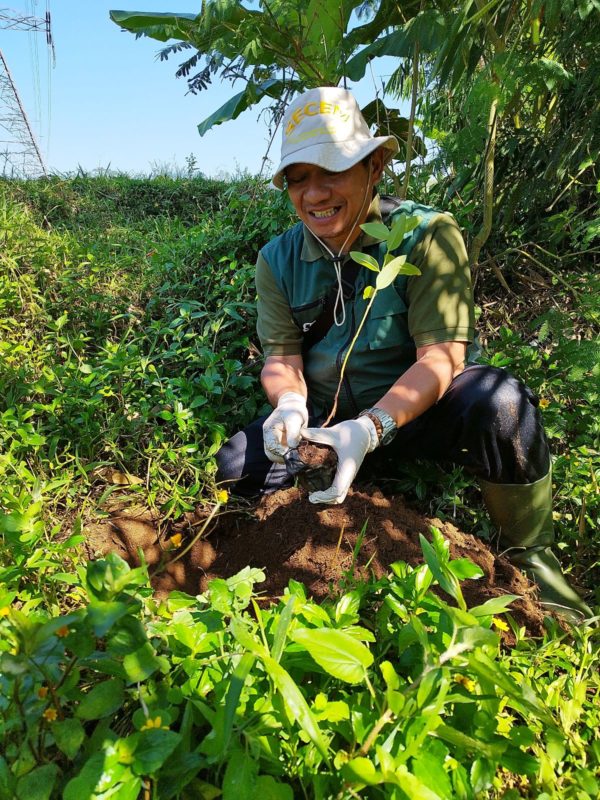
(Above) Minister Luhut and Trees4Trees’ program manager plant ceremonial trees in West Java

Working with farmers to rehabilitate degraded land 

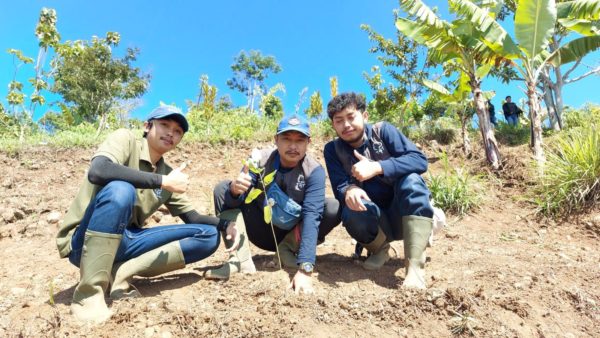
The program, which is funded by AstraZeneca Forest, is helping rehabilitate degraded land within five sub-watersheds of the Citarum: Cisangkuy, Ciwidey, Cirasea, Ciminyak, and Citarik. So far, more than 42,000 local farmers have joined up as tree grower partners.  

According to Se Whan Chon, who is the President of AstraZeneca Indonesia, the program focuses on ecosystem restoration and clean water access within the watershed, as well as creating new livelihoods through agroforestry.  
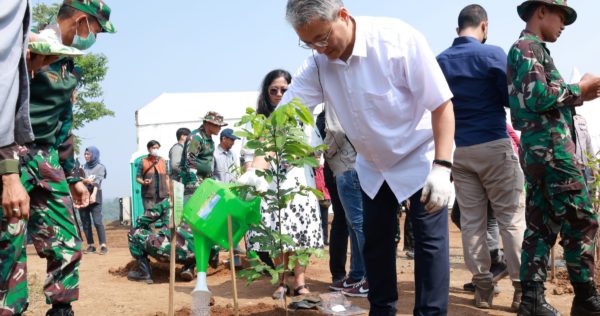
Minister Luhut visited Trees4Trees in Ciminyak Nursery
(Above) Se Whan Chon, Country President of AstraZeneca Indonesia, plants a tree during his official visit

“AstraZeneca wants to be a part of the journey to help Indonesia improve its environment, particularly in the context of the Citarum River Reforestation Project,” explained Se Whan Chon during a discussion with Minister Luhut and other parties during the visit. “Trees4Trees, our local partner, has been working closely with farmers to educate and engage them,” he added. 

Last year, this program successfully planted 4.5 million trees. A total of 20 million are expected to take root by 2027. Trees4Trees’ nurseries have been – and will continue to be – crucial to delivering these targets. “We operate three nurseries with a combined capacity of over 5 million seedlings to support the 2023 tree-planting initiative,” explains Pandu Budi Wahono, Trees4Trees’ Program Manager.  

“This year, we aim to plant 4.5 million more trees to rehabilitate the degraded lands of Citarum,” explains Trees4Trees’ West Java Regional Manager, Tomi Bustomi. “We’ll be working with 21,000 farmers to achieve this goal by early next year,” he added.  
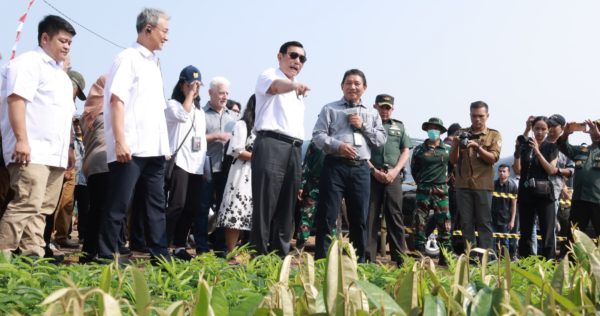
Minister Luhut visited Trees4Trees in Ciminyak Nursery
(Above) Trees4Trees program manager showcases seedlings’ progress during the recent visit by Government Minister Luhut Binsar Pandjaitan.
Minister Luhut visited Trees4Trees in Ciminyak Nursery
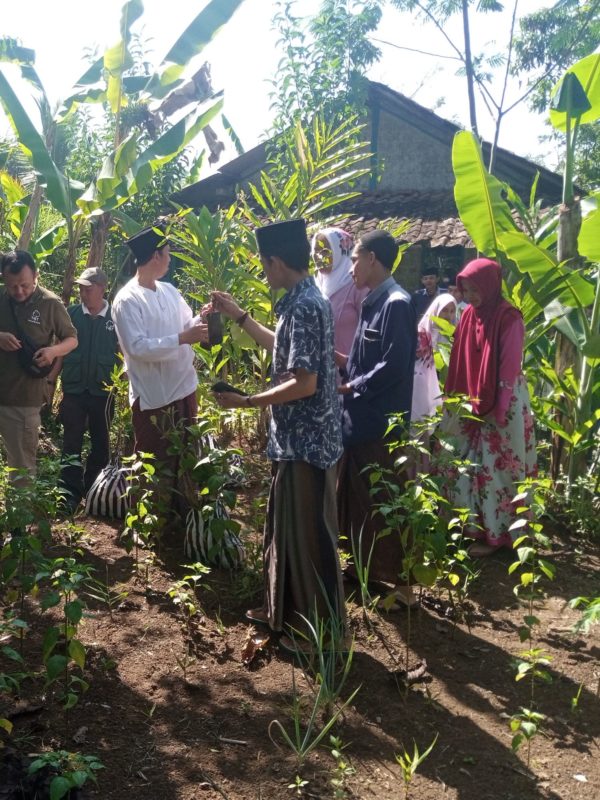
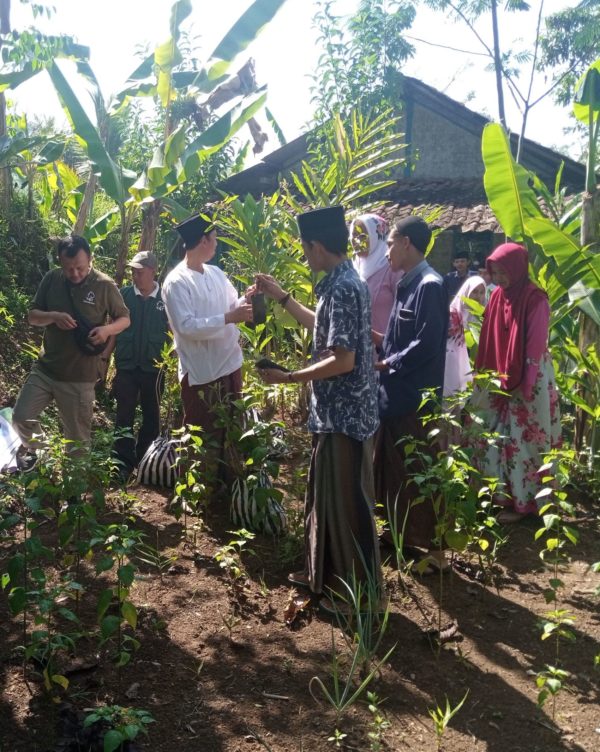
(Below) A local farmer shares his experience with Minister Luhut and offers advice for how to achieve positive impacts

Turning local impacts into global benefits 

During the visit, Minister Luhut pointed out the bigger picture of these replanting operations, describing tree planting as one of the best defenses we have in the fight against global heating. 

“We are witnessing severe pollution, not only in Indonesia but around the world,” said the minister. “Planting trees is an effective solution to sequester carbon emissions and combat pollution,” he added. 

The minister also highlighted the crucial role farmers have to play in this fight, as they are on the frontline of reforestation efforts. “Farmers,” said the minister, “make a significant contribution to emissions reduction through tree planting, and we should take pride in their efforts.” 

Through continuous recruitment, empowerment and planting support, Trees4Trees and our partners will continue to help farmers revitalize the Citarum watershed. By regreening at the local level, we are helping them make a difference on a global scale.  

To learn more about Trees4Trees replanting programs, and to find out how you can get involved, go to trees4trees.org. 

Read more:

A Hub of Biodiversity: Exploring Citarum

Travels in Java: Situ Cisanti and the Source of Citarum River

Kalirejo Art and Cultural Festival: Giving Thanks to Nature

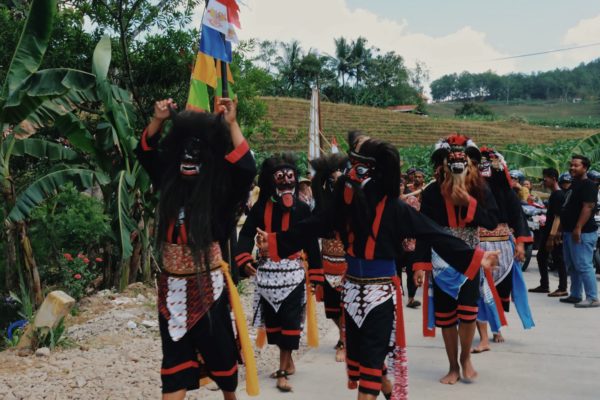
Parade Festival Budaya Kalirejo_Trees4Trees
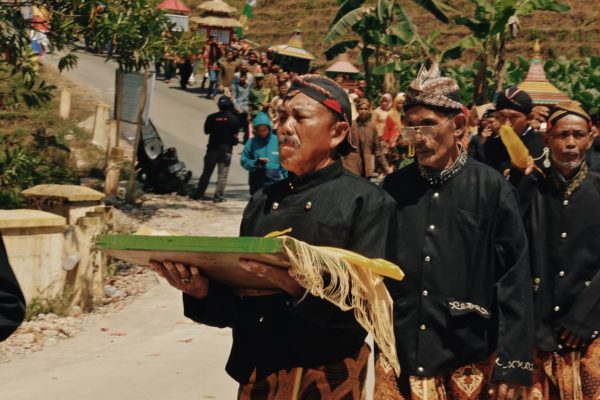
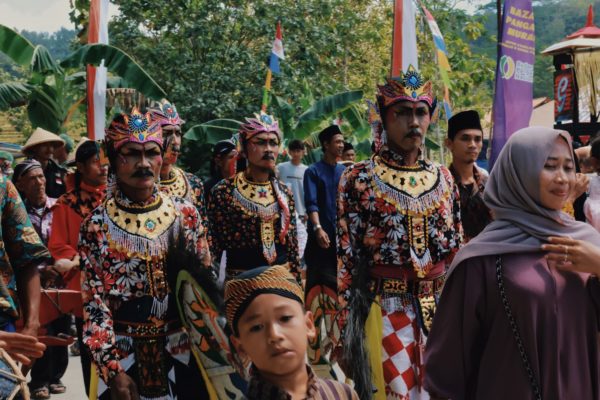
Kalirejo Art and Cultural Festival Parade. Photo: Trees4Trees/Yulianisa Dessenita

The fertile, volcanic soils of Central Java provide food and livelihoods for the many people who live off the land. In return, these communities give their thanks to nature with offerings and elaborate celebrations. One of these festivals was held recently in a Trees4Trees operation area – Kalirejo Village in Kebumen.  

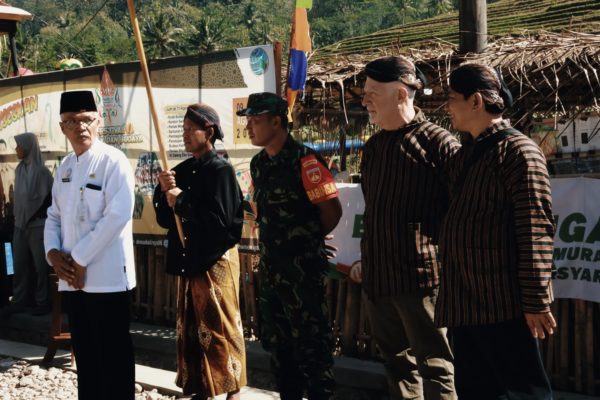
From August 9–11, the Kalirejo Art and Cultural Festival combined cultural traditions with religious ceremonies, in a show that proudly affirmed the community’s identity. The celebrations included performances of traditional dance, a cultural parade, games, and a shared feast.  

Trees4Trees join the celebrations at Kalirejo Art and Cultural Festival
(Above) Trees4Trees join the celebrations at Kalirejo Art and Cultural Festival

Connection to land and ancestors 

The event showcased a series of performances, including the cepetan and ebeg. Passed down through the generations, these traditional dances have a mystic quality, and connect the dancers to the spirits of their ancestors. 

The festival also featured a performance of the wayang kulit (a traditional Javanese shadow puppet show) as part of the ruwat bumi – a traditional ceremony that aims to secure the peace, security, and prosperity of the village.  

Cepetan dance performed at Kalirejo Art and Cultural Festival_Trees4Trees
(Above) Cepetan dancers wear devil masks to scare evil spirits away from the village. (Below) The ebeg dance features horse-like effigies made from woven bamboo. It symbolizes the bravery of soldiers going to war.

Ebeg dance performed at Kalirejo Art and Cultural Festival_Trees4Trees

Keeping tradition alive  

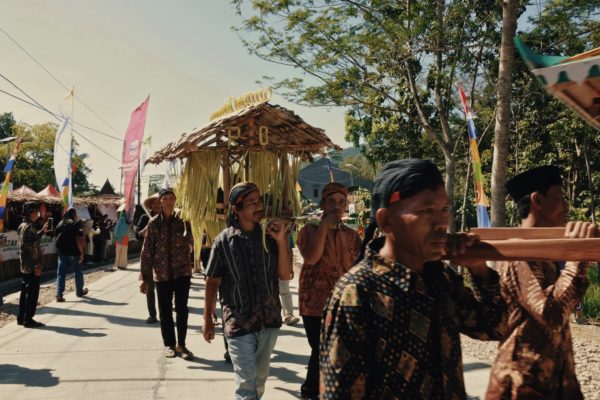
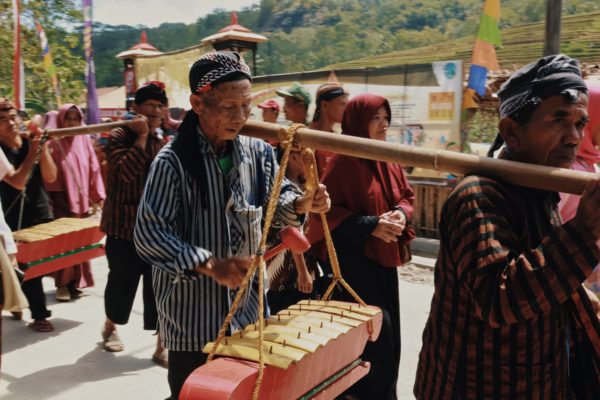
The celebrations came to a climax with a colorful parade, in which the whole community came together to watch or take part. Villagers proudly carried their produce from the fields, which included corn, rice, fruits, vegetables, and tubers. Accompanying the parade were dancers and musicians, who helped create a carnival atmosphere. 

 Villagers carry their produce during the parade
(Above) Villagers carry their produce during the parade.  (Below) A convoy of musicians and dancers help create a carnival atmosphere.

 (Below) A convoy of musicians and dancers help create a carnival atmosphere

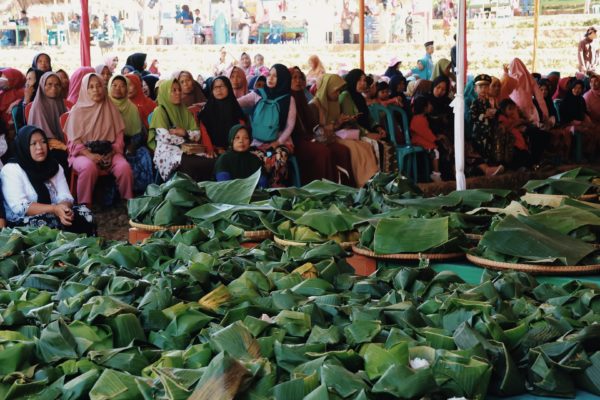
Next came the kenduri giling pitu feast, which involves villagers placing rice and vegetables wrapped in banana leaves onto woven trays. After offering prayers and giving thanks for the bountiful harvest, the food is distributed to all in attendance at the festival.  

According to Ella, a local Trees4Trees Field Coordinator who was born and raised in Kebumen, “the prayers and the distribution of food symbolize the villagers’ gratitude to both God and nature.” 

The kenduri giling pitu feast at Kalirejo Art and Cultural Festival

The traditions of art, music, dance, and traditional ceremonies highlighted by the Kalirejo Art and Cultural Festival dates back centuries. However, some of the village elders are concerned that, unless the younger generation keep them alive, these pastimes may soon fade away. 

“The festival is a way to preserve our ancestral culture, ensuring it stands the passage of time,” says Maratun Chasanah, a Trees4Trees Field Coordinator and a local youth from Kebumen. “This way, the young generation can gain a deeper understanding of their own traditions and arts,” she added. 

A cup of Java: Growing the local economy 

Cultural preservation was not the only aim of the festival. The community also set up a bazaar where villagers could sell their products, which included traditional foods made from crops like cassava and corn, handmade crafts from woven bamboo, fresh fruit and vegetables, and the village’s new up-and-coming commodity: Coffee.  

Together with Tree Ltd, Trees4Trees has been helping local communities in Kalirejo plant coffee trees since 2019. And these activities are already delivering positive results. 

“We harvested approximately one ton of coffee from the trees provided by Trees4Trees and Tree Ltd,” says Sarman, the Head of Kalirejo Village. “This valuable commodity has significantly supported our community, and we eagerly anticipate the continuation of this collaboration,” he added.  

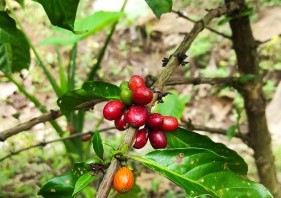
Ripe coffee cherries add color to the fields in Kalirejo
(Above) Ripe coffee cherries add color to the fields in Kalirejo

Read also:

Rasito, Optimizing His Land with Coffee Trees

The Story of Wasis, How a Tree Grower is Making a Difference in Water Conservation 

Planting the seeds of new traditions 

During the festival, Trees4Trees distributed seedlings and organic fertilizer, to support reforestation and promote the adoption of organic farming in Kalirejo. A total of 1,000 trees were distributed to festival attendees,. including suren, duku, gayam, clove, and coffee. 

“Suren leaves can be used as biopesticides, coffee offers a stable income from its berries, and Gayam trees assist in soil and water conservation,” explains Rizky Pradhitya, Trees4Trees’ Unit Manager in Kebumen. 

“We believe that by providing these seedlings we can showcase the trees’ potential to the community – our aim is to help them improve their environment and promote organic agriculture, while also boosting productivity, so everybody wins.”  

Two of the 1,000 seedlings distributed to Kalirejo by Trees4Trees and Trees Ltd

Writer: V. Arnila Wulandani. Editor: Christopher Alexander

Restoring Mangroves in Cilacap, Central Java

Restoring Mangroves in Cilacap, Central Java
Photo: Trees4Trees/Haryadi

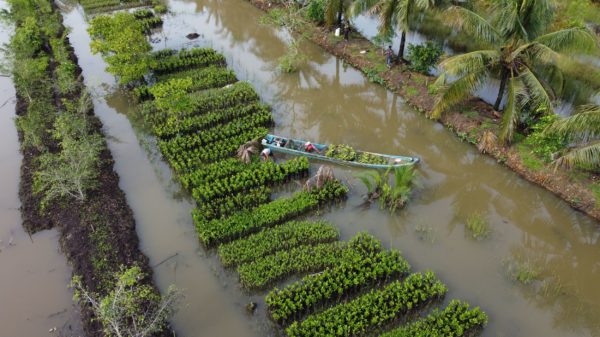
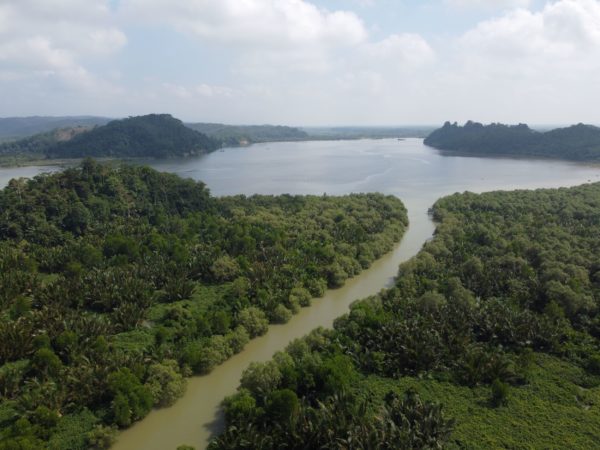
Located close to Segara Anakan lagoon in Java’s Cilacap Regency, Ujung Alang Village was once covered in mangroves. In the 1990s, the region experienced massive deforestation, mostly because of land being converted for aquaculture ponds. 

In the last two decades, local residents have been helping the mangroves bounce back. A conservation area has been set up and has since become a hub for studies and research into the natural world.  

Now, with support from Trees4Trees, mangrove restoration in Cilacap is going up a gear. An ambitious new replanting project has provided the investment and manpower needed to give the ecosystem a new lease of life. 

Healing the wounds of the past 

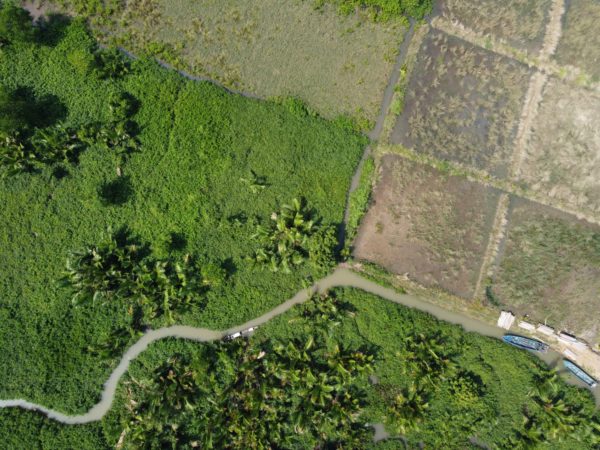
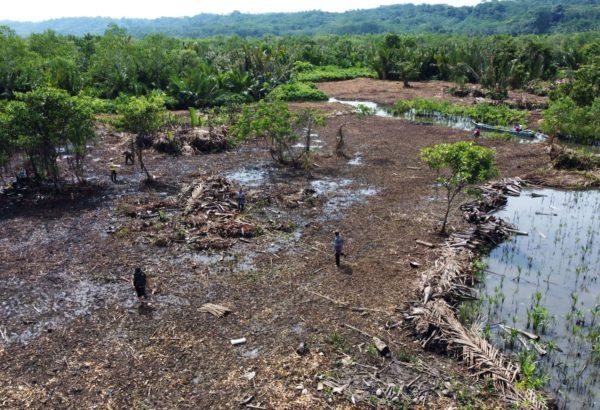
Before 1994, Ujung Alang and was covered with mangrove forests. These trees were then cleared by investors to make way for shrimp and milkfish ponds. This venture lasted just four years; by 1998, the ponds had been abandoned.,  

Virtually overnight, the investors cut their losses and left town. But not before leaving their mark on the landscape. Thousands of hectares of mangrove forests had been cut down and turned into barren land.  

In 2000, local communities decided to act, and made a plan to restore the mangroves to their former state.  

Restoring mangrove in Ujung Alang Cilacap
(Above) Abandoned shrimp ponds, overgrown with weeds. Photo: Trees4Trees/Haryadi

Working together to restore mangroves 

Over the past decade, local communities, with the support of the government and various other supporters, have successfully planted 56 different species of mangroves in an area covering approximately 400 hectares. Trees4Trees has committed to supporting these ongoing efforts. 

In early 2023, working in collaboration with the Tani Krida Wana Lestari farmer group, Trees4Trees began replanting an area of 2.4 hectares around Ujung Alang. So far, we have planted more than 7,600 trees together. 

Planting mangrove in Ujung Alang Cilacap
(Above) Segara Anakan Lagoon. Photo: Trees4Trees/Kemas Duga Muis

“Deforestation of mangrove forests in Segara Anakan has led to a significant reduction in mangrove area and caused a decline in fish catches,” explains Armin Agung Mubarok, the Trees4Trees Impact Officer and coordinator of the mangrove project. “By restoring the mangrove ecosystem, we aims to restore the habitat as a nursery ground for crustaceans and other animals, thereby enhancing biodiversity in the region,” he added. 

Haryadi is the Trees4Trees GIS officer on the project., He experienced a number of challenges in clearing away the old growth to make way for new mangroves. As he explains, “clearing the areas of weeds is crucial, as they hinder the growth of the mangroves.”  

Planting mangrove in Ujung Alang Cilacap
(Above) Invasive weeds are cleared before replanting can begin. Photo: Trees4Trees/Haryadi

Restoring natural balance to the ecosystem  

After the weeds had been cleared, Trees4Trees focused on planting four different mangrove tree species, each one chosen to match the unique conditions of their environment.  

In areas less affected by the tide, large-leafed orange mangroves (Bruguiera gymnorrhiza) were chosen, due to their ability to thrive in areas where there’s not much saltwater. They can also do well in both shady and sun-baked areas. 

In tidal areas that are regularly flooded, tall-stilt mangroves (Rhizophora apiculate) were planted, as they thrive in wet, muddy soil. Red mangroves (Rhizophora mucronata) were chosen for inundated areas, where they can grow and thrive. 

Finally, seedlings of spotted mangroves (Rhizophora stylosa) were planted throughout the area, to improve the diversity of species.  

Planting mangrove in Ujung Alang Cilacap
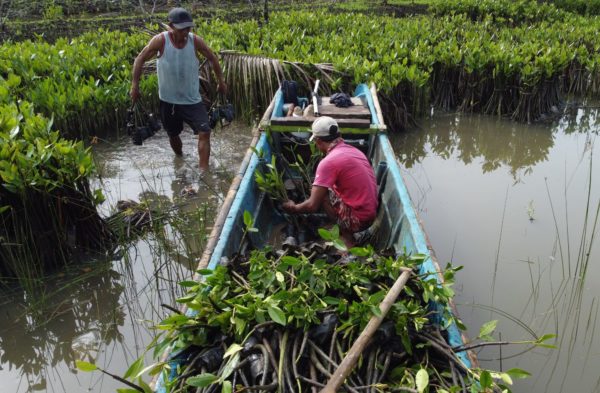
(Above) Working together with local communities, Trees4Trees replants the mangrove forest. Photo: Trees4Trees/Haryadi

Next steps: Taking replanting to the next level 

This small-scale pilot project, was an opportunity to test out planting methods before launching a more ambitious program. Over the next five years, Trees4Trees intends to scale up these efforts and continue planting mangroves to restore mangrove cover.  

“Based on the trial we conducted, we were able to plant 3,500 trees per hectare,” says Haryadi, who is working to turn initial impact into long-term reforestation. “Over the next few years, our goal is to plant mangroves over an area of 1,000 hectares.

Writer: V. Arnila Wulandani. Editor: Christopher Alexander

Nurturing the Next Generation: Trees4Trees School Visits

Nurturing the Next Generation: Trees4Trees School Visits
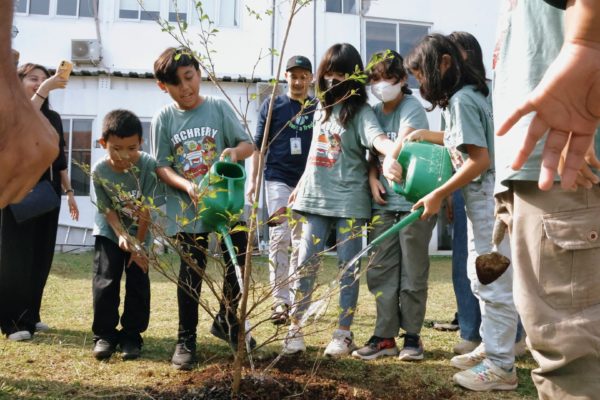
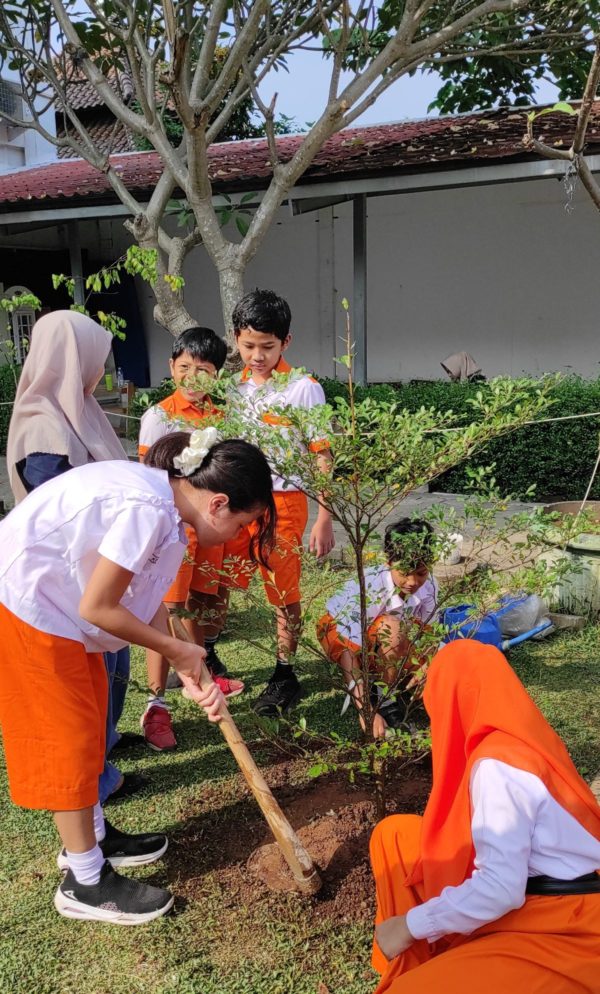
(Above) Fourth graders at Bukit Aksara Elementary School water the Ketapang tree they planted in the school yard.

As the global human population continues to grow, the natural world is under increasing pressure. Efforts are needed now to protect and preserve our planet’s ecosystems for future generations. And this begins with education. 

Through a series of school visits in June, Trees4Trees engaged with kids in Java, building their understanding of environmental issues and getting them excited about conservation. The activities were timed to coincide with Trees4Trees’ 15th anniversary, on June 11.  

“Comprehensive environmental education plays a vital role in preparing kids to address the challenges posed by climate change in the future,” explains Novita, Trees4Trees Planning Assistant. “Schools serve as excellent starting points for such education,” she added. 

Making Learning Fun 

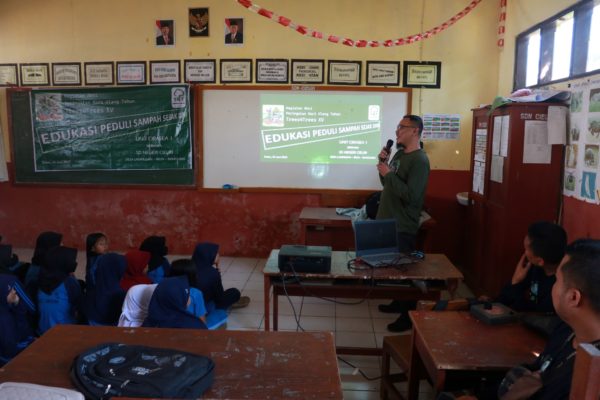
During a visit to Bukit Aksara Elementary School in Semarang, the Trees4Trees team used an animated video on global warming and tree planting to capture the children’s attention.  

“I loved the video,” said Rino, a fourth-grade student at the school. “I learned a lot about global warming and what I can do to prevent it.”  

“I’ve seen other animated movies at school too, where the Earth had no trees left, and people had to buy oxygen to breathe. I don’t want that future, so I am excited with this session,” added Rino.  

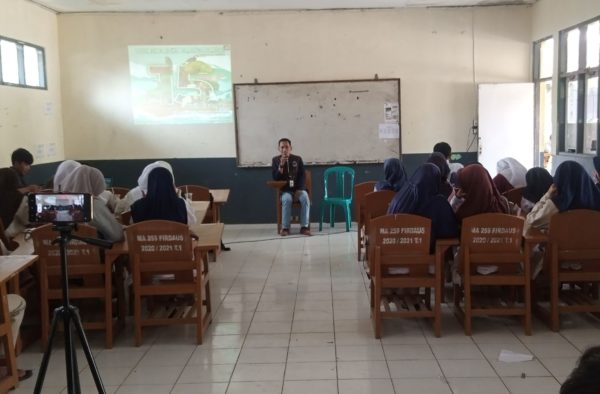
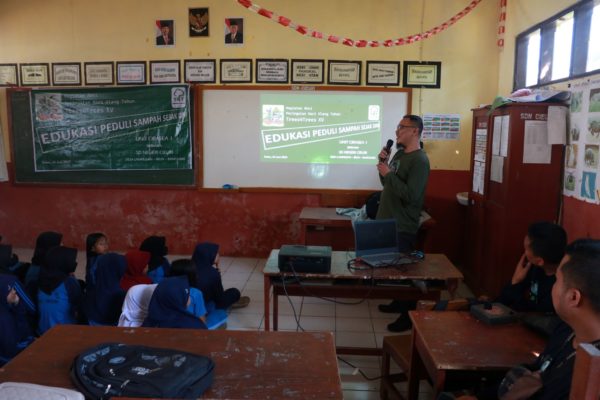
In West Java, Trees4Trees visited Cieuri 1 Elementary School Ibun, Hidayatussa’adah Al Husni School Cipongkor, and Firdaus School Pengalengan in Bandung. In each location, activities focused on waste management, the importance of tree planting, and basic knowledge of conservation. 

Nurturing the Next Generation: Trees4Trees School Visits
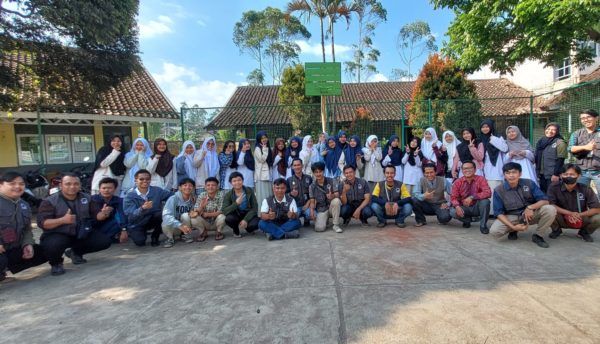
(Above) Visiting a group of high school students at Firdaus Islamic Boarding School in Pengalengan, West Java.
Nurturing the Next Generation: Trees4Trees School Visits
(Above) Members of the Trees4Trees team discuss waste management with fourth grader students at Cieuri 1 Elementary School in West Java.

Learning by Doing: Hands-on Environmental Action  

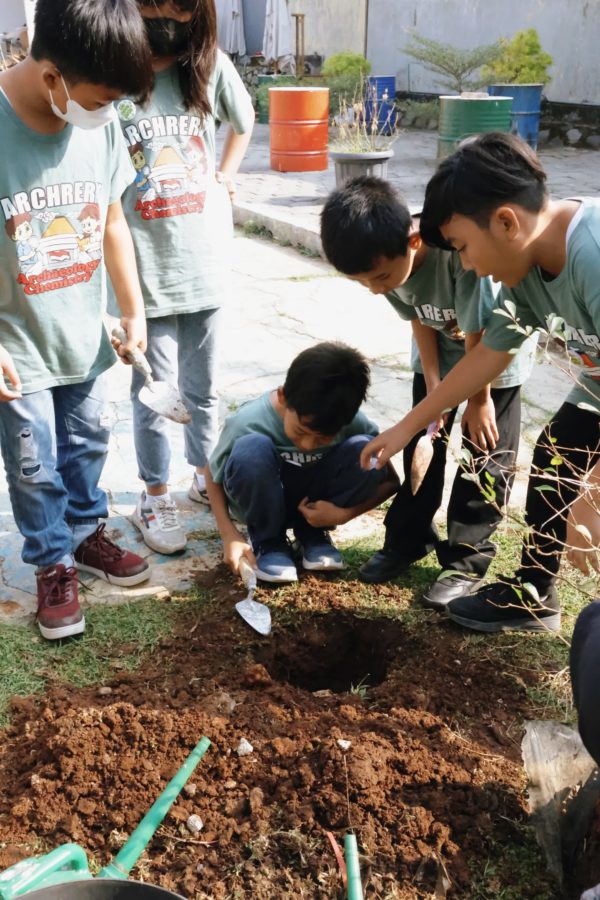
To provide students with hands-on experience, educational sessions included practical activities. At Bukit Aksara, students planted Ketapang trees in their schoolyard, and learned how to care for them properly. 

Nurturing the Next Generation: Trees4Trees School Visits
(Above) Students dig holes and prepare organic fertilizers before they plant trees at Bukit Aksara school. Photo: Yulianisa Dessenita/Trees4Trees
Nurturing the Next Generation
Nurturing the Next Generation: Trees4Trees School Visits

Students at Hidayatussa’adah Al Husni  School also rolled up their sleeves and got planting. “During the session, we taught students to plant trees around the school,” remembers Irfan, the Unit Manager of the Ciminyak 2 site. “Together with them, we also planted 80 trees to green the school’s surroundings.”  

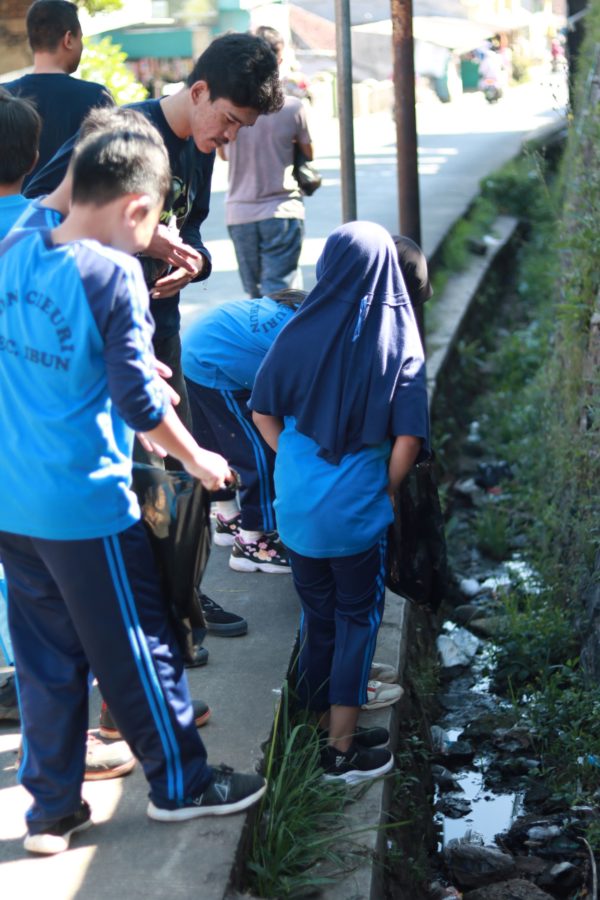
At Cieuri 1 Elementary School, students went on a litter-picking walk to better understand the impact of their actions. The activity helped them develop more responsible habits. 

Trees4Trees School Visits
(Above) Senior high school students at Hidayatussa’adah Al Husni Islamic Boarding School

Through all these efforts, Trees4Trees aims to empower children to become stewards of the Earth and help create a sustainable future for all. 

Want to get involved? Trees4Trees is available to visit your school to share conservation skills and knowledge. For more information, please get in touch. 

The Importance of Environmental Education  

School Visits by Trees4Trees team
Cieuri 1 Elementary School, students went on a litter-picking walk to better understand the impact of their actions. Photo: Kemas Duga Muis/Trees4Trees

According to the State of the World’s Forests (SOFO) 2022, our planet has lost approximately 10% (420 million hectares) of forest cover in the last 30 years.  

As highlighted by UNICEF, children are particularly vulnerable to the adverse impacts of environmental problems, which impact their health, education, and overall well-being.  

Children are the future stewards of our planet. To ensure the long-term survival of the natural world, we must equip the next generation with the environmental knowledge they need to care for our planet. 

Writer: V. Arnila Wulandani. Editor: Christopher Alexander

Taking Out the Trash: Combating Plastic Pollution in Java


Beach clean up by Trees4Trees team
Taking Out the Trash: Combating Plastic Pollution in Java

Plastic waste on shorelines and riverbanks can be a depressing sight. But the trash we see is just the tip of the iceberg. It’s estimated that 400 million tons of plastic are produced annually. And around 14 million tons of it ends up in the ocean. That’s the equivalent of two garbage trucks of plastic dumped into the sea, every minute of every day. For a year. 

This tide of trash doesn’t just come from the coast. Garbage from inland is swept into waterways and rivers by rain and wind (and people), then transported to the sea. But its journey doesn’t end there.  

When plastic waste enters the ocean, it also enters the food chain. Plastics are eaten by marine life, causing severe injuries and death.  

Plastics also poison the environment itself. These materials are especially deadly to mangrove forests, as they entangle and choke the roots, reducing oxygen levels in the soil and causing the slow demise of plants and the animals that rely on them for food and shelter.

Turning the Tide on Trash 

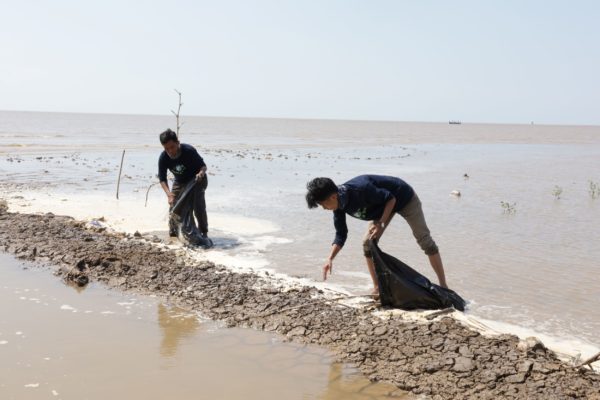
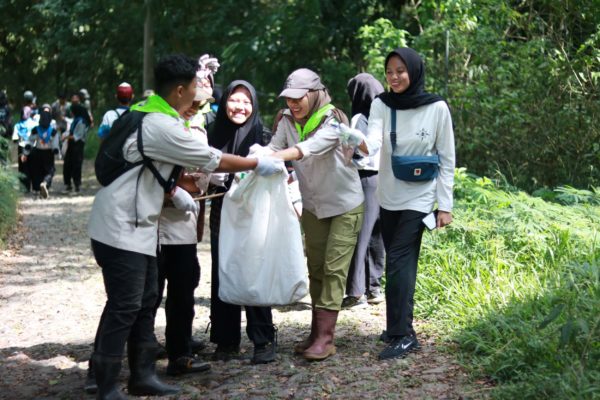
Tackling plastic waste is a big challenge. But solutions are out there, and every little helps. Working with a team of partners and volunteers, Trees4Trees recently got to work on a beach clean-up program spanning 1.2 miles (2 km) of mangroves and coastal ecosystems near Dukuhseti Village in Central Java’s Pati Regency. The activity was part of Trees4Trees’ 15th anniversary celebrations and were timed to coincide with World Ocean Day and World Environment Day. 

Mustofa is one of Trees4Trees’ local partners. During the clean-up operations, he revealed the impact plastic continues to have on Dukuhseti. “This pollution not only damages the soil,” he explains. “I worry that the huge amounts of plastic waste we see here will also damage the mangroves cover in the area and break up the green belt we have created.”   

Khoirum Minan is the Pati area Unit Manager for Trees4Trees. He agrees that something needs to be done to protect mangroves and restore ecosystem health. “Plastic waste hinders the growth of mangroves and leads to their death, so we have to do something to protect them,” he said. 

During their clean-up operations, Khoirum and Mustofa recovered a diverse array of waste items, which collectively illustrate the scale of the problem. Their haul included countless plastic bottles and items of food packaging, along with weird and less-than-wonderful items like sandals, diapers, sanitary pads, and even a mattress (not the kind of seabed that marine conservationists are used to). 

plastics waste in beach
(Above) Unpacking the problem. Food packaging and other plastics are a common sight in the rivers, waterways, and coastal regions of Java, where pollution is reaching a crucial tipping point.
Taking Out the Trash: Combating Plastic Pollution in Java
(Above) Clean-up operations by Trees4Trees mobilized a team of volunteers and partners along more than a mile of coastline in Pati Regency

Cleaning Up Tourism Hotspots 

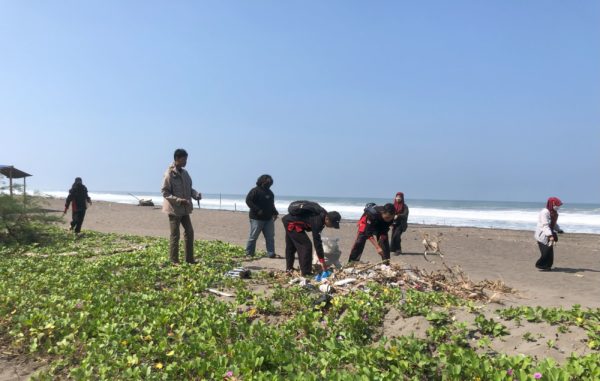
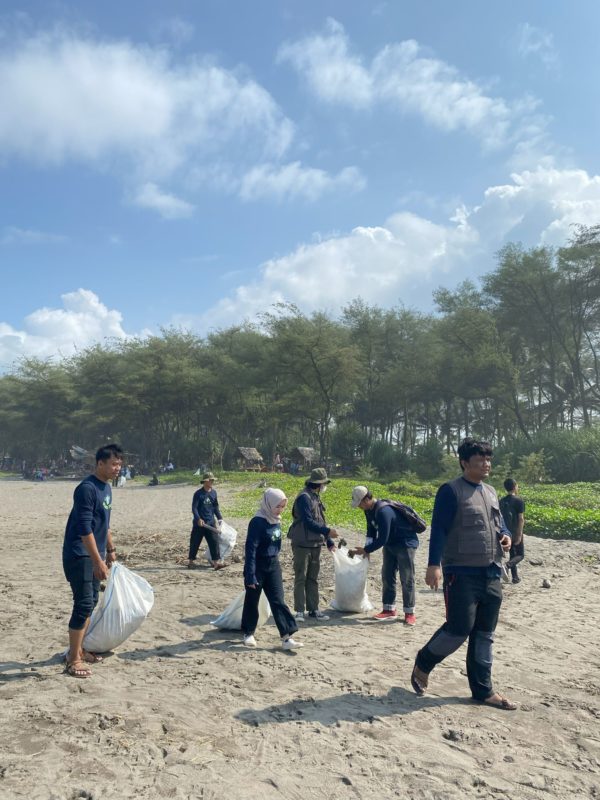
Another location where Trees4Trees has been busy recently is Cemara Sewu beach, a popular tourism destination that’s in danger of being ruined by plastics. “During our clean-up activities, we discovered loads of food and drink packaging left by visitors,” explains Rizky Praditya, Trees4Trees’ Kebumen area Unit Manager. “If we don’t clean up the waste here, the pollution will soon affect other areas too,” he warned. 

Taking Out the Trash: Combating Plastic Pollution in Java
(Above) Members of the Trees4Trees team, cleaning up Cemara Sewu beach in Kebumen, Central Java

Changing Attitudes on the Citarum River 
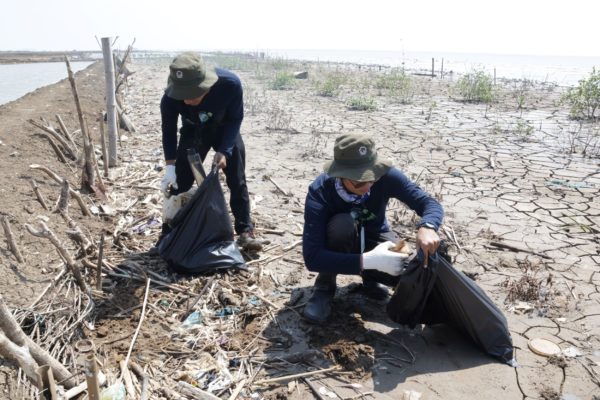
To really make a difference to plastic pollution, you need to go to the source. This means traveling upriver. As Mustofa explains, “so long as people keep throwing trash into the river, the shore will always be polluted with plastic waste and so will the ocean.” 

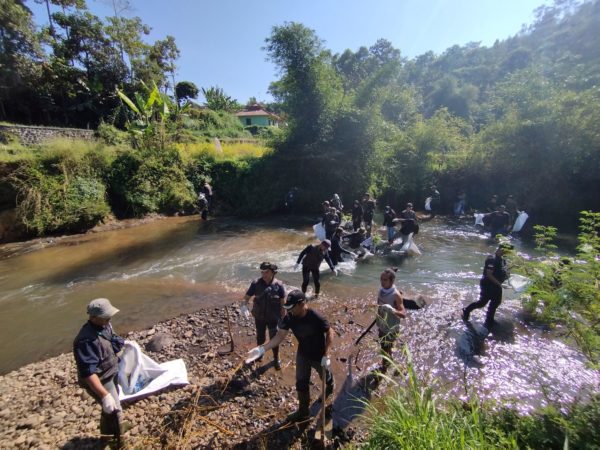
With that in mind, Trees4Trees began working on clean-up operations in the tributaries of the Citarum River, which is sadly famous for its polluted waters. Focusing on the Cidadap and Rawabogo rivers. Trees4Trees got to work alongside local communities, village officials, and young environmental activists. 

Read also: Travels in Java: Situ Cisanti and the Source of the Citarum River
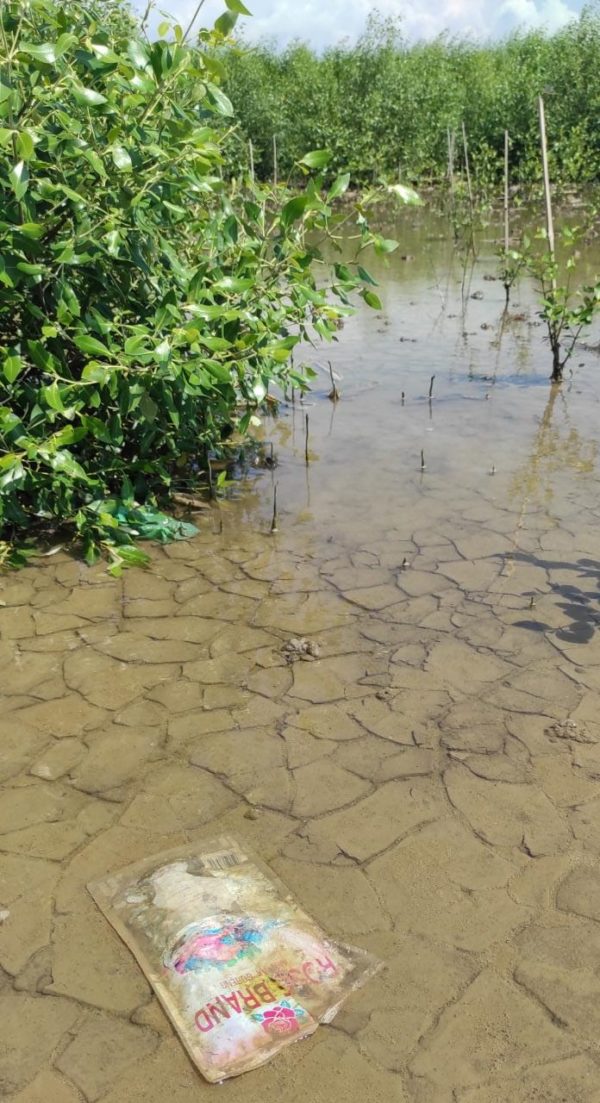
Taking Out the Trash: Combating Plastic Pollution in Java
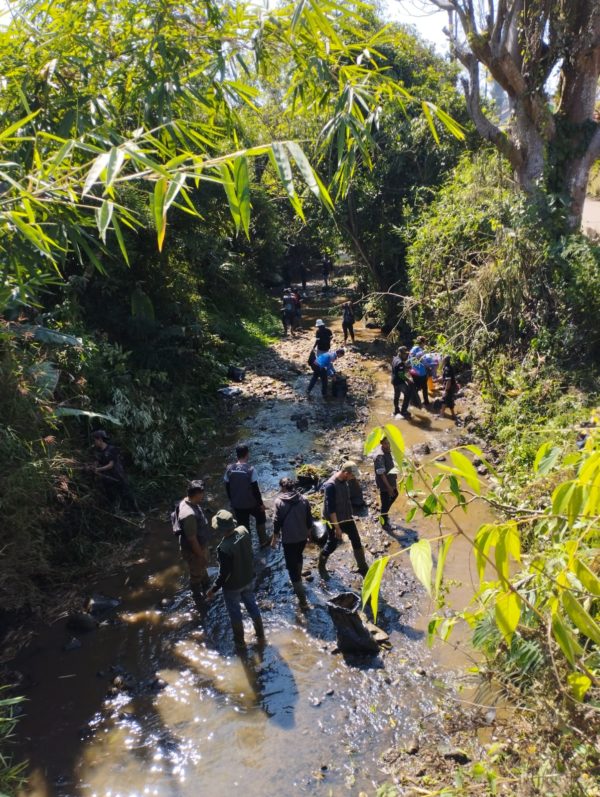
(Above) Working with local communities to clean up the Cidadap River in West Java
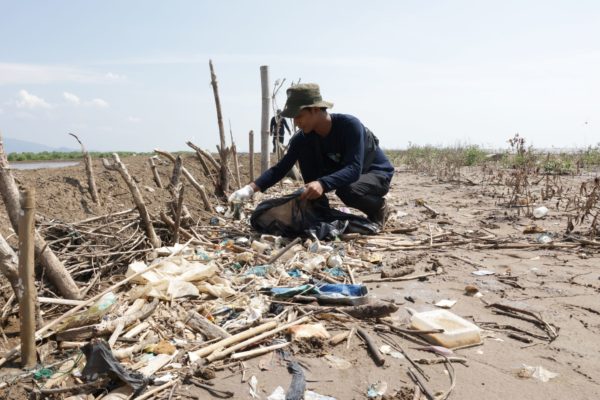
 

Taking Out the Trash: Combating Plastic Pollution in Java
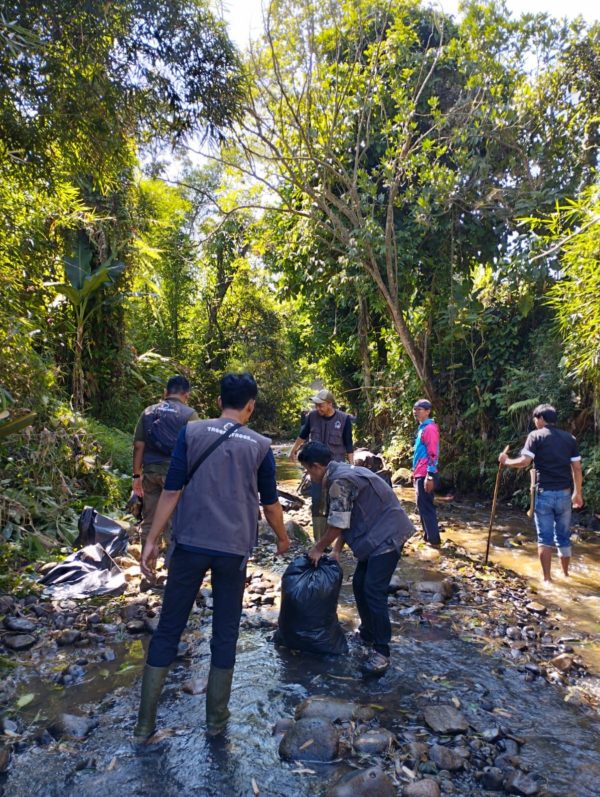
(Above) Filling sacks with plastics and other trash, removed from the Rawabogo River
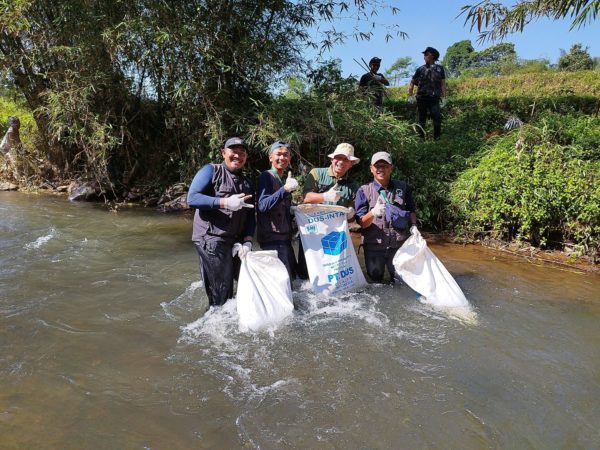
“Cidadap river flows near residential areas,” says Asep Denis, the Ciminyak 3 Unit Manager. “The residents here have a habit of throwing their waste into the river,” he added. According to Mahesa, the Ciwidey Unit Manager, this makes community involvement an essential part of clean-up operations.  
“We’re working to raise awareness in local communities, encouraging their involvement in keeping the river clean,” he said.  
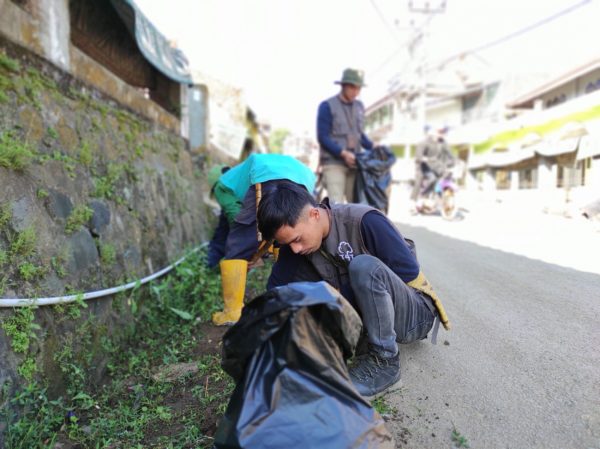
The problem of plastics can sometimes seem like a mountain to climb. But with various clean-up actions already being carried out in locations across Java, Trees4Trees and partners are taking steps in the right direction. Whether cleaning beaches, clearing rivers, or changing attitudes in local communities, the only way is up. 
Writer: V. Arnila Wulandani. Editor: Christopher Alexander

15 Years of Reforestation: Impactful Environmental Activities Worth Celebrating

Impactful Environmental Activities
Trees4Trees team clean up the Cidadap riverbank in Bandung Regency.

Impactful Environmental Activities — This month marks a significant milestone as Trees4Trees embarks on an extraordinary fifteen-year journey committed to reforestation through tree-planting activities. 

Aligned with the commemoration of World Environment Day on June 5th and World Ocean Day on June 8th, Trees4Trees has been commemorating its 15-year anniversary through a series of activities centered around environmental preservation. These endeavors encompass the cleaning of coastal areas, riverbanks, waterways, and public spaces to eliminate waste, while also involving tree planting to address environmental issues like landslides, erosion, and flooding. 

These collaborative endeavors actively engage local communities, youth groups, public organizations, and various stakeholders, fostering positive environmental transformations and promoting awareness regarding the importance of environmental preservation. 

In addition to actively participating in environmental improvement activities, Trees4Trees has extended its reach to schools in West Java and Central Java, spanning from elementary to secondary high schools. The school visit strives to promote environmental education and raise awareness about the significance of safeguarding our Earth. 

Let’s take a glimpse of these activities through the photo summary below! 

Beach and River Cleanup  

Beach clean up by Kebumen Site
Trees4Trees Kebumen team cleaned up the Cemara Sewu Beach from plastic wastes.

Kebumen team cleaned up the 5-km Cemara sewu beach. Together with beach management team and environmental communities, the team collected around ten sacks of trash dominated with plastic wastes like plastic bottle, snack packaging, plastic straw, and plastic bags

Beach clean up by Pati team
Plastic wastes potentially hinder the growth of mangrove ecosystem.

The Pati team undertook a beach cleaning initiative at Dukuhseti Beach, spanning a distance of 2 km, where mangrove trees were planted. Most of the waste found was plastic, posing a threat to the ocean ecosystem and hindering the growth of mangroves. In addition to plastic packaging waste, the team encountered discarded items such as sandals, sanitary pads, diapers, mattresses, and floor mats along the coastline. 

15 Years of Reforestation: Impactful Environmental Activities Worth Celebrating
River clean up along Cidadap river, the sub-watershed of Ciminyak river – part of Citarum stream.

Alongside the local community, village officers, and young people’s community, our team from Ciminyak 3 unit conducted a clean-up of the 2-kilometer Cidadap riverbank and successfully collected 20 sacks of waste, primarily consisting of plastic waste, cloth, and household waste. 

15 Years of Reforestation: Impactful Environmental Activities Worth Celebrating
River clean up along Rawabogo river, West Java.

The Ciwidey team conducted a river clean-up in the Rawabogo river. In collaboration with local youth and the waste bank community, they effectively gathered 48 sacks of trash, predominantly comprising plastic waste, clothing, and single-use diapers. Once collected, the trash is then handed over to the waste bank community for proper management of non-organic waste. 

Mountain and Village Cleanup  

15 Years of Reforestation: Impactful Environmental Activities Worth Celebrating
Cleaning the villages to prevent clogged drains.

Cirasea 3 team cleaned up Salakaso sub-Village in Mandalahaji Village with local communities. They focus on cleaning the waterway and roads in the sub village to prevent flooding and clogged drains  

15 Years of Reforestation: Impactful Environmental Activities Worth Celebrating
Village clean up around Soreang nursery, the Trees4Trees newest nursery.

Our team at our newest nursery, Soreang Nursery, initiated a village clean-up in Nagrak village and collaborated with the local community. The most common type of waste found during the clean-up activity was plastic. Once collected, the waste was transported to the village’s designated dump points.  

Impactful Environmental Activities; Mountain clean up by Trees4Trees team
Impactful Environmental Activities; Citarik unit teamed up with young communities to clean up the mountain.

Citarik team collaborates with several communities to clean-up the Taman Buru Gunung Masigit Kareumbi and Citarik watershed areas to combat plastic wastes.  

RIver clean up by Trees4Trees team
Cleaning the waterways aimed at preventing flooding.

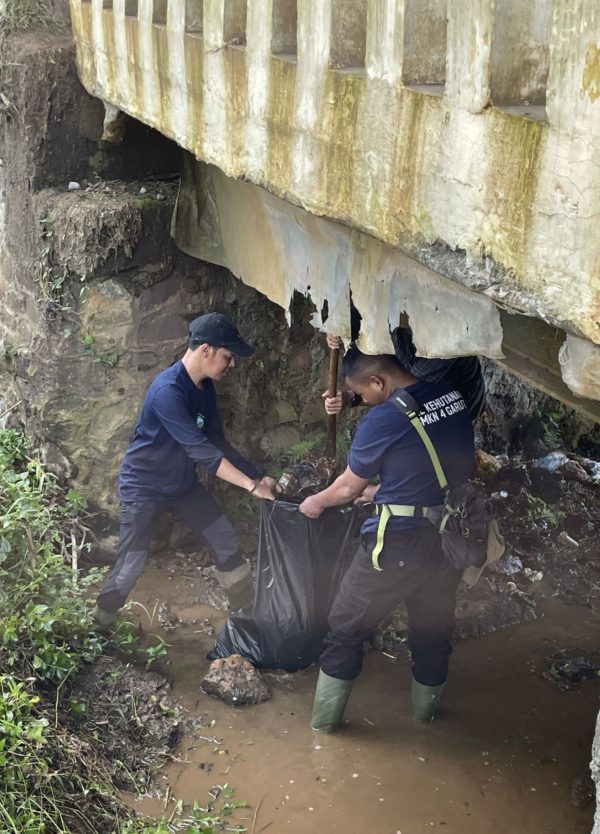
Cirasea 2 and Arjasari Nursery team collaborated to initiate a waterway clean-up aimed at preventing flooding in Pinggirsari and Patrolsari villages, West Java. Working together with environmental communities, we successfully collected tens of sacks of waste, which were predominantly composed of plastics, household waste, and organic waste from agriculture. 

Planting Trees  

15 Years of Reforestation: Impactful Environmental Activities Worth Celebrating
Planting trees in a landslide-prone area in Singajaya Village.

The Ciminyak 1 team conducted an environmental education session and successfully planted 60 eucalyptus and sengon trees in an area prone to landslides in Singajaya Village, West Java. This activity involved collaboration with the local community and village officials, with the aim of preventing landslides and improving the environment. 

15 Years of Reforestation: Impactful Environmental Activities Worth Celebrating
Impactful Environmental Activities: Planting trees as part of 15th Trees4Trees anniversary celebration.

The Ciminyak 3 team undertook the planting of 50 eucalyptus and mahogany trees along the Cidadap riverbank to combat erosion. 

planting trees by Trees4Trees team
Spreading awareness about the importance of planting trees to the youngsters.

The Cirasea 2 team organized an environmental education session at Hidayatussa’adah Al Husni Islamic Boarding School, emphasizing the importance of tree planting. Alongside students and local communities, our team also planted 80 trees around the school premises, contributing to a greener environment in the vicinity. 

Environmental Education

15 Years of Reforestation: Impactful Environmental Activities Worth Celebrating
School visit to spread awareness about global warming and the importance of planting trees in Bukit Aksara Elementary School.

The environmental education session conducted by our Semarang head office team took place at SD Bukit Aksara. The session covered topics of global warming, the significance of tree planting, and ways to reduce pollution in daily life. Our team provided instructions on proper tree planting techniques and gifted tree seedlings to the children, encouraging them to plant the trees at their homes.

education program
Waste management education at Cieuri Elementary School.

The Cirasea 1 team conducted an environmental education session at SD Cieuri, involving 42 fourth and sixth-grade students. The activity focused on educating students about the importance of waste management and actively engaging them in cleaning up trash around the school. 

Enviromental Education
Basic conservation education in Firdaus Boarding School, Pengalengan, Bandung.

The Cisangkuy team organized an environmental education session for the students of Firdaus Boarding School in Pengalengan. The session included teaching students about the fundamentals of conservation and reforestation, as well as practical ways to incorporate these principles into their daily lives.