10 Iconic Flora & Fauna of the Citarum River Basin: A Showcase of Biodiversity (Part 2)

10 Iconic Flora & Fauna of the Citarum River Basin

Read the previous article on: 10 Iconic Flora & Fauna of the Citarum River Basin: A Showcase of Biodiversity (Part 1)

Trees and Plants 

The landscape of the Citarum Basin boasts a rich diversity with at least 1,000 tree species and 3,000 flowering plants. Some of these species are deeply woven into the local culture, passed down through generations. Many of them also hold significant value that supports the local people’s livelihoods. 

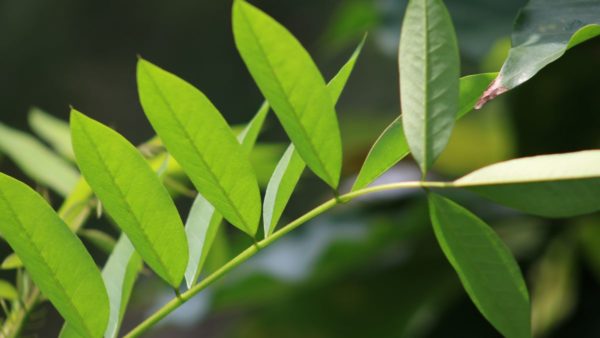
Tarum areuy (Indigofera) 

This species refers to the indigo tree, from which the name Citarum is derived. Once abundant along the riverbanks, locals used it as a natural dye for fabrics. They also used the leaves as organic fertilizer and livestock fodder, while the root network was effective in preventing soil erosion. However, the tree is now slowly disappearing due to environmental degradation and extensive development. 

Flora in citarum river basin

Sugar palm (Aren) 

The sugar palm tree (known locally as aren or tangkal kawung) thrives abundantly in the basin. Apart from its ecological function of conserving water, the tree provides communities with income derived from its sap, fruit, palm fibers, and leaves. The locals in the areas surrounding Trees4Trees’ tree-planting sites benefit from making traditional sugar from the sap. 

Rasamala 

The rasamala tree is an evergreen that grows plentifully in the mountainous areas of West Java, including Trees4Trees’ planting sites. Several mountains in West Java are habitats for rasamala trees. These trees provide homes for more than 20 bird species, including the rare bird species like Javan hawk-eagle, and endemic primate, the Javan gibbon (owa jawa). The trees also produce aromatic resin commonly used as a room fragrance, providing a source of income for local people. 
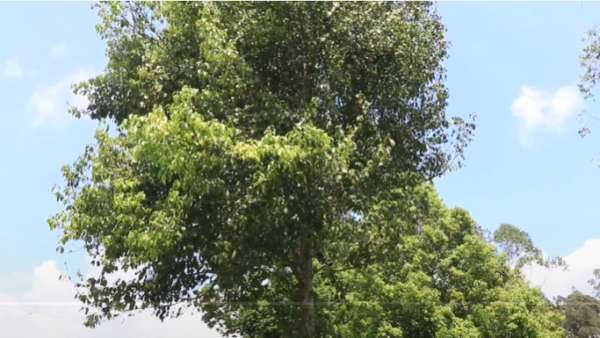
Tree

Saninten  

The saninten tree, or forest rambutan tree, is an endemic species endemic to Indonesia, particularly found on the islands of Java and Sumatra. It thrives in mountainous regions. The nuts hold significant economic value, often processed into traditional snacks and sold by local communities. The trees are still relatively abundant in West Java, including in areas where Trees4Trees plants. Unfortunately, in Sumatra, the tree is listed as endangered due to deforestation and land conversion into plantations. 
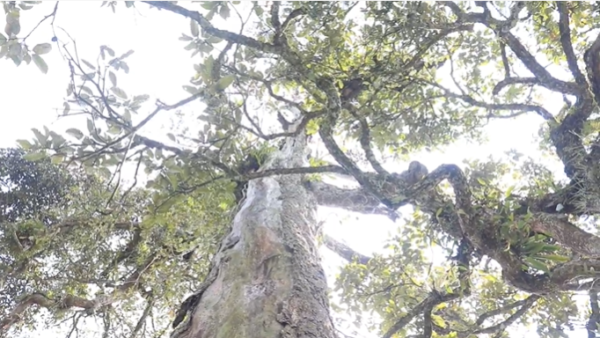
Saninten tree

Puspa  

The puspa tree belongs to the tea family. People also call it needle wood or Chinese guger tree. It is renowned for its resistance to various soil conditions, climates, and habitats, making it a popular choice for land degradation restoration projects. The puspa tree is native to South Asia, China, and Southeast Asia. In Indonesia, the dispersion of puspa trees spread in Java island, particularly in West Java, making them an iconic tree of the region. 
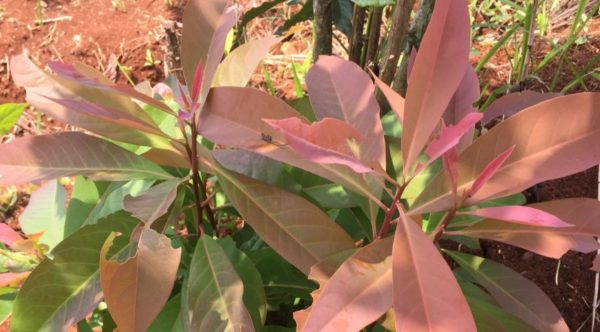
10 Iconic Flora & Fauna

Trees4Trees’ reforestation efforts in the Citarum Basin aim to enhance the environment through tree planting and local community education, thereby improving habitats for flora and fauna. Through these initiatives, we hope to contribute to the preservation of rare and endangered species. We invite you to join us in planting trees to support and enhance biodiversity preservation. 

10 Iconic Flora & Fauna of the Citarum River Basin: A Showcase of Biodiversity (Part 1)

10 Iconic Flora & Fauna of the Citarum River Basin

The Citarum River Basin in West Java, one of Trees4Trees’ tree-planting sites, encompasses diverse ecosystems ranging from mountainous regions to coastal areas, supporting a rich tapestry of flora and fauna. While the river shelters numerous fish species, the Citarum River Basin is a home to a wide variety of animals as well as an array of trees and flowering plants, some of which are endemic and iconic to West Java. 

Unfortunately, some of these species are listed as endangered and need our contribution to preserve them. Here are some of the iconic flora and fauna that contribute to the biodiversity of the Citarum River Basin. 

Animals

The Citarum River shelters over 20 fish species and is home to a wide variety of animals. Birds are the most abundant, with over 300 species residing in the forested areas of the basin. Additionally, the ecosystem also provides habitat for amphibians, reptiles, mammals, and insects.   

Javan hawk-eagle (Elang Jawa) 

The Javan hawk-eagle is a medium-sized raptor bird with dark brown feathers and a magnificent crest on its head. It holds the distinction of being Indonesia’s national bird and is the emblematic symbol of Garuda Pancasila. Commonly referred to as Garuda, reminiscent of the bird-like creature in Hindu and Buddhist mythology, this species is one of the rarest raptors and is classified as endangered. The Javan hawk-eagle prefers habitats with rasamala trees and primarily feeds on rats. 

Javan hawk-eagle (Elang Jawa) 

Black-crowned night heron  

This nocturnal bird is characterized by its black bluish head, resembling a crown. Its diet includes fish, frogs, water insects, small snakes, and rats, which reside in river streams, ponds, rice fields, and swamps. These birds commonly live alongside the Javan pond heron (blekok sawah) and cattle egret (kuntul kerbau), which also inhabit the Citarum Basin. Unfortunately, the species is now rarely found, and their existence cannot be traced due to habitat loss caused by the devastation surrounding the Citarum Basin. 

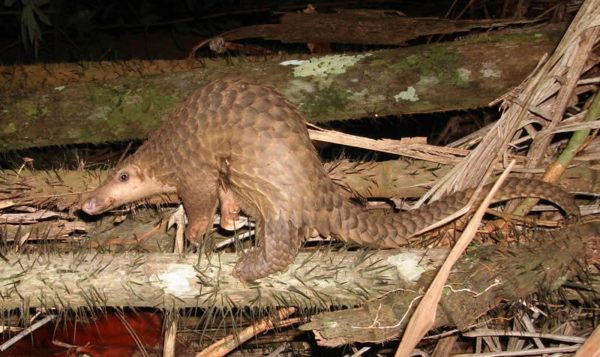
Sunda pangolin (Trenggiling) 

This mammal has distinctive keratin scales covering its skin, resembling armor. Its diet consists of insects, particularly ants and termites, and it lives in hollow trees or burrows, relying on tree cover for its habitat. The Sunda pangolin is currently classified as critically endangered due to facing dual threats: habitat loss and being highly hunted and eaten. 

Sunda pangolin (Trenggiling) 

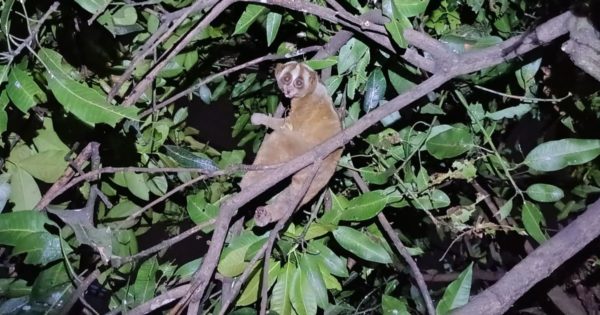
Sunda slow loris  

This mammal, the Sunda slow loris, is a protected primate listed as vulnerable by the IUCN. Its existence in the wild is primarily threatened by habitat loss and hunting for the pet trade. The species has a slow reproductive rate and prefers forests with high, dense canopies, such as rainforests, bamboo groves, and mangrove forests. As climbers, they are highly dependent on trees for their behavior and survival. 

sunda slow rosis

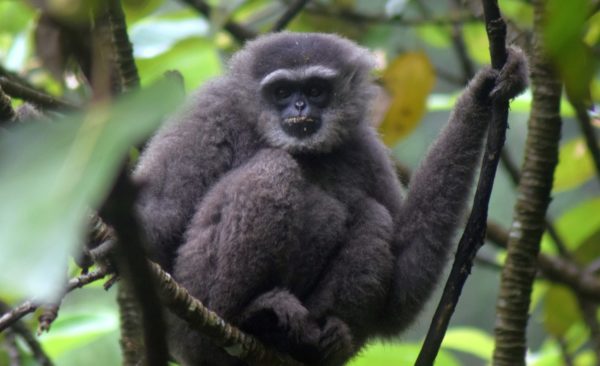
 Javan gibbon 

The silvery gibbon, or Javan gibbon, is a native primate to the island of Java, Indonesia. This species prefers to inhabit undisturbed rainforests at altitudes of up to 2,450 meters. It is listed as an endangered species. Habitat destruction on densely populated Java, including the Citarum Basin, continues to reduce the natural range of this species. Many gibbons are also lost to the illegal pet trade. 

10 Iconic Flora & Fauna in Citarum river


Continue to read the article on: 10 Iconic Flora & Fauna of the Citarum River Basin: A Showcase of Biodiversity (Part 2)