The Heat is On: Finding Solutions to Rising Global Temperatures

The Heat is On Finding Solutions to Rising Global Temperatures_trees4trees
The Heat is On Finding Solutions to Rising Global Temperatures

Photo: Freepik

All around the world, temperatures are soaring, and extreme weather events are becoming more common. This October in Indonesia, where our tree planting efforts are based, cities like Semarang and Jakarta have been sweltering in the highest temperatures seen in the last 30 years. 

This hot weather is partly due to El Niño, a seasonal warming that happens naturally in parts of the Pacific and impacts weather systems around the world. But the driving force of the extreme heat is climate change caused by human activity. 

So what are the impacts of these changes on the planet and its life support systems? Is anything being done to reverse the damage? And how can each of us play our part in cooling the climate?  

In this article, we’ll provide answers to these burning questions. 
The Heat is On Finding Solutions to Rising Global Temperatures_trees4trees
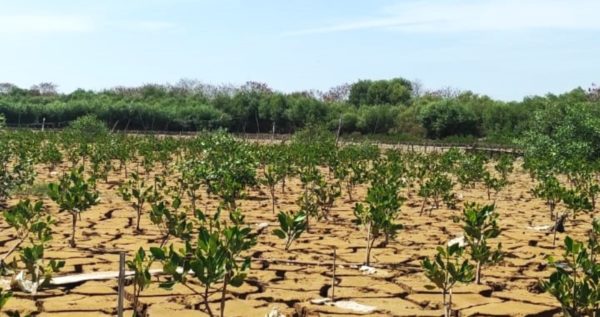
The Heat is On. Photo: Trees4Trees/V. Arnila Wulandani

Breaking all the wrong records in global temperatures 

A recent study in the Nature Reviews Earth and Environment Journal revealed that, from January to September 2023, we experienced the warmest global temperatures in recorded history, surpassing the previous record set in 2016.  

As if that wasn’t bad enough, last month was the hottest September on record;, an unprecedented anomaly in history, when ocean temperatures went through the roof. September was a scorcher, but October and November are already hot on its heels. 

As global warming intensifies, natural climate events, like El Niño are becoming more frequent and more intense. Scientists agree that the biggest driver is human-induced climate change, mostly from emissions of greenhouse gases.  

We set this change in motion, so it’s up to us to stop the global temperature rising. But what can be done? 
The Heat is On Finding Solutions to Rising Global Temperatures
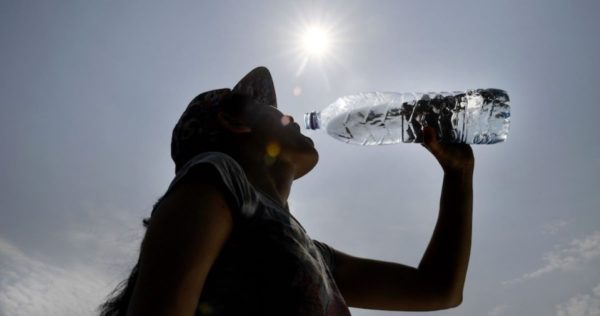
Steps in the right direction: there’s plenty we can do to counter climate change. Photo: Telegraph

Be part of the solution, not part of the problem 

When facing a problem as big as Earth temperature, it’s easy to feel overwhelmed. Maybe even powerless. But there’s plenty each of us can do to turn down the heat. Even the smallest changes, when multiplied enough times, can add up to a massive difference. 

Every time you get in the car, every time you shop online, or even turn on a light switch, your choices have a cost in terms of energy and fuel. This is also known as your carbon footprint – the amount of carbon emitted into the atmosphere as a result of your actions and decisions. 

Here are five steps you can take to reduce your carbon footprint and help combat climate change: 

  1. Buy local and shift to a plant-based diet. 
  2. Use public transport, cycle, and walk 
  3. Cut down your electricity consumption at home 
  4. Embrace a slow fashion approach 
  5. Join nature restoration activities in your area 

From the food we eat to the clothes we wear and the ways we get around, there’s so many ways to reduce energy consumption and lower our environmental impact. Don’t give in to apathy! Take charge of your own environment and be the change you seek. 

Read also: A Breath of Fresh Air: Tackling Jakarta Pollution
The Heat is On Finding Solutions to Rising Global Temperatures
The Heat is On, Finding Solutions to Rising Global Temperatures. Photo: Trees4Trees/Kemas Duga Muis

Climate action: Planting seeds of positive change 

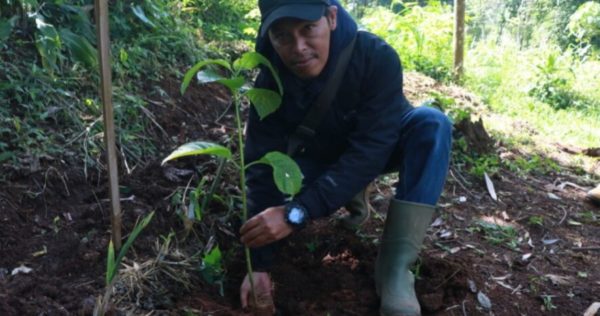
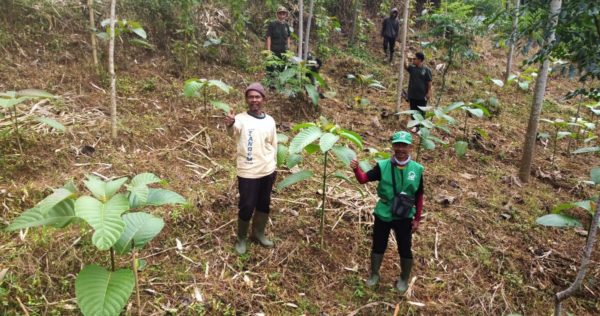
Want to impact the environment on a bigger scale? The best thing we can do is plant trees. And lots of them. Trees can suck harmful greenhouse gases out of the atmosphere, while also storing carbon and producing healthy oxygen.  

But that’s not all – trees have been proven to help prevent floods, erosion, and drought. They provide habitats for animals, shade for new growth, and beauty in the background of our lives on this green planet. 
The Heat is On Finding Solutions to Rising Global Temperatures
Photo: Trees4Trees/Kemas Duga Muis

Read more: Trees That Absorb the Most Carbon Dioxide

In the tropics, where the sun shines all year round, trees feel right at home. And this green belt around the belly of our planet could be the key to combating climate change. Scientists certainly seem to think so. Recent research has found the following benefits to planting trees in the tropics compared to other areas: 

  1. Tropical trees grow faster and absorb more carbon emissions . 
  2. They also sequester up to four times more carbon  
  3. Rainforests are biodiversity hotspots, sheltering endangered species 
  4. Tropical plants and trees can provide us with food and medicine 
  5.  The tropics are home to the world’s largest mangrove forests, which absorb a huge amount of carbon 

For so many reasons, planting trees in the tropics is a good idea. Located right on the equator, Indonesia is home to the worlds third-largest rainforest. And Trees4Trees is helping to spread the life-giving benefits of trees elsewhere in the archipelago. 

We’re taking climate action, planting trees to mitigate the catastrophic effects of climate change and helping lower global temperatures.  

Want to do your part? Join us on our replanting journey, and help Indonesia stay green. Learn more at trees4trees.org. 

Writer: V. Arnila Wulandani. Editor: Christopher Alexander

Rohmanudin’s Vision: Why Planting Trees is a Better Legacy Than Selling Land 

why Planting Trees is a Better Legacy
Photo: Trees4Trees/Kemas Duga Muis.

Rohmanudin, 53, has been familiar with farming activities since his childhood, as his parents were farmers who often brought him to the fields. However, Rohmanudin only began farming his own land in 2015. His land, located in Nagrak Village, Cangkuang District in Bandung Regency, was planted with various crops, including several types of trees, fruits, and vegetables. 

“From 2015 to 2016, I began working on my own field, planting various kinds of crops. In 2015, the Indonesia government initiated an agricultural program that led me to grow vegetables for the first time. Thank God, I have been growing different types of plants ever since,” he revealed. 

As part of the government agricultural program, a farmer group was established in Nagrak village, which still exists today. Rohmanudin is one of the most active members of this group.  

Joining to the Tree Planting Program to Improve the Result 

In 2021, Rohmanudin was offered the opportunity to join a tree planting program funded by Astra Zeneca, in collaboration with Trees4Trees and One Tree Planted. He proposed planting tree species that were suitable for his land’s conditions. 

Why Planting Trees is a Better Legacy Than Selling Land 
Rohmanudin maintains his land and plants various type of crops and trees. Photo: Trees4Trees/Kemas Duga Muis.

“I proposed then planted jabon (burflowers), sengon (Chinese albizia), and suren (red cedar) because they thrive in this area. I also planted other trees such as stinky beans, as well as fruit trees like sapodilla and rambutan,” Rohmanudin said. 

Since joining the tree planting program, he has noticed significant differences compared to his previous farming activities. He stated that the implementation of the program has improved significantly, and he feels that it is much better now than in the past. 

“In the past, the planting system was not as structured. Now, we have a more structured approach, and I can say that the way we do is the correct one,” Rohmanudin added. 

Read also: A Watershed Moment: Planting Begins at the Citarum River

Effort to Restore the Former Forest in the Village

Rohmanudin is deeply concerned about the vast deforestation that has taken place in his village, where forests have been cleared and replaced with residential areas. As such, he strongly believes that the tree planting program can have a positive impact if implemented effectively, and is therefore highly motivated to care for the trees. 

Planting Trees is a Better Legacy
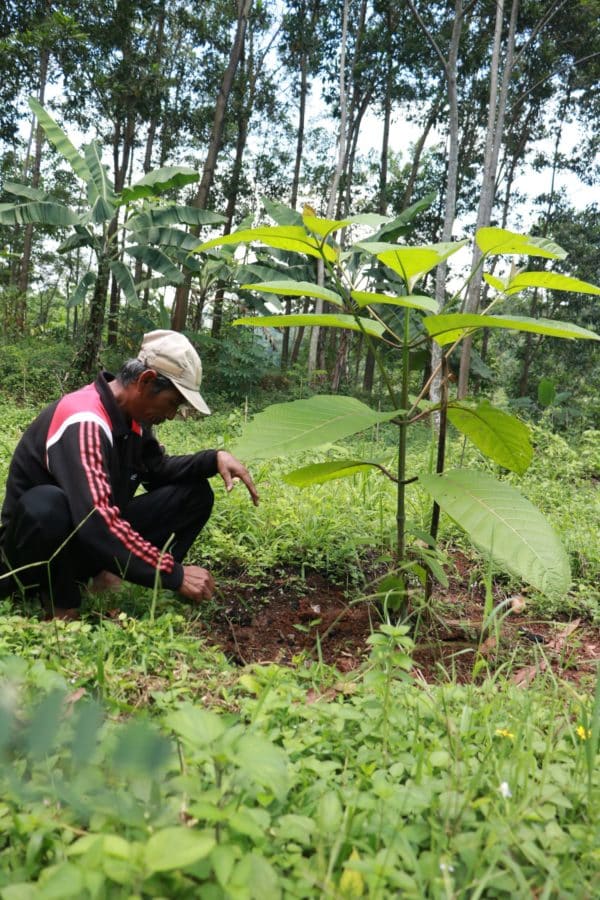
Planting Trees is a Better Legacy; Rohmanudin with the burflower tree he has grown. Photo: Trees4Trees/Kemas Duga Muis.

“In the past, this area was full of rare birds and big trees. The mornings were beautiful and so refreshing. The land was more fertile than today. But now, look, they’re gone! There’s a lot of dry land, and water is scarce. Why did this happen? Because the land was sold out, and housing was built. In the area behind my house, eight hectares were sold out, and now, ten more hectares are gone! Housing has been built there again,” Rohmanudin lamented. 

Planting Trees Instead of Selling Land for a Better Future

Seeing the reality that is happening in his village, Rohmanudin feels agitated. He worries that if all the land in his village is sold and turned into housing, there will be nothing left for future generations, and not enough land to cultivate. 

“Imagine what will happen to our children and grandchildren in the next 10-20 years? They will have nothing left. Moreover, if everyone builds houses here and there, we will get more pollution and disease,” he said. 

Planting Trees is a Better Legacy
Planting Trees is a Better Legacy; Rohmanudin’s trees grow bigger and greener. Photo: Trees4Trees/Kemas Duga Muis.

He also believes that cutting down a lot of trees will interrupt the process of producing clean air that is essential for human beings. That is why he thinks this tree planting program is necessary. He believes there are advantages that villagers can get, and even planting trees on a little land for the next generations is essential. 

Rohmanudin expects this program will make farmers in his village more aware of protecting their land and keeping it fertile so that more trees could be planted and more results could be harvested. Therefore, they can make a living from the results instead of selling their land to the land developer.