Tantri “Kotak” and Arda Hatna: Small Action to Fight Climate Change

Tantri "Kotak"

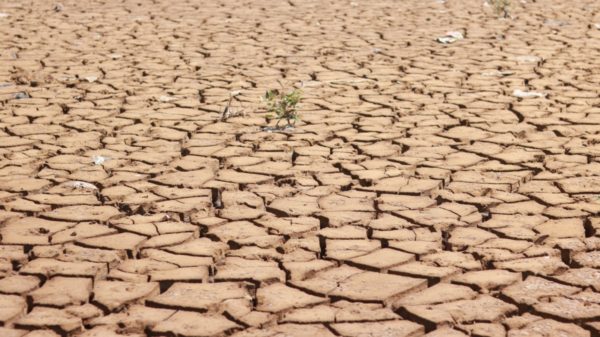
Unpredictable seasons, rising heatwaves, heavier rainfall, extreme floods, cyclones, and prolonged drought – all show how much more intense the weather has become in recent years. These are not random events but signals that climate change is speeding up. Its impacts are already present in our daily lives, affecting our food supply, clean water access, health, and the safety of our homes and communities. 

The World Meteorogical Organization recently confirmed that last 2024 was the warmest year ever recorded since 1850. The past decade has also been the hottest on record, marking an alarming pattern of rapid global warming. 
Tantri "Kotak"

By 2030, climate change is projected to push between 32 and 132 million more people into extreme poverty. Meanwhile, global ice loss has surged from 0.8 trillion tonnes per year in the 1990s to 1.3 trillion tonnes annually by 2017. As ice melts, sea levels rise — increasing the risk of coastal flooding, especially in archipelagic nations like Indonesia. This threatens coastal communities, ecosystems, and wildlife habitats, making climate mitigation more urgent than ever. 

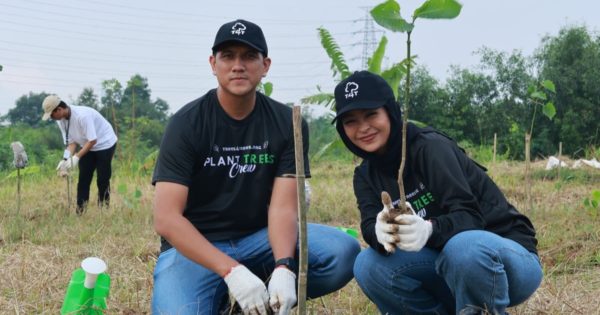
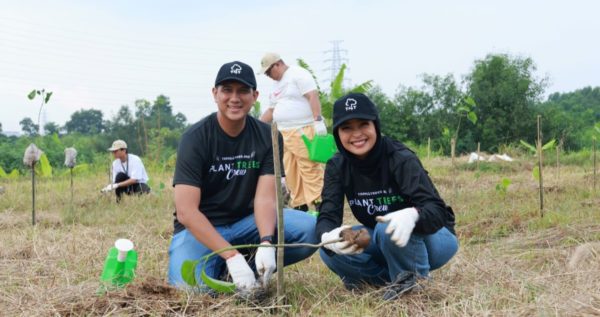
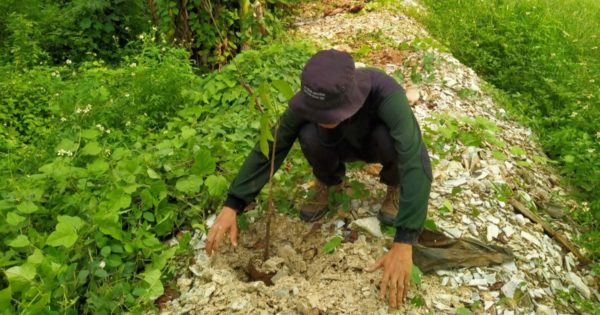
Speaking about the climate impacts we are witnessing today, during the tree-planting event with Trees4Trees and Jaya Obayashi in the GIIC industrial area, Cikarang, Trees4Trees ambassadors Tantri Syalindri (lead vocalist of Kotak Band) and Arda Hatna (solo singer) shared how each of us can play a role in slowing climate change, starting from simple, everyday actions. 

A Reflection Inspired by a Movie 

Arda shared that his awareness of environmental protection grew after witnessing unusual weather patterns in recent years. “I’ve realized how enormous and visible the effects of climate change have become. We can feel it directly – the seasons are no longer predictable; the dry season lasts too long, and the rainy season can be just as extreme. Diseases and viruses are also appearing more frequently. I believe climate change plays a major role in all of this,” he said. 

Interestingly, beyond the changing weather, his deeper self-awareness was sparked by reflecting on an antagonist character from a movie.  

“Honestly, I became more interested in environmental issues in 2019, after watching the Avengers movie,” he shared. “The villain, Thanos, wanted to wipe out half of the world’s population because he believed the Earth couldn’t sustain billions of people and provide all human needs. After watching it, I started to wonder – was he wrong, or was there a point? If we keep using up natural resources without giving anything back, eventually the planet won’t survive and neither will we.” 

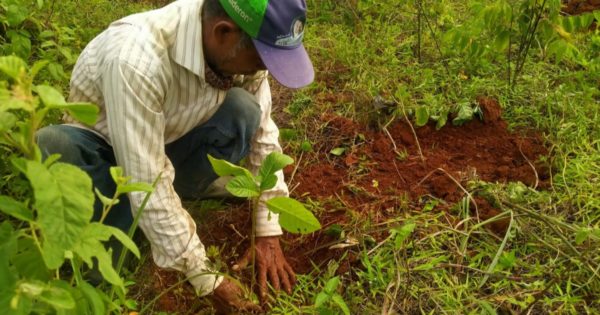
He went on to explain that this also applies to trees. “If we cut them down to fulfill our needs, we must also replant them. If we only take and never restore, that greed will destroy our own future.” 
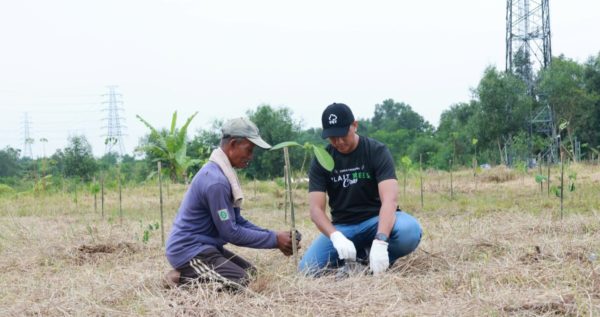
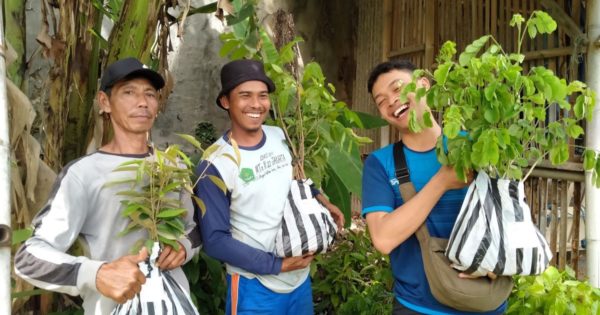
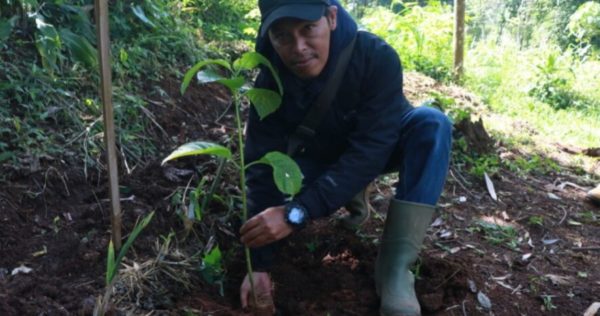
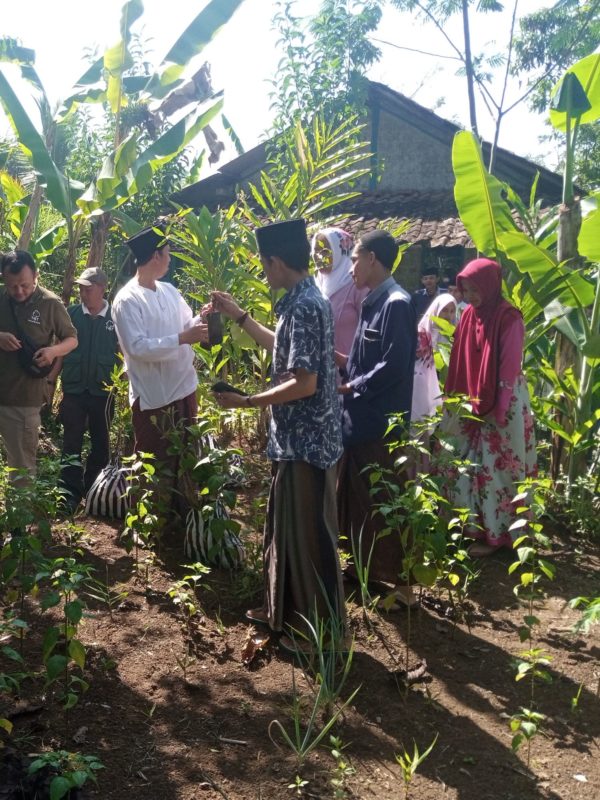
Arda and farmer

Engaging the Family in Better Habits  

Arda also emphasized that climate change is largely driven by human activities and often begins with small bad habits, even within our homes. “For example, using electricity 24 hours a day. Whether we realize it or not, we’re contributing to the climate problem.” He admitted that these habits still exist in his own household, which is why change must begin with daily actions. 

Echoing Arda’s message, Tantri shared that she has also felt the impact of extreme weather and believes the first step toward helping the environment can start from home. “We began by improving our family’s daily habits through small actions,” she said. “We have two children, and we try to lead by example – like not littering and teaching them why waste shouldn’t be thrown carelessly. We also plant trees at home. Some of the trees were planted together with our kids. We gave them planting kits so they could plant on their own.” 
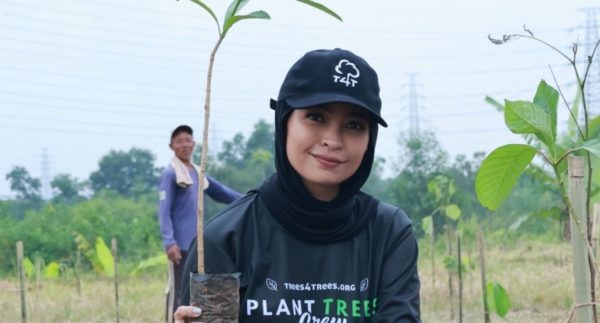
Tantri "Kotak"

Start with Small Actions: Planting Trees 

As musicians, Tantri and her band Kotak began raising environmental awareness as early as 2017 through one of their campaigns. “We were already anxious about the state of the planet back then. Things have only gotten worse today,” she said. Continuing that mission, she now wants to take real action by working with Trees4Trees to help green the Earth – aligning with the spirit of Kotak’s song Hijaukan Bumi (Greening the Earth). 

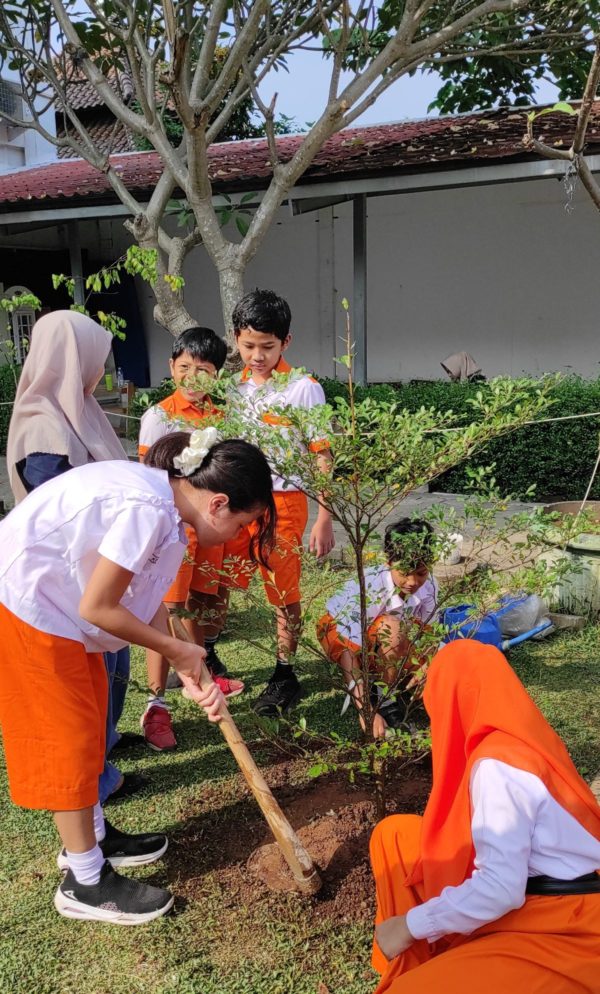
Recently, together with around 50 volunteers from Jaya Obayashi, Tantri and Arda joined a tree-planting event as part of their commitment to speak up for environmental protection and climate action. The activity is also part of an effort to balance nature with industrial growth through urban forestry within the GIIC industrial area. 
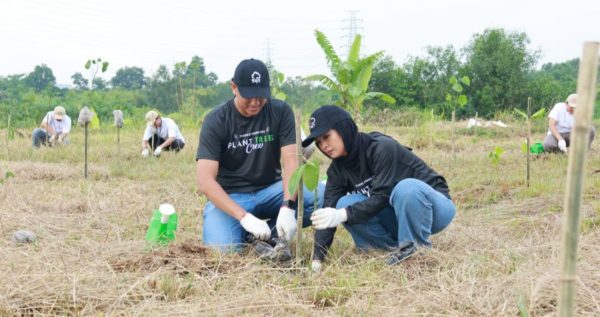
Tantri "Kotak" and Arda

Tantri "Kotak"

“This is our small step to contribute to the Earth, and we hope it will inspire others. We hope the trees we plant become part of the solution to today’s climate challenges. As they grow, they will help absorb emissions – especially in this industrial zone and restore some balance to the environment,” Tantri said. 

Arda added that planting trees may look like a small gesture, but when done collectively, it becomes powerful.  

“I believe Earth doesn’t need superheroes. It only needs many people who care enough to protect it. Because together, we can build a greater movement for this planet – our shared home,” he concluded.  

Writer: V. Arnila Wulandani. Photos: Yulianisa Dessenita

Expanding Green Spaces: Urban Forestry in Gunung Putri, Bogor

Expanding Green Spaces: Urban Forestry
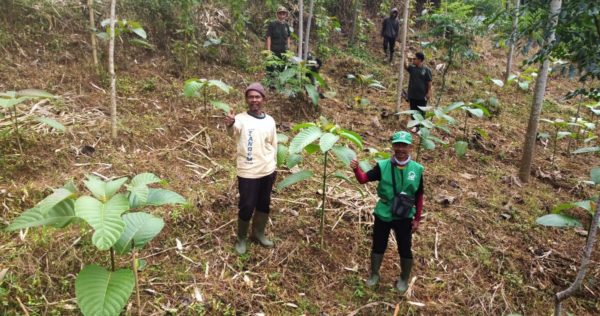
(Above) Local volunteers at the tree-planting program in Bojong Nangka Village, Gunung Putri District

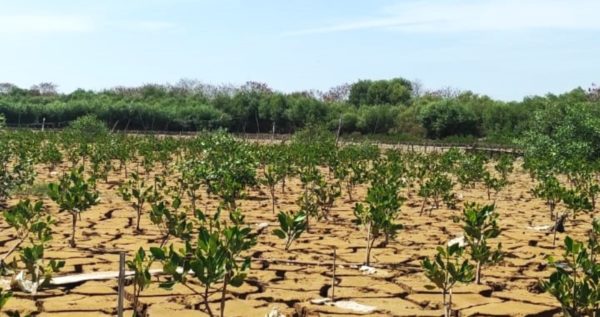
Gunung Putri District is located near Bantar Gebang, home to West Java’s largest landfill site. Like many other areas on the outskirts of Jakarta, Gunung Putri struggles with a range of environmental problems, from air pollution caused by traffic jams to overpopulation, unchecked residential development, and the disappearance of green spaces. During the dry season, a lack of tree cover makes the region unbearably hot, and when the rains arrive there is flooding caused by poor drainage and soil erosion.  

But look a little closer, and green shoots of progress are beginning to break through the concrete of Gunung Putri. Supported by One Tree Planted (OTP), Trees4Trees has teamed up with local communities to rejuvenate the local environment with an urban forestry program. By replanting and raising awareness, these activities are helping mother nature in Gunung Putri (meaning ‘Princess Mountain’ in Indonesian), rediscover her former beauty. 

Planting Trees
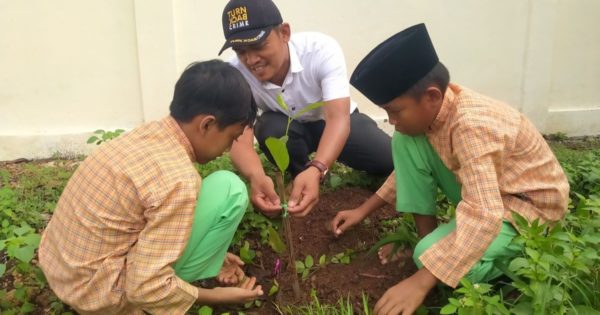
(Above) A key feature of the program was outreach in schools, designed to engage the younger generation in nature preservation and demonstrate the benefits of a greener environment.

Nurturing the next generation 

Earlier this year, the urban forestry program from Trees4Trees and One Tree Planted kicked off in nine villages spanning Gunung Putri District. Planting activities targeted public spaces, privately owned land, schools, and universities. The aim was to regreen the local environment, while also helping reduce pollution and provide some relief from the heat. Another key objective was raising awareness of environmental issues in local communities. 

“Today we planted trees at SD Negeri Nagrak 04 (a local elementary school),” says Agus Susanto, one of several local volunteers in Nagrak Village who helped to plant teak, jabon, durian, jackfruit, and mango trees. “We would like to thank One Tree Planted and Trees4Trees for their support in planting trees in this village, including in this school,” he added.  

Focusing on schools was a key feature of the program. The objective was to instill the younger generation with a passion for nature preservation and demonstrate the benefits offered by greener surroundings. “Hopefully the trees we have planted will grow strong and make this school a greener place to be,” said Agus. “I hope the students can also see the benefits, making the school shadier and cooler, so they can study in comfort.” 

Fsrmers
Planting activities covered a range of places in Gunung Putri District, including schools, private lands, and public park. Providing community benefits.

Expanding Green Spaces: Urban Forestry

In nearby Bojong Nangka Village, the joint planting program mixed timber and multi-purpose trees, including mahogany, trembesi, pulai, jabon, and gmelina, which have wide canopies and are able to provide shade in public spaces. Other multi-purpose trees included durian, mango, clove, avocado, and petai, which have the potential to provide local communities with an alternative source of income.  

“This afternoon was amazing,” explains Amir Arsyad, the head of the village, following the planting activities. “On behalf of the residents of Bojong Nangka Village, we would like to thank Trees4Trees for providing assistance in the form of seedlings – hopefully they will grow well and provide benefits to the environment around us.” 

Trees
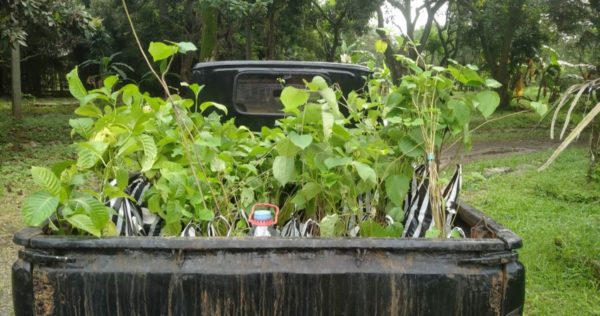
(Above) Keep on truckin’: T4T and OTP have delivered 12,000 new trees to locations in Gunung Putri District, including here, on the campus of Trisakti Nagrak

The multiple benefits of tree planting 

The One Tree Planted program has already planted around 12,000 trees in Gunung Putri District this year. With support from Trees4Trees and local communities, this urban forestry project aims to rejuvenate local ecosystems, reduce air pollution, provide shade, reduce soil erosion, improve water retention, sequester carbon, and build the awareness of environmental protection among local communities. 

Amir Arsyad is one of many participants in the program who has seen the benefits of this development and is now committed to nature restoration. “When we protect nature, nature will protect us,” he explains, before noting it is the community’s responsibility to care for their surroundings. “If not us,” he says, “who else will protect the nature around us?”   

Writer: V. Arnila Wulandani. Editor: Chris Alexander. Photos: Rusmanto Manulang/Trees4Trees

Weathering the Storm: Natural Solutions to El Niño

drought during el nino_trees4trees
Weathering the Storm
Photo: Freepik

This year we had the hottest July, August, and September ever recorded. Weather patterns around the world are in a state of flux, pushing temperatures up and stretching our planet’s life support systems to the limit. In tropical regions, like Indonesia, the impacts of climate change are clear to see. 

To make matters worse, extreme weather has been forecasted for Indonesia in the first quarter of 2024, due to the ongoing El Niño weather system. A combination of floods, cyclones, landslides, and disruption to food production could all be just around the corner.  

But what exactly is El Niño? What are its effects? And how can reforestation help to lessen its impact on people and planet? In this article, we’ll look for the answers. 

What is El Niño? 

El Niño, which means ‘little boy’ in Spanish, is a natural climate pattern. This name describes the seasonal warming of surface waters in the eastern tropical Pacific Ocean. El Niño is the warm phase of a larger weather cycle – the cool phase is called La Niña, which means ‘little girl’.  

El Niño / La Niña events don’t happen every year. They normally come around every two to seven years and typically last between nine and 12 months. Sometimes, they can even last for years at a time.  

So if El Niño and La Niña, are natural climate events, then what’s the problem? Unfortunately, recent studies have found that climate change is supercharging these weather systems, making them more frequent and more fierce. And the effects of this change can be deadly. 

Natural Solutions to  El Niño
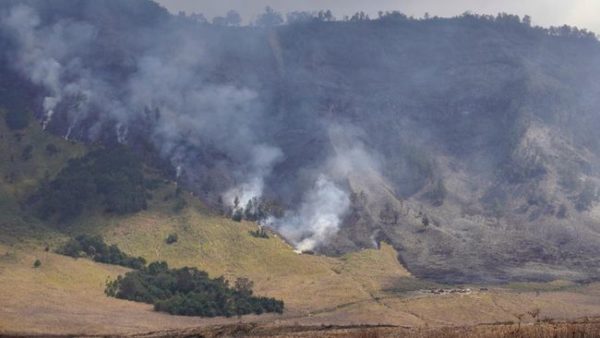
(Above) Wildfires at Mount Bromo in East Java, where an extended dry season left the savannah as dry as kindling. Photo: CNN Indonesia

What are the Impacts of El Niño? 

We may not realize it, but El Niño and La Niña play a major part in all our lives. These tempestuous twins affect everything from weather and wildlife to, food production, wildfires, and economics. Their impacts can take many different forms – and the differences between them can be extreme:  

  1. Temperatures. This September was the hottest on record, with temperatures 0.5 degrees (Celsius) higher than last year. 
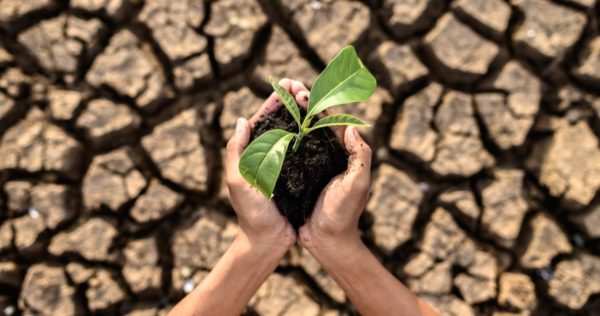
  2. Drought. Delayed rainfall leads to parched landscapes and dry rivers.  
  3. Food shortages. Severe drought means poor harvests, food shortages, and rising prices. 
  4. Wildfires. This year alone, there have been over 3,000 fires in Indonesia. 
  5. Ecosystem damage. From forests to coral reefs, animals and their habitats are feeling the heat. 
drying out river in boyolali_el nino_trees4trees_v arnila wulandani
(Above) A dried-up riverbed in Boyolali, Central Java (Photo: Trees4Trees / V. Arnila Wulandani)

How can we Minimize the Impacts of El Niño? 

El Niño may be a natural event that’s beyond our control, but there are steps we can take to lessen its impact:  

  1. Prevent fires. Around 99% of wildfires are caused by human activities like campfires, cigarette butts, or burning waste. Stopping these activities can help stop wildfires. 
  2. Eat local. Support your local greengrocer, or – even better – grow your own fruit and vegetables. 
  3. Raise awareness. Educate others and encourage them to be more eco-friendly.  
  4. Cut the carbon. Minimize your carbon footprint by taking public transport, walking, cycling, or saving energy at home. 
  5. Plant trees. Trees clean the atmosphere and can help prevent disasters, like erosion, floods, drought, and water shortages. More on this below: 

The Benefits of Planting Trees 

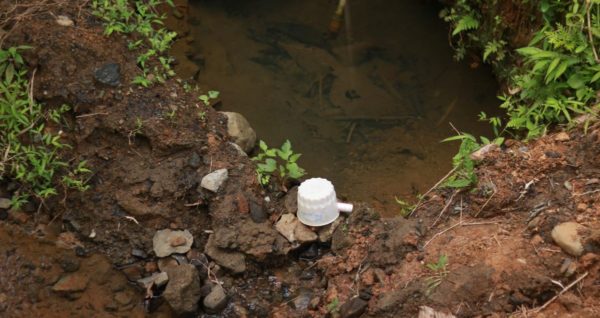
In Indonesia, Trees4Trees’ planting areas have experienced an extended dry season because of El Niño. One of many is Kenteng Village in Kebumen, Central Java. During the dry season, villagers here have to walk about two kilometers to reach the nearest water source.

Working in partnership with local people and international partners, Trees4Trees is helping to raise awareness and kick-start positive changes in Kenteng. Since 2022, weve planted more than 6,000 trees in the village, and there’s more to come too.  

water spring in kenteng village kebumen_el nino_trees4trees_yulianisa dessenita
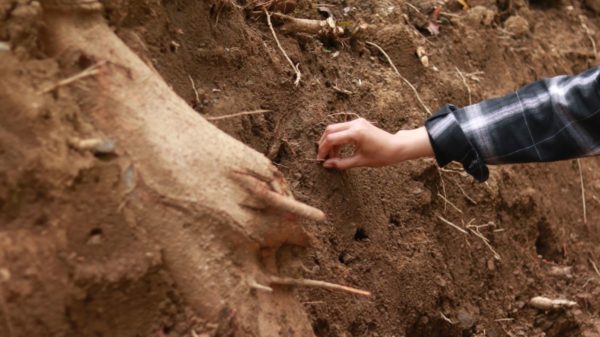
(Above) The only spring in Kenteng Village, and (below) soil dried out by the extended dry season (Photos: Trees4Trees / Yulianisa Dessenita)
Weathering the Storm
Natural Solutions to El Niño

These trees have already had an impact, by helping retain moisture in the soil and providing shade for people and plants during the dry season, and then preventing erosion and flash floods when the rains finally arrived in November. Their fruits, like durian and avocado, provide a reliable source of income for local people, even during the worst of the seasonal weather. 

This year, through Giving Tuesday, we’re encouraging people to donate trees to support the ongoing planting operations in Kenteng, to protect the land from the worst of El Niño and promote agroforestry. And you can join us in this mission. By donating trees, we can combat climate change and create a more livable environment for the community. To learn more, click here or get in touch. 

Writer: V. Arnila Wulandani. Editor: Christopher Alexander

The Heat is On: Finding Solutions to Rising Global Temperatures

The Heat is On Finding Solutions to Rising Global Temperatures_trees4trees
The Heat is On Finding Solutions to Rising Global Temperatures
Photo: Freepik

All around the world, temperatures are soaring, and extreme weather events are becoming more common. This October in Indonesia, where our tree planting efforts are based, cities like Semarang and Jakarta have been sweltering in the highest temperatures seen in the last 30 years. 

This hot weather is partly due to El Niño, a seasonal warming that happens naturally in parts of the Pacific and impacts weather systems around the world. But the driving force of the extreme heat is climate change caused by human activity. 

So what are the impacts of these changes on the planet and its life support systems? Is anything being done to reverse the damage? And how can each of us play our part in cooling the climate?  

In this article, we’ll provide answers to these burning questions. 

The Heat is On Finding Solutions to Rising Global Temperatures_trees4trees
The Heat is On. Photo: Trees4Trees/V. Arnila Wulandani

Breaking all the wrong records in global temperatures 

A recent study in the Nature Reviews Earth and Environment Journal revealed that, from January to September 2023, we experienced the warmest global temperatures in recorded history, surpassing the previous record set in 2016.  

As if that wasn’t bad enough, last month was the hottest September on record;, an unprecedented anomaly in history, when ocean temperatures went through the roof. September was a scorcher, but October and November are already hot on its heels. 

As global warming intensifies, natural climate events, like El Niño are becoming more frequent and more intense. Scientists agree that the biggest driver is human-induced climate change, mostly from emissions of greenhouse gases.  

We set this change in motion, so it’s up to us to stop the global temperature rising. But what can be done? 

The Heat is On Finding Solutions to Rising Global Temperatures
Steps in the right direction: there’s plenty we can do to counter climate change. Photo: Telegraph

Be part of the solution, not part of the problem 

When facing a problem as big as Earth temperature, it’s easy to feel overwhelmed. Maybe even powerless. But there’s plenty each of us can do to turn down the heat. Even the smallest changes, when multiplied enough times, can add up to a massive difference. 

Every time you get in the car, every time you shop online, or even turn on a light switch, your choices have a cost in terms of energy and fuel. This is also known as your carbon footprint – the amount of carbon emitted into the atmosphere as a result of your actions and decisions. 

Here are five steps you can take to reduce your carbon footprint and help combat climate change: 

  1. Buy local and shift to a plant-based diet. 
  2. Use public transport, cycle, and walk 
  3. Cut down your electricity consumption at home 
  4. Embrace a slow fashion approach 
  5. Join nature restoration activities in your area 

From the food we eat to the clothes we wear and the ways we get around, there’s so many ways to reduce energy consumption and lower our environmental impact. Don’t give in to apathy! Take charge of your own environment and be the change you seek. 

Read also: A Breath of Fresh Air: Tackling Jakarta Pollution

The Heat is On Finding Solutions to Rising Global Temperatures
The Heat is On, Finding Solutions to Rising Global Temperatures. Photo: Trees4Trees/Kemas Duga Muis

Climate action: Planting seeds of positive change 

Want to impact the environment on a bigger scale? The best thing we can do is plant trees. And lots of them. Trees can suck harmful greenhouse gases out of the atmosphere, while also storing carbon and producing healthy oxygen.  

But that’s not all – trees have been proven to help prevent floods, erosion, and drought. They provide habitats for animals, shade for new growth, and beauty in the background of our lives on this green planet. 

The Heat is On Finding Solutions to Rising Global Temperatures
Photo: Trees4Trees/Kemas Duga Muis

Read more: Trees That Absorb the Most Carbon Dioxide

In the tropics, where the sun shines all year round, trees feel right at home. And this green belt around the belly of our planet could be the key to combating climate change. Scientists certainly seem to think so. Recent research has found the following benefits to planting trees in the tropics compared to other areas: 

  1. Tropical trees grow faster and absorb more carbon emissions . 
  2. They also sequester up to four times more carbon  
  3. Rainforests are biodiversity hotspots, sheltering endangered species 
  4. Tropical plants and trees can provide us with food and medicine 
  5.  The tropics are home to the world’s largest mangrove forests, which absorb a huge amount of carbon 

For so many reasons, planting trees in the tropics is a good idea. Located right on the equator, Indonesia is home to the worlds third-largest rainforest. And Trees4Trees is helping to spread the life-giving benefits of trees elsewhere in the archipelago. 

We’re taking climate action, planting trees to mitigate the catastrophic effects of climate change and helping lower global temperatures.  

Want to do your part? Join us on our replanting journey, and help Indonesia stay green. Learn more at trees4trees.org. 

Writer: V. Arnila Wulandani. Editor: Christopher Alexander

Nurturing the Next Generation: Trees4Trees School Visits

Nurturing the Next Generation: Trees4Trees School Visits
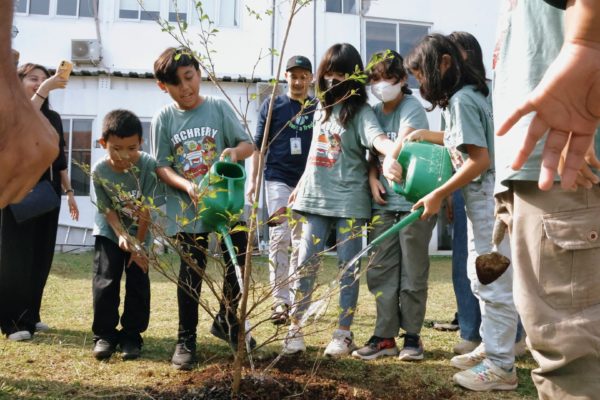
(Above) Fourth graders at Bukit Aksara Elementary School water the Ketapang tree they planted in the school yard.

As the global human population continues to grow, the natural world is under increasing pressure. Efforts are needed now to protect and preserve our planet’s ecosystems for future generations. And this begins with education. 

Through a series of school visits in June, Trees4Trees engaged with kids in Java, building their understanding of environmental issues and getting them excited about conservation. The activities were timed to coincide with Trees4Trees’ 15th anniversary, on June 11.  

“Comprehensive environmental education plays a vital role in preparing kids to address the challenges posed by climate change in the future,” explains Novita, Trees4Trees Planning Assistant. “Schools serve as excellent starting points for such education,” she added. 

Making Learning Fun 

During a visit to Bukit Aksara Elementary School in Semarang, the Trees4Trees team used an animated video on global warming and tree planting to capture the children’s attention.  

“I loved the video,” said Rino, a fourth-grade student at the school. “I learned a lot about global warming and what I can do to prevent it.”  

“I’ve seen other animated movies at school too, where the Earth had no trees left, and people had to buy oxygen to breathe. I don’t want that future, so I am excited with this session,” added Rino.  

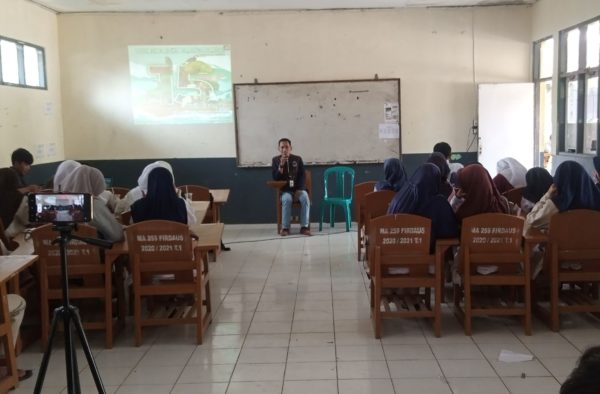
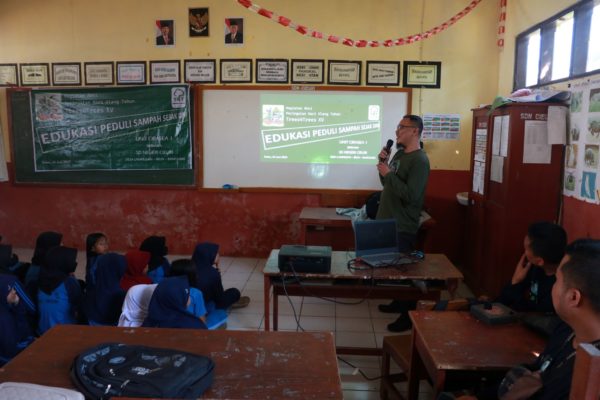
In West Java, Trees4Trees visited Cieuri 1 Elementary School Ibun, Hidayatussa’adah Al Husni School Cipongkor, and Firdaus School Pengalengan in Bandung. In each location, activities focused on waste management, the importance of tree planting, and basic knowledge of conservation. 

Nurturing the Next Generation: Trees4Trees School Visits
(Above) Visiting a group of high school students at Firdaus Islamic Boarding School in Pengalengan, West Java.
Nurturing the Next Generation: Trees4Trees School Visits
(Above) Members of the Trees4Trees team discuss waste management with fourth grader students at Cieuri 1 Elementary School in West Java.

Learning by Doing: Hands-on Environmental Action  

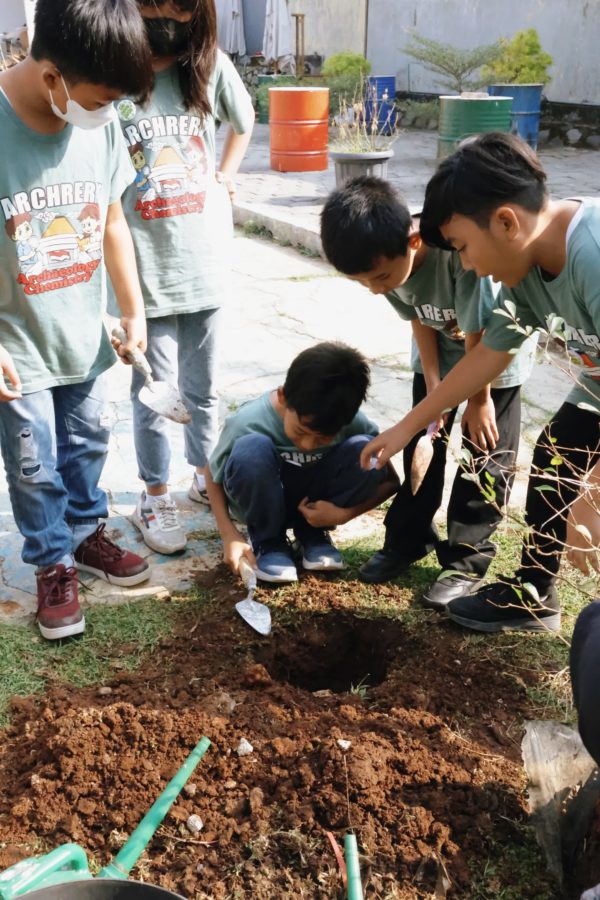
To provide students with hands-on experience, educational sessions included practical activities. At Bukit Aksara, students planted Ketapang trees in their schoolyard, and learned how to care for them properly. 

Nurturing the Next Generation: Trees4Trees School Visits
(Above) Students dig holes and prepare organic fertilizers before they plant trees at Bukit Aksara school. Photo: Yulianisa Dessenita/Trees4Trees
Nurturing the Next Generation
Nurturing the Next Generation: Trees4Trees School Visits

Students at Hidayatussa’adah Al Husni  School also rolled up their sleeves and got planting. “During the session, we taught students to plant trees around the school,” remembers Irfan, the Unit Manager of the Ciminyak 2 site. “Together with them, we also planted 80 trees to green the school’s surroundings.”  

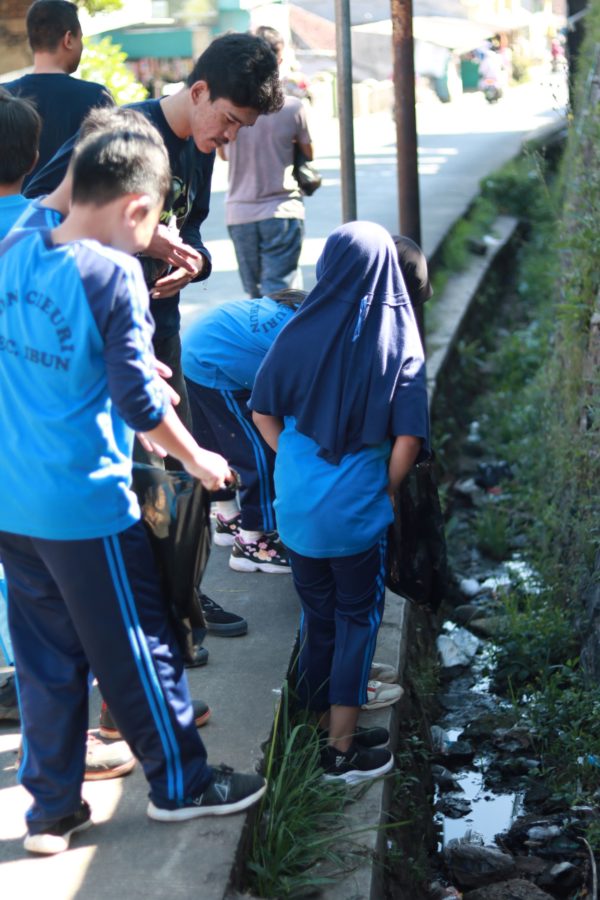
At Cieuri 1 Elementary School, students went on a litter-picking walk to better understand the impact of their actions. The activity helped them develop more responsible habits. 

Trees4Trees School Visits
(Above) Senior high school students at Hidayatussa’adah Al Husni Islamic Boarding School

Through all these efforts, Trees4Trees aims to empower children to become stewards of the Earth and help create a sustainable future for all. 

Want to get involved? Trees4Trees is available to visit your school to share conservation skills and knowledge. For more information, please get in touch. 

The Importance of Environmental Education  

School Visits by Trees4Trees team
Cieuri 1 Elementary School, students went on a litter-picking walk to better understand the impact of their actions. Photo: Kemas Duga Muis/Trees4Trees

According to the State of the World’s Forests (SOFO) 2022, our planet has lost approximately 10% (420 million hectares) of forest cover in the last 30 years.  

As highlighted by UNICEF, children are particularly vulnerable to the adverse impacts of environmental problems, which impact their health, education, and overall well-being.  

Children are the future stewards of our planet. To ensure the long-term survival of the natural world, we must equip the next generation with the environmental knowledge they need to care for our planet. 

Writer: V. Arnila Wulandani. Editor: Christopher Alexander