Conserving Nature, Preserving Sundanese Traditional Culture in West Java

Conserving Nature

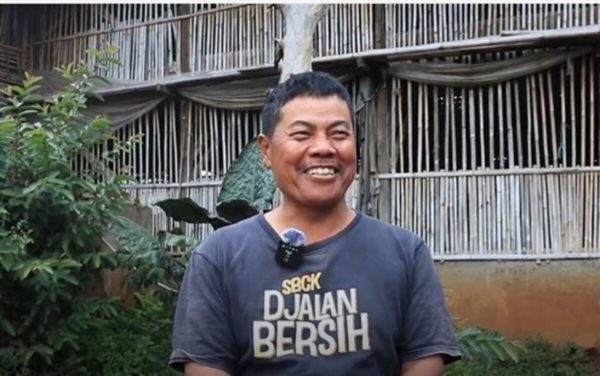
“I train my sheep to run and swim, build their body strength with massages, and provide them with nutritious food,” explains Maman Abdurohman, a farmer and sheep breeder from Ibun Village in West Java. “This includes vitamins, eggs, honey, and leaves like gmelina,” he added. 

Like most farmers in this region, Maman is a member of the Sundanese tribe, an ethnic group famed for their performance arts. One of their most iconic traditions is a sheep festival which traces its roots back to the 1800s, when these gatherings offered a way for farmers to meet, barter for livestock, and share their knowledge. 

Generations later, the annual sheep show continues to draw the crowds. And now, with support from Trees4Trees, farmers are combining animal husbandry with reforestation efforts; keeping traditions alive, while helping West Java stay green. 

The value of tradition  

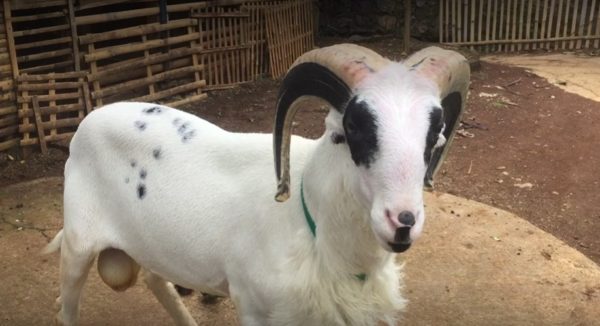
The annual sheep gathering, known locally as kesenian ketangkasan domba, is truly unique. Part livestock auction, part beauty pageant, it features a range of activities to demonstrate the animals’ physical strength, health, agility, and beauty – particularly the size, shape, and curvature of their distinctive horns. Accompanied by traditional Sundanese music, the sheep parade is an unforgettable spectacle. 

Conserving Nature
(Above) With traditional music, parades, and demonstrations of animals’ strength, the traditional sheep performance (kesenian ketangkasan domba) is a major highlight in the farming calendar
Farmer
(Above) Yeyen Sopian, a farmer and sheep breeder from Ibun Village in Bandung Regency

“The competition aims not only to find the strongest and best-looking sheep,” explains Yeyen Sopian, a farmer from Ibun Village, “but also to preserve this traditional art as part of Sundanese culture. Each competition draws a big crowd, and the winning animals can be worth a small fortune to their owners. 

“The better their performance, the higher their price,” says Maman, noting that a strong showing in the event can increase a sheep’s value to around 40 or 50 million rupiah (USD 2,500–3,100). “Actually winning the competition can raise their value to 100 or 200 million rupiah (USD 6,300–12,750),” he adds, with a sense of wonder and excitement. 
Conserving Nature
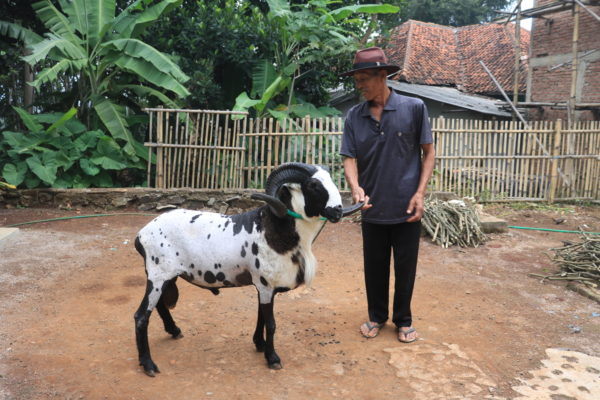
(Above) Maman proudly presents one of the sheep he has raised
sheep
(Above) To farmers like Maman, healthy sheep can be worth a small fortune

Planting trees, preserving culture 

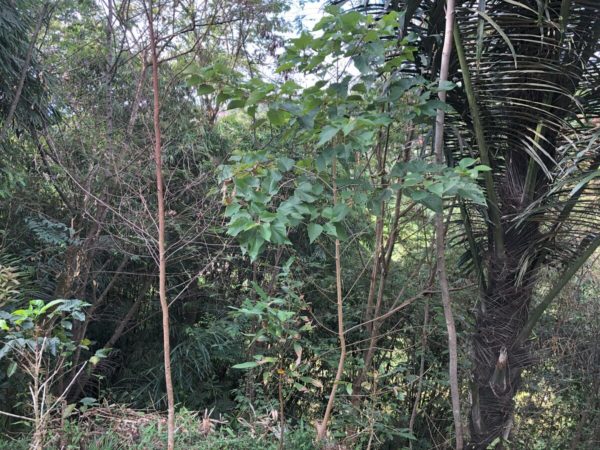
Key to the animals’ strength is the food they eat. “We use a variety of fodder,” explains Yeyen, “including grasses, plants, tofu, and gmelina leaves, which help them grow big and strong.” Gmelina makes for excellent fodder, along with the leaves of red stinkwood trees. To ensure a steady supply, Maman uses a particular pruning method. “The branches must be pruned just right, so we can use the leaves as fodder without harming the trees,” he says.  

“The Ibun community has long grown gmelina trees for their high-nutritious, easily digestible leaves,” says Jeje Sutarja, Trees4Trees’ Unit Manager for the Cirasea Watershed Unit in Bandung. “By providing gmelina trees free of charge, Trees4Trees helps farmers increase tree coverage, which has the triple benefit of supporting the animals’ well-being, preserving traditions, and conserving the natural environment.”  
Winning sheep
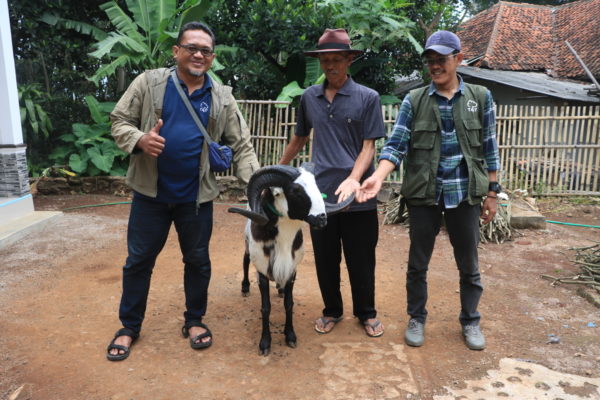
(Above) Members of the Trees4Trees team pose together with Maman (center) and one of his prize-winning sheep
Gmelina
Above) Gmelina trees are essential to the health and well-being of the prized sheep in Ibun Village, West Java

Planting for the future, rooted in traditions of the past  

“Farmers already know how to prune correctly by avoiding cuts to the trunk, and we provide additional guidance,” says Alwi Subhan, Trees4Trees’ Field Coordinator for Ibun District, adding that, by educating farmers on pruning methods, Trees4Trees aims to encourage proper leaf harvesting without harming the trees. “For example, before pruning, they need to measure at least 15 to 20 cm from the trunk to prevent damage to the trees,” explains Alwi. 

In addition to gmelina, Trees4Trees distributes a range of other tree species to the sheep farmers, including red stinkwood, albizia, mindi, and jackfruit. By providing them with the trees and the know-how they need, Trees4Trees is supporting the preservation of nature and culture in West Java. Together, we are helping traditions stay as strong and valued as the animals themselves. 

Writer: V. Arnila Wulandani. Editor: Chris Alexander. Photos: Kemas Duga Muis 

Roots of Java: Indigenous Tribes Hold the Key to Environmental Protection

Roots of java
Photo: Trees4Trees/Kemas Duga Muis

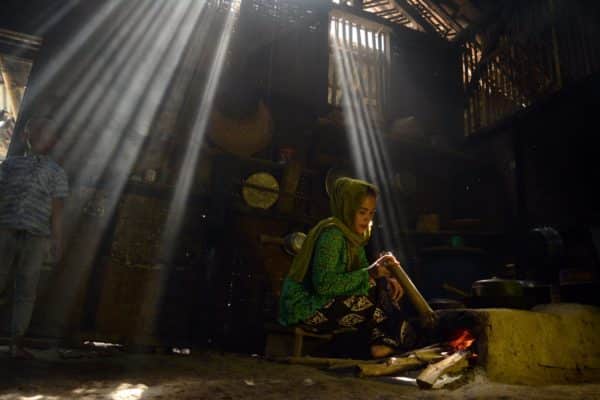
In Java, tribal cultures have found ways to live in harmony with nature. From cooking and eating to architecture and fabric dyeing, these groups incorporate eco-friendly practices in their daily activities; guided by traditional wisdom and knowledge, they utilize natural resources to meet their needs.  

In our ongoing mission to restore forests on Java, Trees4Trees have met and been inspired by many of these Indigenous communities, whose commitment to environmental sustainability is embodied in many aspects of daily life. Let’s take a closer look and some of these green innovations.   

Biodegradable food packaging 

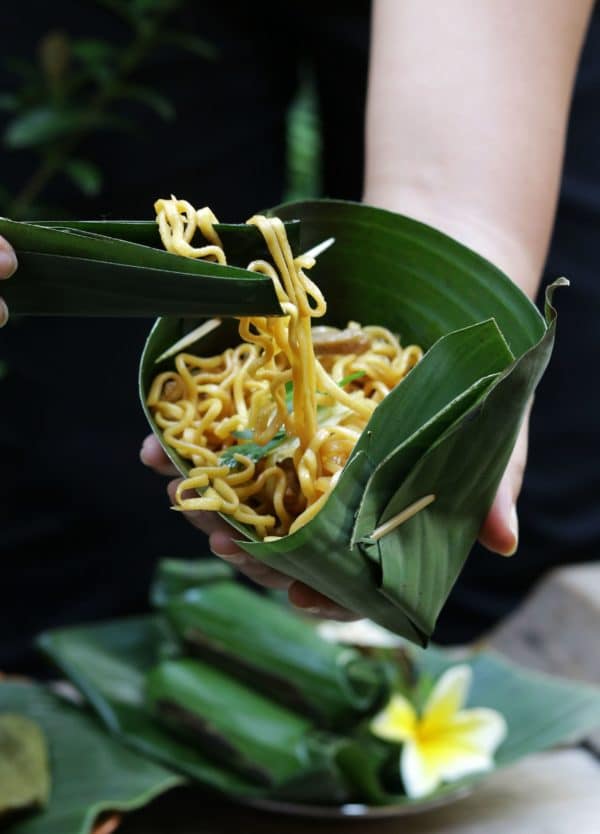
For generations, local communities have found natural solutions to the problem of carrying food from A to B. In Java, they use  leaves from banana, teak, coconut, taro, and bamboo trees, while also finding use for the leaves and husks of corn. This form of single-use packaging is locally made, easy to replenish, and breaks down quickly and harmlessly when discarded.  

a single banana leaf can be folded into plates
(Above) Using traditional skills, a single banana leaf can be folded into plates, bowls, and spoons. Photo: Trees4Trees/Yulianisa Dessenita.

Sustainable plates, cups, and kitchenware 

The utility of leaves doesn’t stop there – with a little local know-how, these materials can also be folded and fashioned into plates and bowls. Using traditional skills, a single banana leaf can even be made into a spoon. These innovations can save the earth – they can also free you from doing the dishes!

Roots of Java; held in place by a small wooden pin,
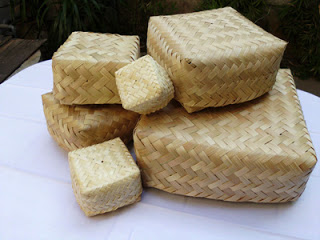
(Above) with a few strategic folds, held in place by a small wooden pin, leaves can provide biodegradable bowls for noodles or porridge. Photo: Trees4Trees/Yulianisa Dessenita. (Below) Dried bamboo fibers and fronds can be woven into durable, decorative (and degradable) packaging solutions. Photo: desabligo.magelangkab.id

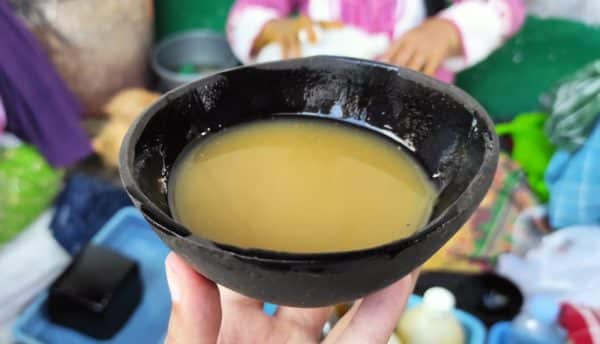
For many tribes in Java, bamboo is a ubiquitous and versatile material. Its sturdy leaves can be dried and woven together into various types of food containers, boxes, and trays. In the Javanese jamu tradition, healthy herbal drinks are mixed together from rhizomes such as turmeric, ginger, or aromatic ginger mixed with rice extract, and then served in simple yet decorative bowls made from coconut shells. 

Polished coconut shells make simple yet elegant containers
(Above) Polished coconut shells make simple yet elegant containers for a healthy glass of ‘jamu’ (traditional herbal drinks). Photo: Trees4Trees/V. Arnila Wulandani

Read also: Coastal Communities and Culinary Tradition: Mangrove Restoration in Pati.

Adding a dash of color: natural fabric dyeing   

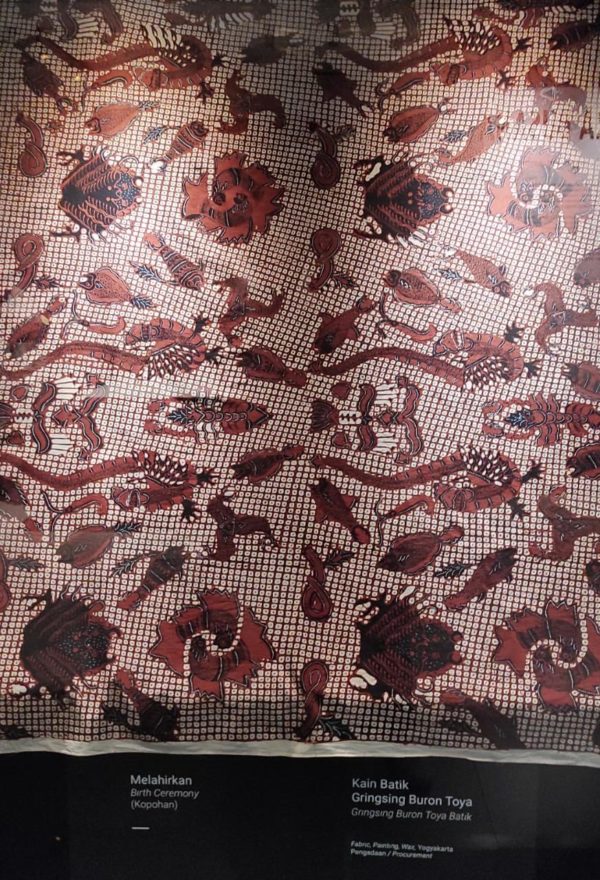
One of the most iconic cultural creations from Java is batik textiles decorated with elaborate designs using a combination of stencils, tie-dyeing, or hot wax from a traditional pen called a canting. These patterns are brought to life with rich colors derived from nature: for blue hues, tribes use plants such as indigofera or tarum tree leaves (Indigofera tinctoria); for earthy browns, they turn to soga tree bark (Peltophorum pterocarpum); and to add a flash of golden yellow, the local tengaran tree or ceriops mangrove bark (Ceriops tagal) has the answer. 

Roots of Java; Batik
(Above)In Javanese culture, each batik motif has a different meaning and purpose that is adapted to the phases of human life, from birth, marriage, to death. For example, the Gringsing Toya Buron motif is used by a women in traditional processions of giving birth. Photo: V. Arnila Wulandani/Batik collection of Sonobudoyo Museum

Clean and green: natural detergents don’t cost the earth 

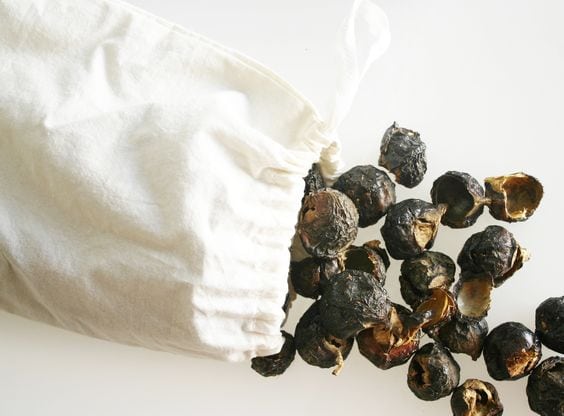
For generations, local people in Java have been using a natural soap derived from fruit extract to wash their clothes and kitchenware. It can even be used as an eco-friendly shampoo. The lerak (Sapindus rarak) tree is  part of the soapberry family. As the name suggests, it contains saponin and anti-bacterial properties, but also produces foam that helps remove stains.  

These natural detergents can gently clean batik fabrics without any harmful wastewater. Cheap to make and totally natural, these eco-friendly soaps can help batiks hold onto their vivid colors, while also keeping Java green! 

(Above) Natural fruit extracts from the lerak tree (Sapindus rarak) can be used to make eco-friendly soaps. Photo: zerowaste.id

Sustainable foundations: eco-friendly architecture  

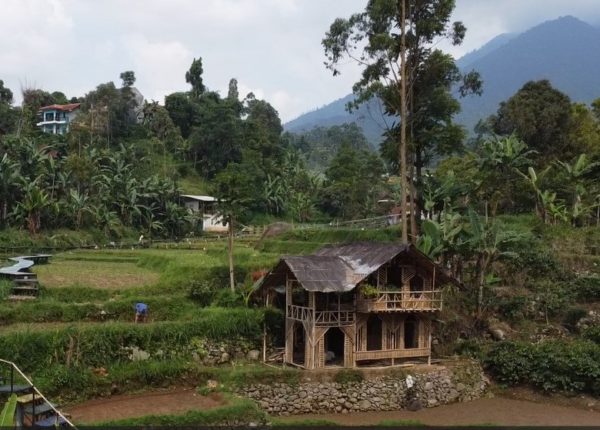
Many kinds of traditional houses can be found in West Java, each with their own unique architectural style. One thing they all have in common is that the frames are made from bamboo and wood, while the roofs are typically made from dried coconut or palm leaves.  

The Sundanese people have a particular resting place known as a saung; usually built in the middle of a rice field, this is a simple open structure built on stilts. The  Baduy people use bamboo to build their traditional houses, with river stones as the foundation and structures built in harmony with the contours of the land. 

traditional houses in Java have a lower carbon footprint than industrial construction projects
(Above) Using stones from the river and wood from nearby trees, traditional houses in Java have a much lower carbon footprint than industrial construction projects

In Java, trees and forests play a central role in the lives of local people. From kitchenware to clothing and building materials, the leaves, bark, stems, and fruit of Java’s trees are utilized for a variety of different purposes. 

Traditional cultures recognize the need to conserve these important materials. Over many generations, communities have learned to take only what they need from nature and use what they have in a way that does no harm 

Taking our inspiration from this traditional knowledge, Trees4Trees will continue working to replant trees, while also celebrating the cultural wisdom that utilizes them sustainably.

Read also: Travel in Java: Situ Cisanti and the Source of the Citarum River

Writer: V. Arnila Wulandani. Editor: Christopher Alexander