Nursery Highlights: Growing Multi-purpose Trees Species

Multipurpose tree species refer to the type of trees that are grown to provide numerous benefits both for the environment and the economy. These may include environmental enhancement, such as providing shade, conserving water, and improving soil quality.  

In addition to the environmental benefits, multipurpose trees also yield non-timber commodities, including fruits, leaves, nuts, sap, or bark. These commodities have a significant economic value and are competitive in the market, supporting local community livelihoods. Recognizing these advantages, Trees4Trees cultivates multipurpose tree seedlings like coffee, avocado, durian, petai, clove, and cotton in its nurseries.  

Let’s observe the dedicated efforts of our nursery team as they cultivate and nurture our multipurpose tree seedlings in our four established nurseries! 

Growing Multi-purpose Trees Species

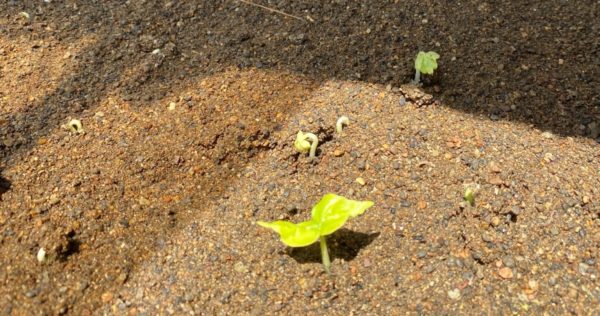
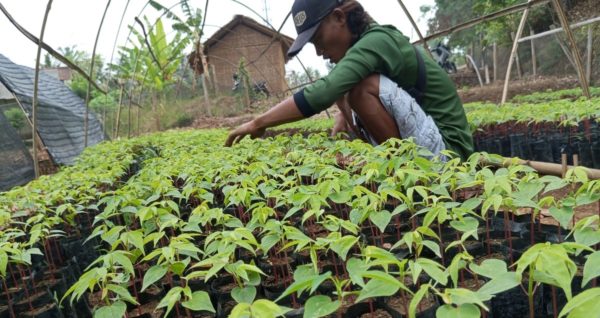
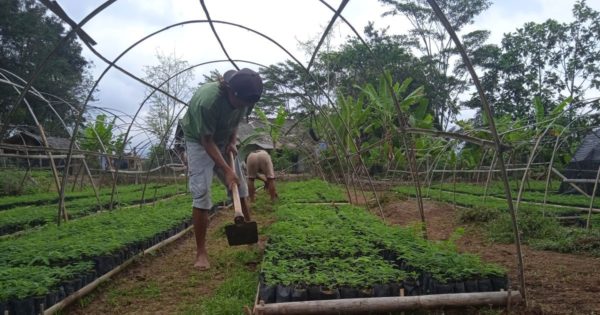
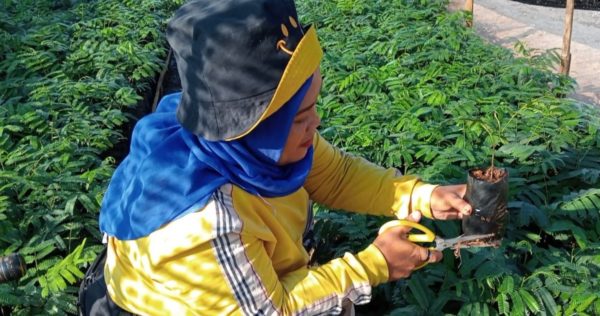
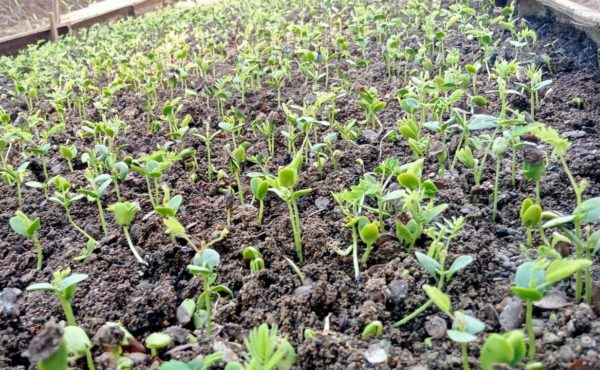
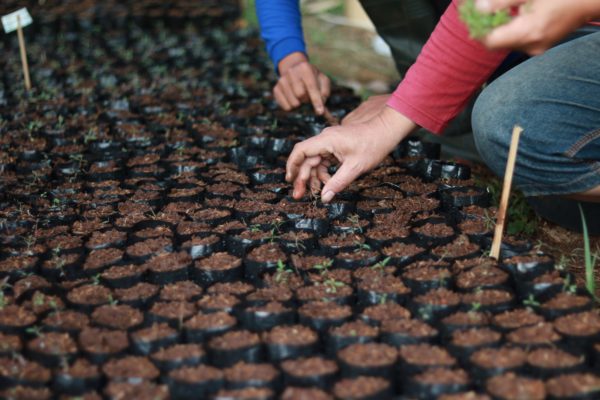
At the Kebumen nursery, a new tree-seedling has been introduced. This year, the nursery has started on the cultivation of the cotton tree, also known in Indonesia as the randu tree or kapuk tree. The decision to grow cotton trees is a response to the strong interest of the local community in Kebumen, driven by the economic value of the tree. Cotton trees produce fibers which are contained in their fruits, and these fibers are essential raw materials for textile yarn. (Above) New shoots of randu tree-seedling have begun to grow. (Below) A nursery worker is removing weeds from the randu tree seedlings to ensure the maximum growth.  

Nursery Highlights: Growing Multi-purpose Trees Species

Nursery Highlights: Growing Multi-purpose Trees Species

Jackfruit, or nangka is one of the favorite fruits in Indonesia, including the Java islands. Considering that the trees are widely cultivated by local people for their delicious fruits, the Kebumen nursery grows jackfruit tree-seedlings. These trees produce sweet, yellow fruits that can be consumed directly or used as an additional ingredient for traditional snacks and drinks, thanks to their distinctive aroma. The young fruits also can be used to prepare traditional Javanese dish called gudeg. 
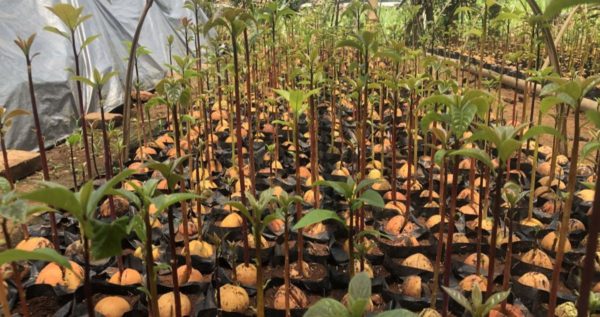
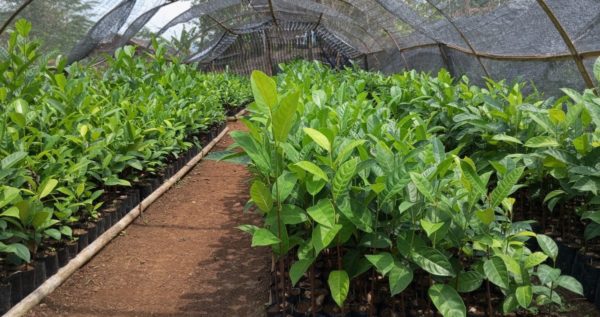
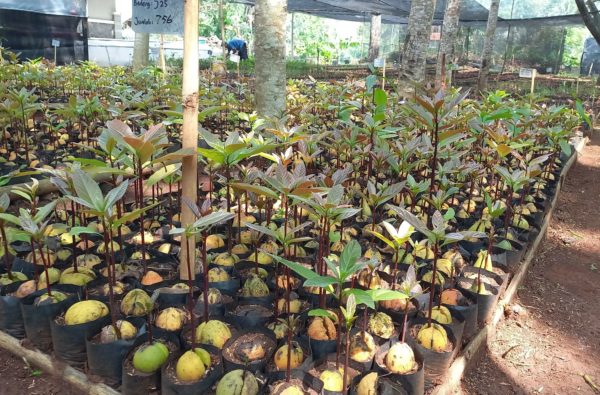
Avocado is one of the multipurpose trees that has a high economic value. Many people incorporate avocado fruit to their healthy diets, contributing to the fruits’ popularity and high demand. All our nurseries cultivate avocado tree-seedlings due to the strong interest of local people in planting avocados. (Above) Avocado tree-seedlings are thriving in the Pati Nursery. (Below) Avocado tree-seedlings are reaching new heights marking significant tree growth in the Cirasea Nursery. 
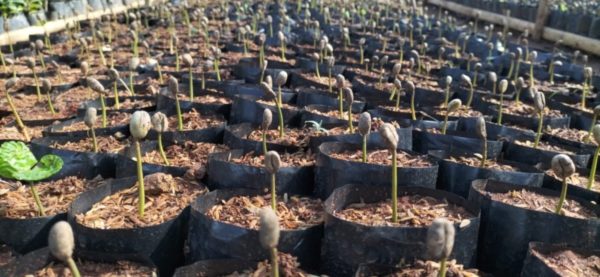
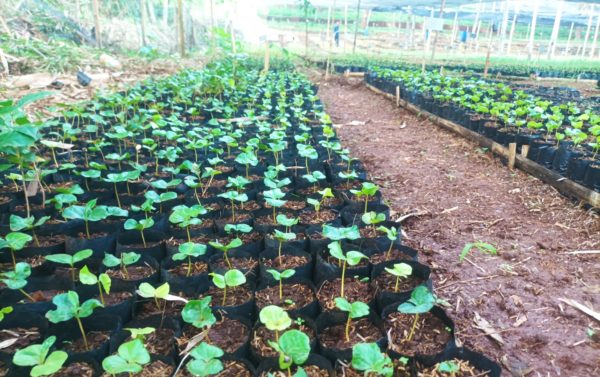
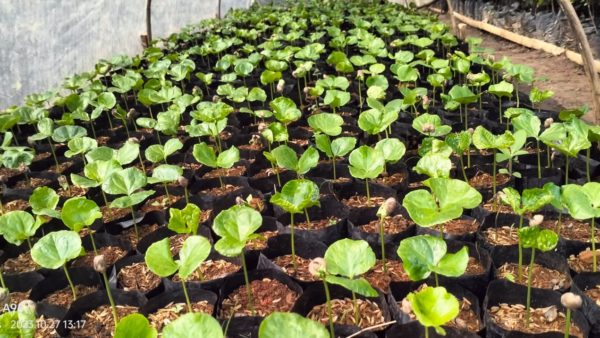
Coffee is one of promising commodities across Indonesia, and during our planting seasons, this species always takes the spotlight. Many tree growers have a strong interest in cultivating coffee trees due to their economic value. (Above) New shoots of coffee tree seedlings have embarked to grow in our Ciminyak nursery. (Below) The twomonthold coffee tree-seedlings are growing greener, displaying their distinctive rounded-shape leaves. 
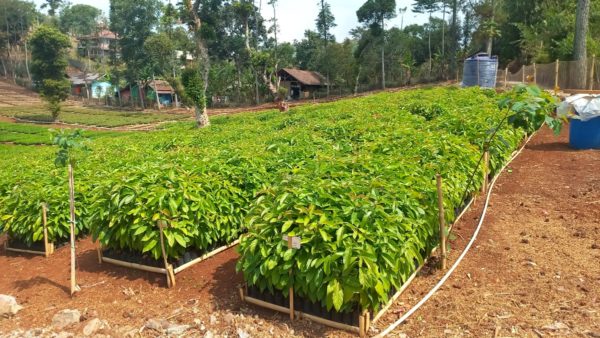
The clove tree, known as cengkeh is an evergreen tree native to the North Maluku Islands of Indonesia. Its aromatic flower buds are highly valuable due to their competitive prices in the market. This species is one of the trees we cultivate to provide income opportunities for our tree growers. (Above) Clove tree seedlings are growing taller in our Ciminyak nursery.
Nursery Highlights: Growing Multi-purpose Trees Species

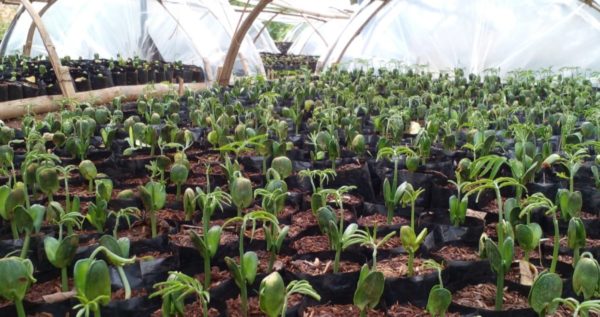
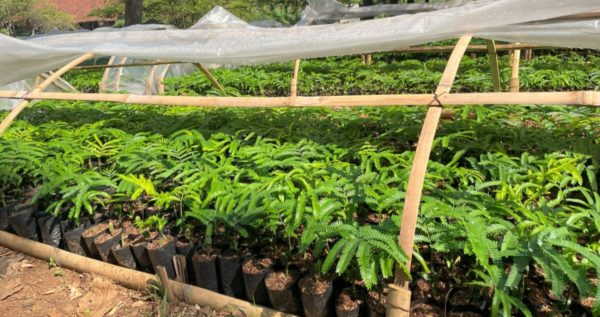
Petai is popular in Indonesia due to most of Indonesian enjoy eating the beans fresh. The petai tree, also known as stinky bean tree, is native to Southeast Asia and produces long green beans about the size of almond. These beans have a high demand in the market. We cultivate petai in our nurseries to provide opportunities for our tree growers partner to gain economic benefits by planting the tree. (Above) Petai seedlings in Soreang nursery in 2 weeks old. (Below) Petai seedings in 2 months old.  
Nursery Highlights: Dedicated and Coordinated Trees4Trees Nursery Teams

In the operations of Trees4Trees’ nurseries, we place a high priority on strong coordination and cultivate a culture of hard work and perseverance within our team to nurture tree seedlings and achieve successful growth and thriving saplings.  

In addition to seedling cultivation, our nursery teams are also responsible for the development of essential facilities within the nursery. 

Explore further through images we captured below to learn about our dedicated team’s daily efforts to enhance the nursery and provide essential supporting facilities. 

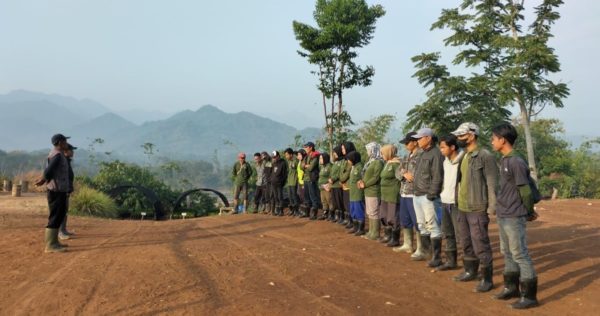
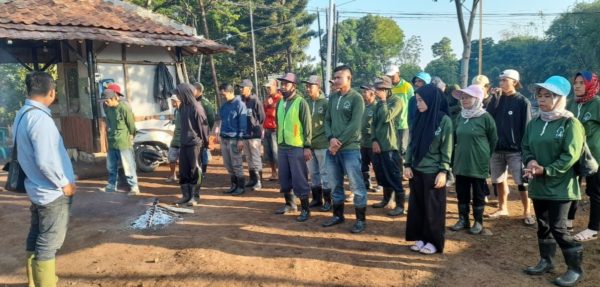
Every morning, our nursery team holds a daily briefing to coordinate tasks within the nursery. (above) The Ciminyak nursery team and (below) the Soreang nursery team conduct their morning briefings before starting work. 

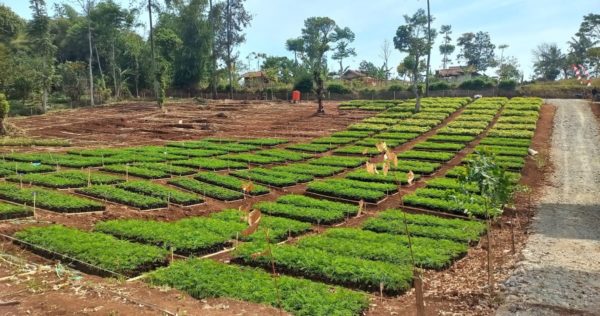
(Above) As tree seedlings flourish and thrive, we can see green seedbeds in the openair areas of Cirasea nursery. (Below) Large shading net roofs are installed to provide shade to Bur-flower tree seedbeds, promoting optimal growth and preventing excessive sunlight, especially in this dry season. 

(Above) As tree seedlings flourish and thrive, we can see green seedbeds in the openair areas of Cirasea nursery. (Below) Large shading net roofs are installed to provide shade to Bur-flower tree seedbeds, promoting optimal growth and preventing excessive sunlight, especially in this dry season. 

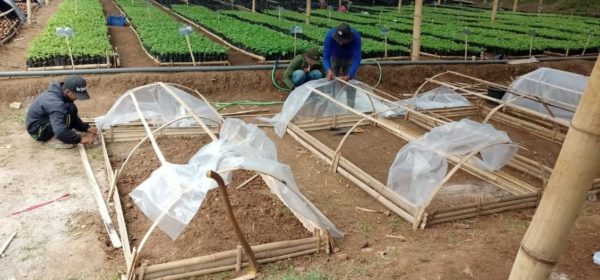
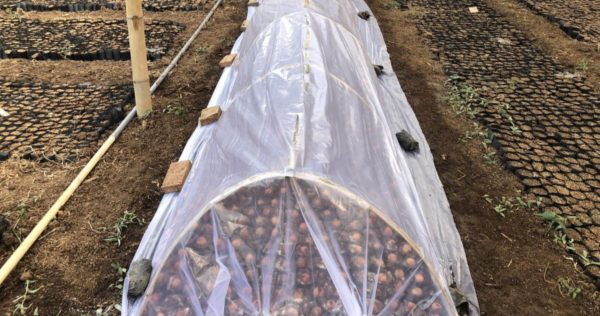
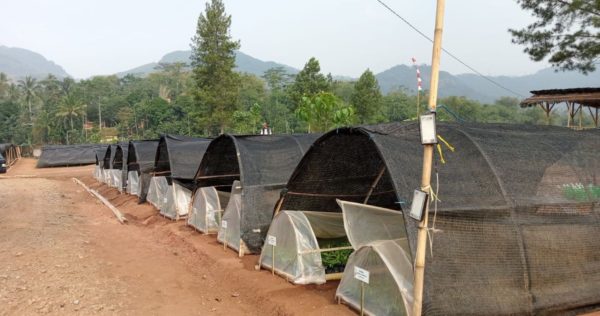
Soreang Nursery team (above) is installing plastic plant covers to the sowing seedbeds. The plant covers the purpose of keeping the humidity and protecting the little seedlings from rainwater runoff, wind, excessive sunlight, and pests’ attack. Pati Nursery team (below) is protecting avocado seedlings with plastic plant covers.  

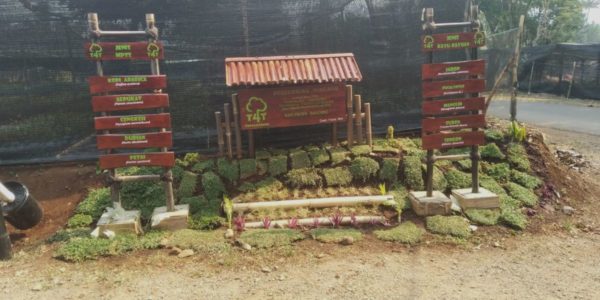
It has been months since we began the Soreang Nursery operation. The Soreang Nursery team has already installed a name plate, marking the location of Soreang Nursery as the newest addition to Trees4Trees’ nurseries in Bandung regency.  

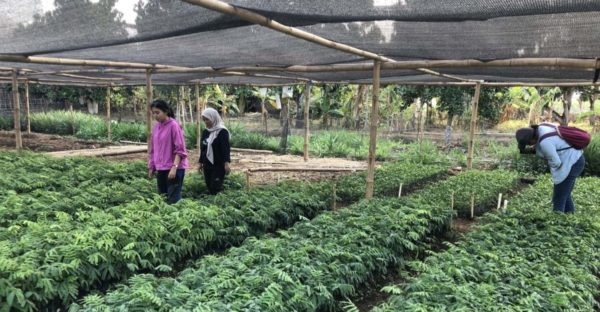
Recently, our team welcomed Samantha Davolos, a scientist from one of our partners, Plant for the Planet (PFTP), who visited our nursery in Pati to gain insights into the plants we have grown on behalf of PFTP. In addition to the nursery visit in Pati nursery, the PFTP’s scientist also toured our Kebumen nursery. Trees4Trees and PFTP have been collaborating on tree-planting for the past six years since 2017.  

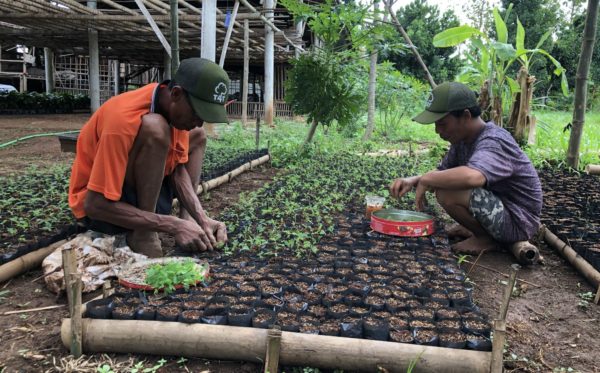
Ensuring the optimal growth of seedlings requires the essential task of clearing excessive weeds from the planting areas. In the Kebumen nursery, our team diligently worked to remove weeds around the seedbeds where our seedlings are thriving. 

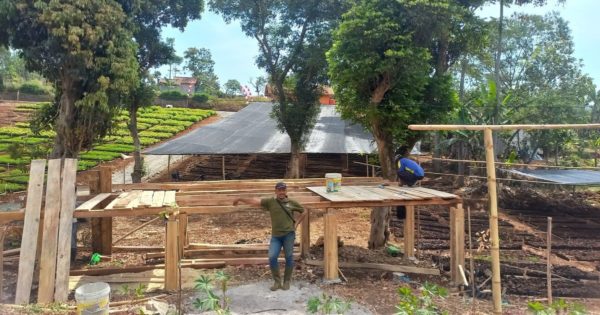
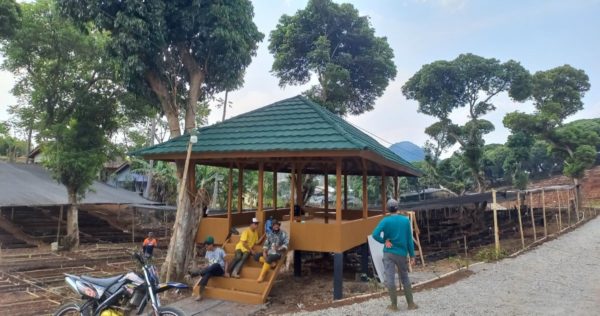
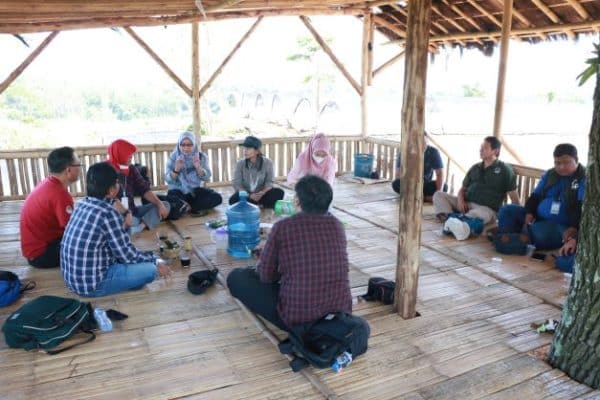
The Cirasea team has recently constructed a new ‘saung,’ a traditional resting shelter made from bamboo, wood, and straw, as an additional support facility within the nursery area. This new ‘saung‘ will provide a resting place as well as an open-air discussion area. (Below) The new ‘saung‘ is fully finished and is being used by our nursery workers for taking a rest. 


Nursery Highlights: Nurturing Seedlings for High-Quality Results

Pemupukan bibit sengon_persemaian pati_20230801_Trees4Trees

In the pursuit of cultivating high-quality seedlings, the Trees4Trees nursery team employs various routines and techniques throughout the seedling growth process. Through diligent care and proper maintenance, these tree seedlings will thrive and mature into young trees, ready to make a positive impact on the environment. 

Join us in witnessing our dedicated efforts to nurture and care for these tree seedlings in our nurseries 

Nurturing Seedlings for High-Quality Results; Pemupukan bibit sengon_persemaian pati_20230801_Trees4Trees

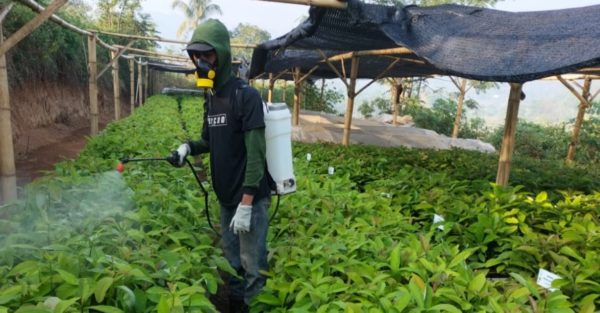
Reaching the optimal growth of every seedling, our team applied organic fertilizer. Pati nursery team (above) sprayed liquid organic fertilizers to Albizia trees. Kebumen nursery team (below) spray plant growth substances to stimulate the growth of Calliandra seedlings.  

Management of pests and diseases affecting the seedlings

Management of pests and diseases affecting the seedlings

For the management of pests and diseases affecting the seedlings, the Ciminyak nursery team utilizes organic pesticides. Mindi and tobacco leaves, both organic materials, are employed effectively in the production of these organic pesticides to combat pests. 

Management of pests and diseases affecting the seedlings

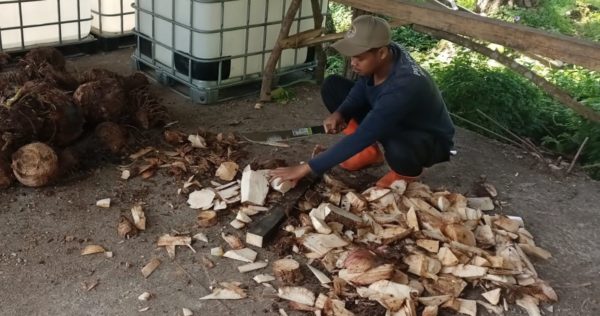
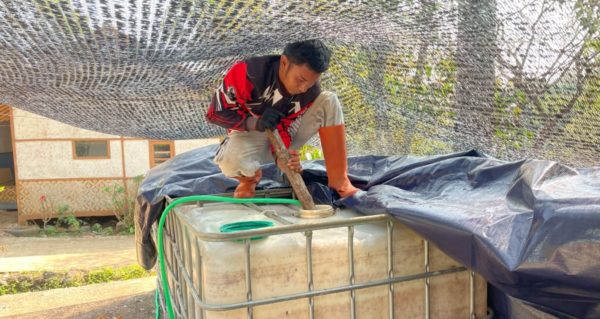
At the Soreang nursery, our team chopped up banana tree stems (above) and mixed them with spirulina, and organic fertilizers to create organic material (below). This organic material serves the dual purpose of controlling pests and fertilizing the soil.

Pembuatan MP 1_Persemaian Soreang_Trees4Trees

Nurturing Seedlings for High-Quality Results

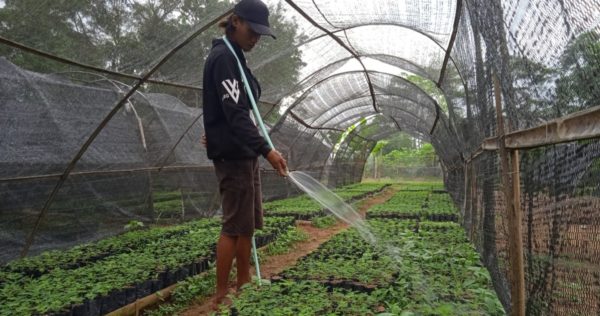
Regularly watering seedlings is essential for the seedlings’ growth. Our team in Kebumen nursery waters the seedlings every afternoon. The optimal times for watering plants are in the early morning and late afternoon. 

Management of pests and diseases affecting the seedlings

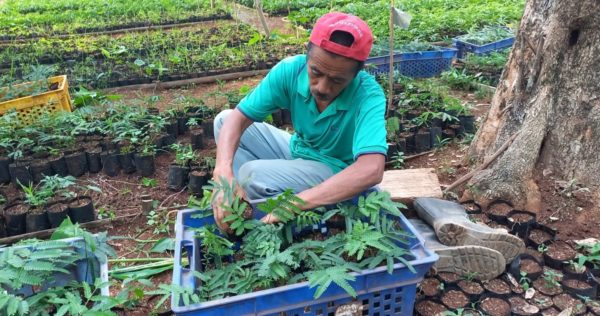
Cirasea nursery team is moving the stinky bean seedlingsEvery tree seedling in the polybags needs to be moved to prevent the roots from not penetrating the ground. Additionally, moving the seedlings is necessary to distinguish between the surviving and non-surviving ones. 
Management of pests and diseases affecting the seedlings


Pruning Akar dan Daur Pada Tanaman Petai_Persemaian Ciminyak_240823_Trees4Trees

Our Ciminyak nursery team is pruning the roots of stinky bean. The pruning is necessary to apply to growing seedlings aims to encourage root branching. 

Management of pests and diseases affecting the seedlings

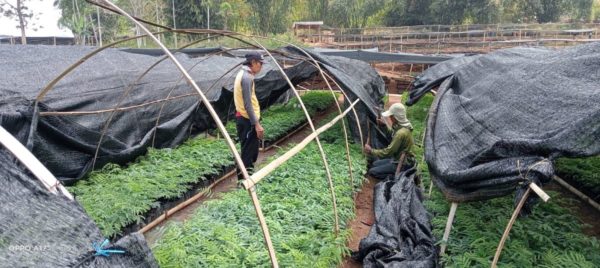
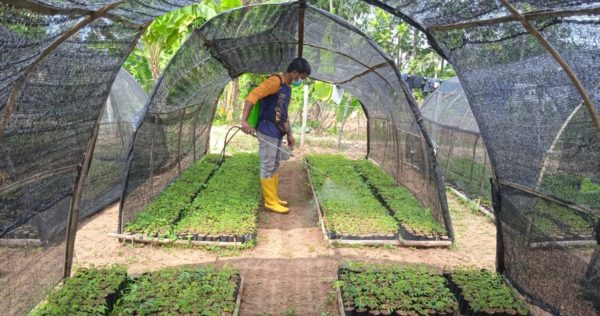
The Soreang nursery team is installing the paranet (above), while the Ciminyak nursery team (below) has already finished installing the shading net. These are used to protect seedlings from excessive sunlight, rainfall, and wind.

Nurturing Seedlings for High-Quality Results


Nursery Highlights: Witness the Flourishing Journey of Seedlings

In the preparation for the 2023 planting season, all Trees4Trees’ nurseries in Central and West Java are bustling with activity as we nurture various kinds of tree seedlings, ranging from timber to fruit trees. Our dedicated nursery teams are working diligently to produce high-quality seedlings, reflecting our unwavering commitment to provide high-quality seedlings. 

One of our key priorities is to cultivate the tree seedlings using organic farming techniques. It aims to ensure that they are environmentally friendly. By adopting sustainable practices, we aim to contribute to a greener and healthier ecosystem. 

Observe the journey of nurturing these seedlings until they flourish into young trees. Take a glimpse into Trees4Trees’ nurseries through the captivating images below! 

The Petai (Stinky Beans) seedlings, one of native Indonesia trees, are now beginning to grow into young trees at our newest nursery, Soreang Nursery. Our team cultivates these seedlings using the direct sowing or polybags method. It is a method where the fruit seeds are placed directly into polybags filled with planting media. Our team applies this particular method typically to trees with larger seeds. Other than petai, our team in West Java has also cultivates avocado, durian, coffee, and clove with this method. Meanwhile, in Trees4Trees Central Java, our team applies the method to avocado, durian, jack fruit, and petai. 

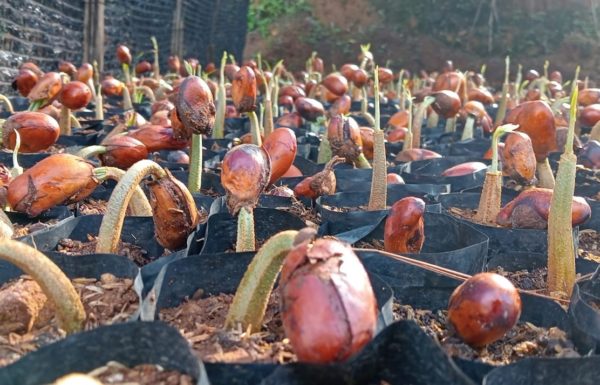
Similarly, the Durian, another native tree of Indonesia, is undergoing cultivation using the direct sowing or polybag method. Excitingly, at our Ciminyak nursery, the durian seedlings have already exhibited impressive growth, with their stems reaching new heights!  

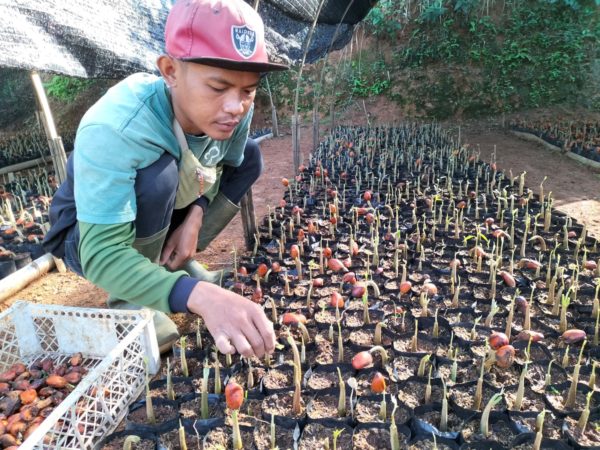
As the durian seedlings progress in their growth journey, the seeds, known as durian ‘seedlings’ heads’ naturally detach from the stems and require removal. Recently, the dedicated nursery team at Ciminyak nursery was diligently engaged in cleaning the durian seedlings, carefully removing the detached ‘heads’ from the growing stems. 

In addition to the direct sowing method, we also employ the indirect sowing or tray sowing method to cultivate seedlings. This involves germinating seeds in sowing trays or tubs, which is especially suitable for trees with small seeds. Typically, they need around five to 22 days (about 3 weeks) before our team transfers them to polybags. At Trees4Trees Kebumen nursery, our dedicated team is currently germinating kaliandra seeds, and we are delighted to witness their successful emergence and growth. In addition to kaliandra, our team applies this method to indigofera and sengon trees. 

Our nursery team at Soreang Nursery is in the process of weaning the baby eucalyptus trees from the sowing tray. Similar to kaliandra, our team cultivates these seedlings using the indirect sowing or tray sowing method. Once the seedlings have grown into baby trees, they require careful weaning and transfer to individual polybags. In the West Java area, our team has applied this method to manglid, gmelina, eucalyptus, sengon, and suren. 

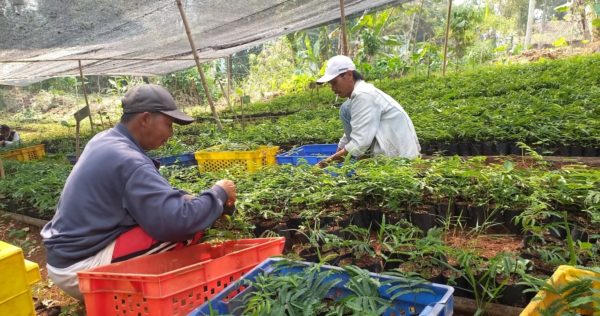
Upon completing the weaning process, the nursery team will proceed to transfer the seedlings from the sowing trays to individual polybags. It is the next phase of growth. After one month, our nursery team will carefully select the seedlings. The selection is based on their height and then grouped together in the same blocks. 

The Trees4Trees Kebumen nursery team (above) and the Pati nursery team (below) are actively engaged in transferring the kaliandra seedlings from the sowing trays to individual polybags. 

The avocado seedlings (above) and coffee seedlings (below) at Cirasea nursery are flourishing, steadily reaching new heights. Avocado and coffee trees stand among the most sought-after choices for our tree growers. 

Witness the Flourishing Journey of Seedlings

Sengon remains the most highly sought-after timber tree among our tree growers. In Trees4Trees Pati nursery, the young sengon trees are beginning to thrive, displaying vibrant green growth. 

Witness the Flourishing Journey of Seedlings

Nursery Highlights: Seedlings Preparation at West Java Nurseries

(Activity highlights) In preparation for the upcoming planting season, our nurseries in West Java are dedicatedly preparing high-quality seedlings for the ongoing Citarum watershed restoration project. At present, Trees4Trees operates three nurseries in the West Java region: Ciminyak Nursery, Cirasea Nursery, and Soreang Nursery. Notably, both Cirasea and Soreang Nursery are newly established facilities. We are eager to showcase some captivating photos that showcase the vibrant activities taking place within our nurseries. 

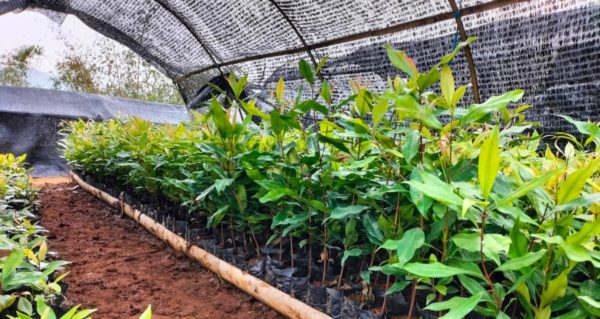
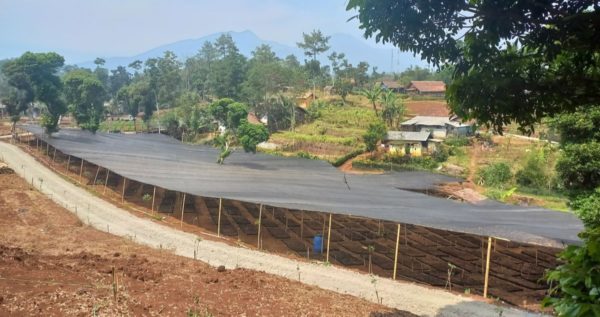
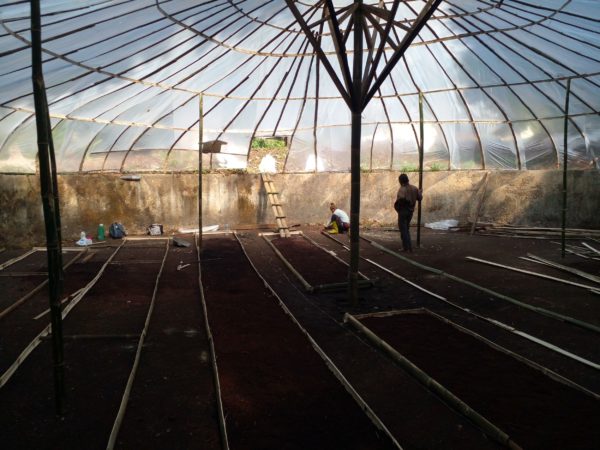
In our newest nursery, Soreang Nursery, we have constructed a spacious greenhouse with a diameter of 12 meters and a height of 4 meters within the nursery area. This greenhouse plays a crucial role in safeguarding the tree seedlings and facilitating their optimal growth. It helps maintain a consistent temperature, shields the seedlings from rainwater runoff, and protects them against potentially damaging winds. 

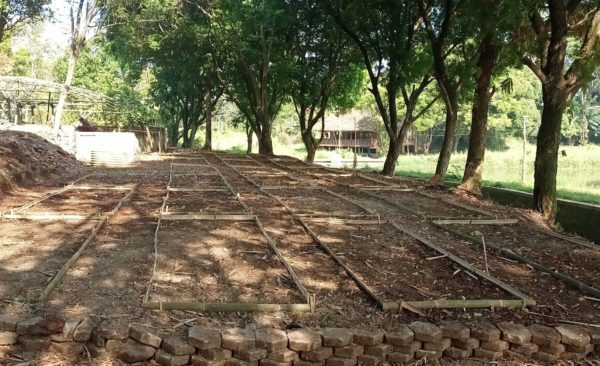
Soreang nursery team sets up seed beds, one of the crucial elements in the nursery to put and categorize tree seedlings.  

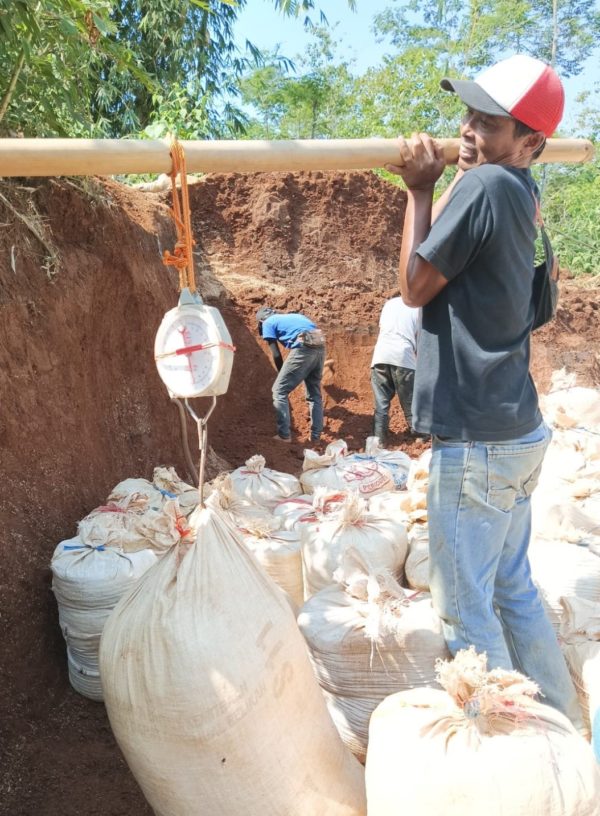
The workers at Ciminyak Nursery are weighing sacks of planting media. Once weighed, the media will be transferred to the seed beds area and filled into polybags. 

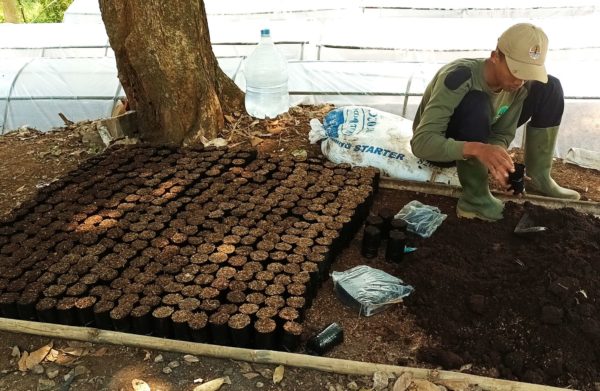
A nursery worker in Soreang  is filling polybags with planting media, carefully ensuring that each polybag is filled with an equal volume of the planting material. 

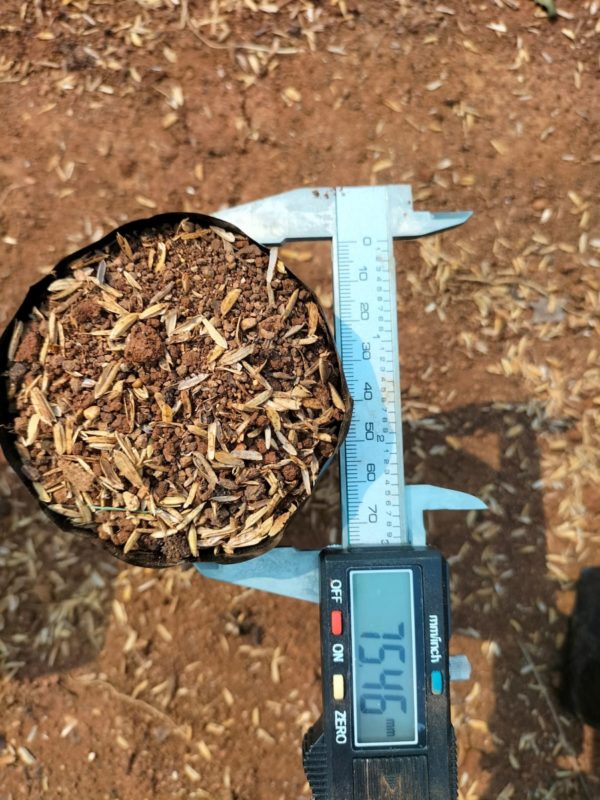
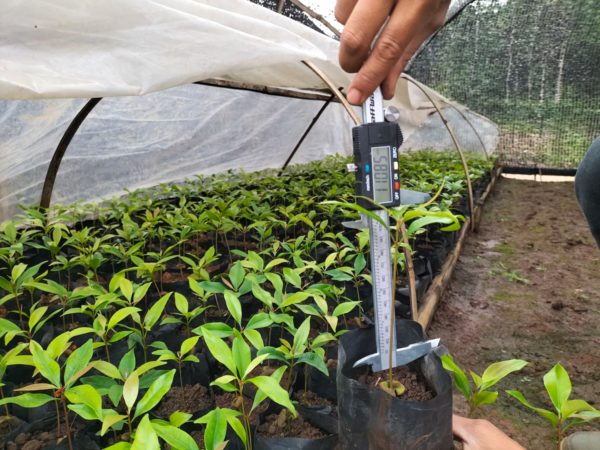
The team at Ciminyak Nursery measures the height and diameter of each polybag filled with planting media, which consists of a mixture of soil, organic fertilizer, and rice husk in a ratio of 6:1:1. This meticulous process ensures that the seedlings are prepared to grow uniformly in terms of height and size. 

All polybags are successfully filled with planting media. Afterwards, they are arranged in the seed beds in Cirasea Nursery. They are ready for the sowing and germination process.  

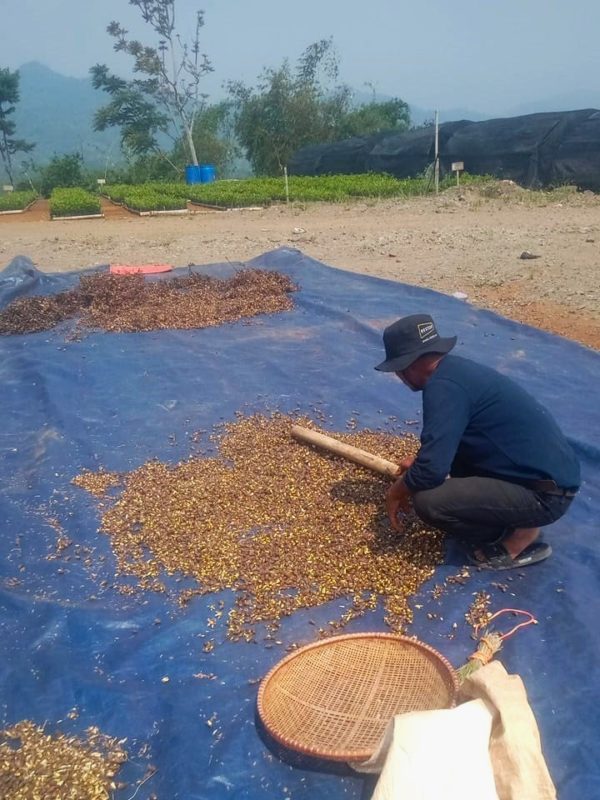
A nursery worker in Ciminyak nursery is cleaning and sun-drying Suren tree seedlings to eliminate excess moisture before proceeding with the sowing process. 

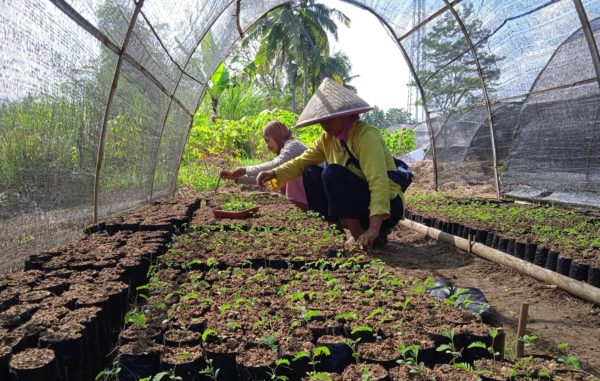
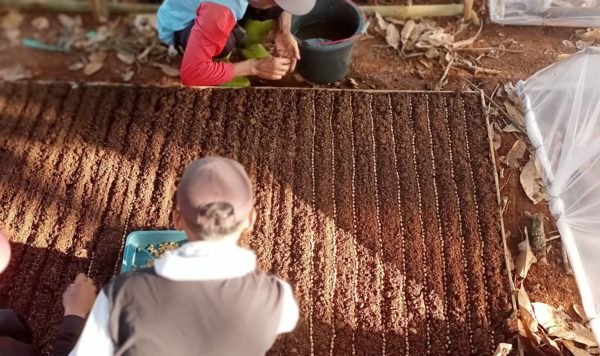
Soreang Nursery workers are sowing seedlings of the Arabica Coffee Yellow Catura variety in the seed beds.

Petai (stinky beans) seedlings are being sown in each polybag at Cirasea Nursery. Petai seed pods are a popular culinary ingredient in Indonesia and can also be enjoyed fresh. As a result, petai trees are high demand among our tree grower partners. 

In our nurseries, we actively involve women in our operations. They rediligently sowing avocado seedlings in Ciminyak Nursery. 

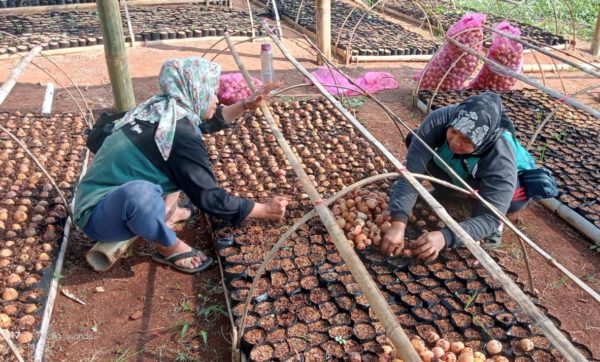
(Above) A team of nursery workers at Cirasea Nursery is cleaning the avocado seeds before cultivation. (Below) Following this step, the avocado seedlings progress to the next stage, where they are cultivated using the direct sowing method in the polybags.