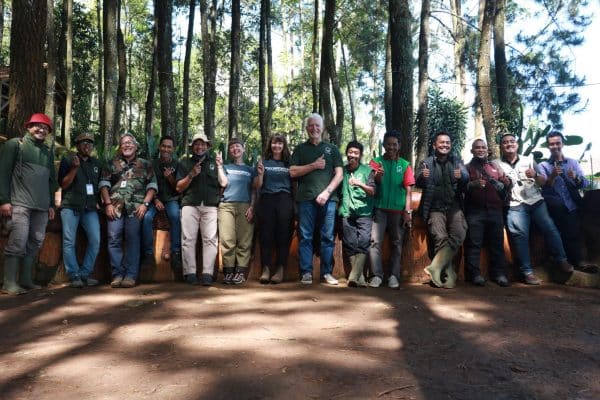
Minister Luhut Binsar Pandjaitan Inspects Trees4Trees’ Citarum Revitalization Project

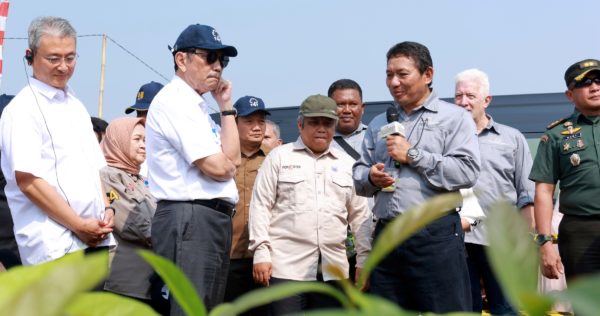
Minister Luhut visited Trees4trees


Minister Luhut visited Trees4trees in Ciminyak Nursery

The Indonesian government is determined to revitalize the Citarum River. Since 2018, they have been working to address environmental challenges and achieve this goal through Citarum Harum, a program which is helping breathe new life into one of Indonesia’s most important waterways. 

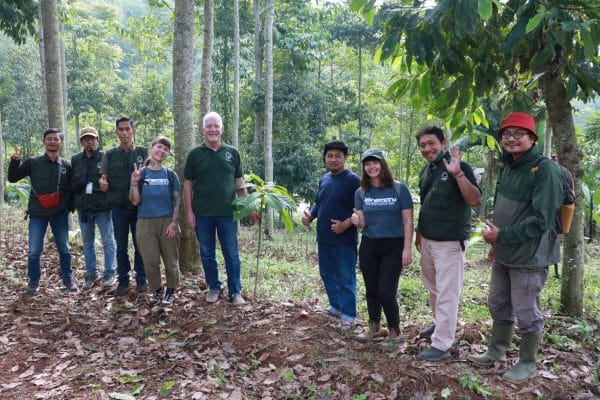
In 2021, AstraZeneca teamed up with Trees4Trees and One Tree Planted to support this program and deliver the government’s targets. On August 29, 2023, we welcomed a delegation of honored guests to inspect the progress of our own Citarum River Revitalization Project, which contributes to Citarum Harum. This group included representatives from government ministries, program directors, and the country president of AstraZeneca.   

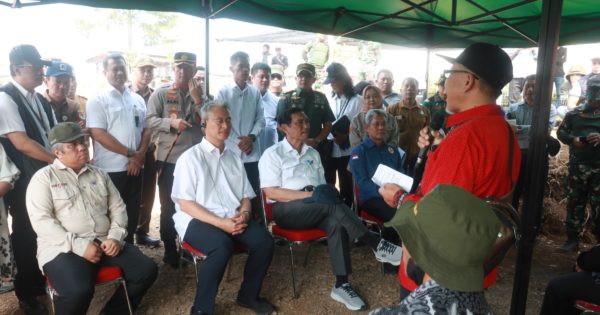
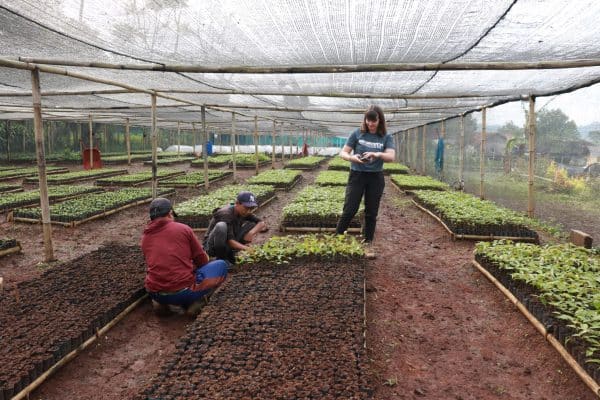
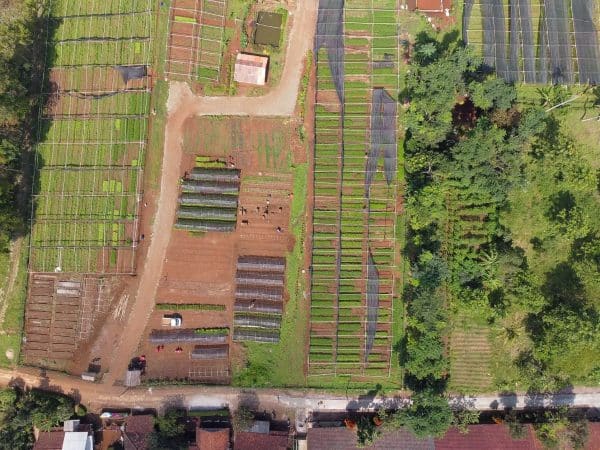
Leading the delegation was Luhut Binsar Pandjaitan, Indonesia’s Coordinating Minister for Maritime and Investment. Together with his team, he inspected Trees4Trees’ Ciminyak Nursery, held discussions with local stakeholders, and checked on seedlings that will help reach a target of 20 million trees planted by the end of 2027. 
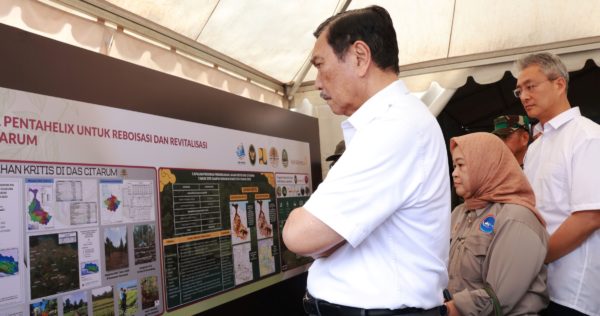
Minister Luhut visited Trees4trees in Ciminyak Nursery
(Above) Luhut Binsar Pandjaitan, Indonesia’s Coordinating Minister for Maritime and Investment

Accelerating Citarum watershed revitalization 

The Citarum watershed is home to around 160,000 hectares of degraded land, two thirds of which is found outside of forest areas. If left untended, degraded lands can become a source of environmental problems like erosion, floods, and droughts. An environmental and humanitarian crisis is already beginning to unfold. Action is needed now to reverse these worrying trends. 

To prevent disaster, these areas should be the focus of revitalization efforts – a point emphasized by Saparis Soeharjanto from the Ministry of Environment, Forestry, and Climate Change (MoEF) during the official visit. As the Director of Watershed Planning, Evaluation, and Control, he committed his support to driving this development forwards.  
Minister Luhut visited Trees4trees in Ciminyak Nursery
(Above) Minister Luhut and Trees4Trees’ program manager plant ceremonial trees in West Java

Working with farmers to rehabilitate degraded land 

The program, which is funded by AstraZeneca Forest, is helping rehabilitate degraded land within five sub-watersheds of the Citarum: Cisangkuy, Ciwidey, Cirasea, Ciminyak, and Citarik. So far, more than 42,000 local farmers have joined up as tree grower partners.  

According to Se Whan Chon, who is the President of AstraZeneca Indonesia, the program focuses on ecosystem restoration and clean water access within the watershed, as well as creating new livelihoods through agroforestry.  
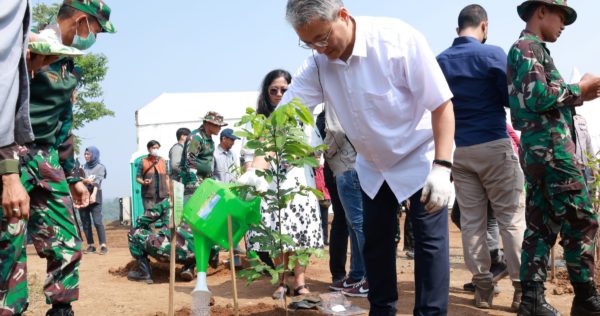
Minister Luhut visited Trees4Trees in Ciminyak Nursery
(Above) Se Whan Chon, Country President of AstraZeneca Indonesia, plants a tree during his official visit

“AstraZeneca wants to be a part of the journey to help Indonesia improve its environment, particularly in the context of the Citarum River Reforestation Project,” explained Se Whan Chon during a discussion with Minister Luhut and other parties during the visit. “Trees4Trees, our local partner, has been working closely with farmers to educate and engage them,” he added. 

Last year, this program successfully planted 4.5 million trees. A total of 20 million are expected to take root by 2027. Trees4Trees’ nurseries have been – and will continue to be – crucial to delivering these targets. “We operate three nurseries with a combined capacity of over 5 million seedlings to support the 2023 tree-planting initiative,” explains Pandu Budi Wahono, Trees4Trees’ Program Manager.  

“This year, we aim to plant 4.5 million more trees to rehabilitate the degraded lands of Citarum,” explains Trees4Trees’ West Java Regional Manager, Tomi Bustomi. “We’ll be working with 21,000 farmers to achieve this goal by early next year,” he added.  
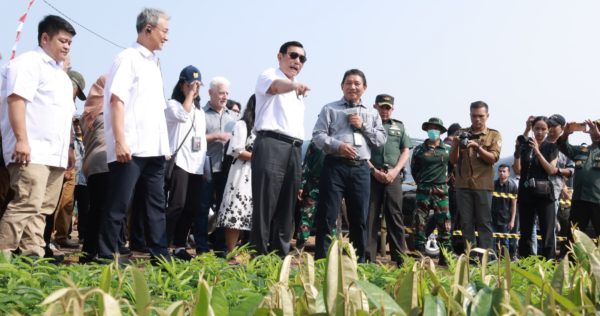
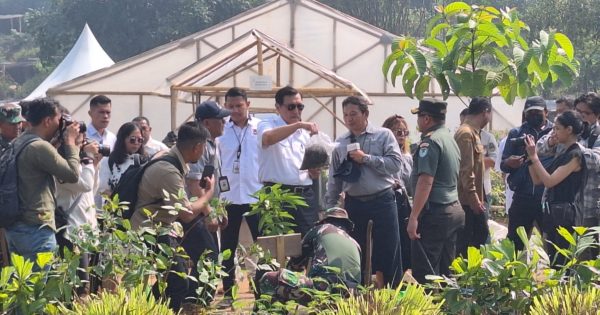
Minister Luhut visited Trees4Trees in Ciminyak Nursery
(Above) Trees4Trees program manager showcases seedlings’ progress during the recent visit by Government Minister Luhut Binsar Pandjaitan.
Minister Luhut visited Trees4Trees in Ciminyak Nursery
(Below) A local farmer shares his experience with Minister Luhut and offers advice for how to achieve positive impacts

Turning local impacts into global benefits 

During the visit, Minister Luhut pointed out the bigger picture of these replanting operations, describing tree planting as one of the best defenses we have in the fight against global heating. 

“We are witnessing severe pollution, not only in Indonesia but around the world,” said the minister. “Planting trees is an effective solution to sequester carbon emissions and combat pollution,” he added. 

The minister also highlighted the crucial role farmers have to play in this fight, as they are on the frontline of reforestation efforts. “Farmers,” said the minister, “make a significant contribution to emissions reduction through tree planting, and we should take pride in their efforts.” 

Through continuous recruitment, empowerment and planting support, Trees4Trees and our partners will continue to help farmers revitalize the Citarum watershed. By regreening at the local level, we are helping them make a difference on a global scale.  

To learn more about Trees4Trees replanting programs, and to find out how you can get involved, go to trees4trees.org. 

Read more:

A Hub of Biodiversity: Exploring Citarum

Travels in Java: Situ Cisanti and the Source of Citarum River

A Hub of Biodiversity: Exploring the Citarum

A Hub of Biodiversity: Exploring the Citarum
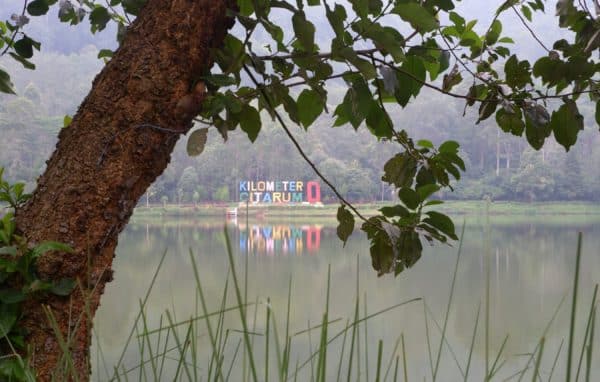
Situ Cisanti or 0 Kilometer Citarum, a lake, where the stream of Citarum river starts (photo: Trees4Trees/V. Arnila Wulandani)

The longest river in West Java, the Citarum is home to thousands of plant species and hundreds of different types of birds and fish. This thriving ecosystem also holds immense cultural and economic value for local communities, but recent losses in biodiversity are impacting lives and livelihoods. Now, with help from Trees4Trees, local people are helping restore the river and secure a more sustainable future for those who rely on the resources it provides. 

In this article, we take a closer look at the plants and animals that make the Citarum River Basin such an important hub for biodiversity in West Java. We’ll also explore some of the work being done to preserve these natural treasures and meet the people working on the frontline of conservation. 

A Connection to Nature and Culture 

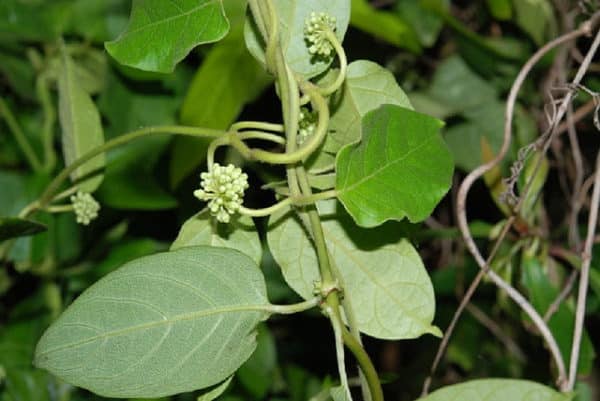
The name “Citarum” comes from “ci,” meaning water, and “tarum,” which refers to the indigo tree (known locally as tarum areuy). This species was once a common sight along the banks of the river, where its network of roots helped to stop soil erosion. The tree was also used by local people as an organic fertilizer and a natural dye, giving batik fabrics from West Java a distinctive blueish hue.  

However, a combination of development and environmental degradation have made this species increasingly rare. Replaced by synthetic dyes, it has been slowly disappearing from the banks of the river that bears its name. 

The Tarum areuy tree
(Above) The Tarum areuy tree, which gives the Citarum its name. Photo: Earth.com

Flora and Fauna: Natural Beauty, Economic Bounty 

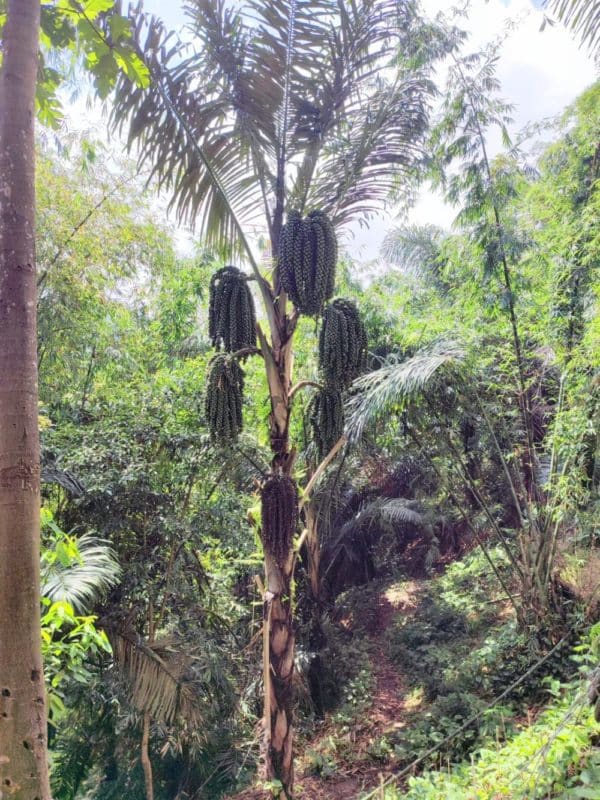
The Citarum basin is home to over 3,000 flowering plants and 1,000 tree species, many of which are used by local people to make a living. This, includes teak, rasamala, Java olive tree (or kepuh), jamuju, bayur, puspa, and kosambi trees. The sugar palm tree (known locally as tangkal kawung) provides communities with income derived from its sap, fruit, palm fibers, and leaves.

A Hub of Biodiversity: Exploring the Citarum
(Above) The sugar palm or ‘tangkal kawung’ tree, which supports a variety of local livelihoods. Photo: Trees4Trees/Mark Schmidt

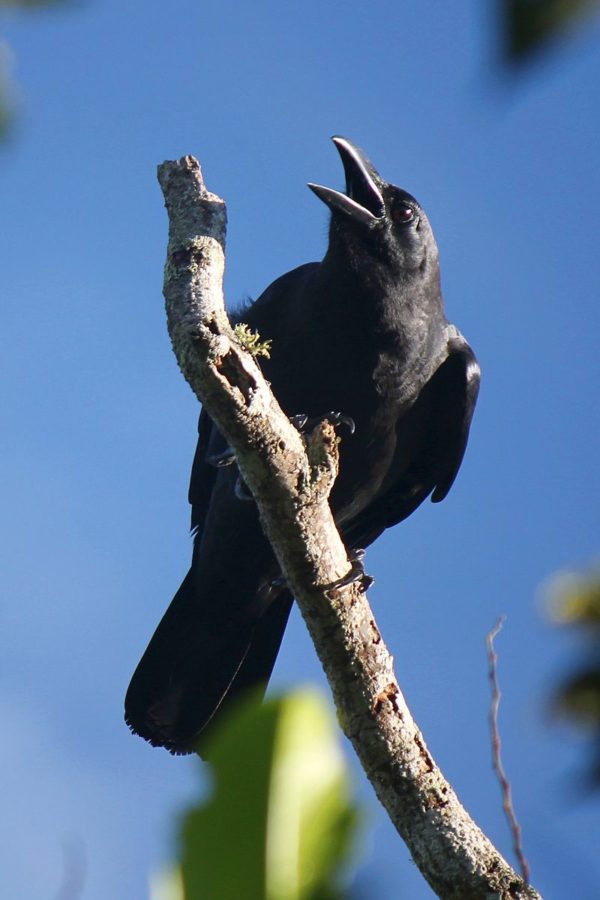
The Citarum river is a haven for around 314 bird species, including the rare, black-crowned night heron, locally known as kowak malam. This unique animal shares its home with other bird species such as the slender-billed crow, the common iora, zebra dove, little spiderhunter, cattle egret, and the Javan pond heron. In the river itself, out of the 23 native fish species, only nine remain: hampal, lalawak, beunteur, tagih, kebogerang, lais, lele, lempuk, and gabus. Invasive species like carp and tilapia are increasingly replacing their native cousins. 

A Hub of Biodiversity: Exploring the Citarum
(Above) The slender-billed crow. Photo: Wikipedia/A.S Kono

Biodiversity Bouncing Back: Replanting Trees, Restoring the Citarum  

“I was born and raised in one of the villages on the riverbanks of Citarum, and I have personally witnessed the transformation of the Citarum basin,” reveals Tomi Bustomi, Trees4Trees’ West Java Regional Manager and a local resident. According to Tomi, during his childhood, there was an abundance of local fish species here. Nowadays, it is hard to find them in any tributary of the Citarum. 

With funding from AstraZeneca and additional support from One Tree Planted, The Trees4Trees is working to rejuvenate degraded lands surrounding the Citarum River. This will involve planting 10 million trees by the end of 2025. As Tomi explains, “This program focuses on rehabilitating degraded lands, particularly in areas prone to landslides, floods, erosion, and water scarcity. 

A Hub of Biodiversity: Exploring the Citarum
(Above) Members of the Trees4Trees team at work on the Citarum replanting program. Photo: Trees4Trees/Kemas Duga Muis.

Armin Mubarok is Trees4Trees Impact Officer. He says the program will help reduce erosion rates, mitigate sedimentation, stabilize water flow, and enhance biodiversity. “By planting trees in critical areas devoid of fauna, we expect the return of animal species, such as insects, birds, reptiles, and amphibianes within five to 10 years,” explains Armin. As the vegetation grows in the riverbanks and the food chain flourishes, biodiversity will thrive.”  

The overarching aim of the planting program is to regenerate the region, using biodiversity as barometer of progress. As Tomi explains, “biodiversity is an indicator of ecosystem recovery; our tree planting efforts represent a significant step towards restoring the Citarum to its former glory.” 

Writer: V. Arnila Wulandani. Editor: Christopher Alexander

Rohmanudin’s Vision: Why Planting Trees is a Better Legacy Than Selling Land 

why Planting Trees is a Better Legacy
Photo: Trees4Trees/Kemas Duga Muis.

Rohmanudin, 53, has been familiar with farming activities since his childhood, as his parents were farmers who often brought him to the fields. However, Rohmanudin only began farming his own land in 2015. His land, located in Nagrak Village, Cangkuang District in Bandung Regency, was planted with various crops, including several types of trees, fruits, and vegetables. 

“From 2015 to 2016, I began working on my own field, planting various kinds of crops. In 2015, the Indonesia government initiated an agricultural program that led me to grow vegetables for the first time. Thank God, I have been growing different types of plants ever since,” he revealed. 

As part of the government agricultural program, a farmer group was established in Nagrak village, which still exists today. Rohmanudin is one of the most active members of this group.  

Joining to the Tree Planting Program to Improve the Result 

In 2021, Rohmanudin was offered the opportunity to join a tree planting program funded by Astra Zeneca, in collaboration with Trees4Trees and One Tree Planted. He proposed planting tree species that were suitable for his land’s conditions. 

Why Planting Trees is a Better Legacy Than Selling Land 
Rohmanudin maintains his land and plants various type of crops and trees. Photo: Trees4Trees/Kemas Duga Muis.

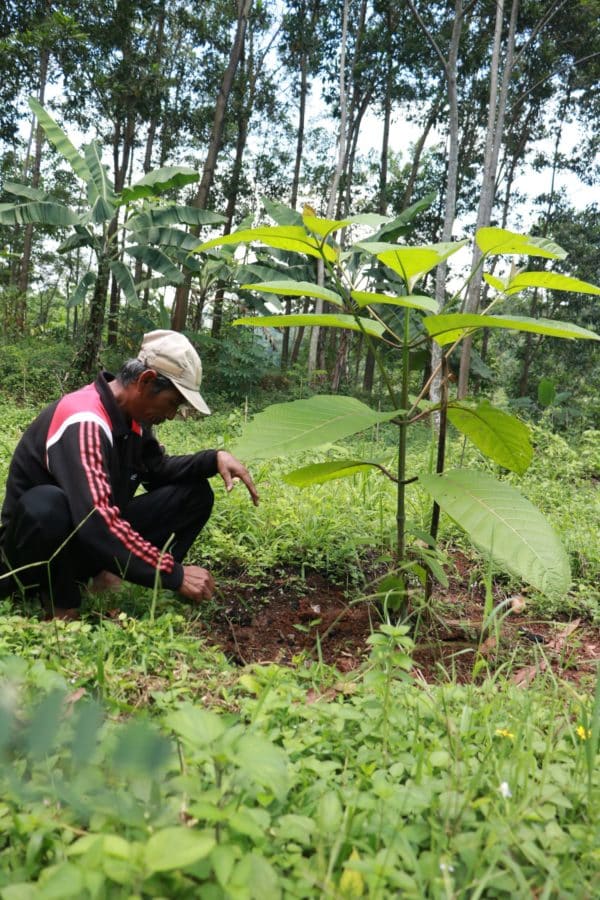
“I proposed then planted jabon (burflowers), sengon (Chinese albizia), and suren (red cedar) because they thrive in this area. I also planted other trees such as stinky beans, as well as fruit trees like sapodilla and rambutan,” Rohmanudin said. 

Since joining the tree planting program, he has noticed significant differences compared to his previous farming activities. He stated that the implementation of the program has improved significantly, and he feels that it is much better now than in the past. 

“In the past, the planting system was not as structured. Now, we have a more structured approach, and I can say that the way we do is the correct one,” Rohmanudin added. 

Read also: A Watershed Moment: Planting Begins at the Citarum River

Effort to Restore the Former Forest in the Village

Rohmanudin is deeply concerned about the vast deforestation that has taken place in his village, where forests have been cleared and replaced with residential areas. As such, he strongly believes that the tree planting program can have a positive impact if implemented effectively, and is therefore highly motivated to care for the trees. 

Planting Trees is a Better Legacy
Planting Trees is a Better Legacy; Rohmanudin with the burflower tree he has grown. Photo: Trees4Trees/Kemas Duga Muis.

“In the past, this area was full of rare birds and big trees. The mornings were beautiful and so refreshing. The land was more fertile than today. But now, look, they’re gone! There’s a lot of dry land, and water is scarce. Why did this happen? Because the land was sold out, and housing was built. In the area behind my house, eight hectares were sold out, and now, ten more hectares are gone! Housing has been built there again,” Rohmanudin lamented. 

Planting Trees Instead of Selling Land for a Better Future

Seeing the reality that is happening in his village, Rohmanudin feels agitated. He worries that if all the land in his village is sold and turned into housing, there will be nothing left for future generations, and not enough land to cultivate. 

“Imagine what will happen to our children and grandchildren in the next 10-20 years? They will have nothing left. Moreover, if everyone builds houses here and there, we will get more pollution and disease,” he said. 

Planting Trees is a Better Legacy
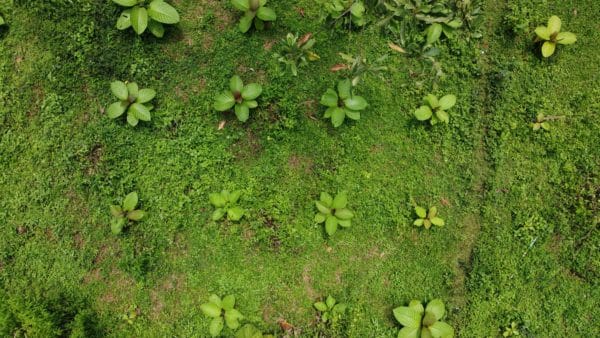
Planting Trees is a Better Legacy; Rohmanudin’s trees grow bigger and greener. Photo: Trees4Trees/Kemas Duga Muis.

He also believes that cutting down a lot of trees will interrupt the process of producing clean air that is essential for human beings. That is why he thinks this tree planting program is necessary. He believes there are advantages that villagers can get, and even planting trees on a little land for the next generations is essential. 

Rohmanudin expects this program will make farmers in his village more aware of protecting their land and keeping it fertile so that more trees could be planted and more results could be harvested. Therefore, they can make a living from the results instead of selling their land to the land developer.