When Tradition Preserves Nature: Indigenous Wisdom from West Java

When Tradition Preserves Nature

Indonesia, the world’s largest archipelago, is rich in cultural heritage and ethnic diversity. Here, more than 1,300 ethnic groups form a vibrant mosaic of traditions, many of which are deeply rooted in nature. This connection to nature is especially apparent in the Sundanese Indigenous villages of West Java, where many of our tree-planting programs are based. 

Where Tradition and Nature Intertwine 

Heri is a resident of Legok Kiara, a cultural hamlet in Rawabogo Village, Bandung Regency. He explains, “we have a proverb passed down through generations: There’s no separation between us and nature – only unity in life. Without nature, where would we live?”  
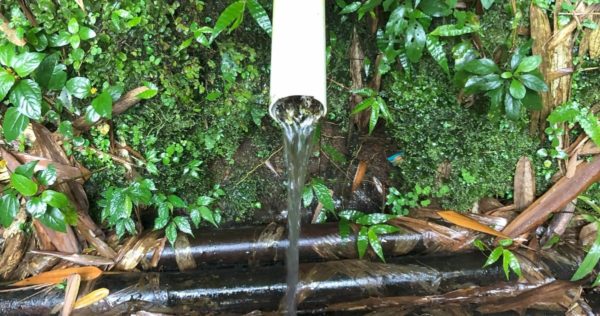
Legok Kiara Water Spring
Natural springs like this one in Legok Kiara Hamlet are a vital supply of clean water for the community.

According to Heri, the forest is the village’s lifeline. “Our clean water flows from forest springs. If trees are cleared, drought and floods will follow, so we work hard to protect it.”  

In the neighboring Cikondang hamlet in Lamajang Village, Wawan shares a similar perspective. “We take wood from our forest only for houses or rituals,” he says, “and always in accordance with customary rules; no one dares to cut down trees without getting permission from the elders first.” For people like Heri and Wawan, respect for nature is enshrined in local laws and practices, underpinning many aspects of daily life. 

Cikondang itself is known for its strong culture, pristine nature, and reverence for tradition. The hamlet is home to one of the oldest known Sundanese traditional houses in Indonesia which, like the community itself, has stood the test of time and continues to stand proud in the modern era. 
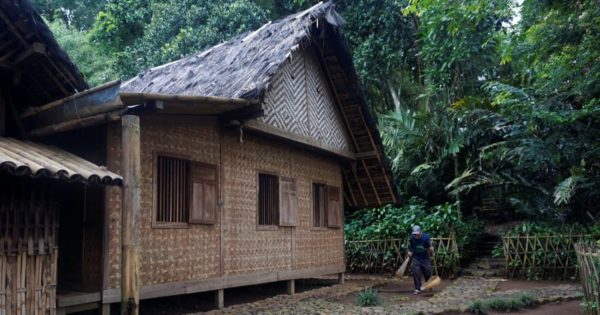
Rumah Adat Cikondang
Located in the midst of the forest, this traditional house in Cikondang is built from wood and bamboo. It is around 370 years old.

“Here, we believe following traditional rules is the same as obeying God’s law,” says Abah Anom, guardian of the Cikondang traditional house.Anyone who violates them – for example, by cutting trees illegally or selling farmland – will be punished by God.”  
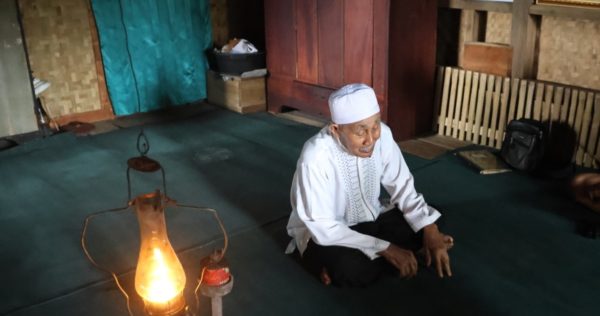
Rumah Adat Cikondang
Abah Anom (center) sits inside the Cikondang traditional house, which has remained largely unchanged for almost four centuries.

Rituals and Rites of Passage: Living in Harmony with Nature 

For generations, local wisdom has guided the Sundanese and helped them to live in harmony with nature. “We still practice traditional rituals today,” says Abah Anom. “By continuing them, we believe our lives will be spared from misfortune.” 

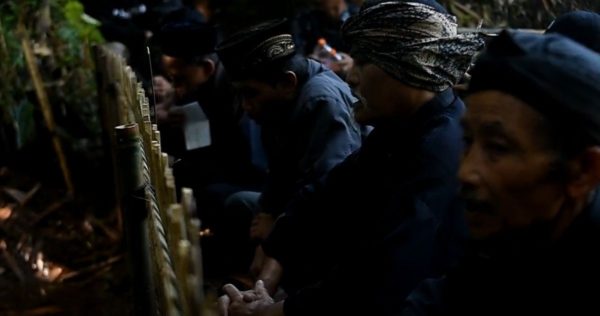
Abah Anom goes on to explain a few of his community’s customs in greater detail: “Each year, we hold a traditional irrigation ritual to water 140 hectares of farmland along the Cisangkuy River, ensuring land is irrigated fairly,” he says. “We also perform a clean water ritual at Ciruntah spring, which is a vital water source for the community; we keep it clean and pray to preserve its providence.”  

In Legok Kiara, a similar ritual called Ngalokat Cai (preserving water) begins with cleaning water channels and is followed by prayers over collected spring water. “These rituals reflect our gratitude and responsibility to protect water sources,” says Heri.  
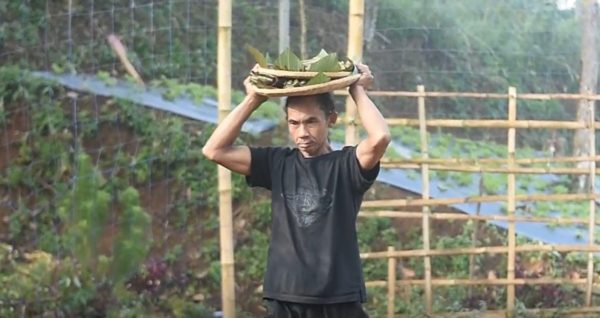
Ritual budaya Sunda
(Above) A Sundanese man carries ritual offerings on his head. (Below) Local communities gather at a spring in Legok Kiara for a water ritual, praying for abundant water.

Nature As the Inspiration for Art and Culture 

In addition to being a spiritual foundation for daily life, nature can also be a source of artistic inspiration. Vandik, a painter from Jelekong Art Hamlet in Baleendah Village, seeks to reflect Indonesia’s natural beauty in his work. “My first teacher was nature,” he explains. “It’s impossible to paint – in form or color – without studying it closely.” 
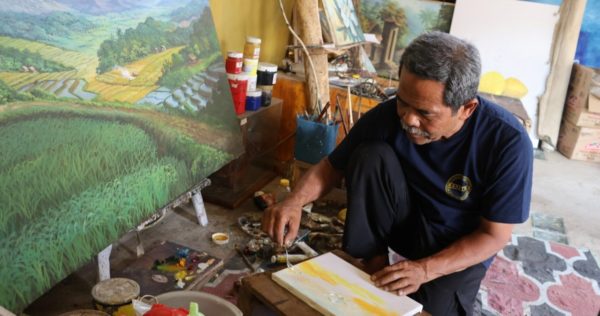
Lukisan Vandik
Vandik paints landscapes inspired by the nature around his village, bringing Indonesia’s beauty to his canvas. His works have been exhibited internationally, including in the Netherlands and the US.

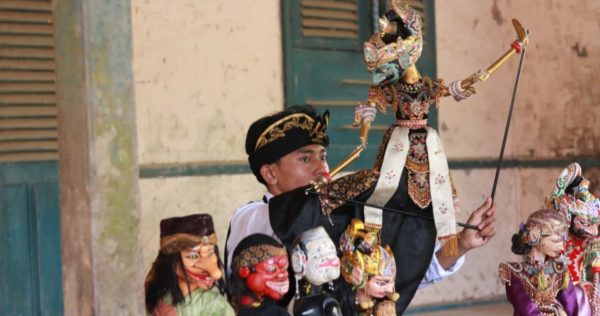
Jelekong is home to a long and proud tradition of artists who have taken their inspiration from nature. As Vandik explains, “the early efforts of our elders earned this place the title Art Village,” and to this day the region is still famed for its songs, dances, paintings, and wayang golek (a traditional form of wooden puppetry).” 

Meanwhile, in Legok Kiara, Sundanese arts are often showcased through tourism. “We perform pencak silat, the traditional martial art, along with music like tarawangsa, angklung, and calung performances. All are linked to nature,” says Heri. 

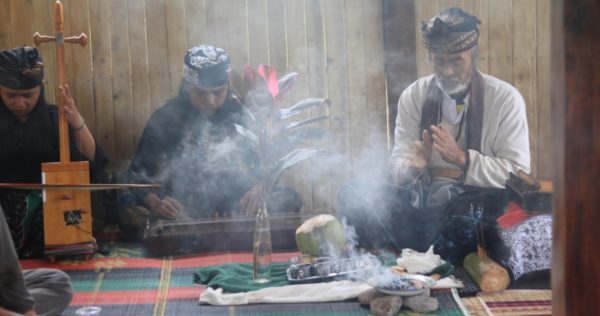
Heri also reveals that the intricate movements of the pencak silat dance are an embodiment of forest animals. Moreover, Tarawangsa music is rooted in rituals that give thanks to nature – even the musical instruments themselves are crafted from wood and bamboo sourced from the forest. 
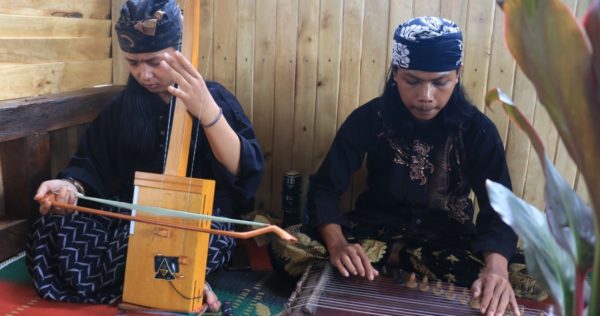
When Tradition Preserves Nature
(Above) Sundanese men play the traditional instruments tarawangsa (left) and jentreng (right) during a sacred ritual of thanksgiving for the harvest. The sound of the tarawangsa is believed to summon the ancestors. (Below) Wayang golek, wooden puppetry, remains one of the most popular forms of Sundanese performing arts.

When Tradition Preserves Nature

Restoring Forests, Preserving Tradition 

With support from AstraZeneca and One Tree Planted, Trees4Trees has already planted 12 million trees throughout the Citarum watershed in West Java, which is home to many cultural villages. “With trees planted in our village, the Trees4Trees program helps us protect the forest,” says Heri. He adds that, in 2024 alone, over 300,000 trees were planted in his village, with more than 500,000 in Lamajang and Baleendah, where the cultural hamlets of Cikondang and Jelekong are located. “We are very grateful for every one of these precious trees,” he added. 

This initiative not only restores ecosystems but also sustains the natural resources Indigenous communities depend on. By planting trees, Trees4Trees is preserving both culture and nature – ensuring they remain intertwined and continue to flourish together for many more generations to come. 
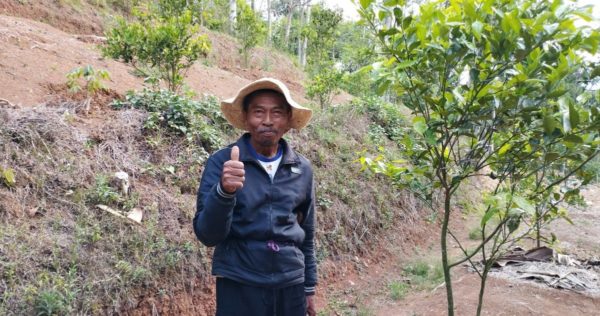
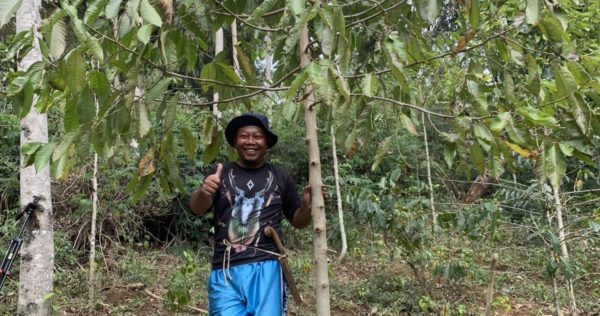
Petani farmer Trees4Trees
Trees we planted together with farmers in Rawabogo Village in 2023 have flourished and grown healthily.

When Tradition Preserves Nature

Writer: V. Arnila Wulandani. Editor: Chris Alexander. Photos: Kemas Duga Muis, Reza Alwiandhi for Trees4Trees 

Conserving Nature, Preserving Sundanese Traditional Culture in West Java

Conserving Nature

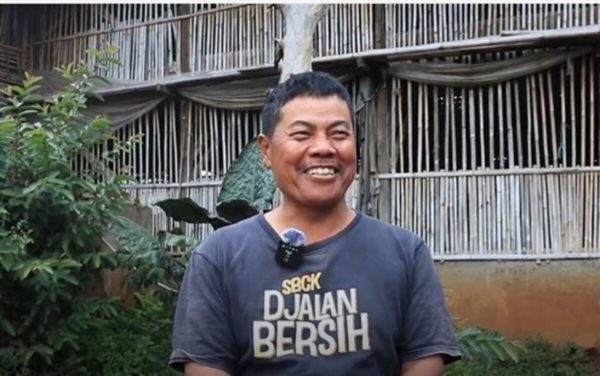
“I train my sheep to run and swim, build their body strength with massages, and provide them with nutritious food,” explains Maman Abdurohman, a farmer and sheep breeder from Ibun Village in West Java. “This includes vitamins, eggs, honey, and leaves like gmelina,” he added. 

Like most farmers in this region, Maman is a member of the Sundanese tribe, an ethnic group famed for their performance arts. One of their most iconic traditions is a sheep festival which traces its roots back to the 1800s, when these gatherings offered a way for farmers to meet, barter for livestock, and share their knowledge. 

Generations later, the annual sheep show continues to draw the crowds. And now, with support from Trees4Trees, farmers are combining animal husbandry with reforestation efforts; keeping traditions alive, while helping West Java stay green. 

The value of tradition  

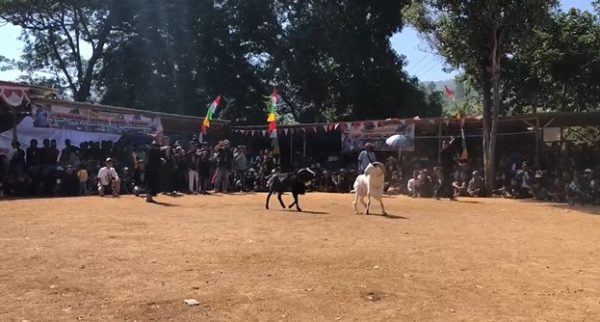
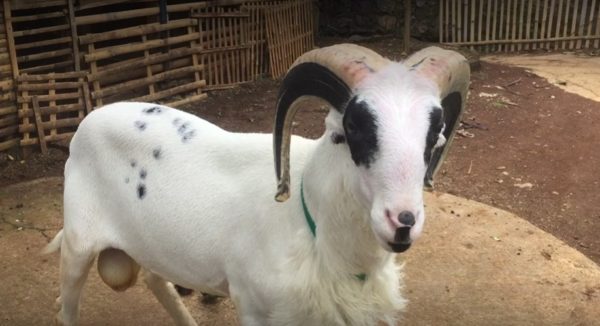
The annual sheep gathering, known locally as kesenian ketangkasan domba, is truly unique. Part livestock auction, part beauty pageant, it features a range of activities to demonstrate the animals’ physical strength, health, agility, and beauty – particularly the size, shape, and curvature of their distinctive horns. Accompanied by traditional Sundanese music, the sheep parade is an unforgettable spectacle. 

Conserving Nature
(Above) With traditional music, parades, and demonstrations of animals’ strength, the traditional sheep performance (kesenian ketangkasan domba) is a major highlight in the farming calendar
Farmer
(Above) Yeyen Sopian, a farmer and sheep breeder from Ibun Village in Bandung Regency

“The competition aims not only to find the strongest and best-looking sheep,” explains Yeyen Sopian, a farmer from Ibun Village, “but also to preserve this traditional art as part of Sundanese culture. Each competition draws a big crowd, and the winning animals can be worth a small fortune to their owners. 

“The better their performance, the higher their price,” says Maman, noting that a strong showing in the event can increase a sheep’s value to around 40 or 50 million rupiah (USD 2,500–3,100). “Actually winning the competition can raise their value to 100 or 200 million rupiah (USD 6,300–12,750),” he adds, with a sense of wonder and excitement. 

Conserving Nature
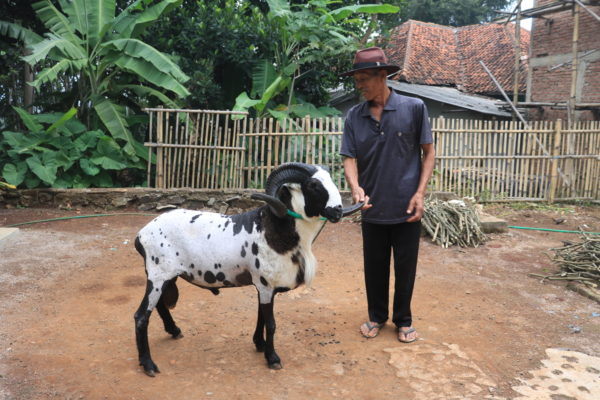
(Above) Maman proudly presents one of the sheep he has raised
sheep
(Above) To farmers like Maman, healthy sheep can be worth a small fortune

Planting trees, preserving culture 

Key to the animals’ strength is the food they eat. “We use a variety of fodder,” explains Yeyen, “including grasses, plants, tofu, and gmelina leaves, which help them grow big and strong.” Gmelina makes for excellent fodder, along with the leaves of red stinkwood trees. To ensure a steady supply, Maman uses a particular pruning method. “The branches must be pruned just right, so we can use the leaves as fodder without harming the trees,” he says.  

“The Ibun community has long grown gmelina trees for their high-nutritious, easily digestible leaves,” says Jeje Sutarja, Trees4Trees’ Unit Manager for the Cirasea Watershed Unit in Bandung. “By providing gmelina trees free of charge, Trees4Trees helps farmers increase tree coverage, which has the triple benefit of supporting the animals’ well-being, preserving traditions, and conserving the natural environment.”  

Winning sheep
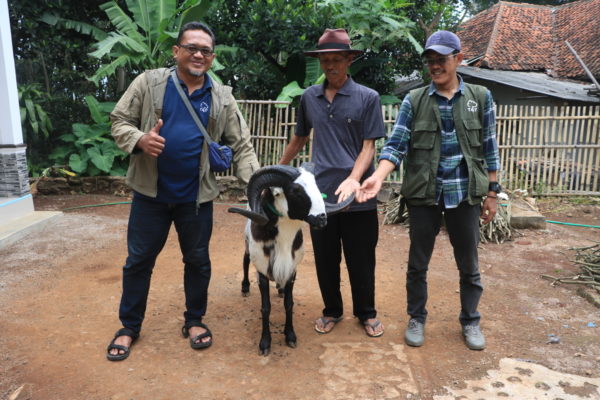
(Above) Members of the Trees4Trees team pose together with Maman (center) and one of his prize-winning sheep
Gmelina
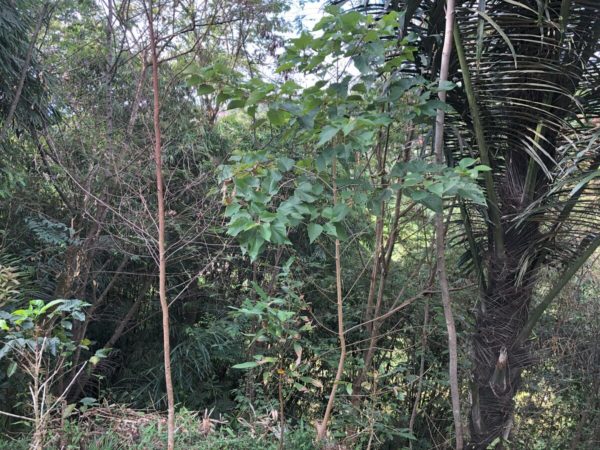
Above) Gmelina trees are essential to the health and well-being of the prized sheep in Ibun Village, West Java

Planting for the future, rooted in traditions of the past  

“Farmers already know how to prune correctly by avoiding cuts to the trunk, and we provide additional guidance,” says Alwi Subhan, Trees4Trees’ Field Coordinator for Ibun District, adding that, by educating farmers on pruning methods, Trees4Trees aims to encourage proper leaf harvesting without harming the trees. “For example, before pruning, they need to measure at least 15 to 20 cm from the trunk to prevent damage to the trees,” explains Alwi. 

In addition to gmelina, Trees4Trees distributes a range of other tree species to the sheep farmers, including red stinkwood, albizia, mindi, and jackfruit. By providing them with the trees and the know-how they need, Trees4Trees is supporting the preservation of nature and culture in West Java. Together, we are helping traditions stay as strong and valued as the animals themselves. 

Writer: V. Arnila Wulandani. Editor: Chris Alexander. Photos: Kemas Duga Muis