Travels in Java: Take a Dip in the Cibolang Hot Spring

Cibolang Hotpsring Pengalengan

Cibolang Hotpsring Pengalengan

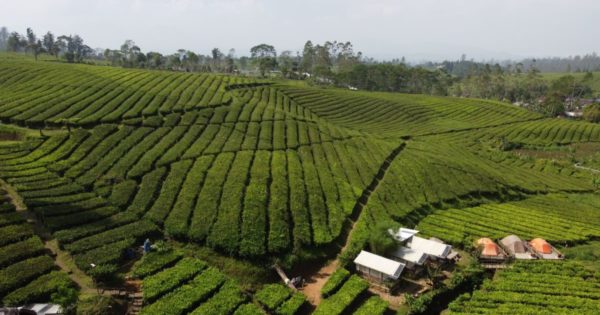
Travels in Java; Located around 30 miles (50 km) south of Bandung in Pengalengan, West Java, the Cibolang hot spring is surrounded by the beauty of nature. Now, with its growing reputation among tourists, Cibolang is bringing new meaning to the term ‘hot spot’.  

In the surrounding landscape, visitors can roam around scenic tea plantations, dial up the adrenaline with river rafting trips, hike in the misty mountains, or simply unwind in the warm, volcanic water of the hot springs.  

Perched at an altitude of 4,750 feet (1,450 meters) above sea level, Wanasuka Village is home to the 2-hectare Cibolang hot spring. It takes about two hours to get there from Bandung by car, on a journey through the verdant landscapes of West Java.  

Cibolang Hotpsring Pengalengan

Tucked away between two mountains 

At journey’s end, the Cibolang hot spring sits in the foothills of twin mountains, called Wayang and Windu. Up here, the air is cool and fresh, with temperatures rarely edging over 68 degrees Fahrenheit (20 Celsius). All around, fragrant pine trees and colorful calliandra combine to create the feeling of a secret glade in the forest. 

According to local traditions, the mountains here are sacred places where gods reside. They are also the wellspring of the Citarum River, which flows from seven springs in Wayang mountain to a lake called Situ Cisanti, before joining the Citarum tributaries. Peoples say the water that trickles down from the mountain is divine, as it comes direct from the gods. 

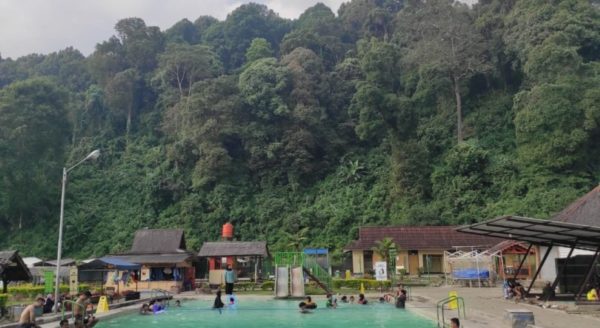
And the Cibolang hot spring is certainly a heavenly place to spend the day. The volcanic heart of the mountain warms the spring waters to temperatures between 104 and 115°F (40-46°C), creating a kind of natural bath or jacuzzi, tucked away in the forest.  

Travels in Java Cibolang Hotpsring Pengalengan

What to do in Cibolang Hot Spring  

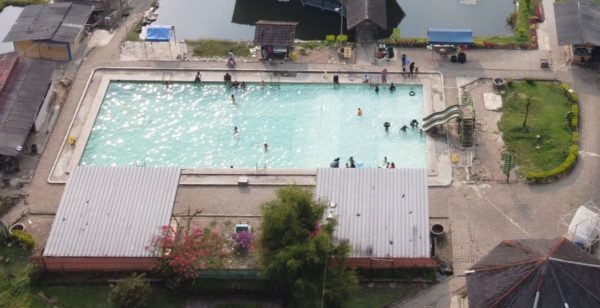
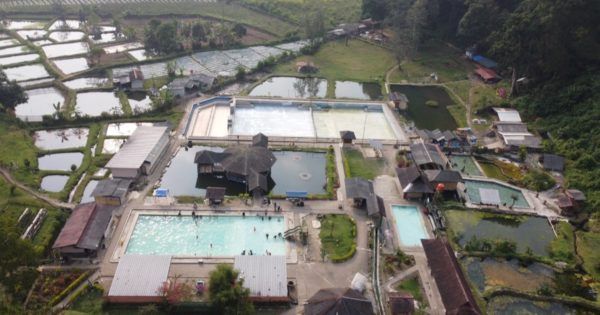
Established in 1990, the Cibolang hot spring complex provides visitors with access to three main pools, each filled with natural hot water that flows direct from the mountains.  

Entrance tickets are just Rp25,000 (US$ 1.60) per person, and you can even grab yourself a private pool ticket for Rp40,000 (US$ 2.58) per person. This is a great way to let off steam with family and friends. 

Travels in Java

The Cibolang hot springs are open 24 hours a day, seven days a week. To get the most out of your trip, follow our top tips: 

 Top Tips: Visiting Cibolang Hot Spring 

  • Visit in the early morning and late afternoon, when the atmosphere is serene and magical 
  • The water is like a hot bath, so dip your toes first and acclimatize to the temperature 
  • Rent a mat and enjoy a picnic with friends and family 
  • Grab yourself private pool, then sit back and enjoy the view  
  • Don’t forget to bring a swimsuit! 

Keeping Cibolang Green 

Travels in Java: Take a Dip in the Cibolang Hot Spring

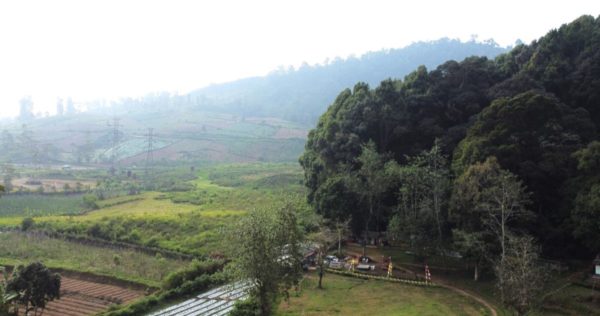
Forest and farmland surrounding the hot springs. (Photo: Trees4Trees/Kemas Duga Muis) 

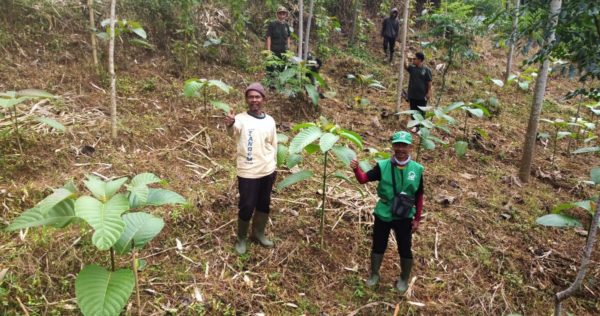
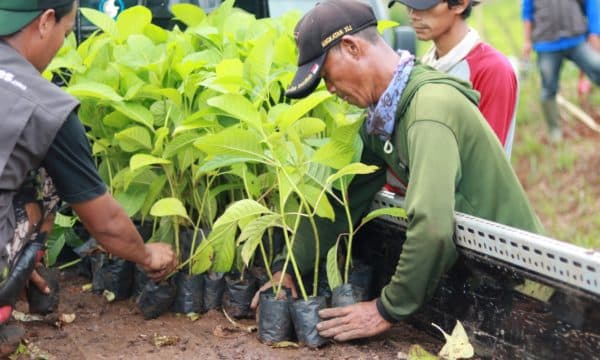
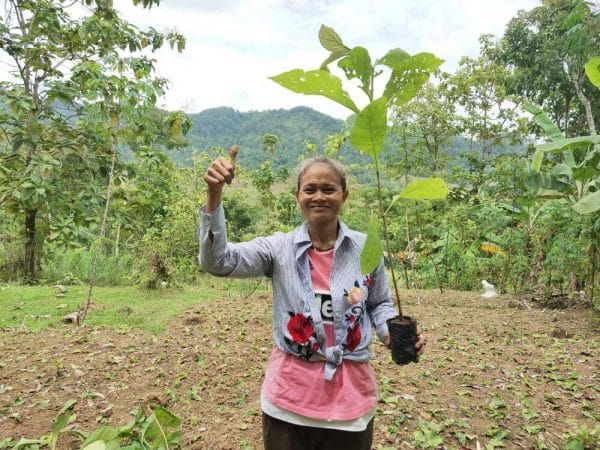
As part of our commitment to preserving the upstream regions of the Citarum River, which includes the Cibolang hot springs, Trees4Trees has been busy planting trees to keep the area green and healthy. 

Since 2022, our replanting program has been hard at work around the villages of Wanasuka and Banjarsari, with 54,000 trees planted in strategic locations. “We specifically planted trees on local farmland, to help the environment while also supporting local farmers,” explains Muhammad Anggy, Trees4Trees’ Cisangkuy Unit Manager.  

These activities provide a range of benefits to the local landscape, from ensuring the availability of water sources, to preventing erosion, and preserving the hot springs, which provide a source of income for many people living in the area. But this is just the beginning. Around 61,000 trees will be planted in Wanasuka and Banjarsari village by the beginning of next year (2024).

Zeni is Trees4Trees’ Field Coordinator for these two villages in Cisangkuy. He hopes these replanting efforts can make a big difference in the near future. “By adding more trees, we aim to preserve the hot spring and the foothills of the twin mountains that form part of the upstream Citarum river,” says Zeni. “By improving upstream areas at the source of the river, we also hope to benefit downstream areas, bringing prosperity to local communities and returning the Citarum to its natural state.” 

Writer: V. Arnila Wulandani. Editor: Christopher Alexander

Activity Highlights: Farmer Training Initiative to Empower Local Communities

In Trees4Trees‘ tree-planting operation, our focus includes empowering and encouraging local communities – our partners as tree growers – to implement environmentally friendly farming methods. By doing so, we anticipate that the farming activities will not harm the surrounding environment, while also potentially benefiting local communities through the products of the trees, such as fruits, leaves, or bark. 

To achieve this goal, we conduct a series of farmer training sessions at each working site as part of our tree-planting initiatives. This year, various topics about organic farming methods have already been covered. These topics include how to make organic pesticide and herbicide, formulating liquid and granular organic fertilizers, and microbe’s decomposer.  

Additionally, there are also topics related to the cultivation techniques, such as applying organic cultivation pattern, increasing timbers and multipurpose tree species productivity, grafting and plant propagation through cutting techniques, and best practices to cultivate fruit trees in organic ways.  

Let’s delve into the recent establishment of Trees4Trees‘ farming training program!  

Farmer Training Initiative to Empower Local Communities

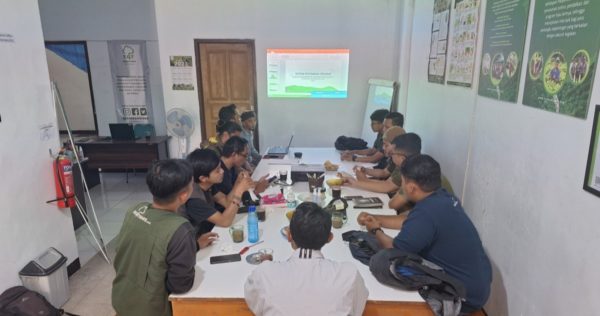
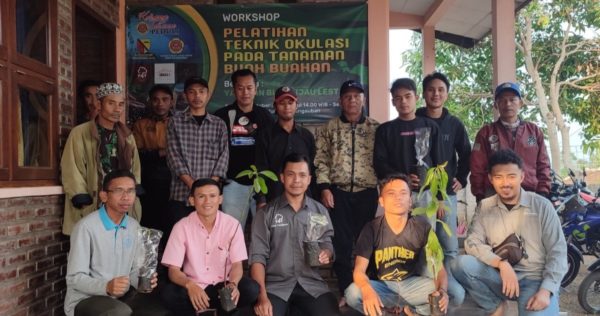
Our field team is at the forefront of engaging local communities to tree-planting programs Trees4Trees held a Training of Trainers to enhance the understanding of organic farming methods among our field team before delivering the knowledge to the tree growers participating in the program. Our field team will continue to disseminate this knowledge to tree growers in each planting area through mentoring and handson practice. 

Farmer Training Initiative to Empower Local Communities

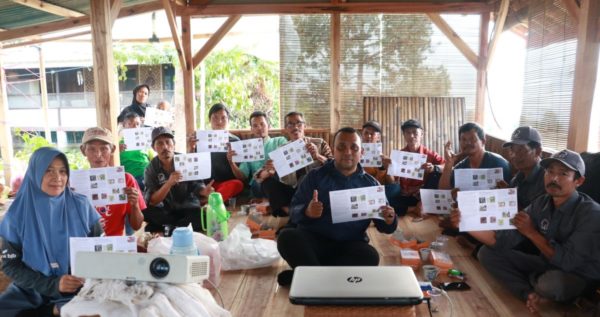
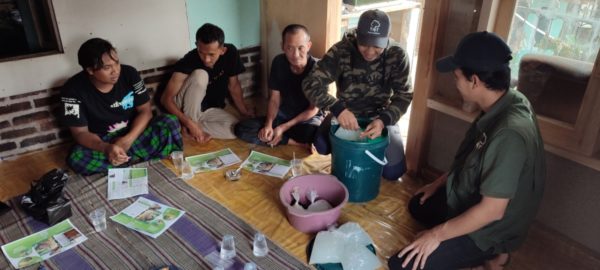
Trees4Trees provides its tree grower partners with brochures (above) and videos (below) as information and tutorial sources they can access for free. These information tools contain tutorials and steps in how to implement each organic farming method 

Farmer Training Initiative to Empower Local Communities

how to make organic liquid fertilizers

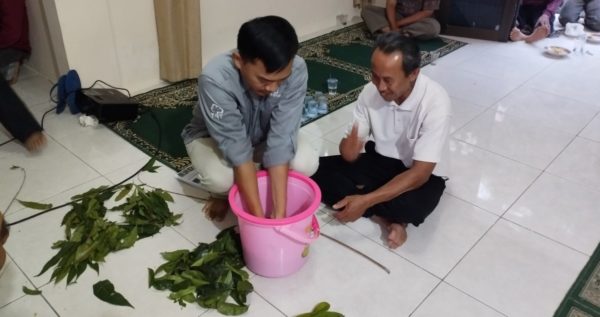
Organic biopesticide is useful to prevent and control pests and disease attack to the trees planted without leaving harmful residuals. Our field team showcases tutorials of organic biopesticide making in a hands-on practice to the local communities. The organic biopesticide is formulated from some tree leaves like suren, sirsak, and sirih leaves. They are mixed with turmeric, galangal, tobacco, molasses, and decomposer microbes.

Farmer Training Initiative to Empower Local Communities

how to make organic liquid fertilizers

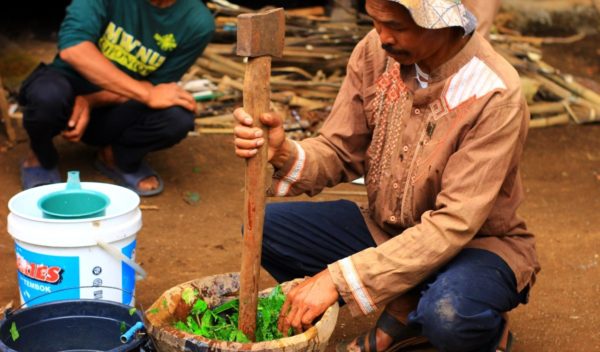
In the process of making organic biopesticides, three kinds of leaves; sirsak, suren, and sirih leaves need to be pounded before they are mixed with other ingredients. Local farmers are pounding them with a traditional pestle and mortar made from wood.  

how to make organic liquid fertilizers

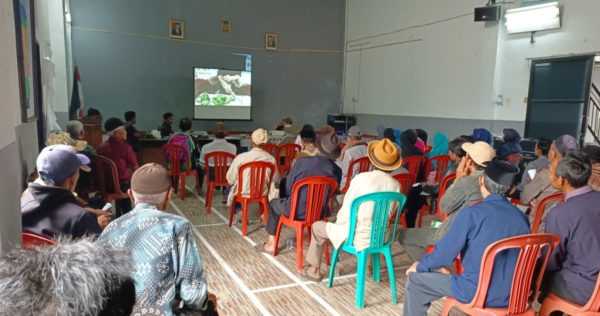
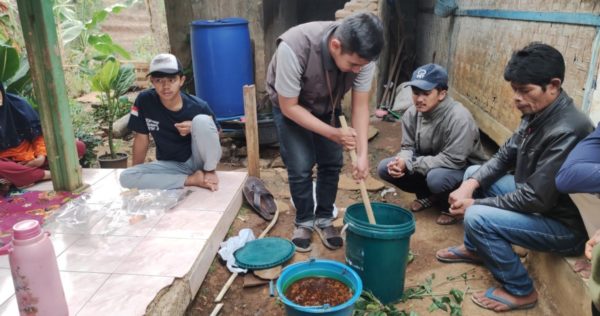
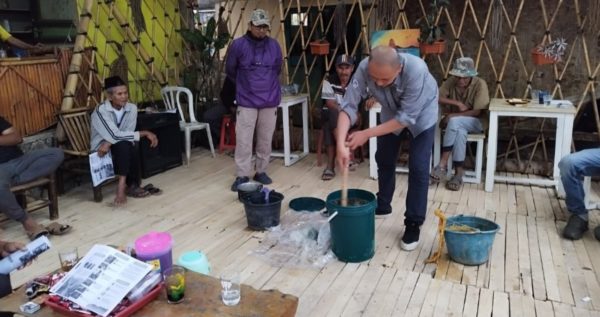
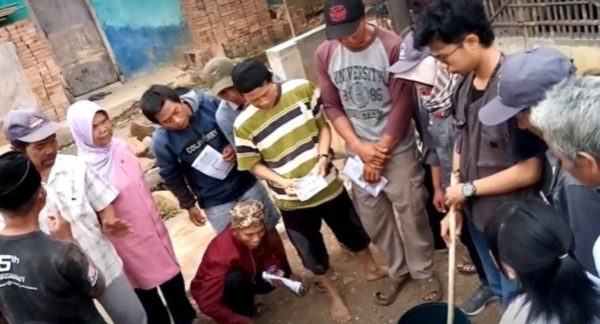
Fulfilling the high demand for knowledge about organic fertilizers in local communities, our field team conducts farming training on how to make organic liquid fertilizers. (Above) We utilize household waste like expired eggs and milk, rice washing water that are mixed with some other ingredients including sheep’s manure, volcanic ash, and spirulina. To apply this type of fertilizer, simply by spraying around the trunk of trees planted. (Below) The organic fertilizer training attracted many local people to directly witness the tutorials demonstration. 

Trees4trees team

Farmer Training Initiative to Empower Local Communities

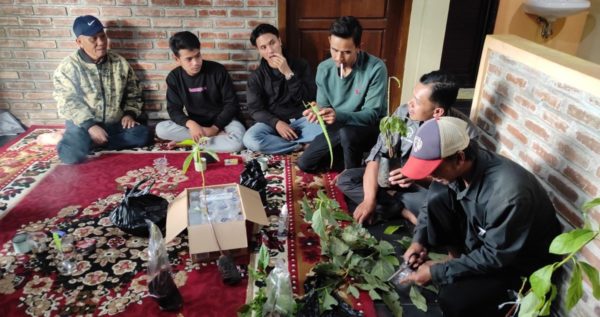
One of the farming training topics we cover is grafting techniques, a cultivation method that involves attaching one plant bud to another. This method aims to combine favorable characteristics from both plants to achieve a better variety of trees 

Trees4Trees' farmers

Farmer Training Initiative to Empower Local Communities

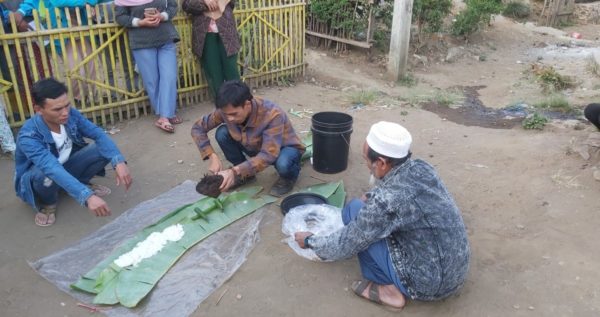
Decomposer microbes and soil fertilizers play a crucial role in the organic farming system due to their numerous functions in plants growth. They help compost plants and livestock waste to become nutrient for plants, reduce chemical waste in the soil, enhance soil fertility, and help to prevent pathogenic bacteria. Additionally, they significantly improve the chemical and biological function of soils. Considering these factors, we conduct training on decomposer microbe production using rotten rice, banana weevil, bamboo roots, molasse, and yeast that are fermented 

Farmer Training Initiative to Empower Local Communities

In one of our farmer training sessions, we presented a tutorial on making herbicide from organic ingredients, including coconut water, sugar, and yeast, followed by a fermentation process. Organic herbicide is useful for controlling and preventing weed growth that can disrupt the growth of trees.  

Nursery Highlights: Growing Multi-purpose Trees Species

Multipurpose tree species refer to the type of trees that are grown to provide numerous benefits both for the environment and the economy. These may include environmental enhancement, such as providing shade, conserving water, and improving soil quality.  

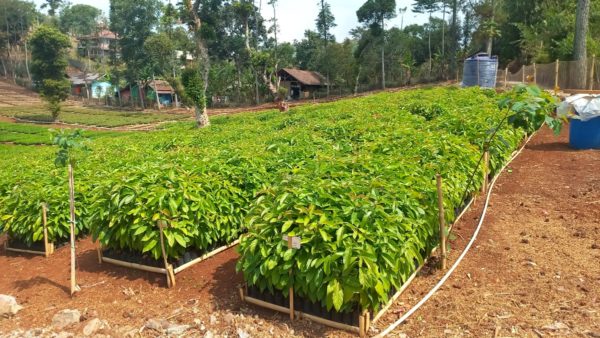
In addition to the environmental benefits, multipurpose trees also yield non-timber commodities, including fruits, leaves, nuts, sap, or bark. These commodities have a significant economic value and are competitive in the market, supporting local community livelihoods. Recognizing these advantages, Trees4Trees cultivates multipurpose tree seedlings like coffee, avocado, durian, petai, clove, and cotton in its nurseries.  

Let’s observe the dedicated efforts of our nursery team as they cultivate and nurture our multipurpose tree seedlings in our four established nurseries! 

Growing Multi-purpose Trees Species

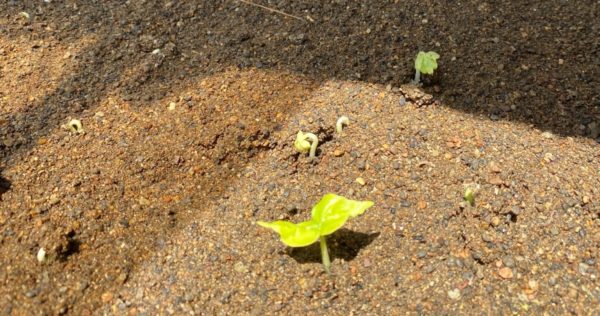
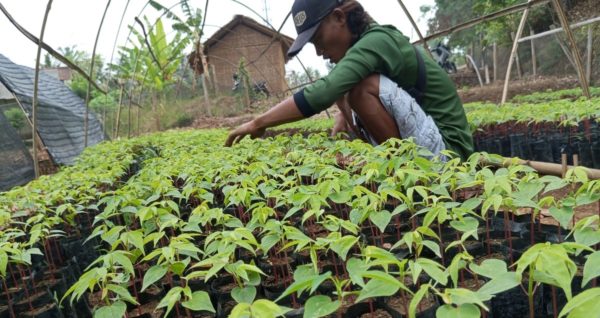
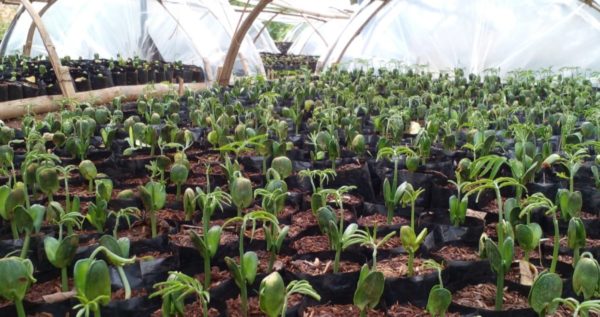
At the Kebumen nursery, a new tree-seedling has been introduced. This year, the nursery has started on the cultivation of the cotton tree, also known in Indonesia as the randu tree or kapuk tree. The decision to grow cotton trees is a response to the strong interest of the local community in Kebumen, driven by the economic value of the tree. Cotton trees produce fibers which are contained in their fruits, and these fibers are essential raw materials for textile yarn. (Above) New shoots of randu tree-seedling have begun to grow. (Below) A nursery worker is removing weeds from the randu tree seedlings to ensure the maximum growth.  

Nursery Highlights: Growing Multi-purpose Trees Species

Nursery Highlights: Growing Multi-purpose Trees Species

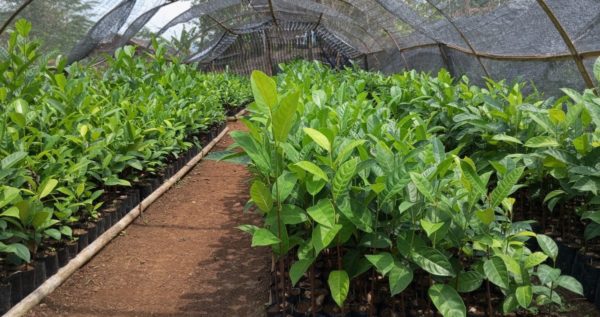
Jackfruit, or nangka is one of the favorite fruits in Indonesia, including the Java islands. Considering that the trees are widely cultivated by local people for their delicious fruits, the Kebumen nursery grows jackfruit tree-seedlings. These trees produce sweet, yellow fruits that can be consumed directly or used as an additional ingredient for traditional snacks and drinks, thanks to their distinctive aroma. The young fruits also can be used to prepare traditional Javanese dish called gudeg. 

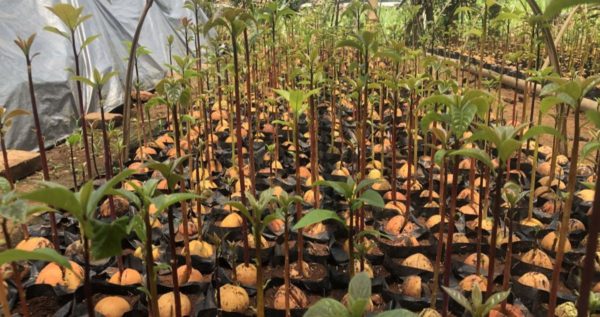
Avocado is one of the multipurpose trees that has a high economic value. Many people incorporate avocado fruit to their healthy diets, contributing to the fruits’ popularity and high demand. All our nurseries cultivate avocado tree-seedlings due to the strong interest of local people in planting avocados. (Above) Avocado tree-seedlings are thriving in the Pati Nursery. (Below) Avocado tree-seedlings are reaching new heights marking significant tree growth in the Cirasea Nursery. 

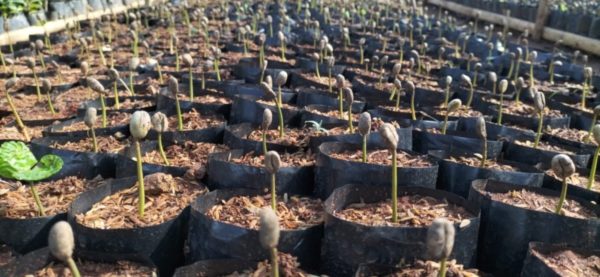
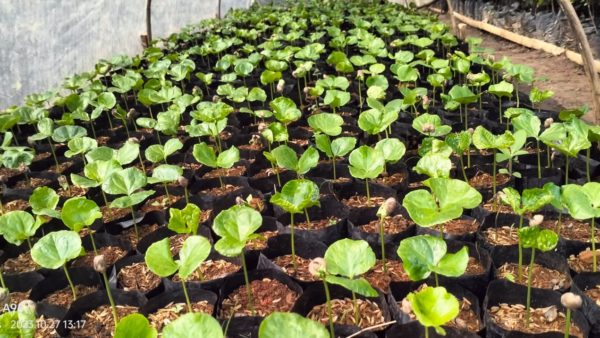
Coffee is one of promising commodities across Indonesia, and during our planting seasons, this species always takes the spotlight. Many tree growers have a strong interest in cultivating coffee trees due to their economic value. (Above) New shoots of coffee tree seedlings have embarked to grow in our Ciminyak nursery. (Below) The twomonthold coffee tree-seedlings are growing greener, displaying their distinctive rounded-shape leaves. 

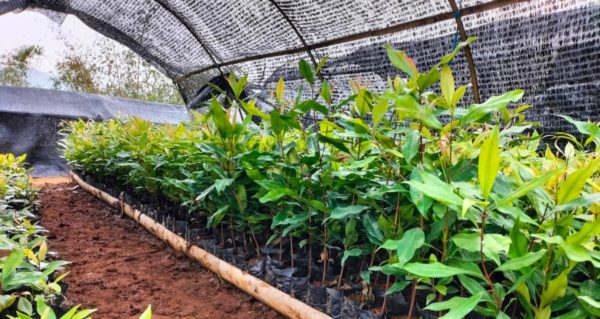
The clove tree, known as cengkeh is an evergreen tree native to the North Maluku Islands of Indonesia. Its aromatic flower buds are highly valuable due to their competitive prices in the market. This species is one of the trees we cultivate to provide income opportunities for our tree growers. (Above) Clove tree seedlings are growing taller in our Ciminyak nursery.

Nursery Highlights: Growing Multi-purpose Trees Species

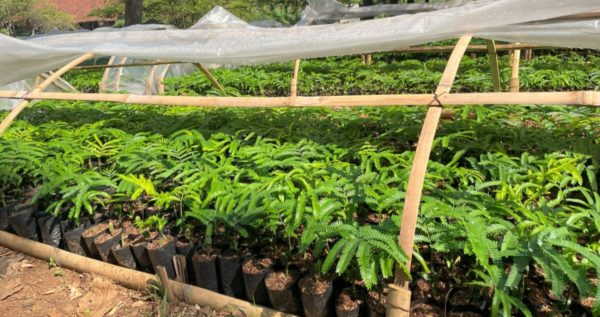
Petai is popular in Indonesia due to most of Indonesian enjoy eating the beans fresh. The petai tree, also known as stinky bean tree, is native to Southeast Asia and produces long green beans about the size of almond. These beans have a high demand in the market. We cultivate petai in our nurseries to provide opportunities for our tree growers partner to gain economic benefits by planting the tree. (Above) Petai seedlings in Soreang nursery in 2 weeks old. (Below) Petai seedings in 2 months old.  

The Heat is On: Finding Solutions to Rising Global Temperatures

The Heat is On Finding Solutions to Rising Global Temperatures_trees4trees
The Heat is On Finding Solutions to Rising Global Temperatures
Photo: Freepik

All around the world, temperatures are soaring, and extreme weather events are becoming more common. This October in Indonesia, where our tree planting efforts are based, cities like Semarang and Jakarta have been sweltering in the highest temperatures seen in the last 30 years. 

This hot weather is partly due to El Niño, a seasonal warming that happens naturally in parts of the Pacific and impacts weather systems around the world. But the driving force of the extreme heat is climate change caused by human activity. 

So what are the impacts of these changes on the planet and its life support systems? Is anything being done to reverse the damage? And how can each of us play our part in cooling the climate?  

In this article, we’ll provide answers to these burning questions. 

The Heat is On Finding Solutions to Rising Global Temperatures_trees4trees
The Heat is On. Photo: Trees4Trees/V. Arnila Wulandani

Breaking all the wrong records in global temperatures 

A recent study in the Nature Reviews Earth and Environment Journal revealed that, from January to September 2023, we experienced the warmest global temperatures in recorded history, surpassing the previous record set in 2016.  

As if that wasn’t bad enough, last month was the hottest September on record;, an unprecedented anomaly in history, when ocean temperatures went through the roof. September was a scorcher, but October and November are already hot on its heels. 

As global warming intensifies, natural climate events, like El Niño are becoming more frequent and more intense. Scientists agree that the biggest driver is human-induced climate change, mostly from emissions of greenhouse gases.  

We set this change in motion, so it’s up to us to stop the global temperature rising. But what can be done? 

The Heat is On Finding Solutions to Rising Global Temperatures
Steps in the right direction: there’s plenty we can do to counter climate change. Photo: Telegraph

Be part of the solution, not part of the problem 

When facing a problem as big as Earth temperature, it’s easy to feel overwhelmed. Maybe even powerless. But there’s plenty each of us can do to turn down the heat. Even the smallest changes, when multiplied enough times, can add up to a massive difference. 

Every time you get in the car, every time you shop online, or even turn on a light switch, your choices have a cost in terms of energy and fuel. This is also known as your carbon footprint – the amount of carbon emitted into the atmosphere as a result of your actions and decisions. 

Here are five steps you can take to reduce your carbon footprint and help combat climate change: 

  1. Buy local and shift to a plant-based diet. 
  2. Use public transport, cycle, and walk 
  3. Cut down your electricity consumption at home 
  4. Embrace a slow fashion approach 
  5. Join nature restoration activities in your area 

From the food we eat to the clothes we wear and the ways we get around, there’s so many ways to reduce energy consumption and lower our environmental impact. Don’t give in to apathy! Take charge of your own environment and be the change you seek. 

Read also: A Breath of Fresh Air: Tackling Jakarta Pollution

The Heat is On Finding Solutions to Rising Global Temperatures
The Heat is On, Finding Solutions to Rising Global Temperatures. Photo: Trees4Trees/Kemas Duga Muis

Climate action: Planting seeds of positive change 

Want to impact the environment on a bigger scale? The best thing we can do is plant trees. And lots of them. Trees can suck harmful greenhouse gases out of the atmosphere, while also storing carbon and producing healthy oxygen.  

But that’s not all – trees have been proven to help prevent floods, erosion, and drought. They provide habitats for animals, shade for new growth, and beauty in the background of our lives on this green planet. 

The Heat is On Finding Solutions to Rising Global Temperatures
Photo: Trees4Trees/Kemas Duga Muis

Read more: Trees That Absorb the Most Carbon Dioxide

In the tropics, where the sun shines all year round, trees feel right at home. And this green belt around the belly of our planet could be the key to combating climate change. Scientists certainly seem to think so. Recent research has found the following benefits to planting trees in the tropics compared to other areas: 

  1. Tropical trees grow faster and absorb more carbon emissions . 
  2. They also sequester up to four times more carbon  
  3. Rainforests are biodiversity hotspots, sheltering endangered species 
  4. Tropical plants and trees can provide us with food and medicine 
  5.  The tropics are home to the world’s largest mangrove forests, which absorb a huge amount of carbon 

For so many reasons, planting trees in the tropics is a good idea. Located right on the equator, Indonesia is home to the worlds third-largest rainforest. And Trees4Trees is helping to spread the life-giving benefits of trees elsewhere in the archipelago. 

We’re taking climate action, planting trees to mitigate the catastrophic effects of climate change and helping lower global temperatures.  

Want to do your part? Join us on our replanting journey, and help Indonesia stay green. Learn more at trees4trees.org. 

Writer: V. Arnila Wulandani. Editor: Christopher Alexander