Activity Highlight: Distributing Tree Seedlings in Central Java and Yogyakarta Surroundings

The Central Java and Yogyakarta regions are two of Trees4Trees’ main locations for tree planting and play a vital role in our reforestation initiatives. In the Trees4Trees 2023-2024 planting season, we successfully distributed over 570,000 tree seedlings to approximately 2,300 tree growers across Central Java, spanning Kebumen, Pati, Boyolali, Semarang Regency, and Gunung Kidul in Yogyakarta.  

Our tree-planting initiatives throughout the regions serve diverse purposes, ranging from addressing drought and water scarcity to preventing erosion and landslides, revitalizing degraded areas, and providing essential shade. 

In addition to our terrestrial efforts, Trees4Trees extended its impact to the coastal region of Pati by planting around 33,750 mangroves, contributing to the overall health and resilience of the coastal areas.  

Let’s celebrate the hard work of our team in Central Java and Yogyakarta as they deliver seedlings to our tree growers in various locations! 

Distributing trees

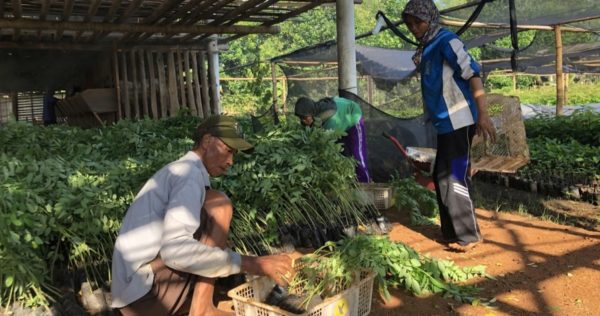
Our nursery workers in Kebumen (above) and Pati (below) were meticulously selecting and preparing the best seedlings then packaging them for distribution to various planting areas across Central Java and Yogyakarta.  
activity in our nursery

Distributing process

The selected and packaged tree-seedlings in the nursery of Kebumen (above) and Pati (below) were ready for loading to the delivery trucks. They were attached with a barcode and information about tree types, the grower who will receive them and the village destination.

Distributing tree

Distributing trees

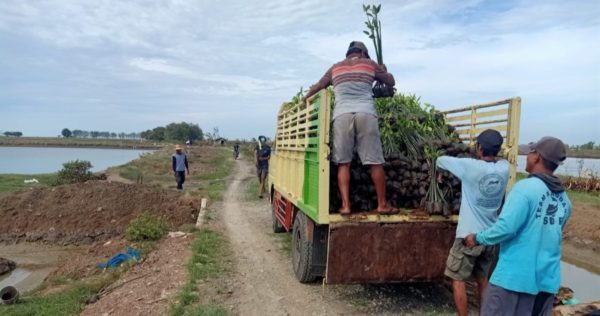
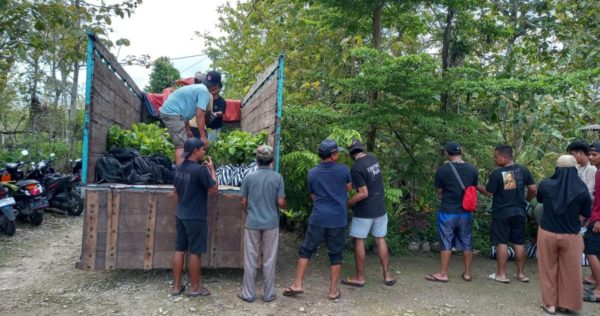
(Above) Our nursery team in Kebumen loaded the tree-seedlings to a small pick-up truck. (Below) Our nursery team in Pati had already finished loading all seedlings to a bigger truck. Due to the challenging terrain to the tree-planting areas, with usually very narrow and steep roads, we used small pickup trucks for delivery. While the bigger trucks are used to deliver the seedlings to the areas with wider roads. 

our tree growers

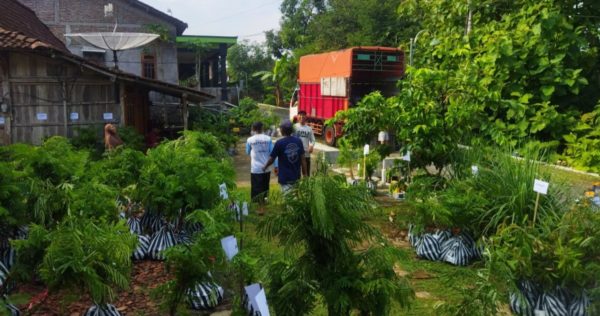
The tree-seedlings were all dropped and organized in a meeting point in Gunungsari Village, Pati (above) and Kedungpilang Village, Boyolali (below). They were ready to be picked up by our dedicated tree growers. 
Following the arrival of the tree seedlings in Gunungsari, Kebumen (above) and Ngringin, Gunungkidul Yogyakarta (below), local communities enthusiastically welcomed them. They couldn’t wait to receive the tree seedlings. Our team also worked hand in hand with the local community in loading out the seedlings. 
(Above) Mangrove seedlings were delivered to the meeting point near Tegalombo Village’s coastal area in Pati Regency. They were then transported to the planting location by members of a fishpond farmer group collaborating with Trees4Trees as tree growers. (Below) The mangrove distribution process in Banyutowo Village involved the active participation of the local community. 
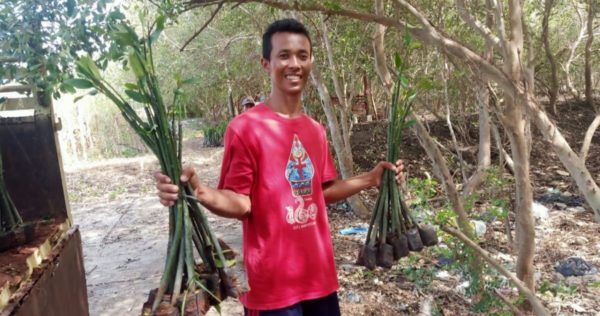
Distributing Tree with our tree growers

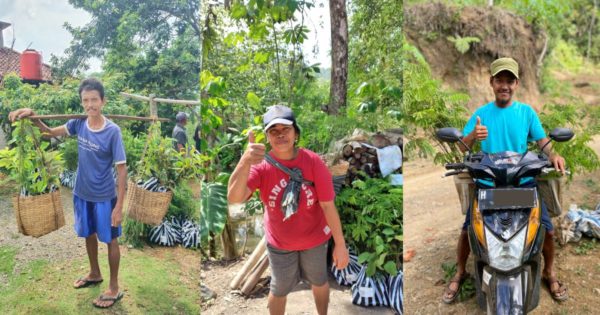
Witnessing our tree growers bringing their trees home was genuinely thrilling. They transported the trees from the designated meeting points using various methods, including carrying them on their backs with bamboo sticks or traditional baskets, as well as utilizing motorcycles. Shortly after, they will proceed to plant these trees in their fields. 
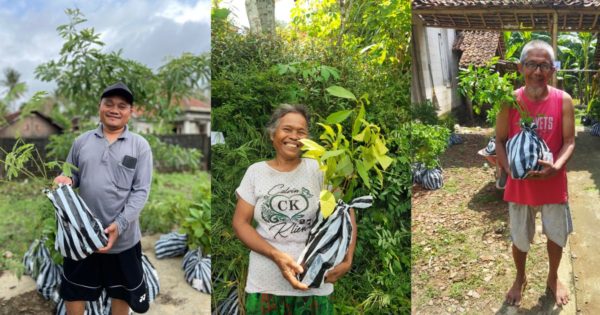
Our tree growers

Our tree growers’ smiles are the most precious to us! We are grateful for the opportunity to support them as a local community by providing tree seedlings and organic fertilizers and witnessing the joy on their faces! 


Preserving Cultural and Environmental Treasures: Greening Yogyakarta with Daimler Indonesia

Tree-planting event in Yogyakarta with Daimler Indonesia
Greening Yogyakarta with Daimler Indonesia
Photo: Trees4Trees/Yulianisa Dessenita

Centuries ago, kepel and sawo kecik trees were highly prized by the royal Mataram court of Central Java. Kepel fruits were the perfume of princesses at Yogyakarta Palace, while sawo kecik became a symbol of kindness that was recognized throughout the realm. Today, kindness returns to the soil of Central Java, with a planting activity born out of reverence for the region’s heritage. 

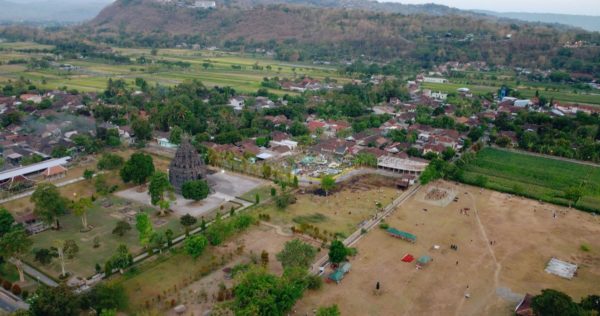
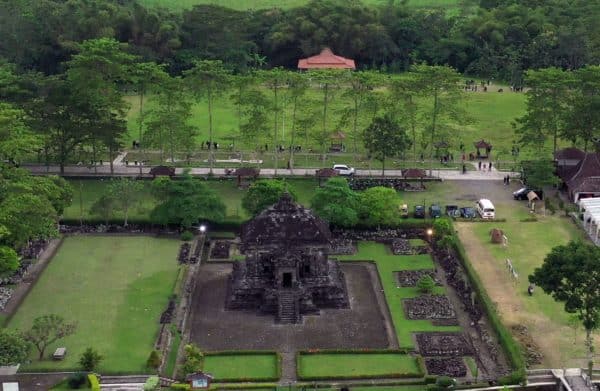
Sojiwan Temple (Candi Sojiwan) is a relic from this era. Located in Kebon Dalem Kidul Village, just over a mile from the more famous Prambanan temple, this ancient monument remains an important site for local communities.  

Every day, many people come to visit. With hardly any shade, this temple and its pilgrims are blasted by the midday sun. To provide some respite, Trees4Trees has been busy restoring the area to its former glory. 

Preserving Cultural and Environmental Treasures
With hardly tree covers, this temple and its pilgrims are lack of shades by the midday sun. Photo: Trees4Trees/Haryadi

New trees provide shelter and shade 

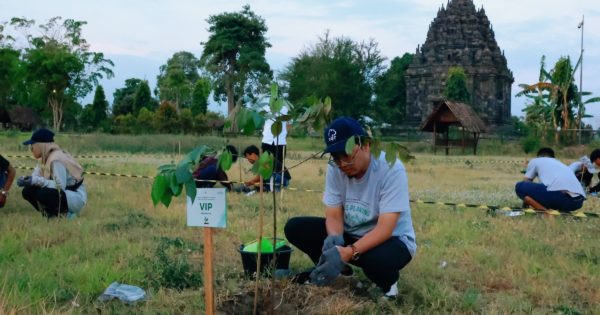
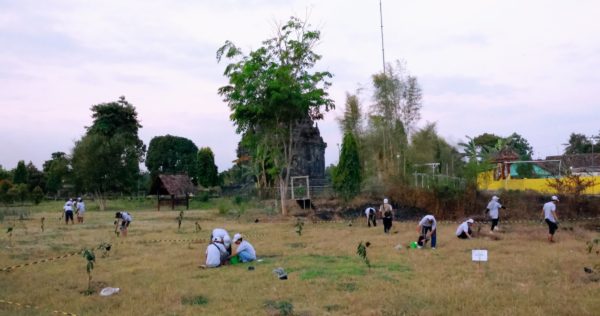
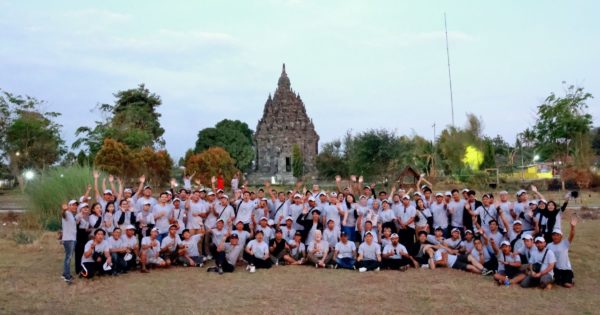
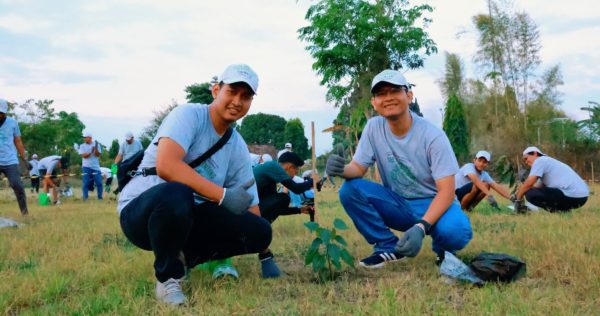
In early September 2023, Trees4Trees teamed up with 250 volunteers from PT Daimler Commercial Vehicles Indonesia (DCVMI) to plant trees around Sojiwan. The event was a golden opportunity to raise awareness and develop skills.  

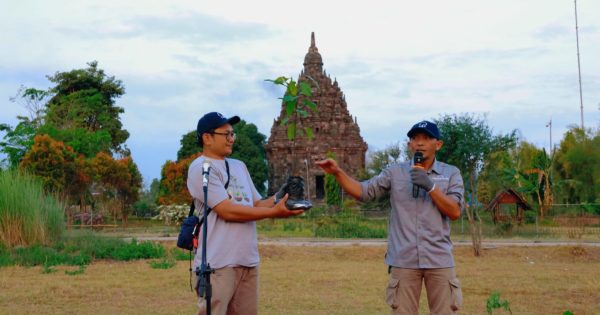
“Before planting, we provided an educational session to teach proper tree planting techniques,” explains Erni Setyaningrum, Trees4Trees Office Manager. “In total, we successfully planted 300 trees with DCVMI and helped to increase tree cover.” 

Greening Yogyakarta with Daimler Indonesia
(Above) Trees4Trees experts share tips on tree planting with the DCVMI team. Photo: Trees4Trees/Yulianisa Dessenita

Rizki Pradhitya, Trees4Trees Kebumen Unit Manager overseeing the event, added:, “We planted 55 trembesi (rain trees) to provide shade and cool down the area, addressing the lack of trees as shade. Additionally, we planted Gayam trees to conserve water sources and prevent drought, aligning with the local community’s ecological needs.” 

Fun facts about trembesi trees 

  1. Also known as the ‘rain tree’ or ‘monkey pod tree’ 
  2. They can absorb up to 10 times as much CO2 as other species.  
  3. Their leaves fold up in the rain, allowing more water to reach the ground.  
  4. Their roots suck up large amounts of ground water, which helps prevent flooding and soil erosion during the wet season.  
  5. In 2010, Indonesia planted more than 1 billion trembesi trees as part of a nationwide conservation program.

Reconnecting with royal roots 

In addition to trembesi and other shady species, various trees were planted that hold cultural significance for the area. As Rizki explains, “we planted three species closely tied to Yogyakarta’s cultural heritage and indigenous to the region: duku, kepel, and sawo kecik trees.” 

Duku in particular is beloved by the local community and has a special place in Yogyakarta society, due to its popularity as a local fruit. 

Preserving Cultural and Environmental Treasures
Photo: Trees4Trees/Yulianisa Dessenita
Greening Yogyakarta with Daimler Indonesia
(Above) Volunteers gather to plant trees around the Sojiwan Temple. Photo: Trees4Trees/Yulianisa Dessenita

Growth and transformation: Paying tribute to Buddhist heritage 

Another tree chosen for the event was the Bodhi, also known as ‘the tree of awakening.’ This variety was chosen for its religious significance and close association with Sojiwan as a Buddhist temple. 

“There were already a few Bodhi trees in the temple area,” said Rizki. “We’ve added 55 new Bodhi trees (because they are) considered sacred by local communities and have a strong connection to Buddhist history,” he added.  

Greening Yogyakarta with Daimler Indonesia
(Above) Tree of awakening: Trees4Trees plant sacred Bodhi trees in deference to Sojiwan as a Buddhist site. (Below) Mango trees are planted due to their service as shades and production of fruits. Photo: Trees4Trees/Yulianisa Dessenita
Tree-planting event in Yogyakarta with Daimler Indonesia
Greening Yogyakarta with Daimler Indonesia

Next steps: Branching out to Gunung Kidul, Yogyakarta  

Following the success of Daimler Indonesia’s tree-planting project, an additional 4,700 trees will soon be planted in various villages around Semanu District, Gunung Kidul, Yogyakarta. With support from Daimler Indonesia, Trees4Trees, will continue working to heal the land and promotes water conservation. 

Tree-planting event in Yogyakarta with Daimler Indonesia
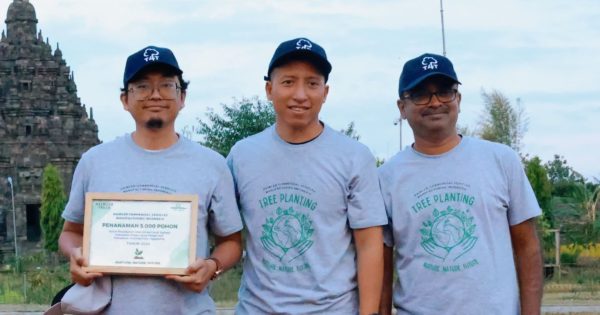
(Above) Daimler management representatives Adriana Sukmana P (left), Aditia Satrio Putro (center), and Sathish S (right) joined the planting efforts and were presented with Trees4Trees certificates. Photo: Trees4Trees/Yulianisa Dessenita

“Drought and water scarcity are common problems in Gunung Kidul, especially during the dry season,” explains Haryadi, Trees4Trees GIS Officer. “This area also has a significant amount of degraded land. That’s why, we will plant trees – to help improve the environment.”  

Rizki added that many local farmers have already requested new tree species for the area. They requested a mix of teak, Albizia, burflower, guava, mango, kelengkeng, and rambutan to enhance the environment. According to Rizki, “these tree species contribute to improving the livelihoods of local residents, due to their economic value through the production of fruits, leaves, and other tree products.” 

From economic value to environmental impact and from shade to religious tribute, these new trees will provide a wide range of services to the area surrounding Sojiwan Temple. Together, Trees4Trees and Daimler Indonesia are paying tribute to the past, while also building for a greener, more sustainable future. 

Writer: V. Arnila Wulandani. Editor: Christopher Alexander

A Monument to Cooperation: AstraZeneca Puts Down Roots in Java

(Above) Volunteers join the tree planting activities, part of AstraZeneca Indonesia’s CSR program

To the east of Yogyakarta city, Banyunibo stands alone; an island of stone, marooned in a sea of green farmland. Unlike most buildings from the ancient Mataram kingdom – like nearby Prambanan and Ratu Boko – this ninth-century temple leads a solitary life. 

Out on these sunbaked plains, there are hardly any trees to provide shade. Particularly in the dry season, the area can become very hot and arid during the day, chasing people back to their cars and villages. But all that is about to change. 

A Shade Better: AstraZeneca Program Targets Tree Cover Density  

In February 2023, a joint tree-planting program kicked off in Cepit sub-village, where Banyunibo is located. Implemented by AstraZeneca and with support from Trees4Trees, the program will expand tree cover and provide more shade at the site.  

AstraZeneca Indonesia is working to deliver social and economic benefits to the local community, as part of an overarching goal to improve the environment.

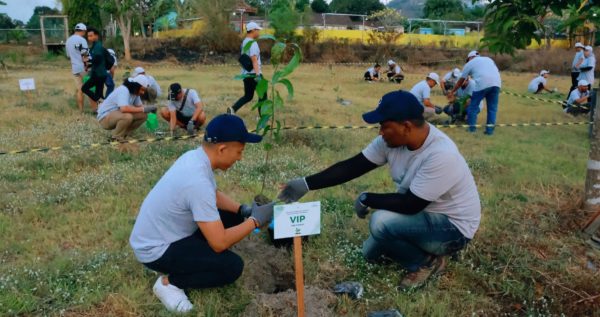
AstraZeneca Indonesia's top management volunteering at the tree-planting event, including Se Whan Chon, Country President (fifth from the left); and Rizwan Abudaeri, Director of Market Access, Government Affairs and Regulatory Affairs (fifth from the right)
(Above) AstraZeneca Indonesia’s top management volunteering at the tree-planting event, including Se Whan Chon, Country President (fifth from the left); and Rizwan Abudaeri, Director of Market Access, Government Affairs and Regulatory Affairs (fifth from the right)

Providing Benefits for People and Nature 

The program provided a number of benefits to the local environment: restoring bare land, increasing water availability, supporting biodiversity, and mitigating environmental problems in various locations.

“The tree-planting event also included the riverbanks,” says Novita, Assistant Planning Manager at Trees4Trees. She explains that the trees planted will protect the rivers from erosion. “They will also increase rainwater absorption in the ground, preventing rainwater from flowing directly into the river,” she added.  

The program chose trees that will benefit communities. Species like mahogany, teak, damar, and trembesi, provide shade, support water availability, and produce a vast amount of oxygen; while fruit trees such as avocado, durian, and sapodilla can offer a source of income to local enterprises. 

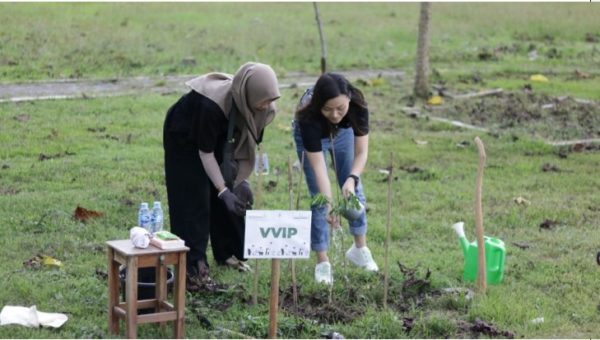
(Above) Ms. Belinda Aw, Cluster Procurement Manager at AstraZeneca Singapore & Indonesia, plants a tree with the help of a Trees4Trees forester.

The Program in Numbers  

The program involved many different people, working together to provide a range of environmental and social benefits, while also raising awareness in local communities about the importance of trees. 

  • 260 trees planted 
  • 2,500 square meters of land 
  • 500 volunteers from AstraZeneca Indonesia 
  • 25 groups, led by 18 experts from Trees4Trees 
  • 3 local communities 

“We hope everyone will benefit from the trees we have planted in this area,” says Novita. “Especially the local communities in the village, who can enjoy the shade provided by the trees and the oxygen they provide.,” Trees planted during the project will grow to provide shade for the temple, ecosystem benefits for the surrounding area, and livelihood opportunities for the people who live and work here. 

AstraZeneca Program : member of the Trees4trees planting team
Members of the Trees4Trees planting team

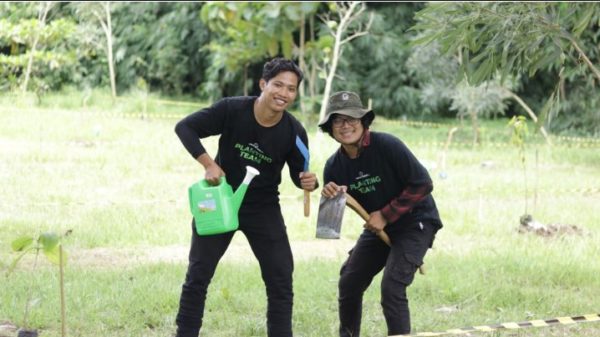
In the fertile heartland of Java, history and traditions run deep. Banyunibo is a symbol of this proud heritage. In the local language, the temple’s name means ‘dripping water’. With every drop of sweat shed during the recent tree-planting program, and every drop of rain that falls from now on, a forest will spring up around the temple; a living monument to the power of cooperation, shading the temple and its visitors for generations to come. 

For more information, and to find out how Trees4Trees is working together with AstraZeneca to restore forests around Indonesia, visit our website.