Skip to content

Burflower-tree

Anthocephalus Cadamba

Burflower-tree

Anthocephalus Cadamba

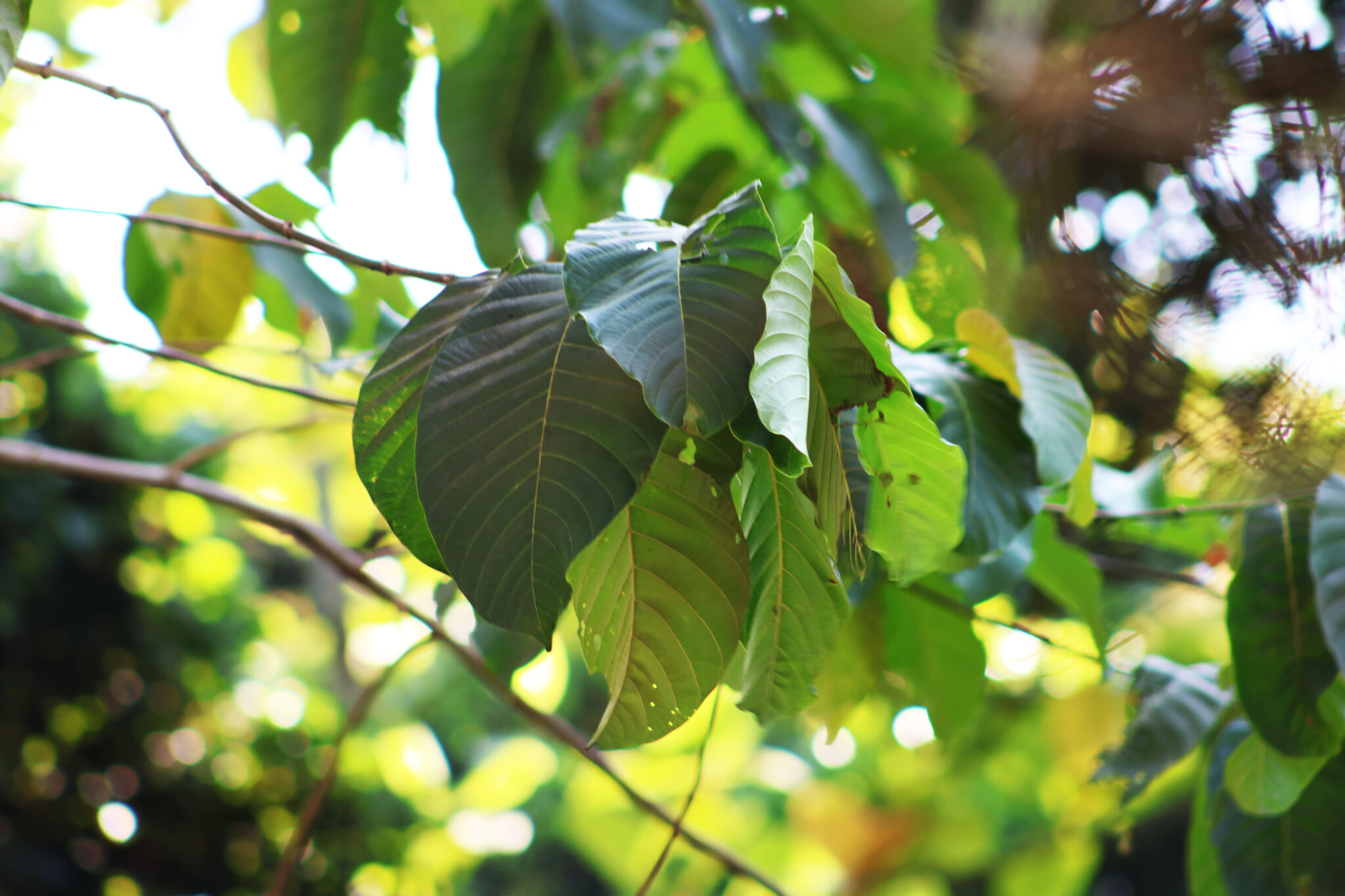
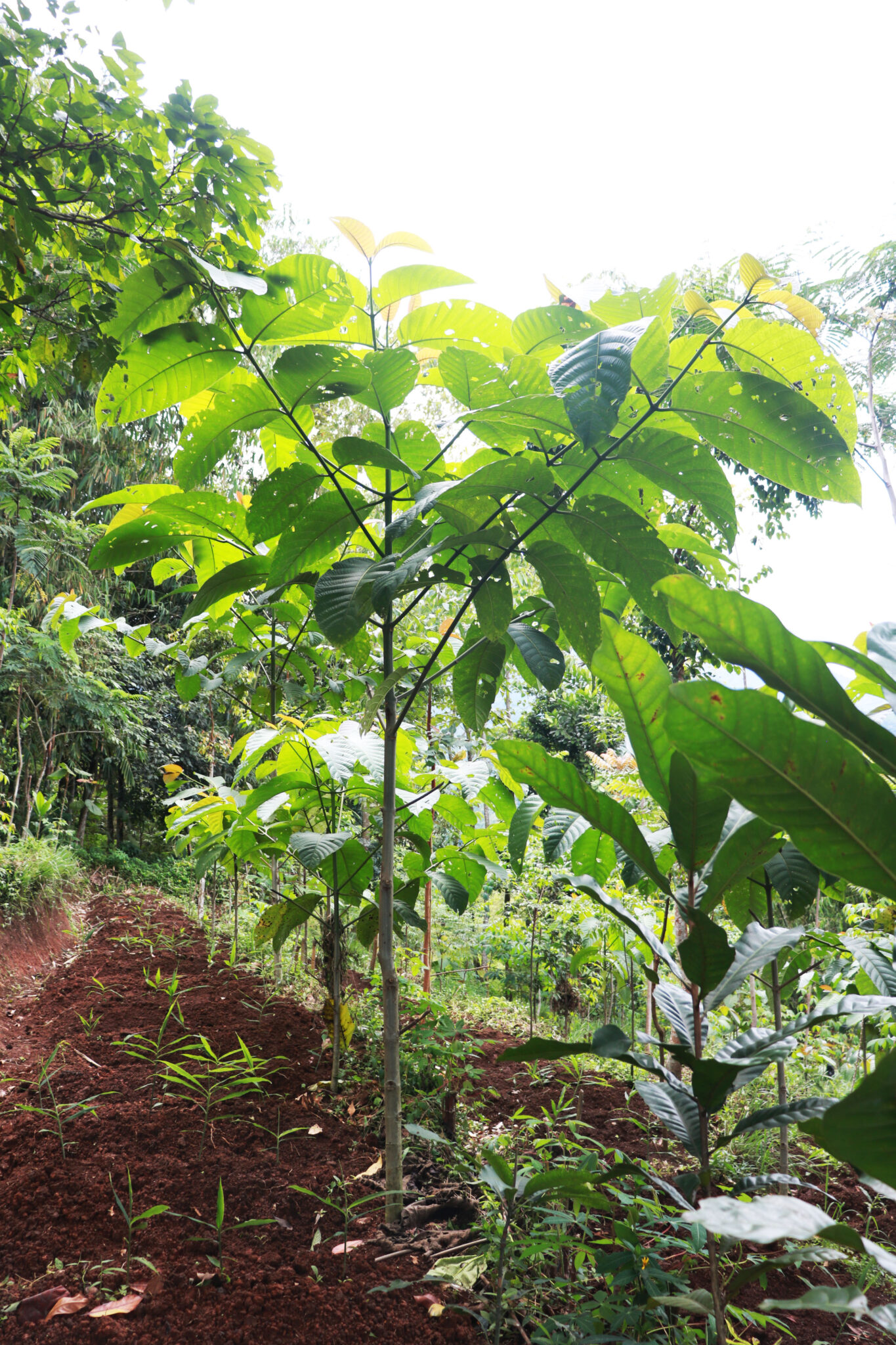
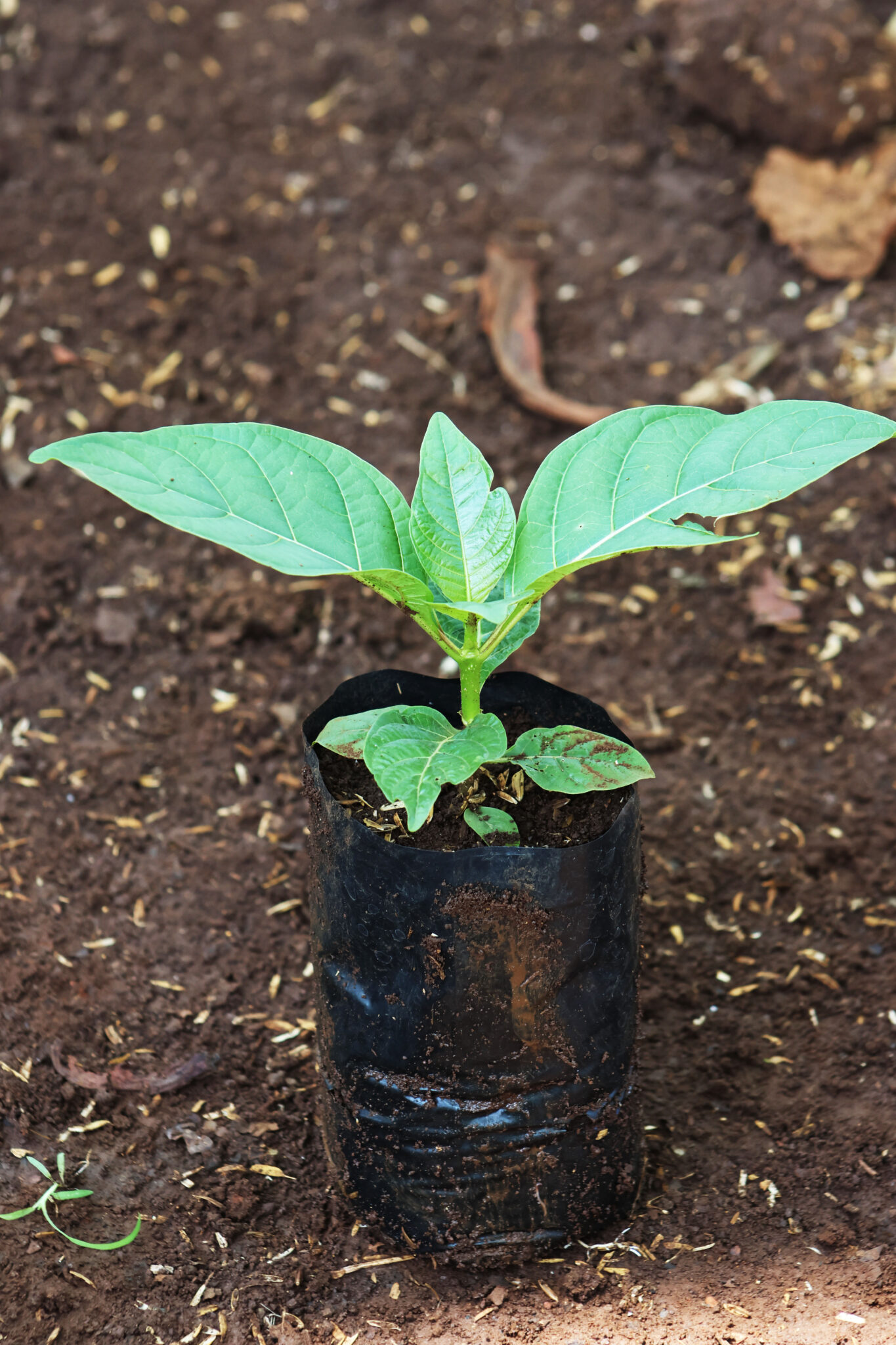
Burflower-tree is one of the fast-growing tree species and is well-suited for reforestation purposes. It is an evergreen tree and considered a multi-beneficial tree, from traditional medicine, fragrance material, to carbon sequestering. In Indonesia, it is popular with name jabon tree and highly sought after by local farmers in West Java due to its compatibility with local soil conditions to the region.

Environmental Impact

Tree Usage

Scientific name :

Anthocephalus cadamba

International name :

Burflower-tree, Leichhardt pine

Other name :

Cadamba (India), Jabon (Indonesia), White Jabon, Kalempayan (Central Java – Indonesia), Kaatoan Bangkal (Philliphine)

Tree family

Rubiaceae

IUCN Status :

Least Concern

Carbon Sequestration :

Each mature tree can absorb 288 kg of carbon

Native distribution :

Australia, China, India, Indonesia, Malaysia, Papua New Guinea, Philippines, Singapore, Vietnam

Characteristic :

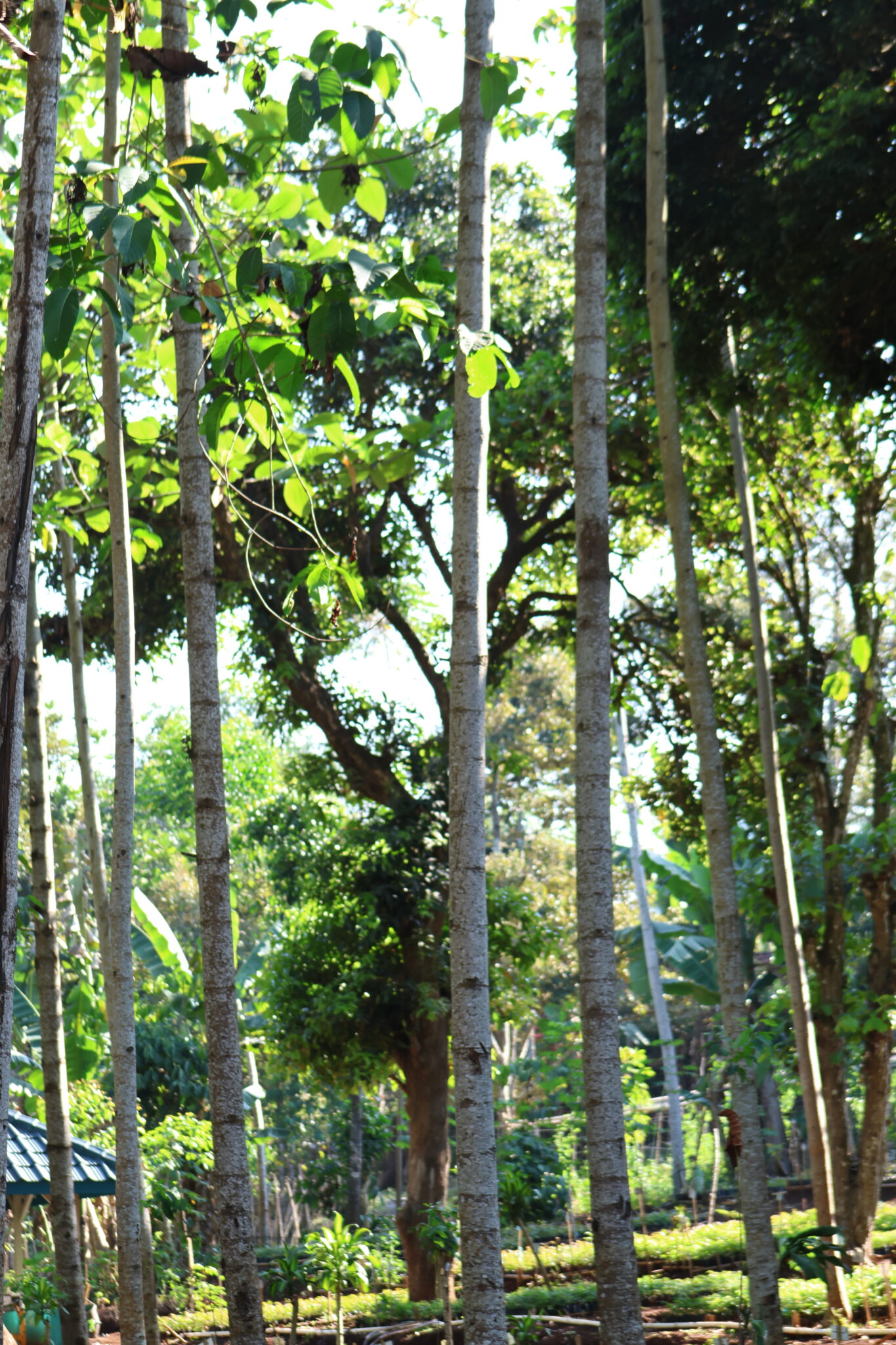
The burflower tree can grow up to 45 meters in height, with a trunk diameter of 100 cm, a straight bole, a broad crown, and sometimes buttresses.

Habitat :

It thrives in secondary forests on deep, moist, well-aerated alluvial sites, which are often periodically flooded, as well as in well-drained entisols. It grows well at altitudes of 300-800 meters with an average annual rainfall of 1,600 mm.

Reforestation The tree plays a significant role in reforestation due to its fast growth, making it a popular choice for sustainable forestry practices. (description impact)
Carbon Sequestration Each tree can sequester a significant amount of carbon. Burflower-tree or jabon trees contribute to carbon sequestration, helping mitigate climate change by absorbing carbon dioxide from the atmosphere.
Soil Quality Improvement The tree has impressive adaptability to various soil conditions. Moreover, its rapid development helps restore degraded lands and improve soil quality.
Support Biodiversity Support biodiversity
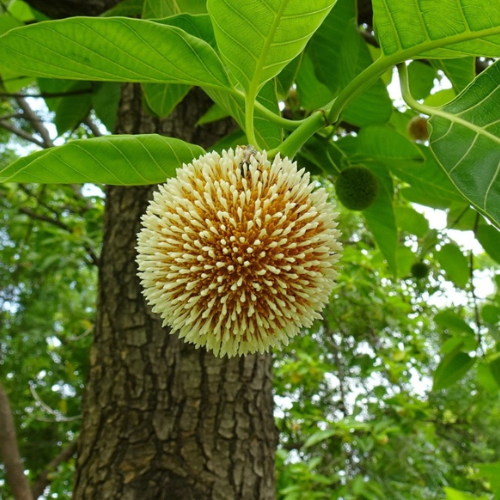
Bark, roots, fruits, seeds, flowers, and leaves

In traditional medicine, various parts of the Burflower-tree or jabon tree, including the bark, roots, fruits, seeds, flowers, and leaves, are used to treat ailments like fever, skin conditions, and digestive issues.
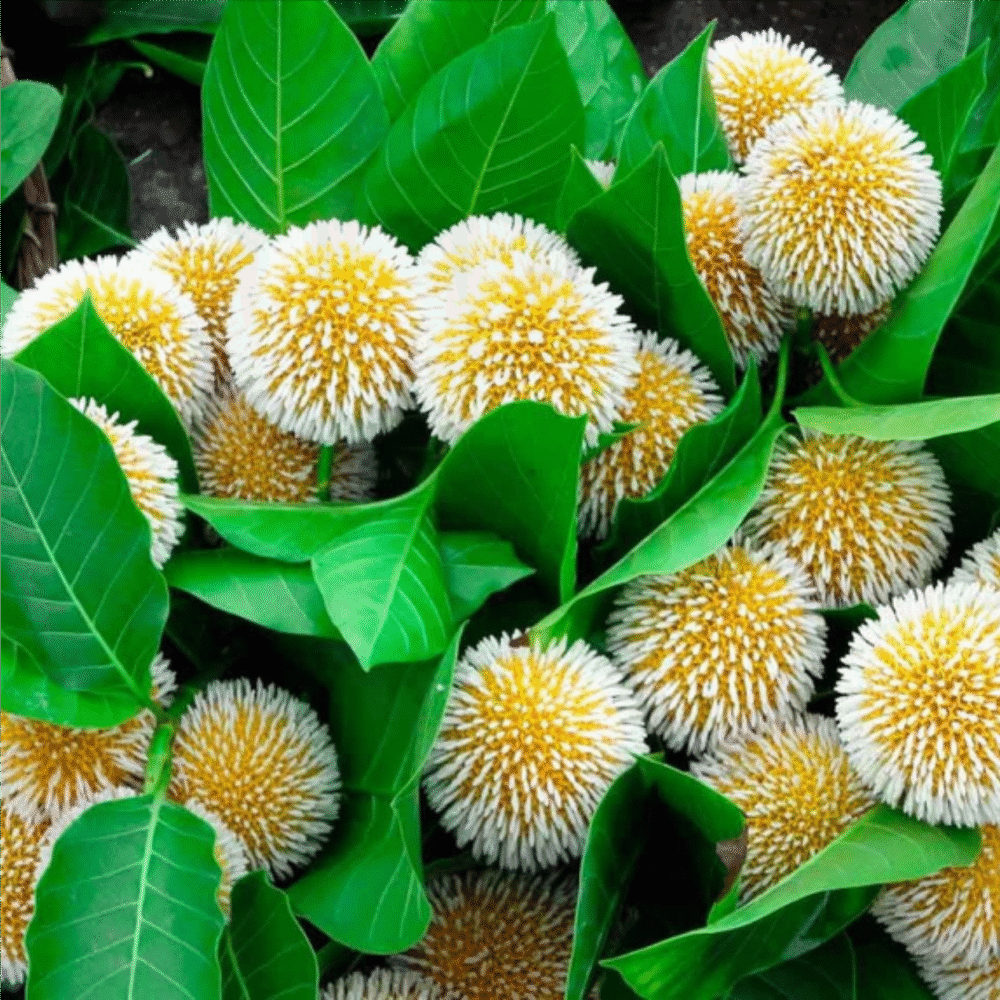
Flowers

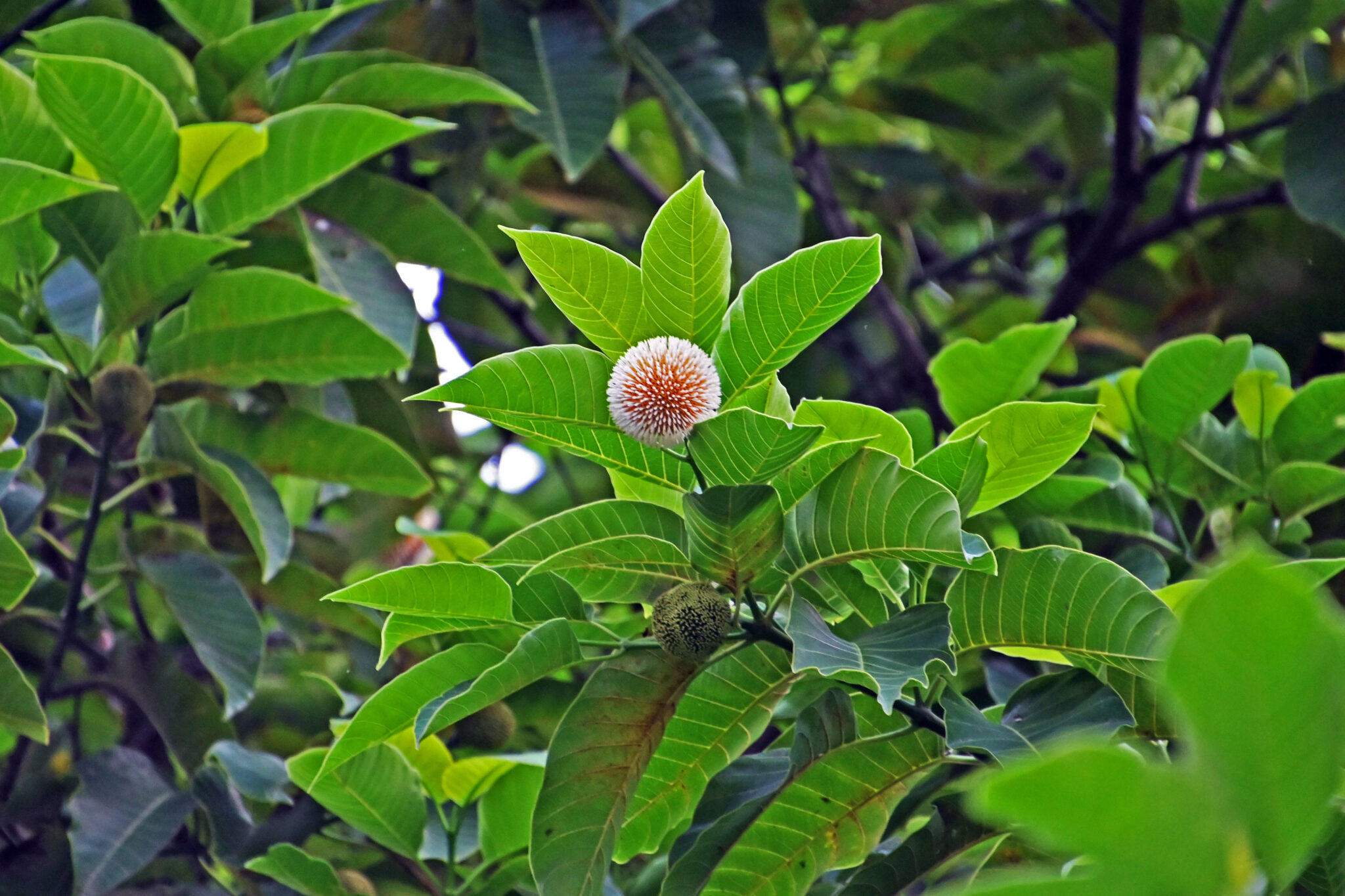
Its flowers are ingredients in perfumes and essential oils.

Leaves

The tree’s leaves are widely used as livestock fodder, although the tree is fast-growing and the leaves are not considered a primary choice for livestock feed.

Wood

Can be used for light construction and as raw material for plywood. Due to its fast growth and high wood yield, the burflower-tree or jabon tree is also economically valuable for small-scale farmers.

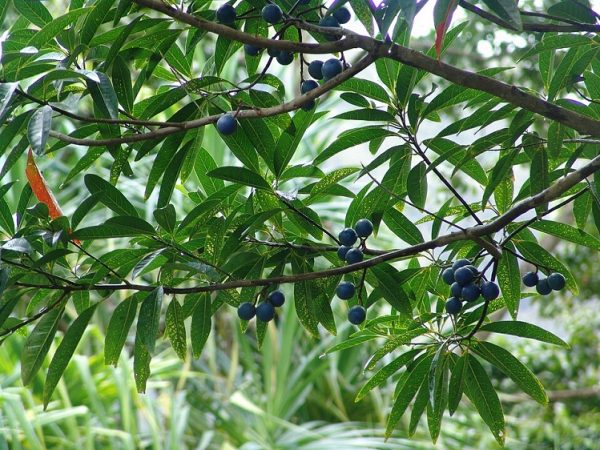
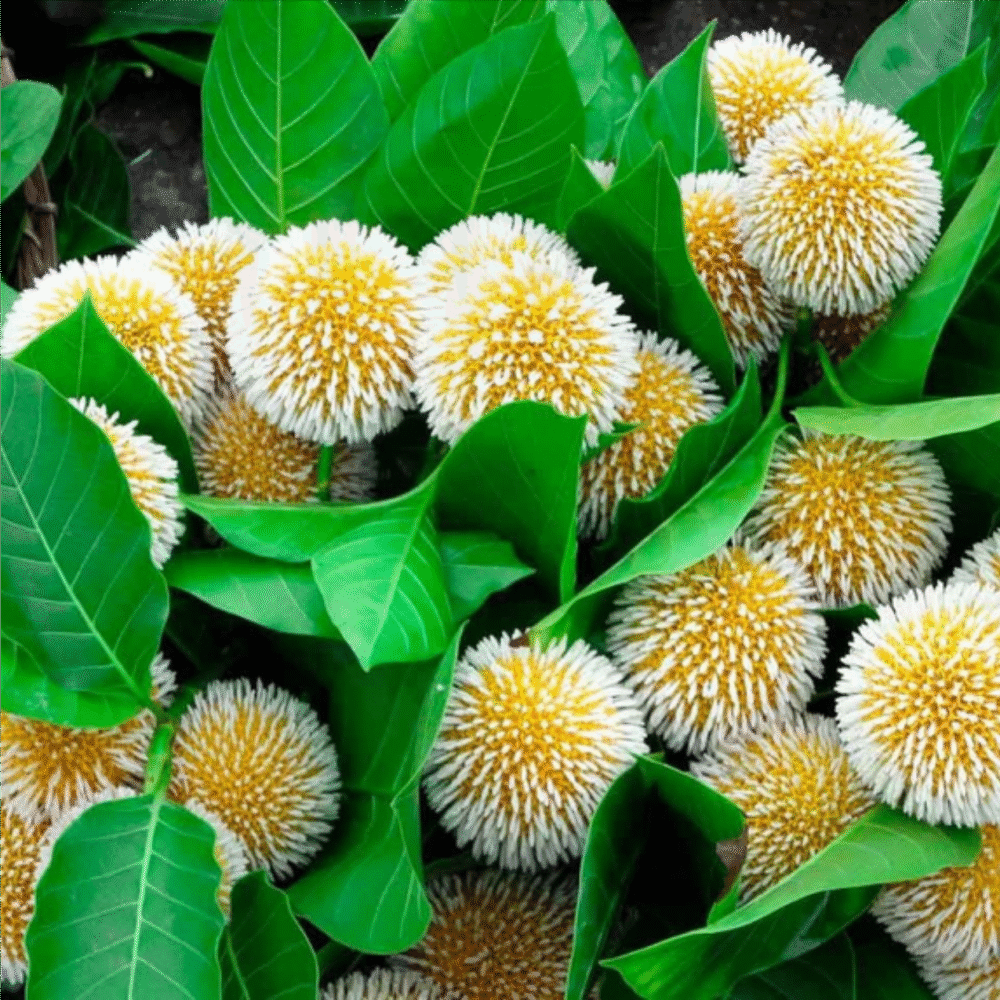
  • Burflower-tree or jabon tree has unique flowers with orange color and spherical shape, visually appealing, and have strong sweet fragrance smell.  
  • In India, burflower-tree or jabon tree holds deep cultural and religious value for many communities, associated with love, devotion, and spirituality. Its visual beauty has inspired many artists in poetry and art.  
  • Various religion in India have strongly believed that God lives inside the tree. The tree is also closely associated with the God of Krishna. 
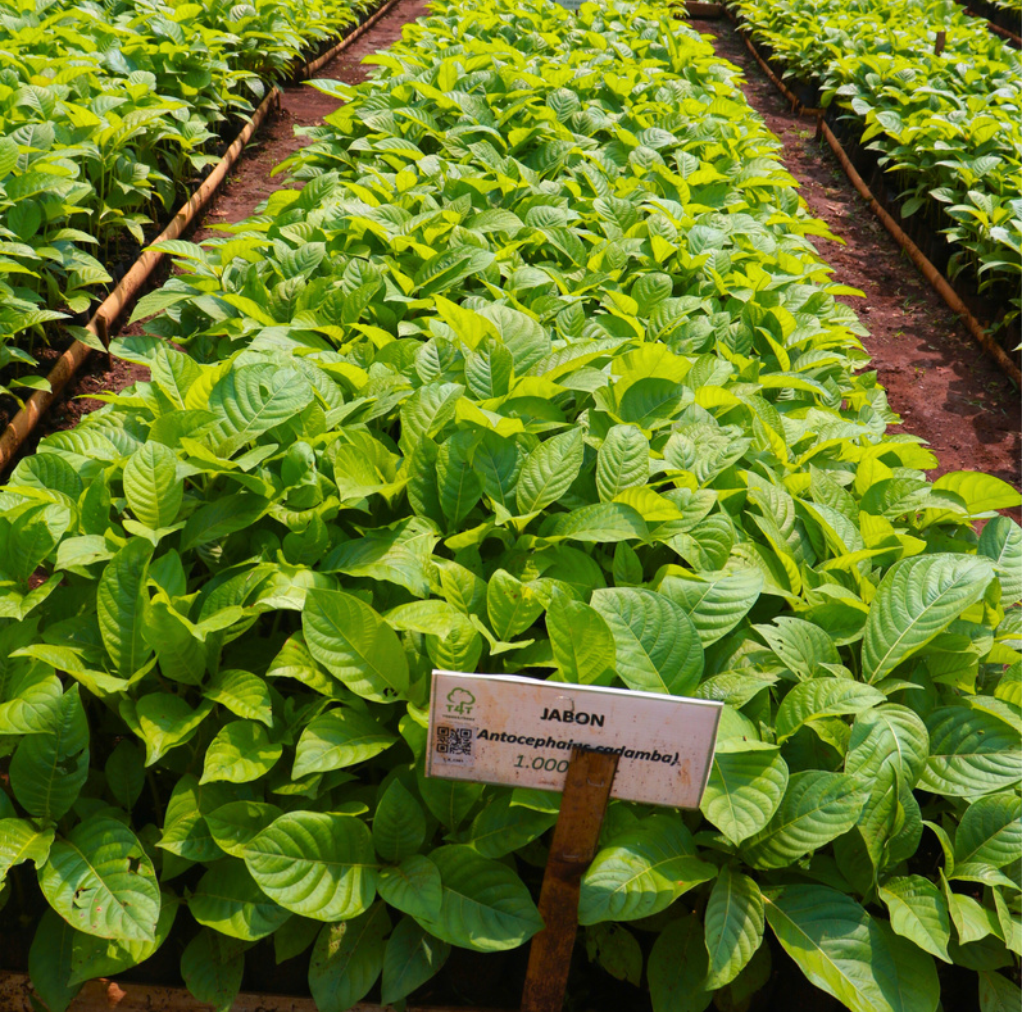
  1. West Java, Indonesia, offers ideal soil conditions for the growth of the burflower tree or jabon, making it a favorite among local farmers in our tree-planting efforts.
  2. In India, its flowers are usually combined with sandalwood to create a popular fragrance called attar.

Discover More Trees

Avicennia marina
Rhizopora apiculata
Elaeocarpus ganitrus

Add Your Heading Text Here

Lorem ipsum dolor sit amet, consectetur adipiscing elit, sed do eiusmod tempor incididunt ut labore et dolore magna aliqua. Ut enim ad minim veniam, quis nostrud exercitation ullamco laboris nisi ut aliquip ex ea commodo consequat. Duis aute irure dolor in reprehenderit in voluptate velit esse cillum dolore eu fugiat nulla pariatur. Excepteur sint occaecat cupidatat non proident, sunt in culpa qui officia deserunt mollit anim id est laborum.