Clove
Syzygium aromaticum
Clove
Syzygium aromaticum
The clove tree is a tropical evergreen species native to Indonesia’s Moluccas Islands, historically known as the Spice Islands. In Indonesia, it is well-known as cengkih. Prized for its aromatic buds and leaves, the clove or cengkih tree has been an important commodity for centuries. Cloves are used in various ways, including medicine, cuisine, and in cigarettes, making clove trees a valuable asset for local livelihoods due to their high market demand and competitive pricing.
Environmental Impact
- ✔ Biodiversity Support, ✔ Erosion Control, ✔ Shading, ✔ Soil Conservation
Tree Usage
- Economic, Food, Medicinal
Syzygium aromaticum
Clove
Cengkih (Indonesia), Choji (Japan), Kruidnagel (Dutch), Ding Heung, Ting Hsiang (China), Giroflier (French), Lavang (Gujarati)
Myrtaceae
Each mature tree can adsorb 141 Kg of carbon
Indonesia
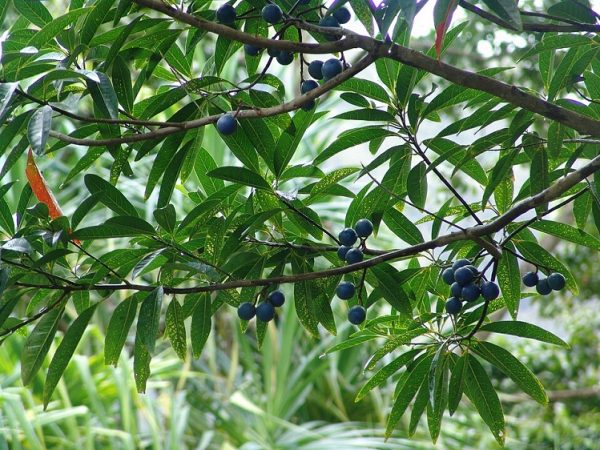
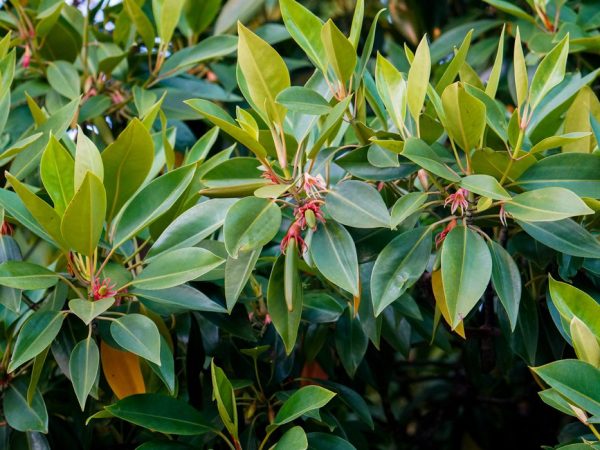
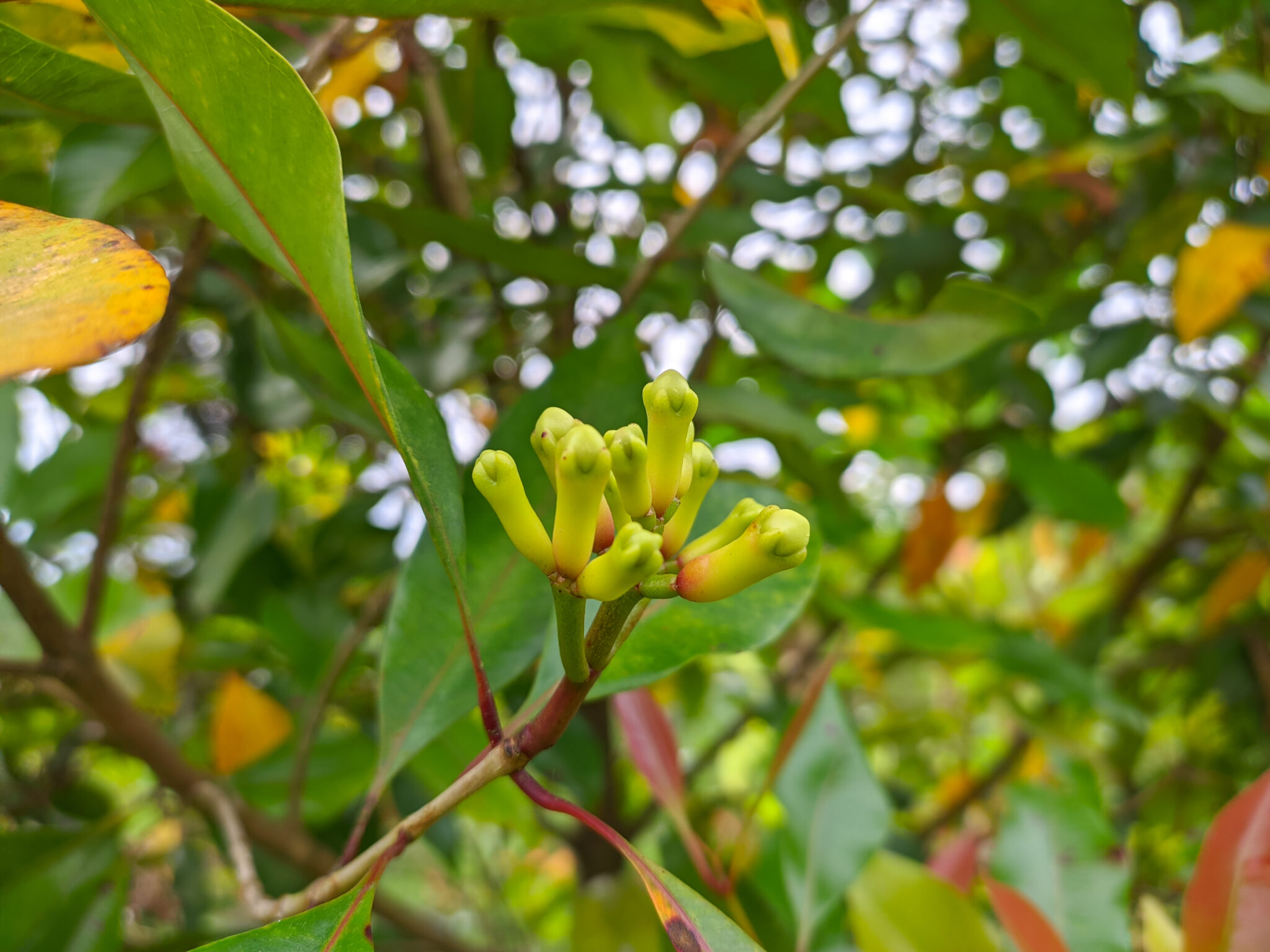
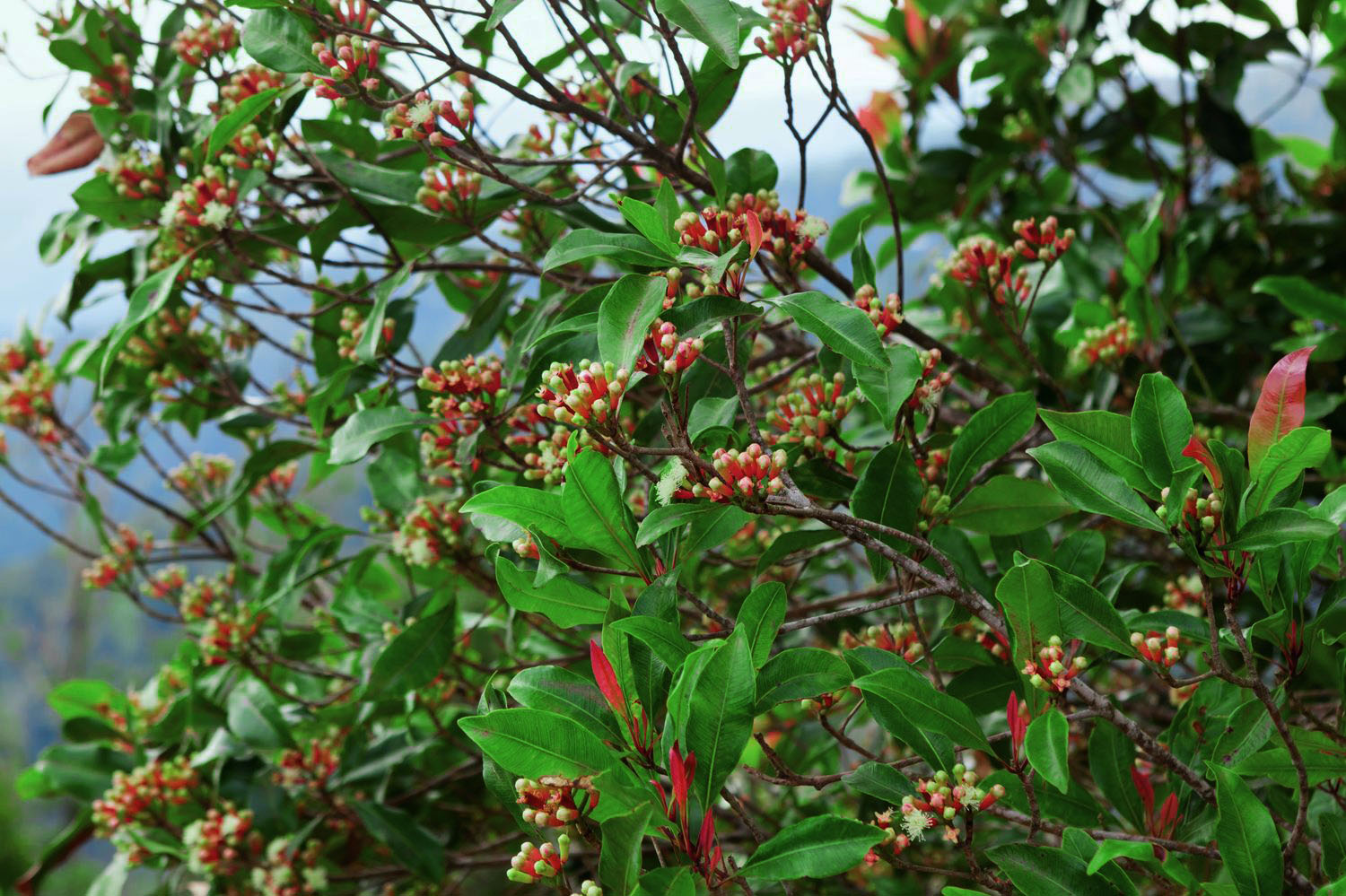
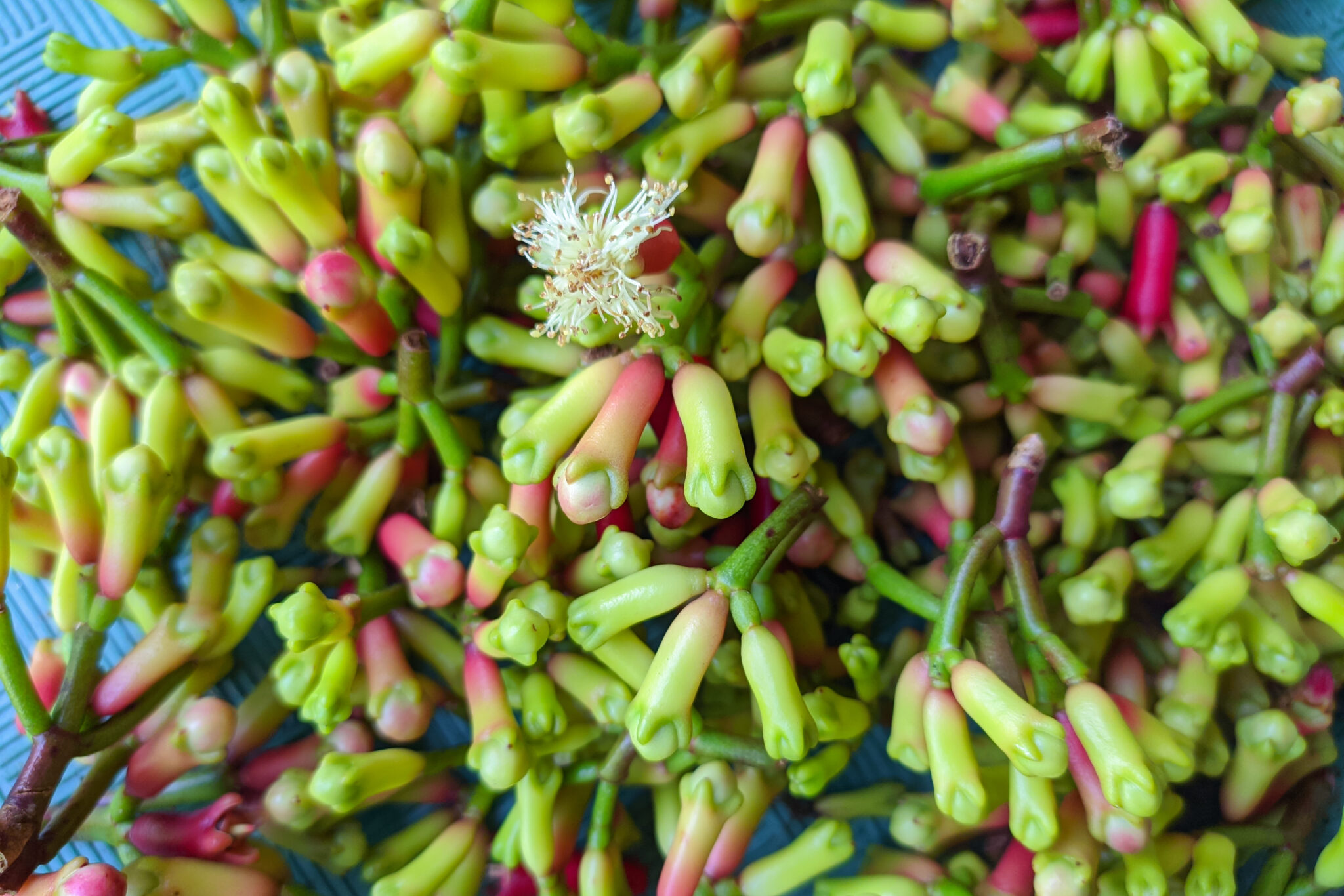
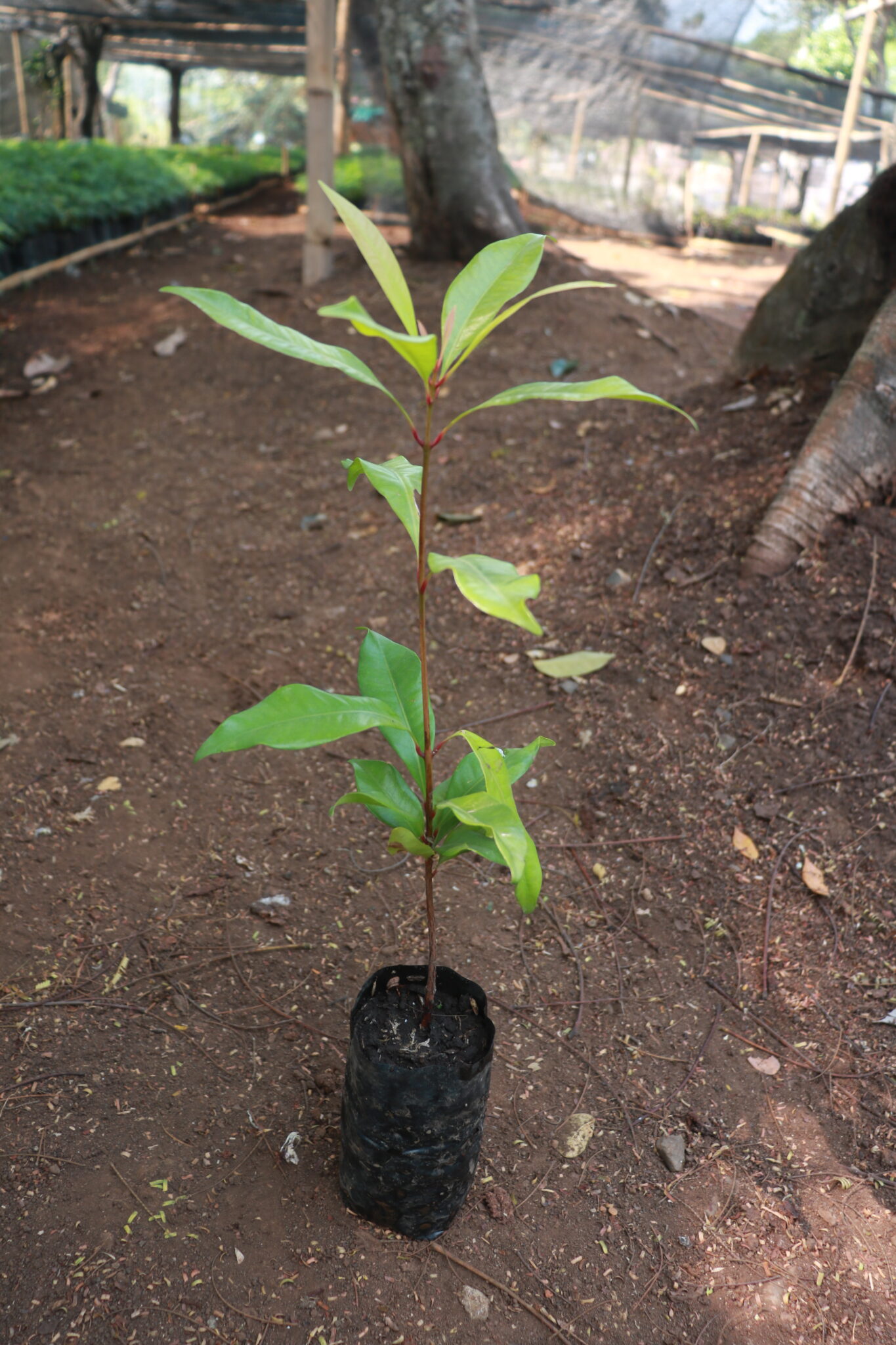
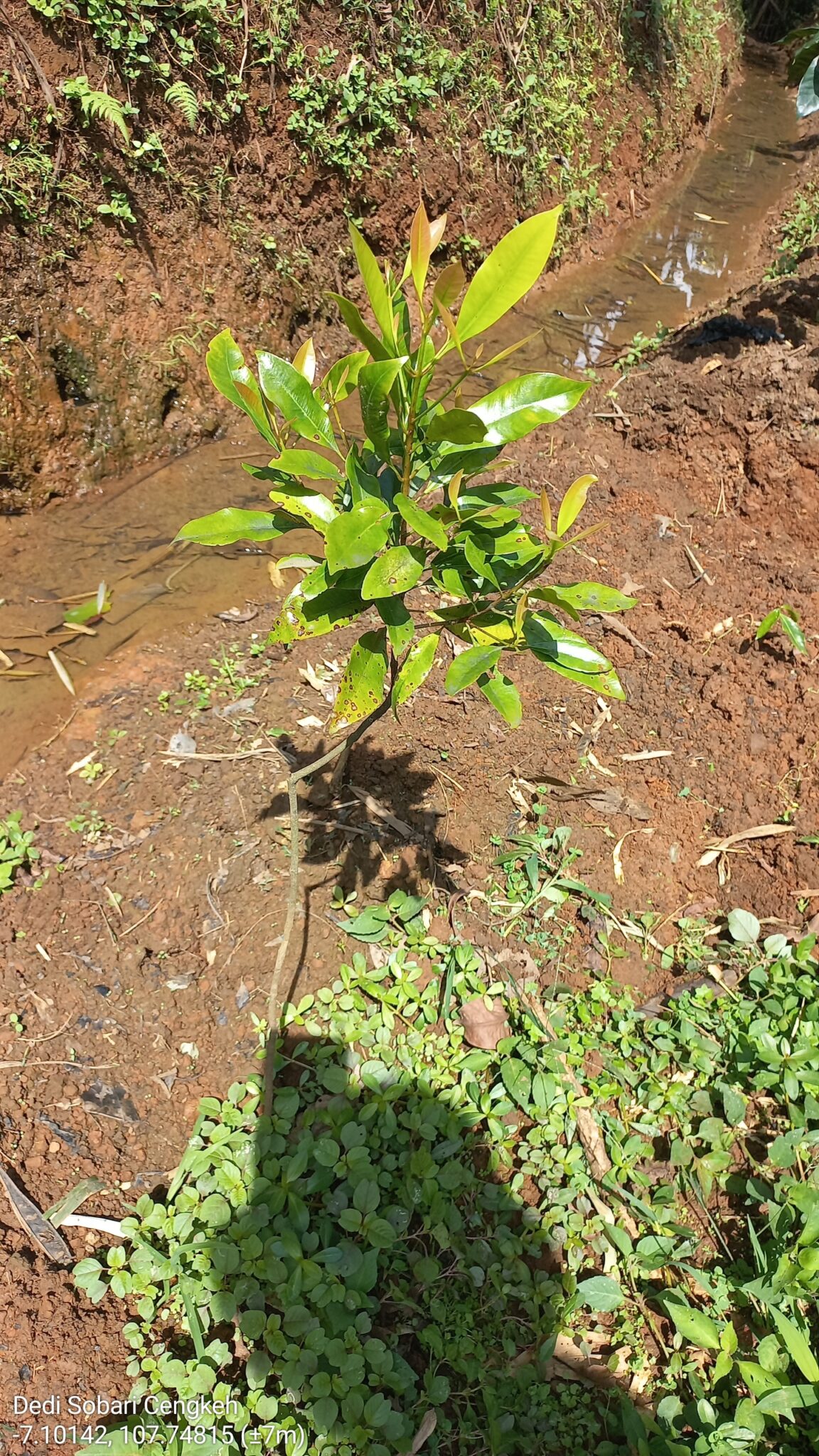
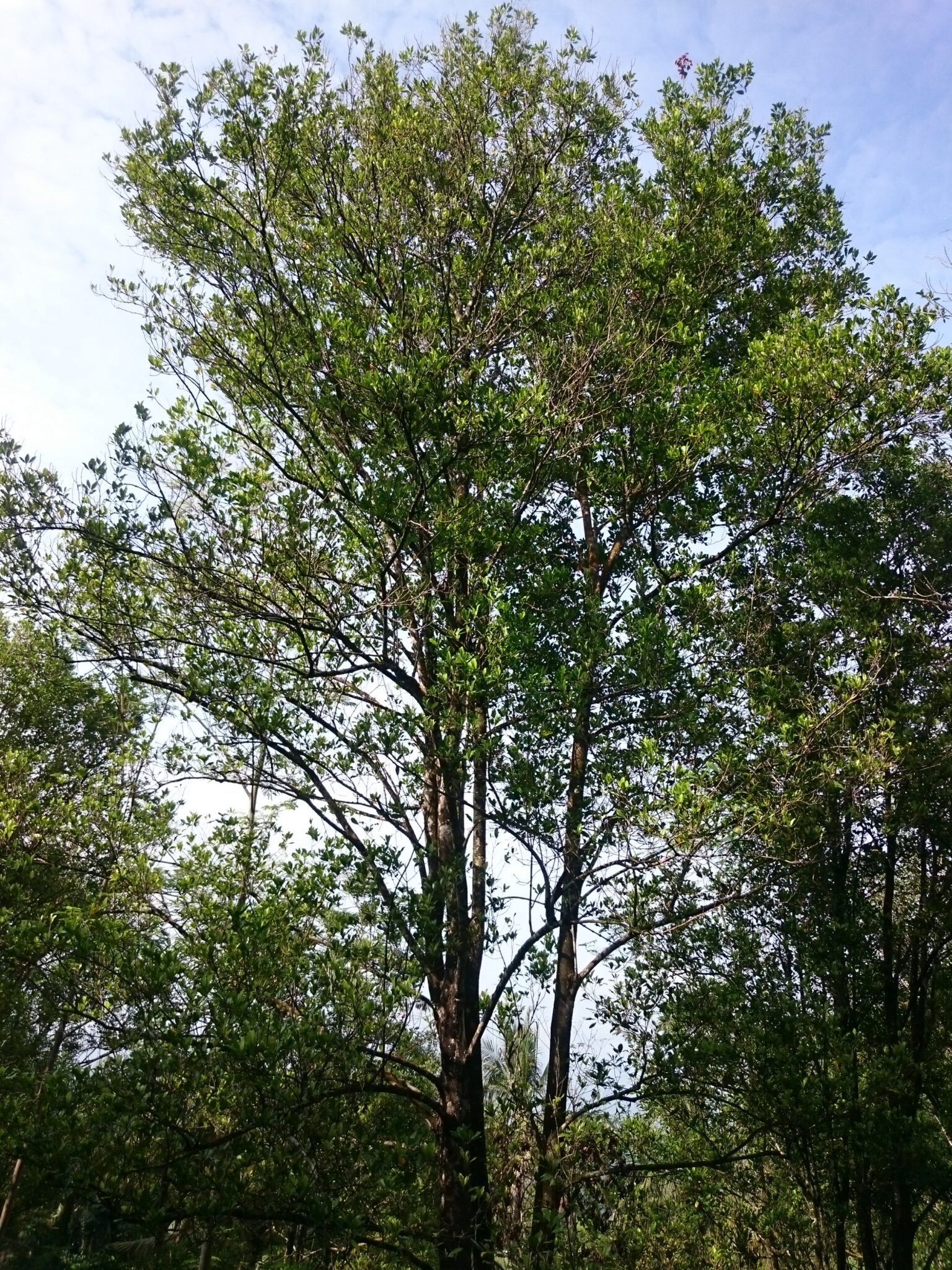
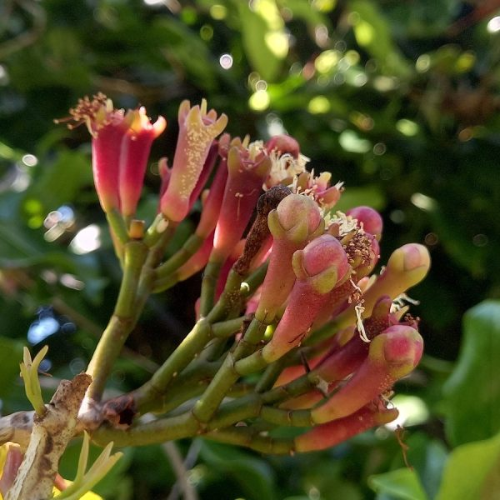
Clove or cengkih tree is an evergreen tree that grows between 8 and 30 meters tall. It has a medium-sized canopy with branches that start low on the trunk. The branches are numerous and grow slightly upward. Its flower buds are small with reddish-brown color.
It is commonly found in woodland and rainforest in an altitude 0-1,000 meters above sea level with mean annual temperature 25° C and mean annual rainfall from 1,500 to 2,500 mm. The trees grown in loamy humus-rich soils, also in deep and loose laterite soils.

Its flower buds are strong in aroma, hot, and pungent in taste, making the buds widely used as spices, food flavor, cigarette component, and natural preservative. Flower buds chewed can be used to freshen breath or ease toothache pain.

Clove leaves, buds, and stems can be extracted into essential oil. Clove oil has shown "strong activity" against bacteria associated with plaque formation and gum disease. They can be applied externally (essential oil) for toothache, headache, cold, arthritis, rheumatism, bruises, and burns. The oil is also useful for ulcers, bronchitis, asthma, minor infections and colic. Sometimes used to ease nausea.
Due to the benefits, the clove trees offer a promising income and enable farmers to profit from the dried flower buds and leaves.
- One of the primary reasons the Dutch East India Company (VOC) colonized Indonesia in the past was to control the spice trade, including the clove trade.
- Clove tree reaches maturity at 20 years old and can bear fruit for over 80 years
- Indonesia is known as the largest clove producer in the world.
- All clove trees in the world originated from Maluku Islands in Indonesia.
- The oldest clove tree known as Cengkih Afo, was planted 200 years ago in Ternate, North Moluccas, in the foothill of Gamalama mountain in Indonesia and still existed to this day.
- Cloves are a key ingredient in Indonesia’s signature clove cigarette, known as kretek which has been a part of Indonesian culture.