

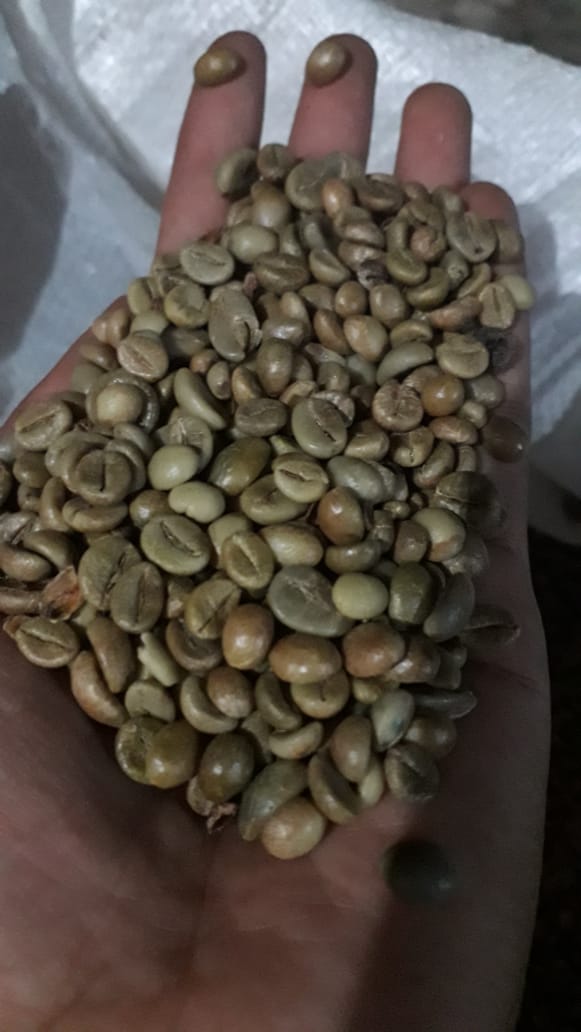
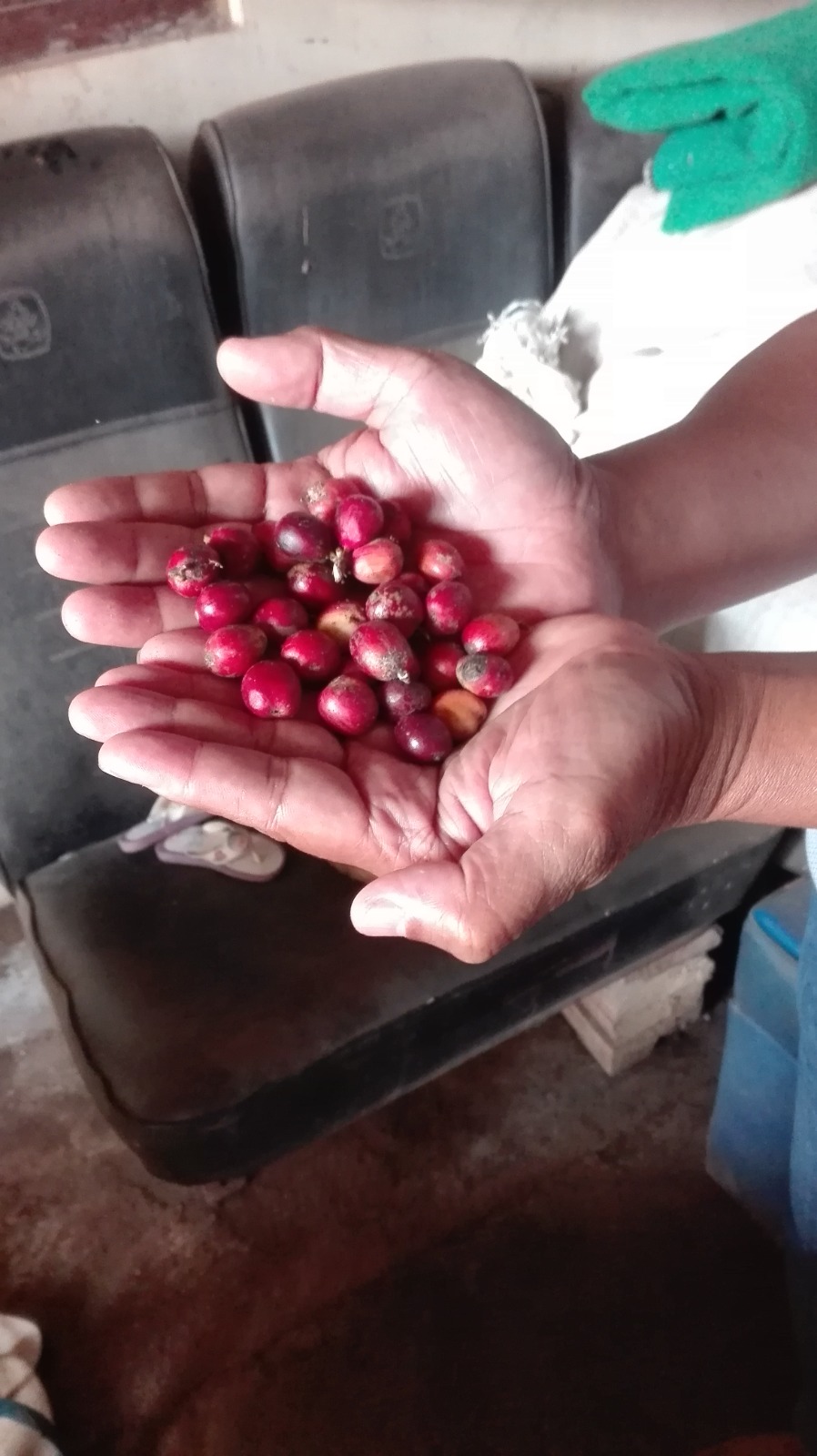

Enrich Soil and Conserve Water
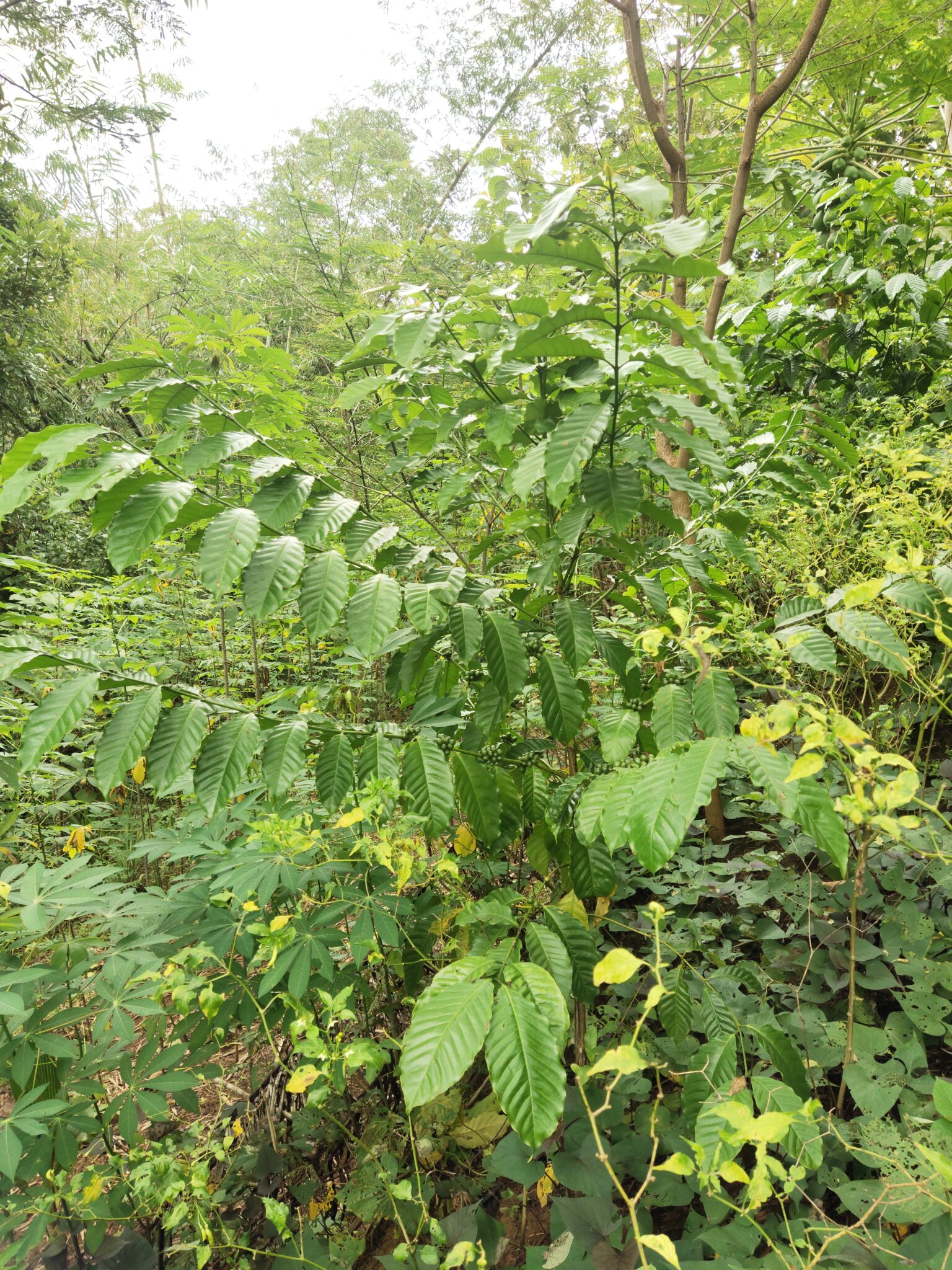
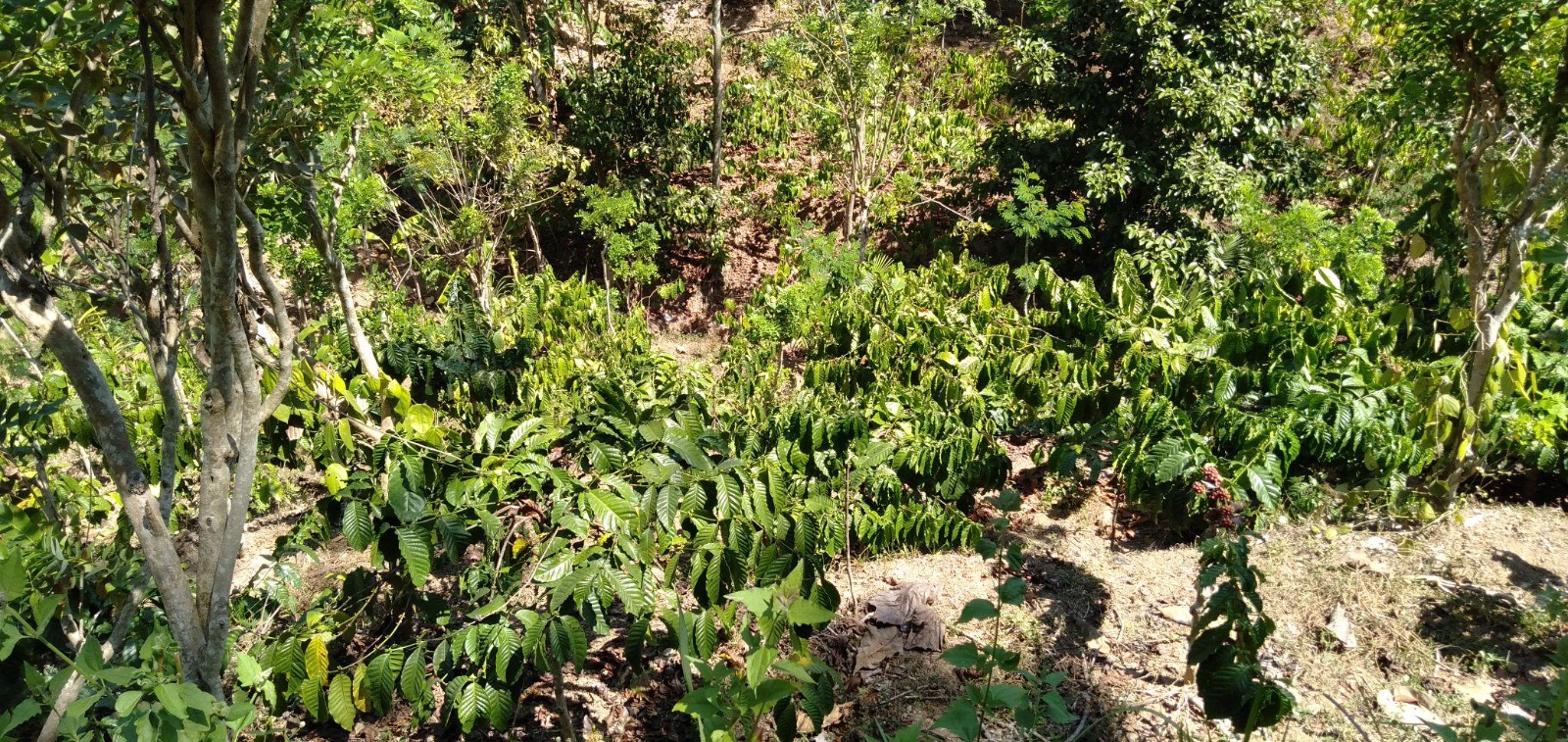
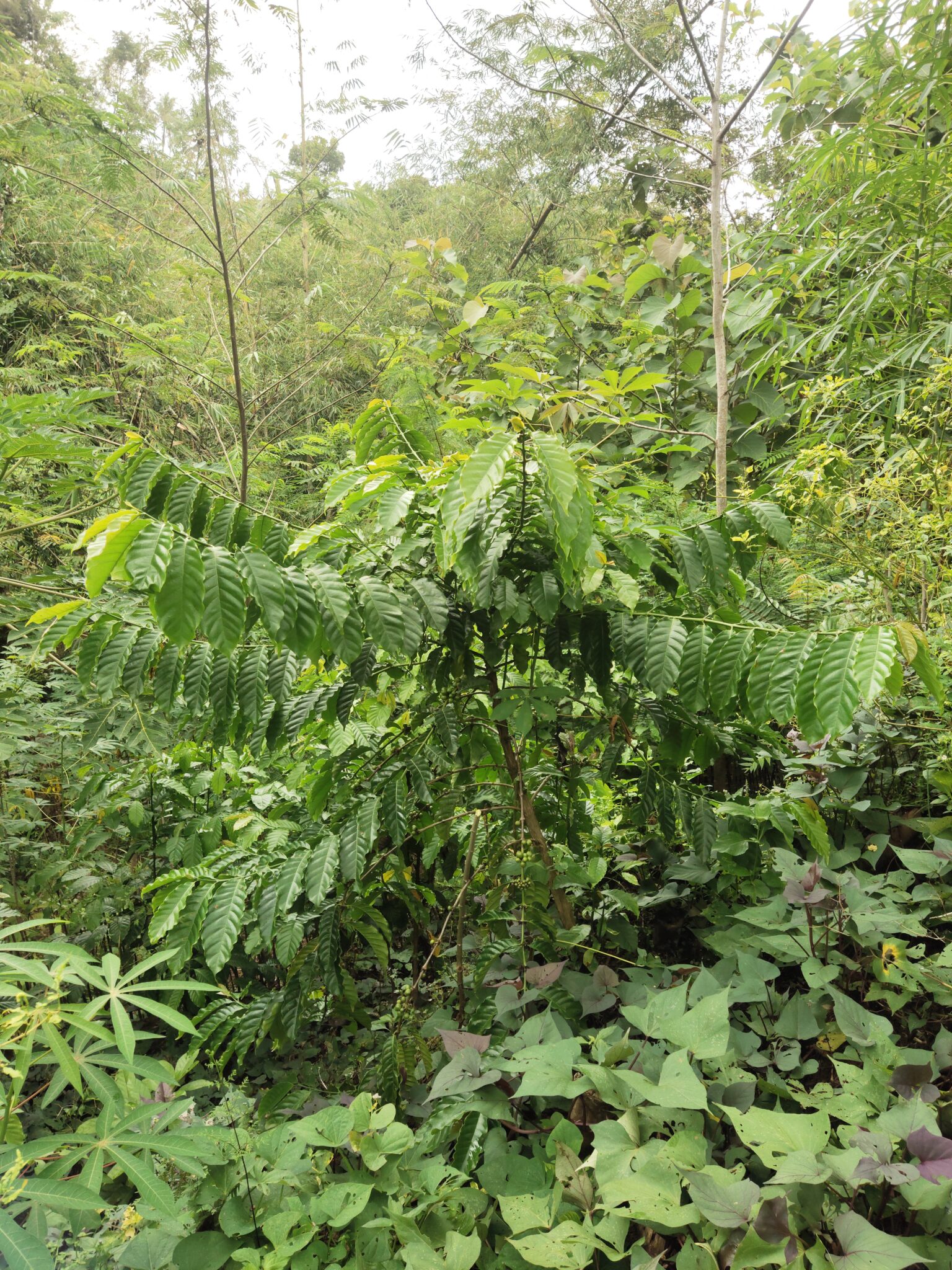
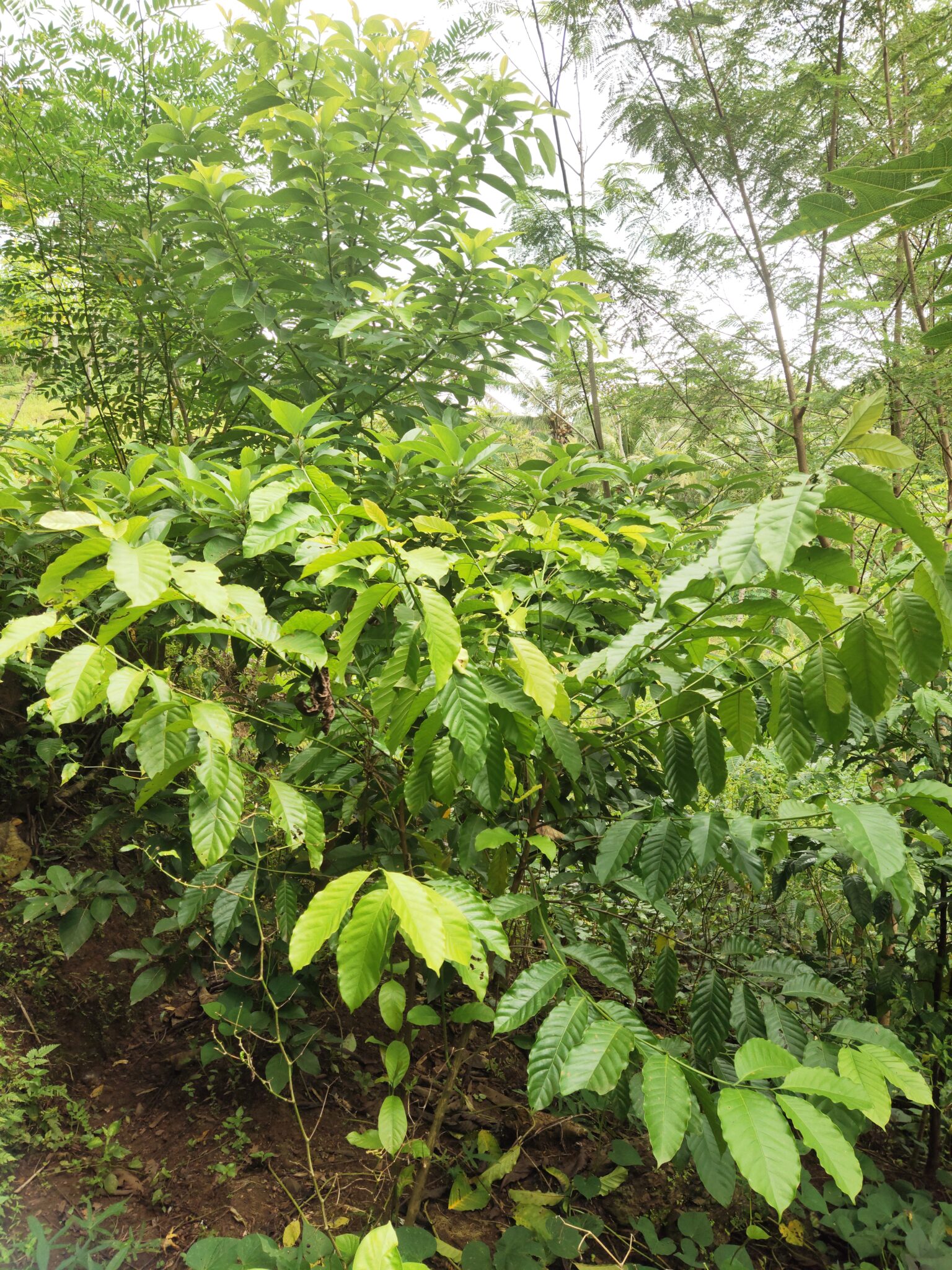
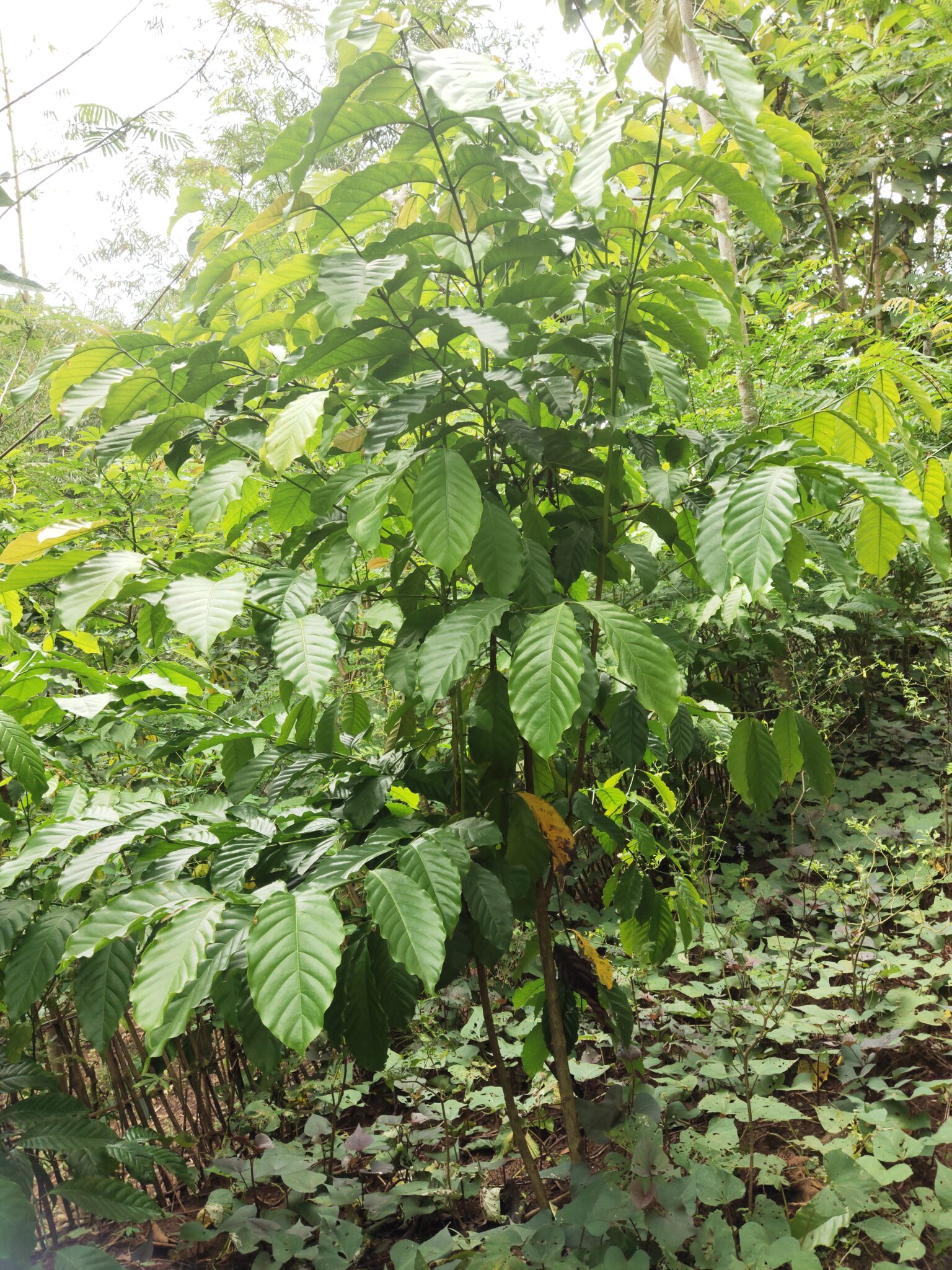
Robusta coffee can thrive well in harsher climates, even in drought conditions. This resilience helps the environment healthier, including improving soil fertile and water supply.

Support Sustainable Farming Practice
It also contributes to sustainable farming practice as trees keep growing well while farmers still can maintain productivity and ensure a stable coffee supply even in uncertainty weather pattern shift.

Natural Pest Control
Robusta coffee also stands out for its natural resistance to pests and diseases, eliminating the need for chemical pesticide, promoting a healthier ecosystem.

High Caffeine Content
Robusta coffee contains an exceptionally high natural resistance to major pests and diseases due to their high caffeine content, thus enhance successful and profitable coffee beans production for local communities.
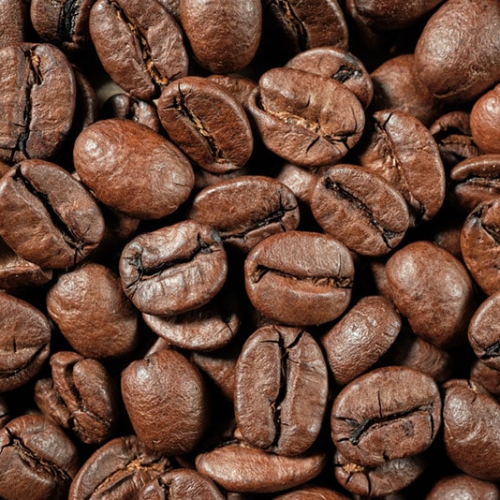
Beans
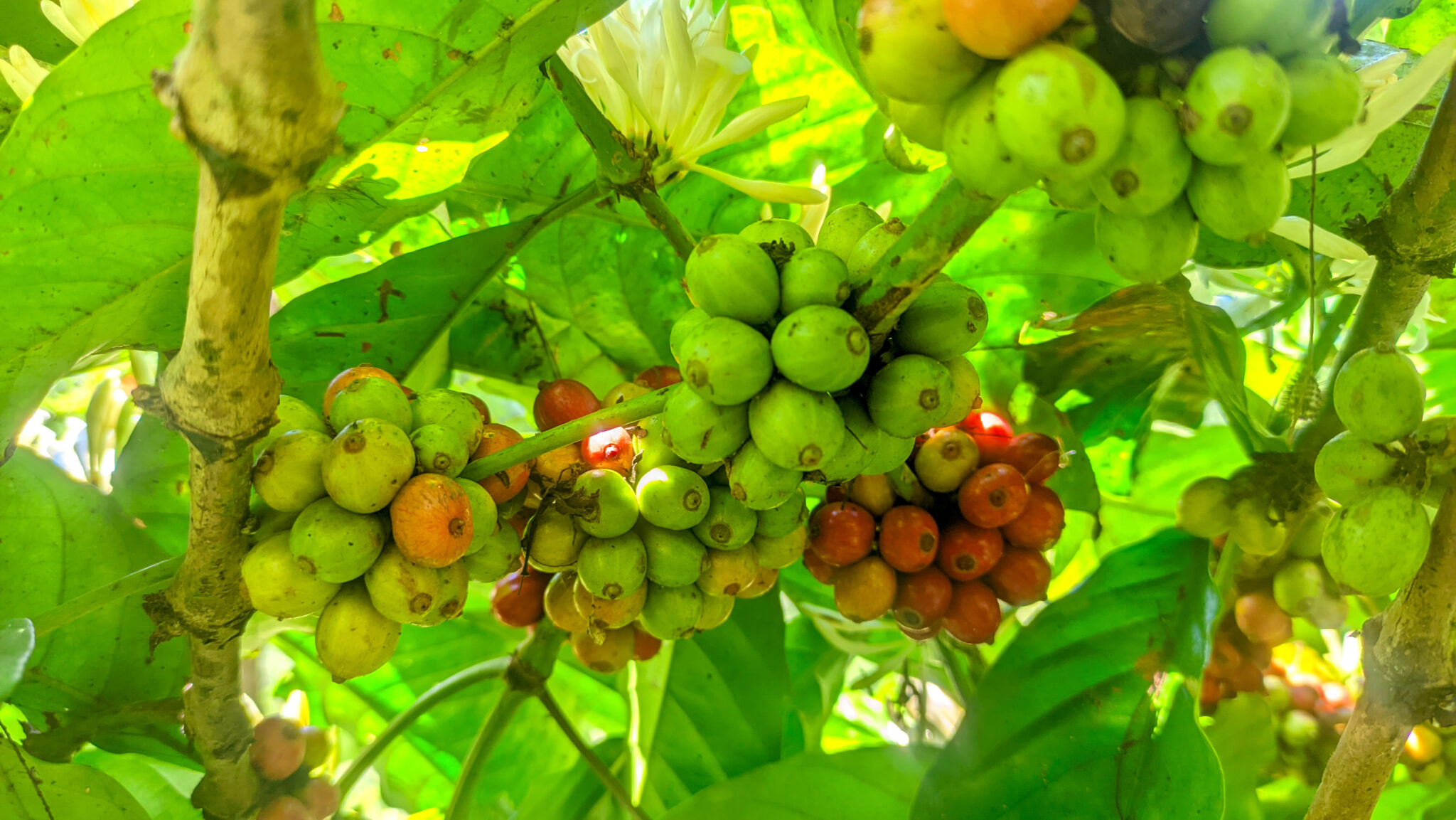
Robusta coffee beans contains chlorogenic acid, a powerful antioxidant that may help reduce inflammation, lower blood sugar, and protect against certain types of cancer. Robusta also contains some key nutrients that play important roles in body muscle, nerve function, energy production, bone repair, maintaining blood pressure, and cell structure.
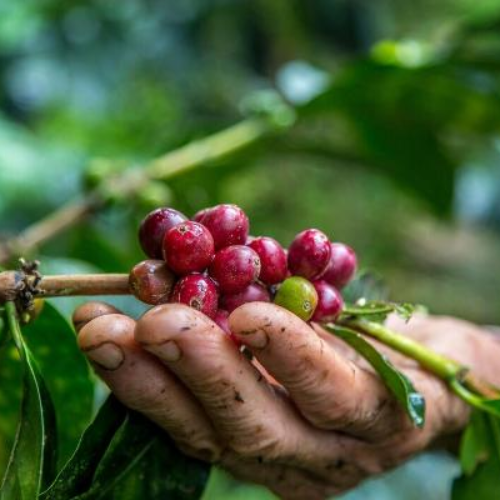
Bold Flavor and Richness
Its distinctive, bold flavor makes it a popular choice for drinks and food flavoring.