Loop-root Mangrove
Rhizopora mucronata
Loop-root Mangrove
Rhizopora mucronata
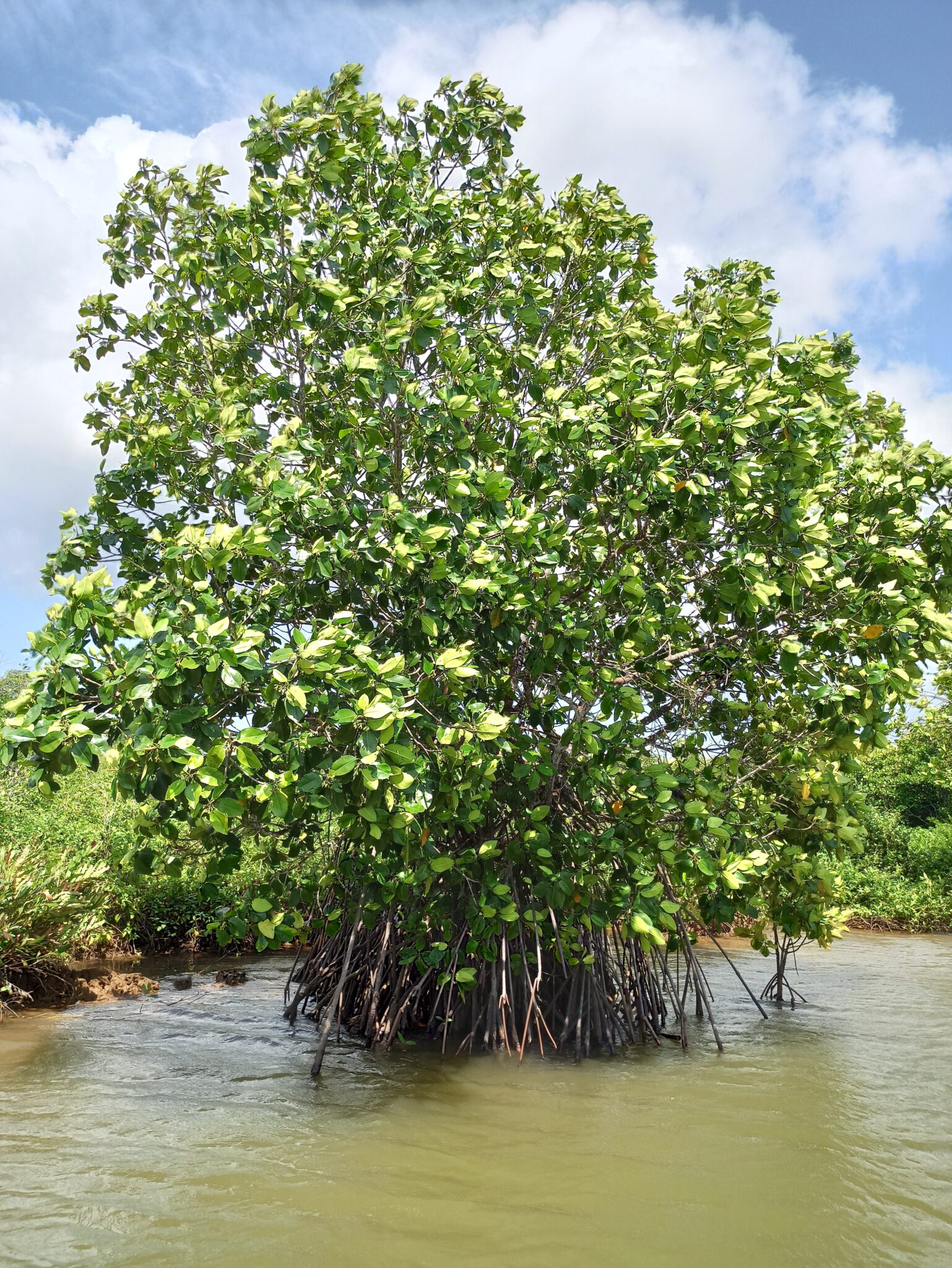
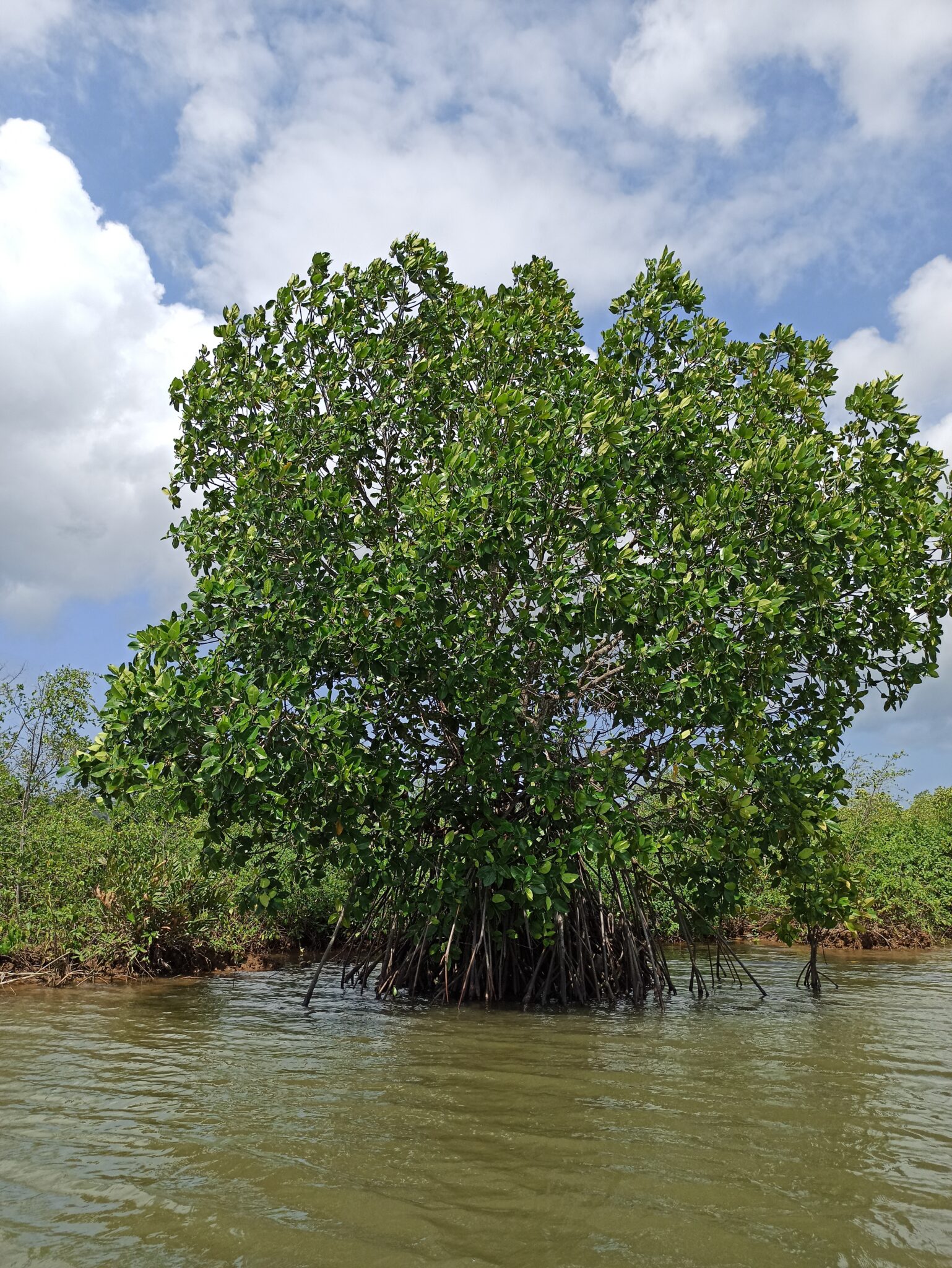
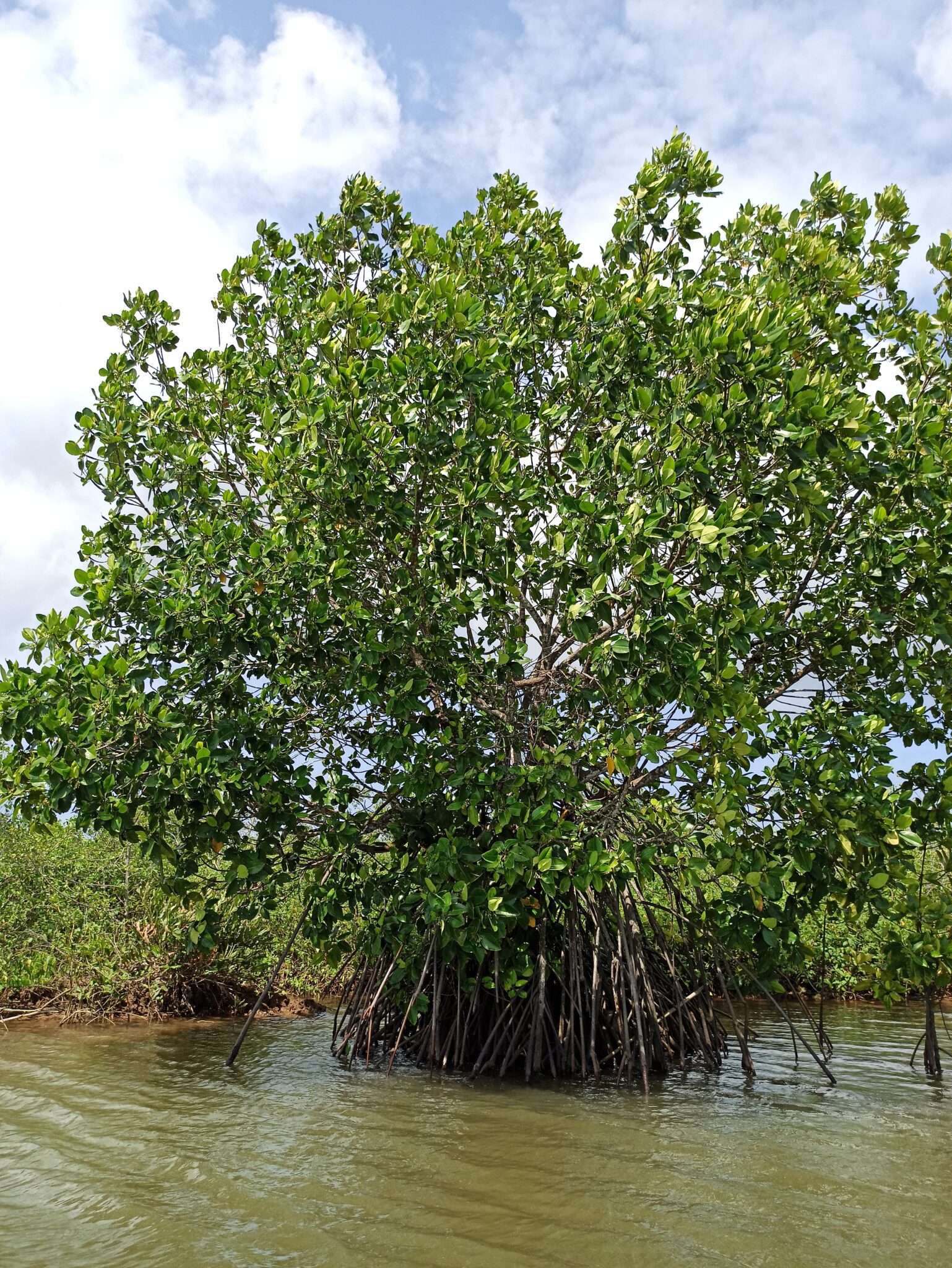
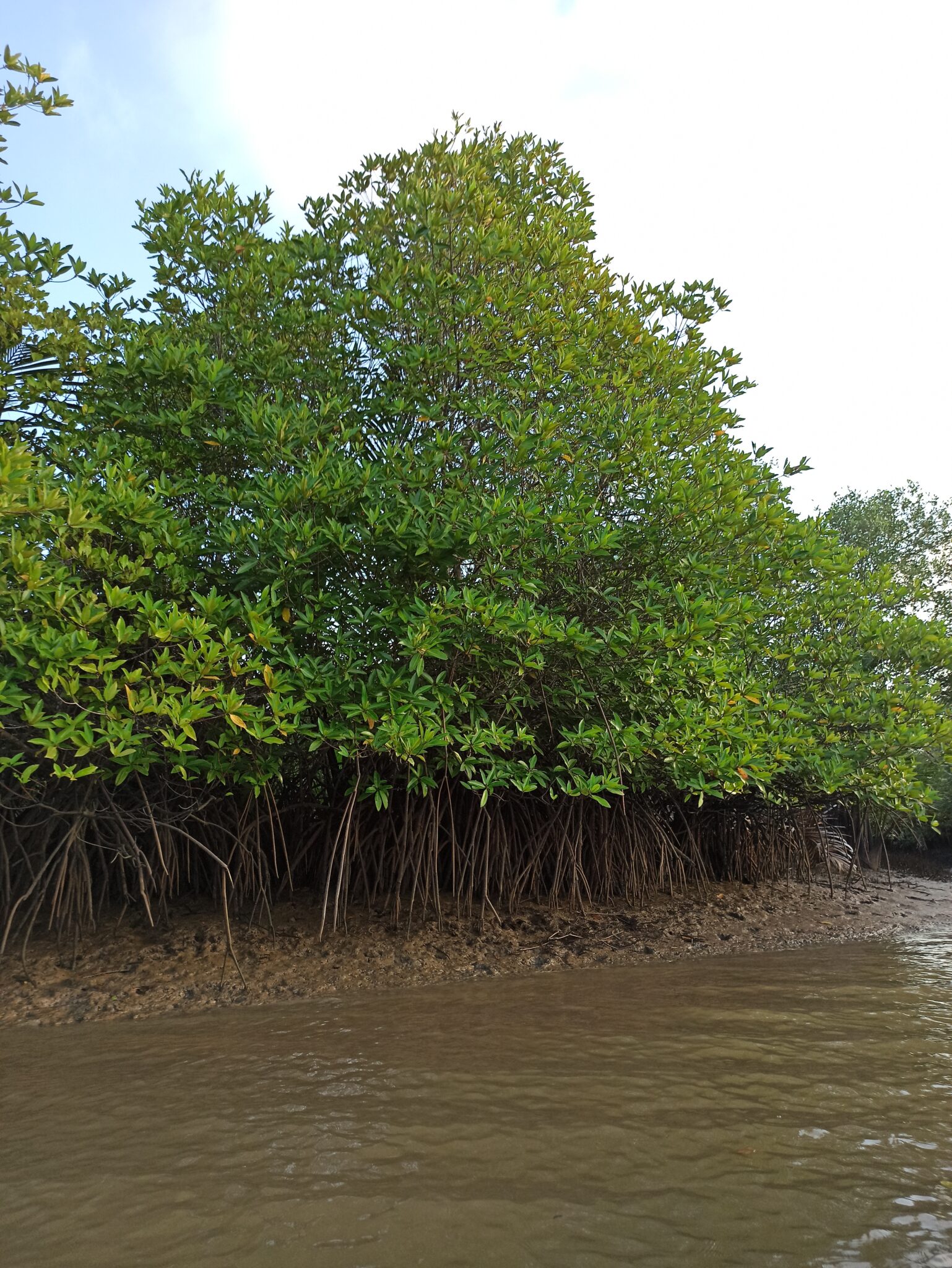
Rhizopora mucronata or loop-root mangrove or in Indonesia known as bakau hitam is a small to medium size evergreen tree growing in coastal ecosystem. It is one of the species of mangrove that is effective to protect coastal areas from erosion. It can optimally grow and thrive in areas inundated with tides.
Environmental Impact
- ✔ Biodiversity Support, ✔ Carbon Sequestration, ✔ Coastal Protection, ✔ Windbreaker
Tree Usage
- Economic, Food, Medicinal
Rhizopora mucronata
Loop-root Mangrove
Bakau, Bakau Hitam, Bakau Jangkar, (Indonesia) Bakau Kurap (Malaysia)
Rhizophoraceae
Least Concerned
Each mature tree can adsorb 82.37 Kg of carbon
Australia, Indonesia, Kenya, Madagascar, Philippines
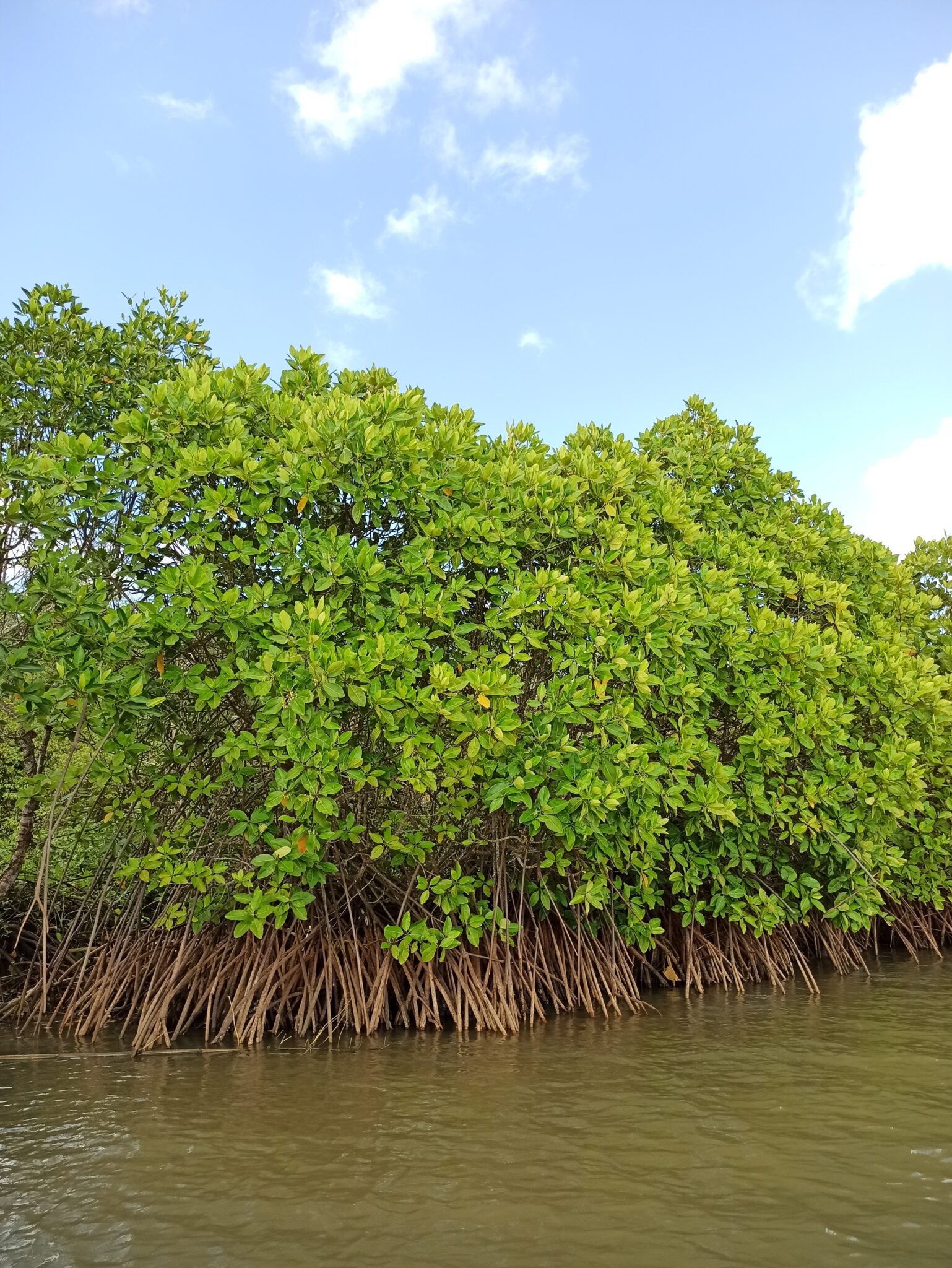
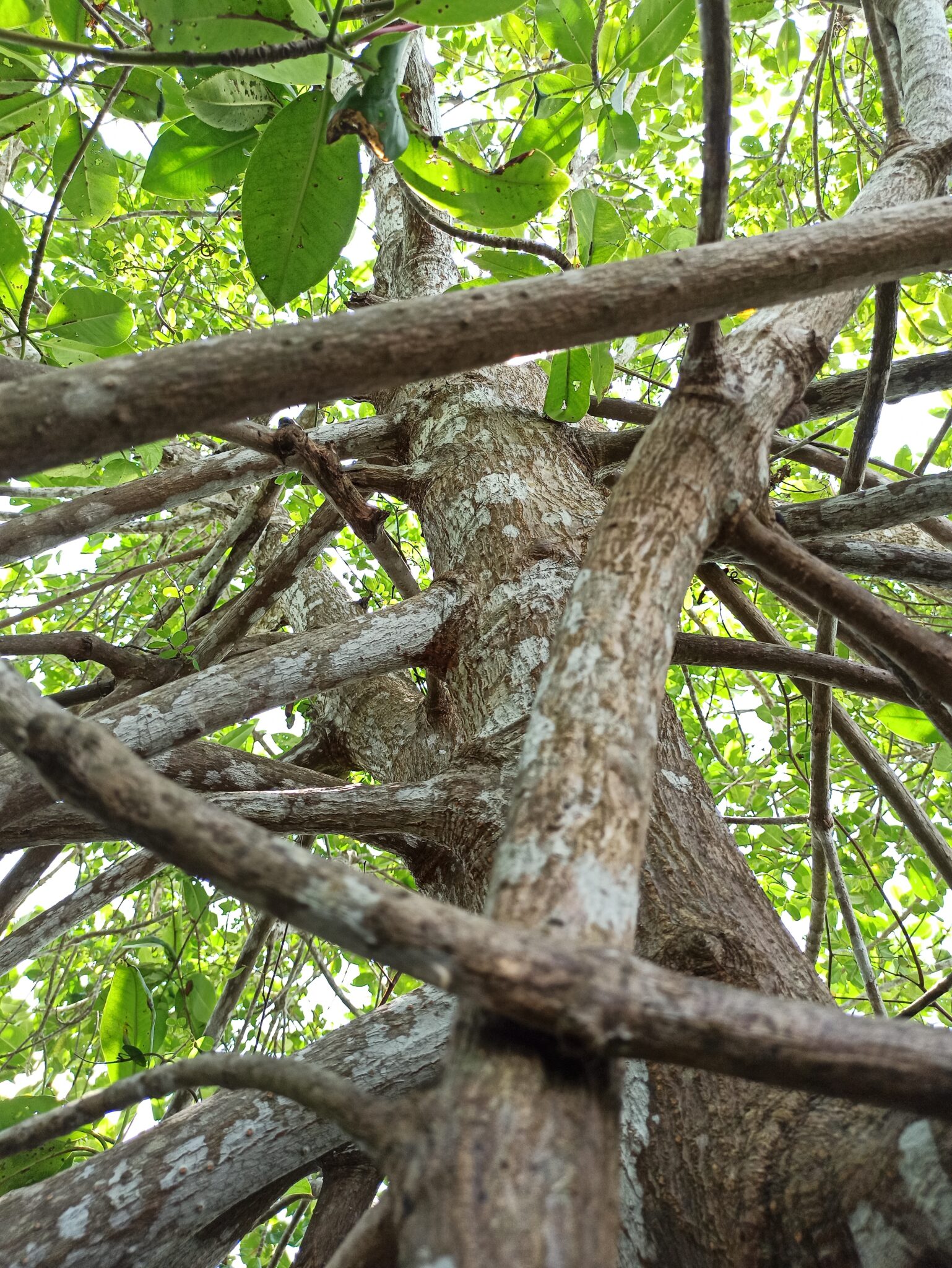
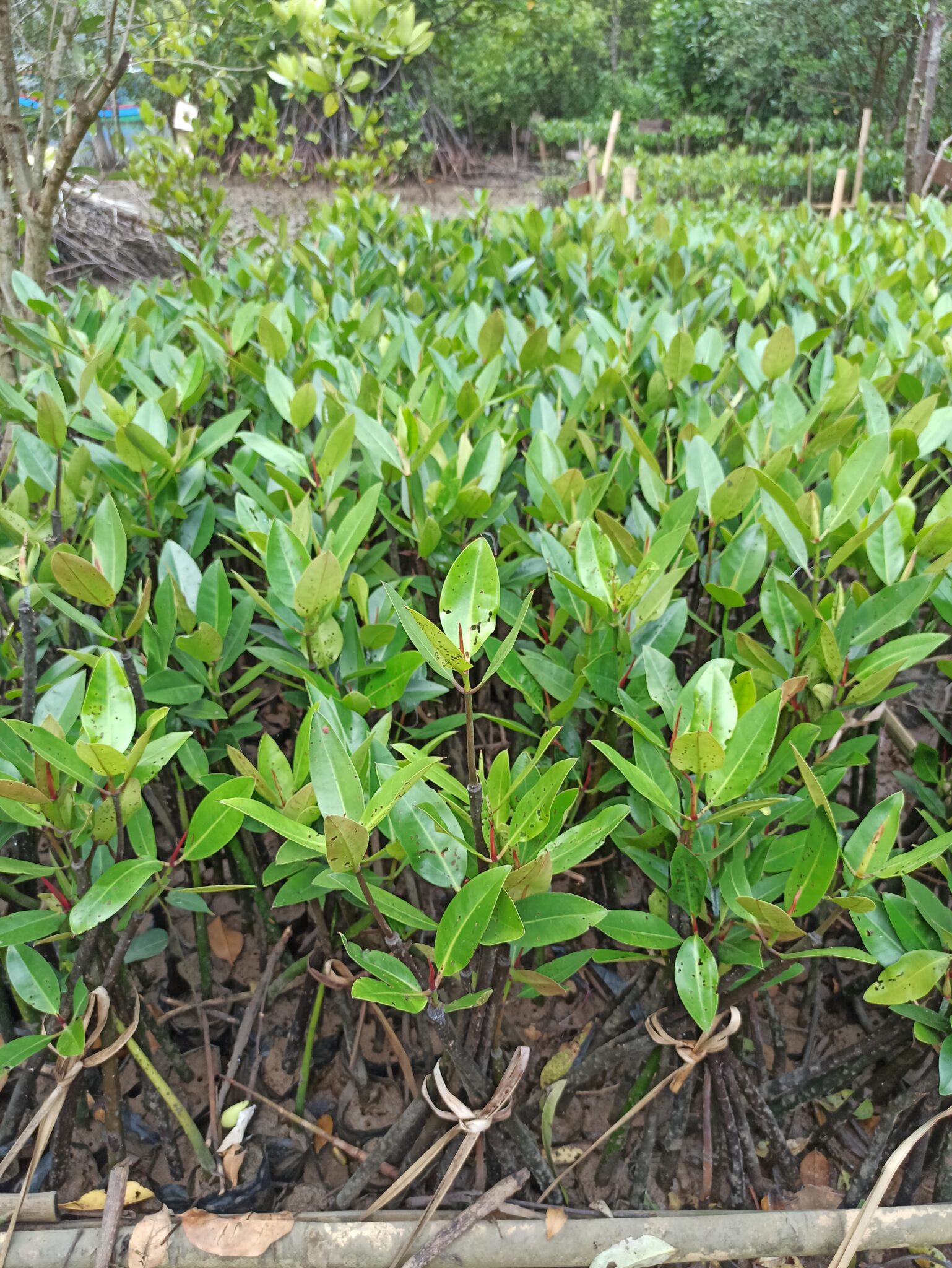
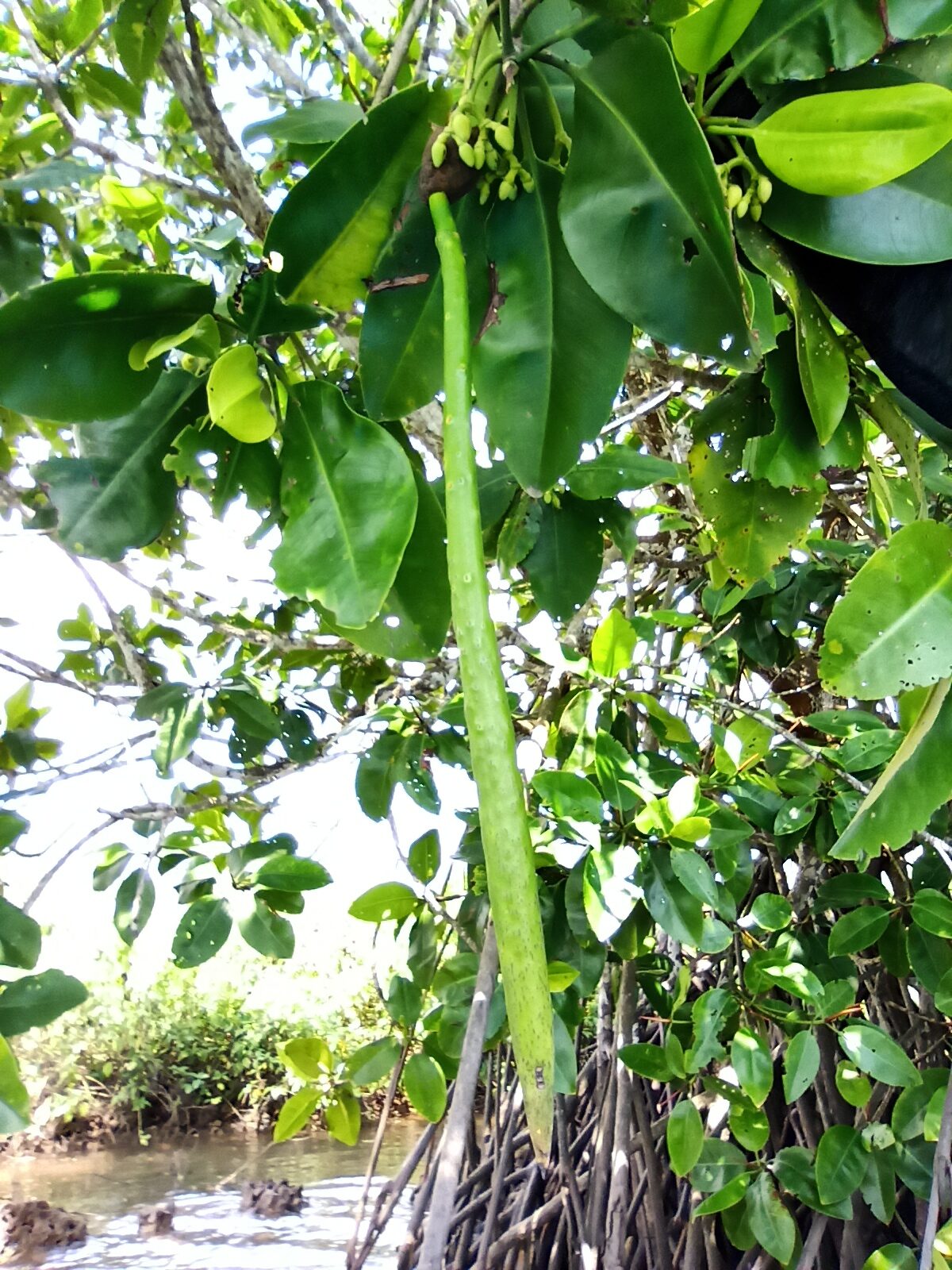
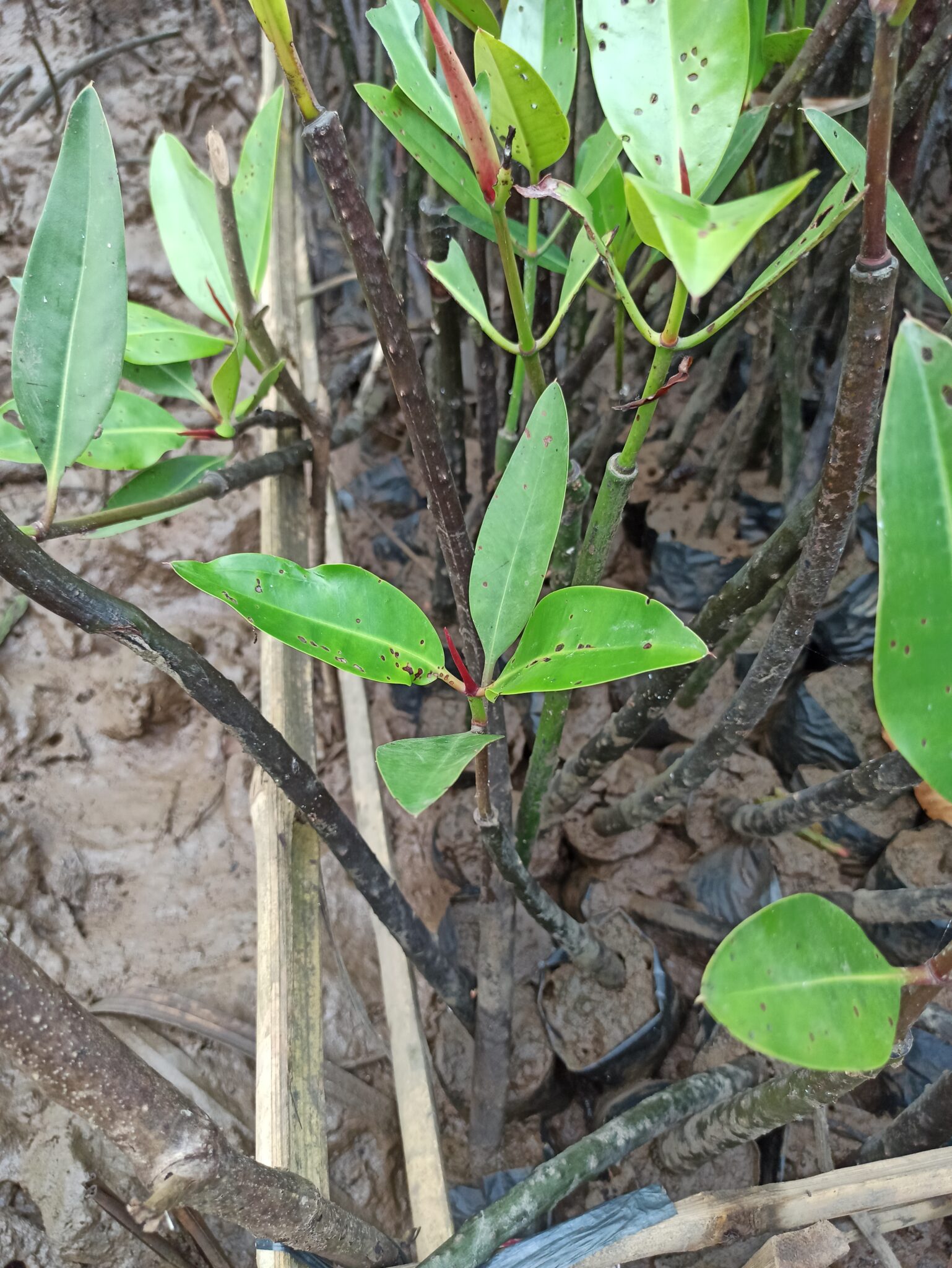
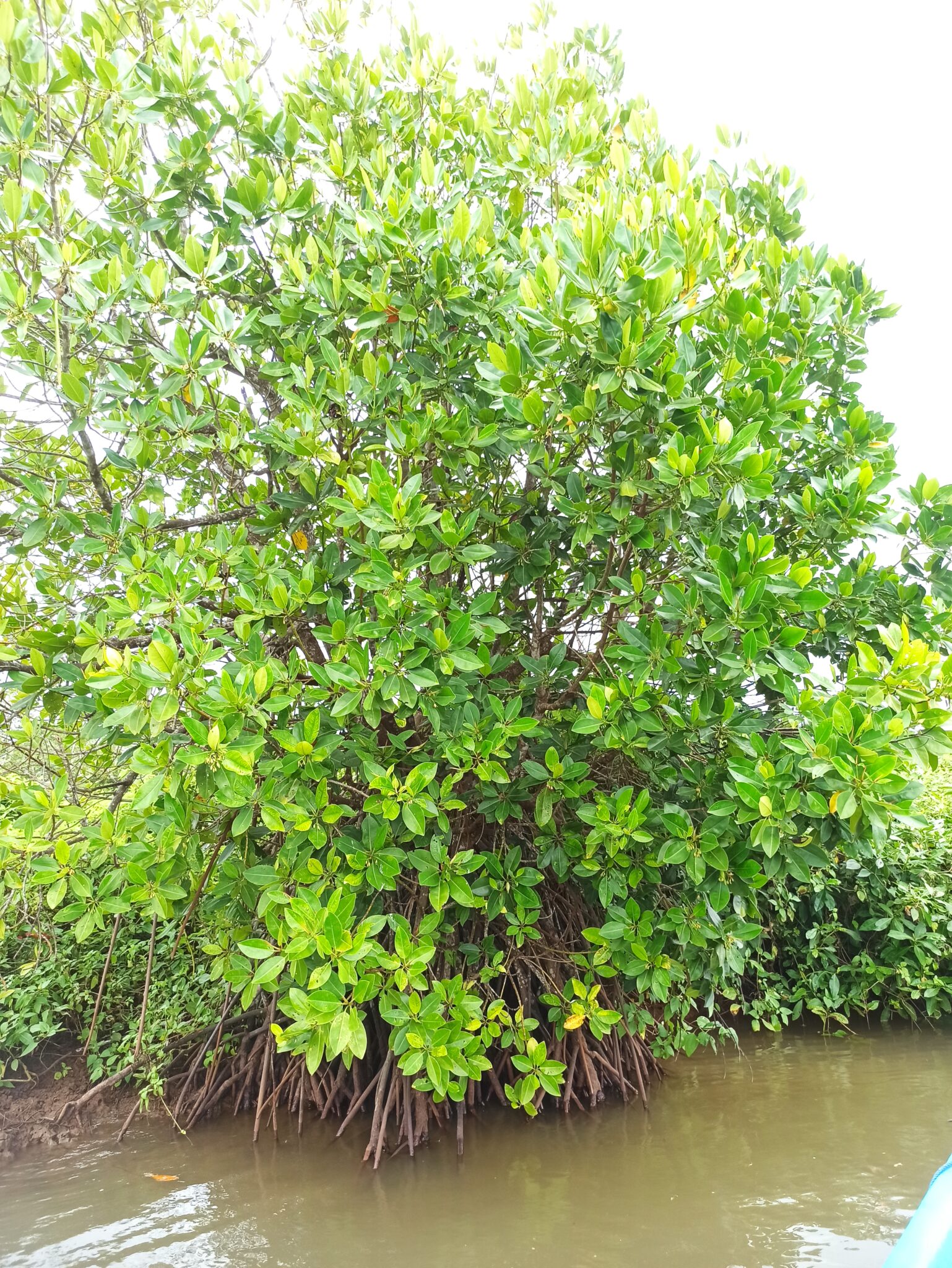
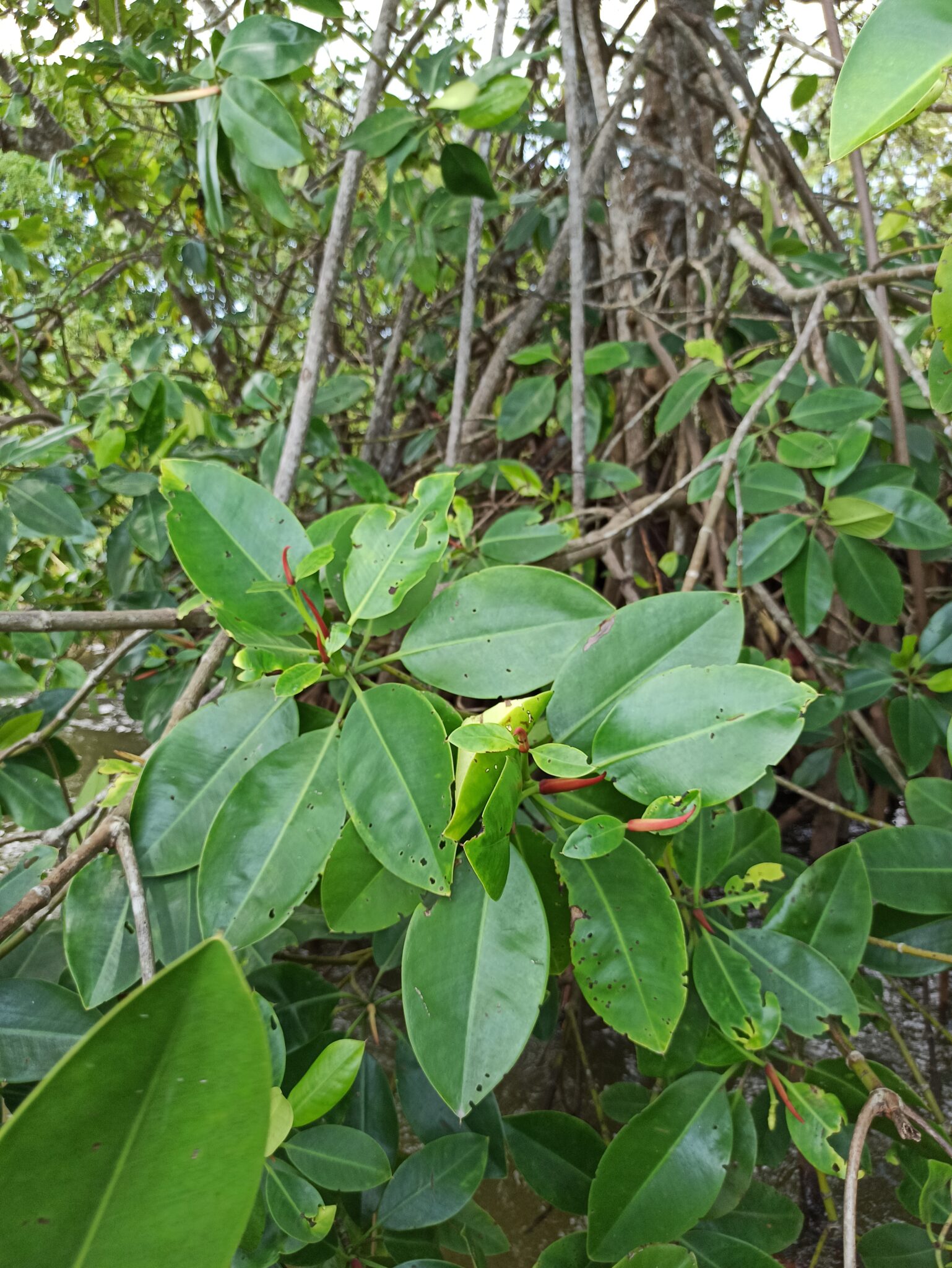
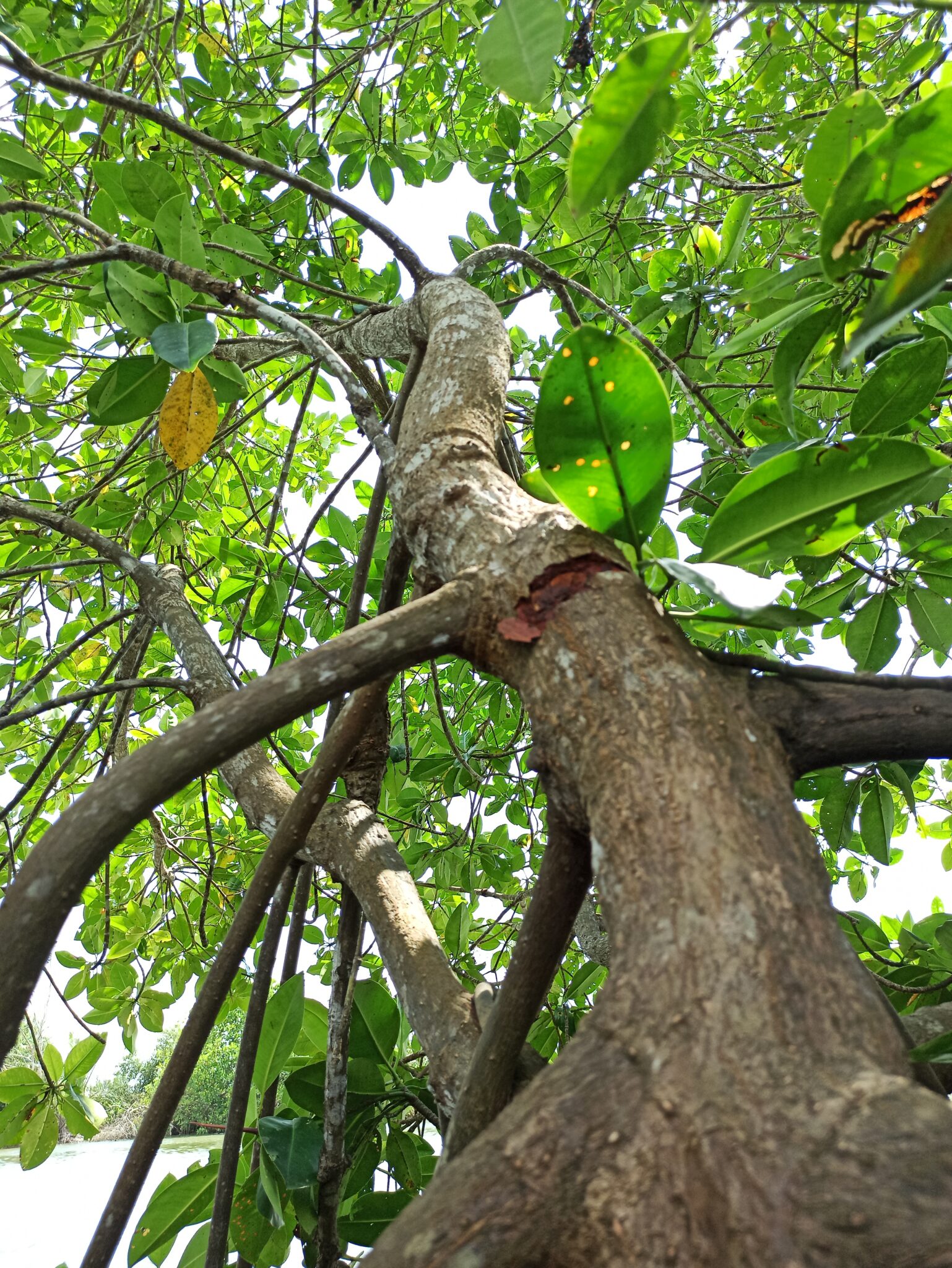
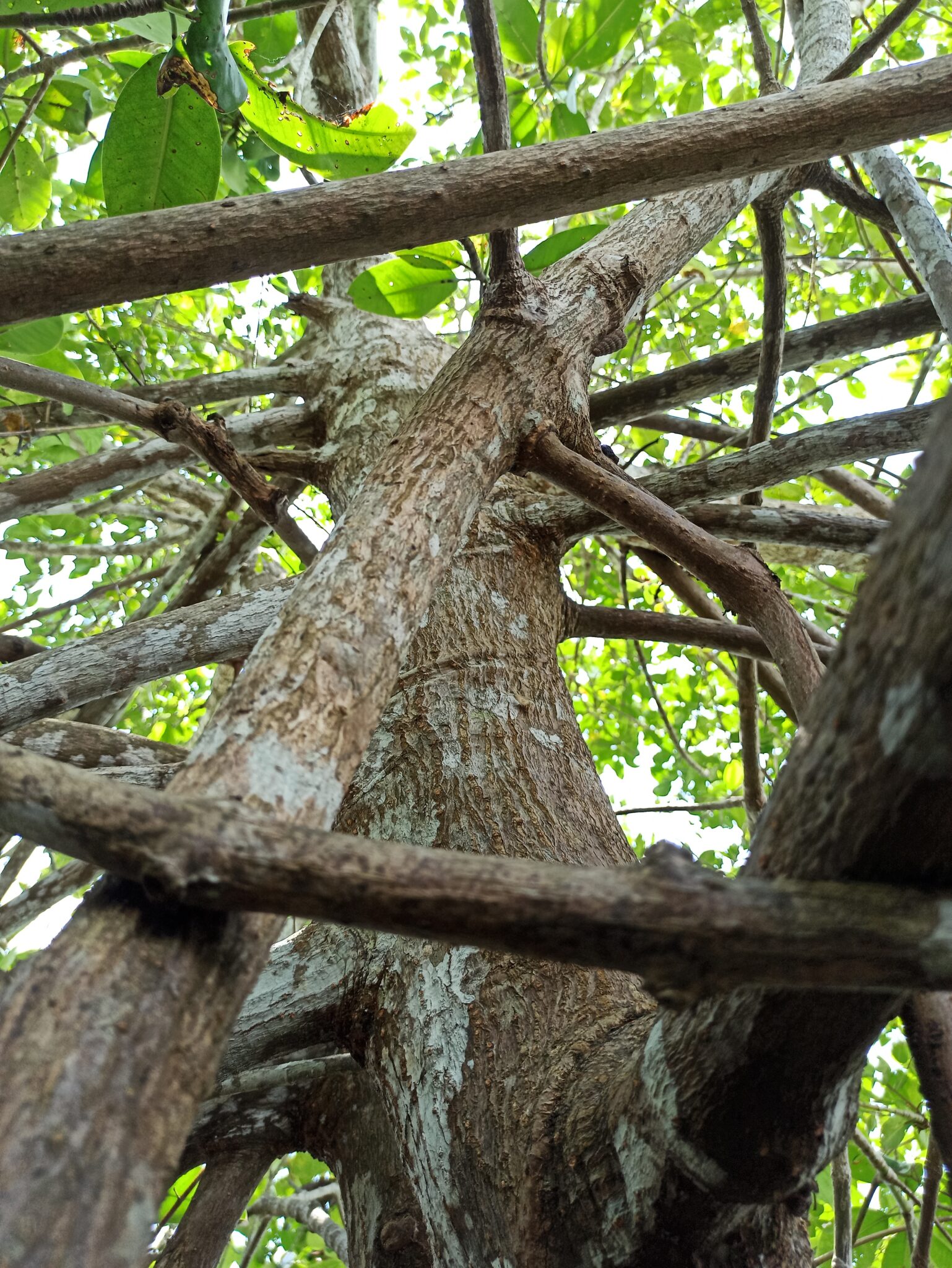
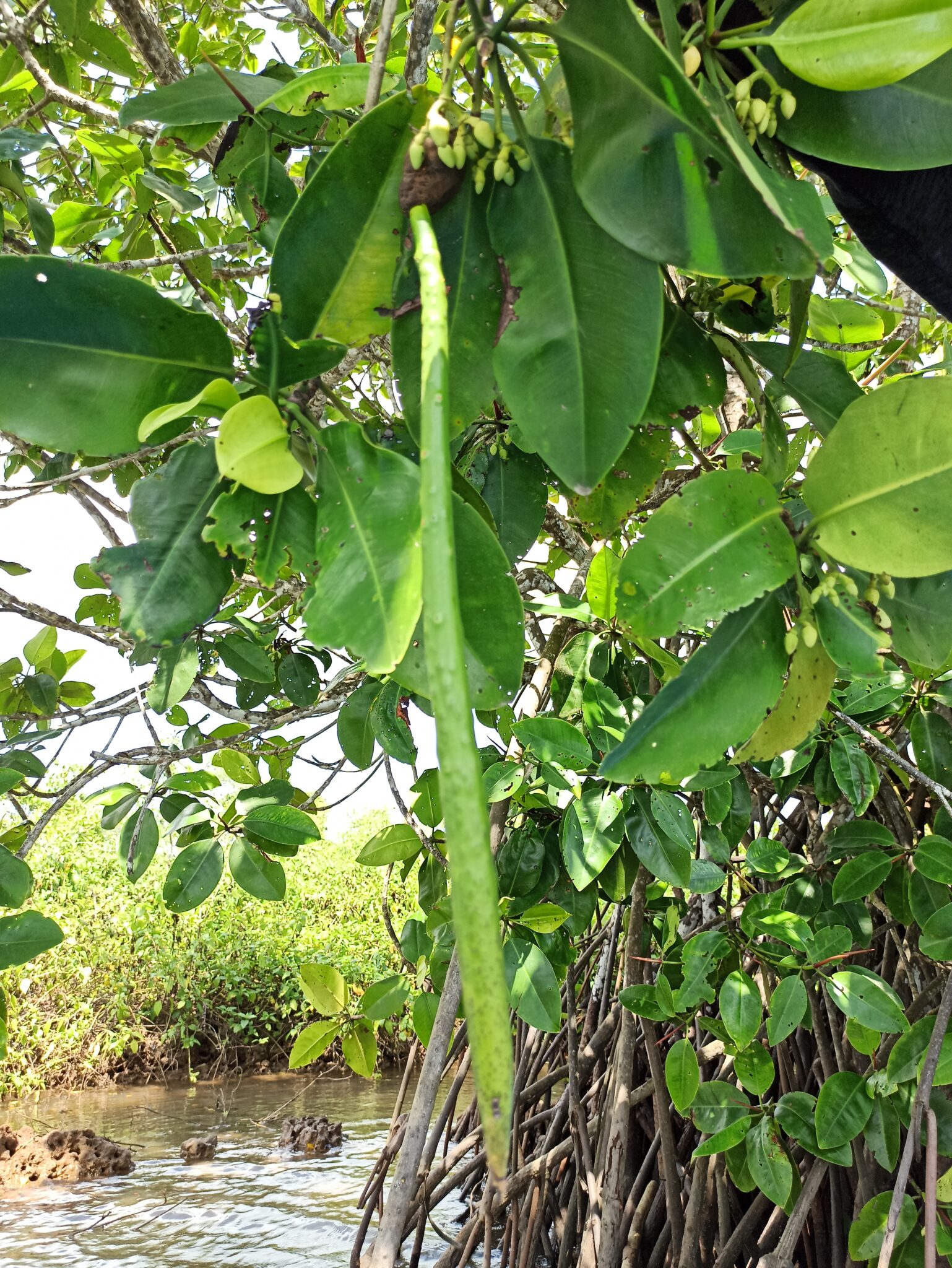
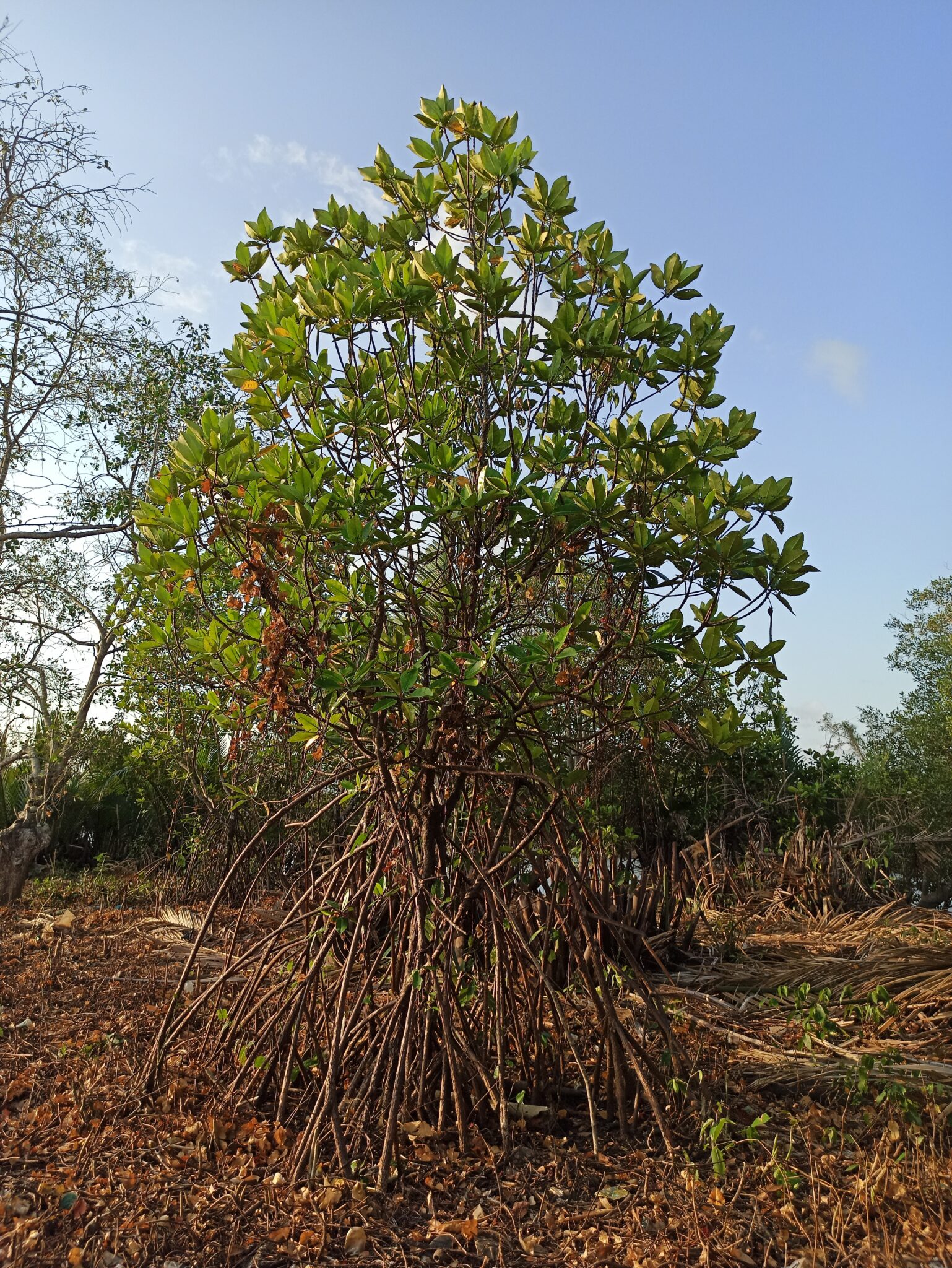
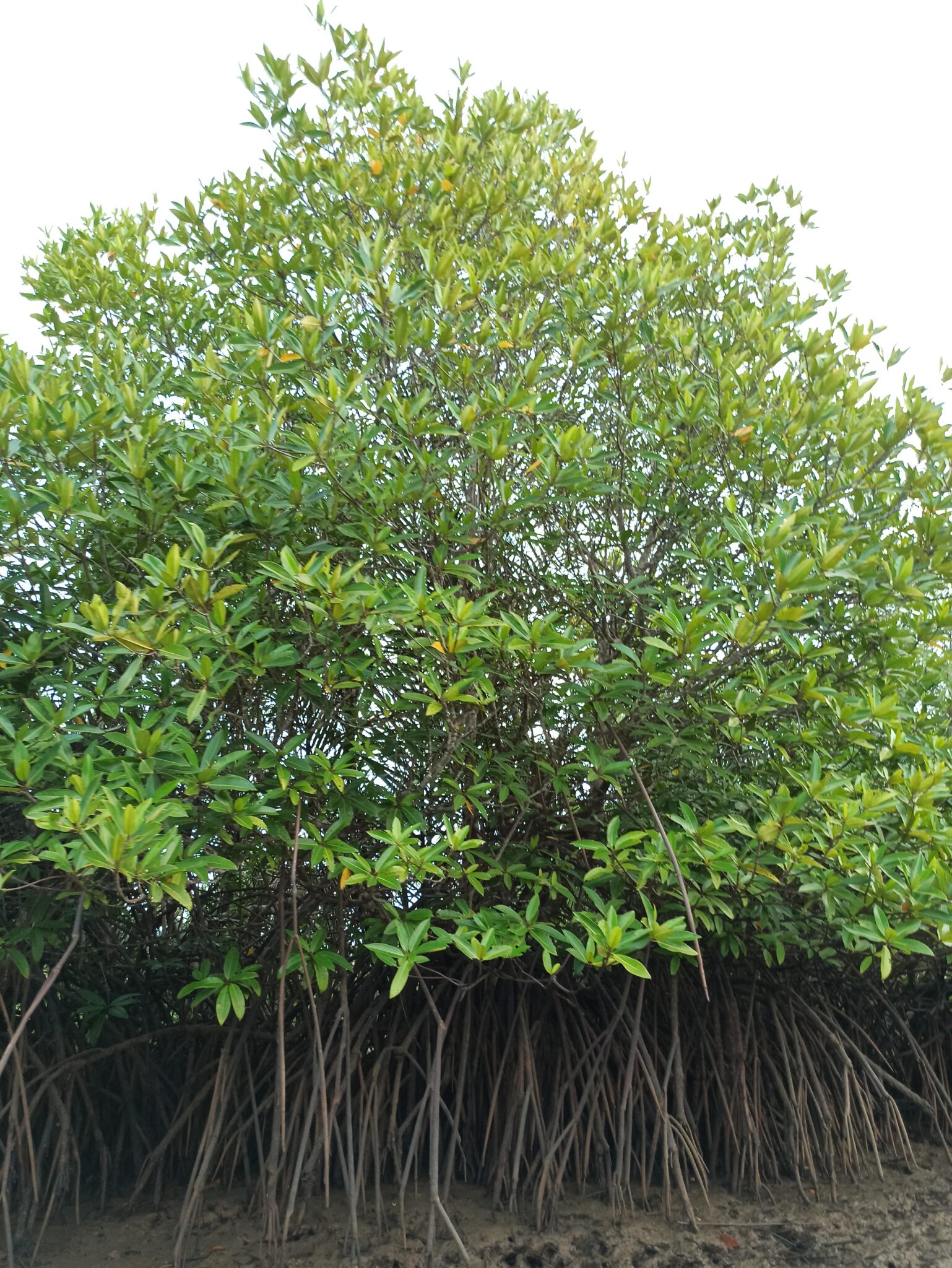
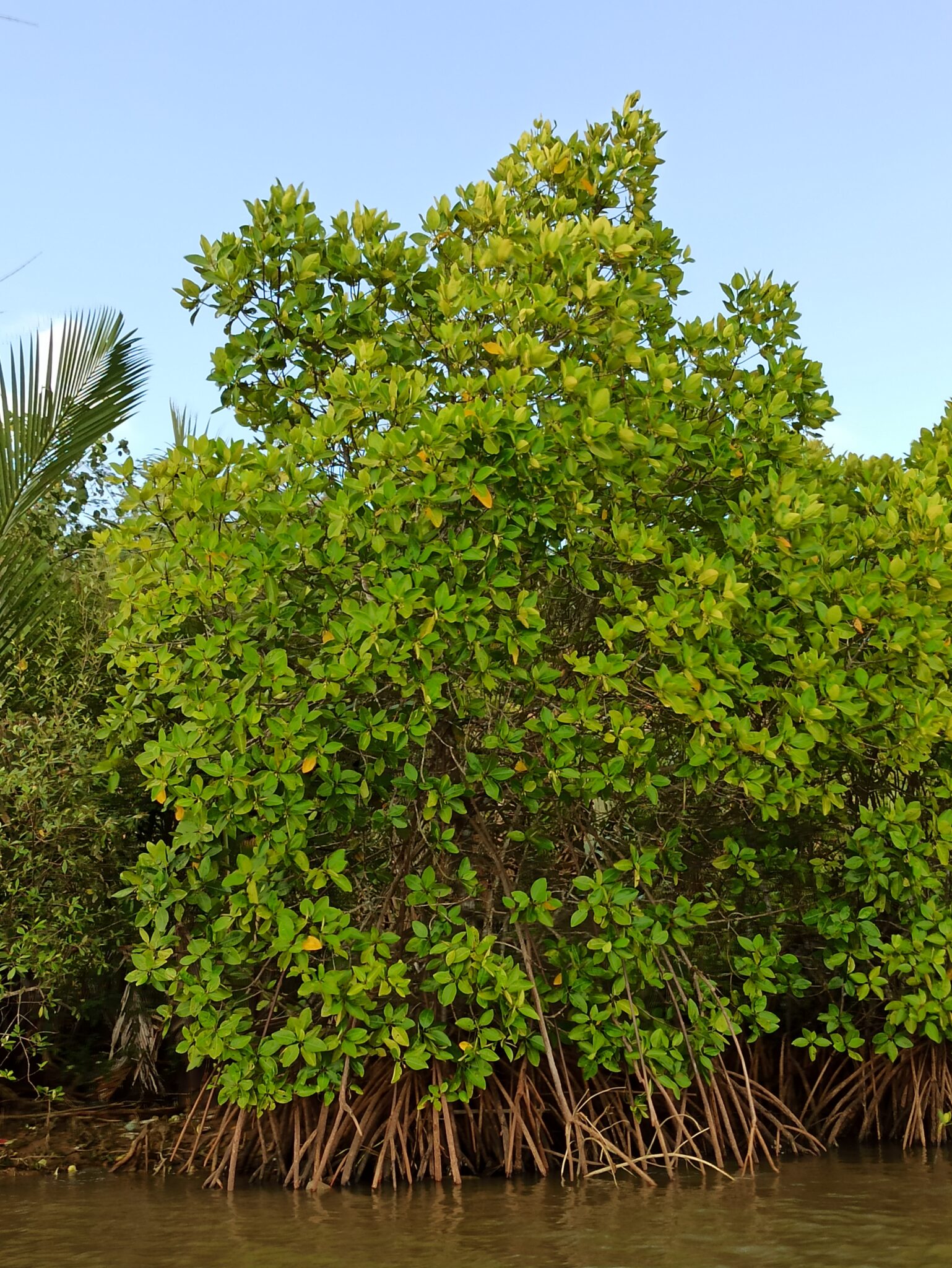
The tree can grow reach to 27 meters in height with diameter of the trunk up to 70 cm. The bark is dark colored to black with horizontal slit. The tap roots and aerial roots are grown from the lower branch.
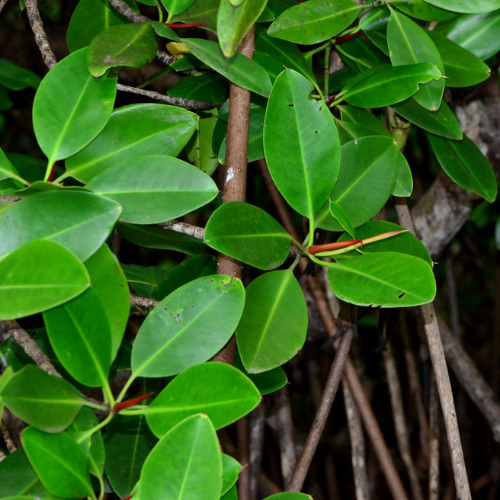
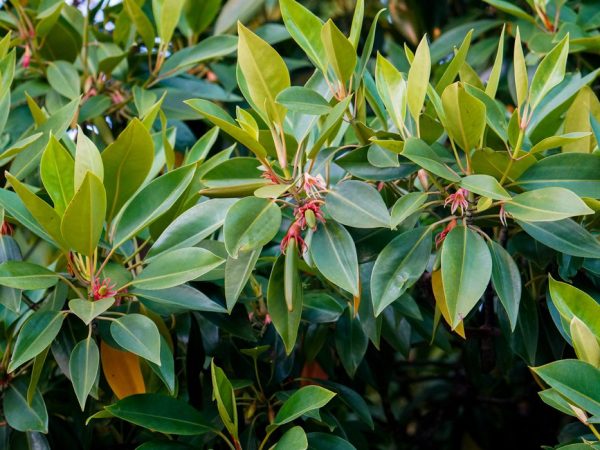
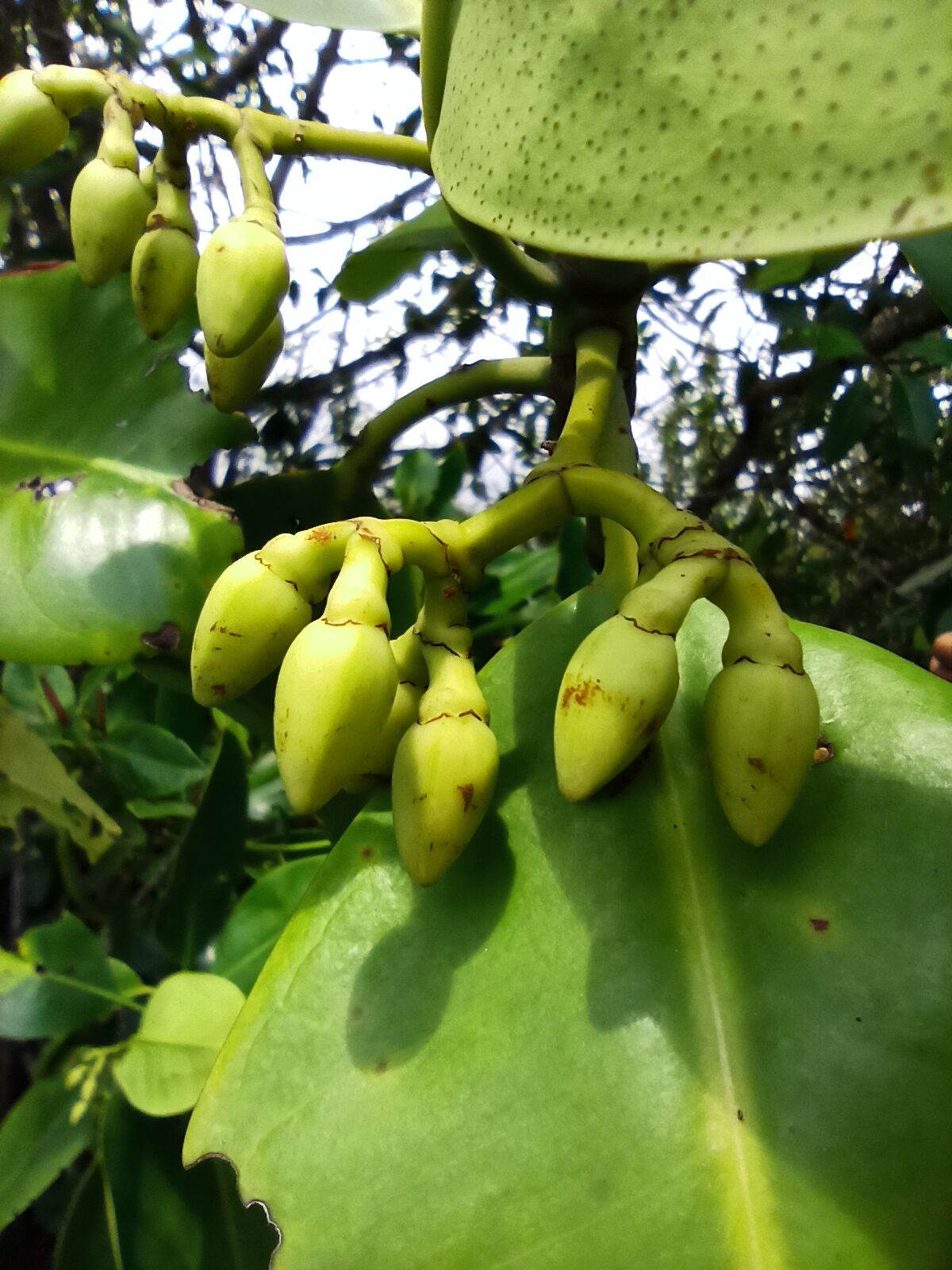
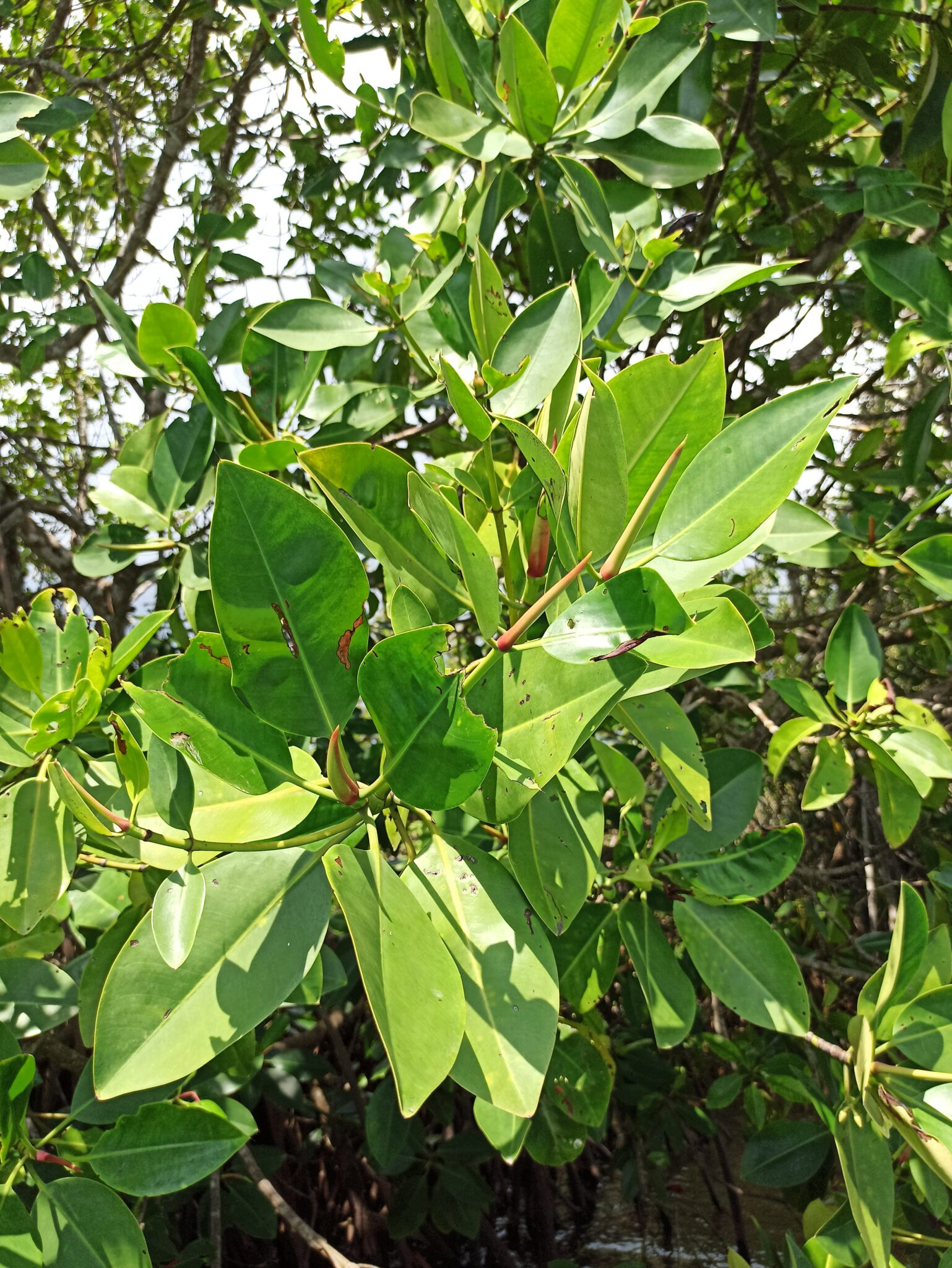
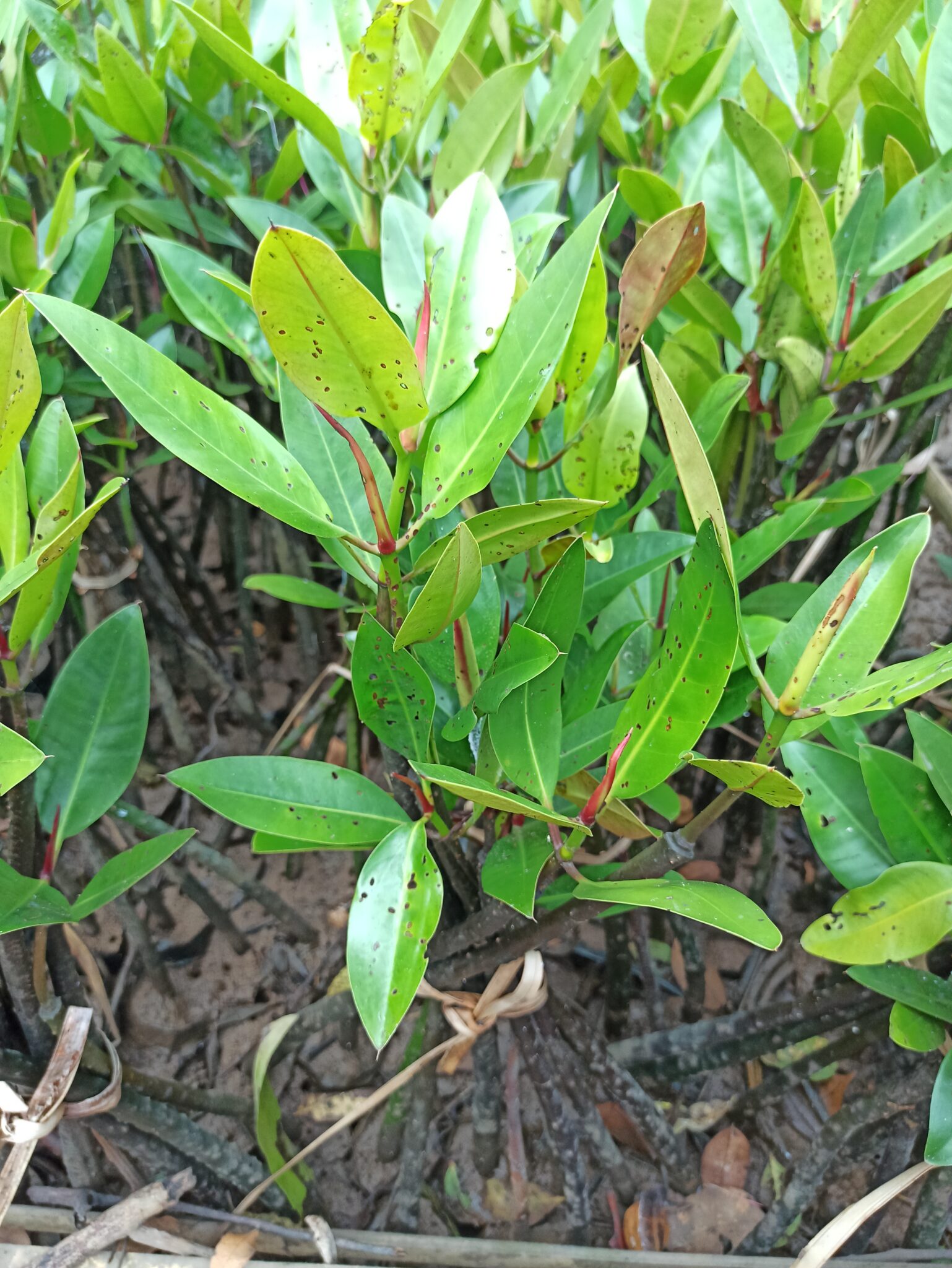
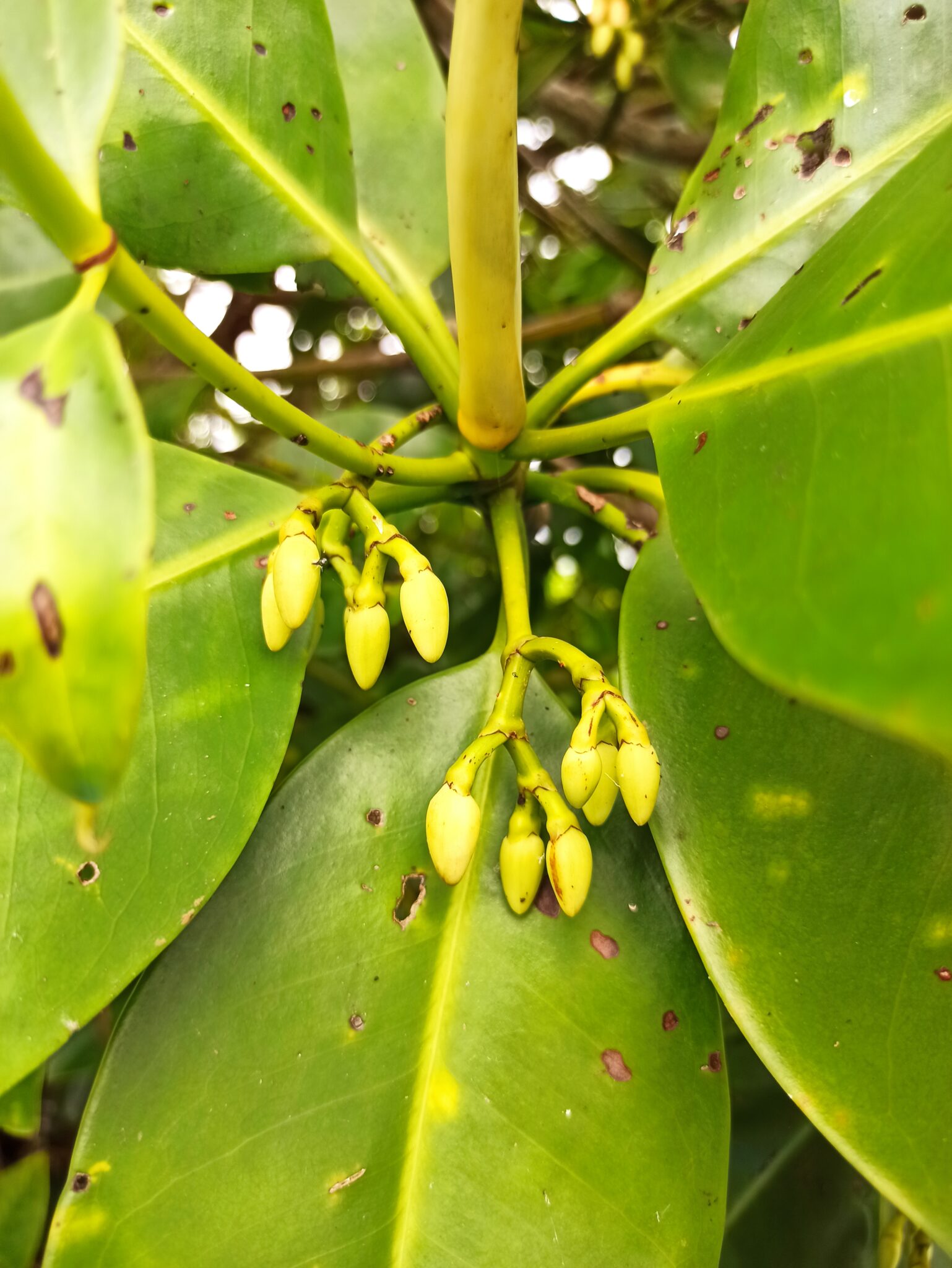
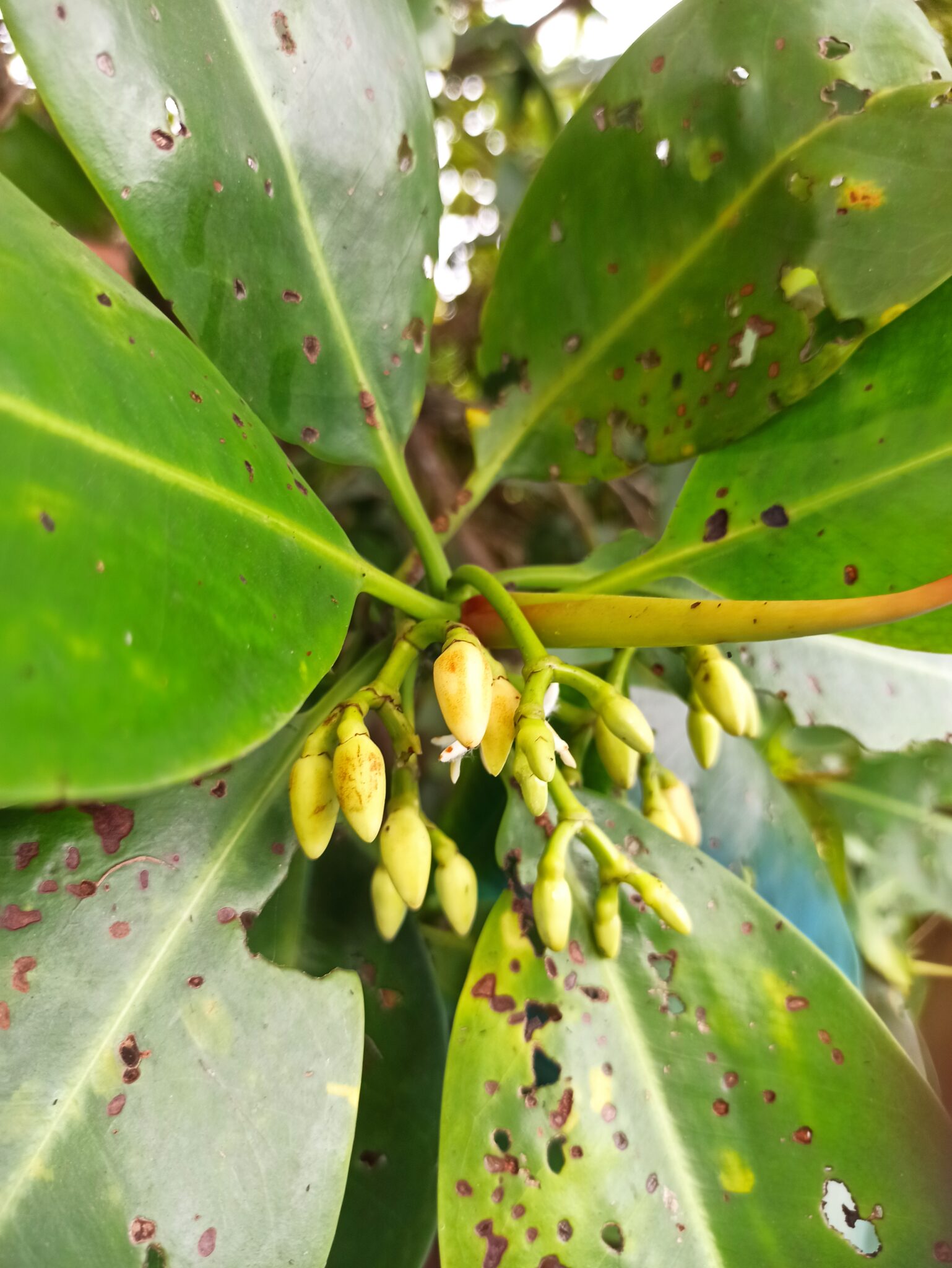
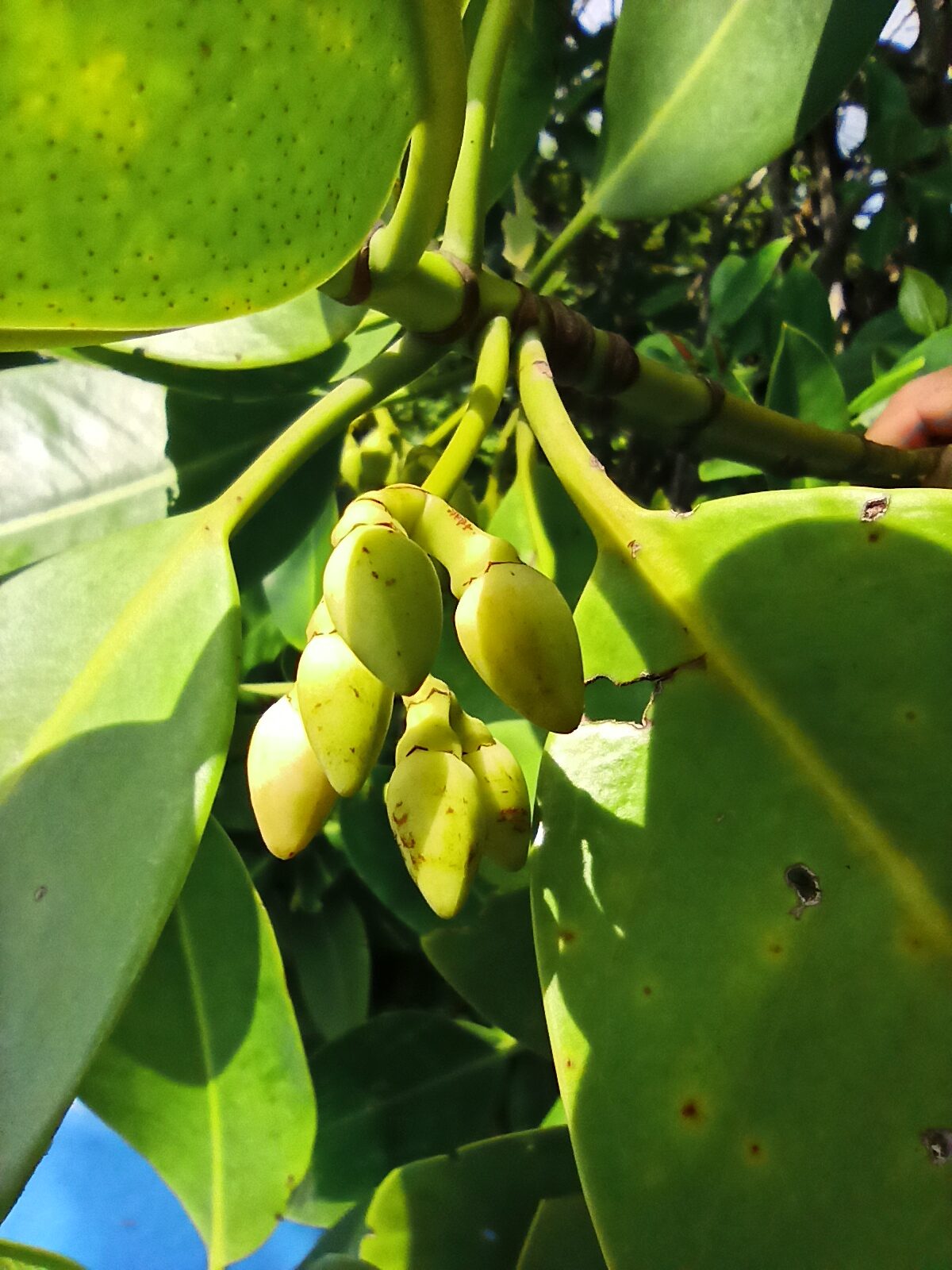
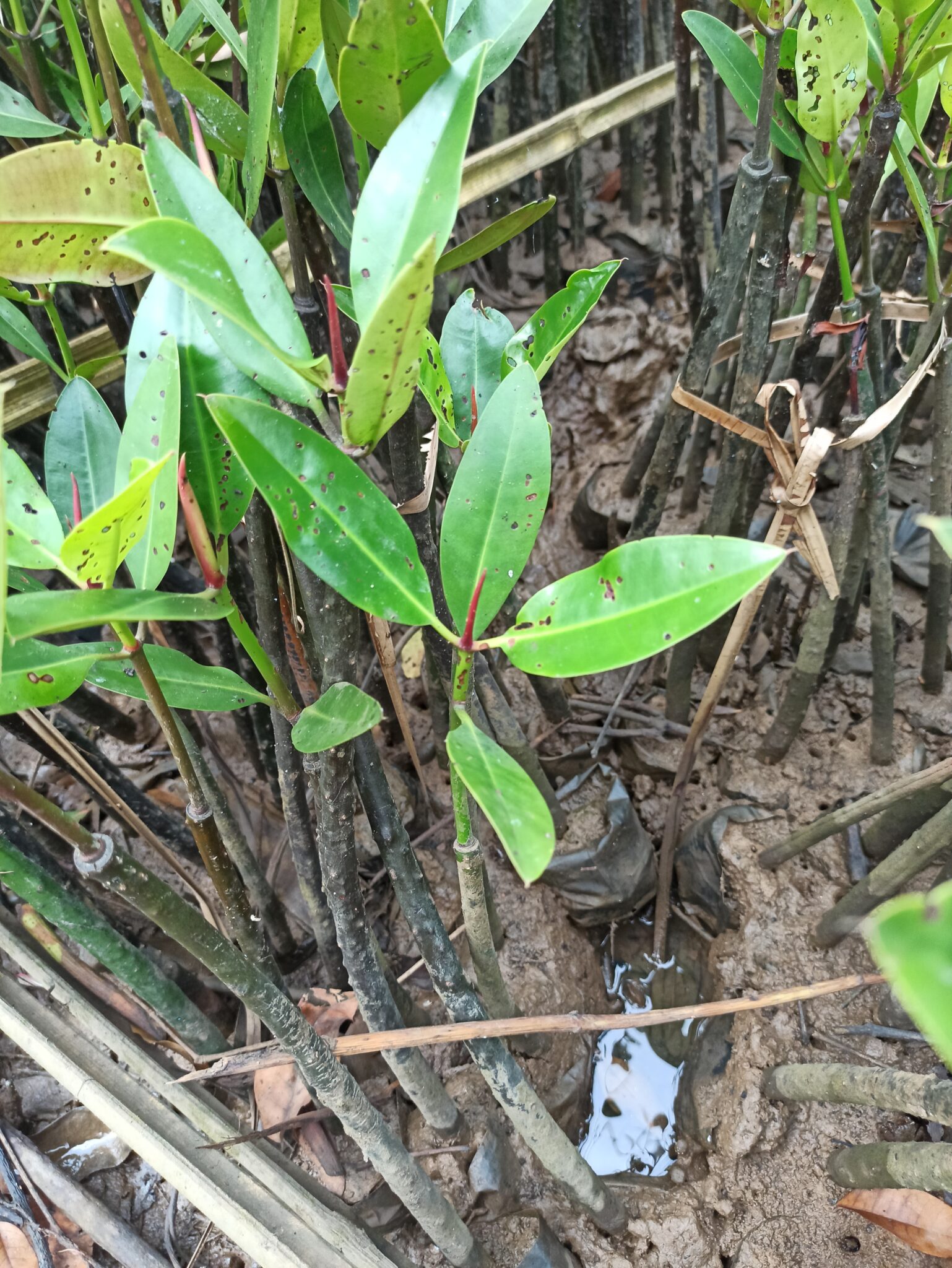
The tallest trees are closest to the water and shorter trees are further inland. The tree has a large number of aerial stilt roots buttressing the trunk. The leaves are elliptical and usually about 12 centimetres (4.7 in) long and 6 centimetres (2.4 in) wide. The cream-colored and hairy petals flowers develop in axillary clusters on the twigs.
Rhizophora mucronata thrives naturally in estuaries, tidal creeks, and flat coastal regions that experience daily tidal flooding. It is more tolerant of regular inundation than many other mangrove species and often forms an evergreen edge around mangrove areas. It can grow in pure stands or alongside Rhizophora apiculata.

The young leaves are beneficial as a mouth antiseptic. The leaves also provide food for the coastal animals, especially crabs.
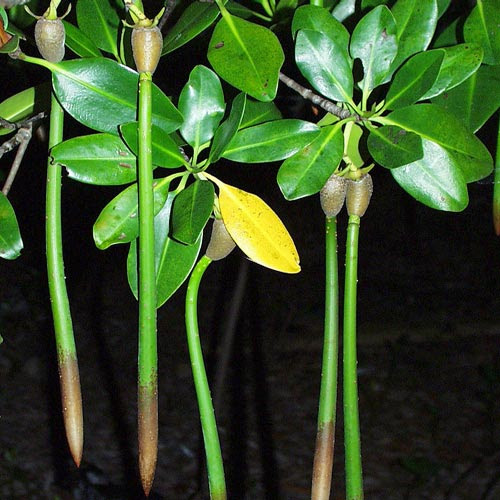
These tree parts contain tanin which can produce brown natural dye for fabric and leather.
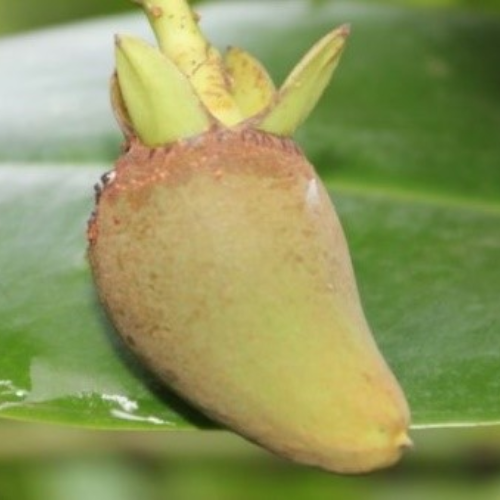
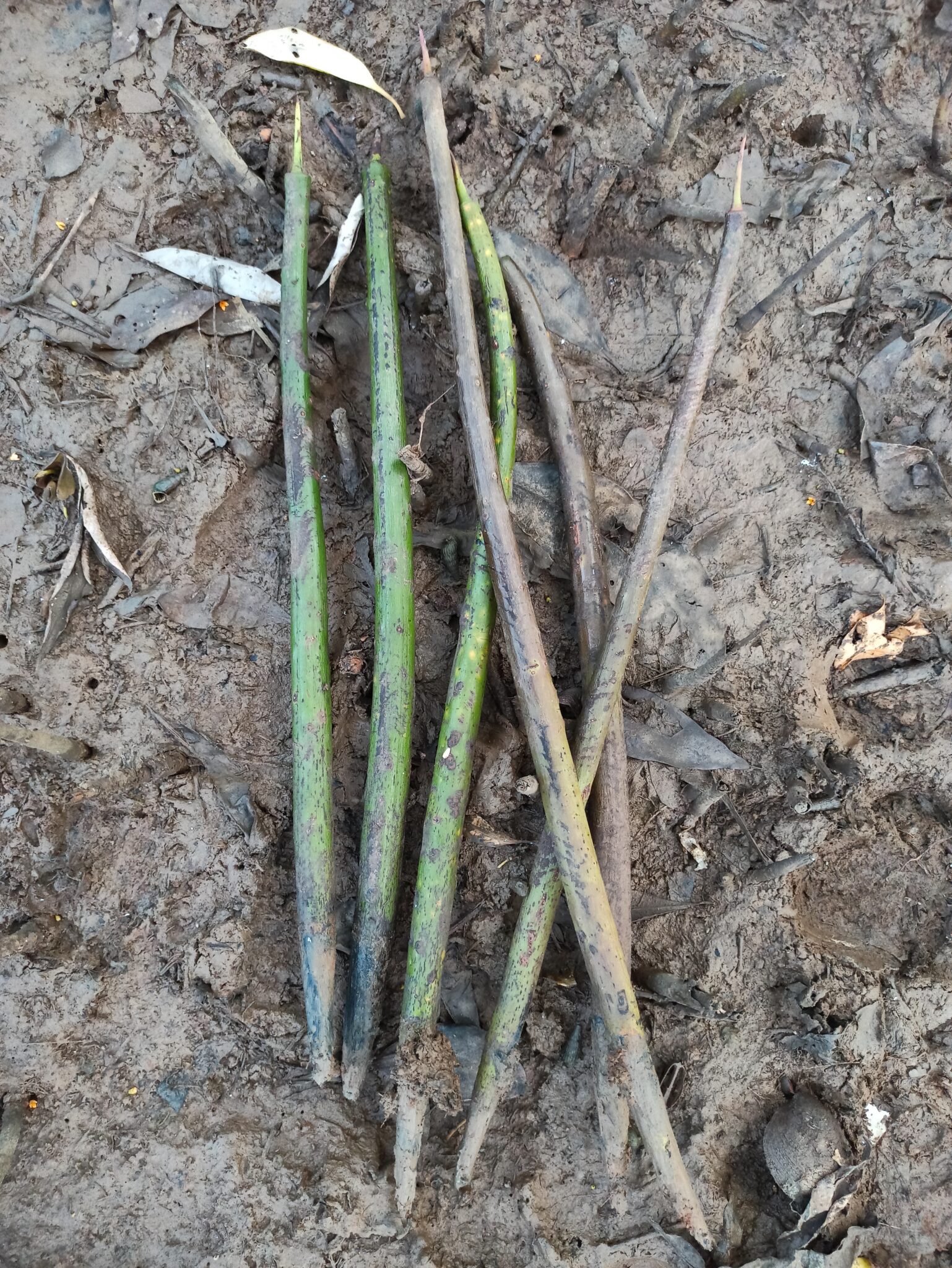
The fruits can be cooked or eaten freshly. Their juice extract can be used to make wine. The young shoots can be consumed as vegetables.
Apart for its tree parts that are multi beneficial, the species is also commonly planted along the shore and the edge of the fishponds to protect them from big waves
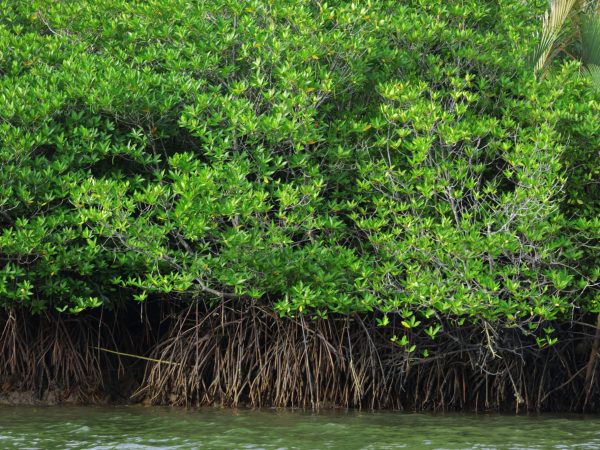
The Rhizophora mucronata closely interacts with crabs, as they often drop old leaves to the ground where crabs eagerly feed on as their favorite food. In return, these crabs help the trees to remove dead organic material beneath the trees, such as dead roots.
In Indonesia, its leaf, bark, and propagule waste can produce natural dye for fabrics and is one of the natural dyes for batik (Indonesian traditional fabrics)