Skip to content

Moluccan Albizia

Paraserianthes falcataria

Moluccan Albizia

Paraserianthes falcataria

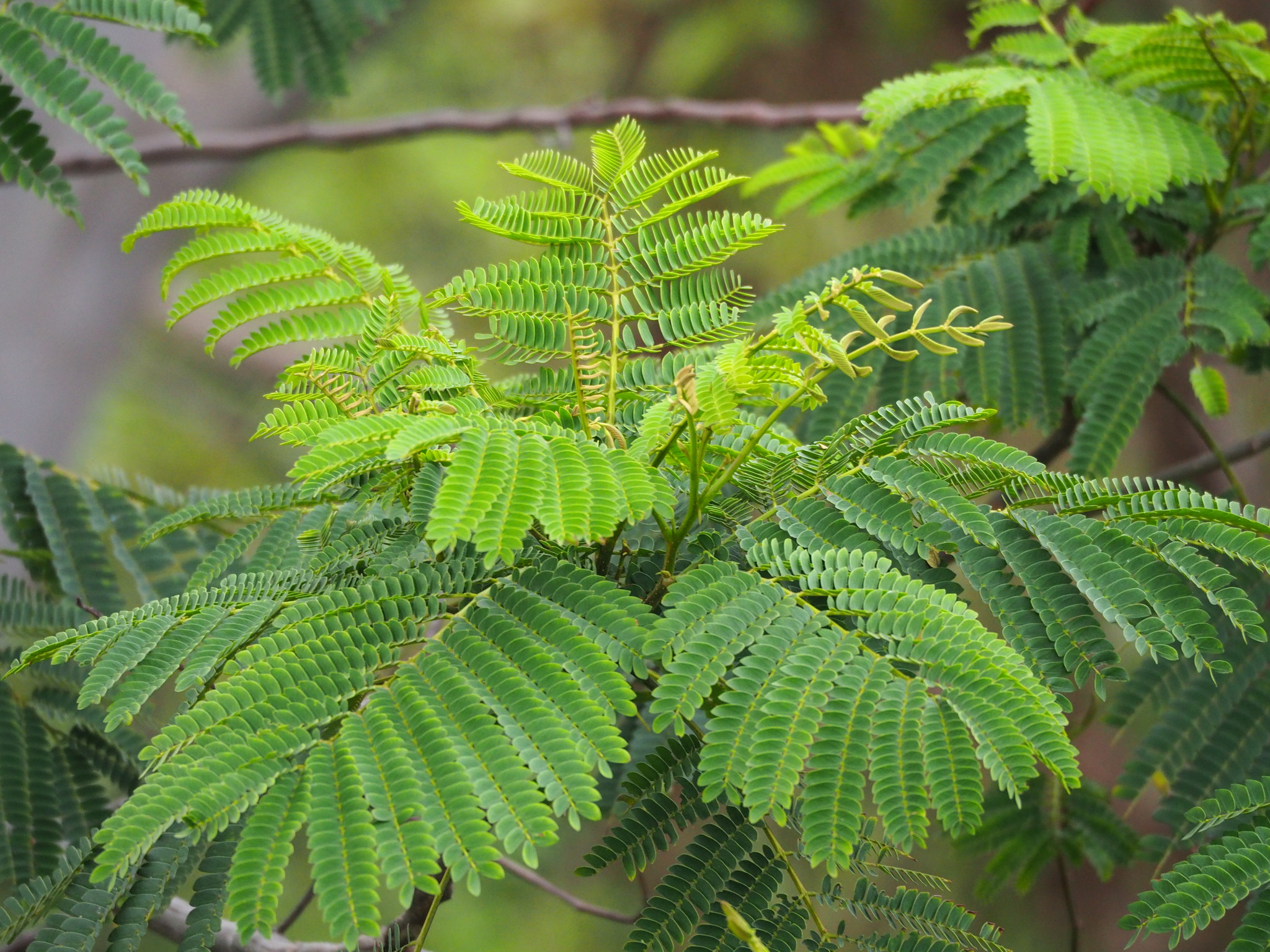
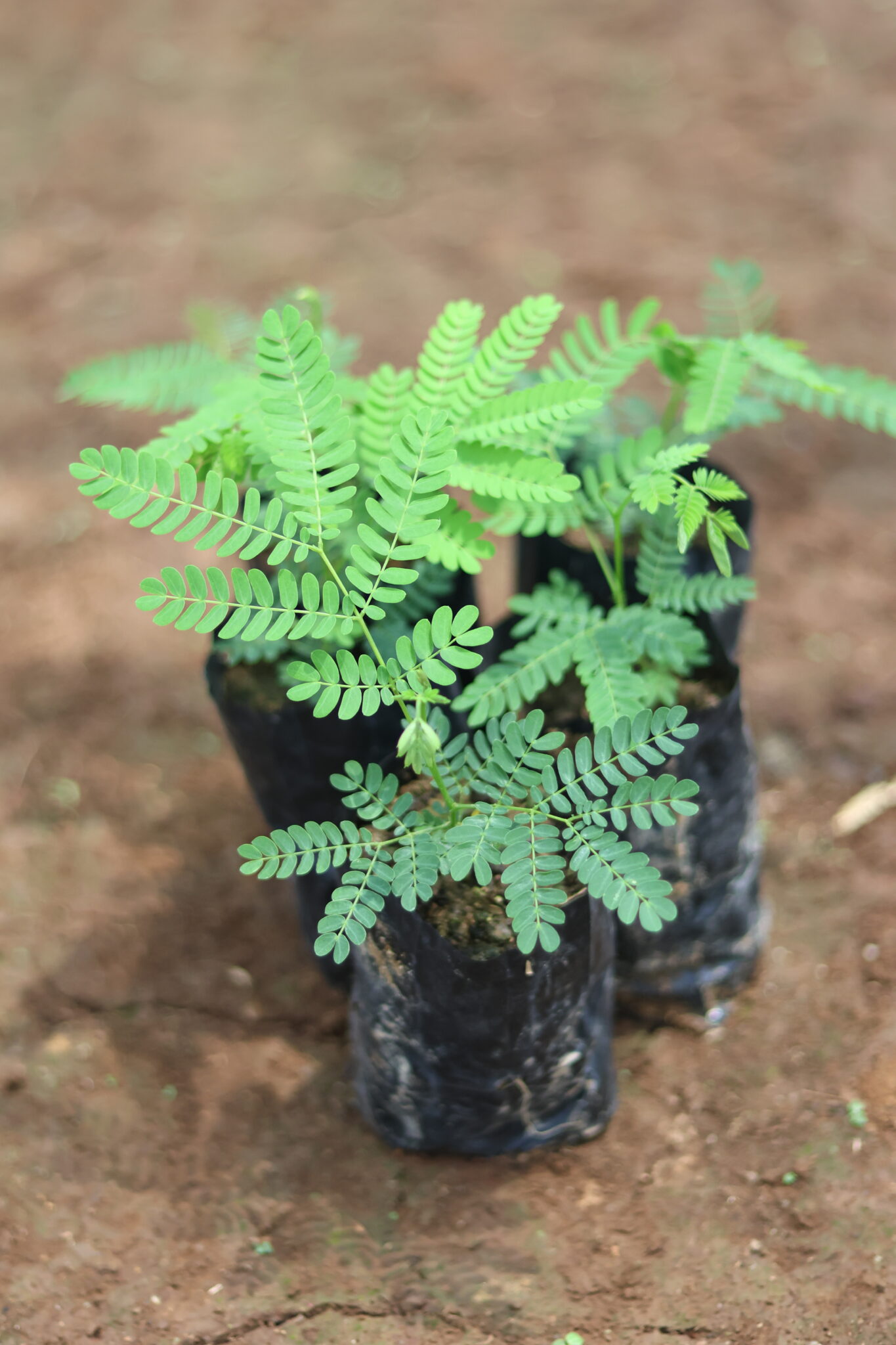
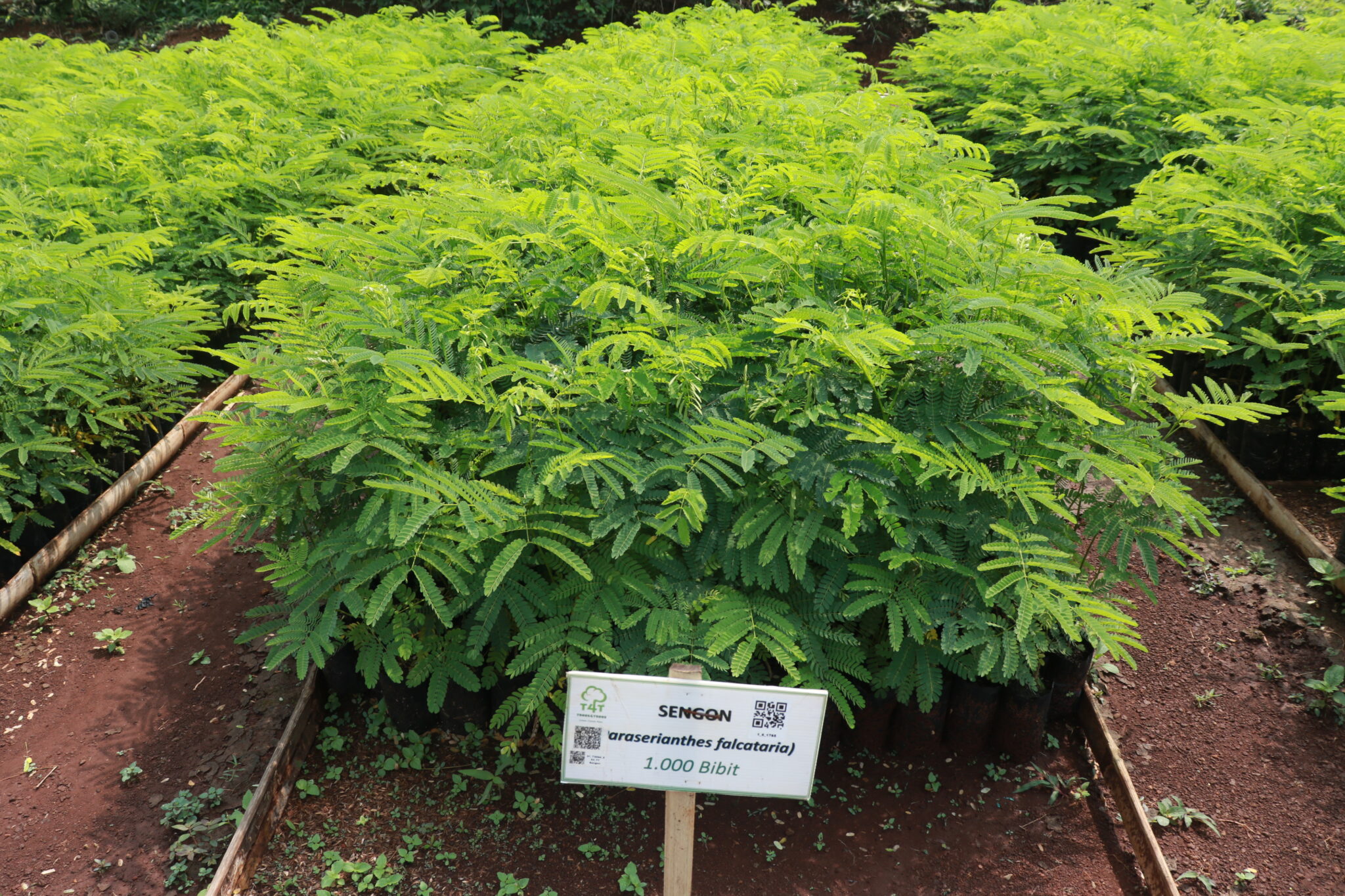
Moluccan albizia or Paraserianthes falcataria or Falcataria mollucana, in Indonesia widely popular as sengon tree. It is one of the world’s fast-growing trees with its nitrogen-fixing abilities and adaptability to varying soil conditions. It is highly sought over by local farmers in Kebumen planting area for its compatibility with local soil and offers ecological advantages. 

Environmental Impact

Tree Usage

Scientific name

Paraserianthes falcataria or Falcataria mollucana

International name

Moluccan albizia  

Other name

Sengon, Indonesian Albizia, Jeungjing (Indonesia), Moluccan sau (Phillipines), Batai (Malaysia), Albizia (Hawaii), Peacock Plume, Paraserianthes, White Albizia 

Tree family

Fabaceae 

Status

Least Concerned   

Carbon Sequestration

148 Kg of Carbon 

Native distribution

Haiti, Indonesia, Papua New Guinea, Solomon Islands 

Characteristic

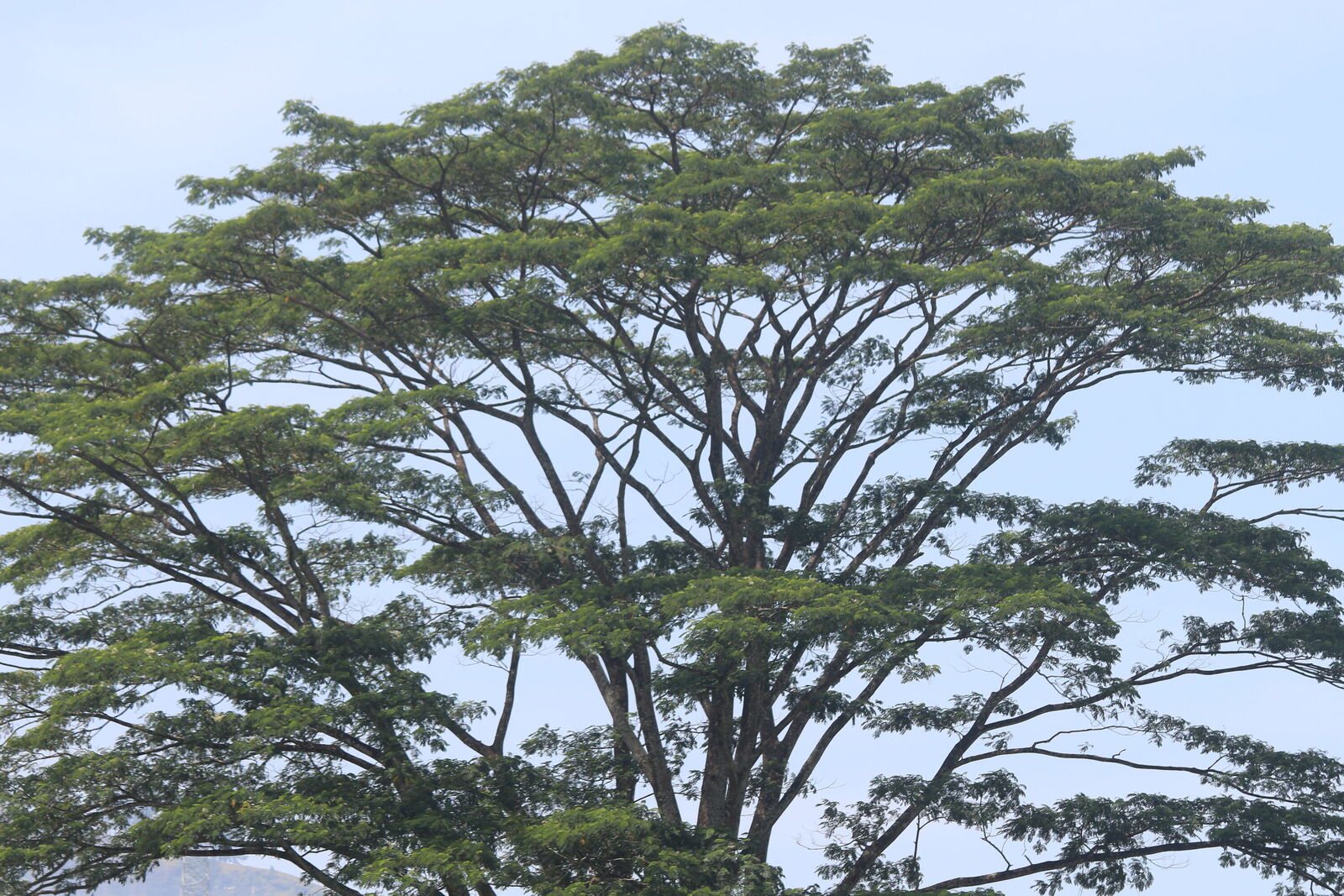
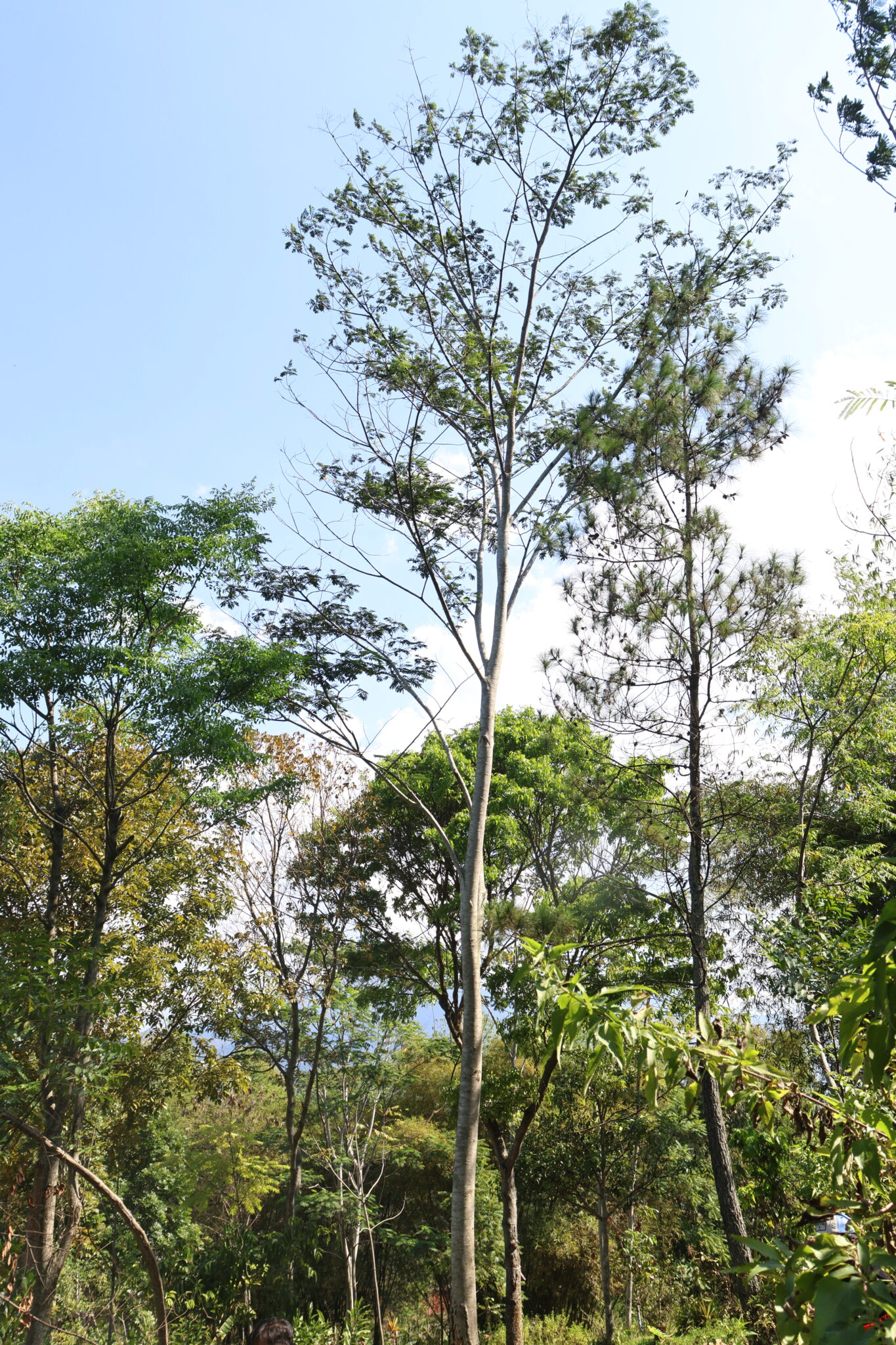
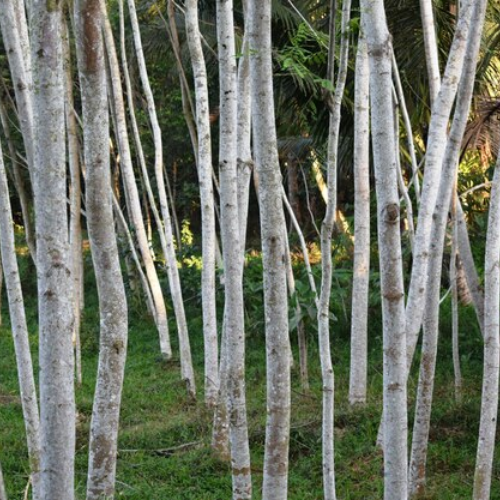
This is a large tree that can grow up to 40 meters tall. Its trunk is free of branches for up to 20 meters, and it can reach a diameter of 100 cm or more. The tree has a wide, flat crown at the top. 

Habitat

Moluccan albizia is commonly found in secondary lowland rainforests, grassy plains, and along coastal roads. Thriving in monsoonal climates with regular rain. It grows at altitudes up to 1,200 meters, with ideal conditions of 22 to 29°C and 2,000 to 4,000 mm of rainfall.   

Reforestation Due to their ecological advantages, moluccan albizia or sengon tree is often chosen for reforestation.
Enrich Soil through Nitrogen Fixation Moluccan albizia's root system forms a symbiotic relationship with nitrogen-fixing bacteria, naturally enriching the soil. These roots help improve soil fertility by retaining and releasing nitrogen
Agroforestry Support The soil improvement ability makes this tree a popular choice for farmers to implement agroforestry, combining the tree with short-term food crops.
Leaves and Branches

Moluccan albizia tree naturally sheds leaves and small branches, which add nitrogen, organic materials, and minerals to the soil. The leaves can also be used for livestock fodder. 
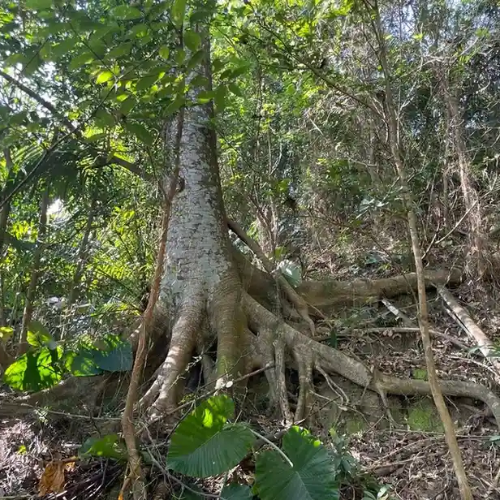
Roots

Its deep root system also helps improve soil by breaking it up, creating channels for better drainage and airflow. 
Wood

Its wood is the main source for plywood industry. 
  • Moluccan albizia has an incredible nitrogen-fixation ability, converting atmospheric nitrogen into more reactive compounds like ammonia that can help trees grow in areas with low nitrogen levels 
  • This species can tolerate a dry season of up to four months but is sensitive to fire and strong winds. It also cannot tolerate water which can make it weather. 

Discover More Trees

Avicennia marina
Rhizopora apiculata
Elaeocarpus ganitrus

Add Your Heading Text Here

Lorem ipsum dolor sit amet, consectetur adipiscing elit, sed do eiusmod tempor incididunt ut labore et dolore magna aliqua. Ut enim ad minim veniam, quis nostrud exercitation ullamco laboris nisi ut aliquip ex ea commodo consequat. Duis aute irure dolor in reprehenderit in voluptate velit esse cillum dolore eu fugiat nulla pariatur. Excepteur sint occaecat cupidatat non proident, sunt in culpa qui officia deserunt mollit anim id est laborum.