Oriental Mangrove
Bruguiera gymnorrhiza
Oriental Mangrove
Bruguiera gymnorrhiza
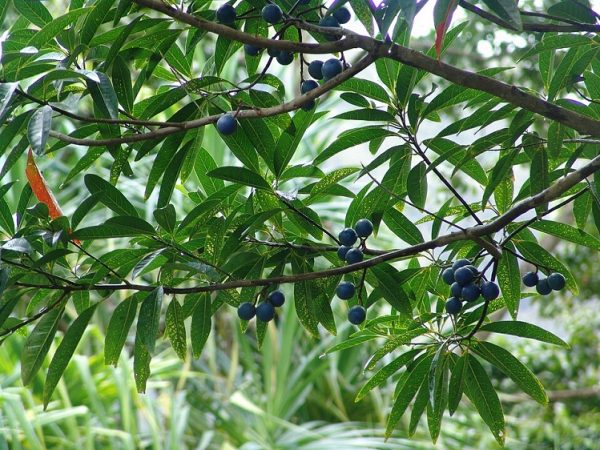
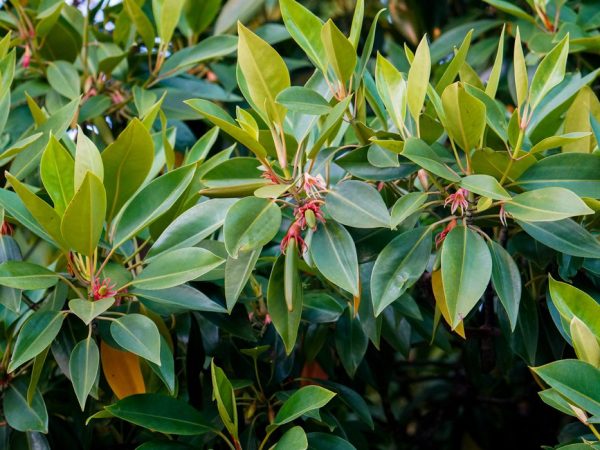
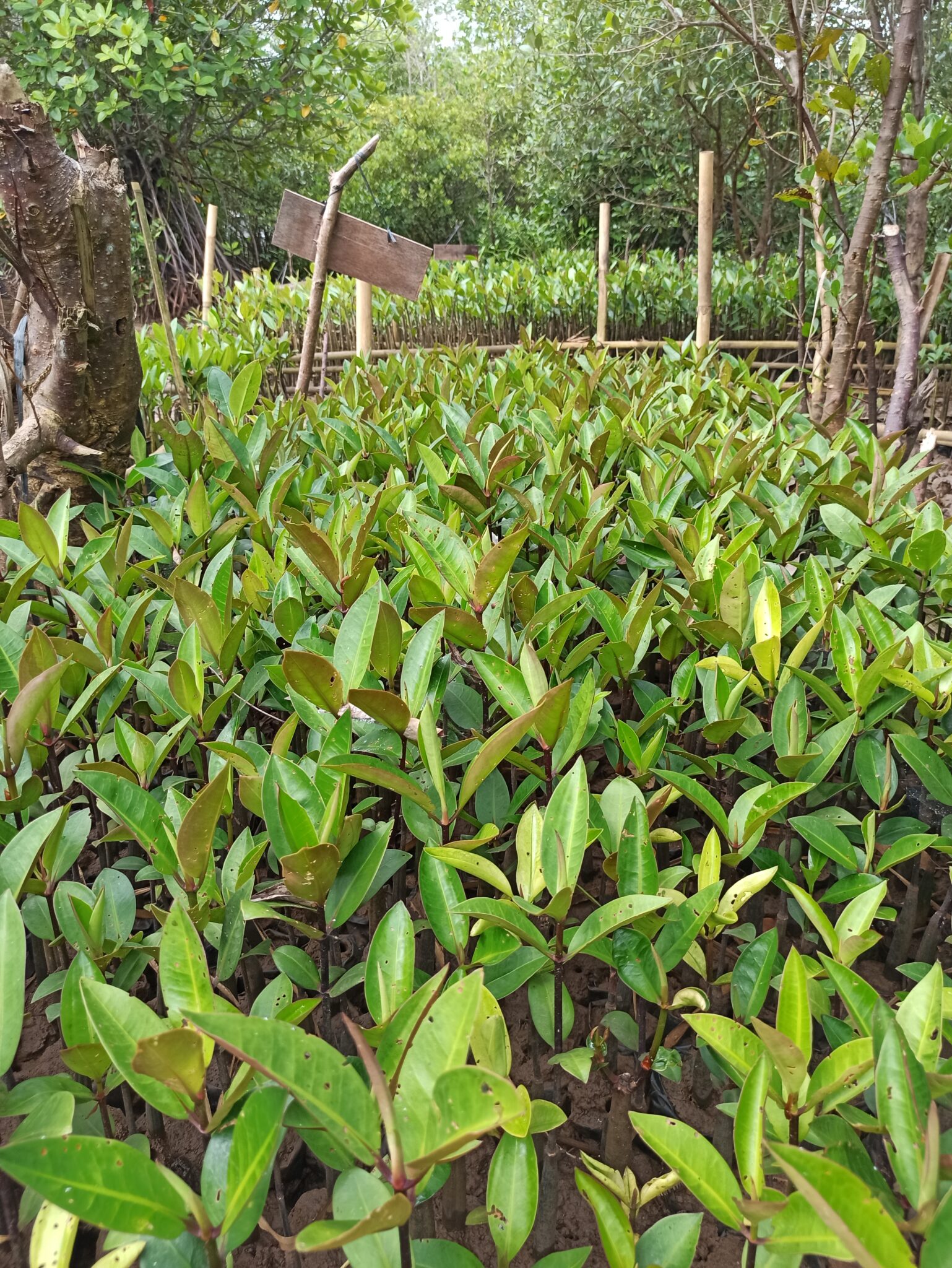
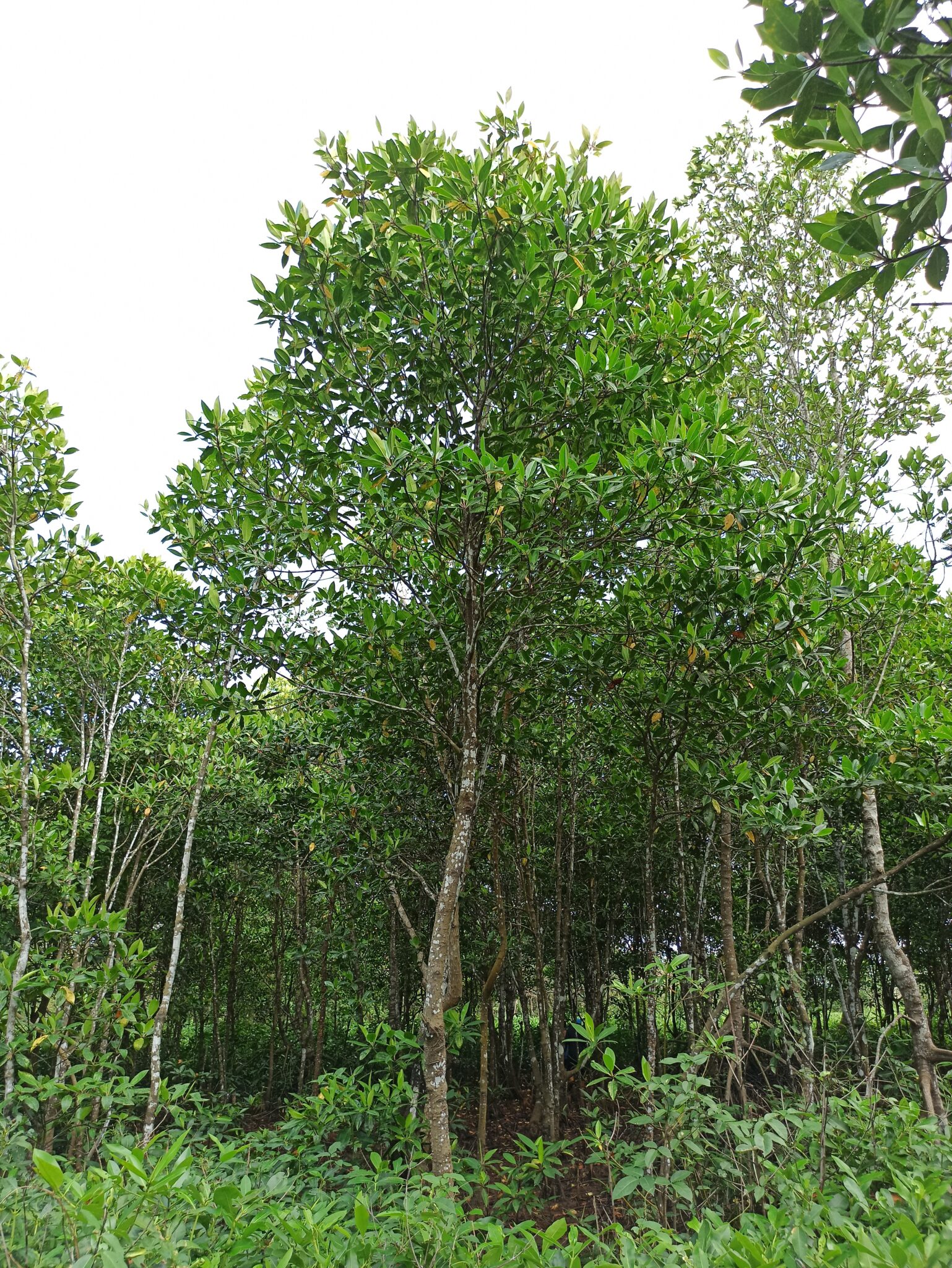
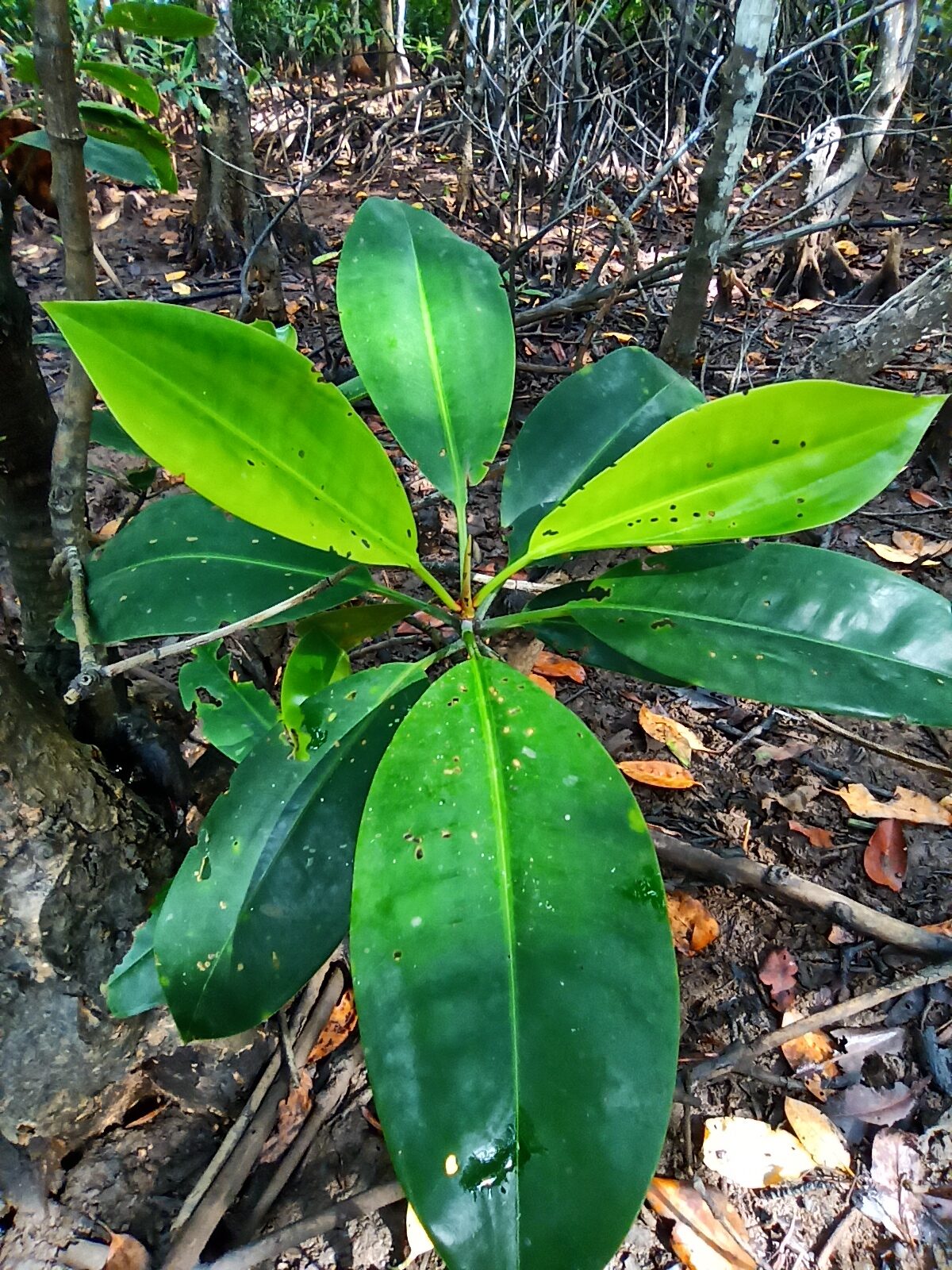
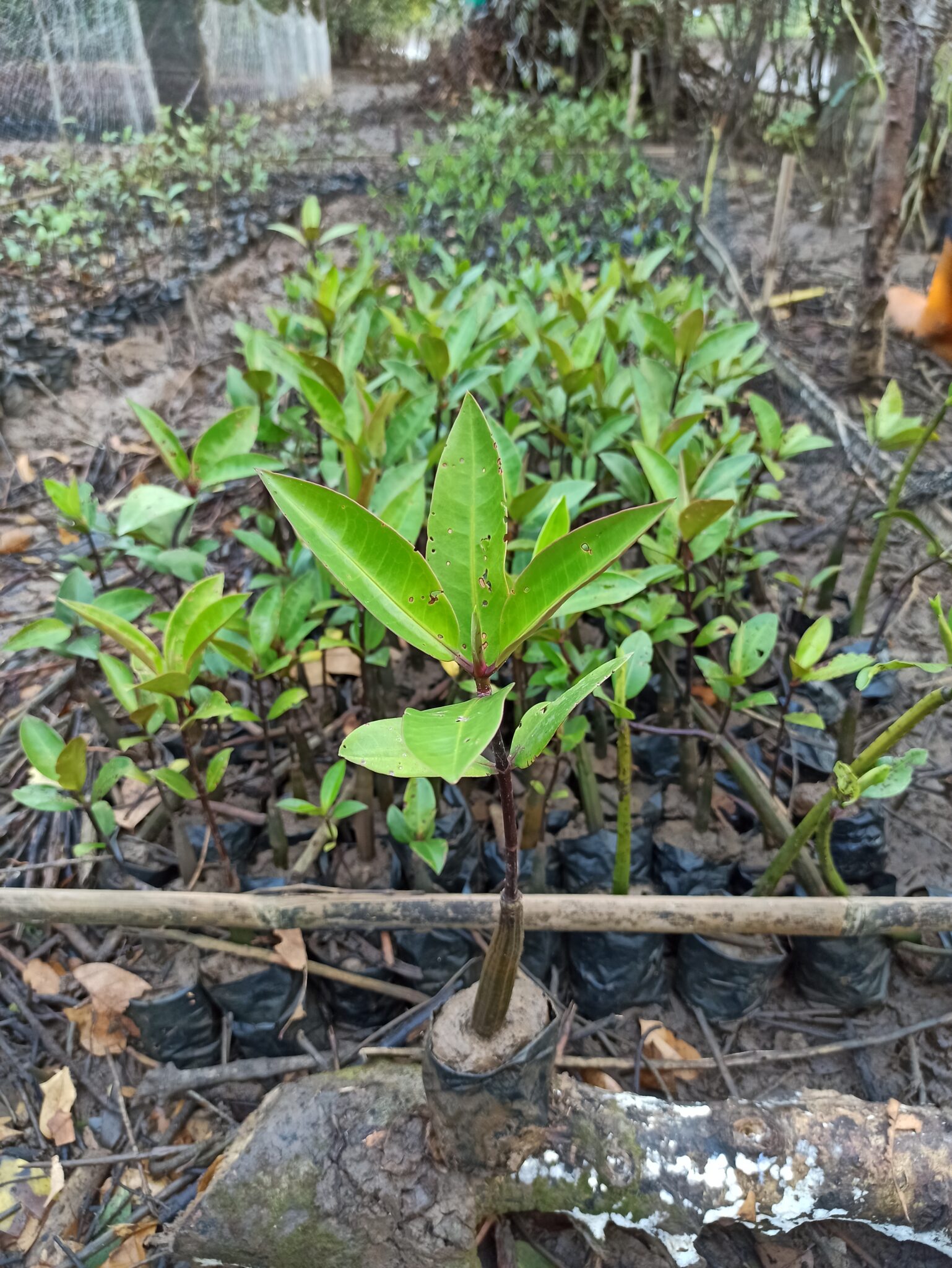
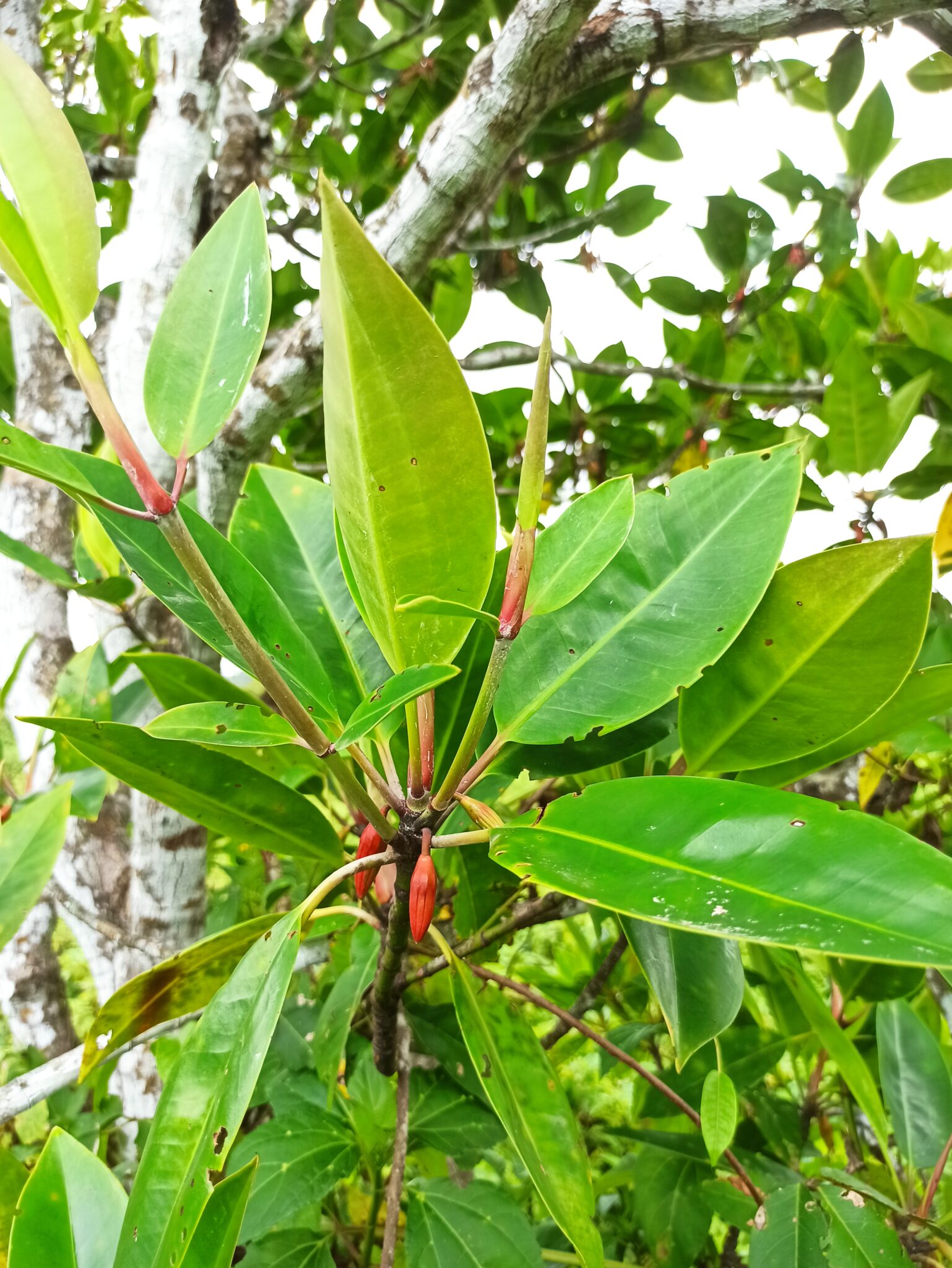
Generally, the Bruguiera gymnorrhiza species has pointed-shaped leaves with strong stems and thick roots, powerful in preventing erosion, storing carbon, and being a nursery ground for coastal animals. Most parts of the tree are also beneficial.
Environmental Impact
- ✔ Biodiversity Support, ✔ Carbon Sequestration, ✔ Coastal Protection, ✔ Windbreaker
Tree Usage
- Economic, Food, Medicinal
Bruguiera gymnorrhiza
Oriental mangrove, large-leafed mangrove
Putut, tumu, bakau besar, betut, tumbus, tumus, (Indonesia), pokok tumu merah (Malaysia), orange mangrove (Australia)
Rhizophoraceae
Least Concerned
Each mature tree can adsorb 160 Kg of carbon
East Africa, Madagascar, Srilanka, Malaysia, and Indonesia to West Pacific and tropical Australia
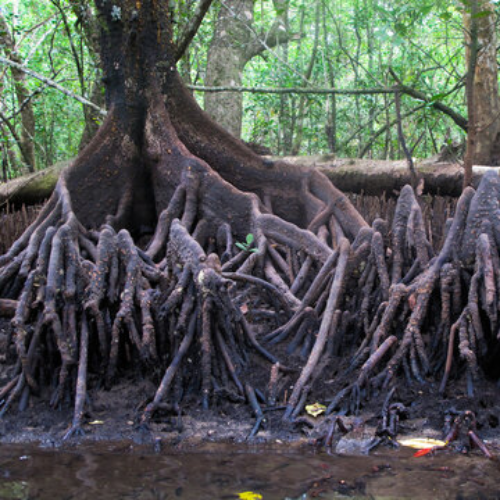
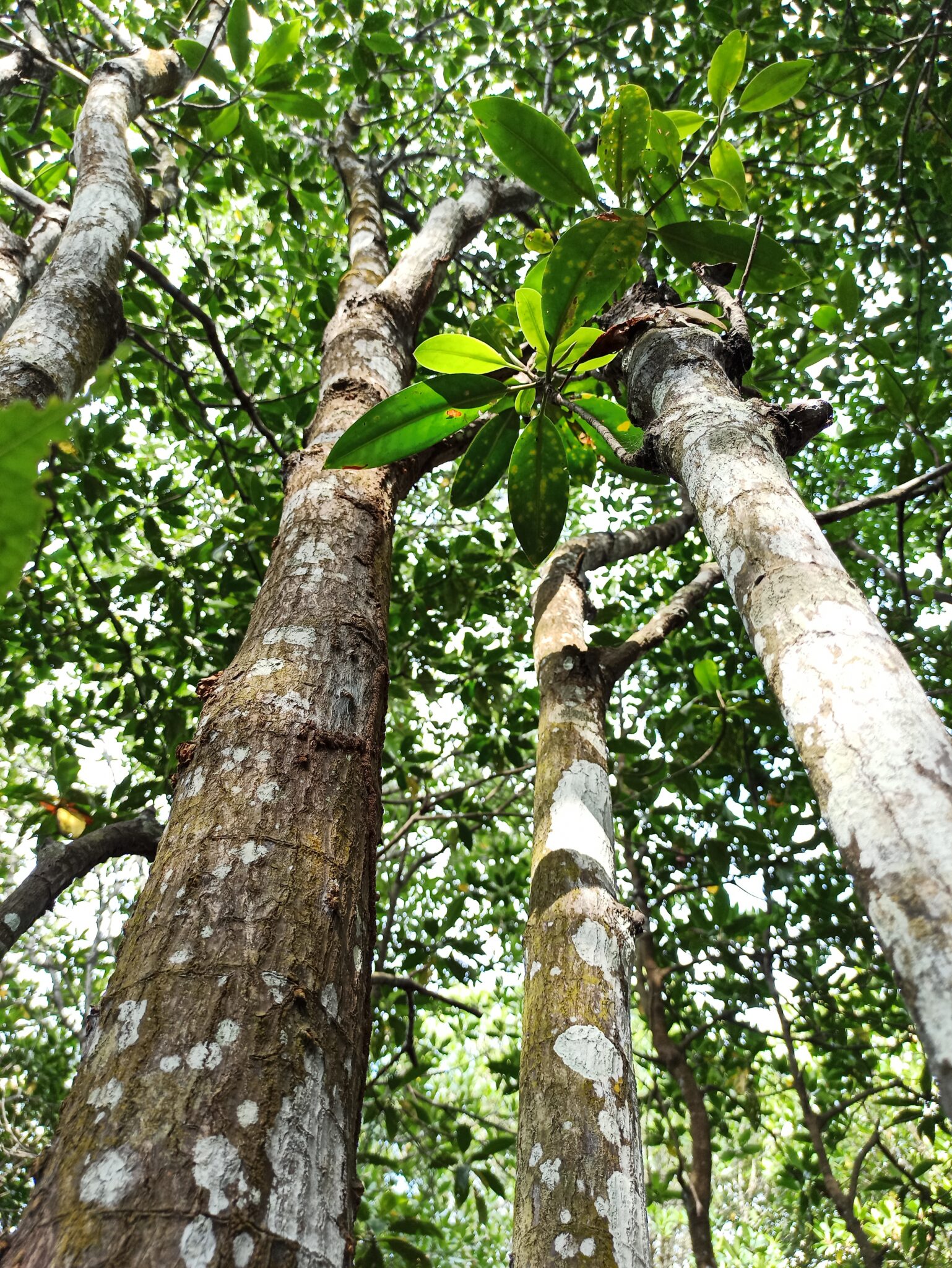
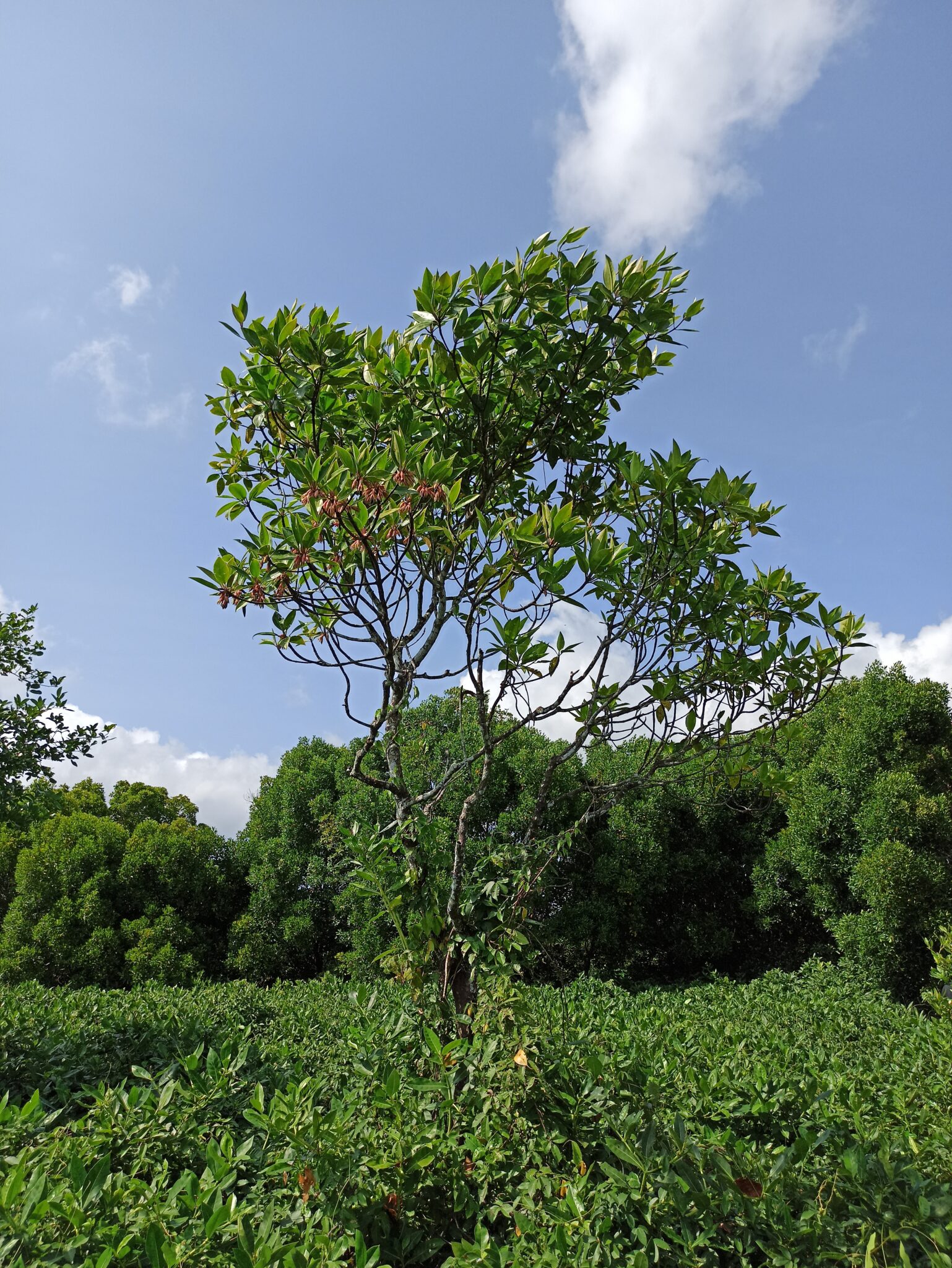
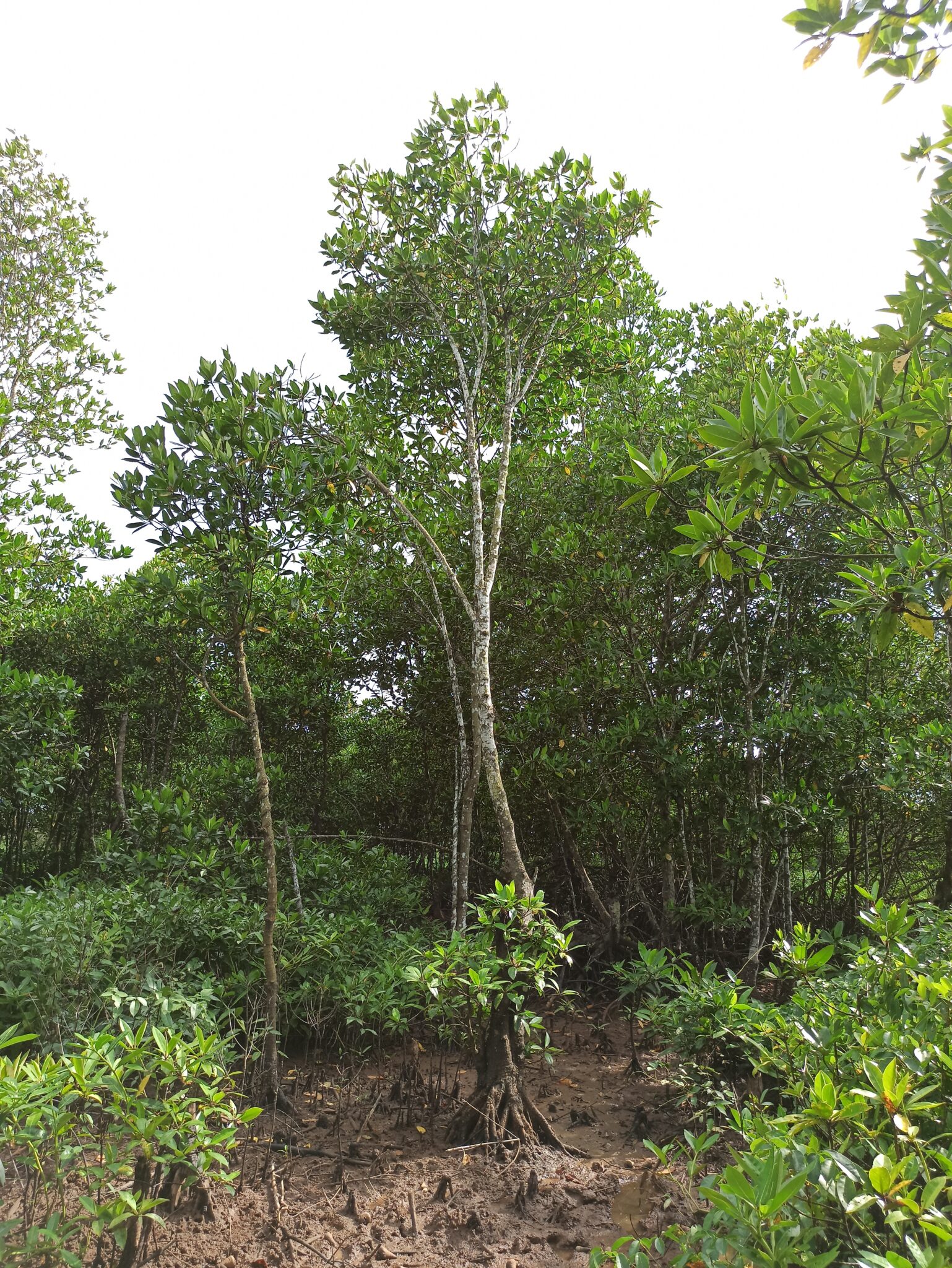
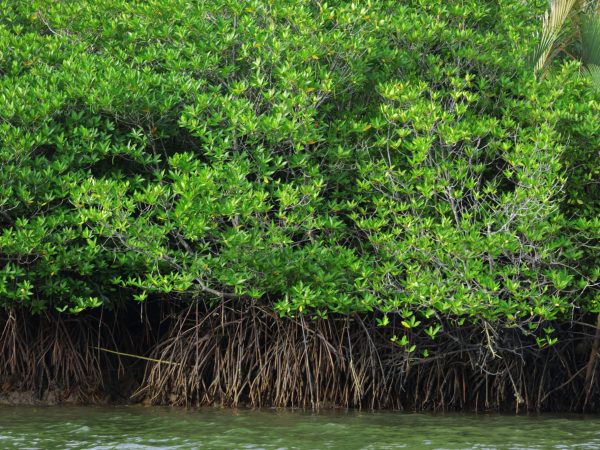
It is an evergreen tree that can reach 30 meters in height. The barks contain lenticel with soft surface to rough with dark grey to brown. The roots are like boards that widen out to the sides at the base of the tree and also have a number of knee roots.
Trees grow on intertidal mud flats and estuaries with 0 to 2 meters and rainfall 1,000 – 8,000 mm. The species also grows on a wide range of soils, but river estuaries are the best for them. While salt-water habitats on an alluvial sediment allow them to spread with their adventitious roots.

Coastal bioengineering, such as the construction of natural wave break structures.
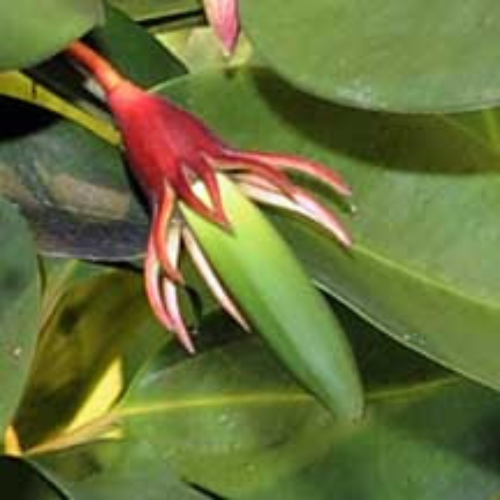
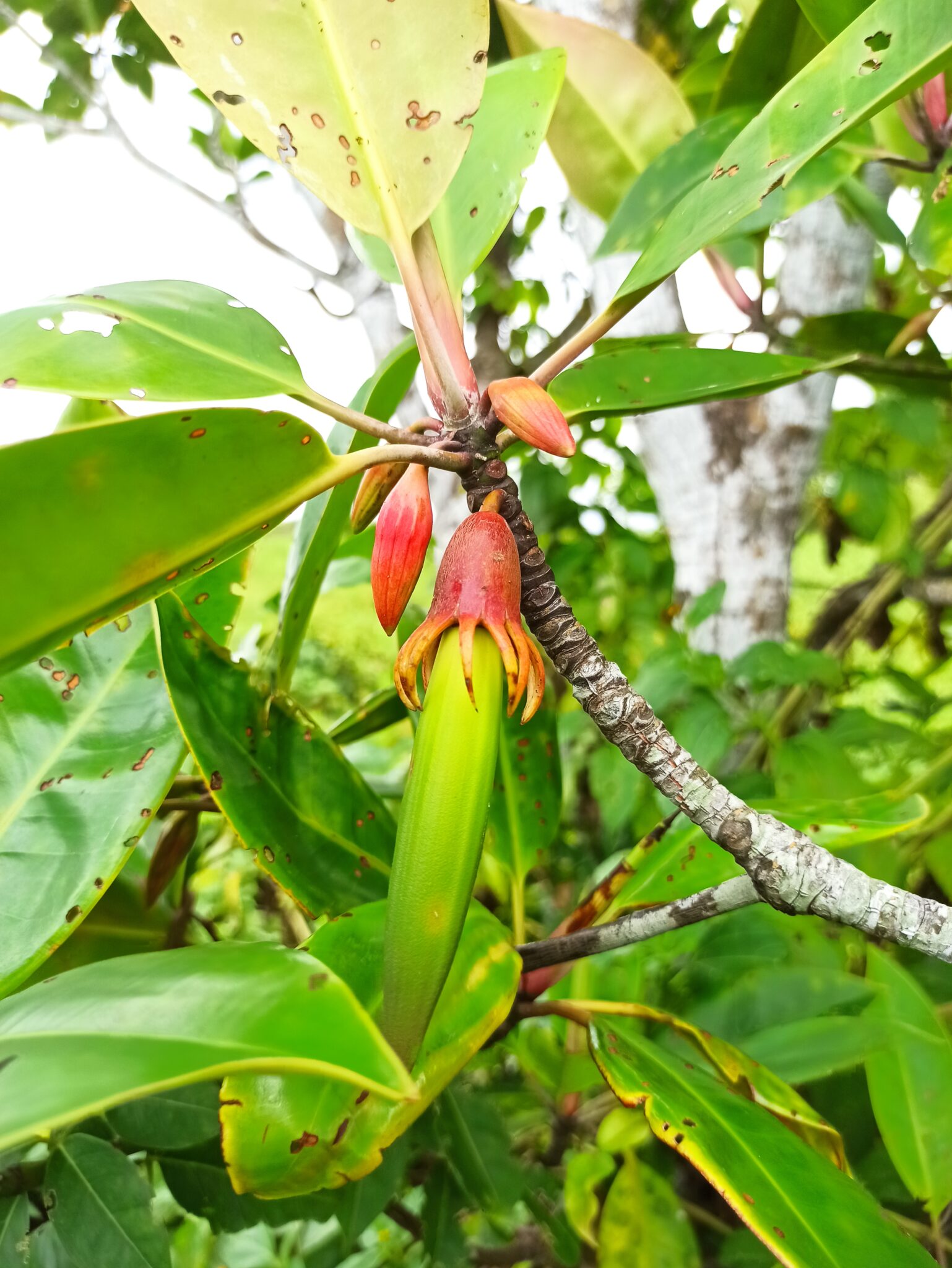
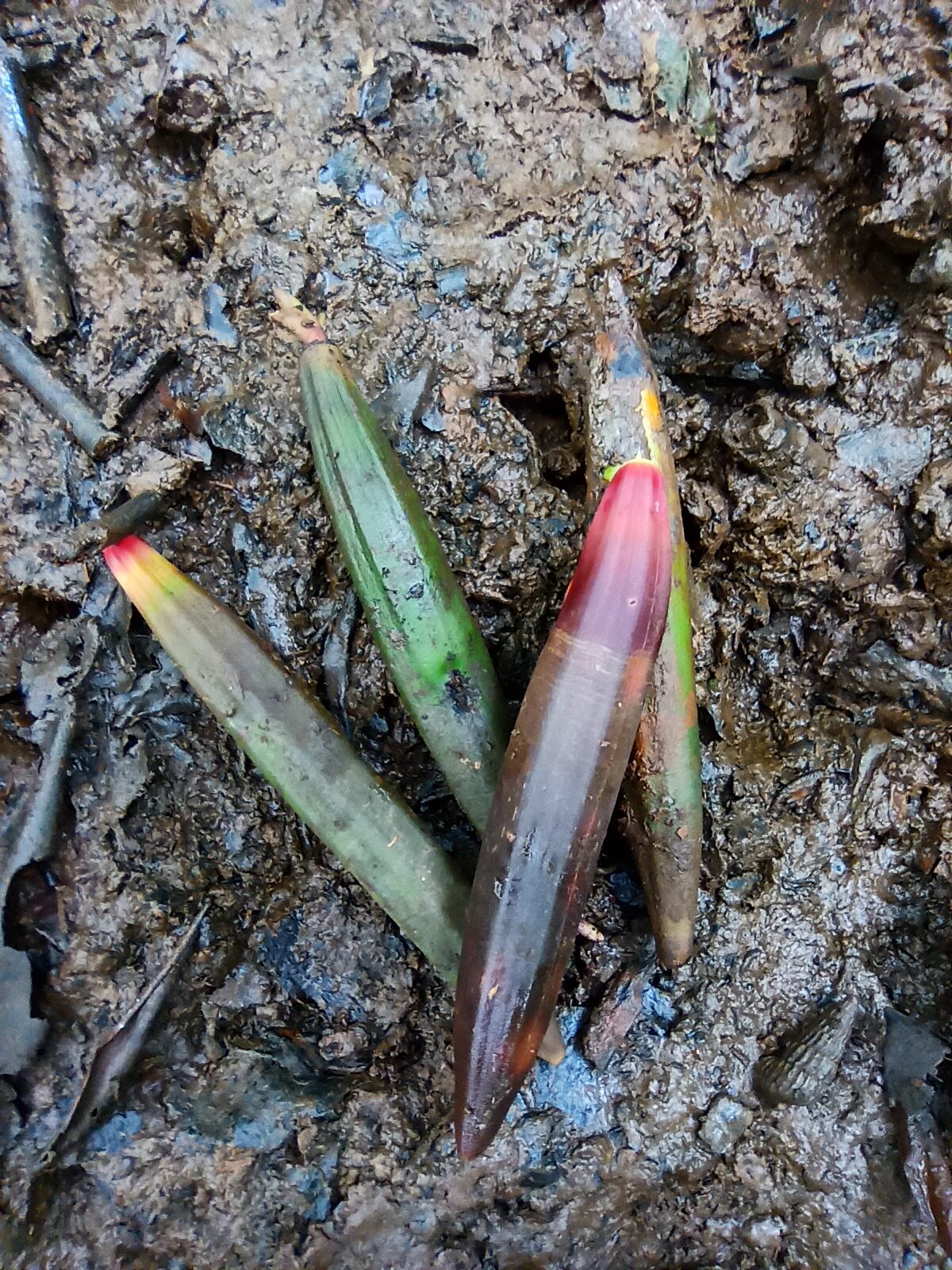
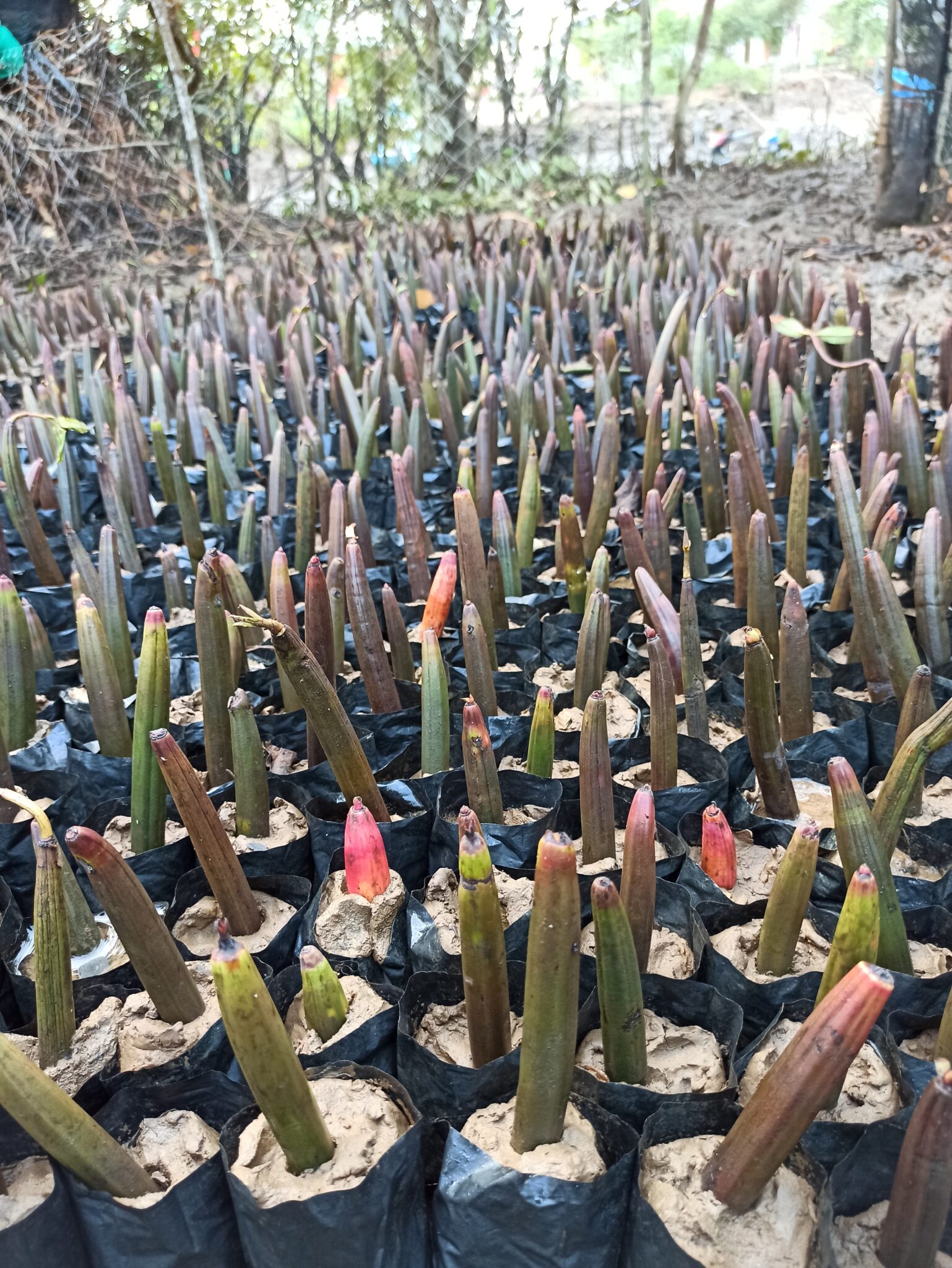
The inside part of their fruits or hypokotyl can be processed into various snacks or sweets.
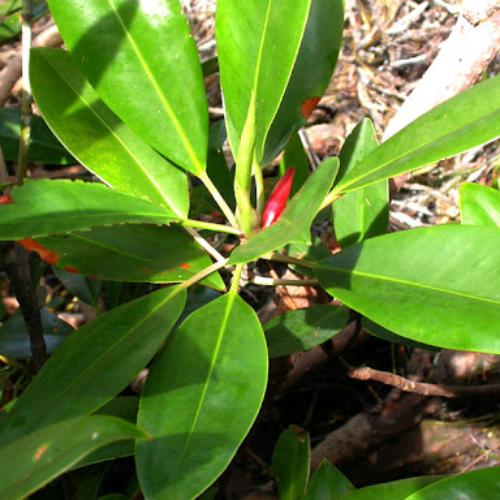
Their young leaves also can be processed into food.
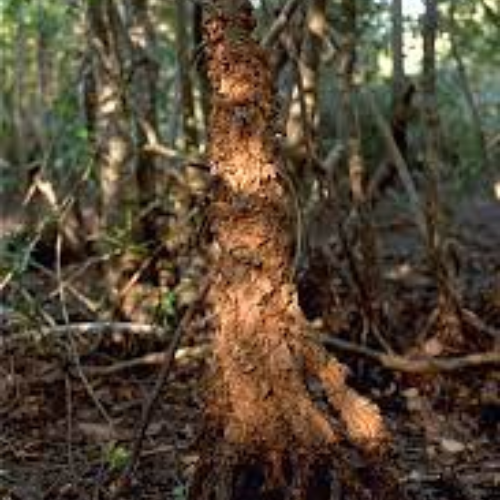
Their barks are often used as a traditional medicine to treat diarrhea, fever, and skin burns, and are believed to prevent malaria.
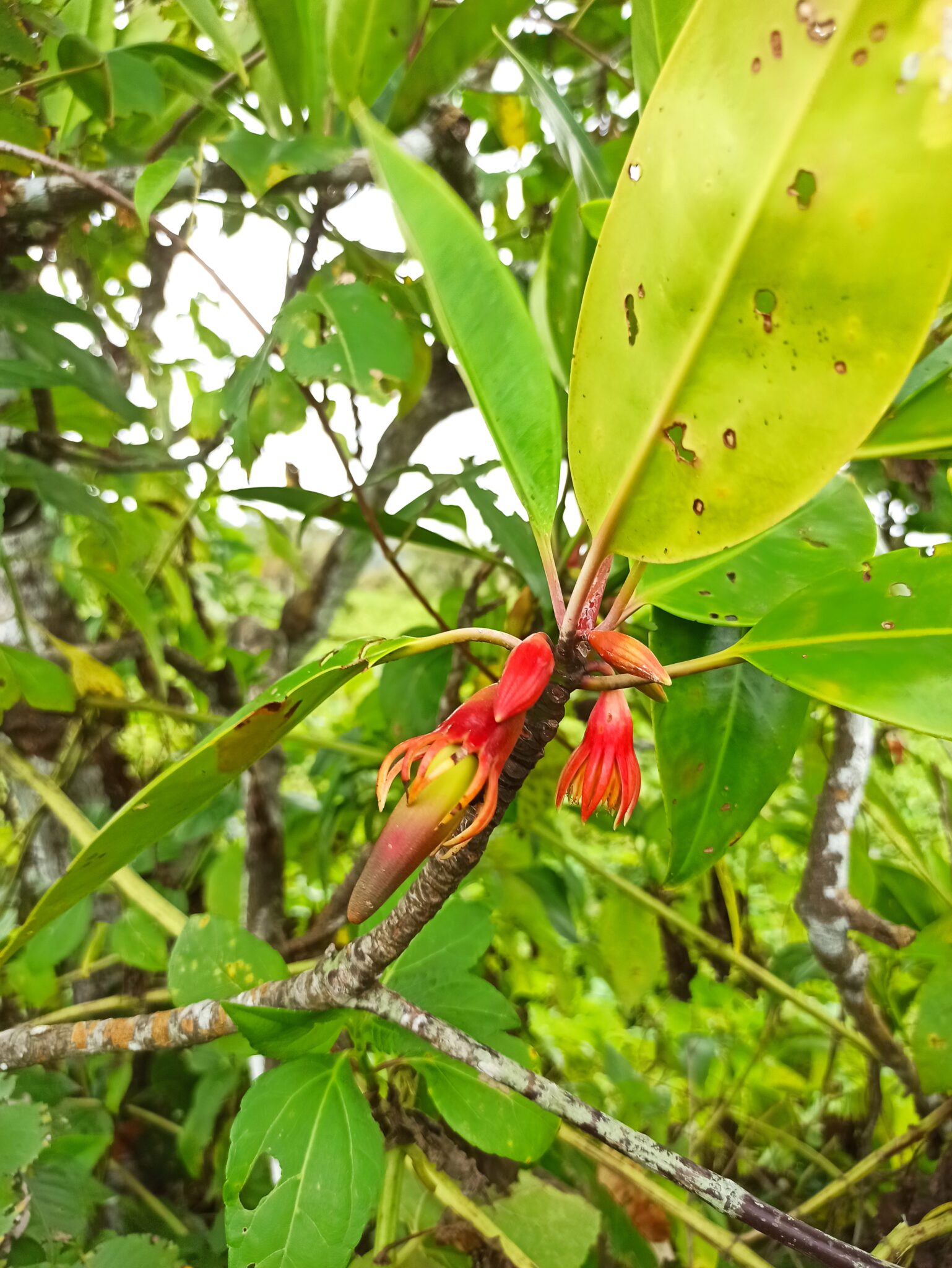
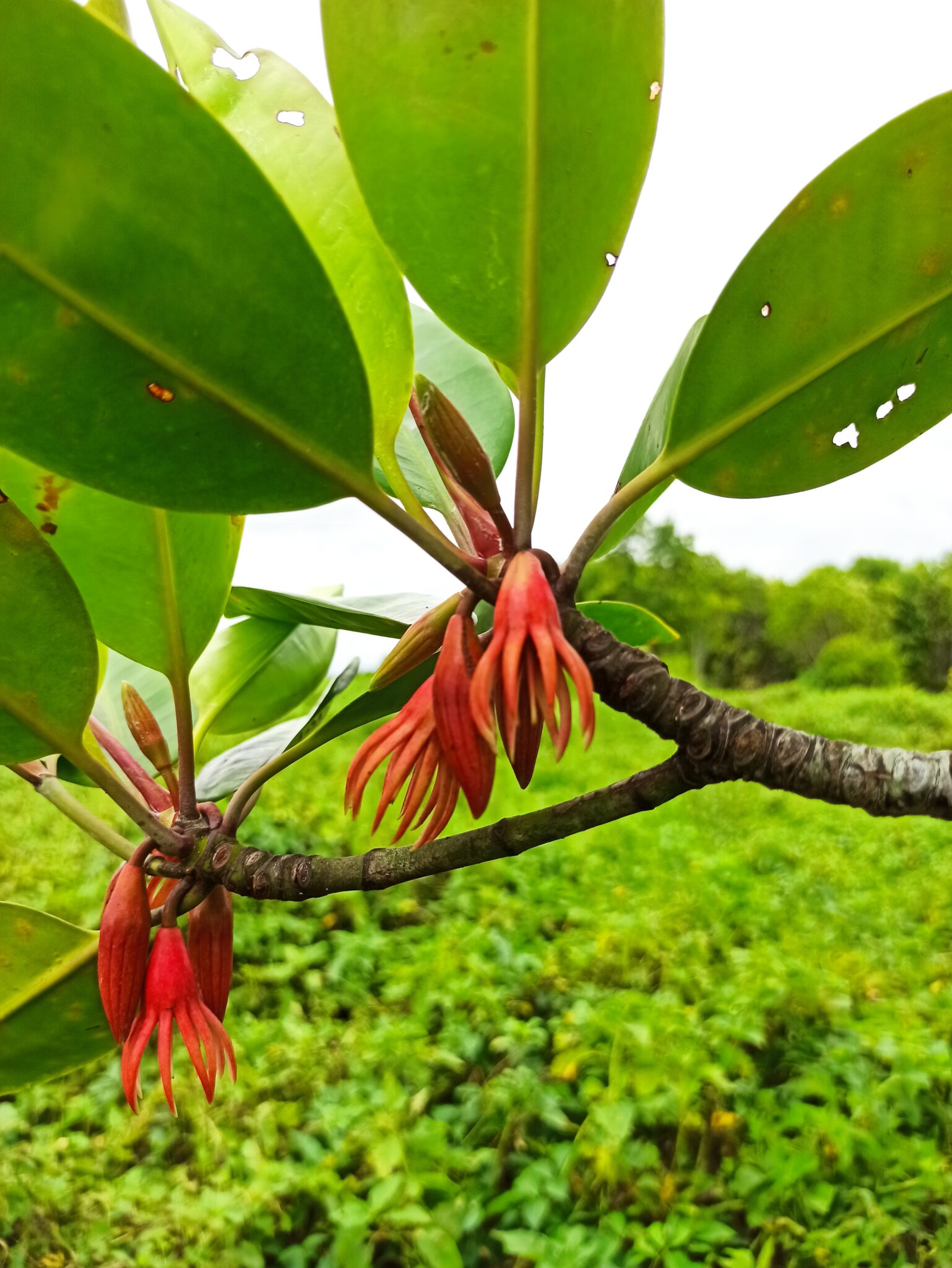
- They have big flowers with reddish color crowns and attracts birds for pollinating
- Their flowers and fruits bear all year round
- Their roots look like bent knees as its characteristic.
- In Taiwan, this species has become extinct
The fruits are a source of food, especially for the Sowek people on Supiori Island in Papua, Indonesia, where they are included to staple food.