

Support Biodiversity
Provide homes for more than 20 bird species, including the rare bird species of Indonesia like Javan hawk-eagle, and endemic primate, like the Javan gibbon (owa jawa).

Shading
Rasamala trees thrive naturally in mountainous areas at altitudes of 1,000 to 1,200 meters above sea level, making them ideal shade trees for agroforestry in highland.

Preventing Erosion and Enrich Soil
Rasamala trees have strong roots that help stabilize the soil and prevent erosion and landslides, especially in areas with unstable ground. Their roots also enrich the soil and support the growth of nearby trees.

Carbon Sink
Rasamala trees contribute as effective carbon sink, as the trees can sequester significant amount of carbon dioxide from the atmosfer and reduce the effect of greenhouse gasses.
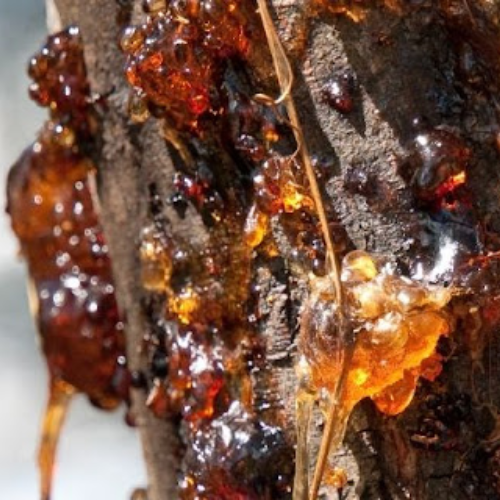
Aromatic Resin
The trees produce aromatic resin commonly used as a room fragrance, providing a source of income for local people
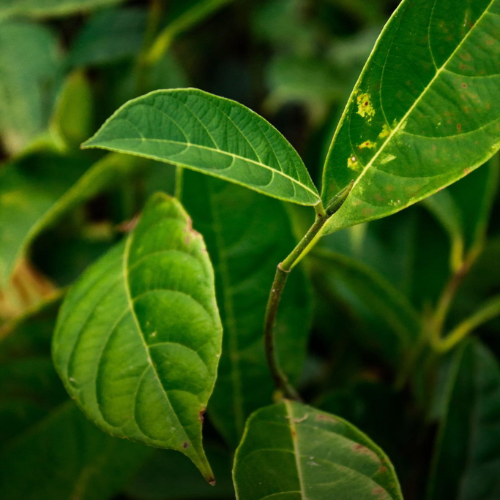
Leaves
The leaves can be grinded as an expectorant to cure cough
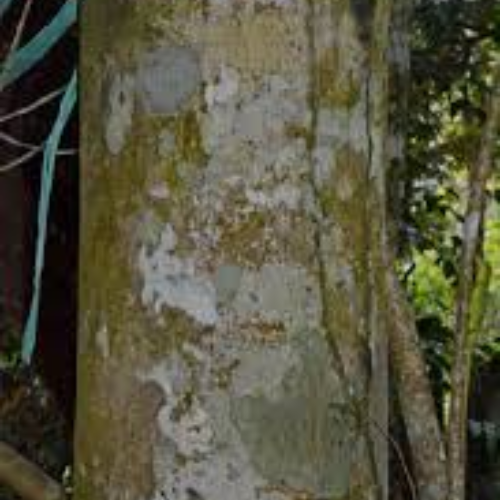
Timber
Its timber is used in heavy construction, vehicle bodies, ship and boat building, heavy flooring, rafters, veneer, plywood, and pulp.