Rudrakhsa (Jenitri)
Elaeocarpus ganitrus
Rudrakhsa (Jenitri)
Elaeocarpus ganitrus
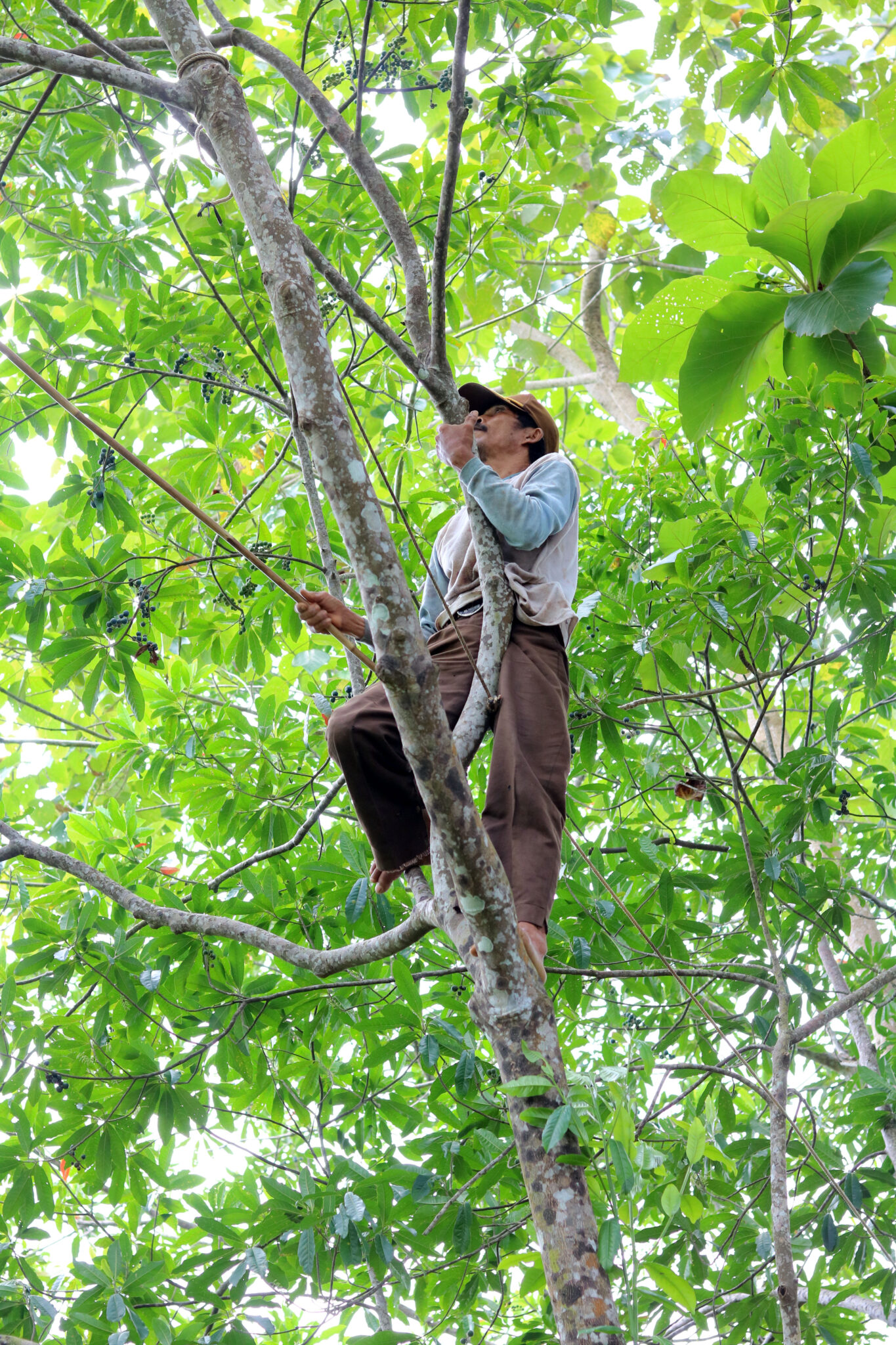
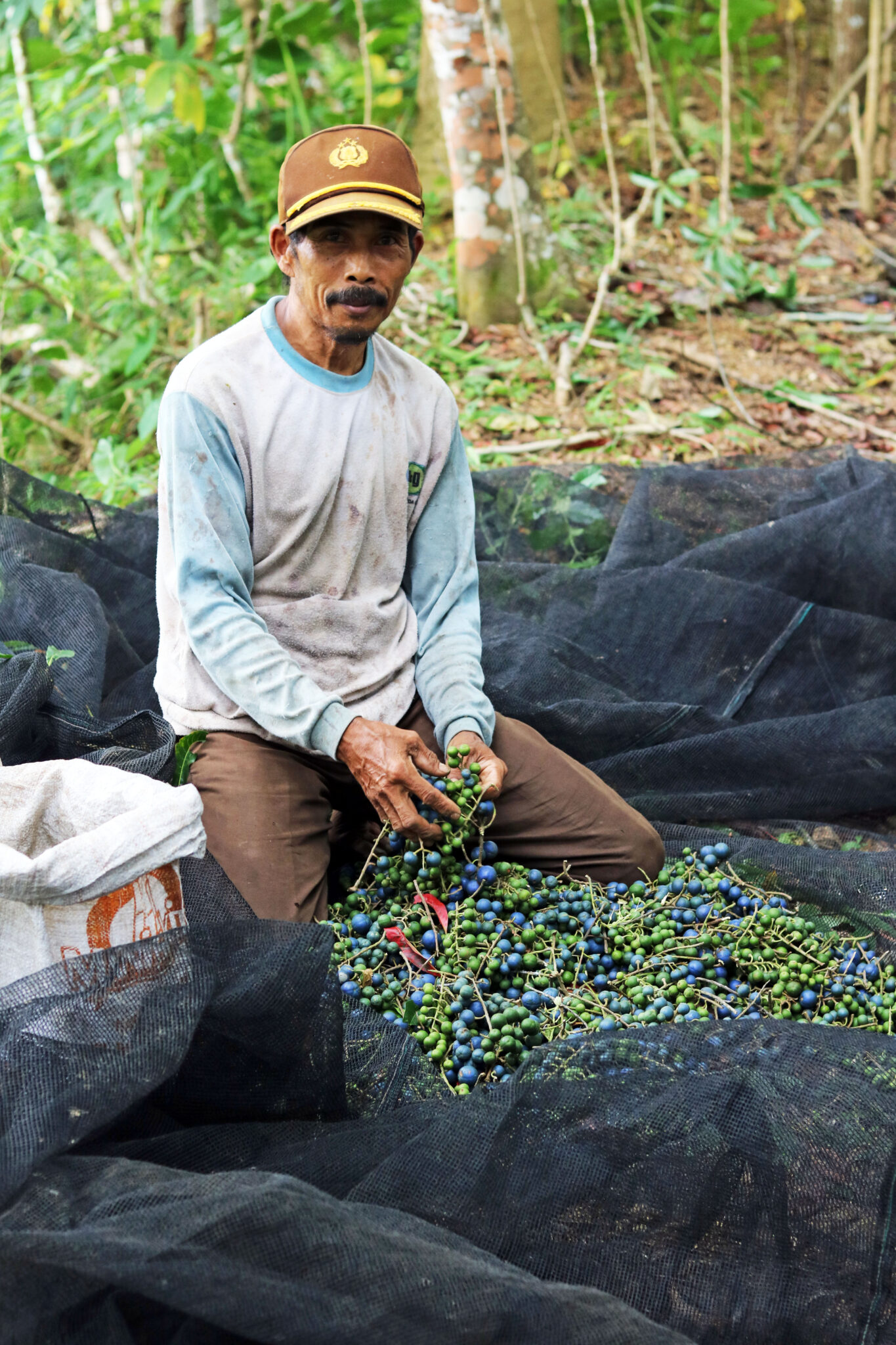
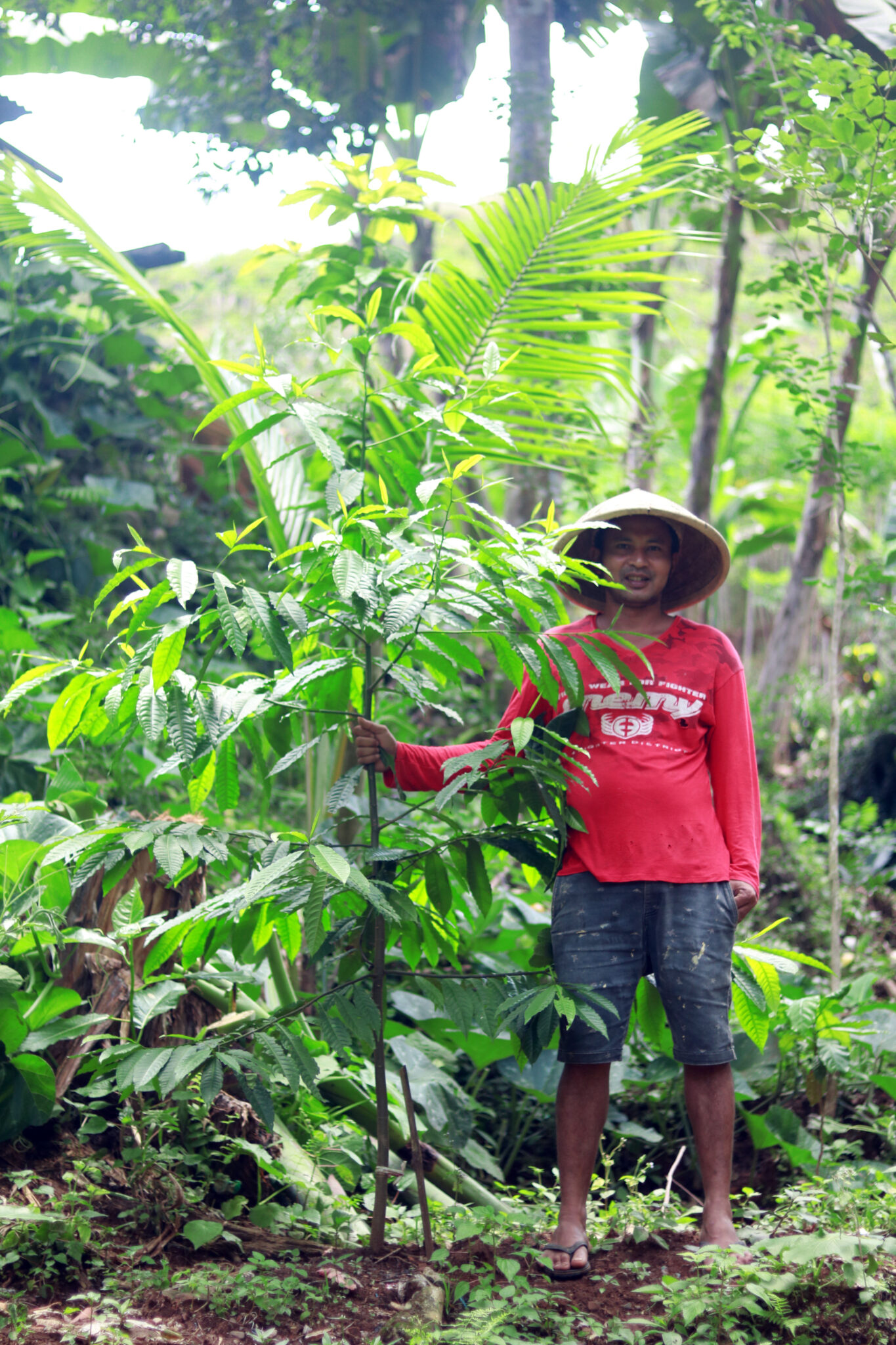
Rudraksha tree or Elaeocarpus ganitrus is revered in India – the Sanskrit name comes from the hard, spherical stones of its fruit, which holds cultural and spiritual value to some religion. The seeds of the rudraksha tree have been used for thousands of years for ritualistic, spiritual, and traditional medicinal purposes. We have planted numerous rudraksha trees, especially in Kebumen, to contribute to the local community’s economy by harnessing the benefits from the dried fruits.
Environmental Impact
Tree Usage
Elaeocarpus ganitrus
Rudraksha
Ceylon-olive, Ganitri, Klitri
Elaeocarpaceae
Least Concerned
Each mature tree can adsorb 221 Kg of carbon
The genus Elaeocarpus is spread over distinct regions in Himalayan foothills, Southeast Asia, Nepal, Indonesia, New Guinea to Australia, Guam, and Hawaii
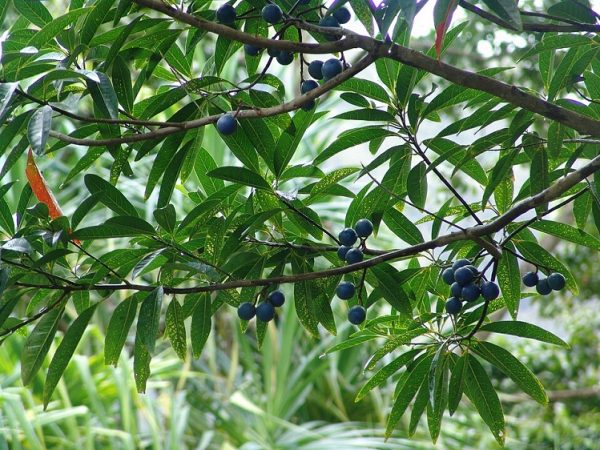
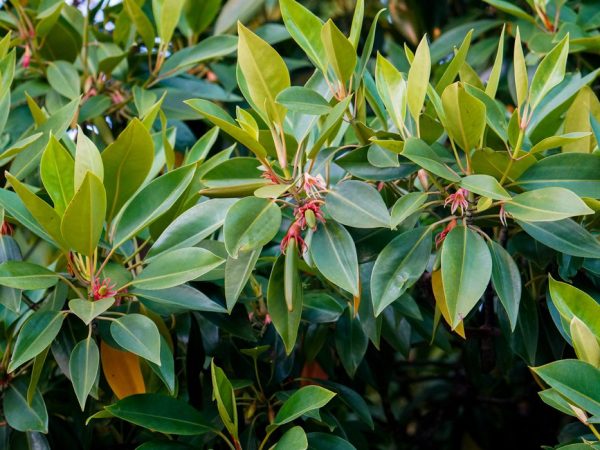
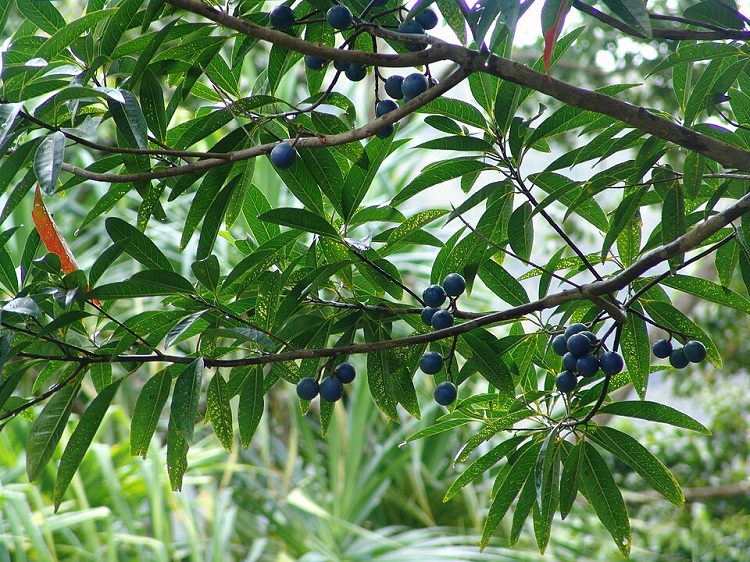
The Rudraksha tree is a seed plant that can grow to a height of 25 to 30 meters. It has a straight, cylindrical, brown trunk with a rough texture and sympodial branches.
Rudraksha trees grow best in temperatures between 21–29°C and are susceptible to cold weather. They prefer well-draining, fertile soil that is rich in organic content.

Rudraksha fruits contains analgesic which is effective to relieve pain and anti-inflamatory properties.
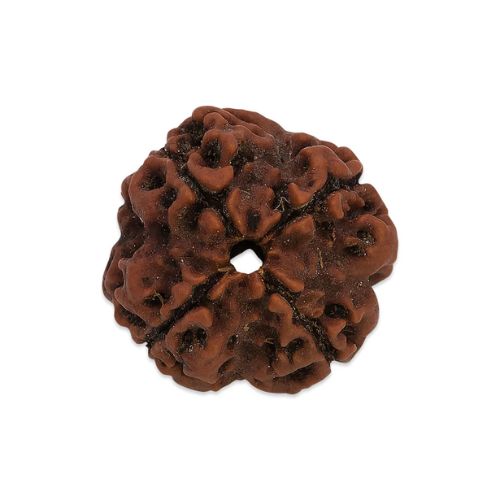
The spherical dried fruits are commonly used as prayer beads by Hindus, Buddhists, and Sikh making them a highly prize commodity. Rudraksha beads are also said to promote overall well-being and protect from negative energies, boost immune system, and have calming effects which believed can treat stress, anxiety, and hypertension.

- The name rudraksha comes from the Sanskrit words rudra, which is another name for Shiva, and aksha, which means tears. The name means the tears of Shiva.
- Their value lies in the distinctive whirling patterns of their dried fruits (called mukhi). The more patterns on it, the more expensive it becomes.
- 75% rudrakhsa fruits in the world comes from Indonesia.
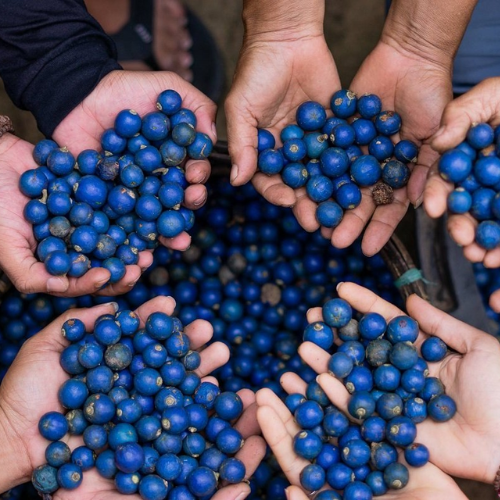
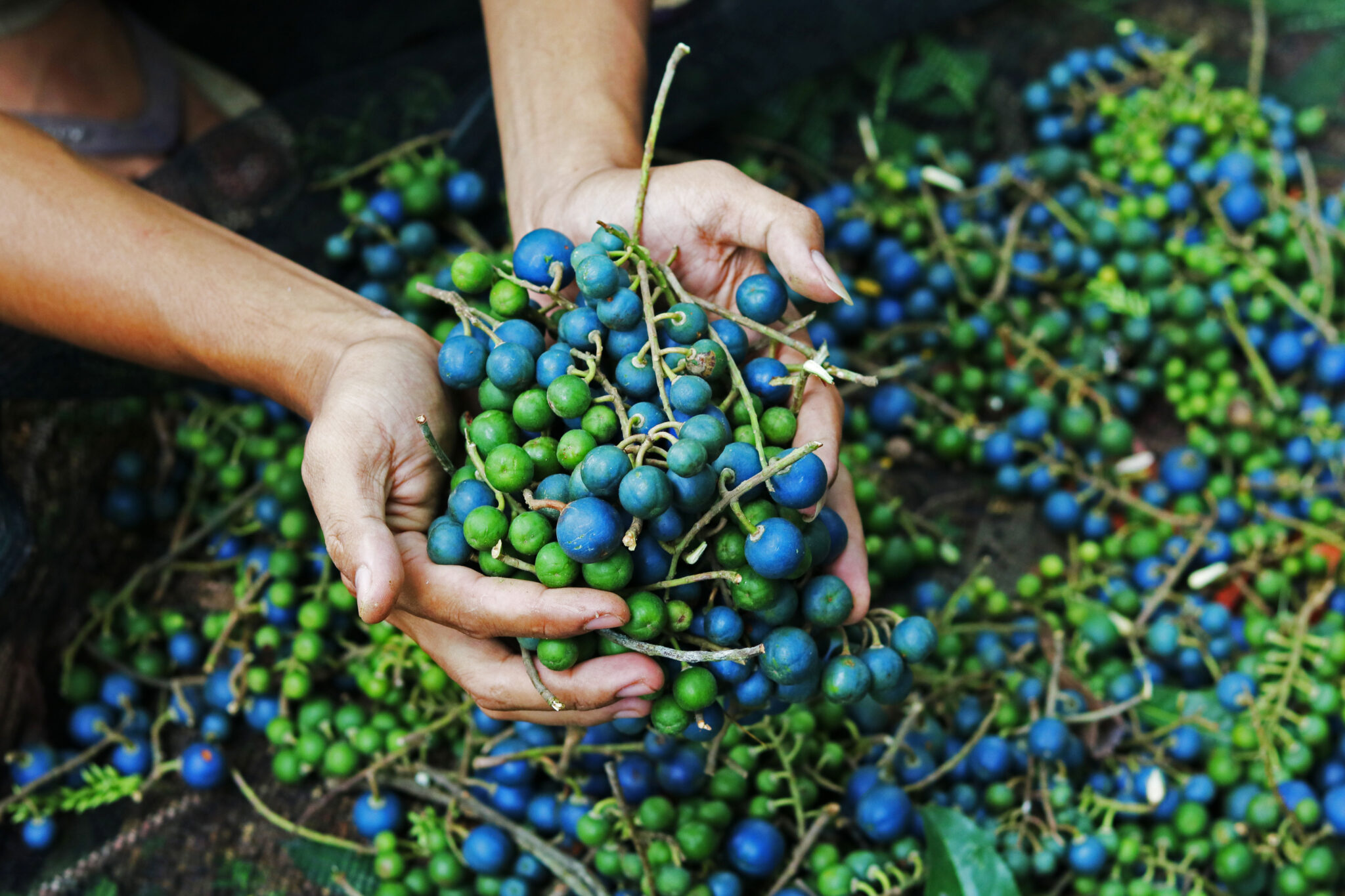
- When ripe, they’re covered by an iridescent blue outer fruit, which gives them their other name: blueberry beads.