Teak
Tectona grandis
Teak
Tectona grandis
Teak or Tectona grandis which in Indonesia well-known as pohon jati is a slow-growing tree, taking 25 to 50 years to reach its maturity. However, mature teak trees are valuable for their carbon sequestration and water conservation abilities. While they are relatively drought-tolerant and thrive well in dry, water-scarce areas, they still require adequate moisture, especially during their early growth stages.
Environmental Impact
- ✔Biodiversity Support, ✔Carbon Sequestration, ✔Reforestation, ✔Soil Conservation
Tree Usage
- Economic, Food, Medicinal
Tectona grandis
Teak
Jati (Indonesia), Teca (Portugese), Tekku, Teku, Tegu (India)
Lamiceae
Endangered
Each mature tree can adsorb 481 Kg of carbon
India, Indonesia, Laos, Myanmar, Thailand
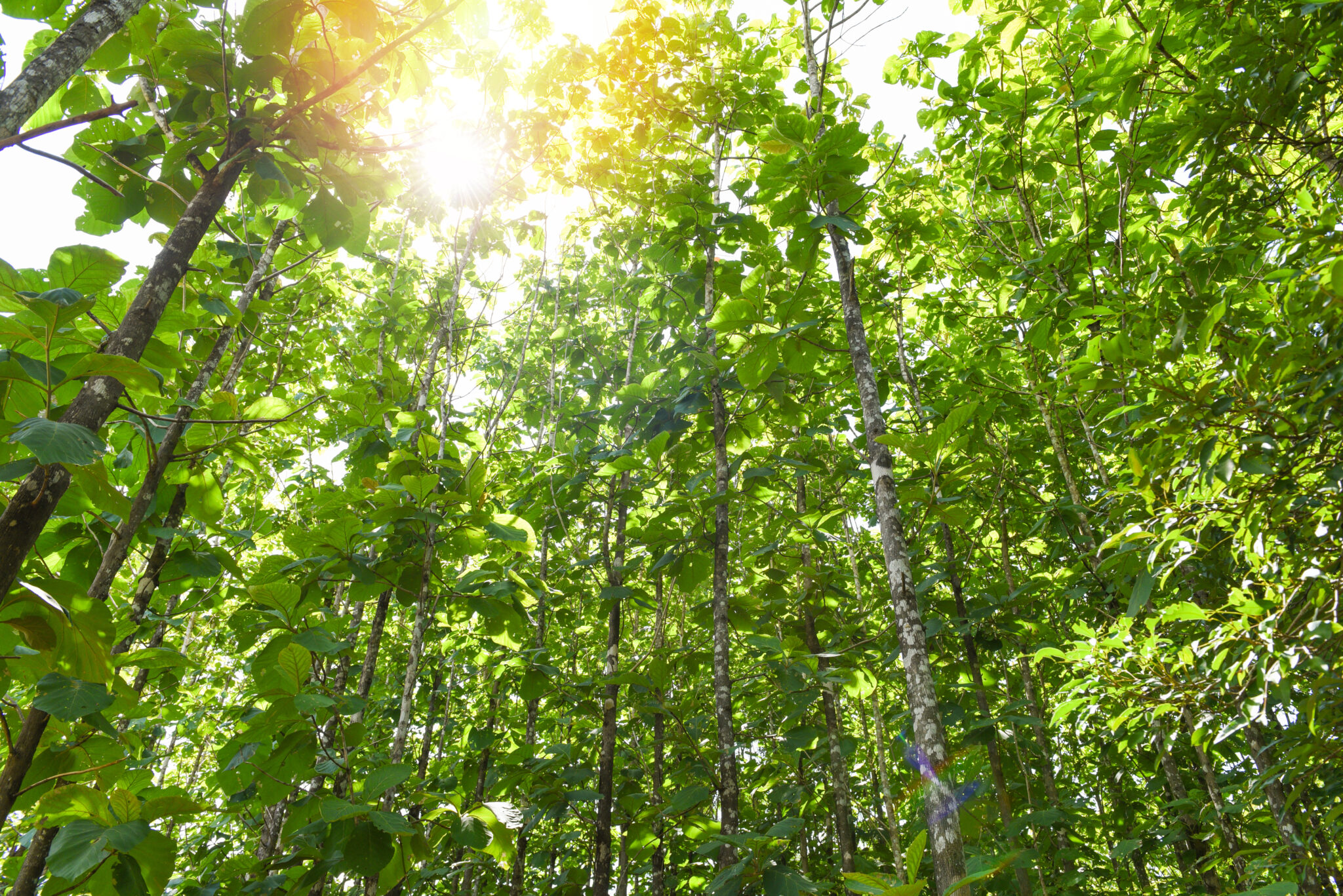
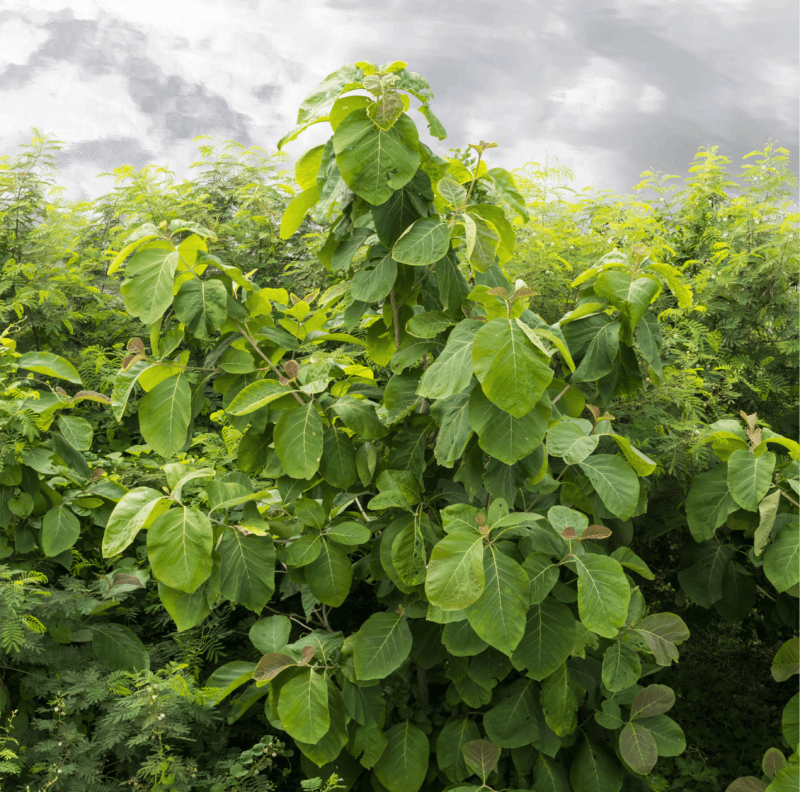
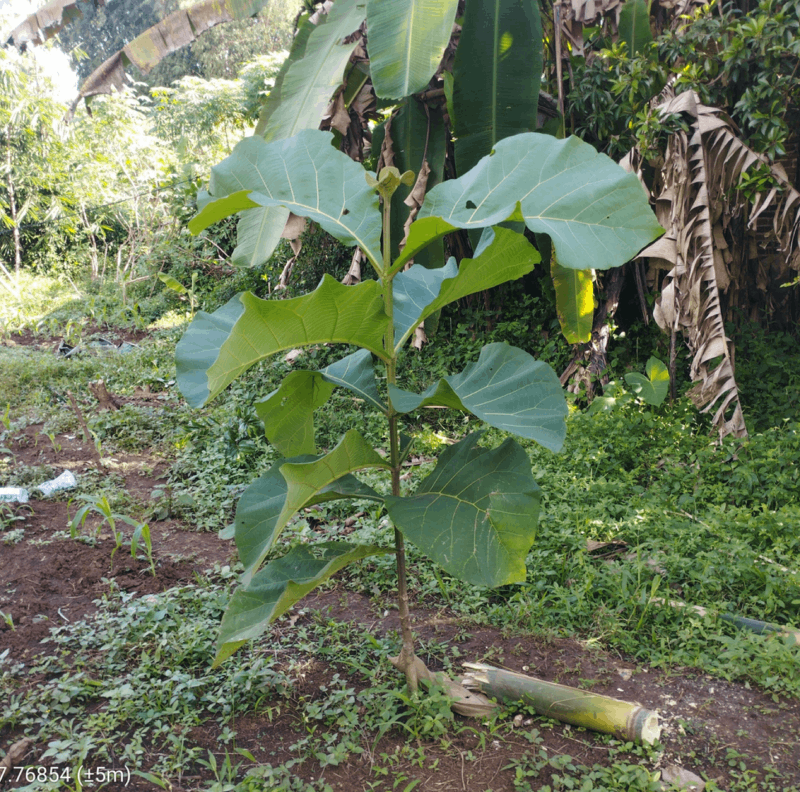
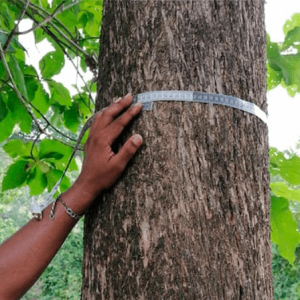
This is a large deciduous tree. It can grow over 30 meters tall in ideal conditions. Its open crown has numerous small branches. The trunk is often buttressed and fluted, extending up to 15 meters before the first branches and reaching a diameter of up to 1 meter at breast height
Thrives across a wide range of climatic and soil conditions, from 0 to 1,200 meters in elevation, with an ideal mean annual temperature of 14–36°C. It grows best with annual rainfall between 1,200–2,500 mm, but still can survive in conditions ranging from 600 mm to 4,000 mm per year.

Teak wood is known as one of the best building materials, used for houses, bridges, water-exposed structures like docks, and furniture. Thanks to its durability, high quality, and stability.
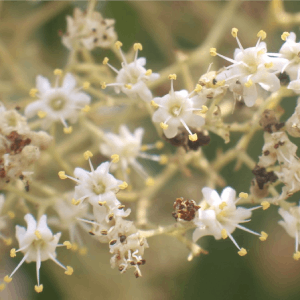
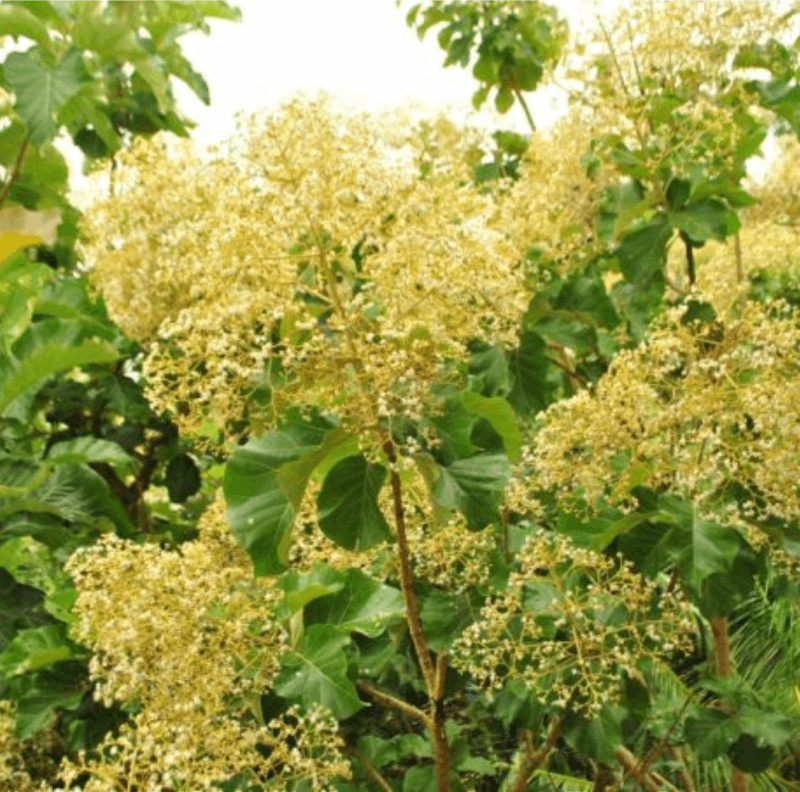
Teak flowers produce fragrant yellow-white flowers that attract pollinators, including honey bees. They will collect nectars from teak flowers during blooming season and contribute in natural honey production in teak forests.
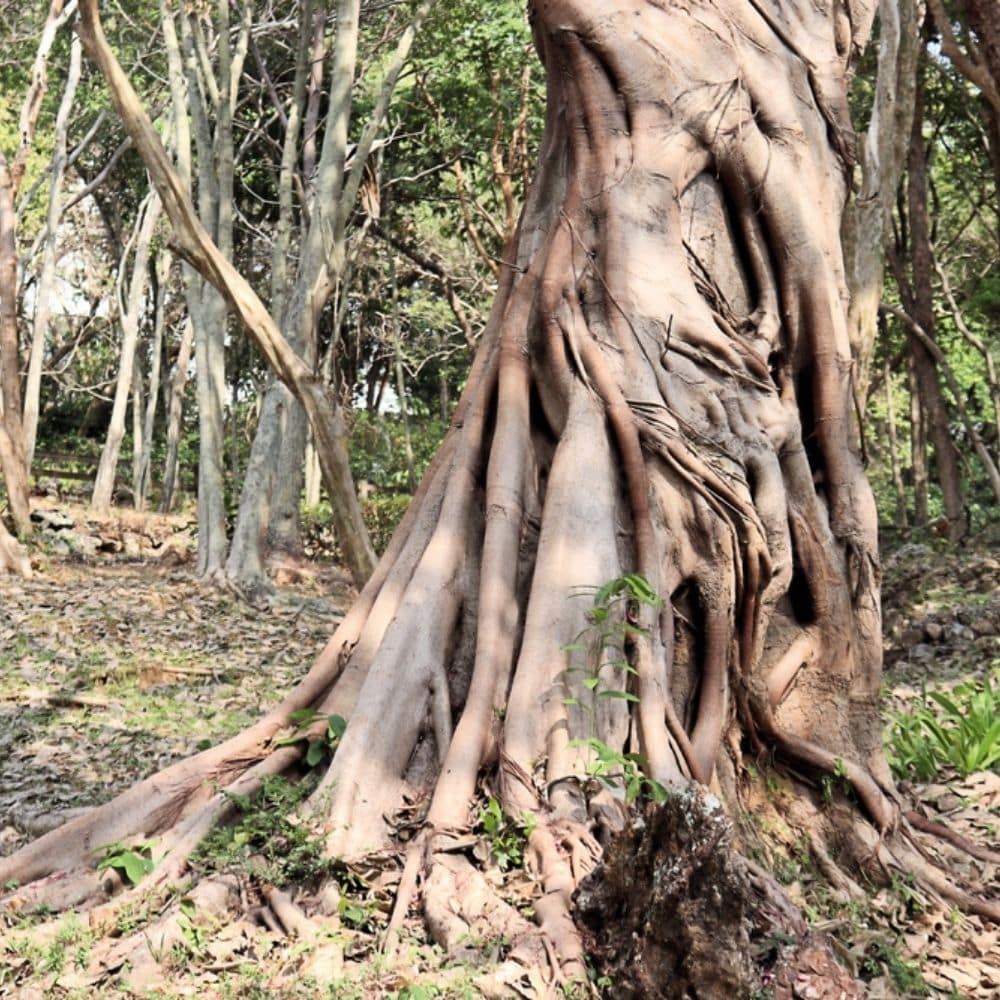
Ecologically, teak forest supports soil fertility due to their roots are wide and deep, allowing water and air to go down to the ground easier.
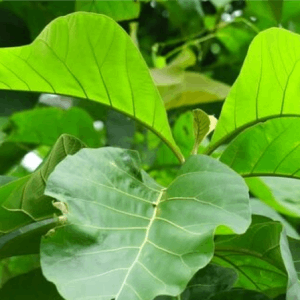
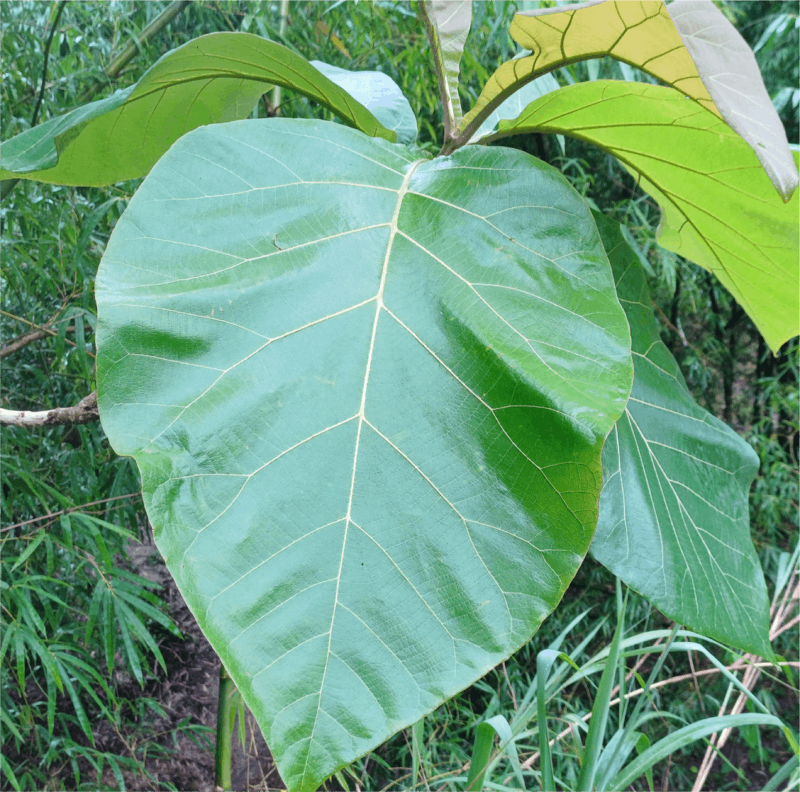
Teak leaves are multipurpose. Their durability makes them ideal as natural food wrappers, and they can also produce a reddish-brown natural dye. In traditional medicine, teak leaves are believed to help treat respiratory illnesses such as coughs, colds, and bronchitis.
- Teak is the only tree that has a natural anti-termite substance called tectoquinon.
- A hectare of teak forest with 10-year-old trees can sequester 170-ton carbon and provide a large amount of oxygen.
- The oldest teak tree can be found in Kerala, India with 47.5 meters tall and its age between 400 – 500 years old.
- Teak leaves are commonly used in Indonesia to wrap various foods, including snacks and rice. They add a distinct aroma that enhances the flavor of the food. They also naturally keep the food quality.
- In Indonesia, the young teak leaves
- are used as natural dye for batik (Indonesian traditional cloth), producing a reddish-brown color.
- Teak bark and leaves are valued in traditional medicine in both India and Indonesia for their antioxidant and antibacterial properties.