Balancing Industrial Growth with Urban Forest Planting

From electricity consumption and infrastructure development to manufacturing and distribution, the industrial sector stands among the world’s largest contributors to greenhouse gas emissions. According to the United Nations Industrial Development Organization (UNIDO), direct industrial emissions account for nearly 22% of total global emissions, while indirect emissions – from electricity and industrial heat – contribute another 31%. This places the industrial sector at the center of the climate challenge and makes it a priority for emission reduction. 

Recognizing this responsibility, Jaya Obayashi has strengthened its commitment to balancing industrial growth with environmental protection through sustainability-driven initiatives. Hardy Tekyawan, a member of the company’s Board of Directors, explained the company not only complies with ISO 14001 international environmental management, but also strives to go beyond compliance by taking direct action. 

“Our parent company is deeply committed to sustainability and, as a construction subsidiary, we are encouraged to actively contribute as well. It’s no longer just about meeting regulations, but about taking part in real environmental action,” he said

Turing Commitment into Action: 500 Trees for Urban Forest Expansion 

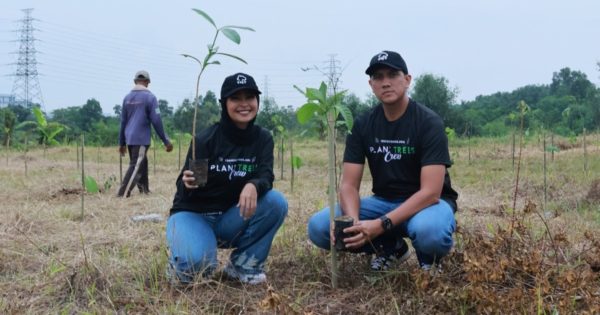
As part of their ongoing sustainability efforts, Jaya Obayashi has committed to expanding the urban forest located within the Greenland International Industrial Center (GIIC) area in Cikarang, West Java – one of Indonesia’s largest and most active industrial hubs in the Greater Jakarta region. With support from Trees4Trees, Jaya Obayashi recently planted 500 trees in this location. 

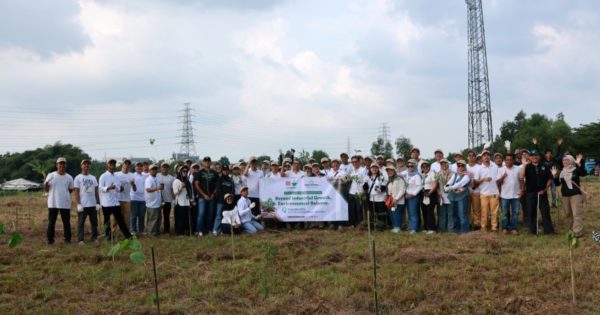
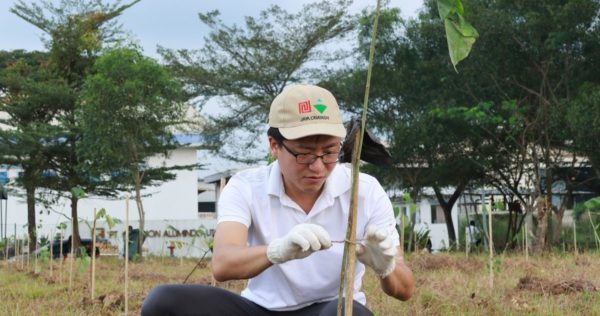
Kentaro Miyashita, Jaya Obayashi’s General Affairs Admin Advisor, confirmed that over 50 employees from various divisions took part in this initiative as planting volunteers. “Every year, we improve and strengthen our sustainability program, while also encouraging more staff to connect to environmental protection efforts,” he said. 

Hardy added that the company’s approach to sustainability applies across all business levels, from head office to project sites. “Our internal engagement must be strong, so everyone consciously participates in environmental responsibility.” 

Balancing Industrial Growth with Urban Forest Planting
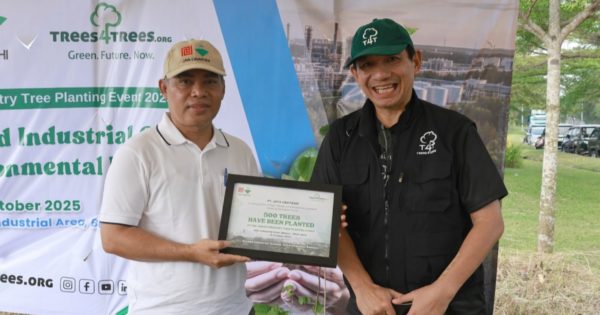
Hardy (left), a member of the Jaya Obayashi Board of Directors, receives a tree-planting certificate from Trees4Trees’ Director, Pandu Budi Wahono.

Beyond Compliance: Annual Sustainable Programs 

Ramdan and Tasya, from the Jaya Obayashi Corporate Communications and Legal team, also explained that urban reforestation is one of several environmental programs which the Company carries out on a regular basis. “In addition to this tree-planting activity,” explained Ramdan, “we also conducted mangrove planting from 2022 to 2024 and have continued our upcycling program for old employee uniforms.” 

Both went on to emphasize that these efforts are designed, not only to address environmental impact, but also to build a culture of awareness within the organization. By engaging and involving employees, the company aims to strengthen environmental consciousness through practical action. 

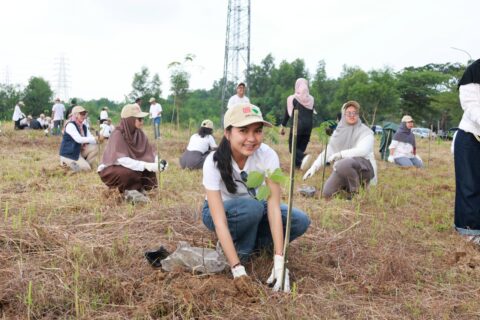
Jaya Obayashi staff plant trees
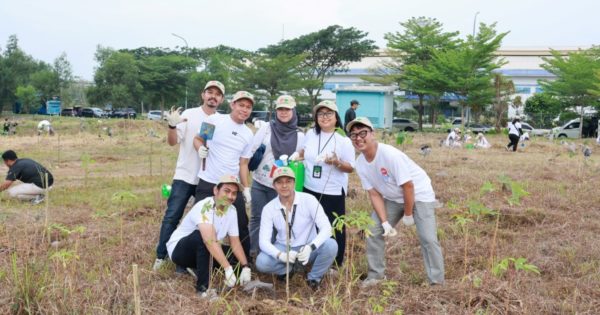
(Above) Ramdan (crouching in the center) and Tasya (second from the right), together with other Jaya Obayashi employees finish planting trees in a plot of land within the GIIC industrial area. (Below) Over 50 members of staff from Jaya Obayashi join in the tree-planting activity.

Jaya Obayashi staff plant trees

Reversing the Damage, Contributing to Climate Action 

The urban forest planting initiative forms part of Jaya Obayashi’s broader vision to help restore the ecological function of industrial landscapes – areas often exposed to higher temperatures, increased emissions, and land degradation. Tree planting serves as a way to mitigate ecological stress while contributing to positive climate action.

“We all know that global warming is worsening,” says Ramdan. “Through initiatives like this, we are aligning our efforts with the UN SDGs by taking real action.” The company hopes the newly planted trees will provide long-term environmental improvements, while converting unused areas into green buffer zones. 

Tomi Bustomi, Trees4Trees’ Regional Manager for West Java, explained that a mix of tree species was selected to accelerate canopy formation. “These trees sequester emissions and produce oxygen,” he said. “We use a combination of shade trees like rain trees along with fast-growing species such as gmelina, albizia, and cadamba to speed up greening and ecological recovery.” 

The event was also joined by Trees4Trees Green Ambassadors Tantri (Kotak) and Arda Hatna, whose presence brought extra excitement to the initiative. “The energy and enthusiasm were incredible,” said Tantri. “We hope these trees will help ease today’s climate challenges, growing into shade and absorbing emissions in this industrial area.” 

Their participation shows how collective action can inspire more people to take part in real climate solutions. 

Balancing Industrial Growth with Urban Forest Planting
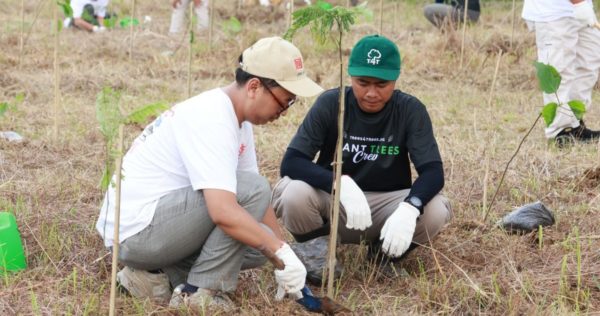
Tomi Bustomi helps a volunteer with the hands-on aspect of Jaya Obayashi’s tree-planting program.
Arda and Tantri plant trees with Trees4Trees
Arda and Tantri, Trees4Trees green ambassadors joined the tree-planting as volunteers.
A Sense of Peace and Purpose 

Hardy emphasized that the initiative is meant, not only to restore the environment, but also to demonstrate the value of trees to human life. “We love trees because they give us oxygen and support the well-being of humankind and all living creatures. I hope this program inspires others to follow a similar path,” he said. 

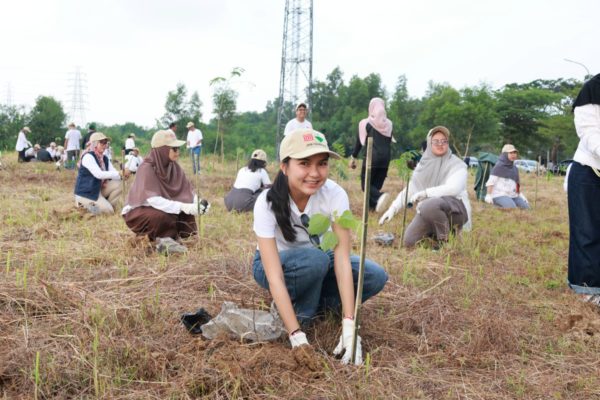
Jaya Obayashi staff plant trees
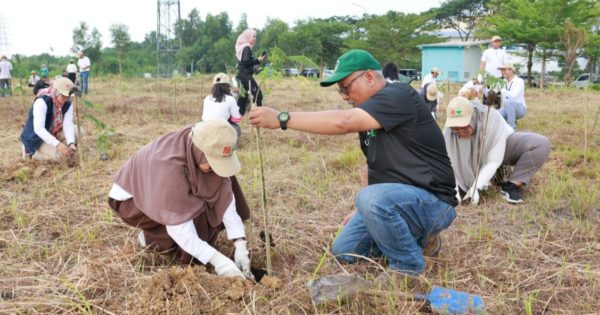
(Above) After planting each seedling, Kentaro braces them with a supporting stake, which will help them to grow tall and strong. (Below) Trees4Trees and Jaya Obayashi staff members, working together in the GIIC industrial area.

Balancing Industrial Growth with Urban Forest Planting

Sharing the same sentiment, Kentaro highlighted the cultural perspectives rooted in the company’s Japanese heritage. “Wooden houses are traditionally very common in Japan, so we naturally feel a cultural closeness to trees,” he explained. Trees, he noted, symbolize both beauty and life. “When we look at trees, they bring a sense of peace. The greenery is soothing to the eyes.”  

In closing, he emphasized that protecting trees today means protecting the future. Continuing planting and protecting trees is not just an environmental responsibility, but also a way of preserving life and culture for future generations. 

Writer: V. Arnila Wulandani. Photos: Yulianisa Dessenita 

Mekarjaya Village’s Farmers: Planting Forest, Sustaining Life

Mekarjaya Village’s

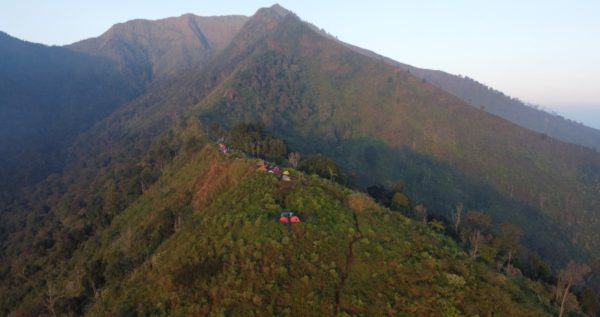
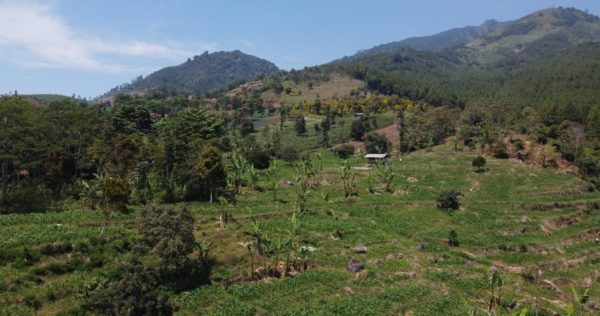
Nestled in the foothills of the Malabar Mountains in Bandung Regency – West Java, Mekarjaya Village lies surrounded by state forests and the towering 1,690-meter Sangar Mountain, which has drawn more visitors each year. This popularity has opened new opportunities of income for local communities through community-managed tourism. 

Yet, the beauty of the forest that visitors admire today exists thanks to the tireless dedication of local forest farmers who have spent years planting and nurturing trees to keep their land alive. Without their efforts, Mekarjaya’s forest could have suffered the same fate as many other parts of the Malabar range – degraded by land conversion and extensive logging. 

Sangar Mountain is located in the Mekarjaya Village in Bandung Regency, West Java.

Starting Greening Action Through Self-Reliance 

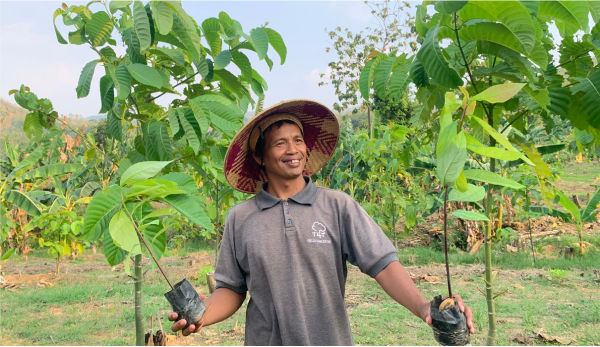
Asep, one of the village’s farmers, remembered how his journey began when he moved to Mekarjaya in 2018 and quickly joined the community’s reforestation mission. “I already had extensive experience in cultivating and planting trees since 2010,” he recalled. “Together with several local communities, we collected gmelina seeds from the streets to produce our own seedlings. Later, we grew thousands of trees and planted barren land around us.” 

With his experience, Asep became a strong supporter of Mekarjaya forest greening efforts. “Back then, we relied only on ourselves. We planted sandalwood, gmelina, eucalyptus – whatever we could – to protect the land we live, because much of the neighborhood forests were already gone,” he said. 

Mekarjaya Village’s
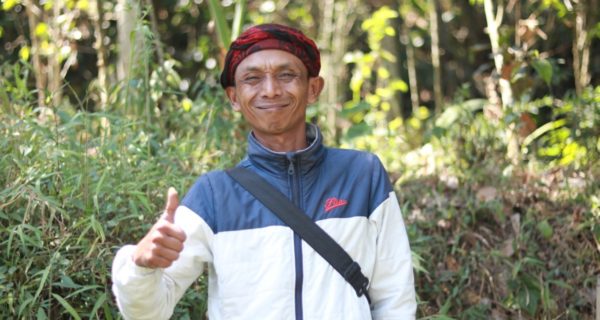
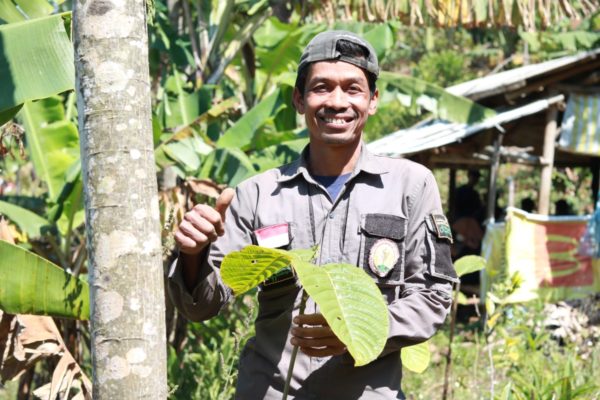
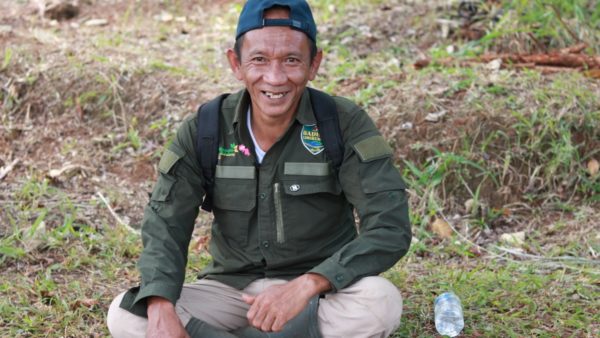
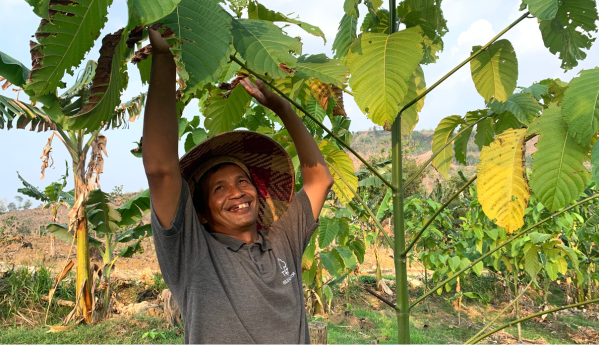
Asep, a forest farmer from Mekarjaya Village, began his green journey by cultivating seedlings on his own and taking the initiative to replant barren land.

Managing Forest Through Social Forestry 

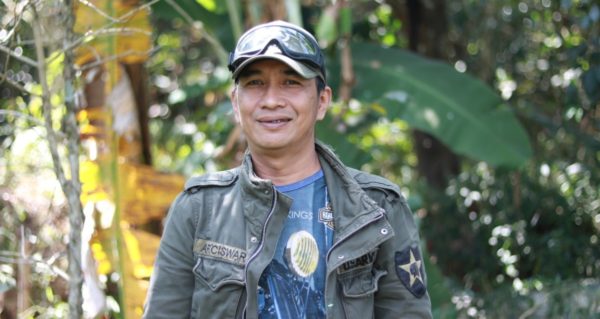
Alex, another forest farmer and leader of Mekarjaya Village’s social forestry group, shared how the community has taken collective responsibility to preserve the forest. Today, more than 100 villagers work together to manage around 140 hectares of state forest in their village.  

“We began looking after the forest in 2008, when the government first opened the opportunity for communities to manage it. But it was only in 2017 that we officially gained the right through the social forestry scheme,” Alex explained.  

Through this scheme, they hold a 35-year permit to manage the state forest – restoring and maintaining the land while being allowed to grow crops and fruit trees, but without cutting down forest trees. “Our responsibility is clear: restore and protect the forest by planting trees and keeping it healthy and lush,” Alex said. 

Since 2017, the villagers have held annual tree-planting activities as part of their commitment to forest preservation. “At first, we used our own seedlings,” Alex continued. “But over time, many nature lovers and hikers began donating trees. Their support has allowed us to continue planting new trees year after year.” 

Mekarjaya Village’s
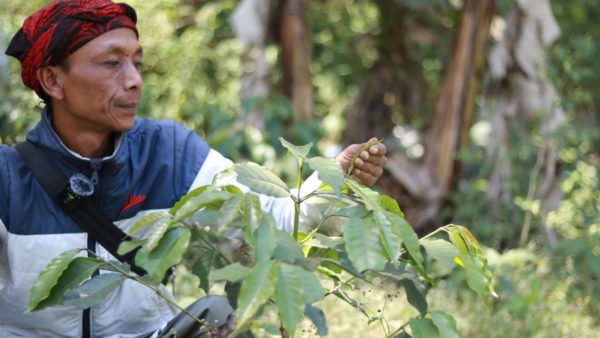
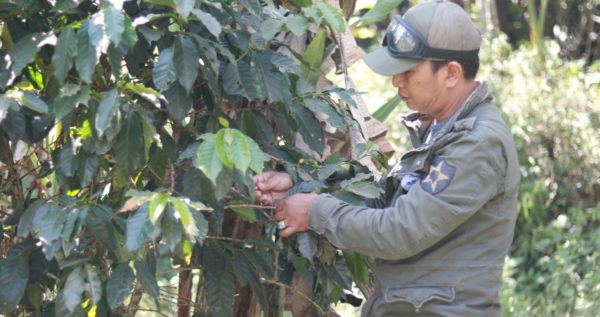
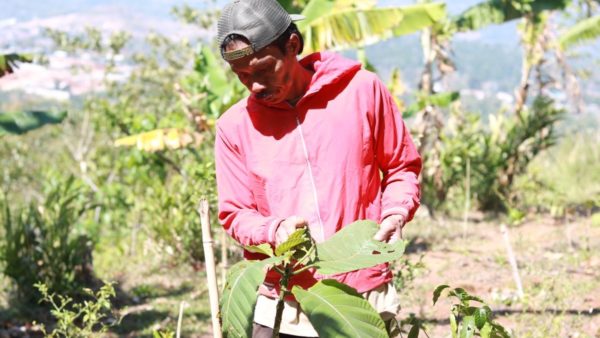
(Above) Alex, a social forestry community leader and forest farmer from Mekarjaya Village. (Below) Asep tending to his coffee trees.

Non-timber Harvesting and Preserving Native Tree Species 

The Mekarjaya forest is rich in native West Javan tree species. “We have puspa, rasamala, saninten, ki semut, and many other tree species,” Alex said. To protect ecological health, the farmers prioritize hardwood and native trees, while for economic benefits, they grow multipurpose and fruit species.  

“We mainly plant coffee to gain economic benefit, as it has high demand and this land is perfect for it,” Alex explained. “We also grow jackfruit, bitter bean, and avocado to harvest non-timber products.” Similarly, Asep focuses on cultivating non-timber trees such as coffee, sapodilla, and bananas. “I also grow damar pine trees – once they mature, they provide shade, while I can harvest their sap,” he added. 

Another farmer, Sutajaya, has chosen a different path. He focuses on creating an arboretum of native trees to support tourism and education. “As Sangar Mountain attracts more hikers, I established an arboretum where visitors can learn about biodiversity while climbing to the mountain,” he explained. 

Mekarjaya Village’s
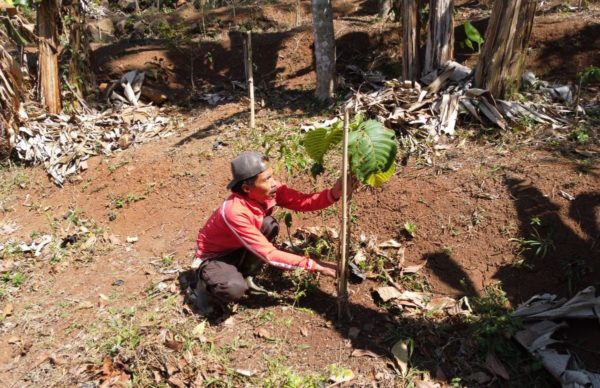
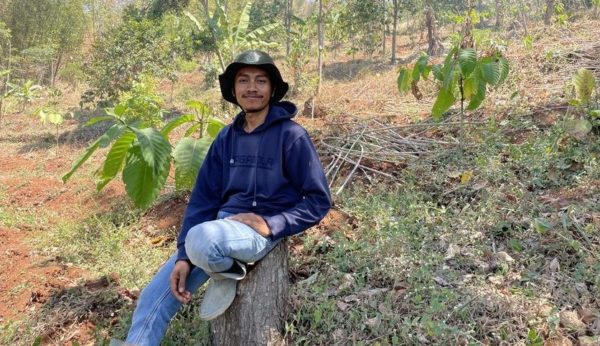
Sutajaya is preparing to take care of the trees he planted in the arboretum he established, deep in the forest.
Trees4Trees Support: Planting Trees Empowering Communities 

In 2021, when Trees4Trees and TREEO launched a tree-planting initiative, farmers in Mekarjaya eagerly joined the program. Around 30,000 trees were distributed, accelerating reforestation and creating a healthier and more resilient forest. 

“This program truly helps us, as the trees allow us to restore our forest more quickly and enhance economic benefit for local forest farmers,” Alex said. While for Sutajaya, the program goes beyond economic benefits. “As the trees grow bigger and stronger each day, they provide oxygen and restore balance to the ecosystem. Native species are thriving, creating habitats for wildlife while improving air and water quality. For me, that’s the most important benefit,” he reflected. 

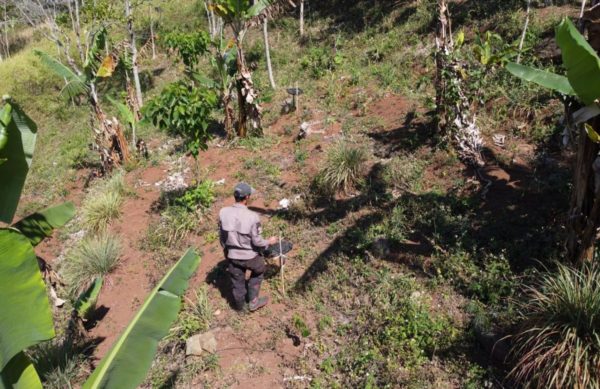
A view of the state forest in Mekarjaya Village from afar, where local farmers have planted trees.

Together, the dedication of local forest farmers and the support from initiatives like Trees4Trees and TREEO are breathing new life into Mekarjaya’s forests. What was once threatened by degradation is now transforming into a thriving ecosystem that not only safeguards biodiversity but also sustains the people who depend on it. “Those trees make our forest more abundant. They hold immense ecological and economic value that sustain our environment and strengthen the lives of our community,” Alex said.

Writer: V. Arnila Wulandani. 

Eco-Friendly Farming: Cicalengka Farmers Move Beyond Timber Logging

Eco-Friendly Farming

For farmers in Nagrog Village, Cicalengka District, West Java, farming is not just a job that fulfills their daily lives, but a cultural heritage passed down through generations. Most of them inherit family land, which they manage by growing crops and trees. They harvest and sell their yield, providing them with a decent livelihood.  

Traditionally, crops like chili, banana, citronella grass, clove buds, and some vegetables formed their primary harvests. They also cultivated trees like burflower (jabon), gmelina, and albizia (sengon), earning income by logging and selling the timbers. However, in recent years, many of them have recognized the need to adopt more environmentally friendly practices to secure their livelihood for the future. 

Trees
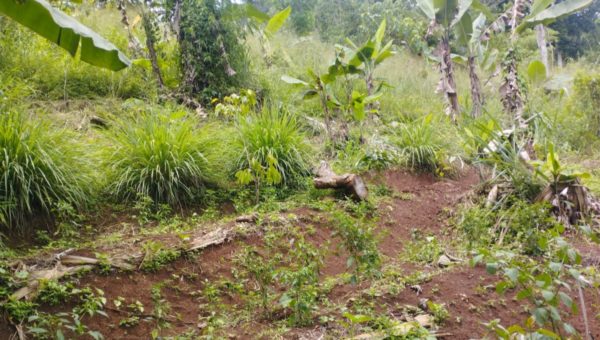
Crops like citronella grass, bananas, and vegetables are typical crops planted in farmers’ lands.

From Harvesting Timber to a New Eco-Friendly Farming Model 

“Logging trees for timber is an outdated way to earn income,” said Faisal, one of Nagrog Village’s farmers. “For us, cutting down the trees and selling the timber is a thing of the past. We’re transitioning to a farming model focused on growing trees without cutting them down. Tree cover is essential for preventing erosion and controlling rainwater runoff in our village,” he explained.  

In recent years, the farmers in Nagrog Village have united to create a greener future. As an initial step, they have shifted their focus to cultivating more trees and crops, prioritizing the sustainable harvest of fruits and leaves over cutting timber.

Eco-Friendly Farming
Faizal took a rest after working on his land in Nagrog Village

Maximizing Cloves and Citronella Grass 

Clove trees and citronella grass are the main crops they cultivate lately. “Clove buds fetch a good price in the market. It’s 80,000 rupiah per kilogram,” shared Agus, another farmer. “Citronella grass grows exceptionally in our village land, with consistent demand and good prices as it’s used for essential oils,” he added. Agus also noted Arabica coffee’s potential, priced between 15,000 and 18,000 rupiah per kilogram, although market fluctuations are a challenge. “So, we need to diversify crops and fruit trees to stabilize our income,” he emphasized.  

On the other hand, Yaya, another farmer, faces different challenges when growing cloves due to his open land exposed with direct sunlight. “The dry season has always been tough, especially last year. Many of my young clove trees didn’t survive the heat. My crops also struggled,” he said. “I’ve used shading nets, but I think more shade trees are needed to reduce the heat and improve their survival rate,” he said. 

Agus is taking care of burflower trees he planted, ensuring they grow healthy.

Tree Growers

Greener Future with Tree Planting Support 

In 2022, new hope arrived for the green initiatives taken by farmers in Nagrog Village. EcoMatcher, in collaboration with Trees4Trees introduced a tree planting program that engaged local farmers as tree grower partners. Among the participants were Faizal, Agus, and Yaya, who benefited from the program.  

“I received over 400 tree seedlings of clove and burflowers trees. This really helped me since I can’t afford them on my own,” said Yaya. He considered cloves to enhance the existing trees he planted, and burflowers to provide shade for his sun-scorched land.  

Eco-Friendly Farming
Yaya is working on his land, where he implemented agroforestry by combining crops and trees.

Faisal highlighted how the program supports farmers in multiple ways, not only providing free seedlings but also advanced farming knowledge. It includes teaching farmers with agroforestry technique to optimize results both income and environmental health.  

“We planted burflower trees to provide shade for our crops. Citronella grasses were planted on sloped lands to prevent erosion, and clove trees were added to our existing stock, offering valuable buds in six years while benefiting the environment. We’re truly grateful for this program,” Faisal said. 

Cultivating Hope for the Future  

With increased tree cover supporting their green initiatives, farmers are now exploring further innovations. “Clove trees offer benefits beyond the buds; their leaves can be used for essential oil production. We’re also looking into enhancing income from citronella grasses by producing essential oils ourselves, because the demand is high, and the market is competitive,” said Faisal. 

However, a lack of production machinery and knowledge remains a challenge for them. Despite this, they remain hopeful about realizing their dream. “With more trees planted, we believe doors open to further improvements in our sustainable farming practices,” added Faisal. 

In line with Faisal, Agus expressed his commitment to working with fellow farmers in his village to implement environmentally friendly farming practices. “I’m no longer interested in logging trees for timber. By preserving trees, we protect the environment and safeguard our village’s water sources for our community’s lasting survival. I think that is the most important thing,” he said. 

Writer: V. Arnila Wulandani. Photo: Kemas Duga Muis

Parjono from Durensawit: From Canvas to Crops

Time is a strange thing. Some days it can feel like there’s too much time, but when you’re surrounded by the right people, and doing what you love, time has a way of feeling fleeting. That’s how it is for Pak Parjono, our 40-year-old resilience farmer. Beneath his tan skin and thick Javanese accent, he is far from ordinary. 

Behind his busy days managing his farmland, Pak Parjono is also a passionate artist. Since his youth, painting has been his escape, and even now, his artwork brings in extra income. Besides farming, he teaches religious studies at the local madrasa and raises livestock in his spare time. When exhaustion sets in, he retreats to his garden, where the greenery offers calm. 

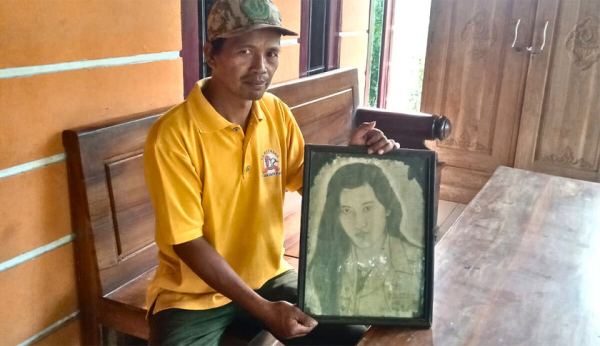
Parjono is carrying one of his sketches.

Since joining Trees4Trees in 2017, Parjono has become a senior farmer, starting with teak and fruit trees like soursop. This year, he’s planting timber trees like sengon and jabon, along with avocado trees, continuing his dedication to reforestation. 

One of the things he values most about Trees4Trees is the training they offer. He hopes that in the future, there will be additional training, such as grafting techniques or other cultivation methods to help farmers become more skilled in caring for their plants. 

Parjono’s Journey from Malaysia to a Fulfilling Life as a Farmer in Durensawit Village 

An adventurer might be a very suitable word to describe Pak Parjono. Before settling into farming, he spent five years working abroad in Malaysia, taking on jobs in welding, livestock, and construction. Yet, when he returned to Indonesia, he found that farming was his true calling. “Farming suits me better because it brings me peace, seeing my land lush and fertile,” he recalled. 

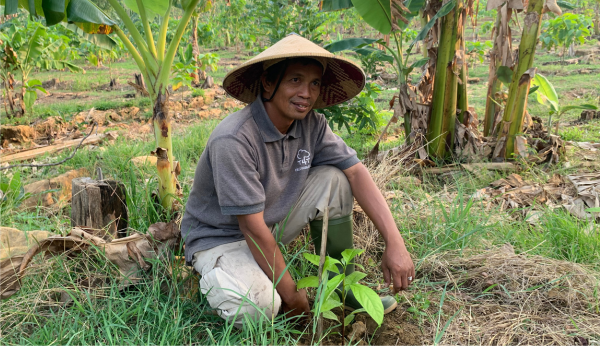
Parjono is planting a tree from Libra Palma and Trees4Trees.

Proud of his role as a farmer, Parjono believes that working with nature offers both healing and learning. “Maybe today’s generation feels ashamed to be farmers, but we contribute so much to the environment and the economy,” he added. He hopes his children will one day follow in his footsteps, helping to preserve the environment and take part in green initiatives that benefit the Earth. 

Despite challenges such as prolonged droughts and crop failures, Parjono remains optimistic. He constantly reminds his fellow farmers not to tire of planting and caring for the trees provided by Trees4Trees. “I am grateful to Libra Palma for providing seedlings and facilitating farmers to gain knowledge on greening our village,” he added. 

Parjono’s Inspiring Impact on Trees4Trees 

The spirit of Pak Parjono has inspired Marthan, the Trees4Trees Field Coordinator in Pati to keep spreading kindness and sharing good things around Durensawit Village. “Pak Parjono is not only a dedicated farmer but also a mentor to his peers. His perseverance and enthusiasm for learning and planting more types of trees inspire us all,” said Marthan enthusiastically. 

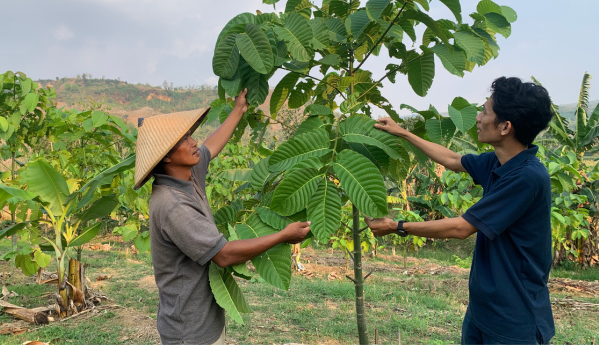
With a humble smile, Parjono shares a few jabon trees he planted with Trees4Trees in 2023, now flourishing and growing beautifully.

The harsh reality is addressing climate change and motivating farmers to be aware of and committed to greening the village. But Marthan is grateful for working side by side with Pak Parjono. He often helps Marthan to encourage other farmers to join the Trees4Trees reforestation program and even takes part in conserving the village’s water sources by planting trees around springs.  

In a world where everything is fast-paced, looking back and finding that little inspiration around our daily lives seems like a rare gift. Pak Parjono’s quiet determination show us that positive change often starts with small steps. Together, with the support from Libra Palma and Trees4Trees they remind us that no matter the challenges, the work we do today can leave a lasting impact on our environment and future generations. 


Written by Teresia Miranti | Source compiled by Marthan Saputra | Photograph by Marthan Saputra 

Nurturing the Next Generation: Support for Young Farmers in West Java

Nurturing the Next Generation


Nurturing the Next Generation
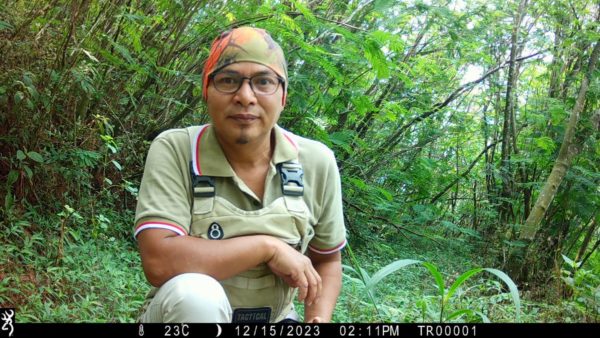
Dani, a young farmer from Pakutandang Village, next to the burflower trees he has been growing with support from Trees4Trees.

“Most people my age don’t think about getting into farming,” says Heri, a 36-year-old from Batulayang in West Bandung Regency. “They believe there’s more money to be had in city jobs, but that’s not always that case.” Heri speaks from experience. He used to be one of the majorities who took city jobs – recent government data shows that only 17% of people aged 17 to 39 in West Java are farmers.  

In recent decades, rapid development has transformed rural areas into modern landscapes, replacing farmlands with factories, shopping centers, and housing. This shift has changed job trends, with many young people choosing city-based careers over farming. Nevertheless, some young people like Heri are growing disillusioned with city life and returning to their roots.  

“From my experience in horticulture, I’ve seen how farming can lead to success and become a sustainable livelihood for many, helping them provide for their families,” says Heri. The most important thing for young people is to change their mindset and recognize that farming can lead the way to entrepreneurship,” he added. With support from Trees4Trees, this new generation is rediscovering the benefits that rural life can bring. 

Homecoming: Choosing Farm and Family

Many of the young farmers participating in Trees4Trees reforestation programs learned farming from their parents. Munawar Sidiq (21), a Gen Z farmer from Mandalawaji Village, began farming as a child. After briefly working on a construction project in the city, he returned to continue his parents’ legacy.  

“City life wasn’t for me,” he explains. I have family, land that would have gone to waste if I didn’t take care of it;. if all young people like me leave the village, who will farm, grow trees, produce food, and protect nature?”  

Similarly, Dani (32) from Pakutandang Village, developed basic farming skills under his father’s tutelage in his teenage years, before later joining a restoration project in Sumatra. He decided to return and become a full-time farmer in 2018. “This experience gave me advanced skills in farming that I can now use to transform my family’s field,” he said. 

Nurturing the Next Generation
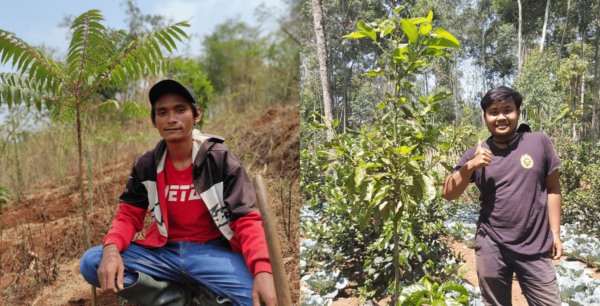
(Left) Munawar Sidiq and (Right) Aditya Swara with the trees and crops they have been growing.

New Solutions for a New Generation 

Armed with the knowledge and experience they have gained from their travels, these young farmers are committed to helping their villages develop better, more sustainable practices. Aditya Swara (20), a farmer from Girimulya Village, chose to stay home instead of moving to the city, with a mission to tackle water scarcity in his village. Like other residents, he manages vegetable plots and grows fruit trees. “We rely on growing vegetables, but water access is limited,” he says. “During the dry season, it becomes a real challenge.” To combat this, Aditya combines vegetable farming with shade trees like teak and mahogany, which also help to improve soil quality and the availability of groundwater. 

Yonan (33) from Kidangpananjung Village, also sees the value of tree planting. To prevent future water scarcity in his surrounding area, he plants trees among his crops. “Without tree cover, water disappears,” he says. “More trees mean more water.” 

Youth involvement in environmental preservation is crucial, yet interest in farming among them is still lower than needed. Recognizing this, Heri initiated Citra Muda, a farmers’ group uniting young people aged 17 to 39 and encouraging them to pursue farming. With over 46 members, the group aims to secure a future for farming in their village. “I want to motivate them to create opportunities and become agricultural entrepreneurs through farming,” he said. 

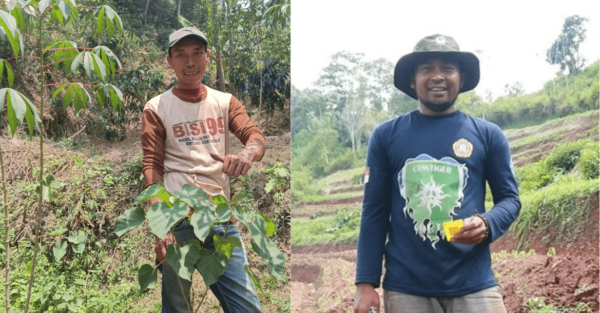
(Left) Yonan (Right) Heri

Flourishing in Farming with a Tree-planting Program 

Since 2021, Trees4Trees, together with AstraZeneca and One Tree Planted, has led a tree-planting initiative to restore the Citarum Watershed. This program has empowered young farmers with new opportunities and knowledge. Yonan and Heri shared that the program allowed them to plant various trees at no cost and gain organic farming techniques through training.  

Meanwhile, for Dani, being named one of the program’s best farmers was an honor. “I never thought I’d be recognized. I just did what was necessary, and the team acknowledged my efforts. It motivated me to keep improving my land and protecting my village environment.” 

Aditya’s field was also selected as a demonstration plot due to his impressive planting efforts and the growth of his trees. “Through the demonstration plot, it’s a great opportunity for me to showcase sustainable farming and educate other farmers in the village, especially young people,” he said. 

These young farmers are grateful for the tree-planting initiative and eager to continue working to build greener villages.  “We hope Trees4Trees and partners keep supporting young farmers like us with free seedlings and training” said Munawar. “I believe more trees and more involvement from young people will ultimately lead to a greener environment.” 


Writer: V. Arnila Wulandani. Editor: Chris Alexander. Photos: Nopan Noviana, Benyamin Harits, Fahry SK, Indra Dirjakusuma, Kemas Duga Muis